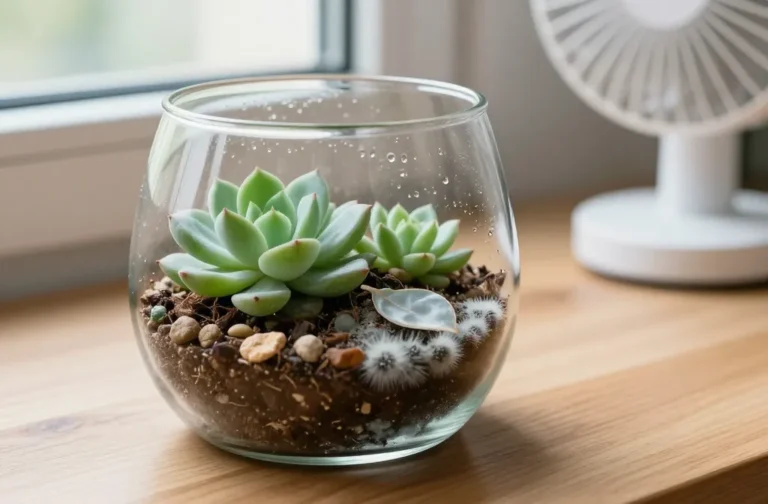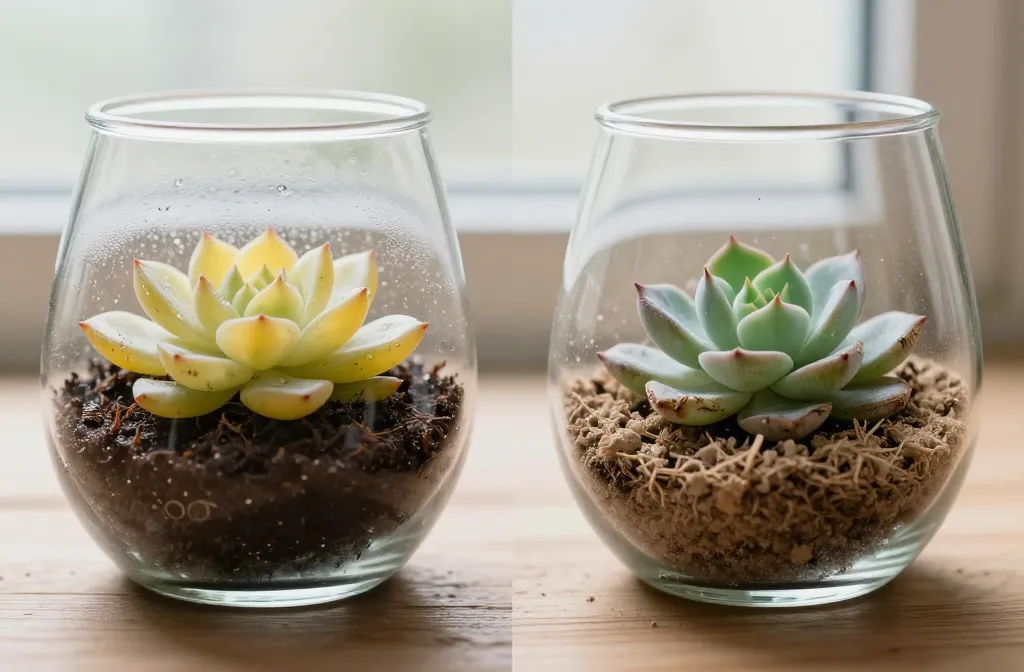
Overwatered Vs Underwatered Succulent Terrarium — How to Read the Symptoms and Fix Both Fast
I’ve lost more succulents to “kindness” than to neglect, and terrariums make that even easier to do. If your glass bowl looks pretty but the plants inside look tired, you’re not alone — diagnosing water problems in a closed space is tricky. In this guide, I’ll show you how to read the exact symptoms, why they happen, and the simple fixes you can do today with basic tools. You’ll finish knowing exactly when to water, when to stop, and how to save a struggling terrarium.
Why Do Succulents Struggle Inside Glass Terrariums?
Succulents evolved for fast drainage and dry air, so trapped terrarium humidity causes two opposite failures: root rot from excess water or shrivelling from slow dehydration. Glass amplifies both light and moisture swings, making timing even harder.
Succulents evolved for fast drainage, air at the roots, and long dry spells. A terrarium traps humidity and slows evaporation, so water lingers in the substrate longer than you expect. As University of Minnesota’s succulent care guide explains, the key to keeping succulents healthy is replicating their natural cycle of thorough watering followed by complete drying.
That mismatch causes two failures: overwatered roots starve of oxygen and rot, while underwatered leaves sacrifice stored moisture and shrivel. The glass also amplifies light and heat, speeding up dehydration on sunny days and condensation on cool nights.
Action today: Move your succulent terrarium to bright, indirect light near a window, not in direct sun — this stabilizes moisture swings immediately.
How Can You Tell Overwatered From Underwatered at a Glance?
Mushy translucent leaves signal overwatering; wrinkled papery leaves signal underwatering. Check stems and soil smell to confirm which problem you’re dealing with in under a minute.
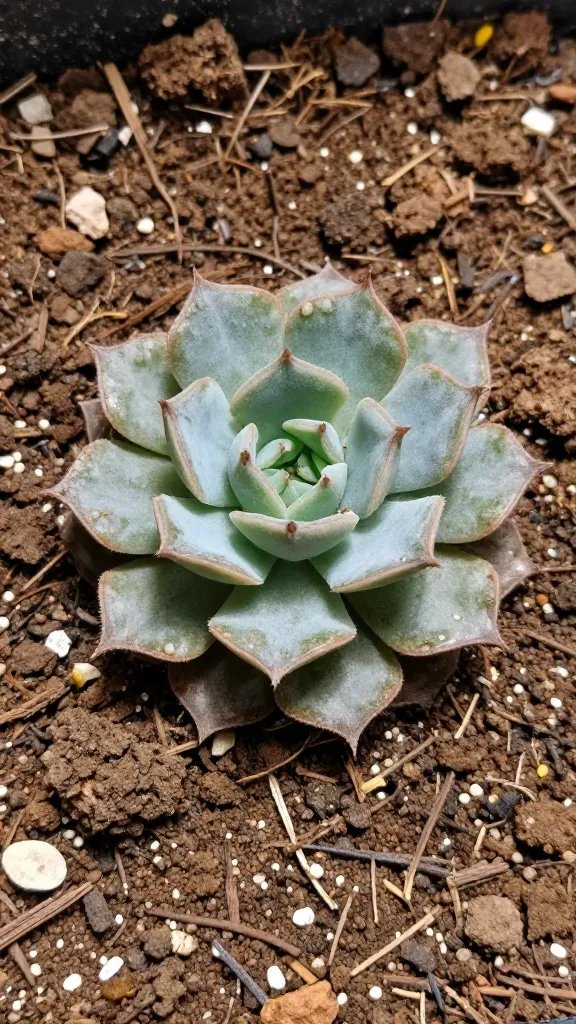
I use a three-part check: leaves, stems, and soil smell. It takes one minute and never lies.
Warning Signs: Overwatered Terrarium
- Leaves: Swollen, translucent, mushy, or bursting; yellowing from the base upward.
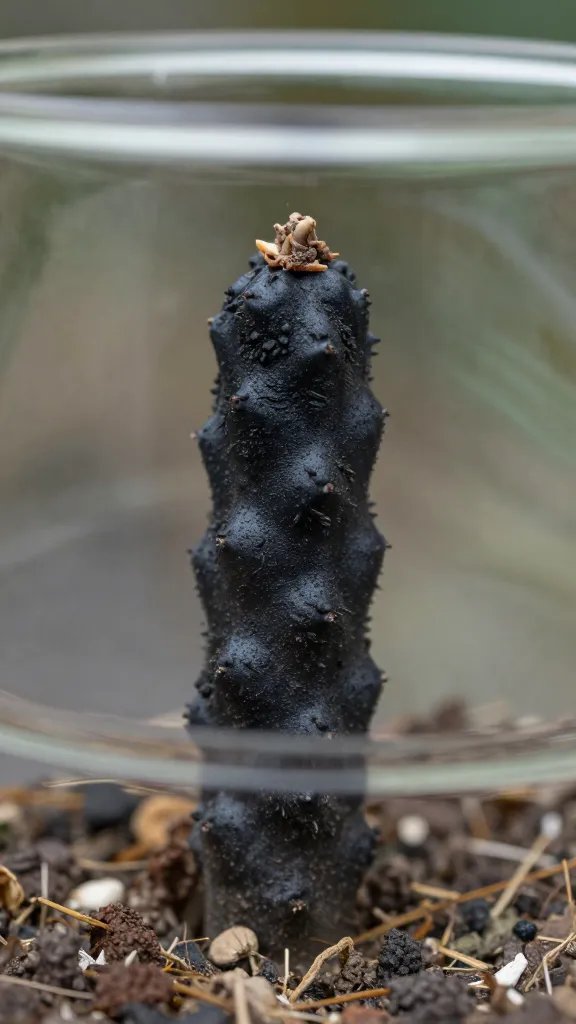
- Stems/neck: Black or brown at the soil line; plant feels wobbly because roots have softened.
- Soil/glass: Condensation most of the day; soil stays dark longer than 5–7 days; musty or sour smell.
Warning Signs: Underwatered Terrarium
- Leaves: Wrinkled, thin, accordion-like folds; feel papery rather than squishy.
- Stems/neck: Firm and clean, but the rosette looks smaller or “pulled in.”
- Soil/glass: Bone-dry top layer; almost no condensation even early morning; soil looks pale and dusty.
| Sign | Overwatered | Underwatered |
|---|---|---|
| Leaf feel | Mushy, translucent, bursting | Wrinkled, papery, accordion-folded |
| Leaf colour | Yellowing from base upward | Dull, faded, sometimes slightly brown at tips |
| Stem at soil line | Black or brown, soft, plant wobbly | Firm and clean, rosette looks pulled in |
| Soil appearance | Dark, stays wet 5–7+ days, sour smell | Pale, dusty, bone-dry top layer |
| Glass condensation | Heavy, most of the day | Almost none, even early morning |
Takeaway: Mushy and translucent means overwatered; wrinkled and thin means underwatered — decide your fix based on that single difference.
How Do You Rescue an Overwatered Succulent Terrarium?
Remove the lid, cut away rotting roots and leaves, then add coarse sand or gravel to improve drainage and aeration. Skip watering for five to seven days so the cuts can heal and the soil can oxygenate.
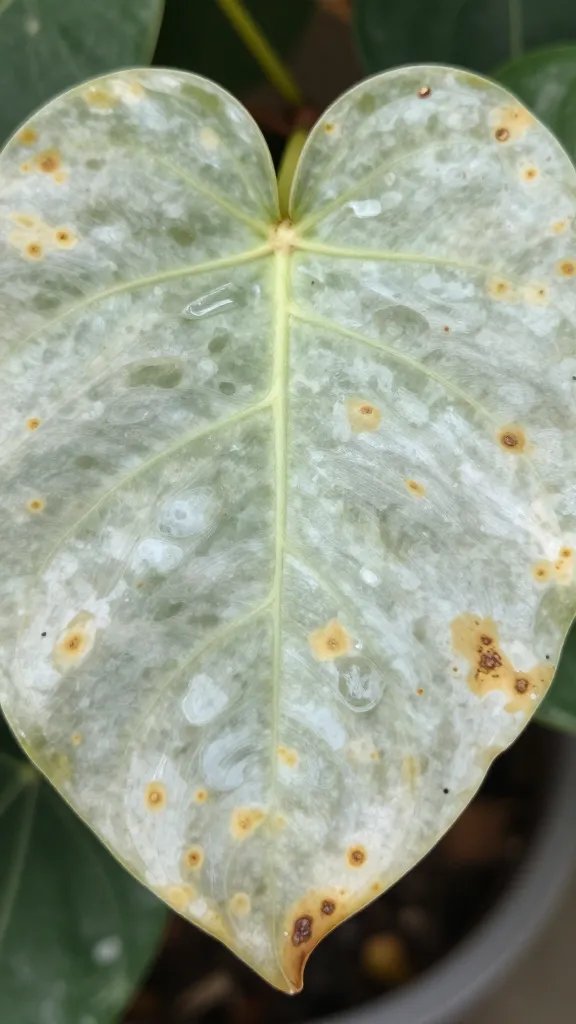
Overwatering needs root oxygen fast. I focus on air, drainage, and removing rot the same day.
Step-by-Step Fix
- Unlid and ventilate: Remove any lid and set the terrarium in a breezy indoor spot for 24–48 hours. Aim a small desk fan nearby on low if you have one.
- Check the roots: Gently lift the worst plant. Trim all brown, black, or mushy roots and leaves with clean scissors.
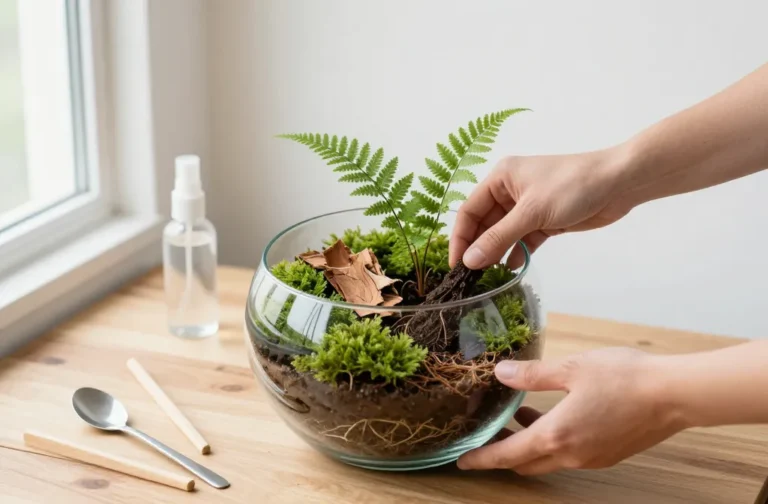
- Add air space: If the substrate looks soggy, spoon out the top 1–2 cm and mix in a handful of coarse horticultural sand or fine aquarium gravel from the garden centre. Avoid beach sand.
- Create a drainage layer (if missing): Add a 1–2 cm base of pea gravel or LECA, then a thin barrier of mesh or paper coffee filter, then return a gritty mix on top.
- Replant shallowly: Keep the stem base above the soil line to avoid collar rot.
- No water for 5–7 days: Let cuts callus and roots re-oxygenate. Resume with a light drink afterward.
If you spot tiny insects around the soggy soil, you may have a secondary pest issue — aphids and fungus gnats thrive in overwatered conditions. The Clemson extension guide on container planting problems also covers how poor drainage causes many of the issues terrarium growers face.
Action today: Open the terrarium and let it air for 24 hours — that alone halts most overwatering spirals.
How Do You Bring Back an Underwatered Succulent Terrarium?
Give the soil a slow, split watering — half now, half in ten minutes — so roots absorb moisture without drowning. Keep the plant shaded for a day while the leaves plump back up.
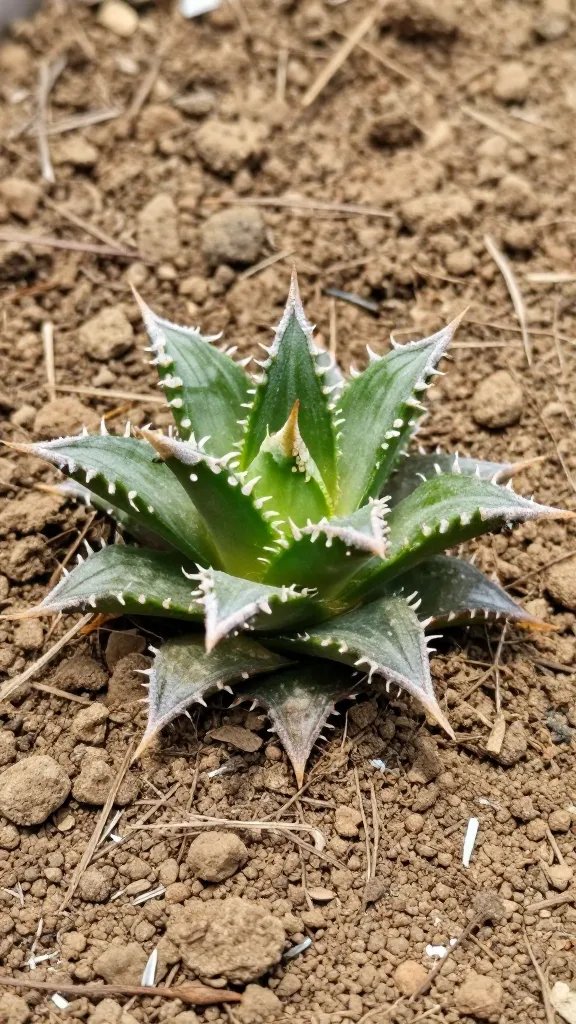
Underwatered plants need a measured, thorough drink that rehydrates the root zone without turning it swampy.
Step-by-Step Fix
- Pre-wet gently: Use a squeeze bottle or small watering can with a narrow spout. Add water slowly around the base until you see slight darkening across the surface.
- Wait 10 minutes: Let the mix wick moisture. Then add a second small round to reach the root zone evenly.
- Stop at first trickle: If you see water pooling at the bottom layer, stop. Tilt the terrarium slightly for 5 minutes to help excess move away from roots.
- Shade for 24 hours: Keep out of direct sun to reduce stress while the leaves rehydrate.
Action today: Give a slow, split watering in two small passes rather than one big pour — it hydrates evenly and prevents sudden rot.
What Soil Setup Works Best for Succulents in Glass?
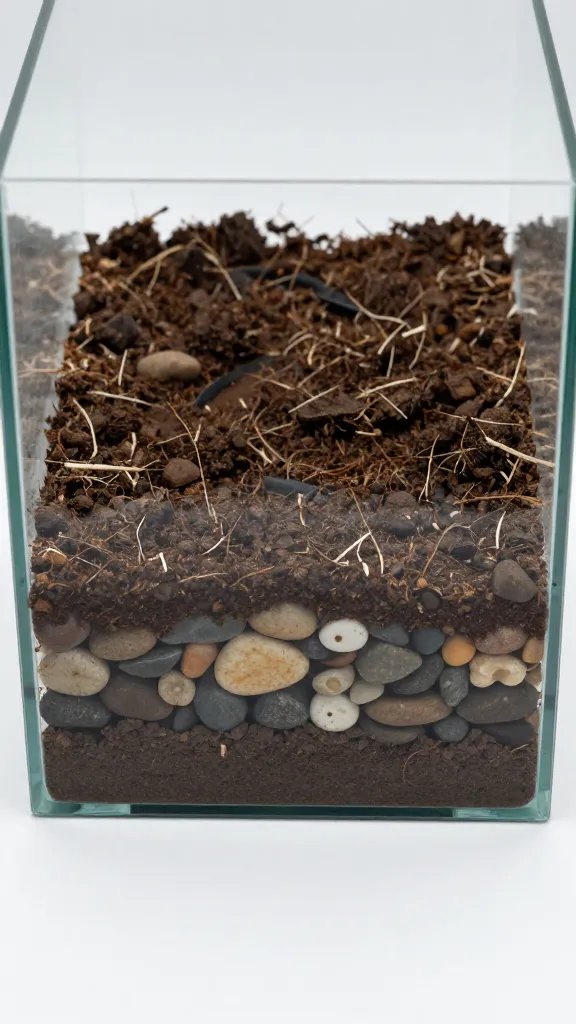
Blend 50% cactus mix with 25% coarse sand and 25% fine gravel or pumice over a 1–2 cm pea gravel base. This gritty combination drains fast and lets roots breathe — exactly what succulents need in a closed vessel.
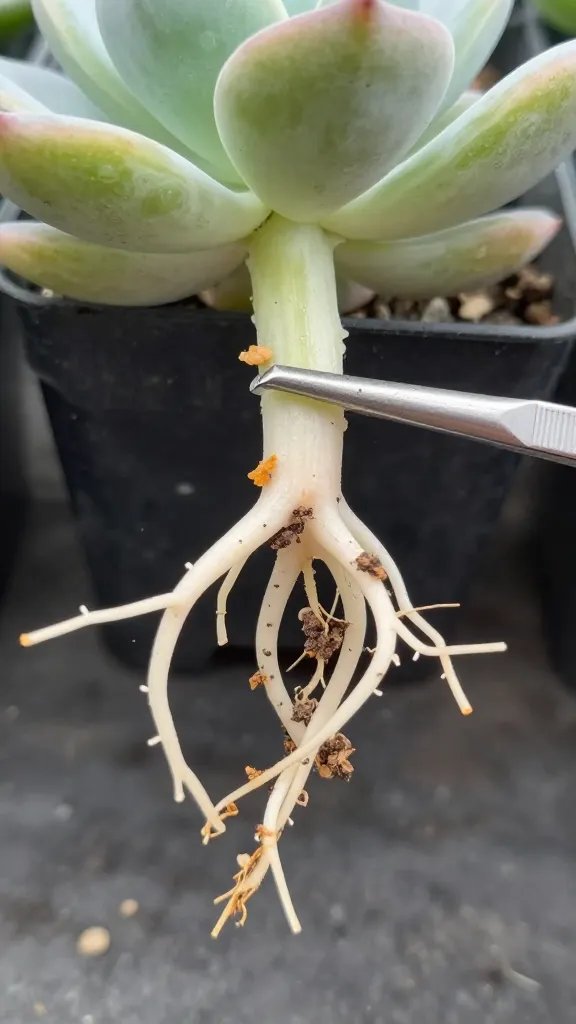
Standard potting mix holds too much water in a terrarium. I aim for a gritty blend that drains fast and breathes. The University of Minnesota’s container soil guide confirms that particle size is the single biggest factor in how fast a mix drains.
Material Recommendations
- Base layer (1–2 cm): Pea gravel or LECA to hold runoff away from roots.
- Main mix (3–6 cm, depending on vessel): 50% cactus/succulent mix from the garden centre + 25% coarse horticultural sand + 25% fine gravel or pumice.
- Top dressing: A thin layer of decorative gravel to keep leaves off damp soil and reduce fungus gnats.
If you want a full breakdown of substrate options, the guide to soil types for container gardening covers ten mixes and when each one works best.
Action today: If your terrarium feels heavy days after watering, replace the top 2–3 cm with a grittier blend to boost airflow immediately.
What Watering Rules Actually Work for Indoor Succulent Terrariums?
Water 2–4 tablespoons every 2–4 weeks, but only after the skewer test confirms the top 3 cm is dry. Always aim at the soil, never at the rosettes — wet leaves invite rot.
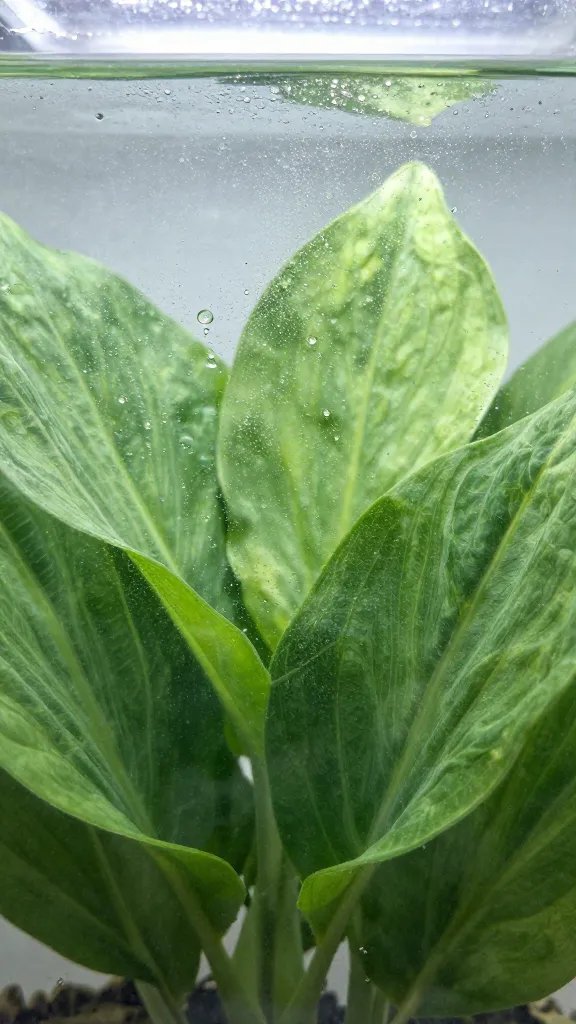
Succulents prefer deep, infrequent watering and a full dry-out in between. In a terrarium, that means smaller amounts and longer gaps.
Simple Schedule and Method
- Amount: For a 15–20 cm wide terrarium, start with 2–4 tablespoons of water total. For larger bowls, scale up to 1/4 cup, watching the drainage layer.
- Frequency: Every 2–4 weeks in bright indirect light. Extend to 4–6 weeks in cooler rooms.
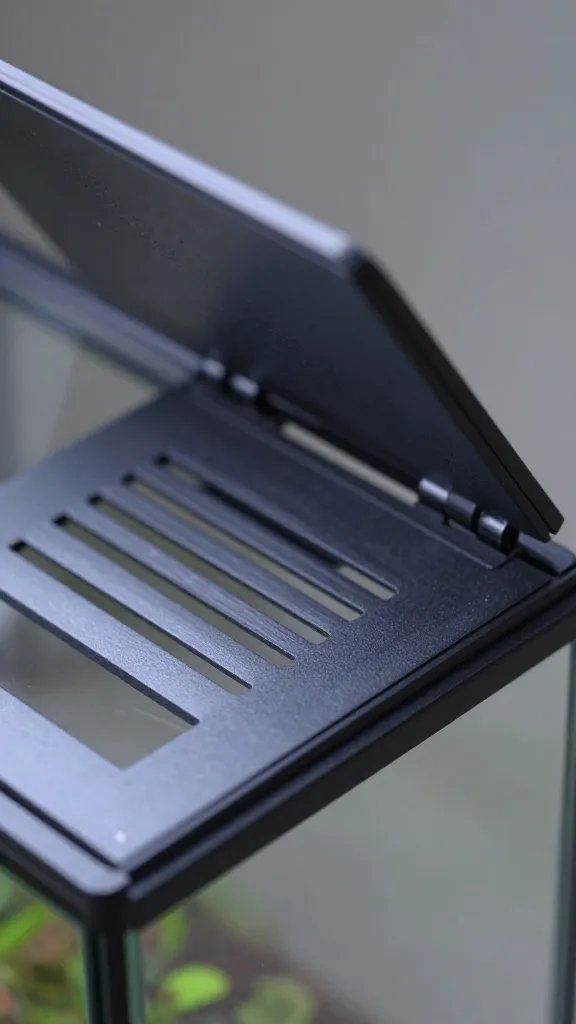
- Test: Press a wooden skewer into the mix. If it comes out clean and barely cool at 2–3 cm depth, water. If it’s damp or dirty, wait.
- Target the soil, not rosettes: Wet leaves trap moisture and invite rot.
For a deeper look at timing and technique, the complete terrarium watering guide breaks down schedules by vessel type and season.
Action today: Stick a wooden skewer 3 cm into the soil right now — let that moisture check decide your next watering date.
How Do Light and Airflow Change Moisture in a Terrarium?
Bright indirect light paired with a cracked lid gives succulents the drying cycle they need. Still air and low light keep soil wet for days, while good airflow and consistent light let roots dry between waterings.
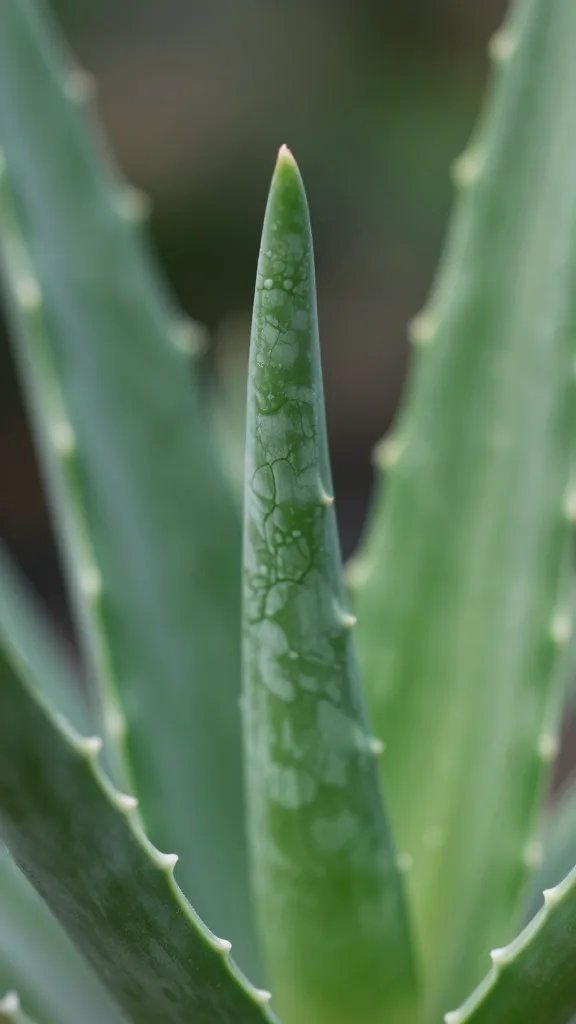
Light level controls how fast your terrarium dries. Airflow decides whether roots get enough oxygen between waterings.
- Light: Place 0.5–1 m from a bright east or south-facing window with sheer curtain. Avoid direct midday sun through glass to prevent leaf scorch and sudden dehydration.
- Airflow: Leave open-topped or use a lid only loosely for succulents. If you love a cloche look, prop it open 1–2 cm except during very dry winter air.
- Rotation: Turn the terrarium a quarter turn weekly for even growth and drying.
Understanding the right light levels matters even more for closed setups — the terrarium lighting guide covers how to match light to your specific vessel.
Action today: Crack any lid open with a wine cork slice or folded card — you’ll see condensation normalize within 24 hours.
Which Succulents Are Forgiving Enough for a Terrarium?
Haworthia, Gasteria, and small Sedum tolerate terrarium life best because they resist rot and handle lower light. Avoid Echeveria, String of Pearls, and Aloe — they need more airflow than glass can provide.
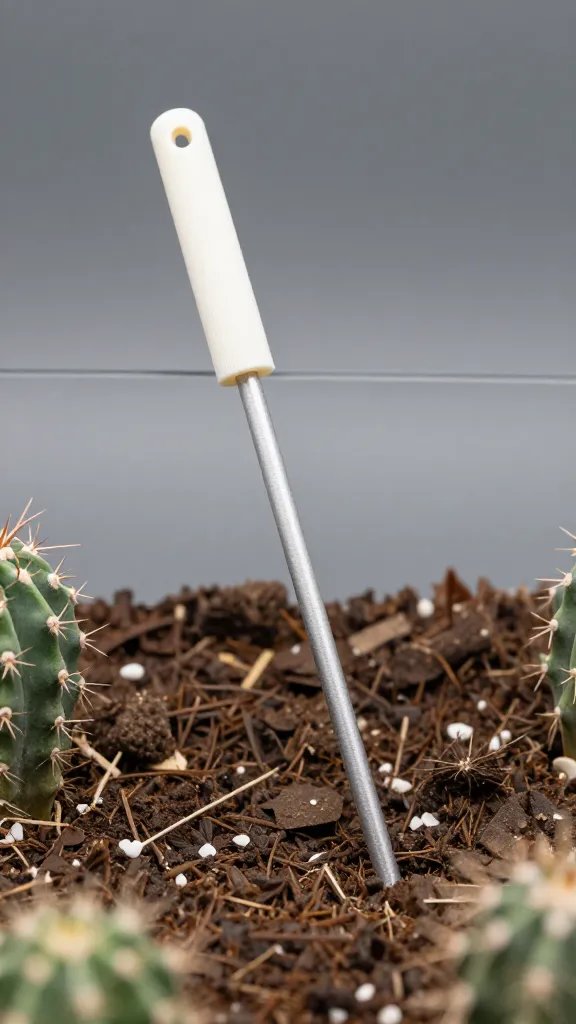
Some succulents tolerate terrarium life better than others. I group plants by thirst so one schedule suits all.
Reliable Choices
- Haworthia (zebra types) — compact, handles lower light, resists rot.
- Gasteria — thick leaves, slow grower, forgiving.
- Sedum (small varieties) — tolerates brief dry spells.
- Crassula ovata ‘Hobbit’ or ‘Gollum’ — thicker leaves, clear signals when thirsty.
Use With Care
- Echeveria — beautiful but rosette rot if water sits in leaves.
- String of Pearls (Senecio rowleyanus) — hates trapped humidity.
- Aloe — wants more airflow than most glass provides.
Action today: If you mix thirsty and drought-tolerant types, separate them into different vessels so you can water each correctly.
Frequently Asked Questions
How often should I water a succulent terrarium?
Every 2–4 weeks in bright, indirect light works for most setups. Use a wooden skewer at 3 cm depth — if it comes out clean and barely cool, water that day. If it’s damp or has soil sticking, wait a week and recheck. In winter, extend gaps to 4–6 weeks.
Why are my succulent leaves turning translucent and falling off?
That’s classic overwatering with root rot starting. Open the terrarium, trim mushy roots and leaves, and let the plant dry 5–7 days before a light replant. Improve the mix with coarse sand or pumice and keep stems slightly above the soil line. Resume watering with tablespoons, not cups.
Can I keep a lid on a succulent terrarium?
Only if you keep it propped open most of the time. Succulents need airflow and a full dry-out between waterings, which a tight lid prevents. If you want the cloche look, leave a 1–2 cm gap and close it only briefly in very dry indoor air. Watch condensation — more than half the glass wet at midday means too closed.
What kind of water should I use?
Use tap water that tastes clean and not salty. If your tap leaves white crust on kettles, switch to filtered water to reduce mineral buildup on glass and soil. Always water the soil directly and avoid filling rosettes. Room-temperature water prevents shock.
Do I need fertilizer in a succulent terrarium?
Very little and very rarely. Use a balanced liquid feed at one-quarter strength once in spring and once in summer, never on stressed or freshly trimmed plants. Water lightly first, then feed to avoid burning roots. Skip fertilizer in winter.
How do I know if it’s overwatering or underwatering when symptoms look similar?
Squeeze a leaf gently — if it feels mushy or bursts, that’s overwatering; if it’s papery and accordion-folded, that’s underwatering. Then check the soil: dark and cool for days means too wet, while pale and dusty means too dry.
Is it normal for my succulent to lose its bottom leaves?
Yes — succulents naturally shed their oldest lower leaves as they grow, and the dried leaves are harmless as long as you remove them promptly. If the leaves are mushy or black instead of dry and papery, that signals rot rather than normal shedding. Pluck off any soft leaves immediately and check the stem for signs of rot at the soil line.
Can I use a terrarium misting bottle for succulents?
Misting wets the leaves without reaching the roots, so it causes rot on succulents while failing to actually hydrate them. Use a squeeze bottle to deliver small amounts of water directly to the soil instead. Reserve misting only for closed terrarium plants like ferns and fittonia that absorb moisture through their leaves.
Can you save a succulent with advanced stem rot?
Yes, if any firm tissue remains above the rot line — cut the stem back to clean, white interior with a sterile blade and let the cutting sit out for 3–5 days until the end fully calluses. Then plant it in fresh, dry gritty mix and wait a full week before the first tablespoon of water. Discard the rotting base and old soil; don’t try to reuse either one.
Conclusion
You can read a succulent terrarium at a glance: translucent and mushy means water out, wrinkled and thin means water in. Set your mix gritty, your light bright and indirect, and your airflow generous — then water by evidence, not by calendar. Today, do the skewer test and adjust one habit: either open the lid for air or measure water by tablespoons. That single commitment keeps your terrarium healthy all year.