How to Rescape a Terrarium Without Starting Over — Substrate Refresh, Plant Rotation and Reset Fast, Guaranteed
I’ve torn down more terrariums than I care to admit because I thought a full reset was the only fix. It isn’t. Most tired-looking builds bounce back with a targeted refresh you can do in under an hour with household tools. In this guide, I’ll show you how to clean up the substrate, rotate or trim plants, and reset the microclimate so your terrarium looks newly scaped without losing the ecosystem you’ve grown.
Diagnose What Actually Went Wrong Before You Touch Anything
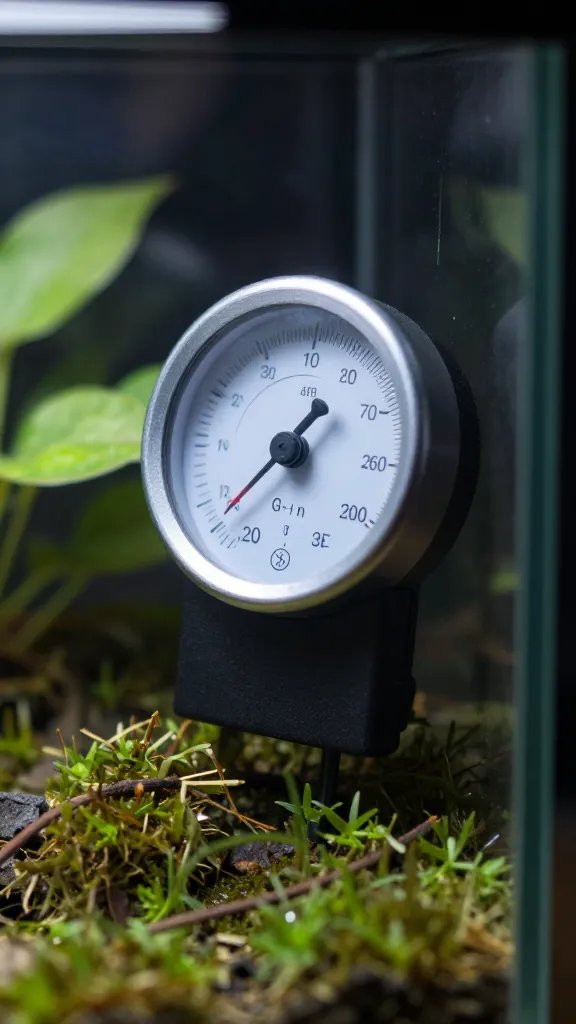
Rescaping works when you fix the cause, not just the look. I check three things first: light, moisture, and airflow. If the terrarium sits too far from a window or stays sopping wet, no amount of pruning will hold.
Wipe the glass dry at midday and check for new condensation two hours later. Heavy fogging means too wet; bone-dry glass means too dry or too warm. Smell the substrate — fresh-earthy is fine; sour or swampy means anaerobic pockets that need attention.
Action today: Move the terrarium to bright indirect light near a window and crack the lid 30–60 minutes to read moisture behavior before you rescape.
Refresh the Substrate Without a Full Tear-Down
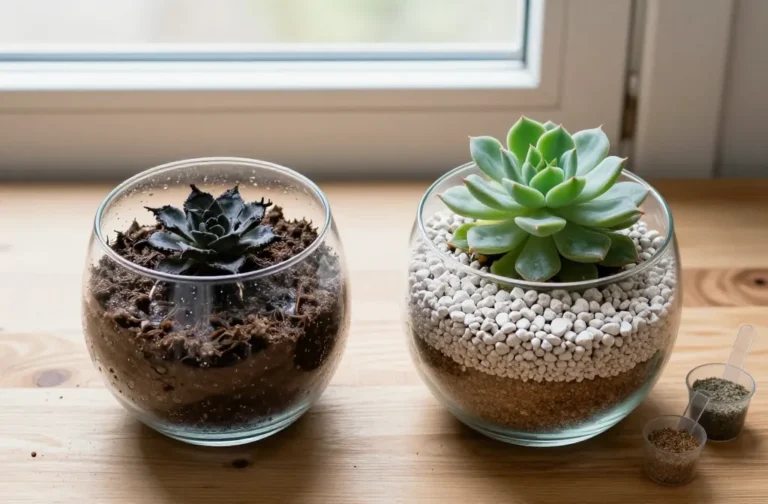
I don’t toss all the soil unless it smells rotten through and through. Most times, I remove just the tired top layer and reintroduce structure so roots can breathe.
Step-by-Step Substrate Refresh
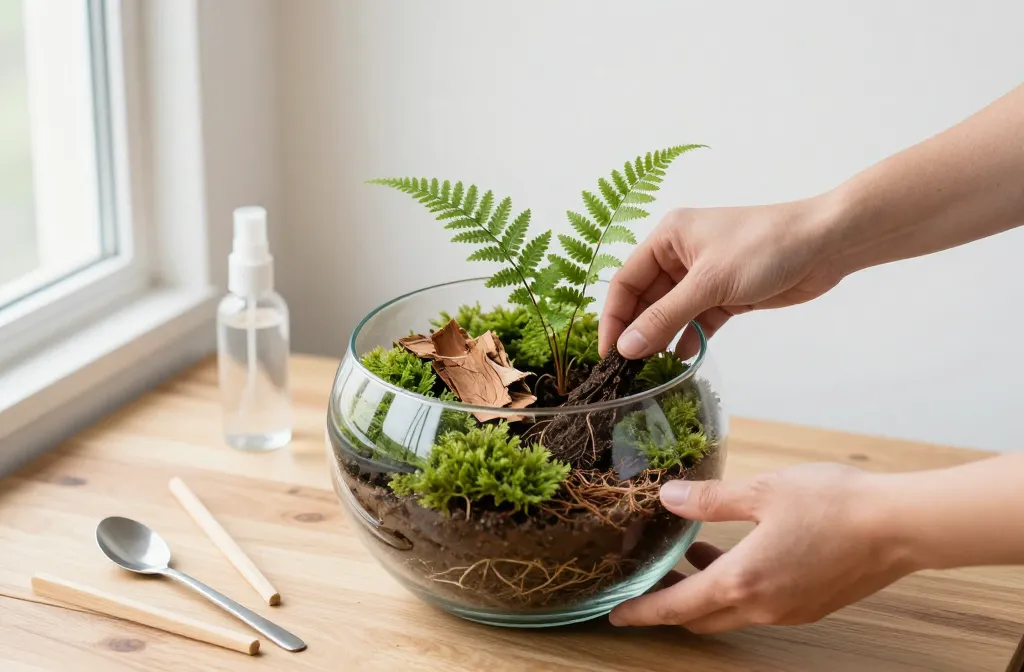
- Prepare tools: a spoon, chopsticks, paper towels, and a small bowl. Optional: activated charcoal and fresh potting mix.
- Lift out loose moss and set it on a damp paper towel. Trim dead bits now.
- Scoop away the top 1–2 cm of compacted substrate. If it’s slimy or smells sour, remove 3–4 cm.
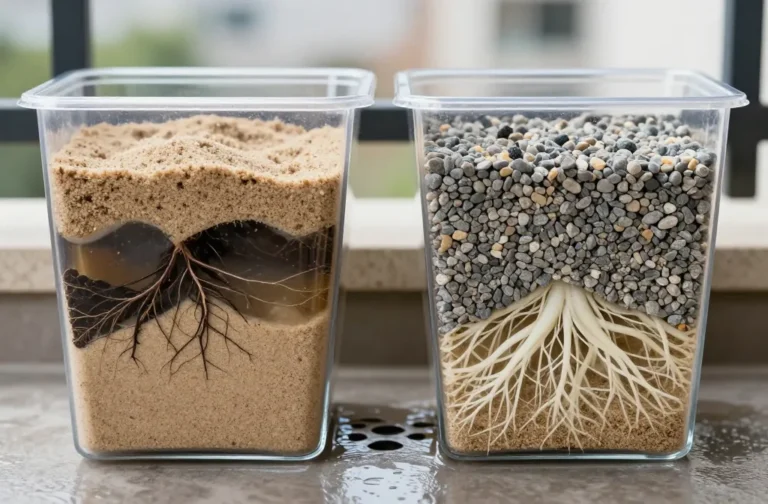
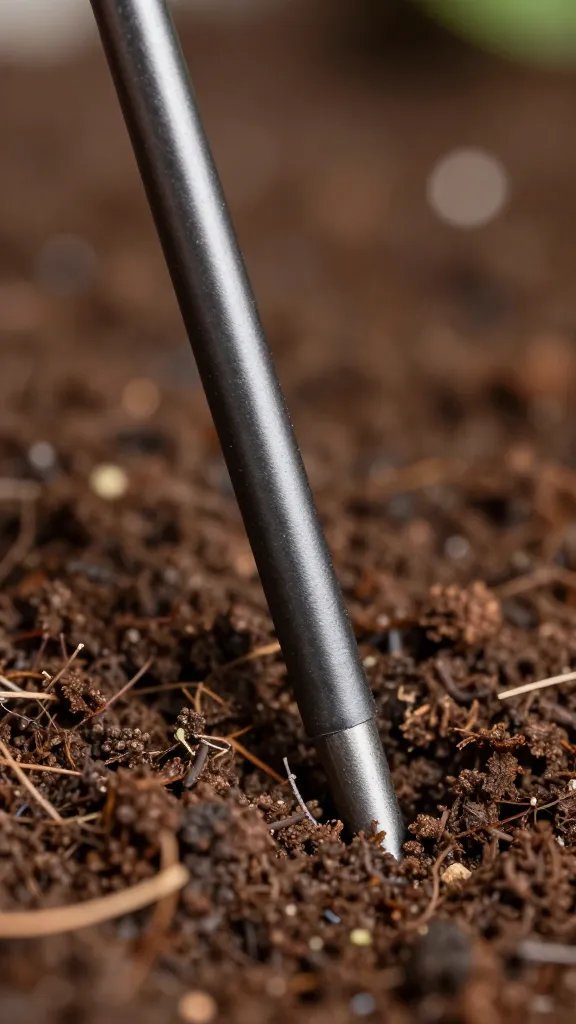
- Fluff the remaining layer with chopsticks to create air channels down to the drainage layer. Avoid stabbing roots; wiggle gently.
- Add a thin sprinkle of activated charcoal (a small pinch per 10 cm of diameter) to reduce odors and refresh the biofilter.
- Top up with fresh, good-quality potting mix lightly moistened so it clumps when squeezed but doesn’t drip. Aim for 1–2 cm depth.
Takeaway: Replace only the exhausted top layer and restore air gaps — that alone reverses most decline.
Right-Size the Water: Set-and-Forget Moisture Level
After substrate work, I reset moisture so I don’t chase it later. Overwatering causes glass-fog, algae, and root rot; underwatering stalls growth and browns moss.
Warning Signs and Fixes
- Too wet: Persistent fog, green film on glass, sour smell. Fix: leave lid off 1–2 hours, blot standing water from the drainage layer with a corner of a paper towel wrapped around chopsticks.
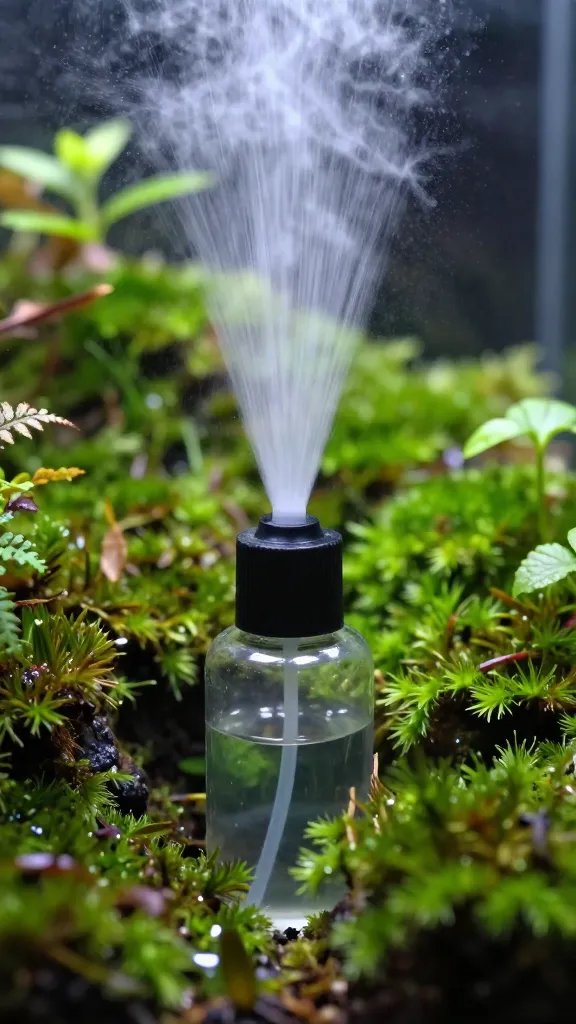
- Too dry: Crispy moss tips, wilted ferns, no condensation by midday. Fix: mist evenly with clean tap water that tastes clean, not salty. Add 1–2 tablespoons at a time, then recheck in 2 hours.
Target a light mist on the glass each morning that fades by afternoon. In closed builds, I aim for condensation on about one-third of the glass after sunrise.
Action today: After refreshing, add water a tablespoon at a time until you see a fine, even sparkle on the substrate — stop there.
Rotate, Trim, and Replant for Balance and Views
Terrariums fail visually when one plant hogs the light or blocks airflow. I treat rescapes like a haircut: reduce bulk, open the canopy, and stage focal points toward the front.
Plant Rotation and Trimming
- Rotate the vessel 90 degrees so shaded plants face the light for the next two weeks. This evens out growth without moving the container daily.
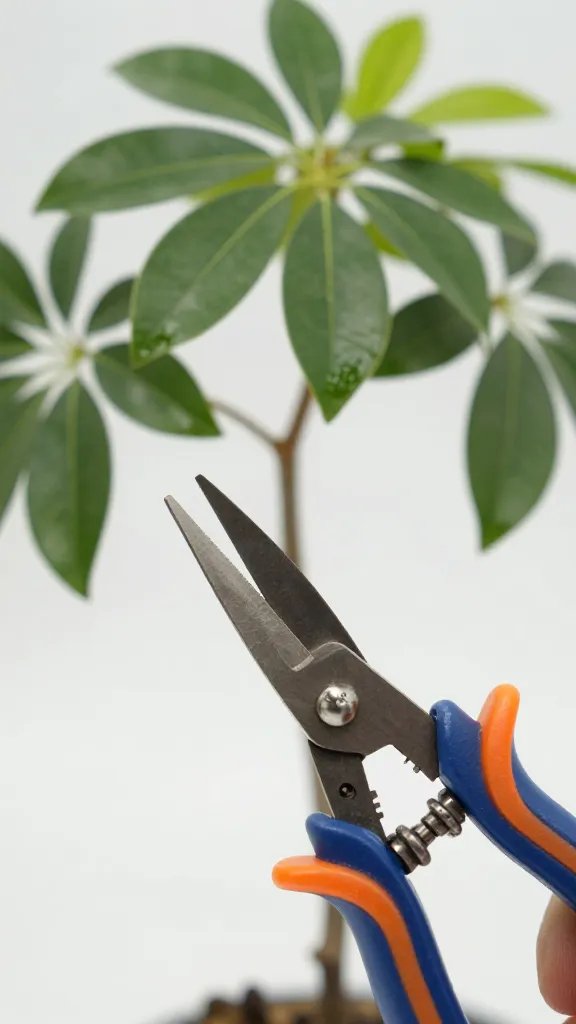
- Top or pinch fast growers like Pilea or Fittonia right above a leaf node. Replant cuttings as small accents.
- Lift and shift rosettes (e.g., Pepperomia) with a spoon under the root ball. Replant slightly higher to show texture.
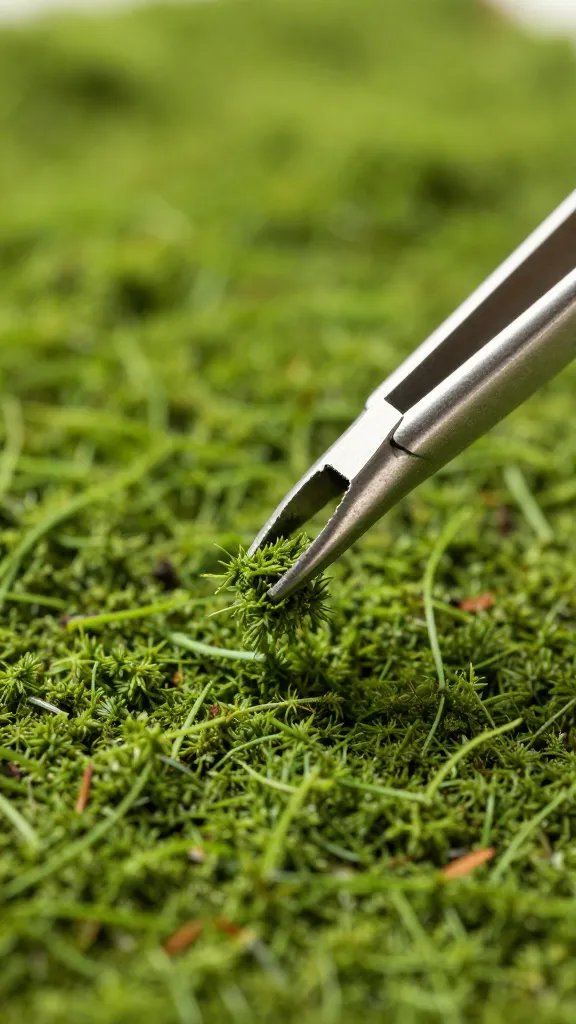
- Thin moss by tearing into postage-stamp pieces and patching gaps. Press gently so it contacts the soil but doesn’t smother it.
Takeaway: Trim back and then rotate the whole terrarium 90 degrees — this rebalances light and restores layered views.
Clean the Glass and Reset the Microclimate
Algae and mineral haze make any scape look tired. I always clean glass last so I don’t smear fresh soil while working.
Fast Glass Reset
- Use a soft cloth or coffee filter with a little plain water to wipe the inside. For green film, use diluted white vinegar on the outside only. Keep acids away from plants and soil.
- Run a dry coffee filter over the final pass — it leaves fewer streaks than paper towels.
- Close the lid and give the terrarium 24 hours to stabilize. Then reassess condensation and adjust: crack the lid 15–30 minutes daily if fog persists.
Action today: Do one inside wipe with a damp coffee filter — it lifts algae without scratching or chemical residue.
Reintroduce Life: Microfauna and Charcoal Keep It Stable
Closed systems benefit from tiny cleanup crews. If your garden centre carries them, a small starter of springtails helps clear mold and recycle debris.
I sprinkle a pinch of activated charcoal under moss islands where decaying leaves collect. It binds compounds that cause odors and supports beneficial microbes.
Takeaway: Add a teaspoon of springtail culture water or a pinch of charcoal under problem spots to keep mold and smells in check.
Choose Plants That Tolerate a Refresh (And Those That Don’t)
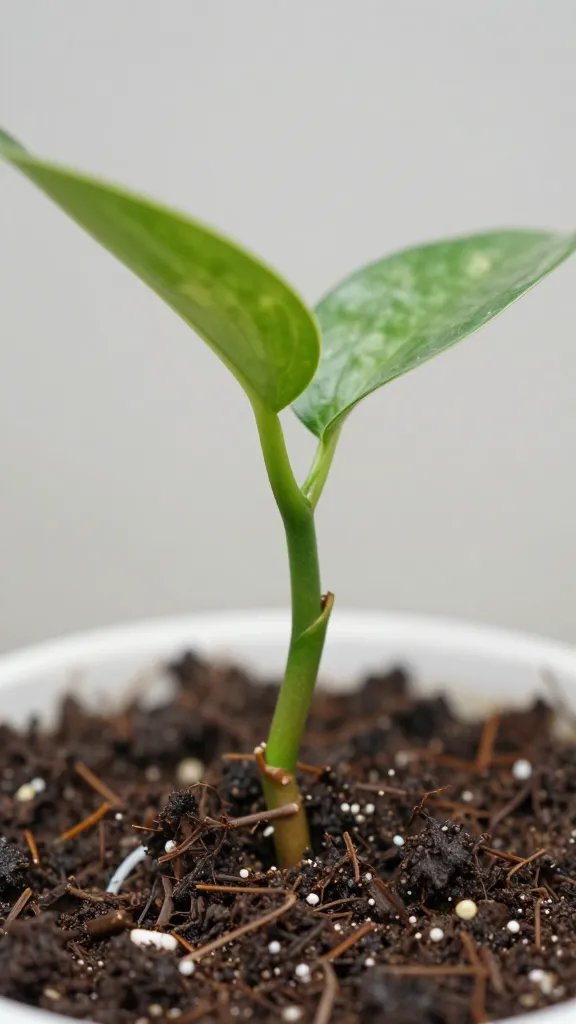
Some plants bounce back from trimming and transplanting; others sulk for weeks. I favor species that forgive handling in a tight space.
Reliable Refresh-Friendly Picks
- Mosses (cushion, sheet): tear and patch easily.
- Fittonia: responds well to pinching; re-roots from cuttings.
- Peperomia (small-leaf types): compact, tolerates shifts.
- Pilea depressa and Pilea involucrata: easy to thin and replant.
- Ferns (micro varieties): light trim only; keep crowns above soil.
Avoid heavy disturbance with orchids, carnivorous plants, and thick caudiciforms inside closed, humid builds. They prefer stable rooting and different substrate needs.
Action today: Swap one overgrown plant for a compact, shade-tolerant alternative like small-leaf Peperomia to reduce future pruning.
Set a Simple Maintenance Rhythm That Prevents Full Resets
After a rescape, I follow a light schedule so small fixes stay small. No gadgets needed — just a calendar reminder and your eyes.
- Weekly: 2-minute check at midday — look for condensation coverage, yellowing tips, and glass film.
- Monthly: Rotate the vessel 90 degrees, pinch back fast growers, and wipe the inside glass.
- Every 3–4 months: Lift moss edges, fluff the top 1 cm of substrate, and replace a pinch of charcoal.
Takeaway: Book a 10-minute monthly “mini-rescape” — trim, rotate, and wipe — to avoid ever starting over.
Frequently Asked Questions
How do I know if I need a full tear-down instead of a refresh?
If the substrate smells strongly sour even after removing the top 3–4 cm, or you see black, slimy layers throughout, start over. Also reset if pests like fungus gnats explode every time you disturb the soil. Otherwise, a targeted refresh usually fixes the issue. Always try a top-layer swap and ventilation test first.
Can I rescape a closed terrarium in winter?
Yes, but keep drafts and cold glass in mind. Work near room temperature and avoid placing the terrarium against a cold window right after watering. Plants grow slower in winter, so trim less aggressively. Aim for gentle rotation and light cleaning rather than big replant moves.
What if condensation pools at the bottom after I refresh?
Blot it out. Twist a paper towel around a chopstick, push it down the side, and wick up the water in a few passes. Then leave the lid open 30–60 minutes and recheck. Reduce watering next time to tablespoons and wait for the midday condensation cue.
How much should I trim at once without shocking plants?
Remove no more than one-third of any single plant in one session. Prioritize stems that shade others or press against glass. After trimming, rotate the terrarium to give newly exposed growth better light. Reassess in two weeks before making further cuts.
Will adding activated charcoal fix bad smells immediately?
It reduces odors within a day or two by binding compounds, but it won’t cure deep rot. Pair charcoal with improved airflow — crack the lid daily for 15–30 minutes for a week. If smells persist after a top-layer refresh, consider a deeper substrate replacement.
Conclusion
You don’t need to start from zero to revive a tired terrarium. Diagnose moisture and light, refresh the top substrate, trim and rotate for balance, and reset the glass and microfauna. Commit to a 10-minute monthly mini-rescape, and you’ll keep the ecosystem stable and the view fresh without another full rebuild. Start today by rotating the vessel 90 degrees and lifting the top 1–2 cm of compacted soil — you’ll see the difference within a week.