Summer Survival 8 Ways to Protect Your Balcony Garden From Extreme Heat
Your balcony plants didn’t sign up for a desert expedition. When heat waves hit, pots cook, leaves crisp, and even “drought-tolerant” babies throw tantrums. The good news? You can outsmart the sun with a few smart tweaks and save your mini jungle. Let’s keep those plants thriving—even when the forecast screams.
1. Create Shade Like You Mean It
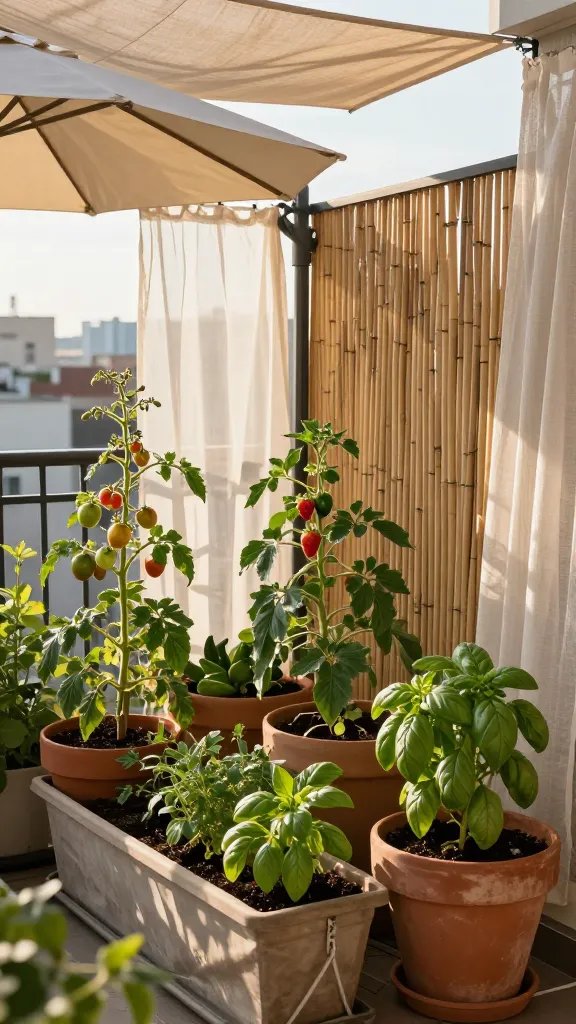
Direct sun can fry leaves, scorch fruit, and overheat soil. A little shade keeps temps down and stops your plants from losing water at warp speed. Think of it like sunscreen, but for your balcony.
Easy Shade Options
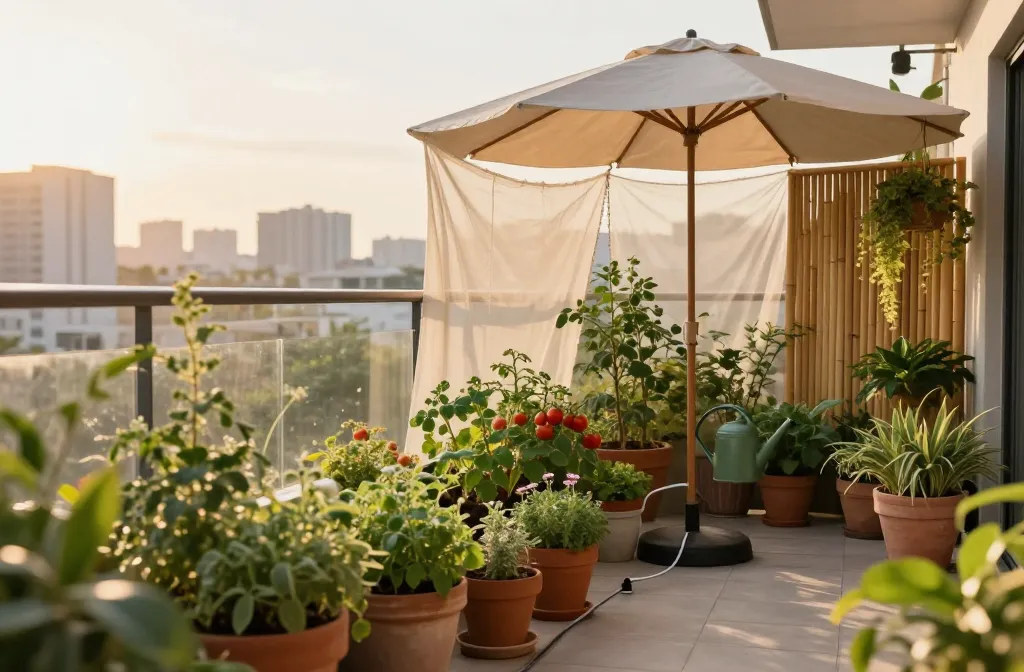
- Shade cloth (30–50%): Blocks harsh light without starving plants.
- Umbrellas or sails: Portable, adjustable, and actually cute.
- Bamboo screens: Diffuses light and adds privacy.
- Sheer curtains: Clip them to railings for instant shade.
Install shade on the hottest side (usually west) and adjust angles as the sun moves. Bonus: shade keeps you cooler, too. Use this when temps regularly crack 85°F and the sun feels personal.
2. Water Smart, Not More
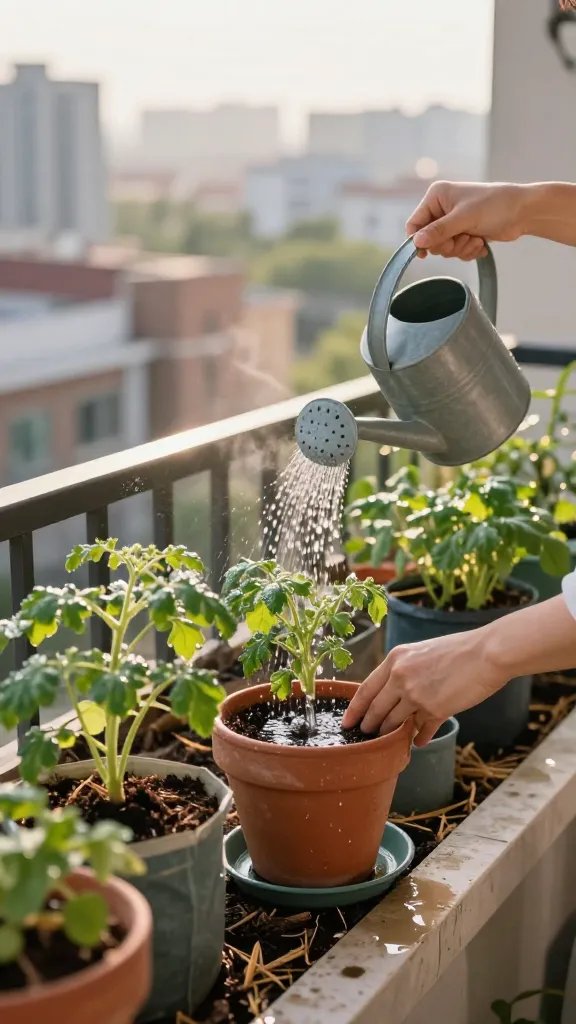
Heat doesn’t always mean “drown your plants.” Overwatering triggers root rot and fungus, while underwatering crisps leaves. Water strategically and your plants will bounce back like champs.
Timing + Technique
- Water at dawn: Reduces evaporation and gives plants time to drink.
- Deep soak: Water until it drains out; shallow sips do nothing.
- Mulch first: Keeps moisture from vanishing (details next section!).
- Use saucers carefully: Let pots drain, then empty saucers after 20–30 minutes.
Stick a finger two inches into soil—if it’s dry, water. FYI: self-watering planters give you a buffer on chaotic days. Perfect for heat waves when you can’t babysit every pot.
Tools That Help
- Moisture meter: Great for big containers.
- Drip spikes: Reuse bottles for slow-release watering.
- Hose wand: Gentle shower avoids blasting soil away.
Use this approach anytime your balcony hits full sun or wind dries soil fast.
3. Mulch Everything (Yes, Even Pots)
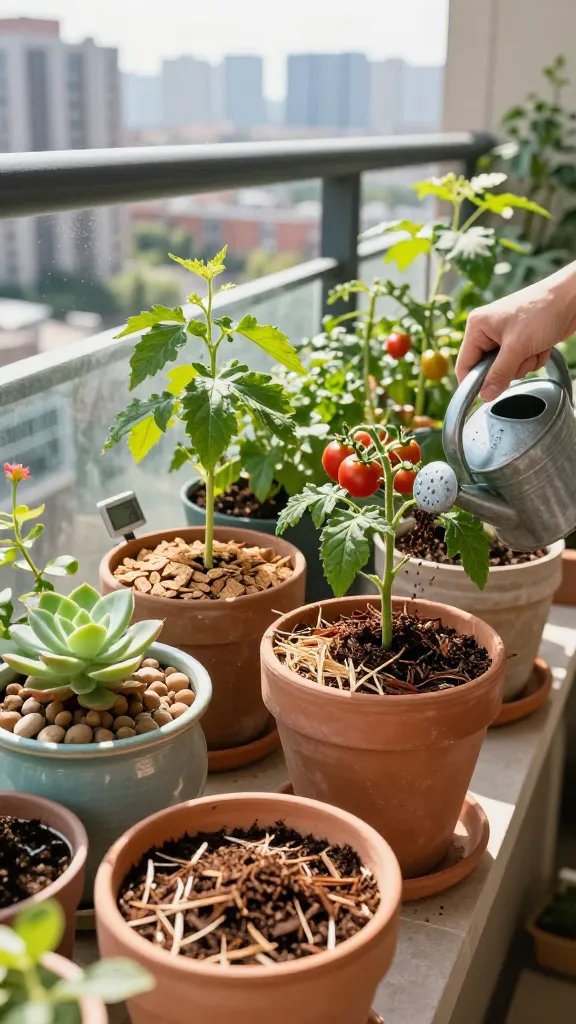
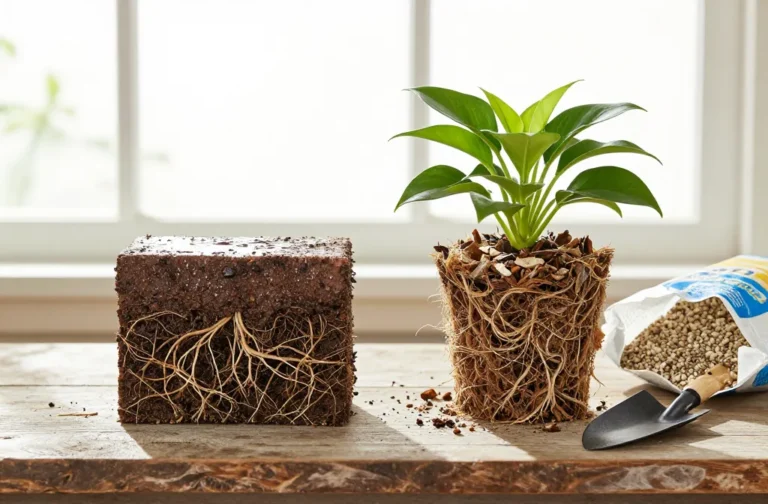
Mulch is your heatwave MVP. It locks in moisture, cools soil, and protects fragile roots. You’ll water less and stress less—win-win.
Best Mulches For Containers
- Shredded bark or straw: Great for tomatoes and peppers.
- Cocoa shells or cork chips: Pretty and lightweight.
- Compost: Feeds and protects (thin layer only).
- Pebbles or clay balls: Ideal for succulents and herbs.
Spread a 1–2 inch layer, keeping mulch off stems to avoid rot. This works especially well if your balcony feels like a pizza oven by noon.
4. Pick Heat-Savvy Containers
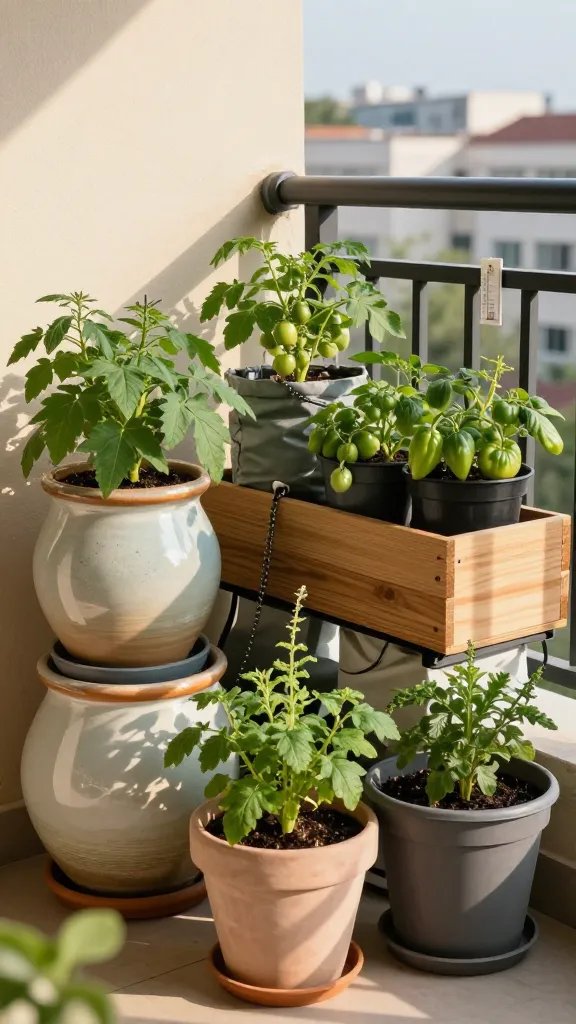
Your pot choice can make or break plants in extreme heat. Some materials cook roots, while others insulate like a dream. Let’s stop the root sauna.
What To Use (And Avoid)
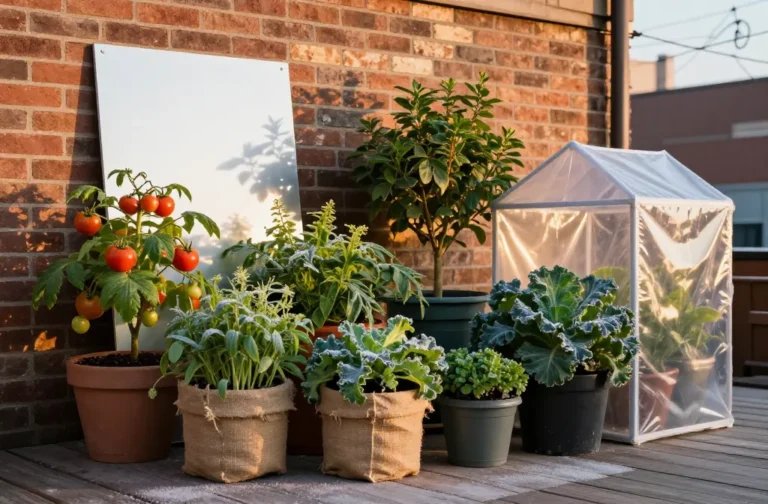
- Use: Glazed ceramic, fabric grow bags, wood planters, double-walled plastic.
- Avoid: Thin black plastic or metal pots in full sun—they turn soil into soup.
- Go big: Larger pots dry out slower and buffer heat swings.
Slip thin pots into larger decorative ones to create an air gap. Add feet or pot risers for airflow and cooler roots. This setup shines for thirsty crops like tomatoes, cucumbers, and basil.
Quick Upgrade Ideas
- Line the inside: Use coir or cardboard as a heat buffer.
- Self-watering inserts: Keep moisture steady during heat spikes.
Do this when your balcony faces south or west and gets blasted all afternoon.
5. Reposition Plants For Microclimate Magic
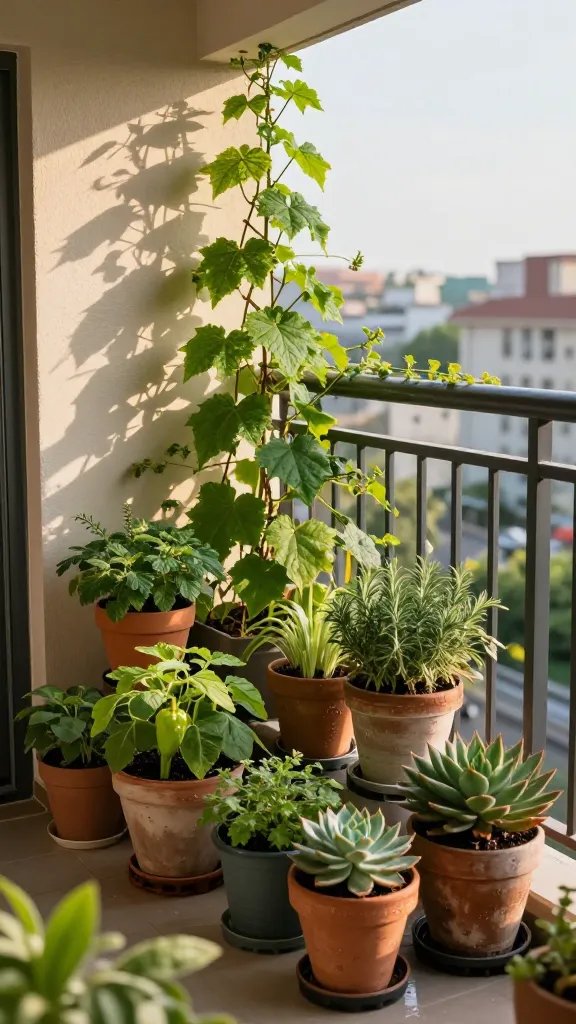
Your balcony has secret “cool spots.” Tuck heat-sensitive plants there and let the hardy ones take the hit. Move with the seasons and you’ll see instant results.
Smart Plant Placement
- Shade lovers: Move to wall edges, under rail shade, or behind taller plants.
- Heat lovers: Peppers, rosemary, and succulents can handle brighter zones.
- Cluster containers: They create a humid pocket that reduces stress.
- Use verticals: Trellised vines cast shade on smaller pots below.
Rotate pots weekly during a heat wave so all sides get a break. IMO, this is the fastest, cheapest fix for crispy leaves and droopy afternoons.
6. Feed Light, Not Heavy
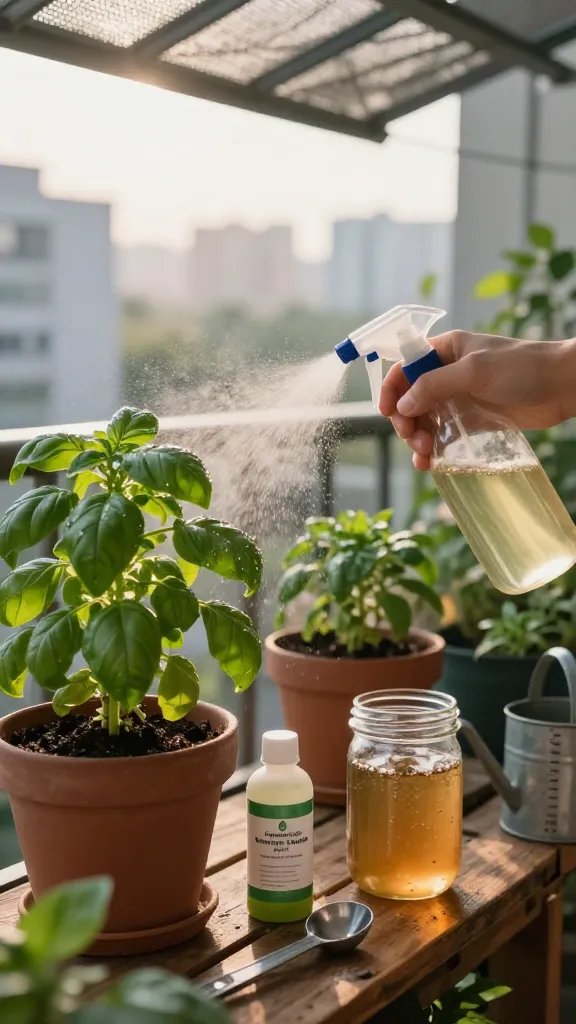
Plants eat less when stressed. Heavy feeding in extreme heat can burn roots and push growth they can’t support. Gentle nutrition keeps them steady until temperatures dip.
Feeding Strategy
- Cut back on strong fertilizers: Skip high-nitrogen feeds during heat spikes.
- Use diluted liquid seaweed or fish emulsion: Half-strength every 2–3 weeks.
- Add compost tea: Boosts resilience and soil life.
- Foliar feed at dawn: Light misting helps without shocking roots.
Think of this as maintenance mode—not bulking season. Use this when daytime temps sit over 90°F and plants look stressed.
Watch For Stress Signals
- Leaf edges browning: Back off nutrients; increase shade and water depth.
- Wilting midday but perky at dusk: Normal heat response—don’t overwater.
This approach prevents nutrient burn and keeps plants focused on survival and recovery.
7. Cool The Air With Evaporation Tricks
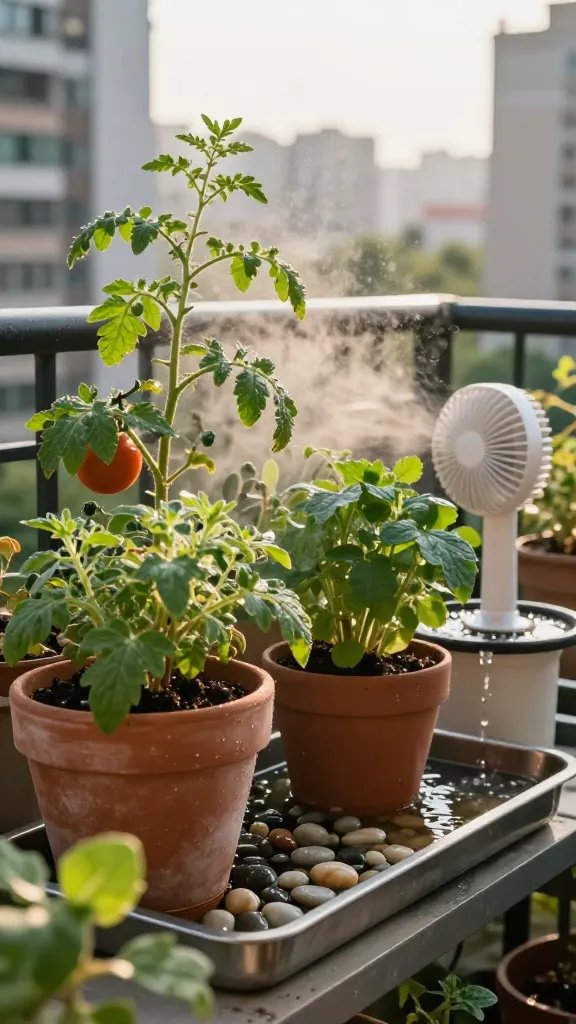
You can’t bring a rainforest to your balcony, but you can fake the vibe. Evaporative cooling lowers local temps and keeps leaves happier. It’s simple and surprisingly effective.
How To Create A Cooler Bubble
- Tray + pebbles + water: Set near pots so water evaporates and cools the area.
- Mist lightly at dawn: Skip midday misting—it can scorch leaves under harsh sun.
- Use a small fan: Gentle airflow reduces heat buildup and disease risk.
- Add a water feature: Even a tiny fountain helps lower temps (and sounds fancy).
Pair this with shade cloth for maximum effect. Great for balconies that trap heat or block wind.
Heat Wave Day Plan
- Shade up by 10 a.m.
- Deep water before sunrise.
- Top off pebble trays by noon.
- Evening check: remove broken leaves and reset saucers.
Use these strategies during multi-day heat events when nights stay warm.
8. Choose Plants That Don’t Melt
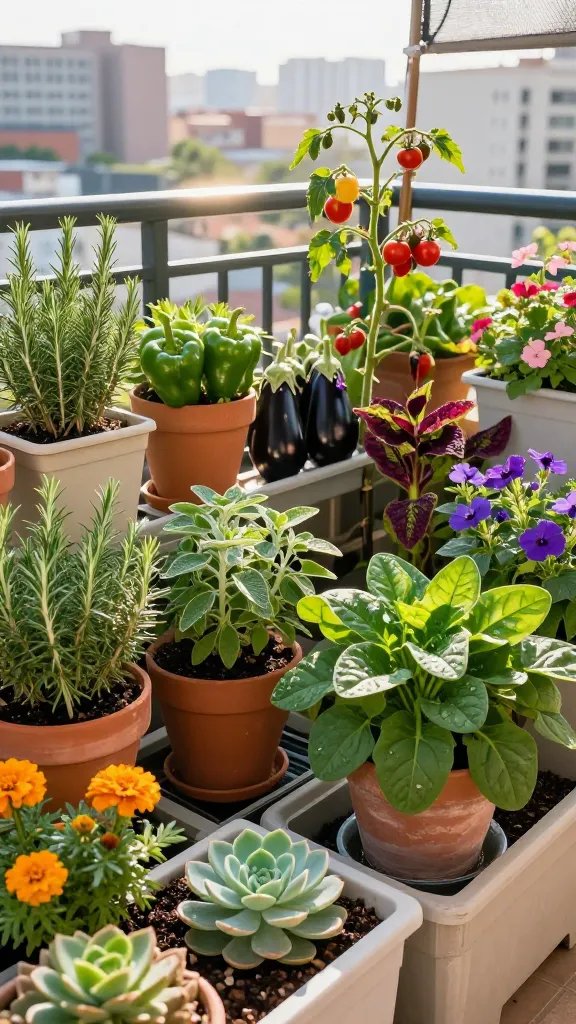
Some plants thrive in scorchers, others implode. Pick varieties that love heat and your balcony will look alive while everyone else’s turns to toast. No shame in swapping divas for workhorses.
Heat-Tolerant Winners
- Herbs: Rosemary, thyme, oregano, sage, lemongrass.
- Veggies: Peppers, eggplant, cherry tomatoes, okra.
- Greens: Malabar spinach, New Zealand spinach, amaranth.
- Flowers: Zinnias, marigolds, portulaca, pentas, lantana.
- Succulents: Sedum, echeveria, aloe (with drainage).
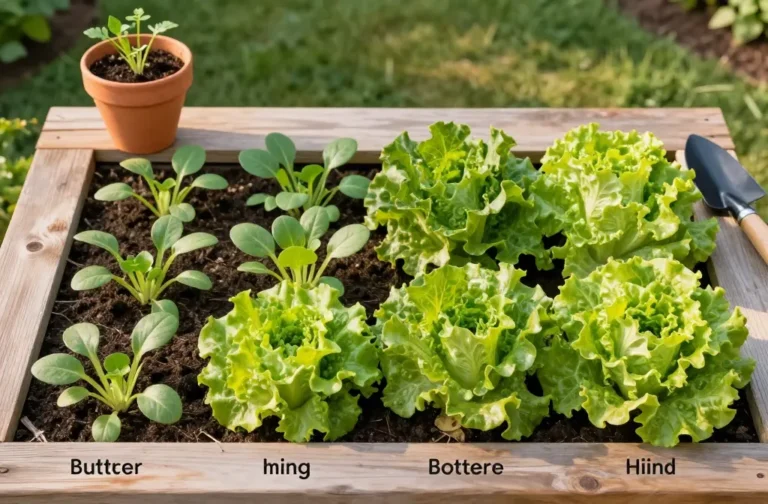
Still want lettuce in July? Try heat-tolerant varieties and grow them in morning sun only. Swap tender plants to cooler zones or grow them in spring and fall instead. Trust me, choosing the right cast makes the whole show easier.
Soil And Seed Tips
- Use airy mixes: Potting soil + perlite or pumice for drainage.
- Light-colored pots: Reflect heat and reduce root stress.
- Stagger plantings: Succession sow every 2–3 weeks for steady harvests.
Choose this approach for balconies that basically live in full sun most of the day.
Ready to heat-proof your balcony jungle? Set up shade, mulch those pots, and tweak your watering routine, and you’ll see the difference fast. You’ve got this—your plants will survive the scorch and come back swinging, and your balcony will still feel like the lush hangout you love.