9 Pest-Fighting Plants for Balcony and Patio Gardens
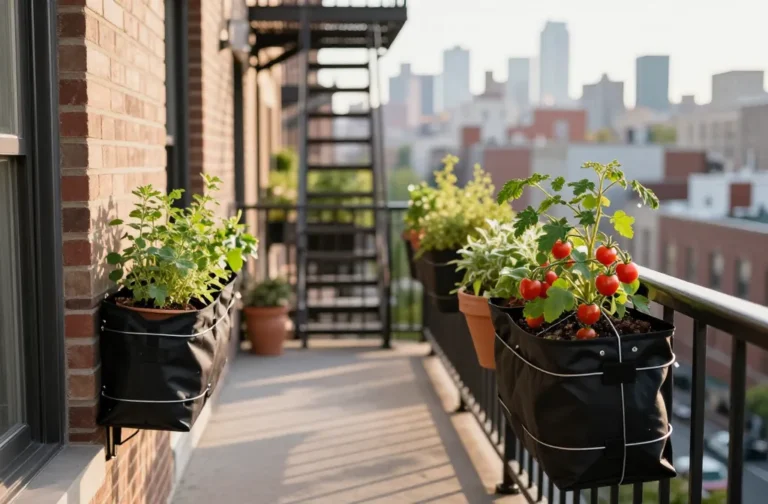
From my first apartment balcony, I learned the hard way that you don’t need harsh sprays to keep pests at bay. A few sturdy, pest-repelling plants can do the heavy lifting while keeping your space beautiful. This guide shows nine reliable greens you can grow in pots that actively deter insects and invite healthier harvests.
1. Lavender: A Fragrant Barrier Against Moths and Mosquitoes
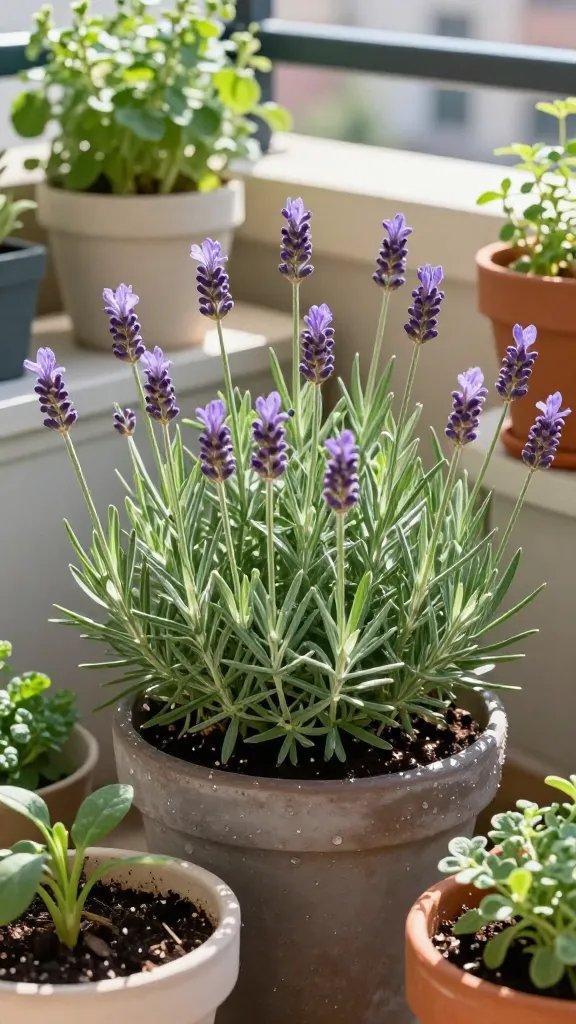
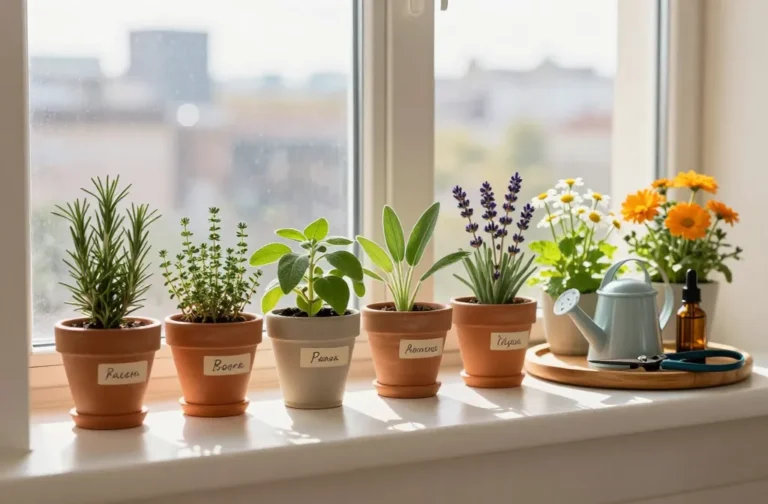
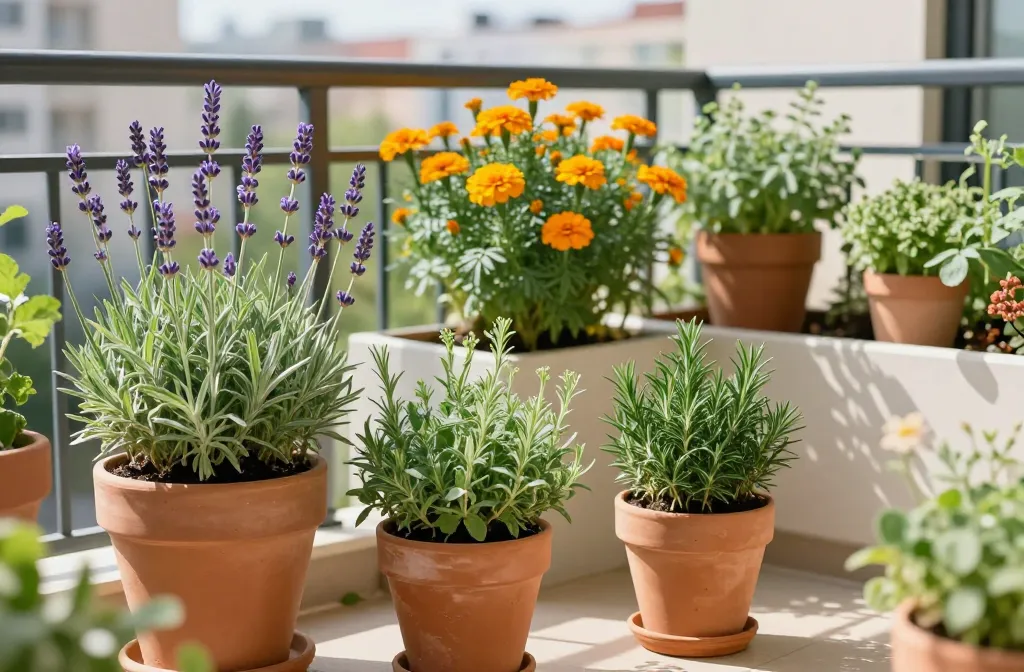
The aromatic oils in lavender make it a magnet for pollinators while deterring many pests that bother vegetables and herbs. Plant it in a sunny corner of the balcony where its scent lingers and repels several critters.
Signs to Watch For
- Leaves look healthy but flowering is sparse near pest-infested areas
- Nearby container plants show reduced caterpillar or aphid activity
How to Fix It
- Place lavender in bright indirect light to full sun; ensure drainage
- Water deeply when the top inch of soil dries, then let it dry again
What to Use Instead
- If lavender doesn’t thrive in your climate, try rosemary or thyme as bedfellows with similar scent deterrents
Takeaway: Grow lavender in a sunny spot and let its scent create a pest-repellent perimeter around your herbs and vegetables.
2. Marigolds: The Easy, Bright Shield Against Nematodes and Aphids
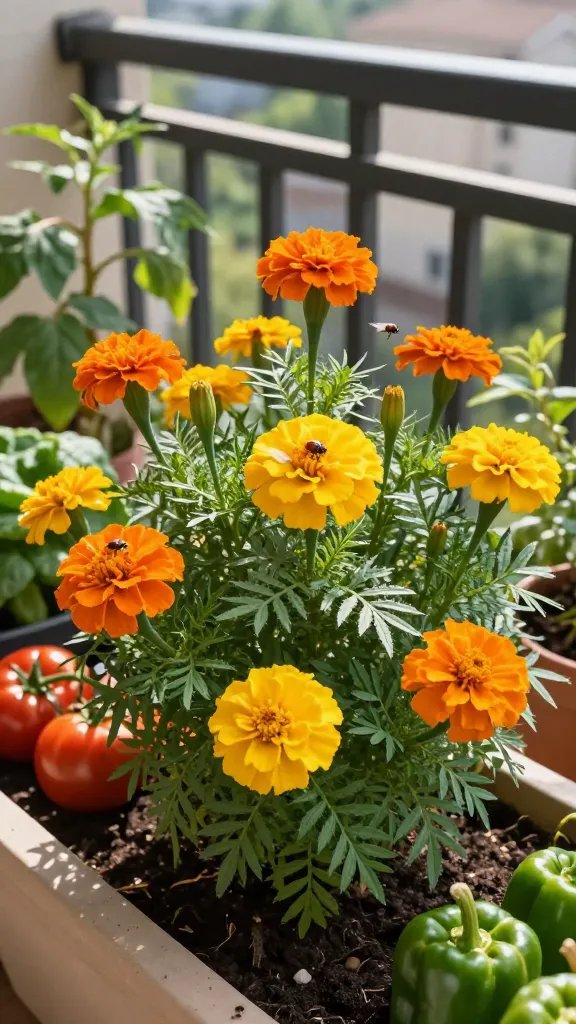
Marigolds release compounds into the soil that help deter nematodes and keep aphids at bay on nearby plants. Their bright flowers also attract beneficial insects that prey on pests.
Signs to Watch For
- Pest pressure on adjacent vegetables drops after planting
- Marigolds themselves show few problems and stay vibrant
How to Fix It
- Stake taller varieties to prevent toppling in wind
- Space plants about 12 inches apart to maximize air circulation
What to Use Instead
- If marigolds don’t suit your aesthetic, plant basil near tomatoes for a complementary pest shield
Takeaway: Plant a row of small marigolds along the edge of your containers to reduce soil-borne and foliar pests nearby.
3. Basil: Dual-Purpose Defender and Flavorful Ally
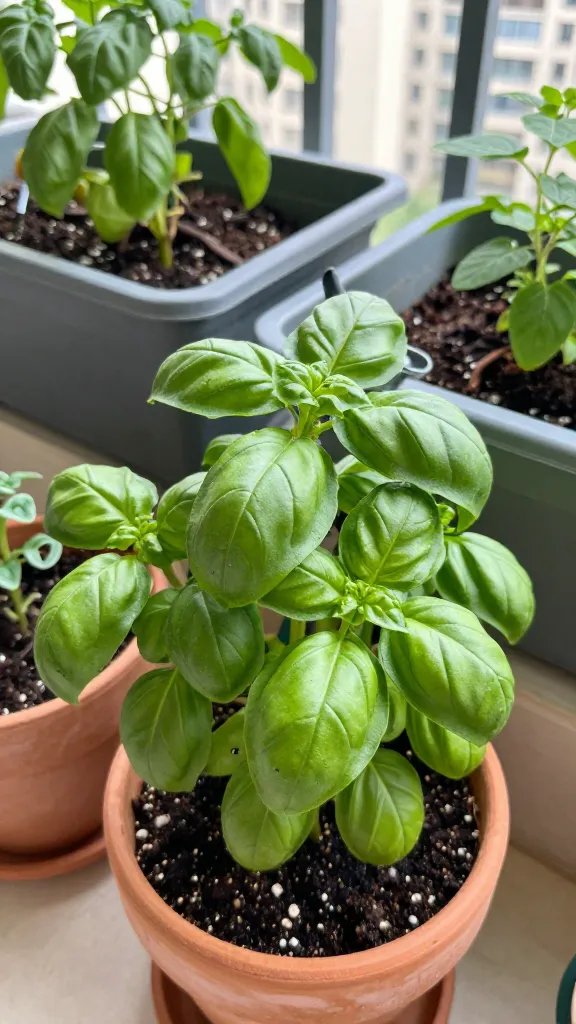
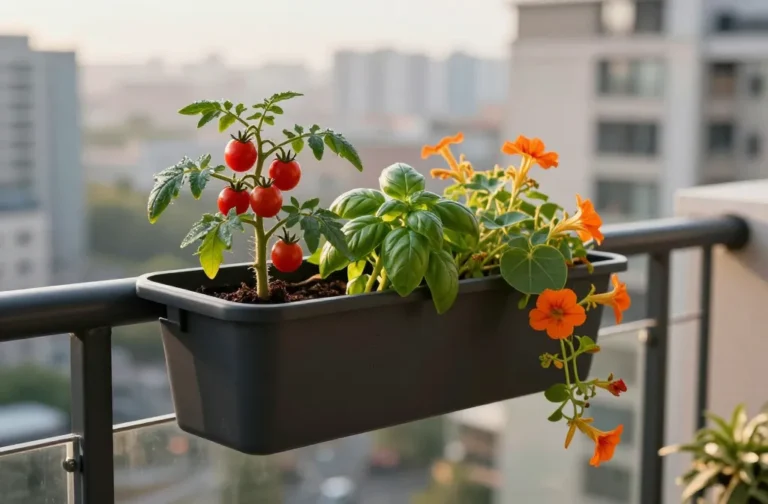
Basil deters thrips, flies, and beetles while improving the flavor of nearby crops. It also thrives in container gardens with regular watering and good drainage.
Signs to Watch For
- Unusual beetle activity on adjacent tomatoes or peppers
- Leaves show small specks or stippling near basil plants
How to Fix It
- Plant basil in 6–8 inch pots near problem crops
- Water consistently, ensuring drainage to prevent root rot
What to Use Instead
- If basil trails in your climate, try oregano as a hardy, pest-repellent alternative
Takeaway: Grow basil beside leafy greens to deter pests while boosting flavor in your meals.
4. Sage: A Pot-Friendly Defense Against Cabbage Minners and Moths
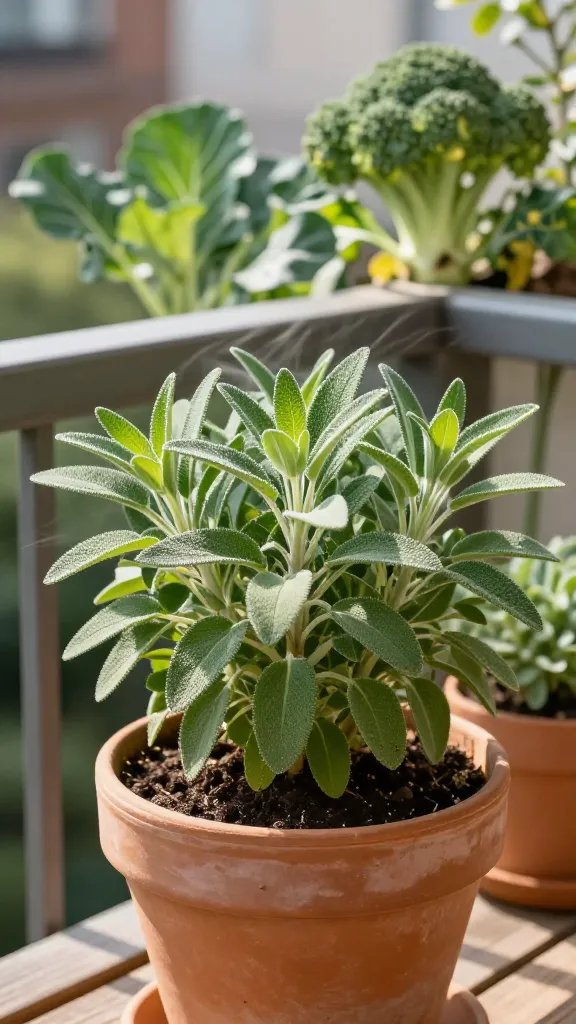
Sage oils repel many leaf-eating pests that plague brassicas and related plants. It’s a sturdy evergreen that handles balcony winds well.
Signs to Watch For
- Reduced signs of hornworms or cabbage worms on nearby brassicas
- Leaf damage remains low despite nearby feeding pressure
How to Fix It
- Keep sage in a well-drained pot with bright light
- Trim leggy growth to maintain a compact shape
What to Use Instead
- As an alternative, thyme offers similar pest-deterrent properties with easier pruning
Takeaway: Use sage as a low-maintenance, pest-deterring hedge around brassicas and kale on your balcony.
5. Mint: A Pest Rebuff with a Cautionary Note
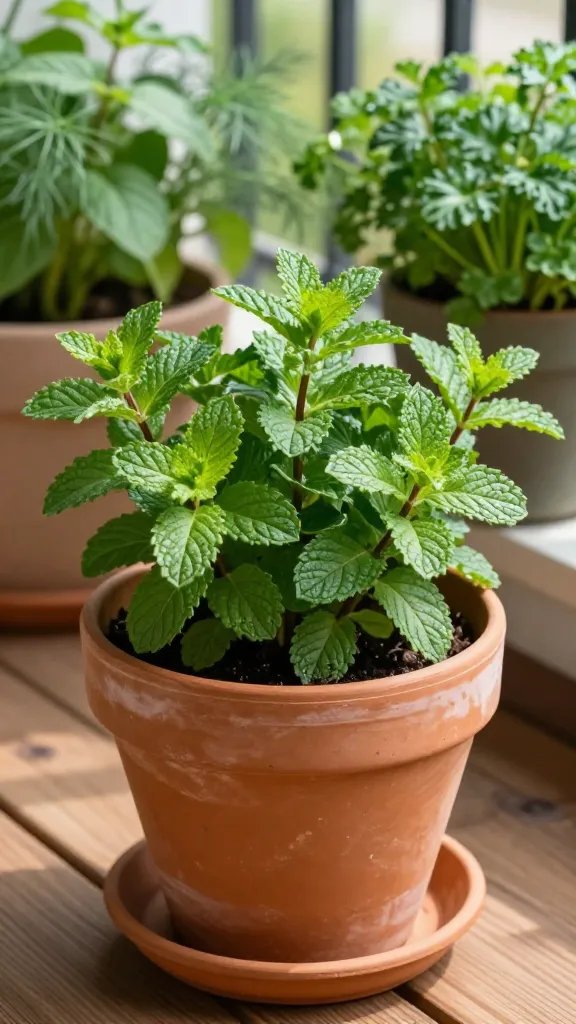
Mint’s strong aroma confuses many pests, and it’s easy to grow in pots. However, it spreads aggressively, so keep it in a dedicated planter to protect other herbs.
Signs to Watch For
- Unusual activity around herbs like dill or parsley nearby
- Persistent aphid presence on adjacent plants
How to Fix It
- Use a deep, isolated pot with a tight-fitting saucer to prevent root spread
- Water consistently but avoid waterlogging
What to Use Instead
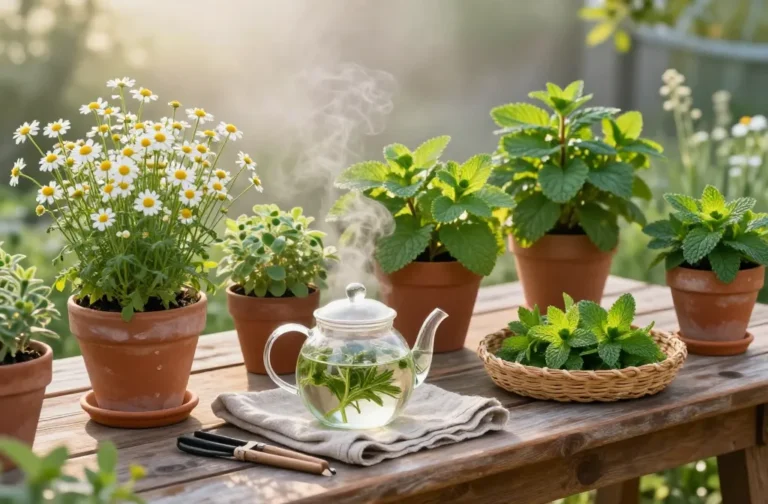
- If mint’s growth is too aggressive, try lemon balm in a separate pot
Takeaway: Keep mint in its own pot and place it where its scent helps deter pests without invading other containers.
6. Lemongrass: A Citrus Scent That Deters Mosquitoes and Bugs
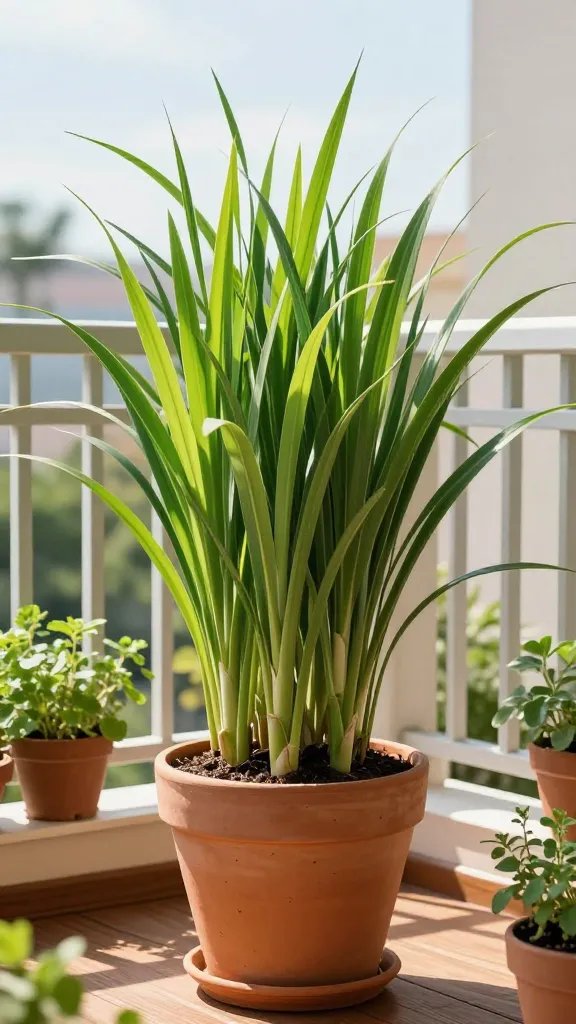
Lemongrass releases a strong citrus aroma that repels mosquitoes and some garden pests. It loves warm balconies and sunny spots and adds a tropical look to your setup.
Signs to Watch For
- Fewer bites when you spend evenings on the balcony
- Nearby herbs and greens show reduced pest pressure
How to Fix It
- Plant in a large pot with good drainage and bright indirect light
- Water deeply so the roots stay evenly moist but not soggy
What to Use Instead
- If lemongrass isn’t feasible in your climate, try citronella geraniums in similar planters
Takeaway: Grow lemongrass to create a pest-deterring aroma footprint around your seating and dining areas.
7. Nasturtium: A Trap Crop That Lures Aphids Away
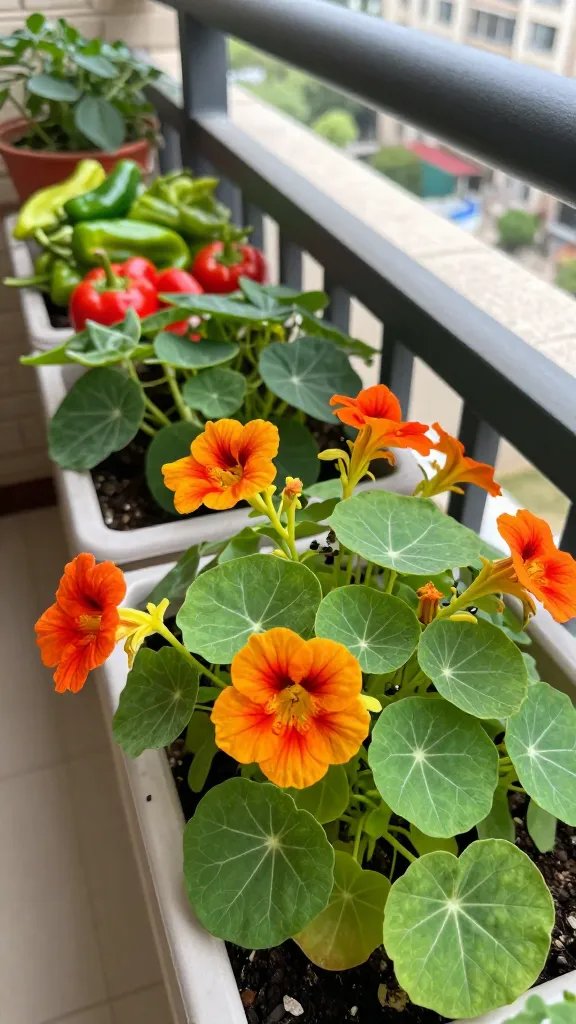
Nasturtium acts as a decoy plant, attracting aphids and whiteflies away from more valuable vegetables. It also provides a splash of color and edible flowers.
Signs to Watch For
- Aphid colonies cluster on nasturtium leaves instead of your peppers or tomatoes
- Whiteflies appear more frequently on the nasturtium, reducing on nearby crops
How to Fix It
- Place nasturtium on the outer edge of your balcony bed or pots
- Gently rinse leaves with water if aphids become heavy, then prune
What to Use Instead
- If nasturtium isn’t your style, zinnia or calendula can also lure pest troublemakers away
Takeaway: Use nasturtium as a sacrificial plant to protect more valuable crops in containers.
8. Rosemary: A Pine-Scented Deterrent for Beetles and Bugs
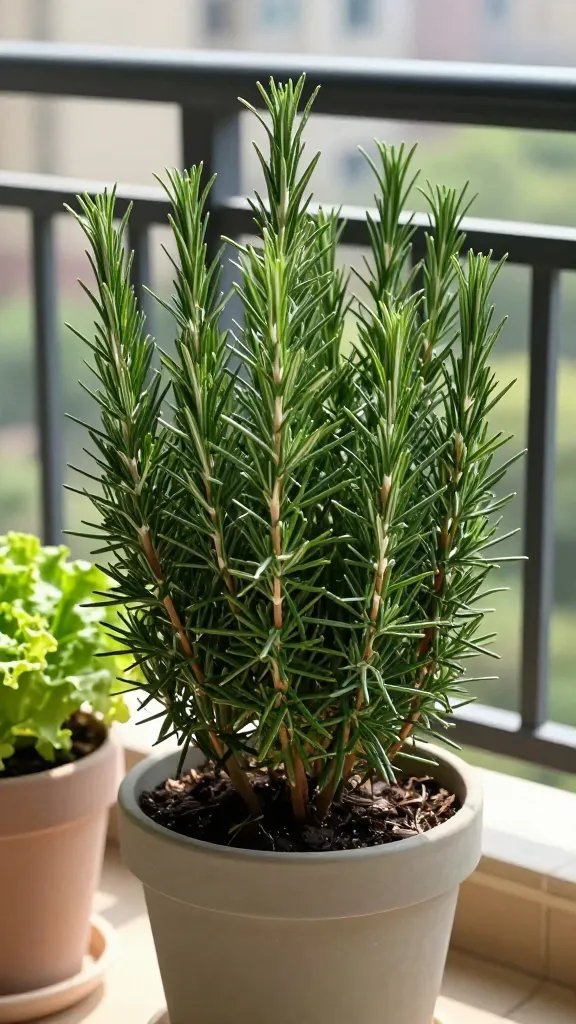
Rosemary’s sturdy growth and strong aroma deter beetles and some pests that target leafy greens. It’s a resilient container plant that handles windy balconies well.
Signs to Watch For
- Lower beetle activity on nearby lettuce or spinach
- Healthy growth with minimal leaf damage in adjacent pots
How to Fix It
- Give rosemary at least 12 inches of pot space and leave air between pots
- Water when the top inch of soil dries, avoiding damp soggy soil
What to Use Instead
- If rosemary struggles in your climate, try thyme as a smaller, equally aromatic option
Takeaway: Place rosemary near problem crops to leverage its pest-deterring scent and drought tolerance.
9. Catnip: A Cat-Friendly Pest Repellent for Indoor-Outdoor Balconies
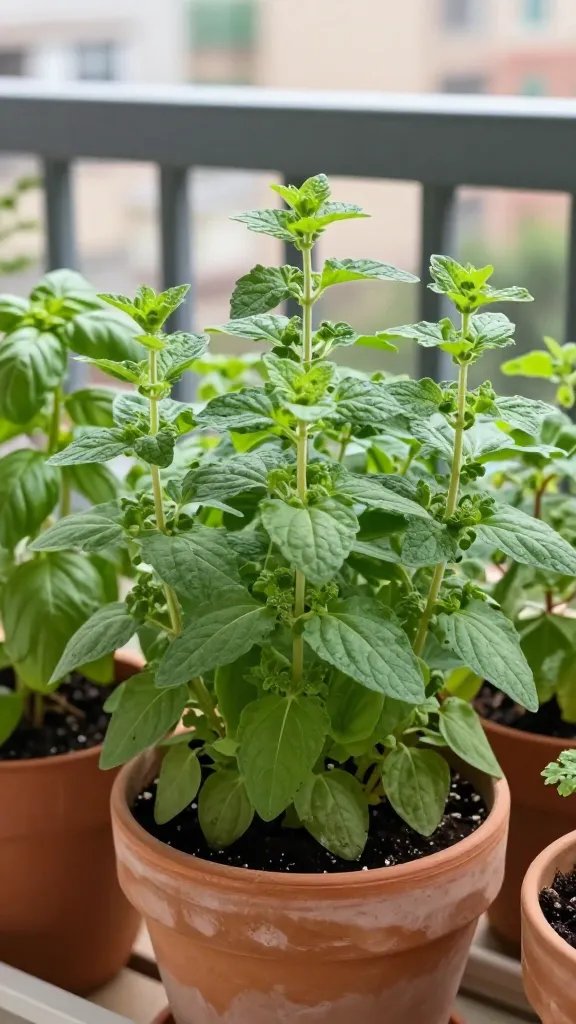
Catnip contains nepetalactone, a compound that repels certain insects like mosquitoes. It’s easy to grow in pots and can act as a living pest barrier in mixed-planter setups.
Signs to Watch For
- Lower mosquito presence in the seating area
- Minimal insect activity on nearby herbs in good light
How to Fix It
- Plant in a sunny spot with well-draining soil
- Harvest regularly to keep the plant compact and productive
What to Use Instead
- If catnip doesn’t suit you, consider basil or mint varieties arranged to create a pest-deterring perimeter
Takeaway: Use catnip as a light pest shield in sunny, mixed containers while keeping it contained to prevent overgrowth.
Frequently Asked Questions
Which pest-fighting plant is best for small balcony spaces?
Marigolds and lavender are compact, easy to manage, and release strong scents that deter many pests without taking over your space. Plant a few in separate pots along the railing to create a simple barrier.
Can I mix these plants with edible vegetables on a balcony?
Yes. Place pest-repellent herbs around tomatoes, peppers, lettuce, and herbs. Keep each plant in its own pot or separate compartments to prevent root competition and to simplify care.
How often should I water these pest-fighting plants?
Water when the top inch of soil is dry. Most potted herbs prefer a consistent, evenly moist mix but not waterlogged. Adjust frequency with weather—hot, windy days = more frequent checks.
What if pests still show up despite using these plants?
Begin with physical checks: inspect undersides of leaves and soil surface for pests. Use a gentle spray of water to dislodge them, and consider a minimal, garden-centre approved insecticidal soap if needed, following label directions.
Are these plants safe for pets or children?
Most listed plants are non-toxic in typical garden amounts, but keep pets from chewing aggressively on any plant. If your pet has a history of ingesting plants, place the planters out of reach or choose non-toxic alternatives with your vet’s guidance.
Conclusion
With a balanced mix of scent, texture, and color, these nine pest-fighting plants can transform a small balcony or patio into a healthier, more enjoyable growing space. Start with a few pots along your railing and observe how the pests respond over the next few weeks. Your next step could be expanding with a smart, low-effort planting plan or reading a companion article on container layout for optimal airflow and sun exposure.