Basil as a Fly Repellent — Container Growing Guide
- Best for: Protecting a balcony or windowsill herb garden from flies
- Make ahead: Yes — harvest leaves as needed; lasts a week in the fridge
- Serves: 1–2 small containers per week
- Key tip: Plant basil in full sun and keep soil evenly moist for the strongest scent
Basil as a Fly Repellent is a simple, fragrant way to deter those pesky flies without chemicals. This container-growing guide shows you how to cultivate basil, place it for best effect, and harvest leaves to keep your outdoor space bite-free. By the end, you’ll have a thriving basil patch and practical tips to maximize its fly-repellent power.
Why Basil Works as a Fly Deterrent
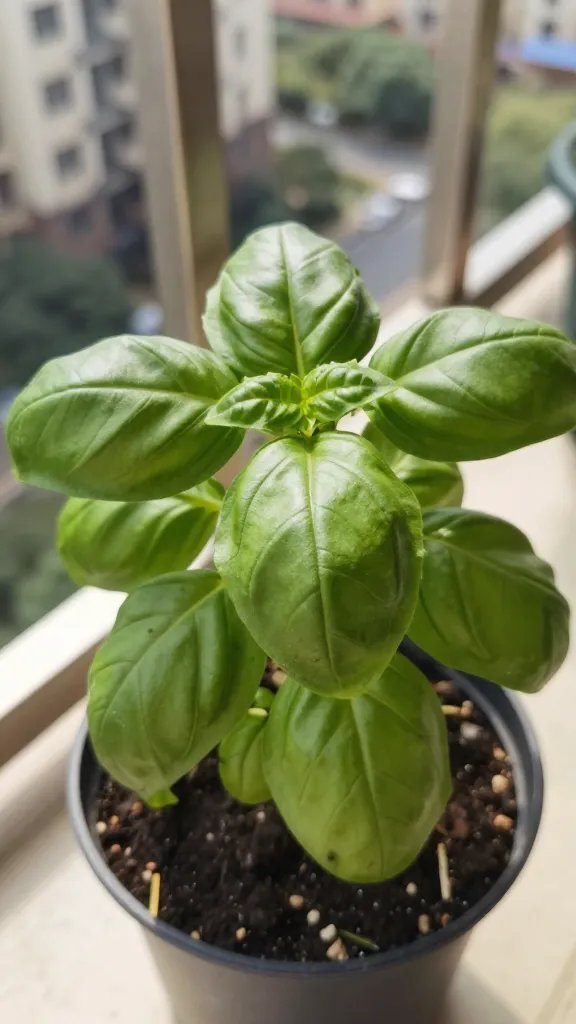
– Flies hate certain basil scents, especially when crushed or brushed against. When you rub basil leaves, you release essential oils that freshen the air and confuse insect sensors.
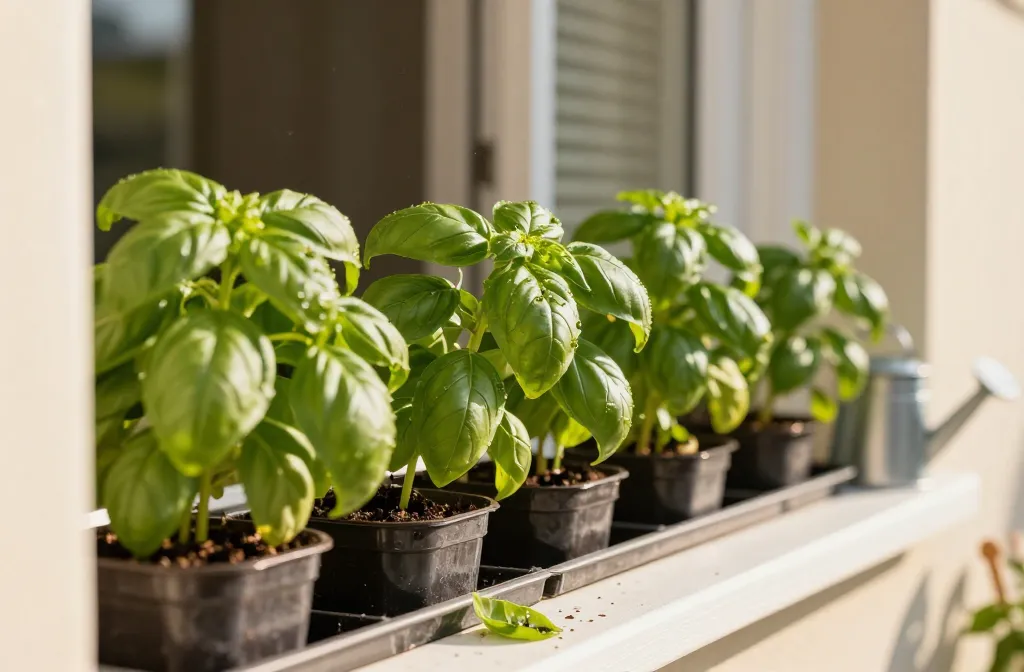
– Container growth makes it easier to position basil near doors, windows, or seating areas where flies gather.
– A healthy plant is more potent in scent, so focus on sun, water, and a light feeding schedule to maximize repellency.
Choosing the Right Basil for Containers
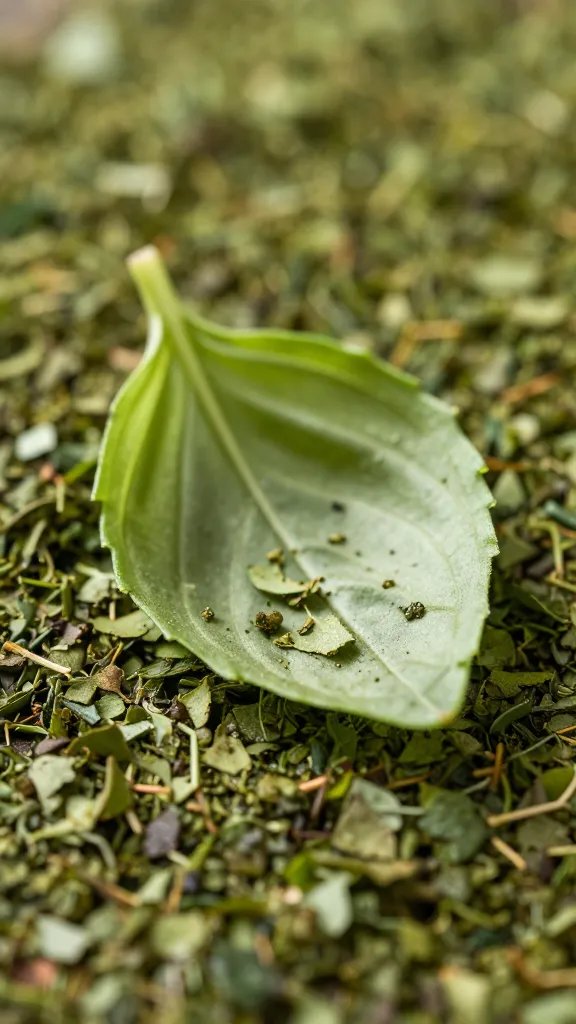
- Genovese is the classic aroma many people recognize, strong in scent and flavor.
- Thai basil offers an anise-like perfume that can be especially effective in outdoor spaces.
- Sweet basil is forgiving and quick to grow, ideal for beginners.
- Avoid varieties that become leggy in small pots; pick compact cultivars if you have limited space.
Container Setup: Getting Started
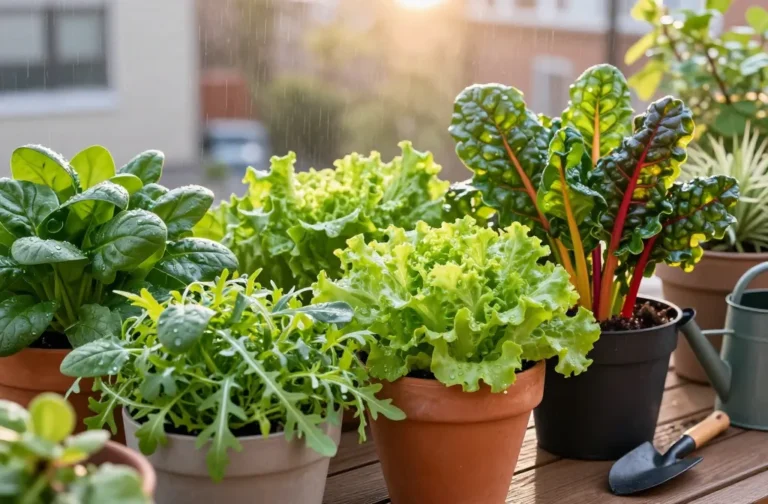
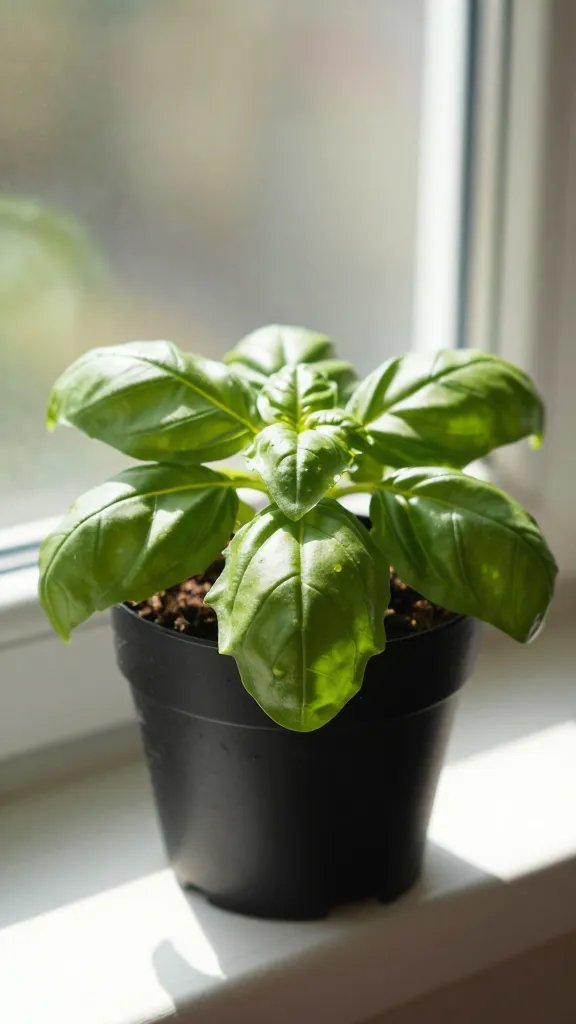
- Pick a container: A 6–8 inch diameter pot with drainage holes works for a single basil plant; bigger is fine if you want more leaves.
- Use quality potting mix: A light, well-draining mix prevents soggy roots and keeps the plant healthy longer.
- Sun and placement: Basil loves full sun (6–8 hours). Place pots near doors or the patio where you notice fly activity.
- Watering: Keep soil consistently moist but not waterlogged. In heat, you may water daily; in mild weather, every 2–3 days suffices.
- Fertilization: A light feeding every 4–6 weeks keeps growth vigorous without overwhelming the plant’s scent.
Planting and Care: Quick Start
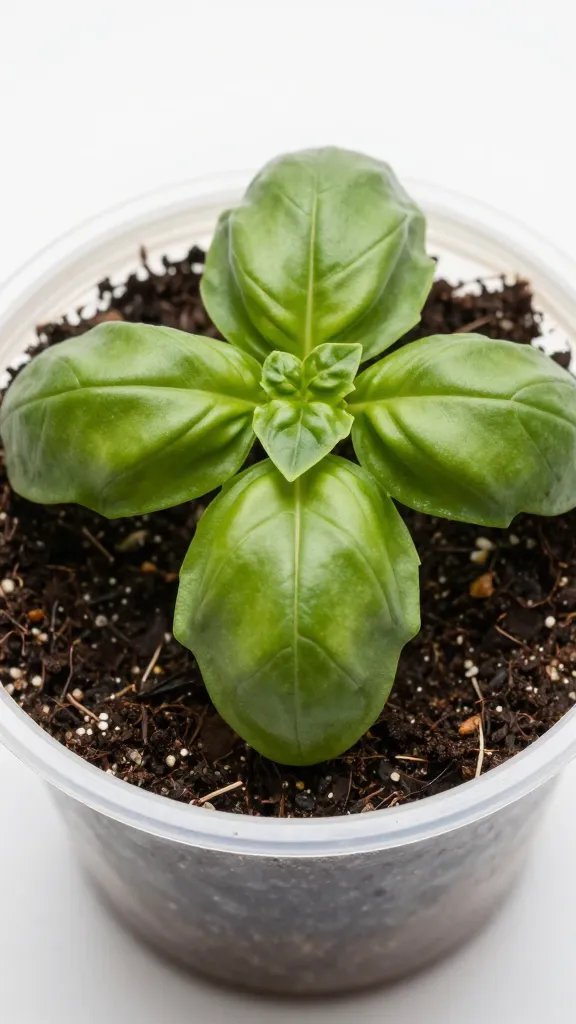
- Fill pots with potting mix, leaving about an inch from the rim for watering.
- Sow 2–3 seeds per pot or transplant a starter plant just above the soil line.
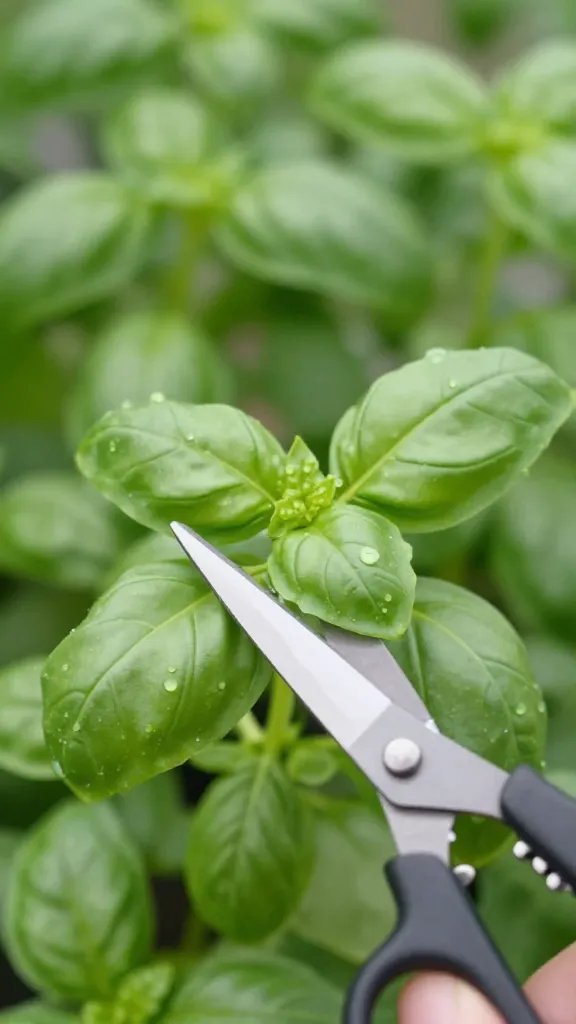
- Pinch off growing tips when the plant is 4–6 inches tall to encourage bushier growth and more leaf surface for scent.
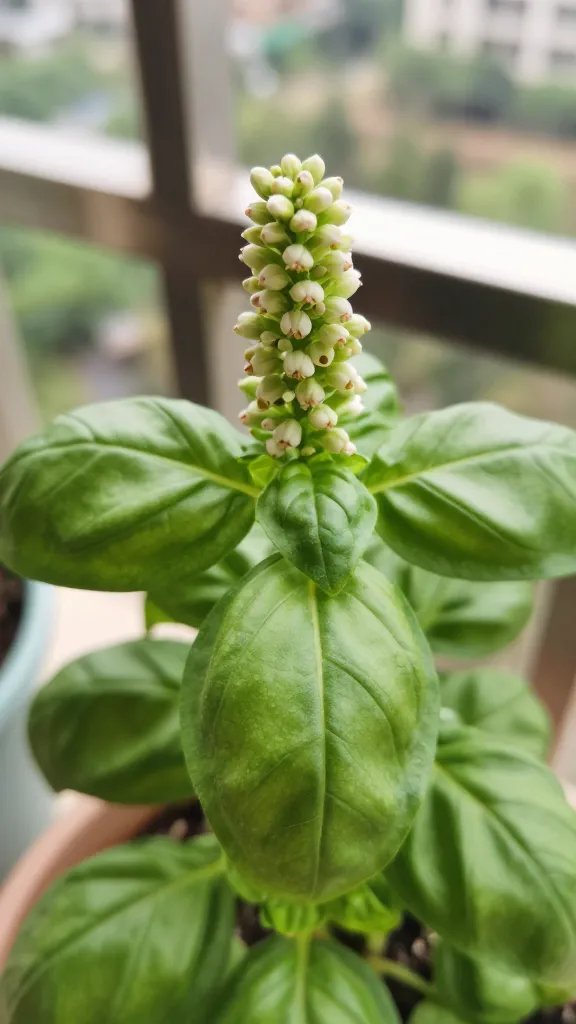
- Remove flower buds to keep the plant focused on leaf production and stronger aroma.
Maximizing Fly Repellency: Harvest and Use
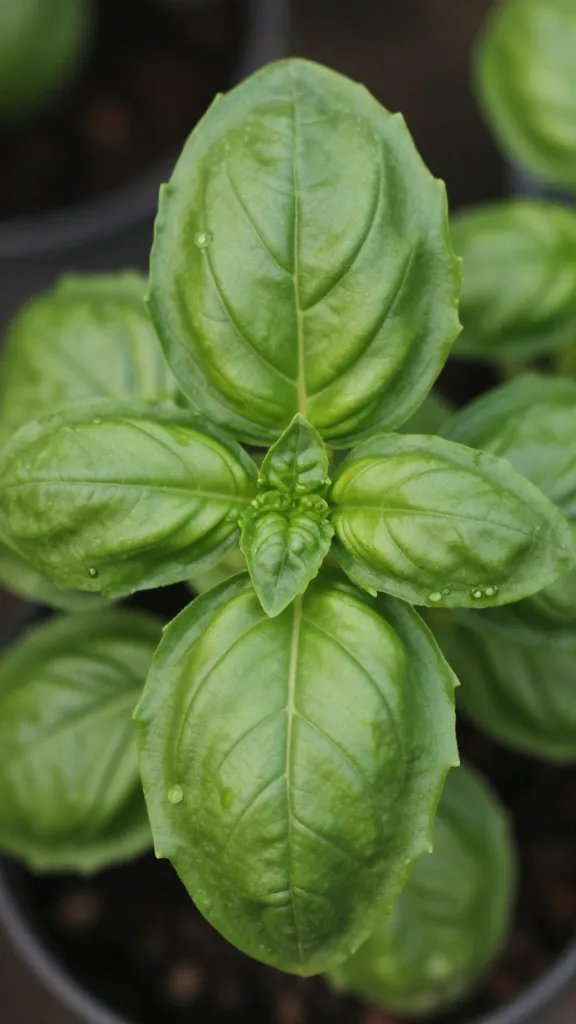
- Harvest leaves in the morning after the essential oils are most concentrated.
- Crush a few leaves briefly to release scent before placing pots near problem areas.
- Dry leaves lightly and store them in a sealed jar for a quick scent boost when flies arrive.
Ways to Use Basil for Fly Deterrence
- Place a cut stem in water near entry points to invite the scent inward.
- Scatter crushed leaves on outdoor tables for a momentary scent barrier.
- Make a simple basil spray: blend fresh basil leaves with water, strain, and mist around seating areas.
Managing Pests and Plant Health
- Keep basil away from hot afternoon sun if the container dries quickly; morning sun is ideal.
- Watch for aphids and whiteflies; a steady stream of water can wash them away without harming the plant.
- Rotate basil containers with other herbs to reduce the risk of soil-borne issues.
From My Kitchen: What Actually Works
I’ve tested basil near my doorway for two summers in a compact balcony garden. The first season, I kept the plants well-watered and pinched regularly; the area felt noticeably calmer on evenings with breeze. The second summer, I added crushed leaves around the seating area before outdoor dinners, and we had fewer fly interruptions. The biggest improvement came from placing a potted Thai basil near the grill—its stronger perfume seemed to extend the scent further.
Internal Links
For more on herb-friendly pest control, see our this herb-focused pest management guide and how to pair basil with other container herbs for fragrance.
Frequently Asked Questions
How long does Basil as a Fly Repellent keep its scent in a container?
The scent stays strongest for about 1–2 weeks after the leaves are harvested, especially if you keep the plant healthy and water consistently. Re-cuttings or fresh leaves boost the aroma quickly.
Can I make Basil as a Fly Repellent ahead of time?
Yes. Crush or dry leaves and store them in a sealed bag away from direct sunlight for up to a week. When you need the smell, crumble the leaves again to release essential oils.
What’s the best way to serve Basil as a Fly Repellent for a crowd?
Position several small pots around seating and walkways, and use fresh crushed leaves to boost aroma midway through the event. A light basil spray can refresh the air as guests arrive.
Can I freeze Basil to preserve its scent and use later?
You can freeze basil leaves in ice cube trays with water or oil. While freezing reduces aroma a bit, it still helps mask odors when flies are around and is great for cooking after events.
The Bottom Line
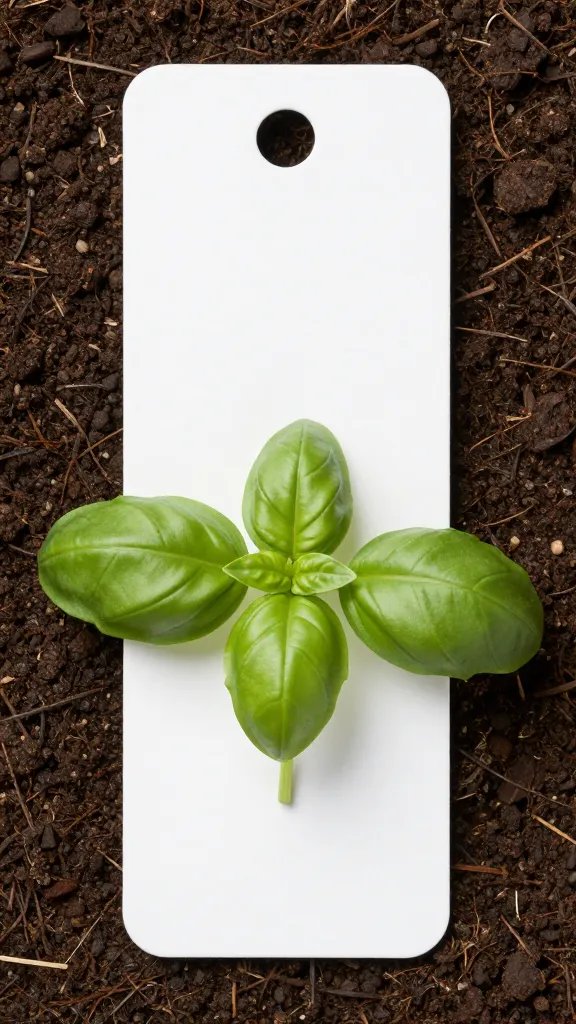
Basil in containers is a practical, deliciously fragrant way to deter flies while providing fresh herbs for cooking. With thoughtful placement, regular care, and a few harvests, you’ll enjoy fewer pests and more flavorful leaves. Planning to try this? Save this post so you can find it when you need it — and tag us when you make it.