7 Best Mosquito-Repelling Plants for Containers and Planters
I’ve spent summers chasing tiny pests between pots on my balcony, and I’ve learned the hard truth: a few well-chosen plants can dramatically reduce mosquitoes without resorting to sprays. In this guide, you’ll learn seven reliable container-friendly plants, why they work, and exactly how to use them in your space.
1. Citronella (Cymbopogon), the Classic Mosquito Barrier
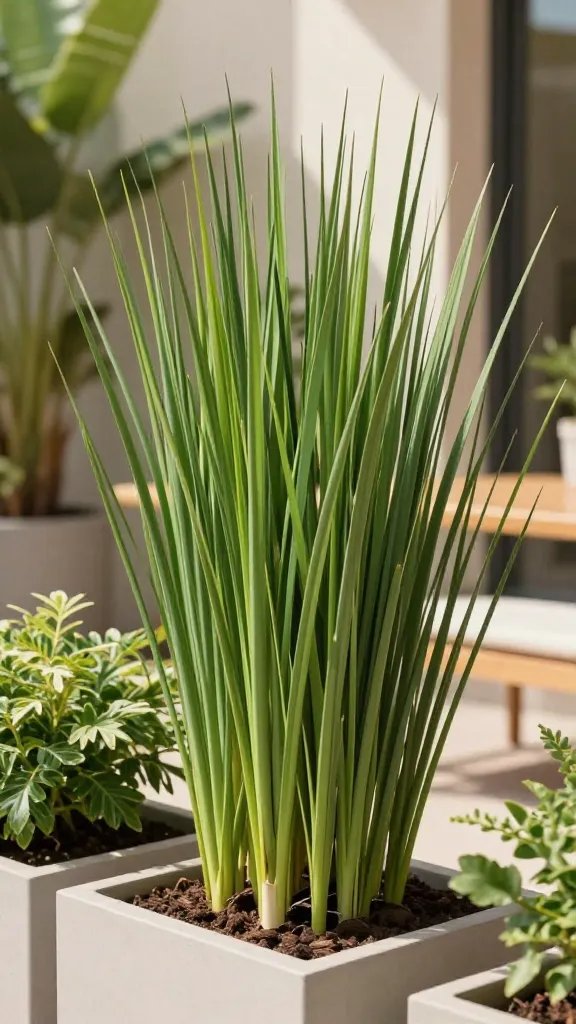
Citronella is the garden vine of a thousand screens, but its real strength is in potted setups where air flow matters. The scent masks mosquitoes’ sense of smell, making you less appealing as a snack. If you’ve noticed swarms lingering near entryways or seating areas, citronella is a dependable frontline plant.
Signs to Watch For
- Leaves start to look leggy in hot, dry spells
- Soil dries out quickly in containers
How to Fix It
- Place citronella in bright, indirect sun and water consistently so the soil remains evenly moist
- Pinch back vigorous growth every 4–6 weeks to maintain a compact shape
What to Use Instead
- Compact lemon-grass varieties suited to containers
- Smaller potted herbs around the base to extend scent without crowding
Takeaway: Keep citronella in a bright spot and water to maintain a sturdy clump that releases scent during peak mosquito hours.
2. Lavender (Lavandula), Pleasant Aroma That Deters Pests
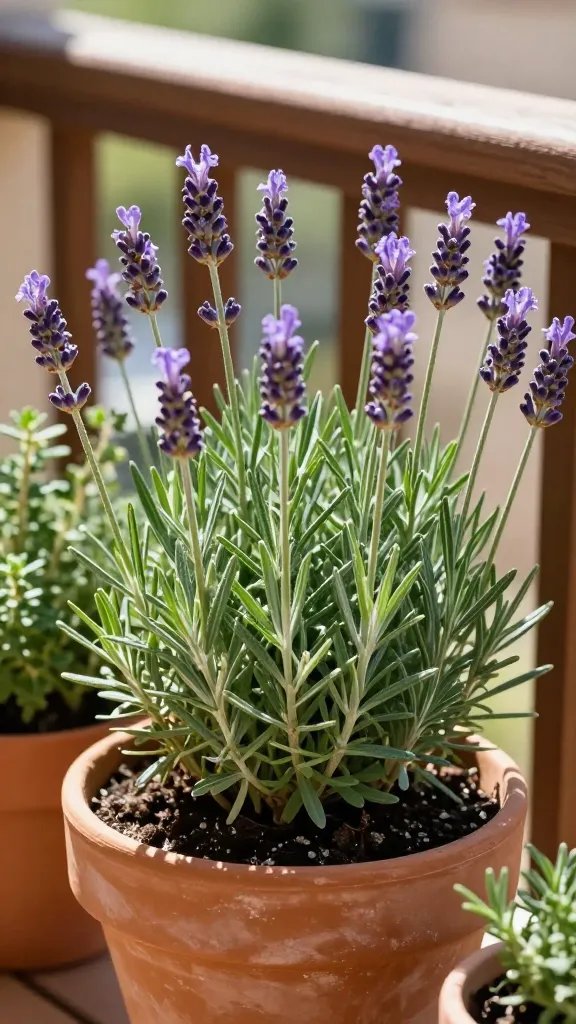
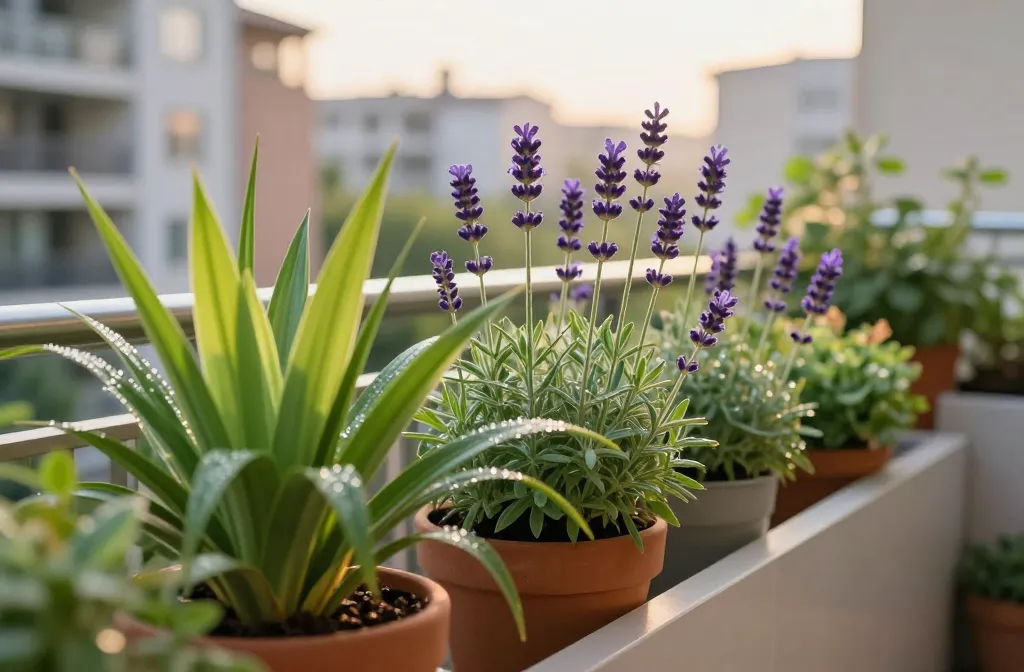
Lavender’s scent isn’t just lovely to us; it confuses mosquitoes and makes your patio less inviting. In containers, lavender thrives on sun and well-draining soil, giving you color and a subtle, calming fragrance.
Signs to Watch For
- Leaves brown at tips during hot droughts
- Flowers flop if roots are crowded
How to Fix It
- Use a pot with drainage holes and a light, gritty potting mix
- Water deeply every 7–10 days in summer, less in cooler months
What to Use Instead
- Thyme or rosemary in the same container bed for a supplementary scent
Takeaway: Plant lavender in a sunlit corner and let the soil dry slightly between waterings to keep the plant healthy and fragrant.
3. Basil (Ocimum basilicum), Strong Scent With Functional Bonus
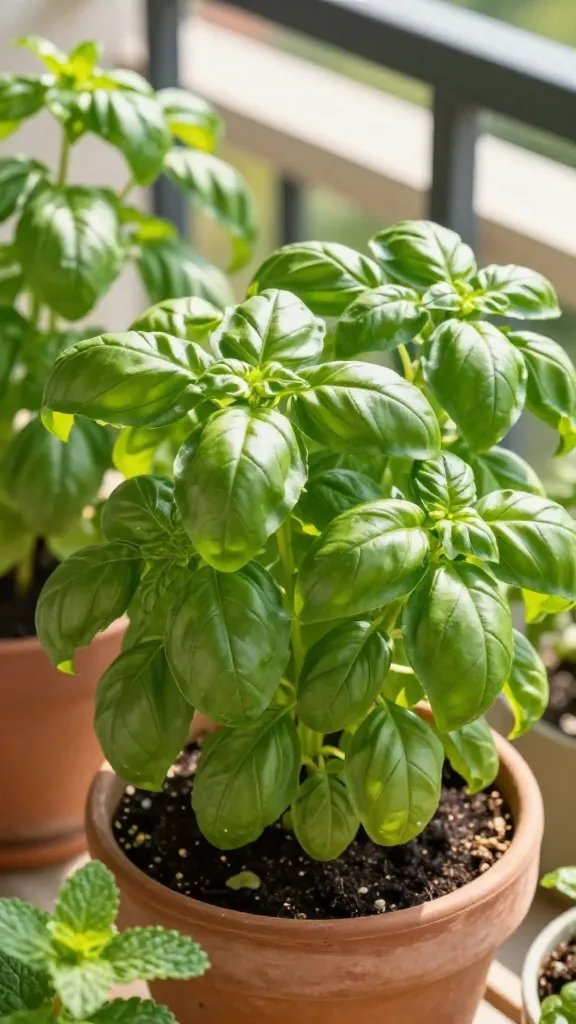
Basil isn’t just for pasta; its pungent aroma helps mask human breath and repels certain mosquitoes. A healthy, bushy basil plant in a sunny, 12–14 inch pot provides both culinary leaves and pest deterrence.
Signs to Watch For
- Leaves curling when soil stays moisture-rich
- Leggy growth in low light
How to Fix It
- Move to bright, indirect light if you notice stretching
- Trim regularly to promote a compact habit and more leaf production
What to Use Instead
- Mint varieties in nearby pots to extend the scent barrier (but keep them separate to avoid spreading)
Takeaway: Grow basil in full sun and prune often to maximize leaf production and mosquito deterrence.
4. Peppermint (Mentha × piperita), Cold-Season Mosquito Shield
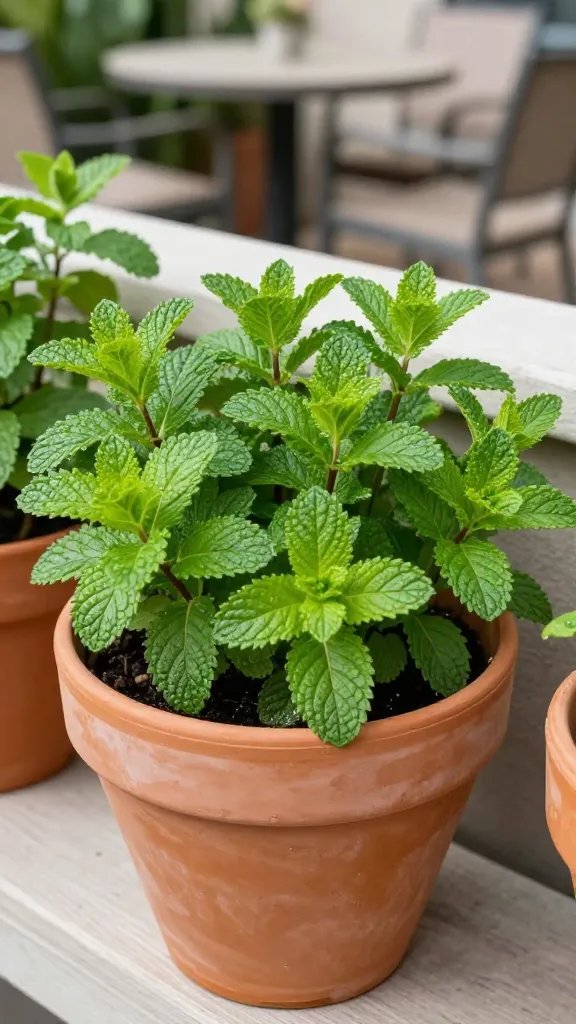
Peppermint is vigorous and fast-spreading, which makes it ideal for container barriers. Its strong menthol scent confuses mosquitoes and can deter them from approaching seating areas.
Signs to Watch For
- Roots creeping into adjacent pots or over the pot rim
- Leaves show insect pressure if airflow is poor
How to Fix It
- Contain peppermint with a wide plastic or ceramic container to limit spread
- Keep in bright light and water when the top inch of soil dries
What to Use Instead
- Spearmint or lemon balm as additional aromatic walls in different planters
Takeaway: Use a dedicated, wide pot to contain peppermint, placing it near sitting areas for maximum scent reach.
5. Catmint (Nepeta), Subtle but Steady Mosquito Deterrence
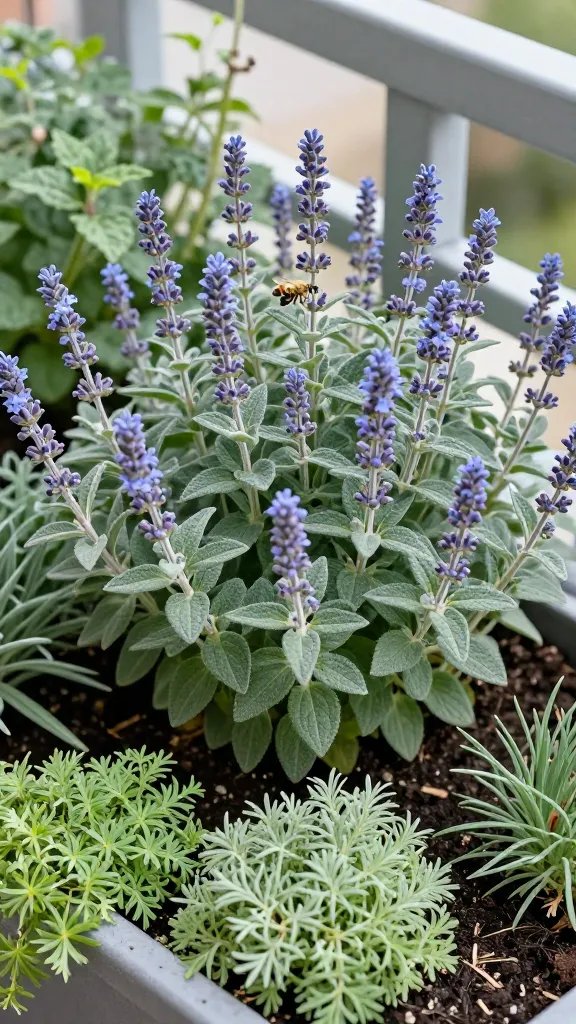
Catmint offers a softer aroma compared to citronella or peppermint, yet it remains an effective deterrent in containers. Its low, spreading habit fits well in window boxes or balcony planters while attracting pollinators.
Signs to Watch For
- Stems become woody in older plants
- Lower leaves drop with extended heat
How to Fix It
- Take cuttings to refresh the plant and replant in fresh potting mix
- Ensure drainage is good and avoid overwatering
What to Use Instead
- Russian sage or sedum as complementary container companions for year-round interest
Takeaway: Keep catmint healthy with regular pruning and fresh soil to maintain a steady scent that helps deter mosquitoes.
6. Rosemary (Rosmarinus officinalis), Drought-Resistant and Durable
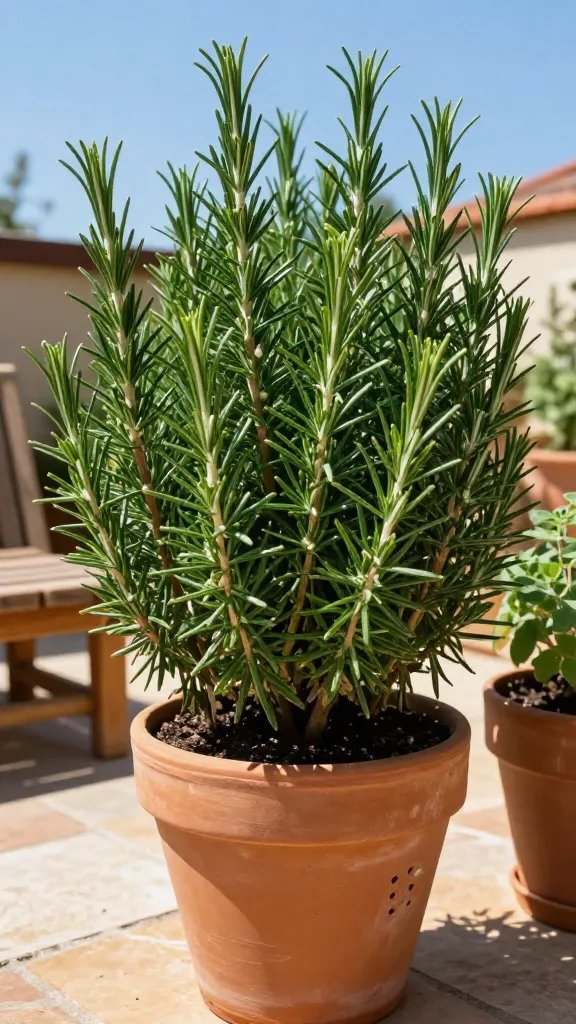
Rosemary’s woody stems and pine-like aroma create a robust barrier around outdoor seating. It handles drought better than most herbs, making it a practical choice for sun-loving containers.
Signs to Watch For
- Soil stays wet for too long in hot weather
- New growth slows with overwatering
How to Fix It
- Use a well-draining potting mix and a pot with drainage holes
- Water deeply, then allow the top 2 inches of soil to dry before watering again
What to Use Instead
- Oregano or thyme in other containers to diversify scent
Takeaway: Plant rosemary in a sunny corner with a gritty mix and a large drainage hole pot for best performance and longevity.
7. Geraniums (Pelargonium), Colorful and Mosquito-Repelling Perennial
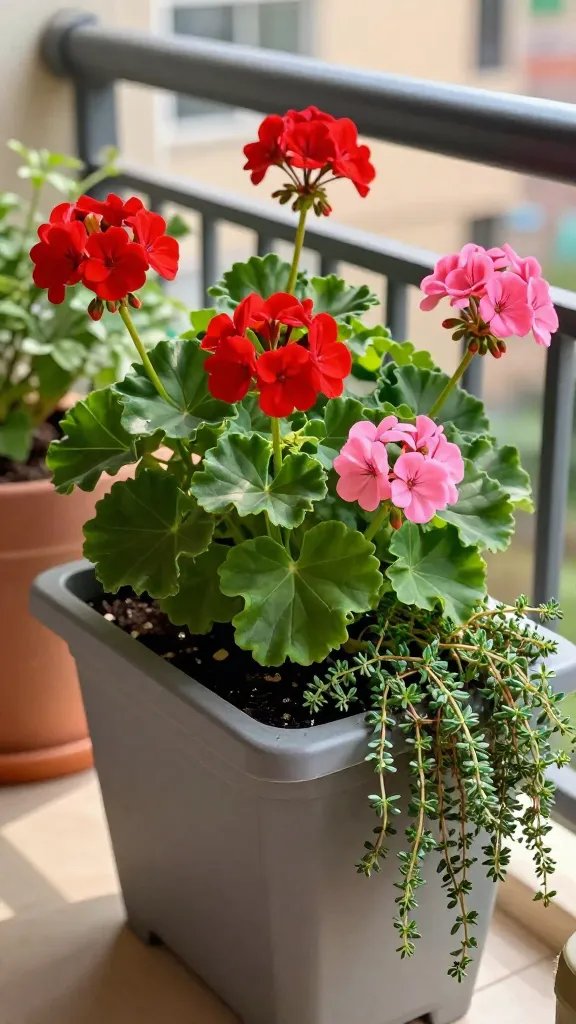
Geraniums deliver vivid color plus a pepperminty scent that helps deter mosquitoes. They’re sturdy in containers and can handle a balcony environment with mixed sun exposure.
Signs to Watch For
- Drooping leaves in extreme heat without adequate water
- Leggy stems in overcrowded pots
How to Fix It
- Re-pot into slightly larger containers with fresh potting mix
- Water at soil level rather than overhead to prevent leaf scorch
What to Use Instead
- Trailing thyme or portulaca in mixed planters for continuous color and scent
Takeaway: Choose geraniums with compact growth, water evenly, and place them where you want color plus scent to break mosquitoes’ approach.
Frequently Asked Questions
Do these plants actually repel mosquitoes or just mask the smell?
All seven plants release scents that confuse or overwhelm mosquitoes, reducing the likelihood they’ll linger near you. The effect is strongest when plants are healthy, in bright light, and arranged to form a natural barrier around seating or entry points.
Which combination works best for a small balcony?
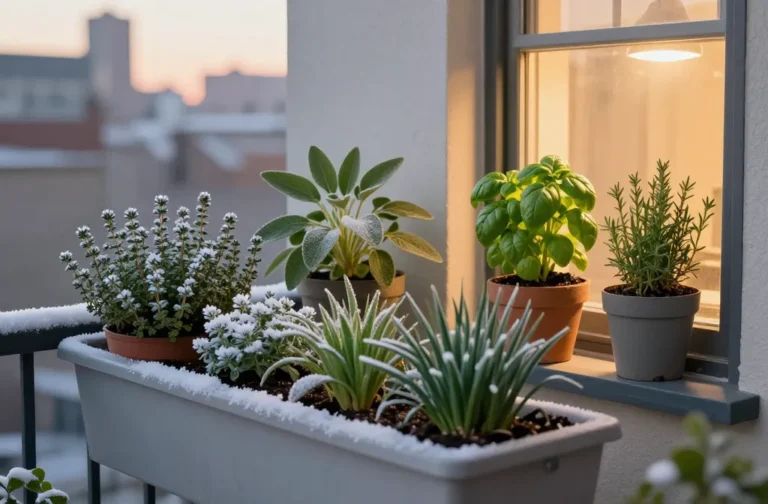
A mixed border using citronella, lavender, and rosemary around the edge of a seating area provides scent diversity and visual interest. Place basil or peppermint near the cooking area or entry to maximize both repellent effect and practicality.
How often should I water these container plants?
Most of these plants prefer evenly moist soil but not waterlogged. In bright indirect light, check daily for the first week and adjust to a thorough soak once a week, reducing frequency in cool weather. Always allow the top inch of soil to dry before watering again.
What size containers should I use?
Use pots at least 12 inches in diameter for herbs like basil and rosemary, and 10–12 inches for smaller varieties. Ensure containers have drainage holes and use a standard, good-quality potting mix from the garden centre.
Can I grow these indoors and still repel mosquitoes?
Indoor repelling is less effective because of limited air movement and light. If you must keep plants indoors, place them near windows that mosquitoes might use to enter and ensure good ventilation and occasional outdoor time whenever possible.
Are these plants safe for pets?
Most are non-toxic to humans but can irritate some pets if ingested in large quantities. If you have curious cats or dogs, keep especially fragrant plants out of reach or in elevated containers.
Conclusion
With seven reliable options, you can design container gardens that reduce mosquito activity while still looking great and staying within a typical apartment or home garden setup. Start with a simple mix of citronella, lavender, and rosemary near seating, then add basil or mint for extra scent and utility.