8 Flowers That Repel Mosquitoes
When I started my balcony herb garden, mosquitos swarmed my evening sessions and ruined a perfect sunset. I discovered eight hardy flowers that naturally deter mosquitoes without harsh chemicals. This guide shows you exactly how to grow them, how they work, and how to use them in your space for calmer, bite-free evenings.
1. Citronella Grass (Cymbopogon nardus or Cymbopogon winterianus): The Classic Mosquito Barrier
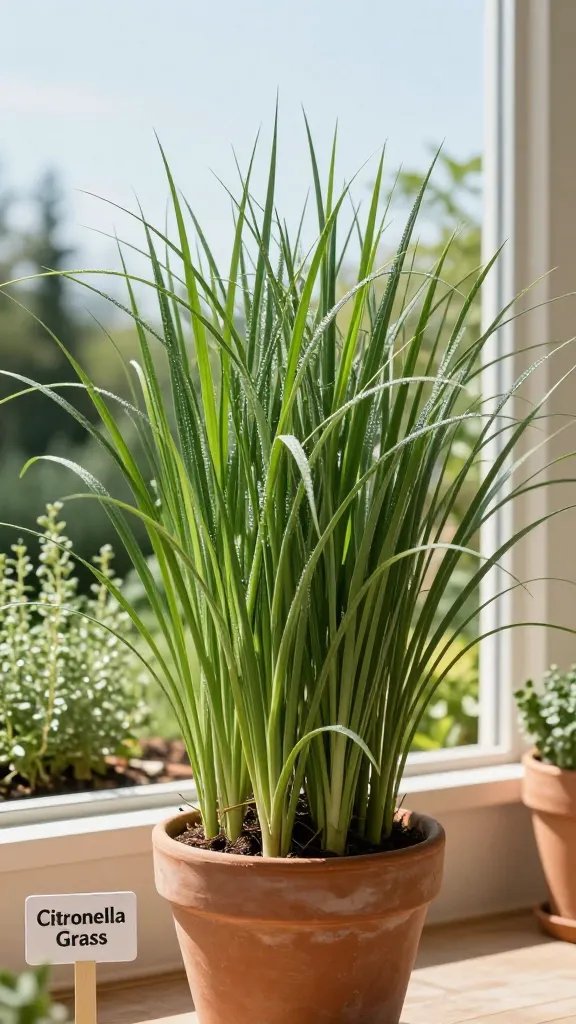
Citronella is famous for its scent, but many people misunderstand how to deploy it. In pots and borders, it releases oils that confuse mosquitos and keep them at bay. If you’ve struggled with tiny bites during summer, this plant is a dependable first line of defense.
Signs to Watch For
- Leaves turn yellow at the base in hot, dry spells
- Clumping growth becomes crowded and needs division
- Soil dries out quickly in full sun
How to Fix It
- Move citronella to bright indirect light near a window or sunny balcony
- Water consistently so the soil stays evenly moist but not soggy
- Divide every 1-2 years to maintain vigor
What to Use Instead
- Dwarf varieties or citronella-scented geraniums for smaller spaces
- Citronella essential oil diffused safely away from flames for indoor use
Takeaway: Plant citronella where you spend evenings and harvest fresh leaves weekly to maximize fragrance.
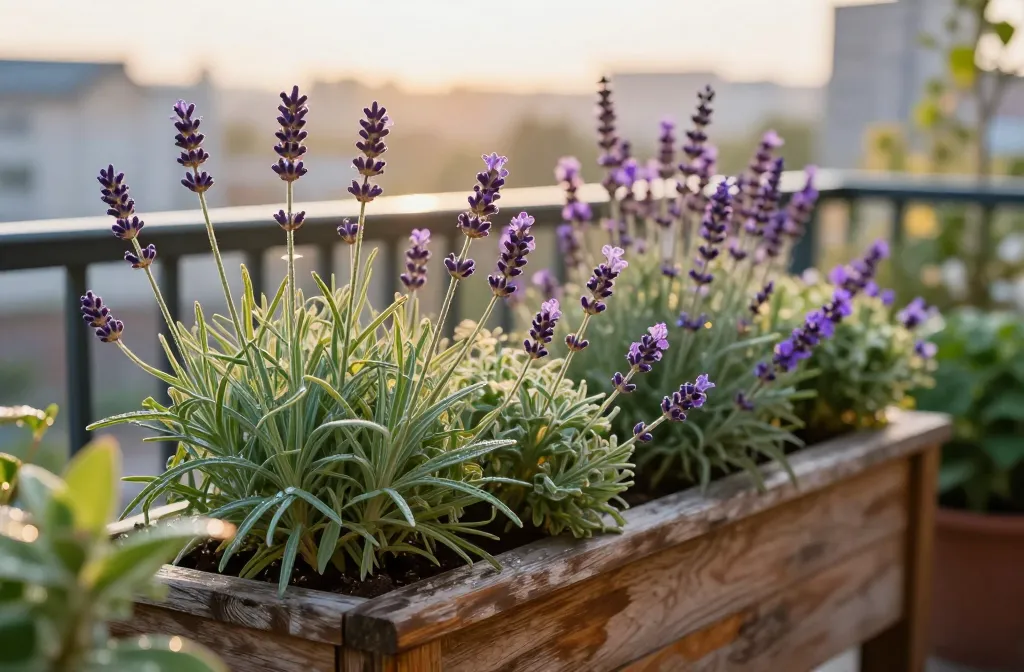
2. Lavender (Lavandula angustifolia): Calming Scent That Bets Mosquitoes
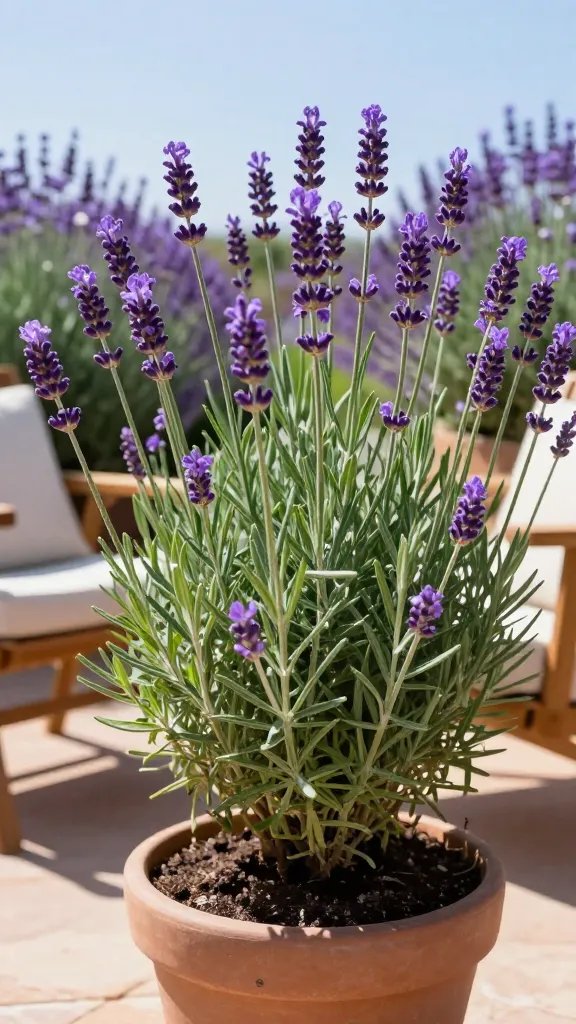
Lavender’s scent is a magnet for humans but repels mosquitoes and midges. It thrives in sunny spots and won’t invade containers if you prune after flowering. It’s a reliable ornamental and a natural repellent for outdoor seating areas.
Signs to Watch For
- Leggy stems with sparse flowers
- Leaves developing brown tips in poor soil drainage
- Flower spikes falling over in windy balconies
How to Fix It
- Choose a well-draining potting mix and a pot with drainage holes
- Prune back after flowering to keep a sturdy, compact shape
- Water only when the top inch of soil dries
What to Use Instead
- English lavender varieties with sturdier stems for containers
- Rosemary or oregano as complementary, mosquito-repelling herbs
Takeaway: Plant lavender where you relax outdoors and prune after bloom to maintain fragrance and vigor.
3. Marigolds (Tagetes spp.): Bright Blooms with Bite-Sworzy Deterrence
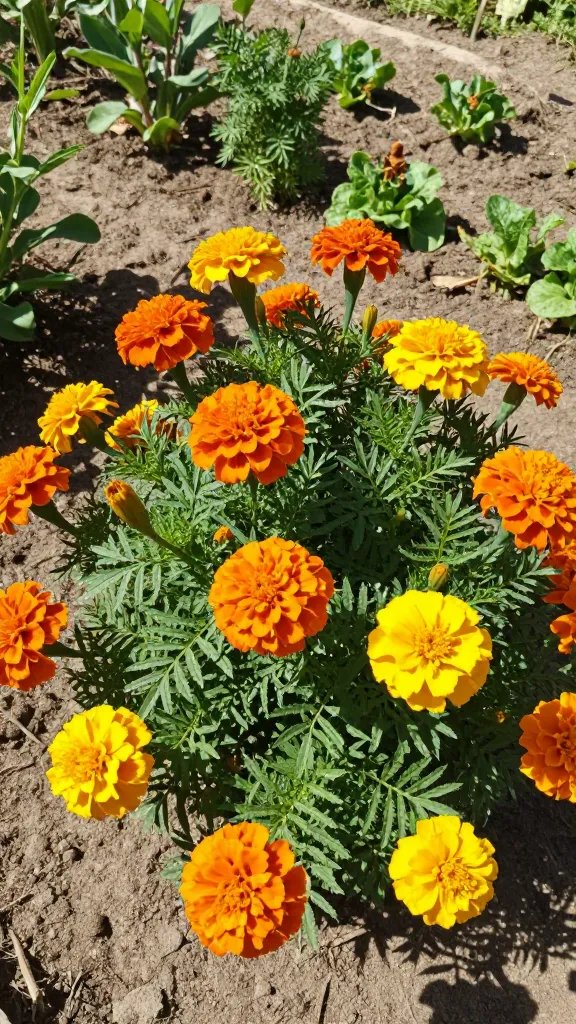
Marigolds release compounds that mosquitoes find unattractive, and their bright color helps them stand out in a small garden. They’re easy to grow from seed, tolerate neglect, and pair well with vegetables and herbs.
Signs to Watch For
- Soil compaction around shallow-rooted marigolds
- Petal scorch from harsh sun on hot days
- Weak stems in poor soil
How to Fix It
- Use a light, well-draining potting mix and provide occasional feeding
- Water deeply but infrequently to encourage strong root systems
- Plant in groups for a fuller effect and a stronger scent
What to Use Instead
- Calendula and zinnias for similar color and broader bug-deterrence
Takeaway: Sow marigold clusters near entrances and seating areas for quick, visible repellent power.
4. Basil (Ocimum basilicum): Culinary Backup That Doubles as Mosquito Shield
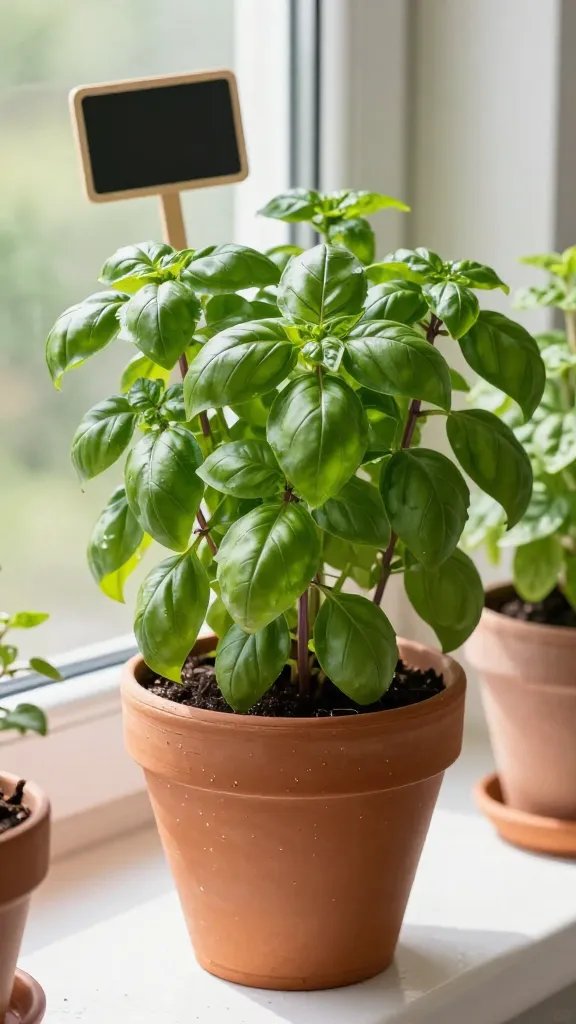
Basil isn’t just for pasta; its aroma repels mosquitoes in the herb garden and kitchen garden border. It thrives in sunny windowsills and outdoor planters, delivering flavor and protection in one plant.
Signs to Watch For
- Leggy growth in crowded pots
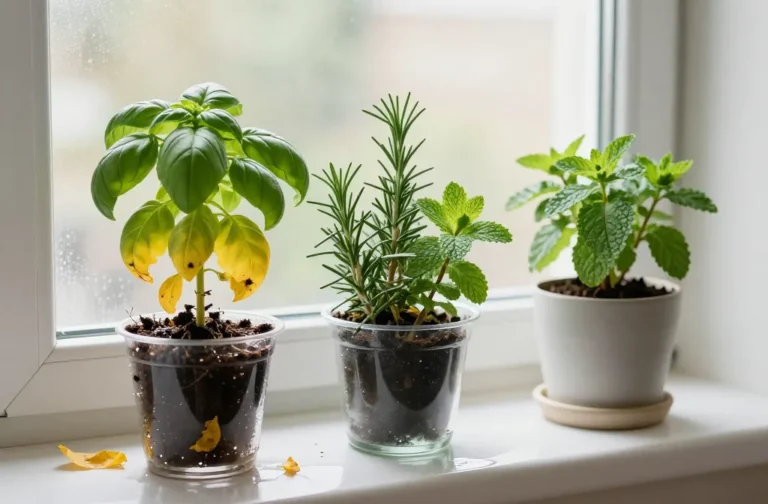
- Leaves with brown edges indicating inconsistent watering
- Yellowing from mineral buildup if using hard water
How to Fix It
- Grow in a sunny spot with bright indirect light for most of the day
- Water at the base to avoid leaf scorch, allowing soil to dry slightly between waterings
- Pinch back flower stalks to keep leaf production high
What to Use Instead
- Oregano or thyme in the same bed for a combined scent profile
Takeaway: Plant basil in pots near doors and windows to maximize scent exposure for you and mosquitoes alike.
5. Catnip (Nepeta cataria): Potent Mosquito Deterrent That Animals Love
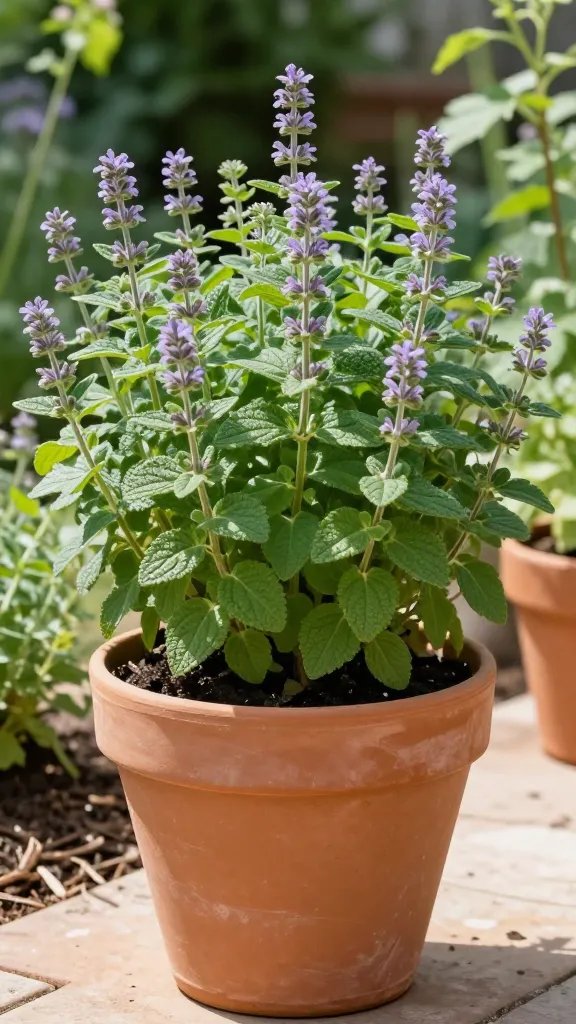
Catnip is surprisingly effective against mosquitoes, with a strength rivaling synthetic repellents in some tests. It’s vigorous but should be kept in a dedicated container if you want to avoid spreading.
Signs to Watch For
- Overgrowth that crowds out nearby plants
- Leaf yellowing due to overwatering
- Rough, woody stems in shaded spots
How to Fix It
- Contain in a large pot and prune regularly to maintain tidy shape
- Water when the top inch of soil dries, not on a fixed schedule
- Mulch to reduce weed pressure and conserve moisture
What to Use Instead
- Mint varieties (spearmint, peppermint) for scent variety with similar repellent traits
Takeaway: Grow catnip in a dedicated pot near seating to maximize repellency without takeover.
6. Rosemary (Rosmarinus officinalis): Savory Scent for Mosquito Peace
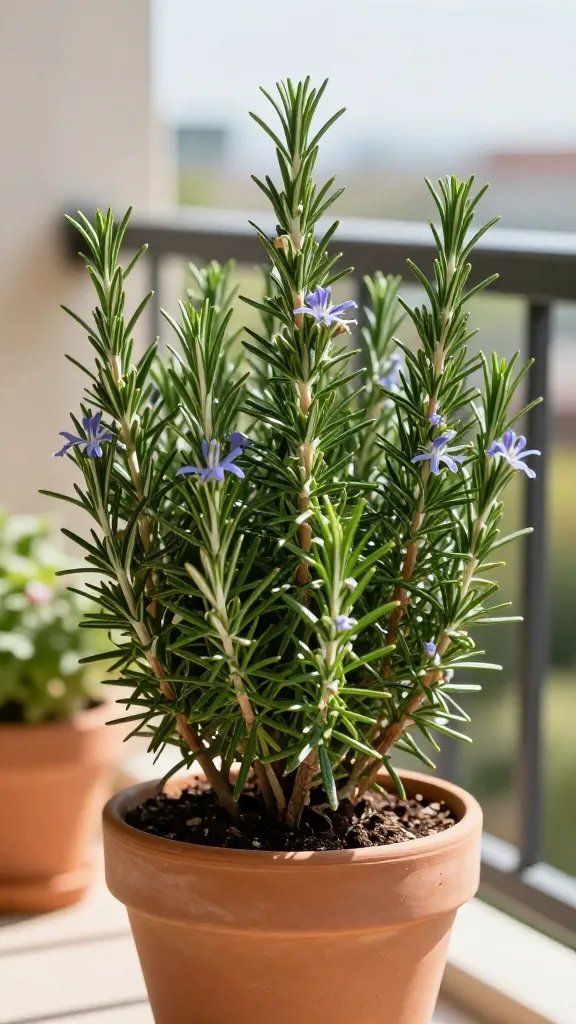
Rosemary’s resinous aroma repels mosquitoes and pairs beautifully with grilled vegetables. It loves sun and well-drained soil, making it an ideal container plant for balconies.
Signs to Watch For
- Brown tips on leaves from dry soil in hot sun
- Leggy growth in crowded containers
- Soil that clumps and drains poorly
How to Fix It
- Repot into a larger container with a gritty, fast-draining mix
- Provide a consistent water schedule, but never soggy soil
- Trim back after flowering to maintain compact shape
What to Use Instead
- Sage or thyme as additional, complementary scent options
Takeaway: Place rosemary near doorways or seating zones to form a natural scent barrier.
7. Eucalyptus (Eucalyptus spp.): Strong Aroma, Strong Mosquito Deterrence
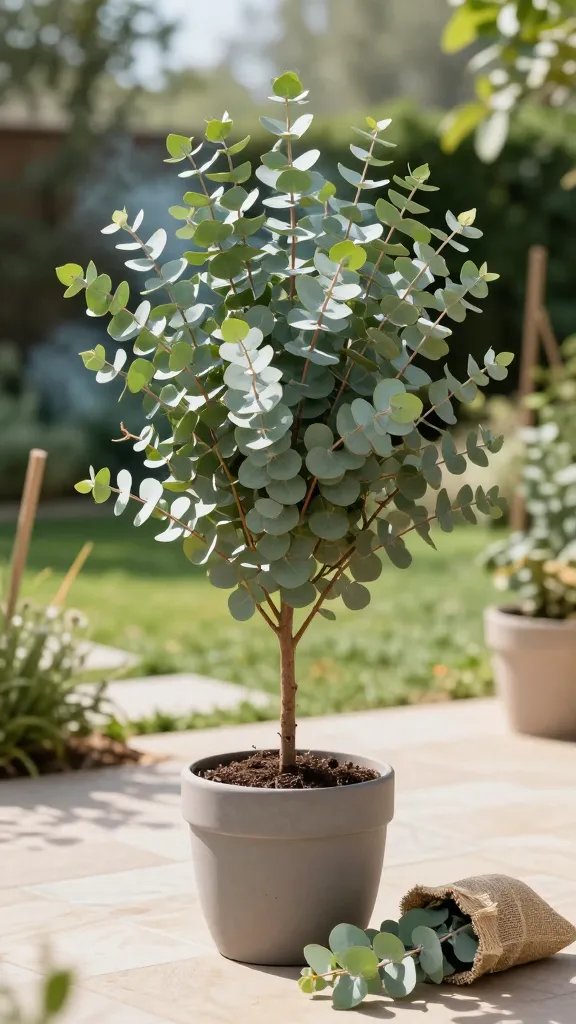
Eucalyptus has a powerful scent that mosquitoes tend to avoid. It’s a robust shrub or a tall ornamental in containers, and you can harvest leaves to rub on skin (if not sensitive) or to crush in sachets near seating areas.
Signs to Watch For
- Leaves curling in low humidity
- Root rot in poorly draining pots
- Stems becoming woody with age
How to Fix It
- Ensure drainage with a high-percentage perlite in potting mix
- Provide bright, indirect light and protect from frost
- Prune to maintain a compact, healthy plant
What to Use Instead
- Minimize its use indoors; prefer outdoor borders with other herbs for a layered fragrance
Takeaway: Position eucalyptus where you relax on warm evenings, using fresh leaves to scent the air in bowls or sachets.
8. Pennyroyal (Mentha pulegium): Strong Repellent for Small Spaces
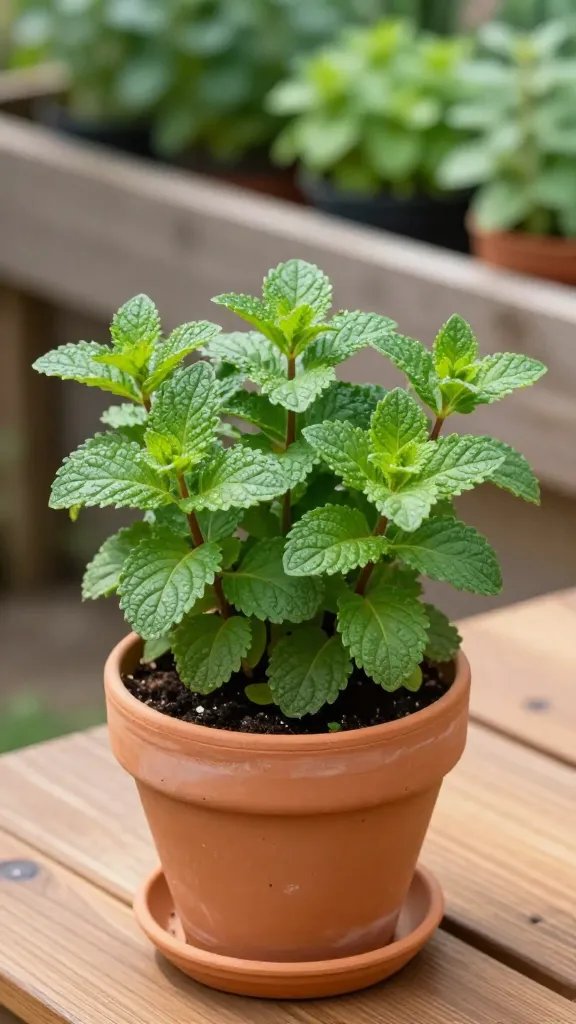
Pennyroyal is a potent mosquito repellent mint family member, especially effective in small spaces with high humidity. It’s best grown in a contained bed or pot to prevent spread to other herbs.
Signs to Watch For
- Rapid spread if not contained
- Leaves with a strong menthol scent when crushed
- Yellowing leaves if soil is too wet
How to Fix It
- Grow in a dedicated pot with tight drainage
- Keep soil evenly moist but never waterlogged
- Prune to maintain a compact, bushy shape
What to Use Instead
- Mint varieties with gentler spread if you’re worried about containment
Takeaway: Use pennyroyal as a boundary plant around seating or entry points, harvesting leaves for direct scent when mosquitoes are active.
Frequently Asked Questions
Are these flowers enough to prevent mosquitoes indoors?
Most flowers provide a partial barrier. For indoor spaces, combine them with screens, windows closed at dusk, and a small fan to disrupt mosquito flight. Harvest and crush leaves to release essential oils near entryways for extra protection.
How many of these plants do I need for a real effect?
A cluster of 3-5 plants around a seating area is typically enough to create noticeable aroma and deterrence. In smaller balconies, group citronella, lavender, and marigolds in a single planter to maximize scent output.
Can I use these plants together without harming them?
Yes. Most of these herbs and flowers grow well in mixed containers as long as you respect sun, water, and drainage needs. Avoid placing heavy water-dependent plants in containers with poor drainage to prevent root rot.
Do I need to avoid bees when using these plants?
All eight plants attract pollinators, including bees, and that’s beneficial for your balcony garden. The goal is to maintain a strong mosquito deterrent without compromising pollinator access to flowering plants. Plant in accessible areas where you don’t mind visitors.
Can I use the leaves as a DIY spray?
Yes. Crush fresh leaves from citronella, lavender, or rosemary and steep in hot water, then strain and spray on skin as a light, temporary repellent. Do a patch test first to ensure no skin irritation.
Which plants are safest for pets?
Most of these plants are safe in moderate amounts, but catnip and pennyroyal can be problematic for pets in large quantities. Keep any plant-based sprays or crushed leaves away from curious animals and always consult a vet if your pet has sensitivities.
Conclusion
With eight practical options, you can craft a mosquito-repellent border that still looks attractive and serves your kitchen garden. Start with a small cluster of citronella, lavender, and marigolds, then expand as you observe what works best on your balcony or patio.