The Secret to How to Grow Herbs on a Balcony Year-Round — Which Survive Winter, Which Need to Come Inside
I started my balcony herb rail with six hopeful pots and a big mistake: I treated winter like a shorter summer. By January, the basil was mush, the rosemary sulked, and only the chives looked smug. Once I sorted which herbs actually handle cold and which need a warm rescue plan, my year-round harvest stabilized. This guide shows you exactly what lives outdoors, what must come inside, and the simple setup that keeps your balcony productive every month.
Know Your Herbs: Truly Hardy, Borderline Tough, and Heat Lovers
Herbs fall into three clear groups for winter: hardy perennials that stay outside, borderline perennials that need shelter, and tender annuals that die in frost. Treating them the same is why most balcony herb gardens crash in November.
Plant lists by winter survival
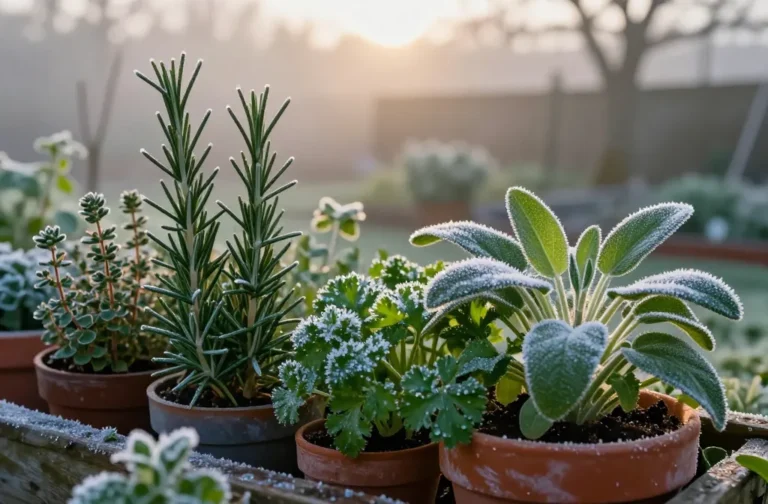
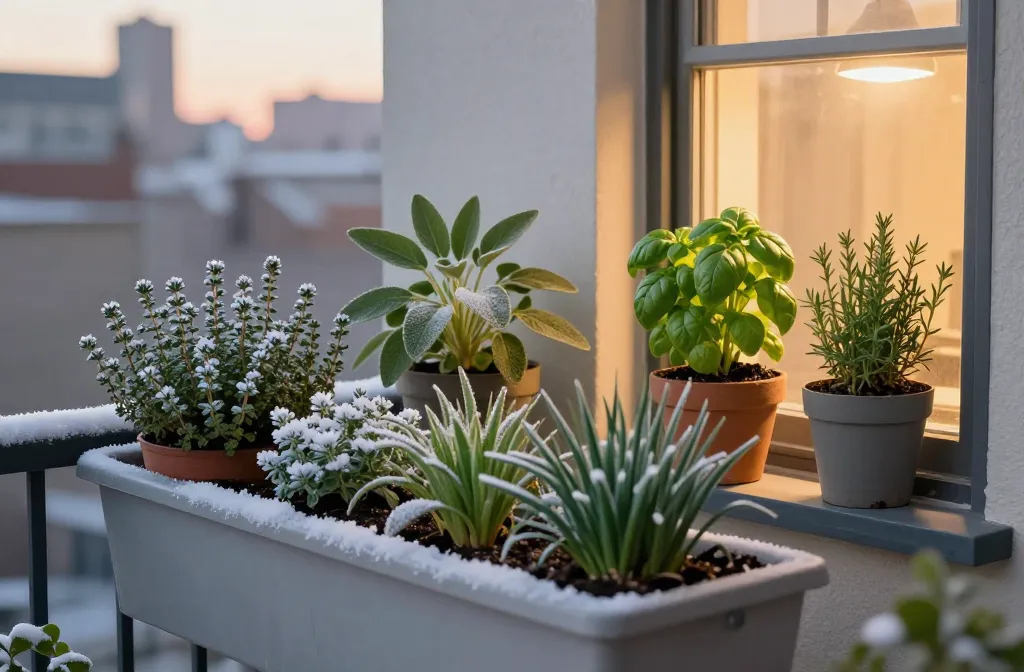
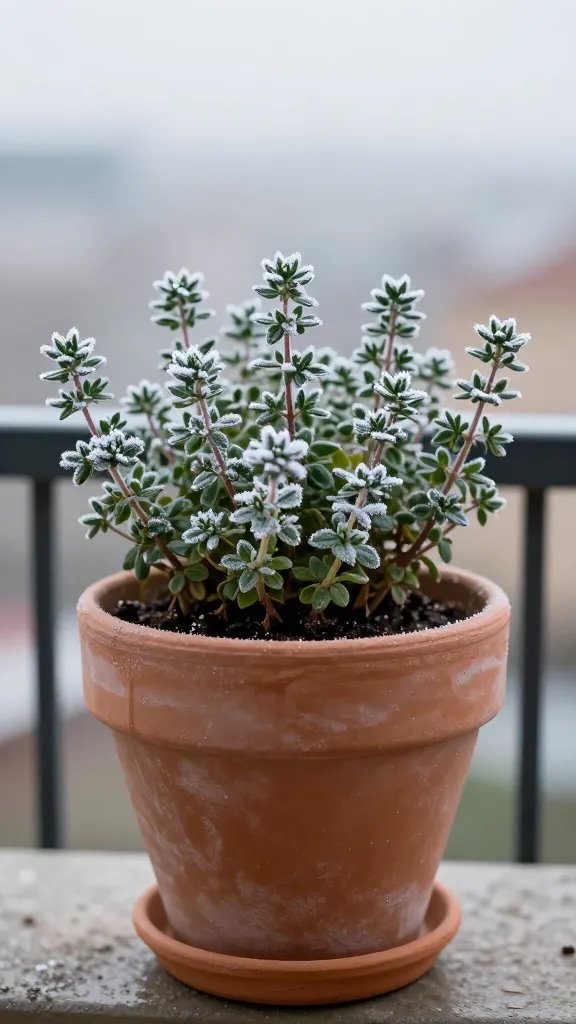
- Stays Outside (down to freezing and below): Thyme, Sage, Oregano, Chives, Garlic Chives, Mint (invasive but tough), Winter Savory, Rosemary ‘Arp’/‘Hill Hardy’ in mild winters only.
- Bring In or Heavily Protect: Most Rosemary varieties, Lemongrass, Bay Laurel, Curry Leaf, Stevia.
- Do Not Overwinter Outdoors: Basil, Cilantro (bolts then sulks), Dill, Parsley (biannual; can face light frost but suffers in deep freezes), Thai Basil, Shiso in cold climates.
Action today: Label each pot with a weather plan: “Stays Out,” “Wrap + Mulch,” or “Come Inside.” That single step prevents panic on the first frost warning.
Right Pots and Soil That Don’t Turn to Ice Blocks
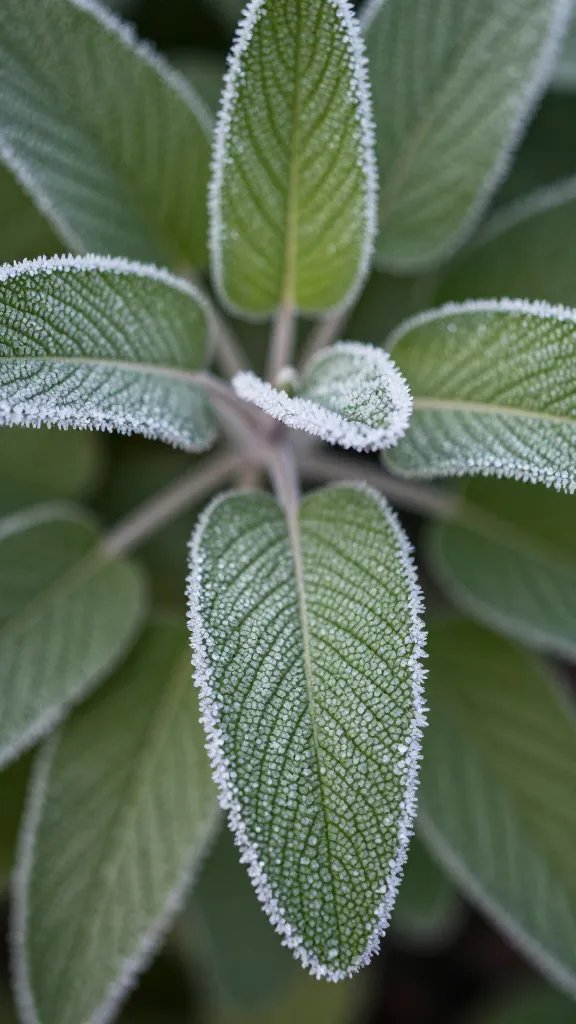
Winter kills roots as much as foliage. Thin plastic and terracotta shed heat fast and swing from wet to frozen in hours. I use thick-walled containers with drainage and a light, fast-draining mix to keep roots insulated and oxygenated.
Materials that work from a garden centre
- Pots: Double-walled resin or fiberglass; or terracotta lined with a plastic nursery pot inside. Minimum 10–12 inch diameter for perennials to buffer cold.
- Soil: A good quality potting mix labeled for containers. Blend in a few handfuls of perlite if it feels heavy. No garden soil.
- Drainage: One saucer only for summer. In winter, remove saucers so water doesn’t pool and freeze.
Action today: Lift each pot after watering; if it feels heavy two days later, add 2–3 handfuls of perlite at your next repot to speed drainage before frost season.
Light by Season: Balcony Sun Now, Window Light Later
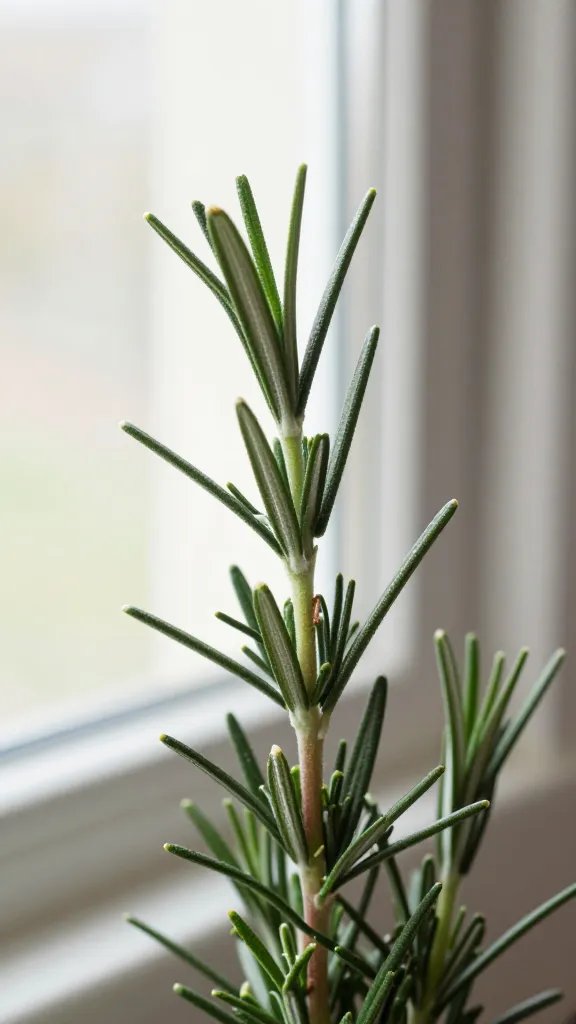
Most herbs want strong light to taste good. On a balcony, winter sun rides low and hides behind buildings, so I schedule herbs by position and season. Outdoors, I group sun-lovers in the brightest, least windy corner; indoors, I park tender herbs in the sunniest window I have.
Placement rules you can use without meters
- Outdoors (spring–autumn): Full sun equals 6+ hours of direct light. Basil, dill, and oregano thrive here.
- Outdoors (winter): Keep hardy herbs in the brightest spot you can manage; morning sun with afternoon shade is fine while dormant.
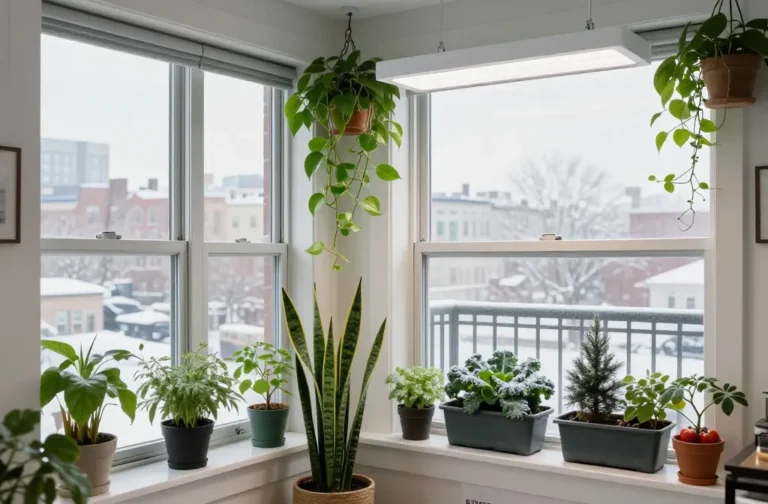
- Indoors (winter): South-facing window for basil, rosemary, and bay. East-facing works for parsley and chives. If leaves pale and internodes stretch, add a basic clamp-on LED grow light.
Action today: Stand at your balcony at noon and again at 3 p.m.; note which rail section still gets sun. Move your highest-demand herbs there this week.
Watering in Cold Weather: Less Than You Think
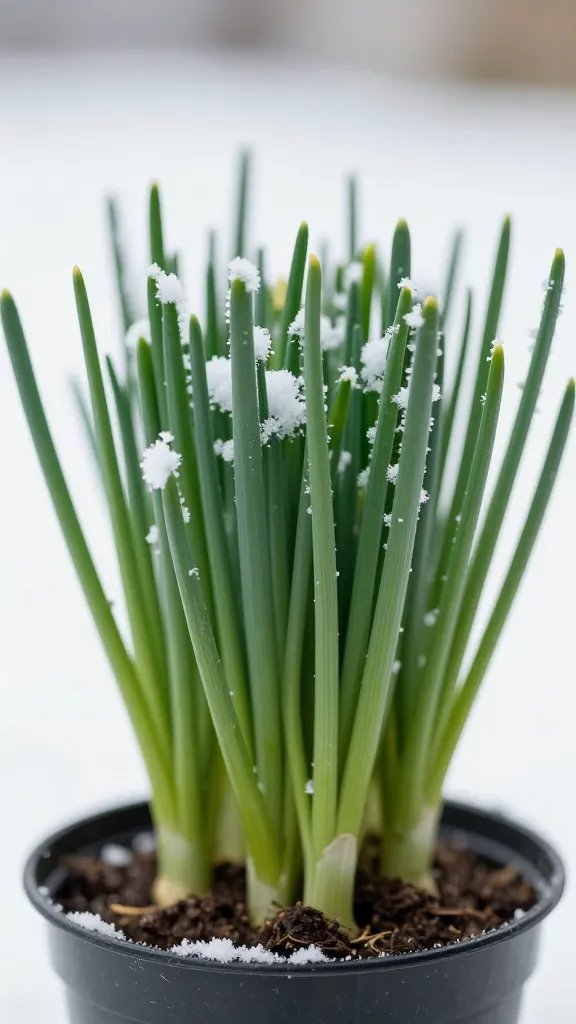
Cold roots drink slowly. Overwatering in winter rots perennials and finishes off tender herbs that might have pulled through. I treat winter pots like cacti: water thoroughly, then wait longer than feels comfortable.
Simple winter watering schedule
- Hardy perennials outdoors: Water when the top 2 inches feel dry and the pot feels light — often every 10–21 days, even less in steady rain.
- Indoors: Water when top inch is dry. Aim for every 5–10 days depending on heat vents and sun.
- Warning signs: Droopy yet wet soil = overwatered. Crisp tips with dusty soil = underwatered.
Action today: Press a finger 2 inches into the soil of your thyme or sage; if it feels cool and damp, skip watering for three more days.
Cold Protection That Actually Works on a Balcony
Wind steals heat faster than air temperature alone. I block wind first, then insulate the pot, not the leaves. A simple wrap and mulch keeps borderline herbs alive without gadgets.
Step-by-step freeze prep (15 minutes per pot)
- Slide pots against the wall and out of direct wind. Corners are warmer than railings.
- Wrap the pot (not the foliage) with two layers of burlap or fleece. Secure with twine.
- Add a 2–3 inch layer of shredded bark mulch or dry leaves on top of the soil, keeping stems clear to prevent rot.
- Lift pots off concrete with pot feet or bricks to avoid sitting in meltwater.
- For a cold snap below freezing for several nights, drape frost cloth over plants overnight and remove in the morning.
Action today: Cut a burlap strip and wrap your largest rosemary or bay pot — protecting the root zone gains you several degrees of safety.
When and How to Bring Herbs Inside
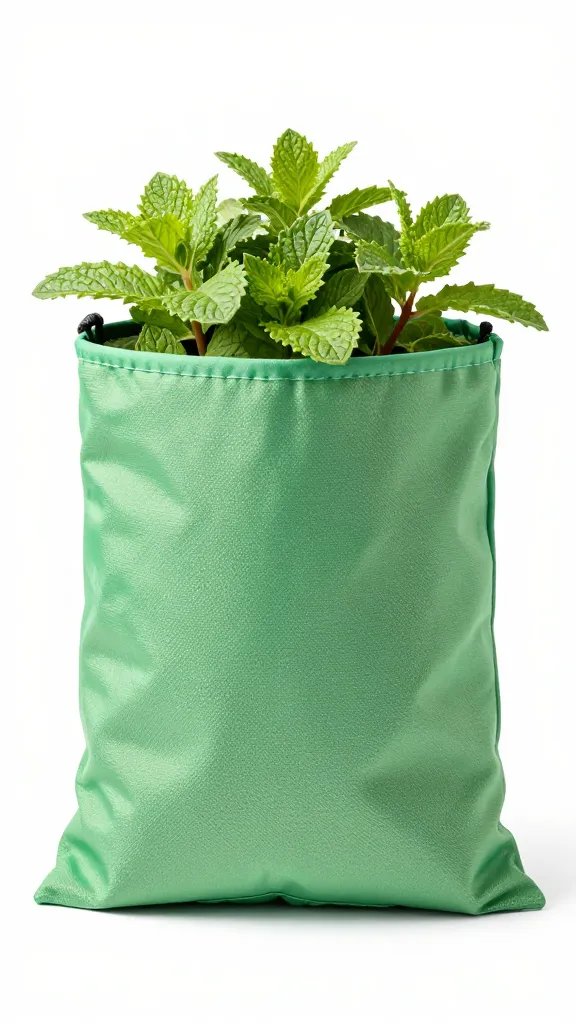
I use a simple rule: when nights settle at 40°F/4°C or lower, I move tender herbs indoors. I do it in two stages to avoid shock and to evict stowaway bugs before they meet my houseplants.
Two-week indoor transition
- Week 1 (Outdoors): Move tender herbs to bright shade for three days. Reduce water slightly to slow growth.
- Cleaning Day: Trim leggy growth by one-third. Rinse leaves with a gentle shower. Check under leaves and topsoil for pests.
- Prevent pests: Spray with neem oil or insecticidal soap once, following the label. Let dry outdoors.
- Week 2 (Indoors): Place at the brightest window. Rotate pots a quarter turn weekly. Start a light feeding routine.
Action today: Check your 10-day forecast; if lows hit 40°F/4°C, schedule your cleaning day this weekend and clear a sunny windowsill.
Feeding and Pruning for Winter Flavor
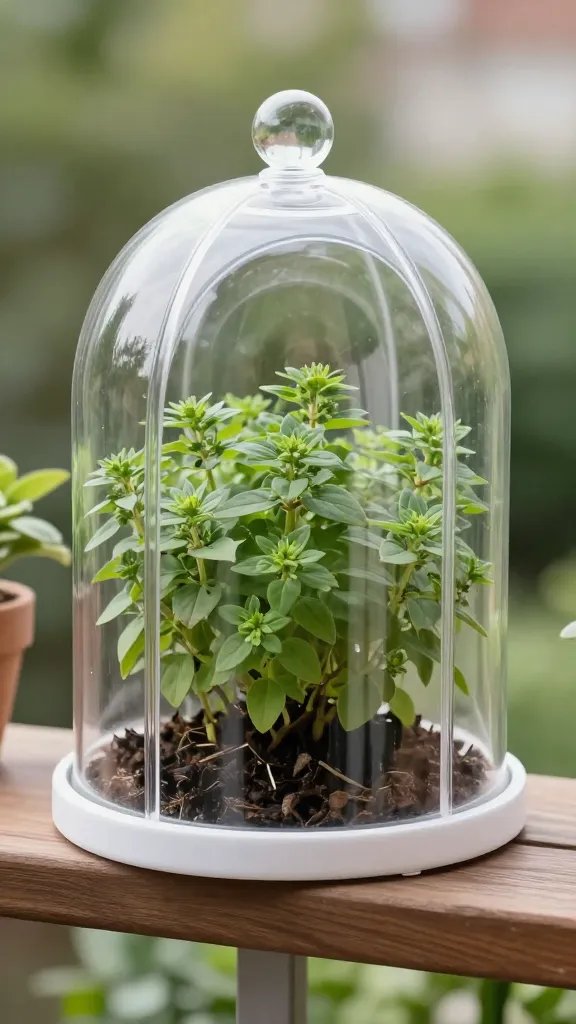
Herbs taste best when they grow steadily, not explosively. In winter, I feed lightly and prune with a plan. Hard pruning right before deep cold invites dieback outdoors; indoors, frequent small snips keep growth dense.
Simple rules by herb
- Outdoors hardy (thyme, sage, oregano): Stop fertilizing 6 weeks before your first frost. Only light shaping, never more than one-third removed.
- Indoors (basil, rosemary, parsley): Feed every 4–6 weeks with half-strength all-purpose liquid fertilizer. Pinch basil above a pair of leaves every harvest to keep it bushy.
- Chives and mint: Shear to 1–2 inches in late fall; they rebound stronger in spring.
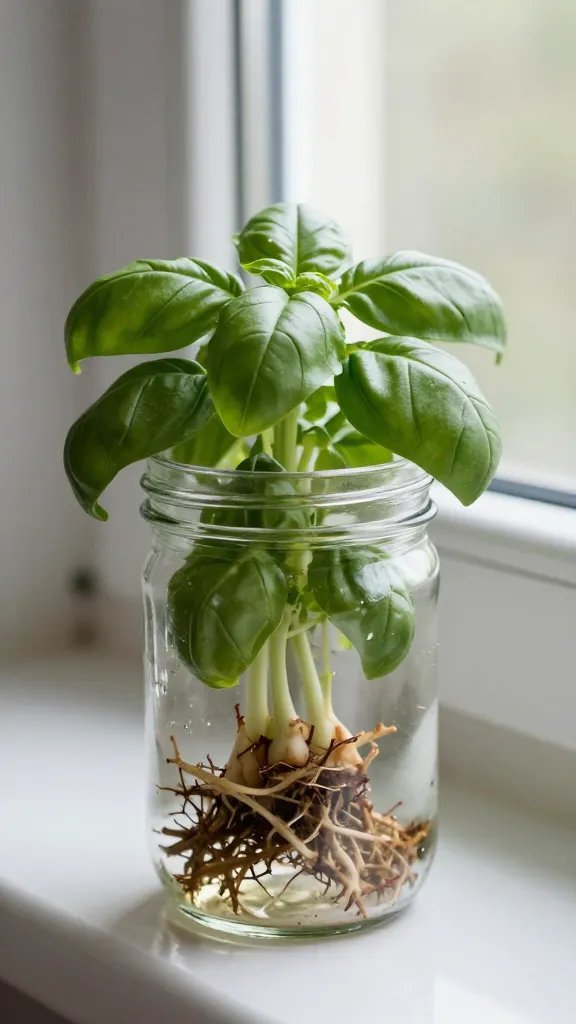
Action today: Take one harvest pinch from basil just above a leaf pair and place the cut stems in water — you’ll root a spare plant while shaping the mother.
Who Thrives Where: Quick Winter Placement Map
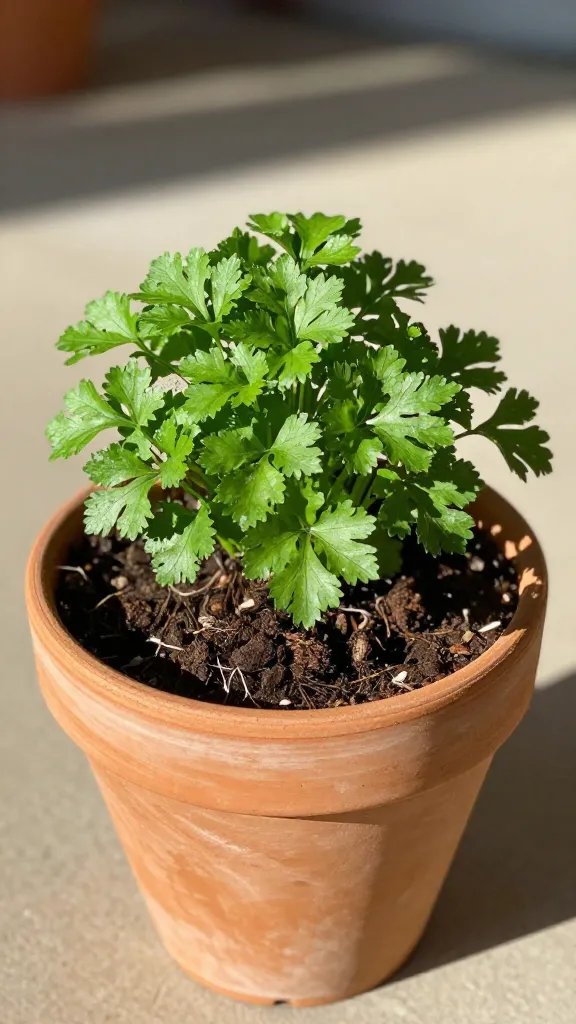
Here’s the layout I use on a typical balcony with one bright corner and one sheltered wall. It balances survival with easy access for harvesting.
- Bright, sheltered corner outdoors: Sage, thyme, oregano, chives, mint (in its own pot), winter savory.
- Against the warmest wall, wrapped: Rosemary (hardy type), bay laurel (wrap + mulch in mild zones only; otherwise inside).
- Indoors at the sunniest window: Basil, parsley, dill (best as successive re-sows), tender rosemary, lemongrass.
Action today: Move mint to its own container if it shares a pot — it will overrun neighbors and weaken them by spring.
Frequently Asked Questions
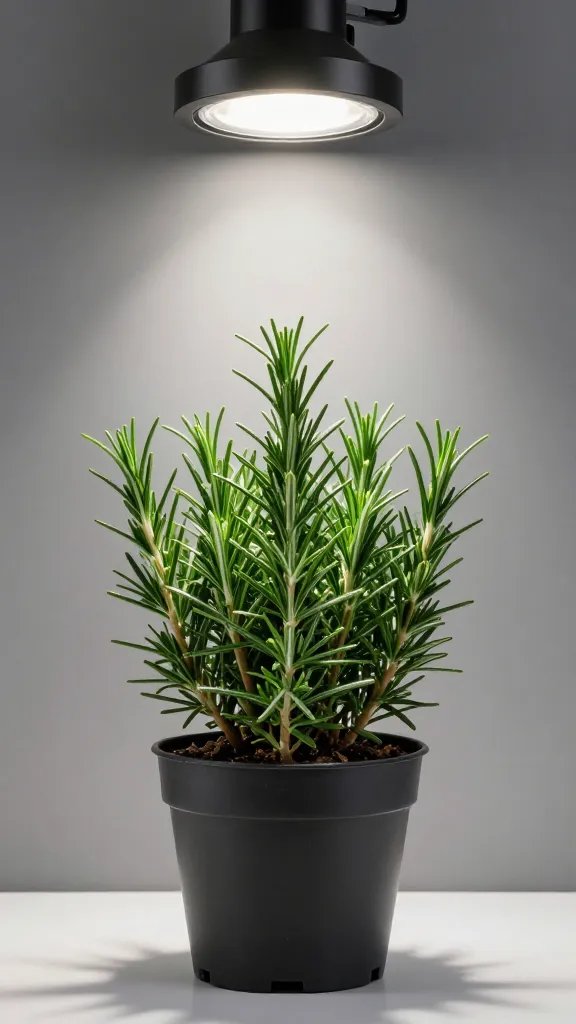
My rosemary keeps dying every winter on the balcony. What am I doing wrong?
Cold, wet roots kill rosemary. Use a thick-walled pot, remove the saucer in winter, and add a 2–3 inch mulch layer to the soil surface. Water only when the top 2 inches are dry and the pot feels light. If your winter regularly dips below 20°F/−6°C, bring rosemary inside to a south window and rotate weekly.
Can I keep basil outside if I cover it at night?
No. Basil blackens near 40°F/4°C and collapses at frost even under covers. Bring it inside before nights hit 45°F/7°C for reliable growth. Give it a south-facing window or a clamp-on LED grow light 12–14 inches above the plant for 12 hours daily. Pinch regularly to prevent legginess.
Do I need special soil for winter, or will regular potting mix do?
A good quality potting mix from the garden centre works. Ensure it drains well by blending in a few handfuls of perlite if it compacts or stays soggy after two days. Avoid moisture-control mixes for winter; they hold too much water in the cold. Never use garden soil in pots — it compacts and suffocates roots.
How do I stop pests when I bring herbs indoors?
Rinse plants thoroughly outdoors, including leaf undersides. Remove fallen leaves from the soil surface, then spray neem oil or insecticidal soap once, following the label. Quarantine new or outdoor-returning herbs away from houseplants for 10–14 days and inspect every three days. Sticky traps near the pots help you spot fungus gnats early.
Which herbs give me the most winter harvest with the least effort?
Chives, parsley (indoors or lightly protected), and a hardy thyme or sage outside keep producing with minimal fuss. Indoors, a compact Genovese basil under strong window light pays off quickly. Add mint for easy teas — just keep it in its own pot to avoid takeover.
How often should I repot balcony herbs to keep them healthy year-round?
Repot perennials like thyme, sage, and rosemary every 18–24 months into a pot one size larger, refreshing with fresh mix. Split clumping herbs like chives and mint every spring to prevent crowding. For annuals like basil and dill, start fresh each season. Always check roots; if they circle the pot, it’s time.
Conclusion

You don’t need a greenhouse to harvest year-round — you need a clear winter plan and the right pots in the right places. Decide today which herbs stay out, which get wrapped, and which move inside to a sunny window, and set reminders for your first frost date. Next step: pick three workhorse herbs from the lists above, label their winter plan, and rearrange your balcony once — your future self will be snipping fresh herbs in February instead of replanting in May.