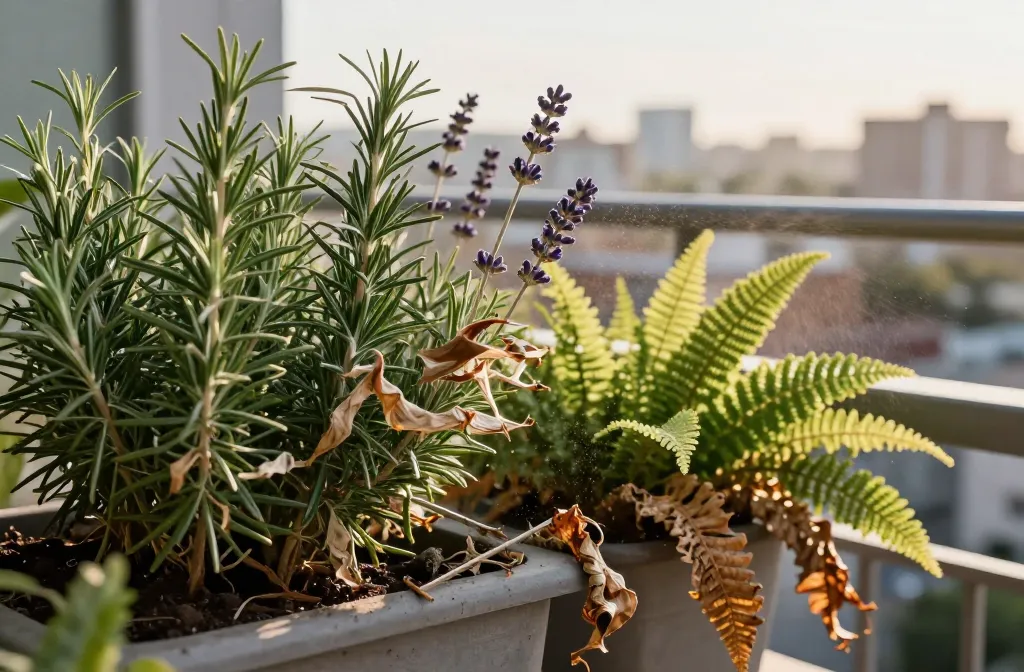
Why Balcony Wind Kills Plants That Should Survive — Transpiration, Desiccation and Container Drying
My first balcony garden looked fine on paper: tough plants, big pots, sunny aspect. Two windy weekends later, the leaves crisped, soil pulled away from the pot edges, and “hardy” plants collapsed. If this sounds familiar, you’re not a bad gardener — you’re fighting physics. I’ll show you how wind ramps up water loss, strips humidity, and turns containers into dehydrators, plus the exact fixes that keep balcony plants alive.
How Wind Supercharges Transpiration
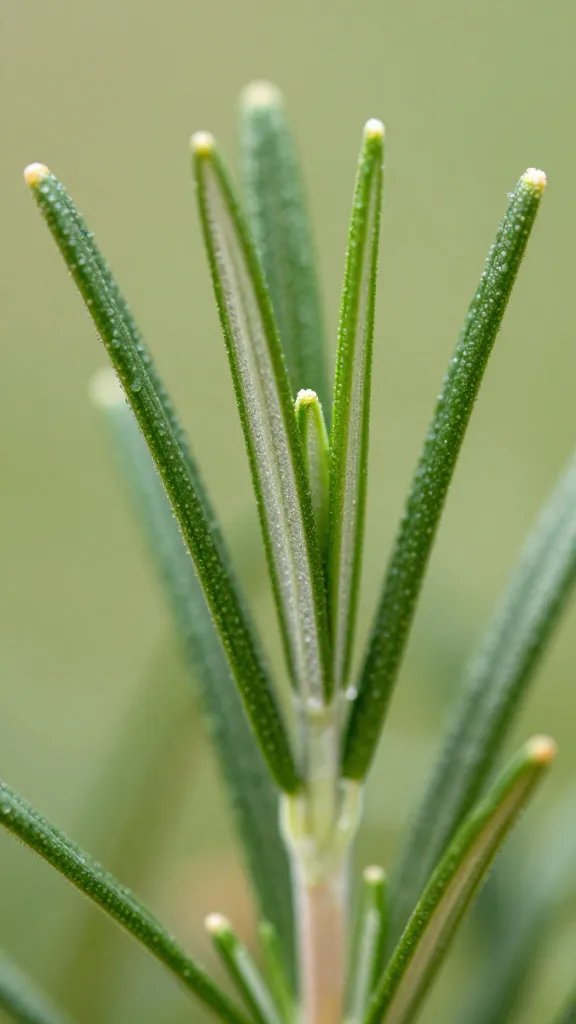
Leaves constantly lose water through tiny pores called stomata. In still air, a thin moist boundary layer slows that loss. Wind wipes that layer away and forces the plant to open the stomata wider to keep photosynthesizing — water exits faster than roots can replace it.
This isn’t a “weak plant” issue. Even rosemary and lavender will fail when wind doubles or triples transpiration during a bright afternoon. The leaves wilt midday, perk up at dusk, then crash for good after a few cycles.
Action today: On a breezy day, move one stressed pot to the most sheltered corner for 48 hours; if wilting improves without extra watering, wind is your primary problem.
Desiccation: Leaves Dry Out Faster Than Roots Can Drink
Desiccation is simple math: wind drives leaf water loss faster than roots can supply it. Roots in containers sit in limited volume and heat up, so they deliver even less water per hour than the same plant in ground soil.
Early signs show on leaf edges. You’ll see crispy margins, silvering on thin leaves (the cuticle scuffs), and permanent curl in new growth. Sun plus wind accelerates it; cloudy and windy still causes damage on tender species.
Warning Signs to Confirm Desiccation
- Midday wilt that doesn’t recover fully by evening, even after watering.
- Leaf scorch starting on the windward side.
- Pot feels light within 12–24 hours after a full soak.
Action today: Mist leaves once, then bag a single branch loosely with a clear produce bag for one sunny, breezy hour. If that branch wilts less than the rest, your leaves are drying out, not starving for soil nutrients.
Container Drying: Why Pots Lose Water at Triple Speed on Balconies

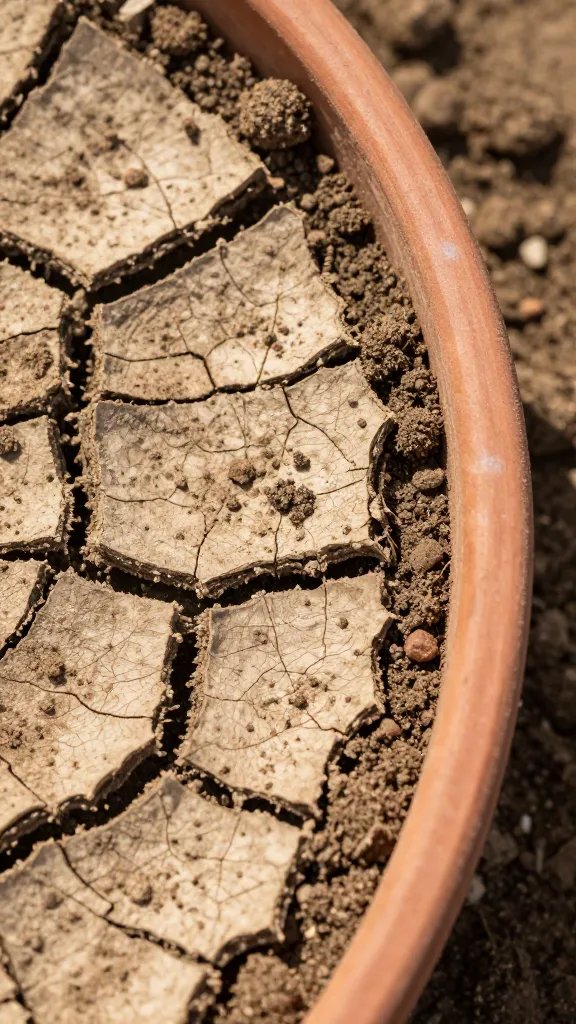
Wind doesn’t just hit leaves — it strips moisture from the potting mix surface and wicks water out through porous pot walls. On exposed balconies, a 25–40 km/h breeze can turn the top 5 cm of mix bone-dry by midday.
Dark, thin plastic pots heat the root zone, which drives even more evaporation. Terracotta looks great but breathes; on windy railings it behaves like a clay wick, pulling moisture from the mix all day.
Pot and Mix Choices That Actually Slow Drying
- Pot material: Use double-walled resin or thick plastic. Slip terracotta inside a slightly larger plastic pot to keep the look without the drying.
- Size: Pick the next pot size up from what you think: more volume equals slower drying and steadier roots.
- Mix: Choose a good quality potting mix and blend in 20–30% composted bark or coco coir for moisture retention. Add a small bag of water-holding crystals only for thirstier annuals, not for woody herbs.
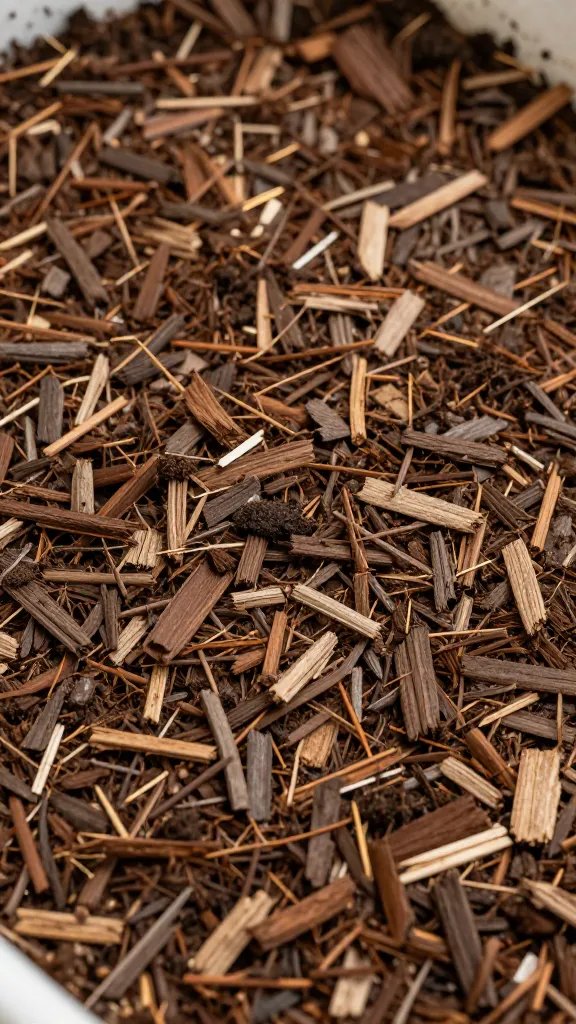
Action today: Mulch the pot surface 2–3 cm deep with bark chips or aquarium gravel — you’ll cut surface drying by a third.
Simple Wind Breaks That Don’t Look Like Tarps

You don’t need a construction project. You need to slow wind at plant height. A partial barrier drops wind speed enough to rebuild that protective boundary layer around leaves.
Easy, Balcony-Safe Wind Breaks
- Bamboo reed screen zip-tied to the railing — lets light through, reduces gusts.
- Clear corrugated plastic panel screwed to a simple wooden frame — position 10–20 cm in front of plants to create a calm pocket.
- Plant clustering: Place the toughest, tallest pot windward to shield tender ones leeward.
Don’t fully enclose the space. You want slowed air, not a wind tunnel. Block the prevailing wind side only.
Action today: Stand a folded wire shelving unit or laundry rack windward of your pots; clip on shade cloth or a bedsheet at half height to test airflow before buying materials.
Watering for Wind: Timing, Volume, and Soak Method
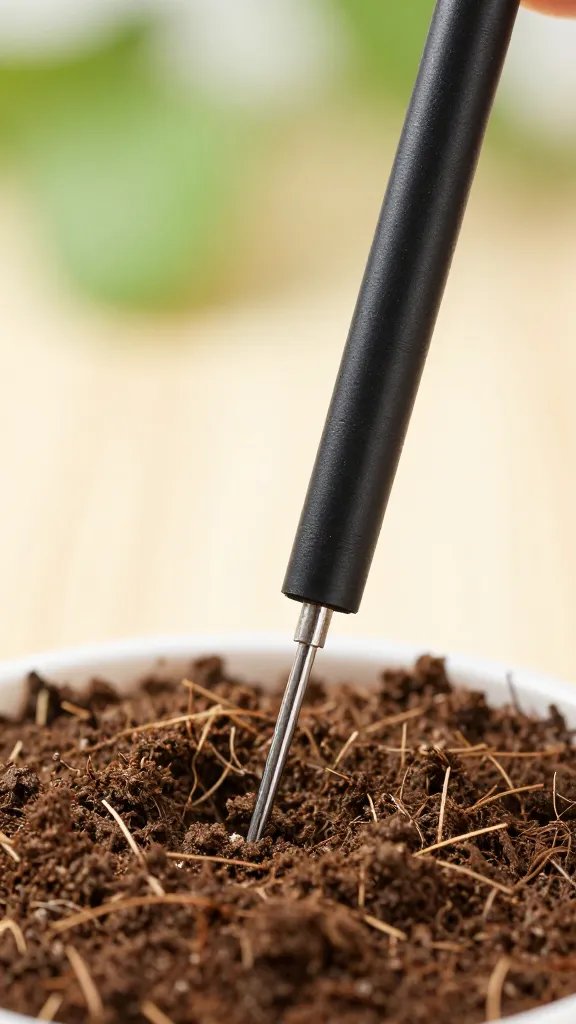
Windy containers need fewer waterings but deeper ones. A fast sprinkle only wets the top layer that evaporates first. You need a full soak to push moisture to the lower third of the pot, where roots can actually access it all day.
Step-by-Step: Wind-Day Watering
- Water early morning, before sun hits the leaves.
- Water in rounds: fill to the rim, let it drain, repeat 2–3 times until runoff is steady.
- Lift the pot: it should feel distinctly heavy. Note the feel; that’s your “full” baseline.
- Recheck by late afternoon. If the pot already feels half as heavy, add one slower round.
Skip evening leaf soaking on herbs; wet, cool nights invite disease. Aim water into the mix, not onto foliage, unless you’re doing the quick desiccation test.
Action today: Bottom-water one thirstiest pot by standing it in a bucket for 15 minutes; you’ll see longer-lasting turgor on windy days.
Plant Selection: Tough vs. Truly Wind-Tolerant
“Drought-tolerant” doesn’t always mean “wind-tolerant.” Plants with small, thick, or waxy leaves hold up best. Lanky, soft new growth shreds in gusts, even on “hardy” tags.
Reliable Options for Windy Balconies
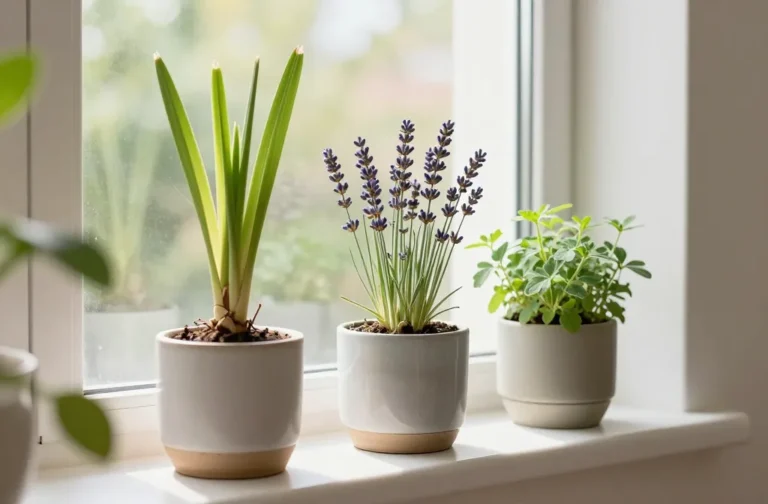
- Herbs: Rosemary (upright forms), thyme, oregano, sage, winter savory.
- Ornamental: Lavender (short cultivars), santolina, hebe, sedum, armeria, feather reed grass (Karl Foerster).
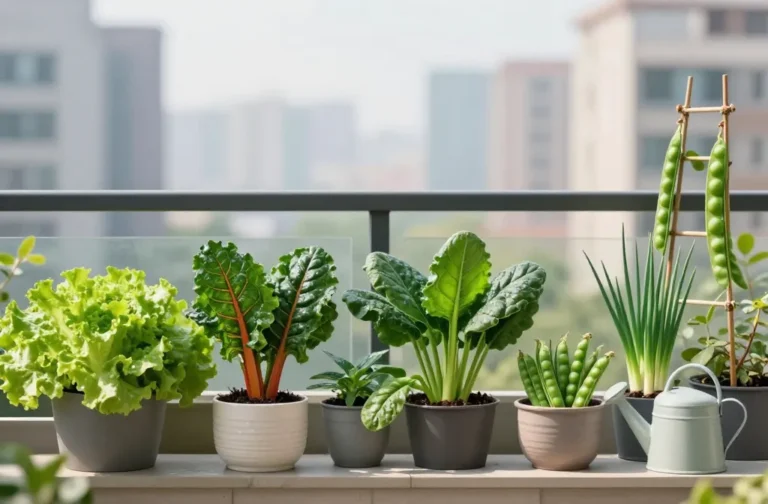
- Edibles: Chard, kale, spring onions, strawberries in deep troughs.
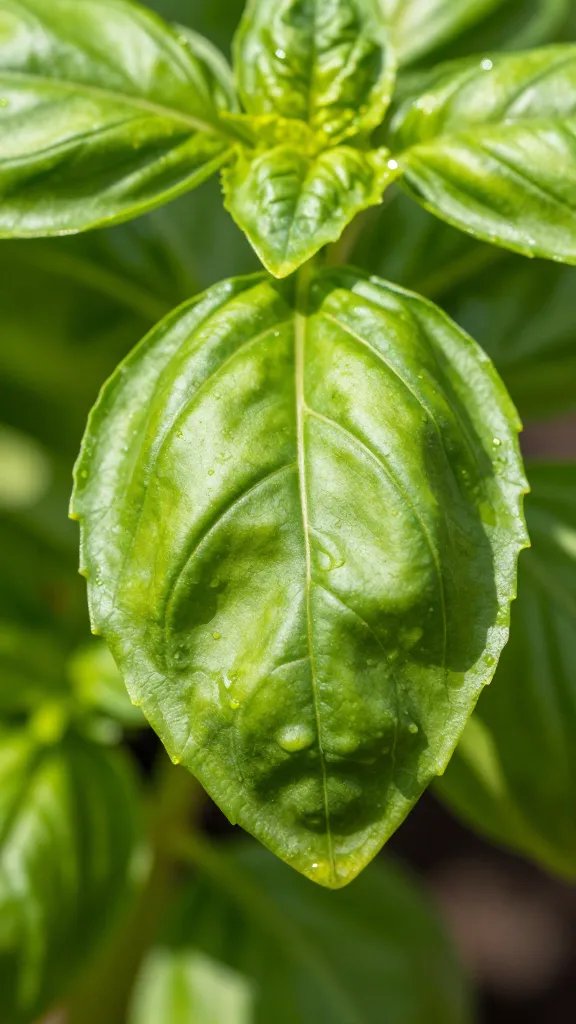
Avoid big, floppy leaves on exposed edges: basil, coriander, lettuce, tender fuchsias. Grow them leeward or behind a screen.
Action today: Reposition one tender plant behind a woody herb pot; watch leaf edges over the next two windy days for less scorch.
Anchoring, Staking, and Pruning to Reduce Wind Stress

Loose pots and whippy stems mean constant micro-movement, which tears fine roots and increases water demand. Secure both the container and the canopy.
- Anchor pots: Use pot feet plus two brick pavers, or bungee cords to the railing base.
- Stake smart: Use a single sturdy stake with soft ties, or a small ring support to stop thrashing without strangling stems.
- Prune lightly: Tip-prune vigorous shoots by 2–3 cm to thicken growth and reduce sail area. Avoid hard pruning in heat waves.
Action today: Add two soft ties per plant at different heights; eliminate wobble to cut daily water stress.
Fertiliser and Salt Burn Under Wind Stress

Wind concentrates salts in the pot as water evaporates. Overfeeding makes this worse, burning leaf edges that already struggle with desiccation. You’ll see brown rims and white crust on the soil line.
- Switch to a balanced liquid feed at half label strength every 2–3 weeks in warm, windy periods.
- Flush the pot monthly: run water through for 2–3 minutes to wash out built-up salts.
Action today: If you see white crusts, skip the next feed and flush the pot until runoff is clear.
Frequently Asked Questions
How do I know if my plant is thirsty or wind-stressed?
Water thoroughly in the morning and note the pot’s weight. If the plant still wilts by midday despite a heavy pot, wind is the cause, not lack of water. Shelter it for 24–48 hours; if wilting drops, you’ve confirmed wind stress. Keep soil consistently moist but focus on wind reduction.
Do I need to switch all my terracotta pots?
No. Keep terracotta for the most drought-tolerant plants and move thirstier or tender ones into thicker plastic or double-walled resin. You can also slip a terracotta pot inside a slightly larger plastic cachepot to reduce evaporation while keeping the look. Mulch and wind breaks help either way.
Is mulching a small balcony pot worth it?
Yes. A 2–3 cm layer of bark or gravel cuts surface evaporation and prevents the “potting mix crust” that repels water on dry, windy days. It also stops soil from blowing out. Top up mulch every 3–4 months as it settles.
How often should I water on very windy weeks?
Water deeply every 1–3 days depending on pot size and plant type. Use the lift test: water when the pot feels about half as heavy as it did right after a full soak. Prioritise mornings before sun and wind build. On extreme days, add a short afternoon round to thirsty annuals.
Will shade cloth help or just reduce growth?
Lightweight shade cloth (30–40%) placed windward slows air and softens harsh sun without stalling growth. I clip it to a simple frame at half-height so air still circulates. Plants recover faster and keep turgor longer. Remove it on calm, cool days to maintain compact growth.
What’s the quickest fix if I can only do one thing?
Create a partial wind break at plant height with a reed screen or laundry rack and cloth. This single change slows transpiration immediately and often saves plants without changing pots or soil. Pair it with a deep morning soak for the next two days to reset stress. Then adjust positioning and mulch when you have time.
Conclusion
Balcony wind doesn’t beat you because your plants are “weak” — it wins because it speeds water loss beyond what containers can supply. Slow the air, soak properly, and pick the right pots, and those same plants will thrive. Start today with one wind break and one deep soak, then rearrange your toughest pots windward; you’ll see healthier leaves within a week and a balcony that finally holds its ground against the gusts.