The Secret to How to Waterproof a Balcony Garden — Drainage, Runoff and What Damages the Structure Below
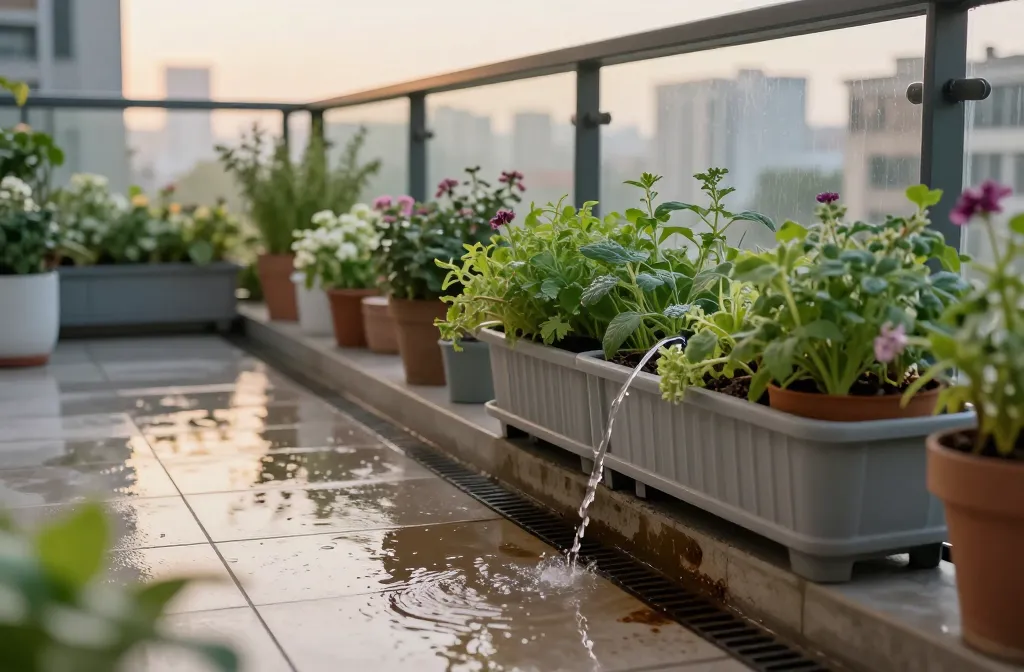
When I set up my first balcony garden, I watered confidently… and watched dirty water streak down onto my neighbor’s awning. A week later, damp patches appeared on the underside of my balcony slab. I fixed it with simple materials from a standard hardware store — no specialists, no fancy tools. In this guide I’ll show you exactly how to waterproof your balcony garden, manage runoff properly, and prevent the hidden damage that ruins structures and neighborly goodwill.
What Actually Damages the Structure Below
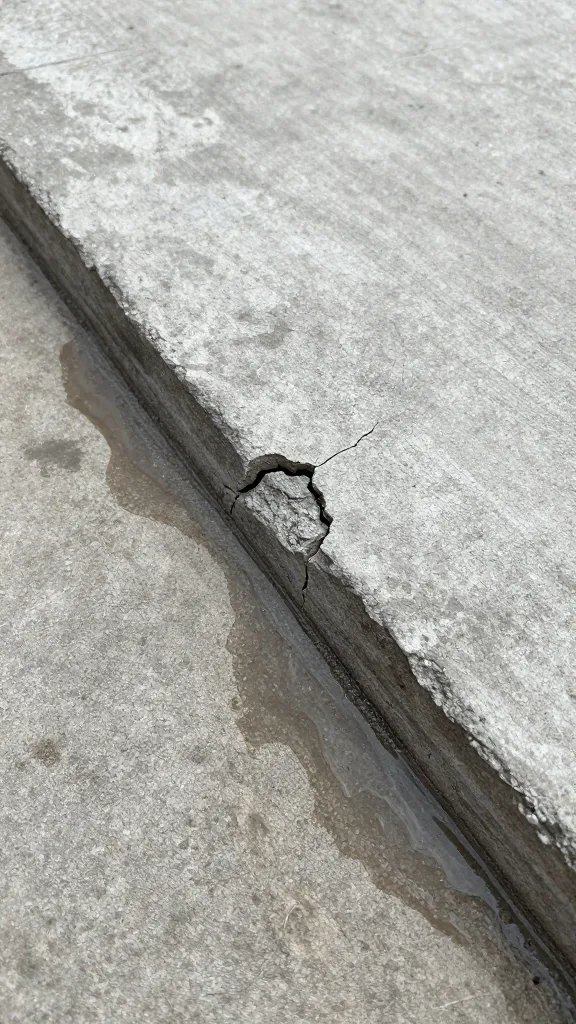
Balconies fail from three repeatable problems: trapped water, dissolved minerals, and root or container abrasion. Standing water seeps into hairline cracks and freezes or expands, widening them season by season. Gritty runoff carries salts that stain walls and corrode metal fixings. Dragged pots and clogged drains grind protective coatings and push water where it should never go.
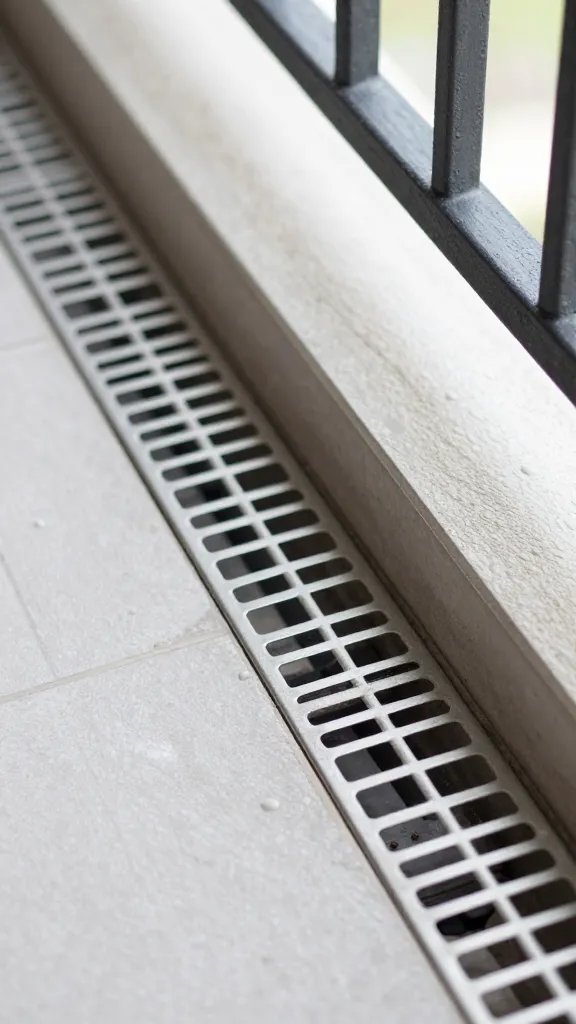
Never block the existing balcony drain or scupper. That opening is your safety valve during heavy rain. Keep pathways for water clear and direct it toward the drain, not across thresholds.
Action today: Find your balcony’s lowest point and drain opening. Pour a jug of clean water and watch where it flows — that tells you exactly where problems start.
Create a Dry-Underfoot Layer: Trays, Feet, and Air Gap
I stop 90% of trouble by lifting every pot and catching every drip. Use rigid plant saucers with lips at least 2–3 cm high under each container to catch routine watering. Then raise pots on pot feet or small outdoor tiles so air passes underneath and the saucer can dry between waterings.
An air gap prevents constant contact between wet plastic/ceramic and the balcony surface. That one detail protects coatings and reduces efflorescence marks. Choose saucers the same diameter as the pot base or slightly larger — overflow means your saucer is too small or you’re overwatering.
Action today: Slide two bottle caps under a pot as temporary feet and place a saucer beneath — you’ll see the drying difference in 24 hours.
Use the Right Containers and Drainage Setup
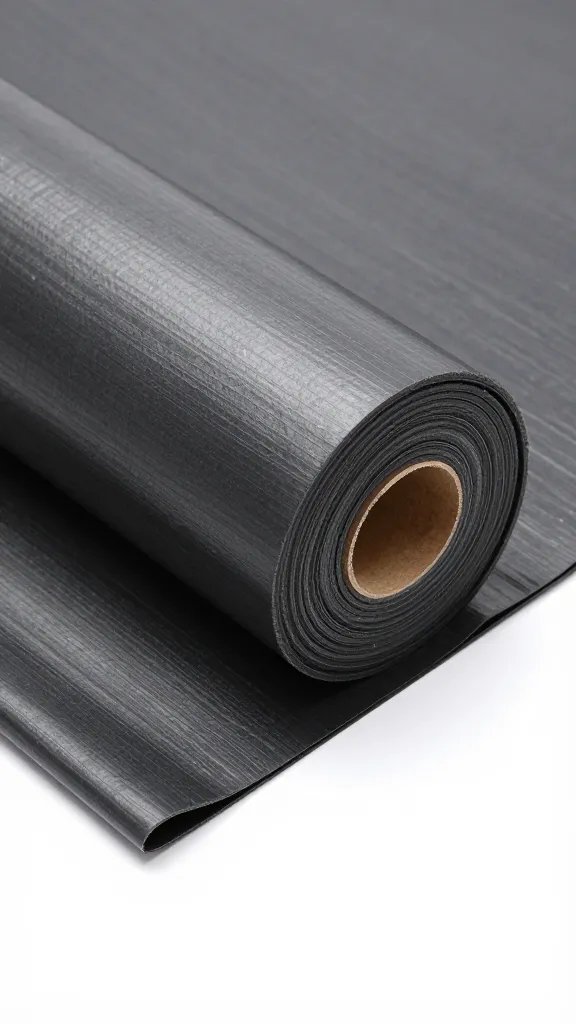
Every outdoor pot needs working drainage holes — but your balcony needs contained drainage. I drill or buy pots with bottom holes, then place them inside a slightly larger decorative cachepot or a deep saucer to capture runoff. For long planters, choose ones with side exit plugs you can route toward the drain.
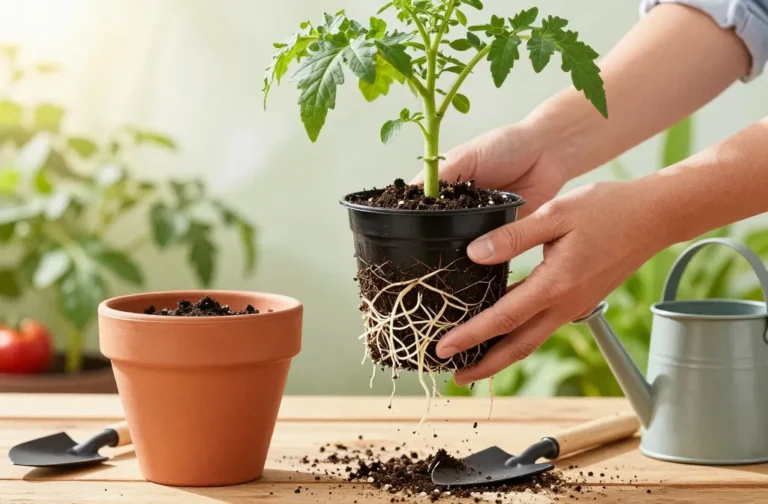
Inside each pot, add a 2–3 cm layer of coarse material like washed gravel or chunky bark only if the pot is very tall and heavy; otherwise, skip false bottoms and rely on a good quality potting mix. Use a standard peat-free or all-purpose potting mix from the garden centre — nothing special. Most “drainage layers” at the bottom of shallow pots raise the water table and worsen soggy roots.
Step-by-Step: Potting for Balcony Drainage
- Cover big drainage holes with a square of mesh or a coffee filter to stop mix from washing out.
- Fill with potting mix, leaving 2–3 cm of headspace so water doesn’t sheet over the rim.
- Water until you see the first signs of drip into the saucer, then stop.
- After 15 minutes, pour off saucer water — don’t leave pots sitting in it.
Action today: Check headspace at the top of your pots. If mix sits flush with the rim, remove a cup or two so water stays inside the container.
Manage Runoff Pathways With Simple Barriers and Mats
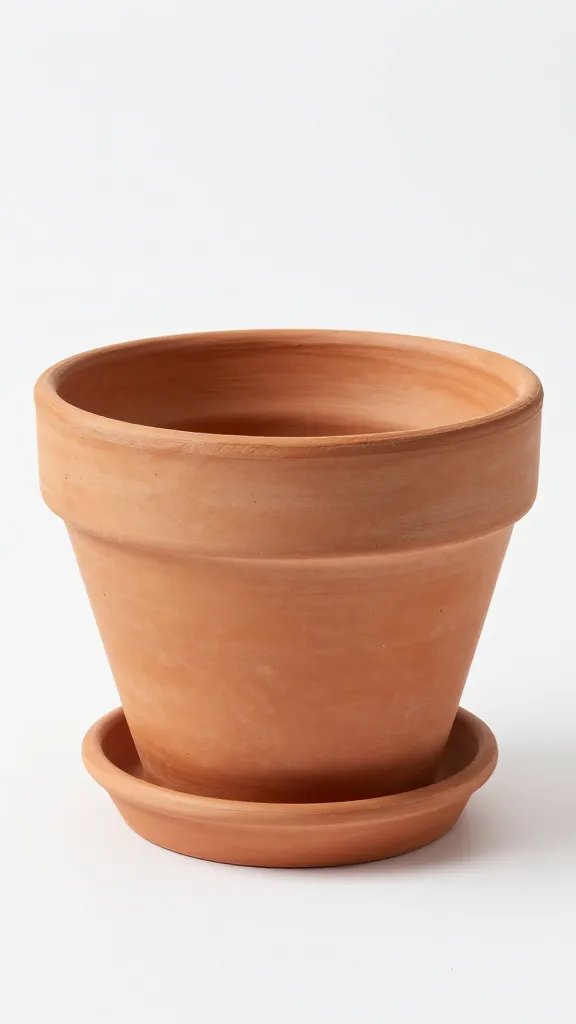
Water will travel the path you give it. I use rubber balcony tiles or a ribbed outdoor mat to create channels leading to the drain. Place the front edge of saucers or planters so any accidental overflow lands on the mat, not on bare concrete or over the edge.
Against railings, add a clear acrylic drip strip (adhesive edge guard from a hardware store) to stop fines and stains from tracking down the facade. Keep a 3–5 cm gap between planters and walls to prevent splashback and to allow airflow that dries surfaces after rain.
Action today: Lay a ribbed doormat under your thirstiest pots and align the ribs toward the drain — you’ll channel splashes without any construction.
Watering Without Flooding: Amounts, Timing, and Tools
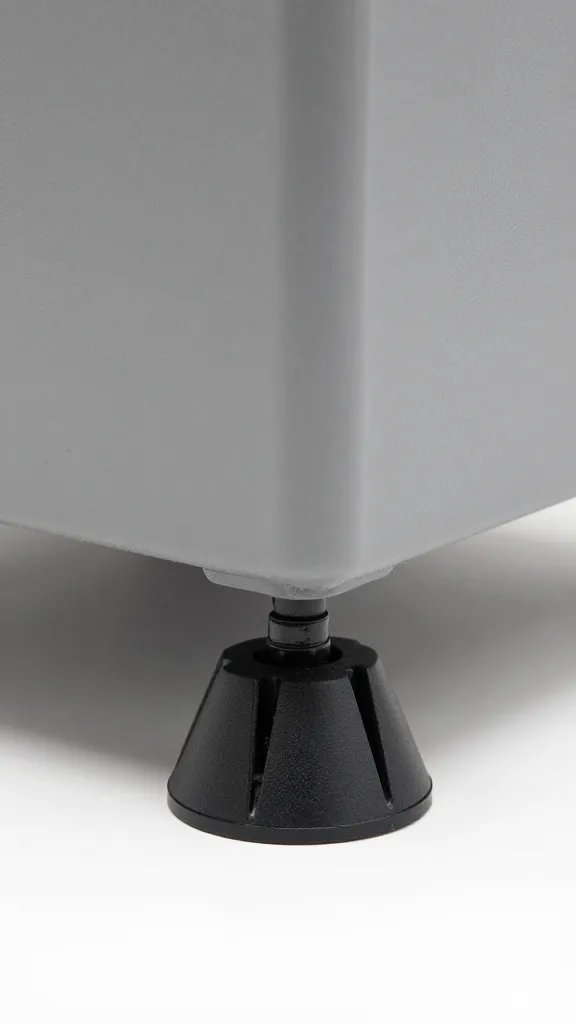
Most balcony disasters happen on watering day. I water in two passes: first a light pre-wet to settle the surface, then a slower finish until the first drips reach the saucer. That uses less water and stops sudden gushes through the holes. Early morning watering gives the saucers time to dry before evening dew.
Use a watering can with a fine rose or a basic drip kit from your garden centre for larger setups. Avoid hoses on full blast. If you fertilise, choose slow-release granules mixed into the top 2–3 cm of soil to avoid salty runoff streaks.
Warning Signs You’re Overdoing It
- Water sits in saucers longer than 30 minutes.
- White crust (salts) on pot rims or balcony surface.
- Green algae film under pots or on grout lines.
Action today: Time how long saucer water remains after you irrigate. If it’s over 30 minutes, reduce your next watering by one-third.
Protective Coatings and When to Use a Tray System
If your balcony surface already shows hairline cracks or flaking paint, add a portable waterproofing layer you can remove later. A simple route: lay interlocking rubber or composite deck tiles over a heavy-duty waterproof tray (look for “mixing tray” or “spill containment tray” at a hardware store). Place all pots on this platform so any leaks stay within the tray.
Do not paint membranes without owner approval — that’s a building job. Portable systems respect leases and still keep water away from the slab. Empty the tray after storms so it never becomes a mini-pond.
Action today: Slide a large plastic underbed storage box beneath a row of planters as a temporary catch-basin and route its low side toward the drain.
Keep Drains and Gaps Clear: The Five-Minute Monthly Routine
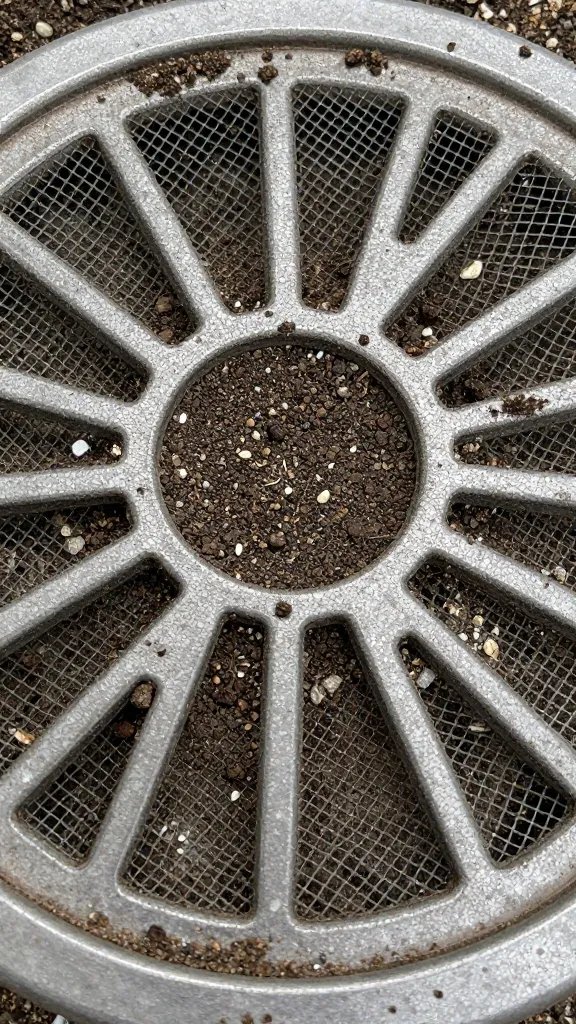
Clogged drains cause the worst damage. Once a month, I sweep leaves and soil away from the drain and the balcony edge. I lift each pot, wipe the contact points, and knock old debris from saucers. This keeps air moving and stops biological slime from forming under containers.
During heavy rain season, add a 30-second check after storms — look for standing water and silt lines that show where flow stalled. Adjust mat angles or pot positions until water runs freely to the drain every time.
Action today: Do a two-minute sweep right now around the drain and under three pots — it prevents most emergencies.
Plants and Soils That Reduce Water Risk
I choose plants that thrive with less frequent, deeper watering. Rosemary, thyme, lavender, sedums, dwarf olives, bay, chili, and geraniums stay happy on a 3–7 day cycle depending on season. Use a well-structured potting mix and blend in up to 20% coarse perlite for faster drainage if your balcony stays shady.
Avoid moisture-retentive gels on balconies — they keep pots wetter for longer and increase saucer overflow. For thirsty crops like tomatoes, use a self-watering planter with an enclosed reservoir that you fill from a side spout. Reservoirs stop top-flow runoff almost entirely.
Action today: Add a thin mulch of bark chips or pebbles to the pot surface — it slows evaporation splashes without sealing the soil.
Frequently Asked Questions
Can I waterproof my balcony with a paint-on product myself?
Skip permanent coatings unless the building owner or body corporate approves them. Many membranes need specific prep and can void warranties if misapplied. Instead, use portable solutions: deep trays, rubber tiles, and cachepots. They protect the surface and you can remove them when you move.
How do I stop water dripping onto my downstairs neighbor?
Catch water before it reaches the edge. Use saucers under every pot and a ribbed mat that guides any accidental overflow toward your drain. Water in the morning using a watering can with a fine rose, and pour off saucers after 15 minutes. If you fertilise, switch to slow-release granules to prevent stained drips.
What size saucer should I buy for my pots?
Match the saucer to the pot’s base, not the rim. A good rule: the saucer’s inner diameter equals the pot’s bottom diameter plus 1–2 cm, with a lip 2–3 cm high. If you regularly see overflow, step up one size or reduce watering volume. Always empty standing water within 30 minutes.
Is a layer of pebbles at the bottom of pots good for drainage?
Only for very tall or heavy pots where you need stability. In regular pots, a pebble layer raises the water table and keeps roots wetter. Focus on a quality potting mix and proper watering technique instead. Cover drainage holes with mesh or a coffee filter to keep soil in place without impeding flow.
How often should I clean under my pots?
Do a quick lift-and-wipe once a month. In rainy seasons, add a check after major storms. Removing algae and silt prevents slippery surfaces and protects coatings. It also shows you early if a pot is leaking too much or if a saucer size needs adjusting.
What if my balcony has no drain?
Use enclosed systems only: self-watering planters, deep saucers, and a large containment tray underlay. Arrange pots so any accidental spill runs onto a ribbed mat that you can lift and dry. Keep a handheld pump or a sponge and bucket to empty trays after storms. Do not allow water to cross thresholds or overflow off the edge.
Conclusion
You can run a lush balcony garden without risking leaks, stains, or structural damage — if you plan for where every drop goes. Start with today’s simple checks: right-size saucers, lift pots on feet, and guide water to the drain with a mat. Once those basics are in place, expand with self-watering planters and a portable tray platform for bulletproof protection all season long.