The Secret to How to Garden on a Fire Escape — What Is Legal, What Is Safe and What Actually Grows
My first New York fire escape “garden” earned a stern note from the super and a visit from the building’s handyman. I’d crammed terracotta pots across the platform, not realizing I was blocking the only secondary exit on my floor. I learned fast: you can grow plenty out there, but only if you respect the code and the physics. In this guide I’ll show you exactly what’s legal, what’s safe, and what reliably grows with household tools and a small budget.
What the Law Actually Allows on a Fire Escape
I start with compliance because fines and forced removal undo months of care. In most cities, including New York, a fire escape is a means of egress that must stay clear for a full-width path at all times.
The practical rules I follow:
- No blocking the walking surface or ladder access. Keep at least a 36-inch clear path where people step and where ladders descend.
- No attaching anything to rails or structure without written landlord approval. Clamps and straps are safer than screws or drilling.
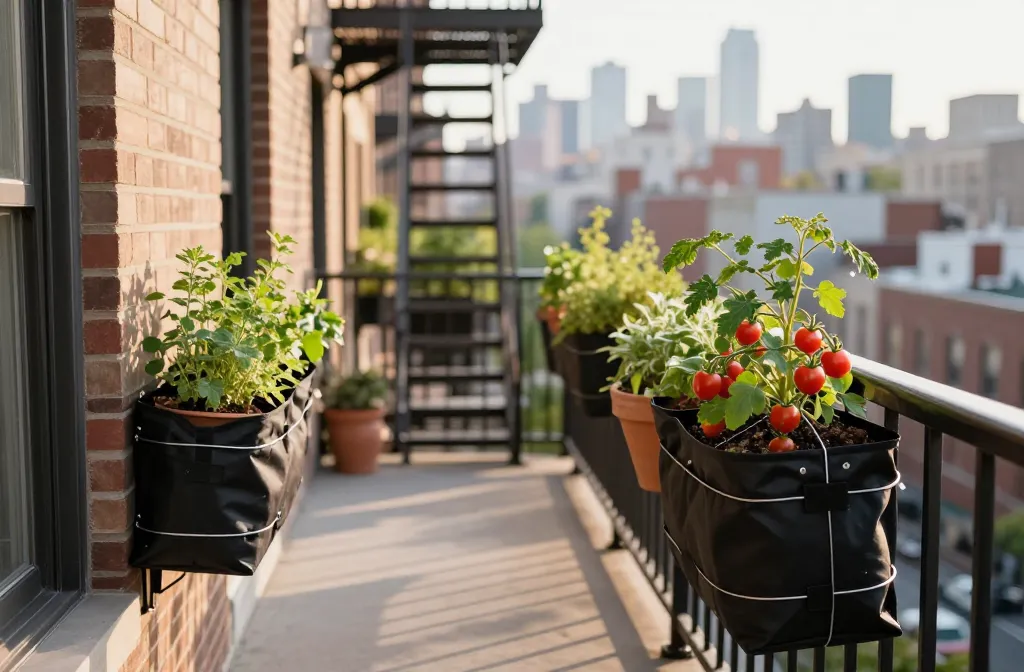
- No hanging planters outside the rail over sidewalks. Many cities treat that as a falling hazard.
- No flammables or open flames. Soil is fine. Propane grills and stored fuel are not.
- Nothing that can fall. Every container needs a secondary restraint like a metal cable tie or Velcro strap.
If you rent, check your lease addendum. Many leases ban storage on fire escapes entirely; planters count as storage unless the landlord agrees in writing.
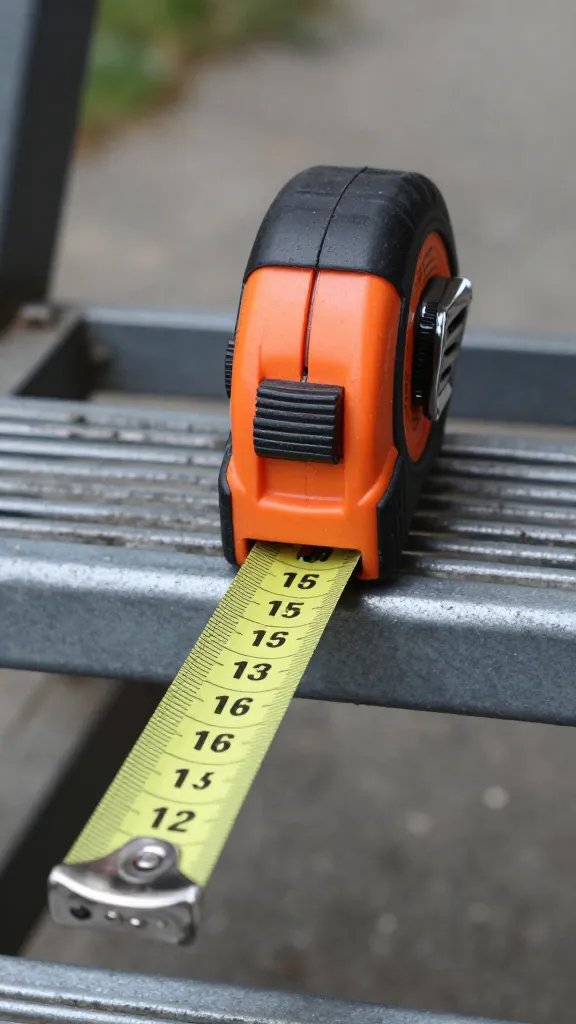
Action today: Measure the walking path with a tape or broom handle. If you can’t maintain a 36-inch clear lane end-to-end, move all plants indoors until you can.
How to Place Containers Without Creating a Hazard
I treat a fire escape like a vibrating shelf in the wind. Everything must be stable, restrained, and easy to grab in an emergency.
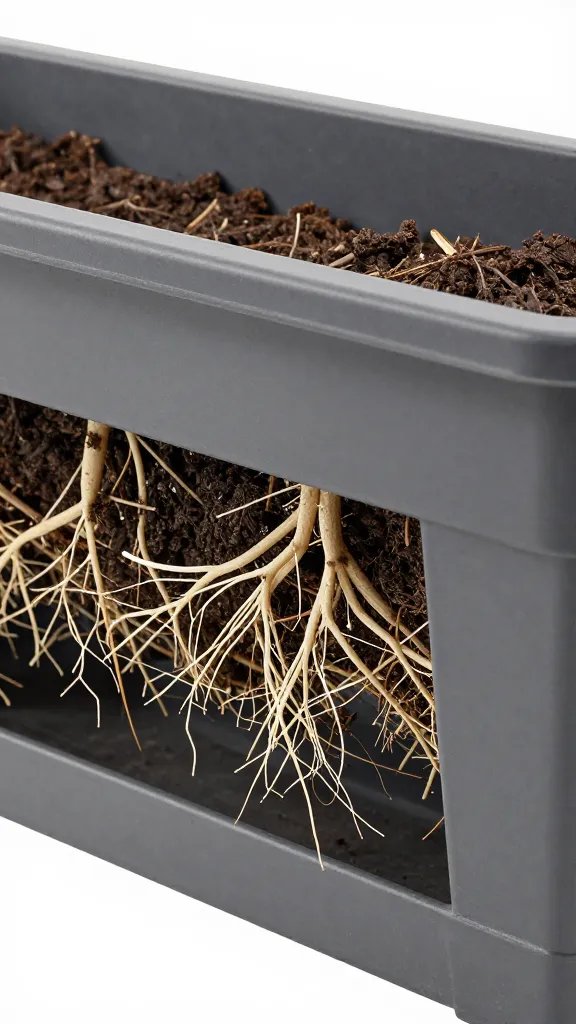
Use shallow, wide containers (window-box style, 6–8 inches tall) instead of tall pots that tip. Choose lightweight plastic or resin over heavy terracotta to reduce load and edge-chipping.
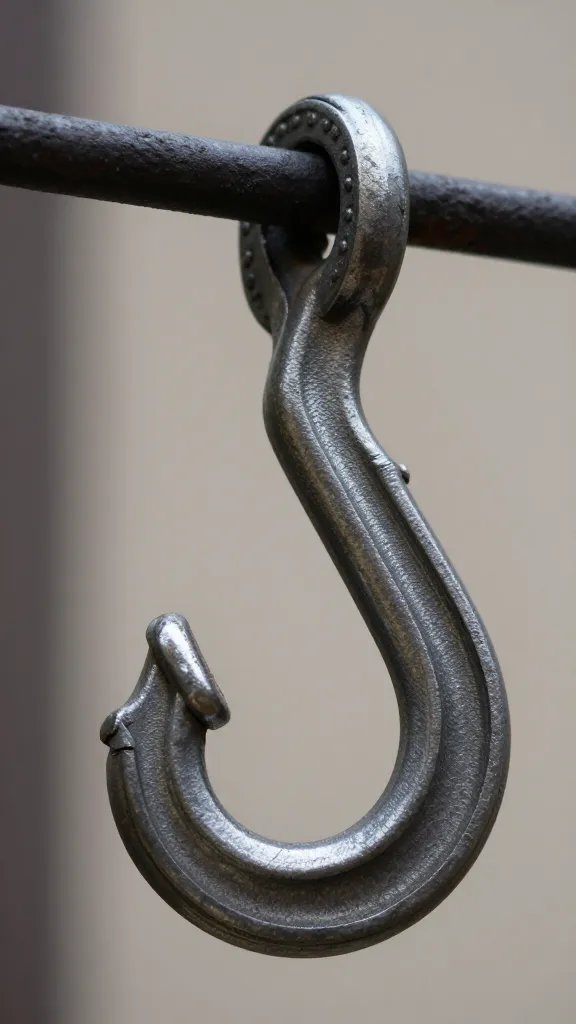
Set planters on non-slip rubber pads cut from a doormat. Then add a secondary tether: stainless cable ties, heavy Velcro straps, or bungee cords anchored to the inner rail. Avoid rigid metal hooks that could deform railings.
Step-by-Step Safe Setup
- Dry-fit the planters against the inner railing, never in the walking lane.
- Slip a rubber pad under each container; confirm zero wobble.
- Thread a Velcro strap through the planter’s side holes or around the body and secure to the inner rail.
- Shake-test with both hands; if it shifts, add a second strap at the opposite end.
- Label a clear lift path so you can sweep plants aside quickly if you must exit.
Action today: Buy two heavy-duty Velcro straps per planter from the hardware store and tether every container to the inner rail.
Drainage That Won’t Rot the Building or Drench Neighbors
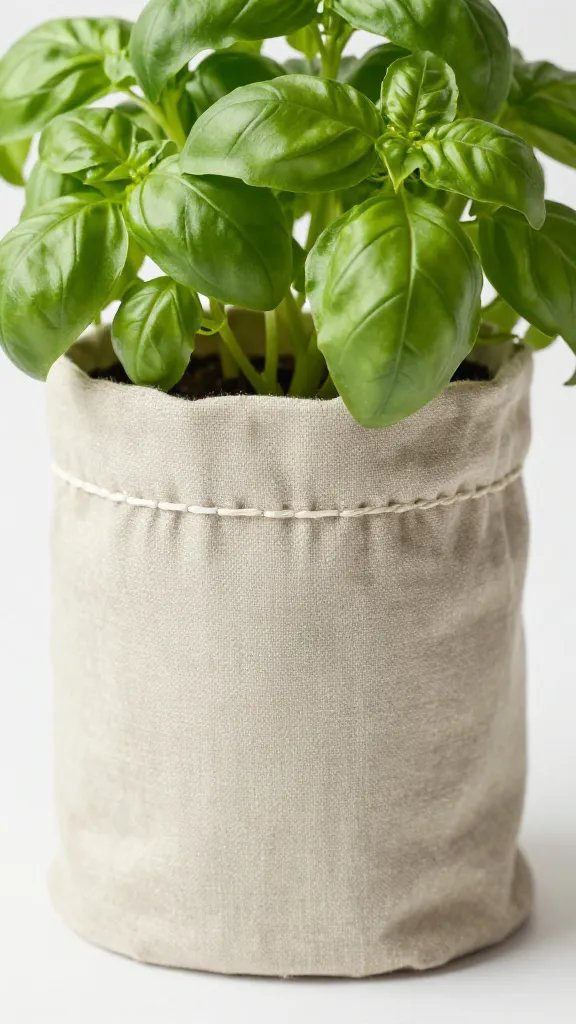
Runoff is the top complaint I hear from supers. Water dripping through grates stains masonry and hits pedestrians. I build in contained drainage.
Use planters with built-in water reservoirs or place pots into deep saucers lined with a thin layer of coarse bark to prevent sloshing. Never let saucers overflow; that invites mosquitoes and leaks.
For soil, use a good quality potting mix (not garden soil) and blend in a few handfuls of perlite per planter to keep it airy. Top-dress with 1 inch of bark or gravel to stop soil splash.
Watering Without Leaks
- Use a watering can with a narrow spout and add water slowly until the saucer is one-third full.
- Check 30 minutes later; pour off excess into a bucket if the saucer still holds more than a shallow puddle.
- On hot weeks, water in the morning so plants drink before midday expansion causes overflow.
Action today: Slip a boot tray or cement-mixing tub under your planters to catch spills while you learn each container’s limit.
Wind, Heat, and Sun: Microclimate Reality on Metal Grates
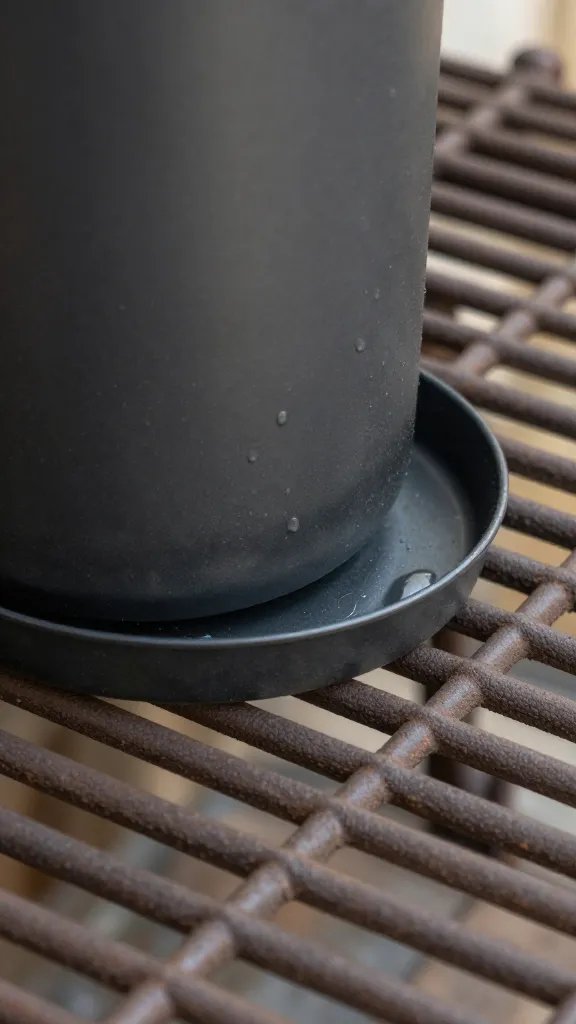
A fire escape cooks at noon and chills after sunset. Wind funnels down alleys and whips leaves and containers. I select and site plants for wind tolerance and use simple baffling.
Place the toughest plants on the perimeter and more tender ones closer to the window. Add a removable wind baffle: a section of plastic garden lattice zip-tied to the inner rail, not the outer edge, to reduce gusts without blocking egress.
Expect metal to radiate heat. Black rails scorch leaves that touch them. Keep foliage at least 2 inches off metal and rotate planters weekly so one side doesn’t fry.
Warning Signs Your Setup Needs Tweaks
- Leaf scorch: Brown, crisp edges on the sunward side. Add light shade fabric or shift plant inward.
- Wind burn: Tattered leaves and snapped stems. Shorten tall growth and raise the baffle 4–6 inches.
- Water stress: Soil bone-dry by midday. Increase soil volume or switch to a reservoir planter.
Action today: Zip-tie a strip of plastic lattice to the inner rail at leaf height to cut gusts by about a third.
What Actually Grows Well in This Environment
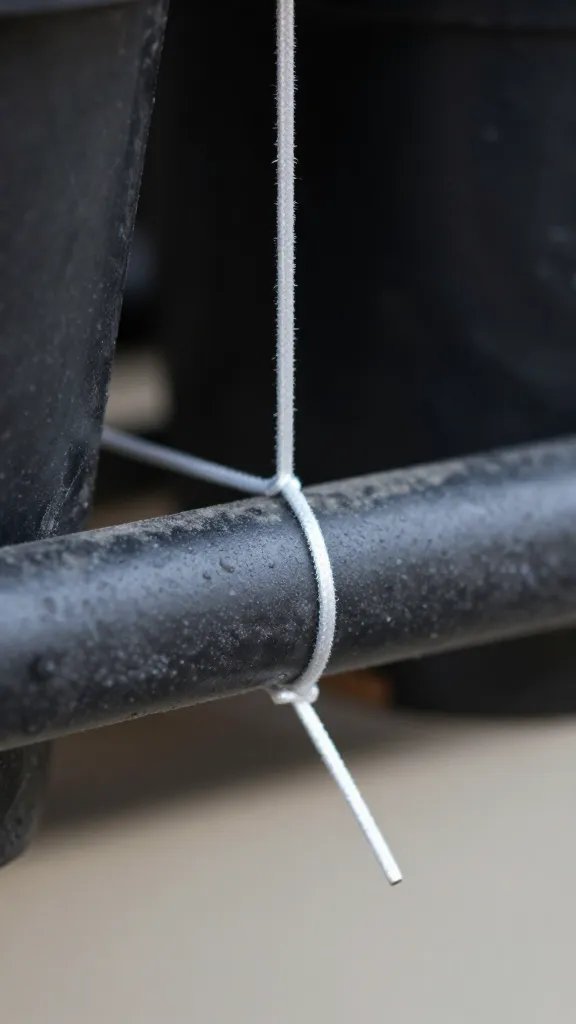
I focus on compact, fast-growing, and cut-and-come-again plants that forgive missed waterings and wind. Fruiting plants need more root volume than a narrow sill allows, so I choose small, proven varieties.
Reliable Herbs (6–8 inch deep planters)
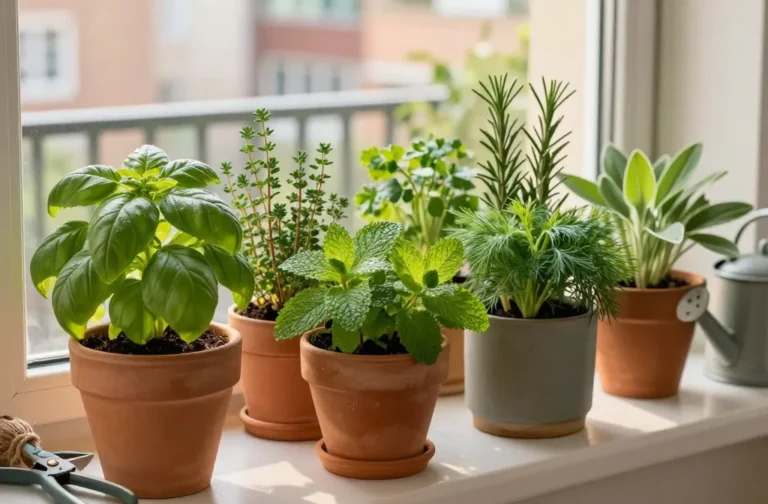
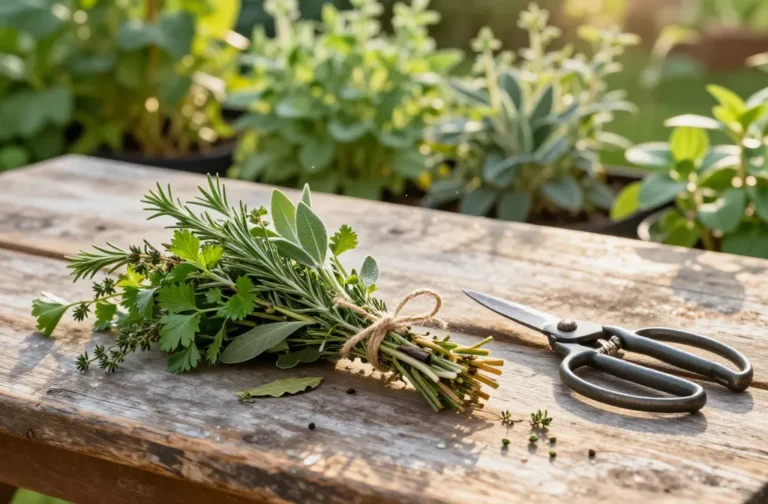
- Thyme, oregano, rosemary (upright), sage: Thrive in heat and sun, tolerate drying out.
- Chives, garlic chives: Handle wind, regrow after cuts.
- Mediterranean mint in its own pot: Spreads fast; containment prevents takeover.
Leafy Greens for Partial Sun (morning sun or bright shade)
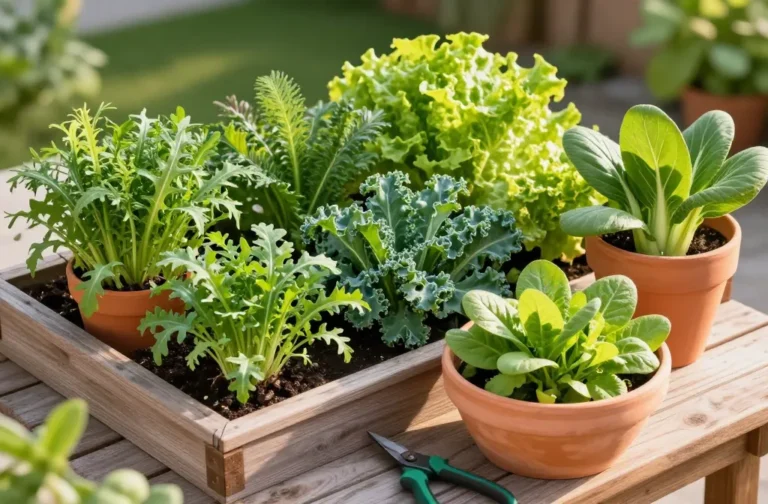
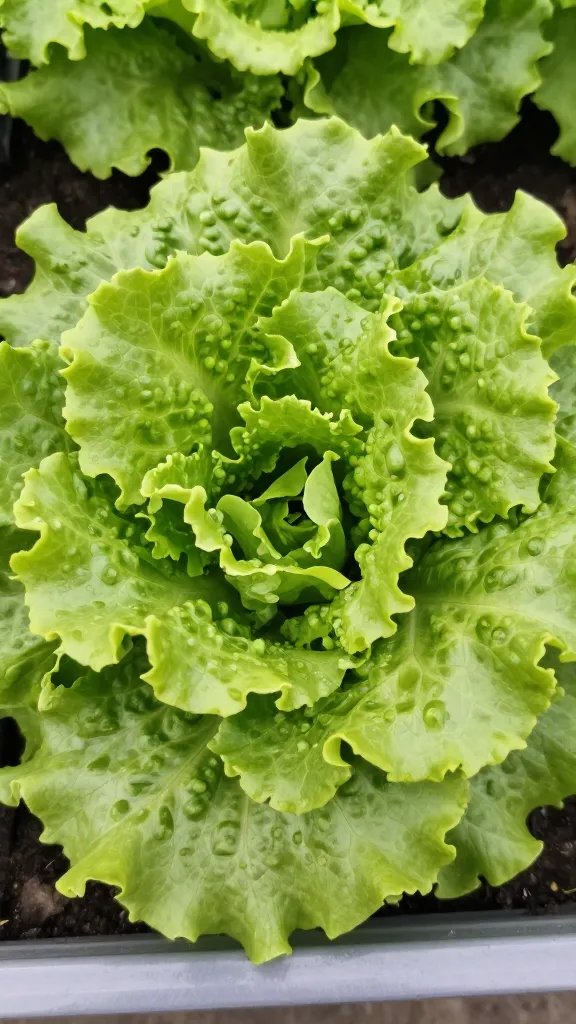
- Cut lettuce mixes, arugula, mizuna: Harvest in 3–5 weeks; sow a handful every 10 days.
- Spinach and Swiss chard (compact types): Tolerate cool shoulder seasons and some wind.
Compact Fruiting Options (8–10 inch deep, 12–18 inch long)
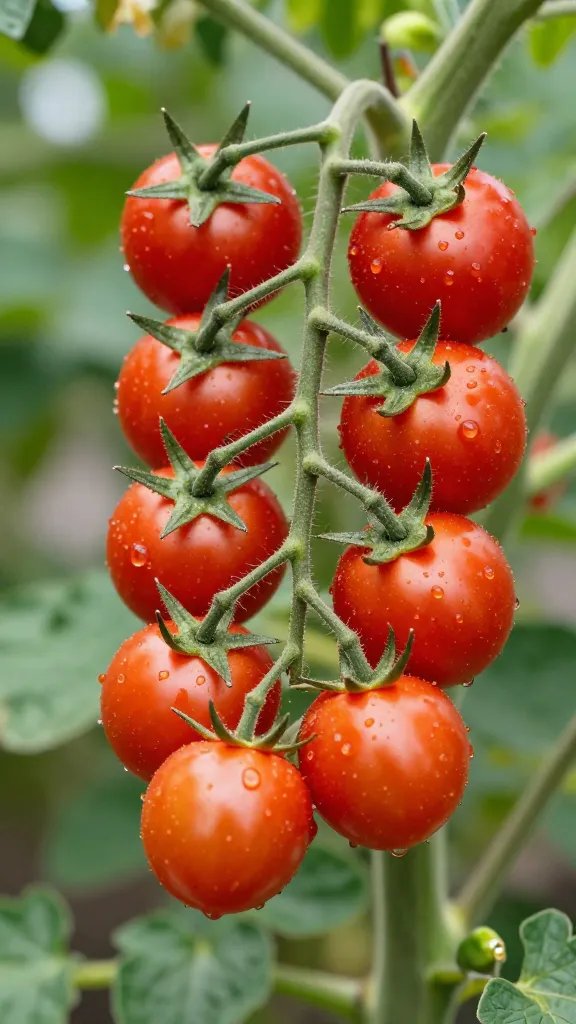
- Cherry tomatoes (patio or dwarf series): One plant per 12-inch container with a short cage.
- Bush beans: Less climbing, steady harvest.
- Strawberries (everbearing): Low profile, shallow roots, sweet spot for sun.
Action today: Pick two herbs and one leafy green suited to your sun window and buy starts instead of seeds to get harvests within 2–3 weeks.
Simple Care Routines That Prevent 90% of Failures
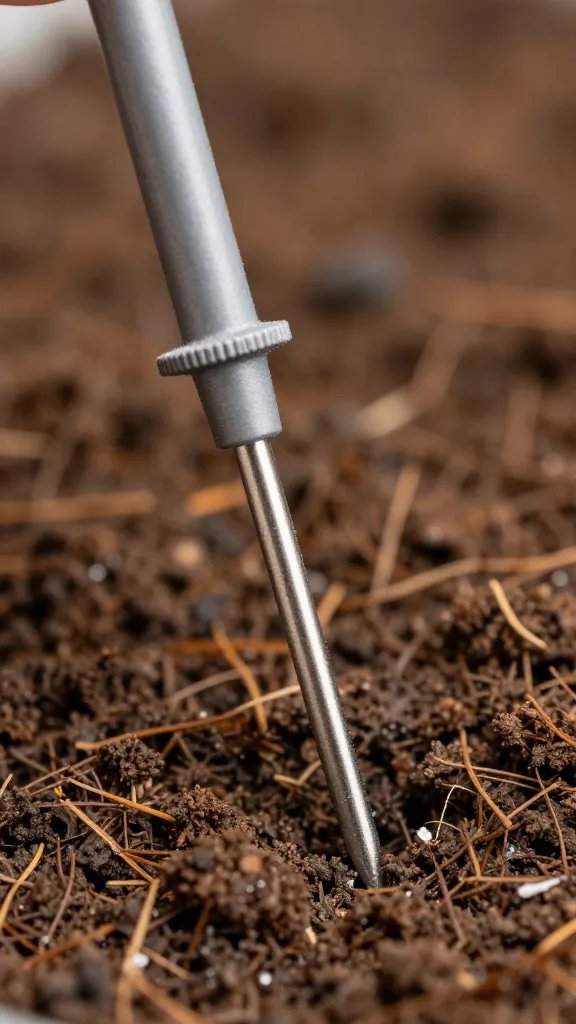
Consistency beats gadgets. I use a fixed rhythm that fits apartment life.
Watering: Check soil with a finger at breakfast. If the top inch feels dry and your finger comes out mostly clean, water. Aim for every 2–3 days in summer, every 4–6 days in spring and fall.
Feeding: Mix a balanced liquid fertilizer at half label strength and feed every 2 weeks during active growth. Skip fertilizer during heat waves above 90°F; feed again when temps drop.
Pruning and harvesting: Pinch herbs weekly to keep them dense. For lettuce, harvest outer leaves and leave the center to regrow.
Pest control: Keep a spray bottle with soapy water (a few drops of dish soap in a quart). At first sign of aphids, spray undersides of leaves in the evening and rinse next morning.
Action today: Set two phone reminders: a “finger test” every other morning and fertilizer day every second Sunday.
When You Should Not Garden on a Fire Escape
I pass on fire-escape gardening if any of these apply: the building posts no storage/no items notices on every landing, the walkway is less than 36 inches wide, or the only escape ladder drops through the area where plants would sit. Safety and compliance come first.
If you can’t meet the rules, shift to indoor window boxes right inside the sill, or a railing planter on a balcony that isn’t part of the fire escape.
Action today: If you’re unsure, email your landlord or management a photo with tape-measured clearances and ask for written approval before buying plants.
Frequently Asked Questions
Can I hang planters from the outside of the fire escape railing?
No. Hanging anything outside the rail risks falling debris and often violates local codes. Keep all containers inside the rail and tethered. If you want vertical space, use a slim freestanding plant stand that fits inside the landing and can be lifted aside in seconds.
How do I stop water from dripping onto my neighbors?
Use reservoir planters or deep saucers and water slowly with a narrow-spout can. Stop when the saucer is one-third full, then check back in 30 minutes and pour off any excess into a bucket. Top-dress soil with bark to prevent splashing through the grate.
What if my fire escape only gets two hours of sun?
Grow leafy greens and herbs that handle shade: cut lettuce, arugula, parsley, mint (in its own pot), and chives. Skip tomatoes and peppers; they need longer direct sun to fruit well. Place reflective foil or a white board against the window frame to bounce extra light onto the plants.
Is terracotta safe to use out there?
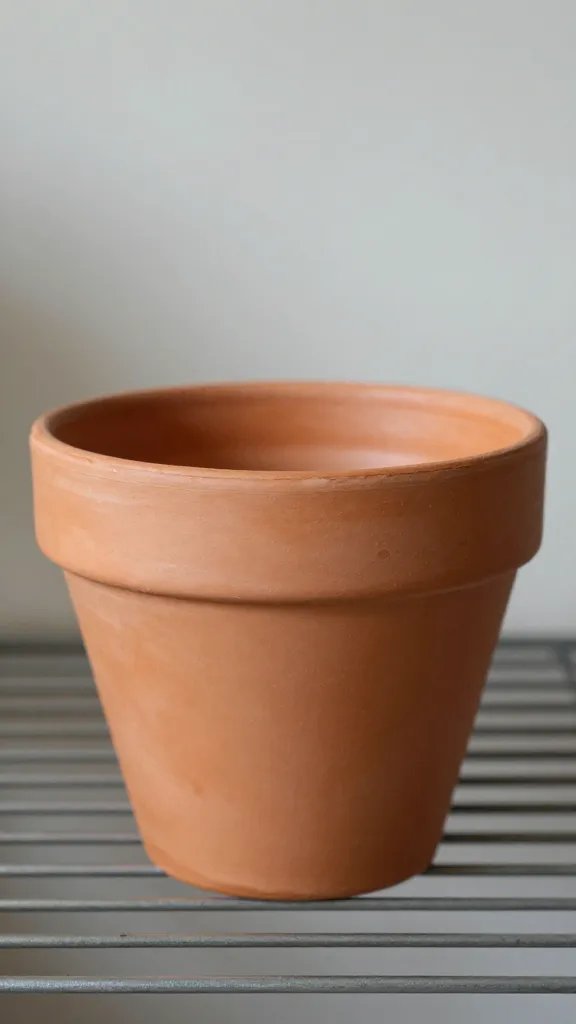
It’s safe but not ideal. Terracotta is heavy, dries out fast, and chips when bumped during an emergency exit. If you use it, keep sizes small (under 8 inches), set them in deep saucers, and strap them to the inner rail with Velcro.
How do I secure plants without drilling into the metal?
Use heavy-duty Velcro straps, rubber-coated wire, or stainless cable ties looped around the rail. Add non-slip pads under each container and perform a vigorous shake-test. If it moves, add a second strap and shift the weight closer to the window side.
What can I grow in winter?
On cold fire escapes, most plants stall or die back. Bring portable planters indoors near a bright window and grow parsley, chives, and mint, or start microgreens in shallow trays. On mild days, you can air the plants outside for a few hours, then bring them back in before evening temperatures drop.
Conclusion
You can turn a bare metal landing into a productive, legal, and safe green strip with the right containers, restraints, and plant choices. Start small: one tethered window box with two hardy herbs and a tray for runoff. Once that’s thriving, expand with a second box or a compact tomato—always keeping that 36-inch path clear. Your next step today: measure the space, confirm building rules, and pick up a reservoir planter and straps; the rest flows from that solid foundation.