Smart Secrets: How to Select Plants for an Indoor Living Wall — Light Class, Root Depth and Weight Per Module
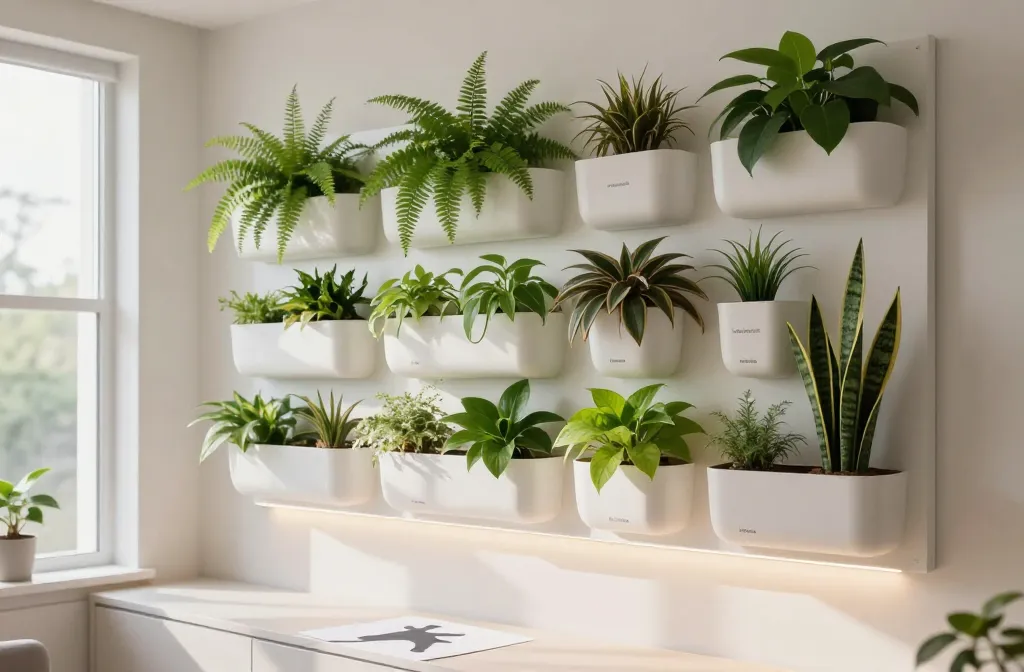
I built my first indoor living wall on a rented apartment’s drywall with nothing but a stud finder and a bucket. The plants drooped within a week because I treated the wall like a pretty shelf, not a vertical garden with real needs. Since then I’ve installed and maintained walls that stay lush for years by matching plants to three non‑negotiables: light class, root depth, and weight per module. You’ll learn exactly how to judge your light with household cues, choose plants that fit shallow pockets, and keep the wall light enough for your wall type.
Understand Your Real Light Class Without Fancy Meters
Indoor living walls fail most often because the plants don’t get the light they were bred for. You don’t need a meter — use location and shadow tests you can do in 30 seconds.
- Bright Indirect: Within 1–4 feet of an unobstructed south or east window. At midday, your hand held 12 inches above a paper makes a sharp but soft-edged shadow.
- Moderate Indirect: 4–8 feet from a bright window or near a north window. The hand shadow is fuzzy with faint edges.
- Low Light: Farther than 8 feet from windows or rooms with small, shaded windows. The shadow is barely visible. Use a plug-in grow light here.
Warning: Direct sun blasting through glass scorches most foliage on vertical walls, especially thin leaves near the top row. Filter with a sheer curtain if sun hits leaves for more than 45 minutes.
Action today: Do the hand-shadow test at noon where your wall will go and write the light class on a sticky note — that single label will filter your plant choices.
Match Plant Choices to Light Class First
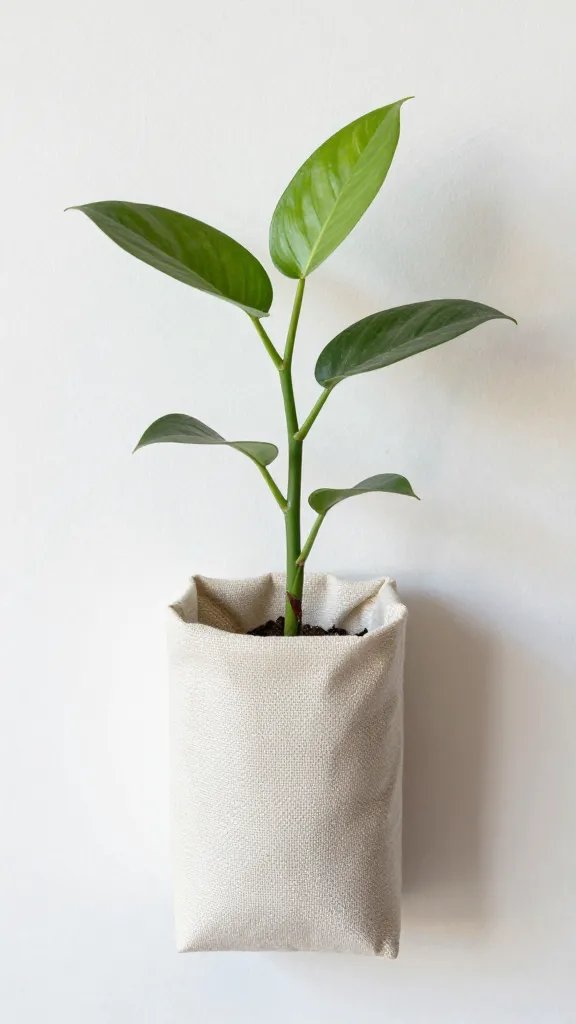
Once you know the light, pick from plants that actually thrive there. I group by dependable survivors, not catalog promises.
Plant Lists That Earn Their Keep
- Bright Indirect: Pothos (Epipremnum aureum), Philodendron hederaceum, Bird’s Nest Fern (Asplenium nidus), Spider Plant (Chlorophytum comosum), Peperomia obtusifolia, Tradescantia zebrina.
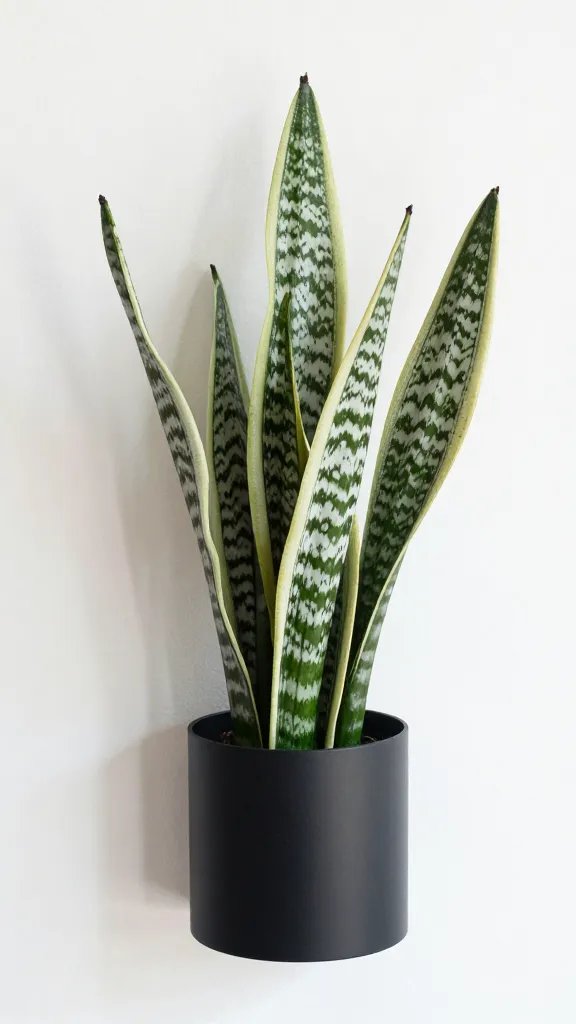
- Moderate Indirect: ZZ Plant (Zamioculcas zamiifolia), Snake Plant (Sansevieria/Dracaena trifasciata — compact forms), Aglaonema (compact), Heartleaf Philodendron, Pothos ‘Marble Queen’/‘Jade’, Cast Iron Plant (Aspidistra — dwarf).
- Low Light or With Grow Light: ZZ, Snake Plant, Aglaonema, Philodendron ‘Brasil’, Ferns (only with added humidity and steady moisture).
Skip high-light divas like succulents and most herbs indoors unless your wall sits inches from a south window or under strong grow lights — their leaves stretch and rot in typical apartments.
Action today: Circle 6–10 plants from the list that match your light class and ignore everything else at the garden centre.
Choose Plants That Fit Shallow Root Zones

Living wall pockets and modules usually offer 5–10 cm (2–4 inches) of usable depth. Deep-rooted shrubs and large aroids clog or stress in a season.
Root Depth Reality Check
- Shallow-rooted winners: Peperomia, Pilea, Tradescantia, Ferns (small forms), Fittonia, Selaginella, Small Philodendron/Pothos cuttings.
- Borderline (use juvenile plants only): Monstera adansonii, Rhaphidophora tetrasperma, Syngonium (dwarf).
- Too deep or fast for pockets: Full-size Monstera deliciosa, Bird of Paradise, large Peace Lily, woody herbs, and most shrubs.
When buying, look for 7–10 cm (3–4 inch) nursery pots with roots that hold the soil together but aren’t circling hard. Over-rooted plants fight pockets and dry out daily.
Action today: At the store, tug the nursery pot off one candidate plant — if roots wrap thickly around the bottom like a mat, choose a smaller, fresher plant.
Keep Weight Per Module Safe for Your Wall
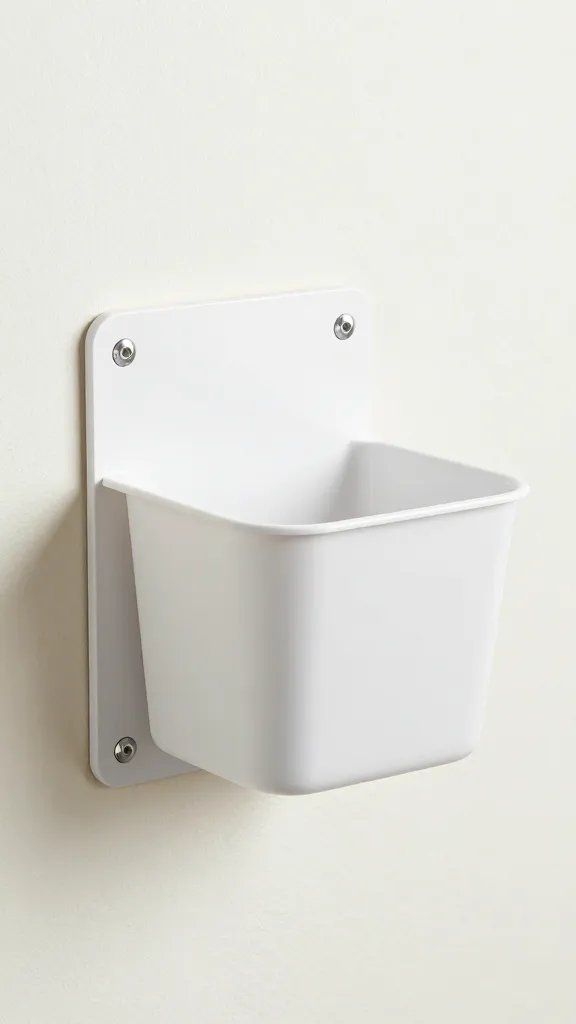
Weight sneaks up fast on living walls. Water is heavy. Dry modules that felt light on the counter can double when saturated.
Simple Weight Planning Without a Scale
- Estimate per pocket: A filled 4-inch pocket holds about 0.75–1 litre of moist mix and plant. Wet, that’s roughly 1–1.5 kg (2–3 lb) per pocket.
- Module example: A 6-pocket panel will weigh around 6–9 kg (13–20 lb) when watered.
- Wall rules of thumb: Use studs for drywall. On brick or concrete, use proper masonry anchors. On old plaster, find studs or add a rail secured to multiple studs.
Warning: Never hang a water reservoir on simple drywall anchors. Water plus soil multiplies force on the top screws and can pull out.
Action today: Find two studs with a stud finder where the top rail will mount and mark them with painter’s tape — design your panel width so top screws hit both studs.
Pick a Growing Medium That Holds Moisture Without Bulk
Most pocket systems do best with a light, airy mix. Skip garden soil. Use a good quality potting mix from the garden centre and lighten it if your wall stays soggy.
- For average rooms: straight potting mix.
- For slow drying or cool rooms: mix potting mix 2:1 with orchid bark or perlite to reduce weight and improve drainage.
- For thirsty ferns and Fittonia: blend potting mix 3:1 with coco coir to hold moisture without compaction.
Pre-moisten the mix so it’s evenly damp but not dripping before you plant. Soggy planting packs too much weight and suffocates roots.
Action today: Squeeze a handful of your mixed medium — it should clump briefly then fall apart. If it oozes water, add more bark or perlite.
Design the Layout: Top-to-Bottom Plant Placement That Works
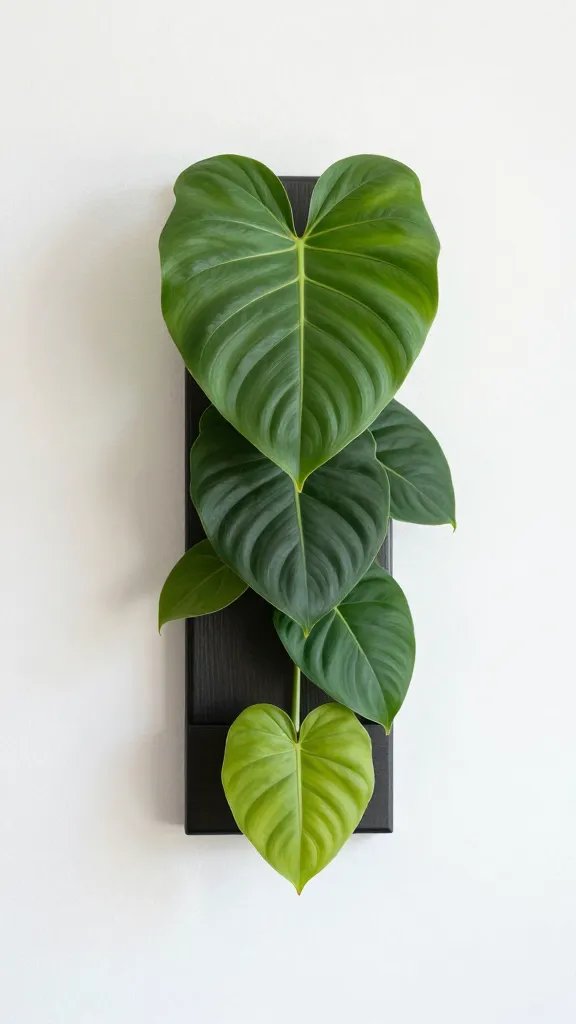
Top rows dry out faster from rising warm air and receive more light. Bottom rows stay cooler and wetter. Place plants to match those microconditions.
- Top row: Tough, vining or drought-tolerant picks like Pothos, Philodendron hederaceum, compact Snake Plant.
- Middle rows: Showpieces that like steady moisture and light, like Peperomia, Aglaonema (compact), Spider Plant.
- Bottom row: Moisture lovers: Ferns, Fittonia, Selaginella. Catch any drips here with a tray.
Stagger trailing plants to cascade and shade pockets below, which reduces evaporation and hides hardware.
Action today: Lay plants on the floor in a mock grid that mirrors your module and move the thirstiest to the bottom row.
Watering and Maintenance That Prevents Failures
Vertical planters dry unevenly, so water from the top and let gravity help. Use a watering can with a narrow spout or a basic drip kit from the garden centre if you prefer set-and-forget.
Simple Weekly Routine
- Check moisture: Press a finger into the top inch of a middle pocket. If it feels dry and the plant looks relaxed (not droopy), it’s time to water.
- Water slowly: Pour just until you see the first drip reach the row below, then pause and move on. Return for a second pass if needed.
- Trim and reset: Pinch tips of vines monthly to keep growth dense and light-balanced.
- Feed lightly: Every 4–6 weeks in spring/summer with half-strength all-purpose liquid fertilizer mixed into your watering can. Skip in winter.
Warning signs: Crispy edges on top-row leaves mean low humidity or underwatering; yellow, soft leaves low down point to overwatering. Adjust by moving the plant up or down one row and changing watering volume.
Action today: Set a repeating phone reminder for a quick moisture check every Saturday morning — 3 minutes prevents both drought and rot.
Frequently Asked Questions
Do I need a grow light for an indoor living wall?
If your wall sits more than 6–8 feet from a bright window or faces a shaded courtyard, yes, add a simple bar-style grow light. Mount it 12–18 inches from the foliage and run it 10–12 hours daily on a plug-in timer. Choose a light labeled “full spectrum” at the garden centre. Even one light can stabilize color and growth across the whole panel.
How do I stop soil and water from leaking onto the floor?
Use modules with built-in liners or add a plastic backing sheet behind fabric pockets. Place a narrow tray or gutter under the bottom row to catch drips, then empty it after watering. Water slowly until the first drip appears, then stop. Keep potting mix 1–2 cm below pocket lips to prevent spillover.
What’s the easiest way to mount on drywall safely?
Mount a horizontal wooden rail (painted to match the wall) into at least two studs with wood screws, then hang the module on that rail. This spreads weight and keeps screws from tearing out. Avoid toggle bolts for heavy, wet systems. If you can’t hit studs, scale down to a smaller module or use a free-standing frame.
How many plants per square foot should I use for a full look?
Plan 6–9 small plants (3–4 inch pots) per square foot for immediate coverage, or 4–6 if you can wait 8–12 weeks for fill-in. Place trailing plants at the top and middle to cascade quickly. Rotate faster growers outward to prevent shading slower companions. Prune monthly to keep a tight mat.
Can I grow edibles on an indoor living wall?
You can grow soft herbs like mint, basil, and parsley only under bright light or with a grow light, and in deeper pockets. Most edibles need more sun and root space than decorative indoor walls provide. If you try, dedicate a separate, well-lit panel and refresh plants every 2–3 months. Keep edibles away from any systemic pesticides used on ornamentals.
How do I refresh a tired wall without starting over?
Swap out one row at a time. Lift each plant, trim roots lightly, replace the top third of mix, and replant. Replace underperformers with the same light-class winners listed above. This rolling refresh keeps the design intact and avoids a full teardown.
Conclusion
You don’t need special meters or a contractor to build a reliable indoor living wall — you need a clear light class, plants with roots that fit, and a safe weight plan. Pick the wall spot, label its light class with the hand-shadow test, and bring home only plants that match. Next step: mock up your plant grid on the floor and mount a rail into two studs — by this weekend you’ll have a wall that stays lush and safe for years.