How to Grow Edible Plants on a North-Facing Balcony — What Actually Produces and What Wastes Space Faster Results, Zero Guesswork
I’ve gardened on two shade-heavy, north-facing balconies where tomatoes sulked and lettuce thrived like weeds. If your railing never sees a sunbeam, I know exactly why your basil stalled at six leaves and your chili died green. In this guide I’ll show you the crops that genuinely produce in low light, the ones that waste pots and patience, and the simple setups that turn a dim balcony into a steady harvest. You’ll finish with a planting plan that works, not wishful thinking.
Light Reality Check: What North-Facing Balconies Actually Get
A north-facing balcony gives bright indirect light, not direct sun. Think of it as a bright room mid-morning to late afternoon, then a quick fade by evening. Reflected light from pale walls helps; deep overhangs and trees hurt.
Fruit-forming plants need long hours of direct sun to build sugars and ripen. On a north aspect, you’ll grow leaves and stems far more easily than fruits. That single insight saves a season.
Warning signs you’re light-limited
- Leggy growth: long spaces between leaves, weak stems flopping.
- Perpetual “almost” buds: herbs or strawberries forming but never finishing.
- Algae on soil: consistently dim, cool, and damp surface.
Action today: Stand on the balcony at noon and 3 p.m. for one minute each. If no sunbeam lands on the floor or wall either time, treat the space as low light and plan for leafy crops.
Winners: Crops That Actually Produce in Low Light
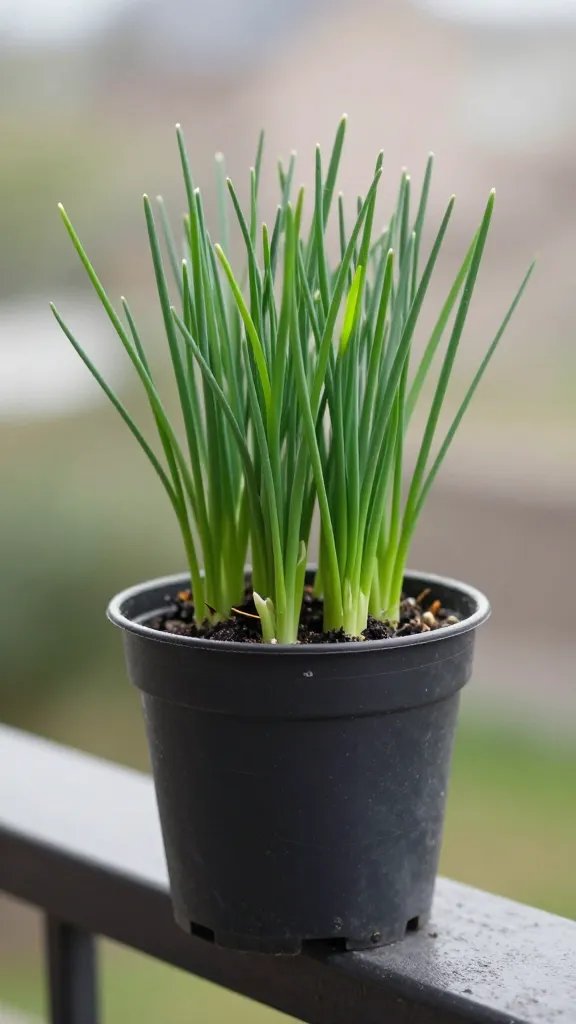
I focus on plants that give edible leaves or quick baby harvests. They forgive shade, cool temps, and small containers.
Reliable producers
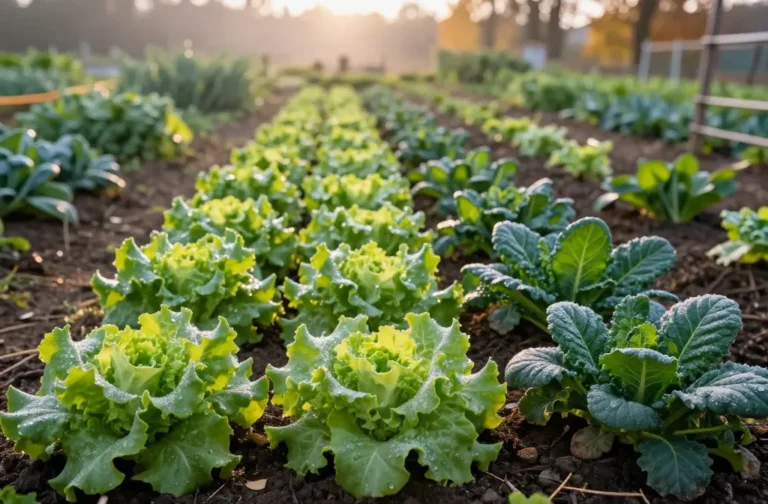
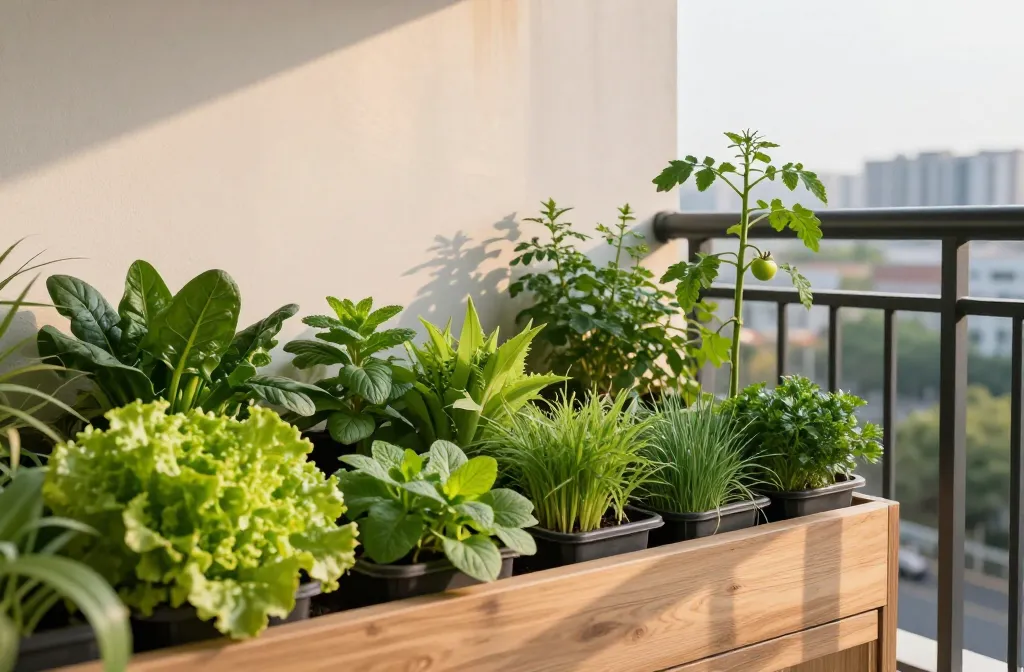
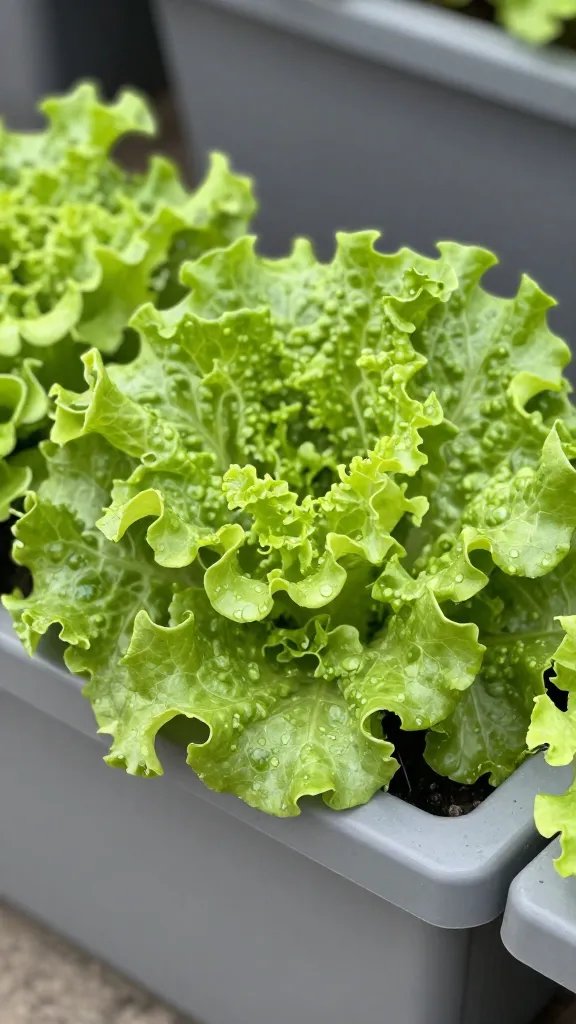
- Cut-and-come-again salads: loose-leaf lettuce, mizuna, tatsoi, arugula, mustard greens. Sow thickly; harvest baby leaves every 10–14 days.
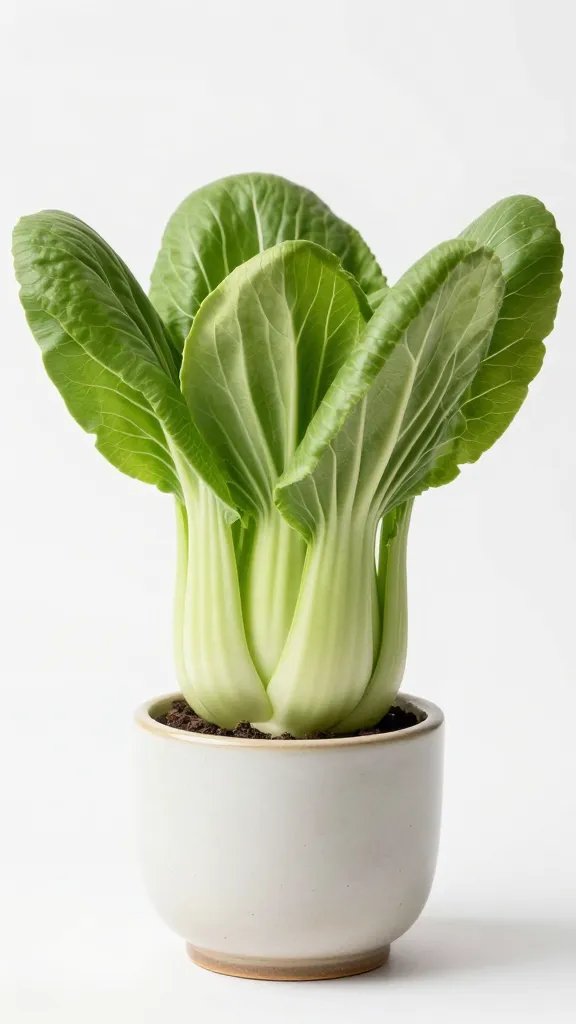
- Spinach and chard: steady leaves Spring through Autumn; chard tolerates summer heat better in shade.
- Kale (baby leaf): ‘Red Russian’ or ‘Lacinato’ cut young; no need for massive plants.
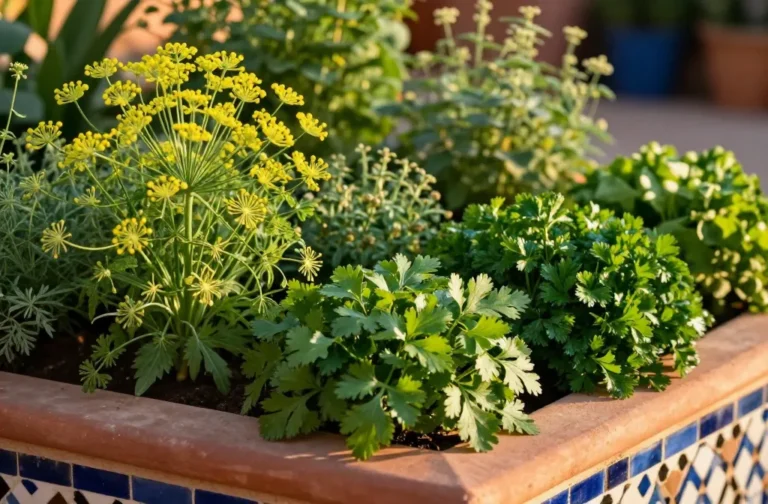
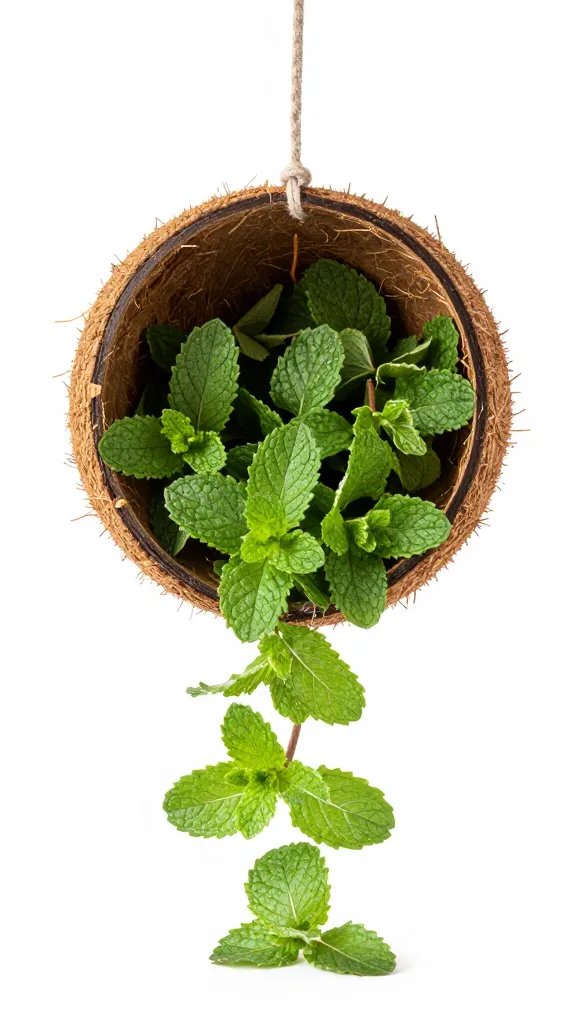
- Herbs for leaves, not essential oils: parsley, chives, mint, oregano, lemon balm, shiso. They stay flavorful without blazing sun.
- Pea shoots and microgreens: 10–20 day harvest cycle in trays; high yield per square foot.
- Spring onions/scallions: tight spacing, reliable greens.
- Strawberries (everbearing) for greens and the occasional fruit: grow mostly for leaves and a handful of berries.
Compact containers that suit them
- 20–30 cm deep pots for herbs and chard.
- Shallow trays (5–10 cm) for microgreens and pea shoots.
- Window boxes for cut-and-come-again salads.
Action today: Buy one window box and a packet each of loose-leaf lettuce and mizuna. Fill with good potting mix, sow thickly, and plan your first baby salad harvest in two weeks.
Losers: What Wastes Space on a North-Facing Balcony
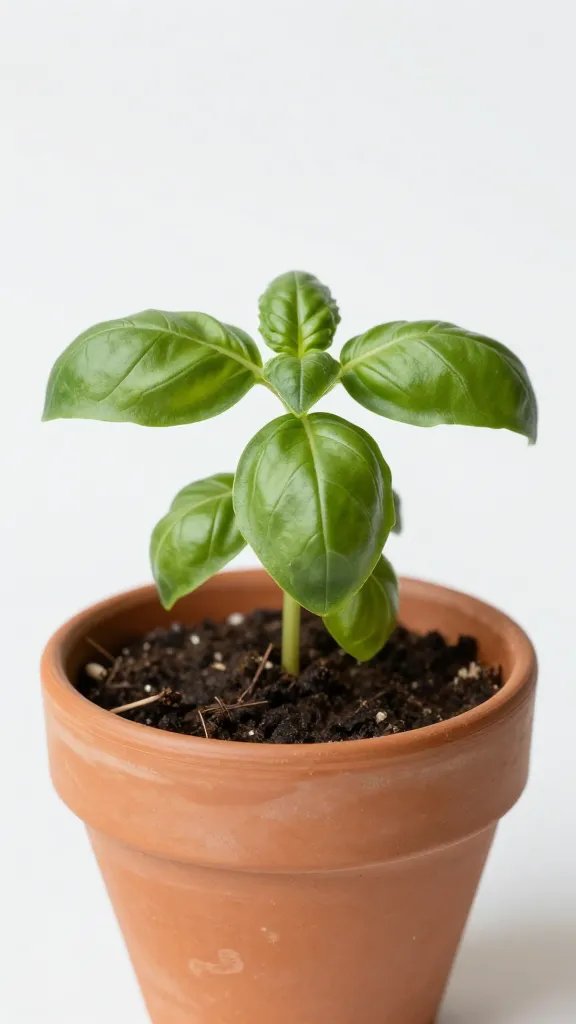
Some plants fight the physics of low light and never pay rent. I’ve grown them so you don’t have to.
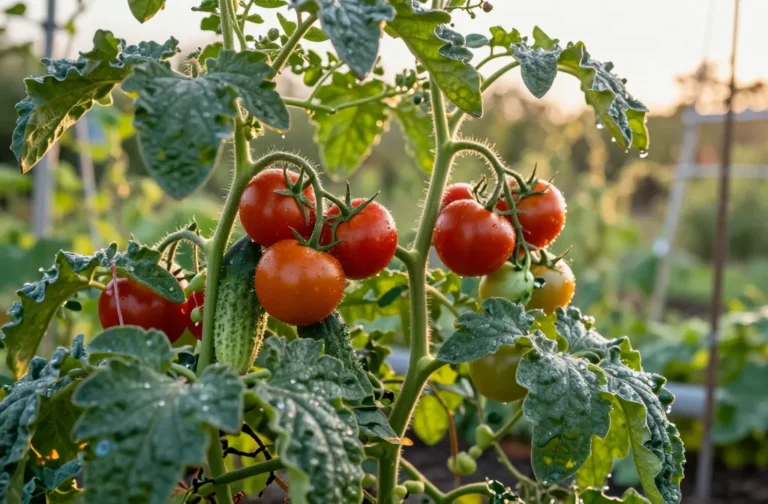
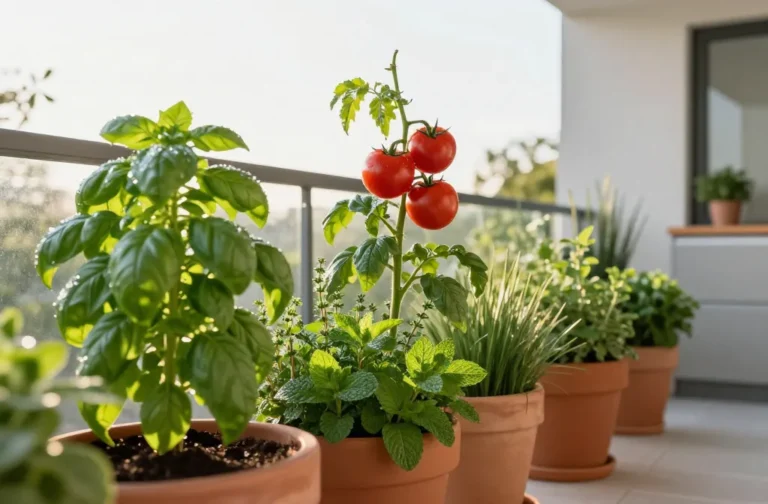
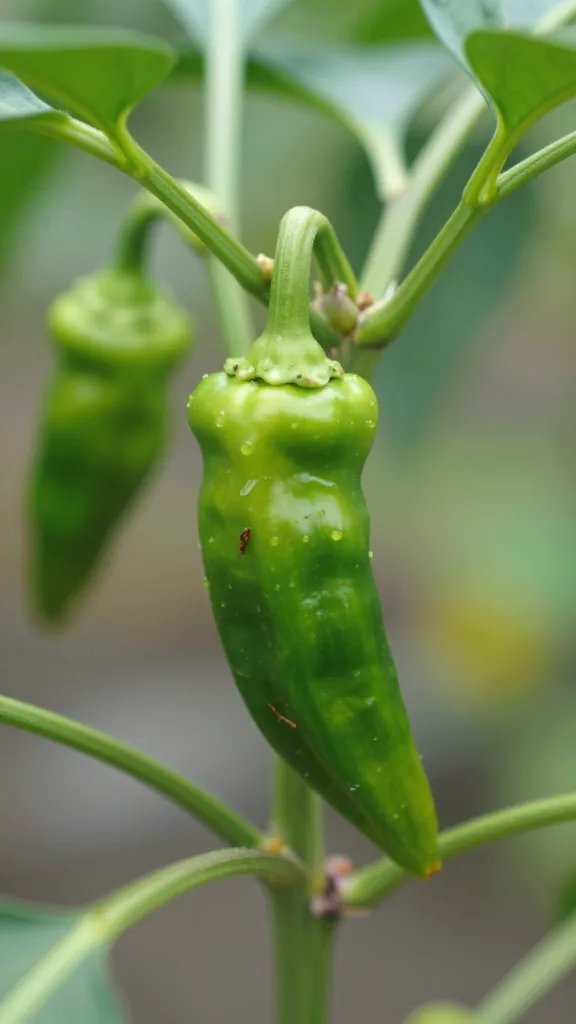
- Tomatoes, chilies, eggplants: they demand direct sun to flower and ripen; in shade they sit green and fungal-prone.
- Large-root crops: carrots, beets, and radishes stretch and taste bland. You’ll get tops, not roots.
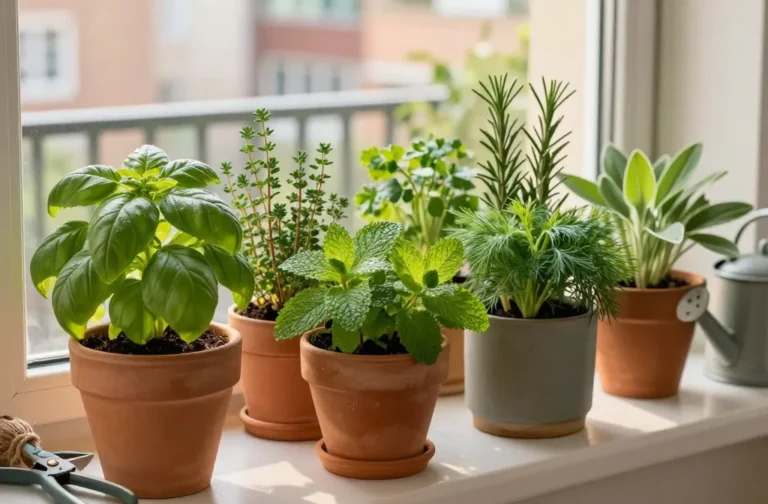
- Sun-demanding herbs: basil, rosemary, thyme, sage become thin and weak; flavor drops fast.
- Vining cucumbers and squash: too much leaf mass for the light available.
Action today: If you already planted a tomato that hasn’t flowered by midsummer, rehome it to a friend with sun and replant that pot with chard and parsley.
Layout That Maximizes Dim Light Without Gadgets
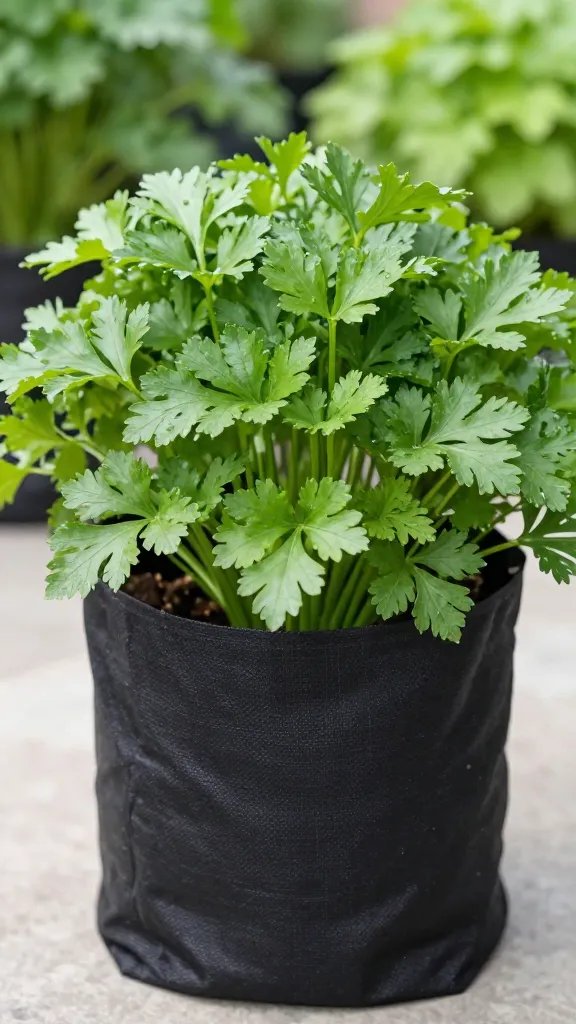
You can’t change the sun, but you can direct the light you have. Pale surfaces reflect; dark ones absorb. I turn walls into soft “light mirrors.”
Simple placement tricks
- Back row tall, front row low: kale and chard behind; lettuces and scallions in front so nothing shades its neighbor.
- Use a white backdrop: stand pots against a light wall or clip a white plastic board to the railing to bounce light onto leaves.
- Pull pots to the edge: the first 30 cm from the balcony edge gets the most sky exposure.
- Rotate weekly: turn each pot 180 degrees once a week to balance growth.
Action today: Wipe down the wall behind your plants or hang a white poster board; then slide containers to the brightest edge and rotate them once each Saturday.
Soil, Fertilizer, and Watering That Work in Cool Shade
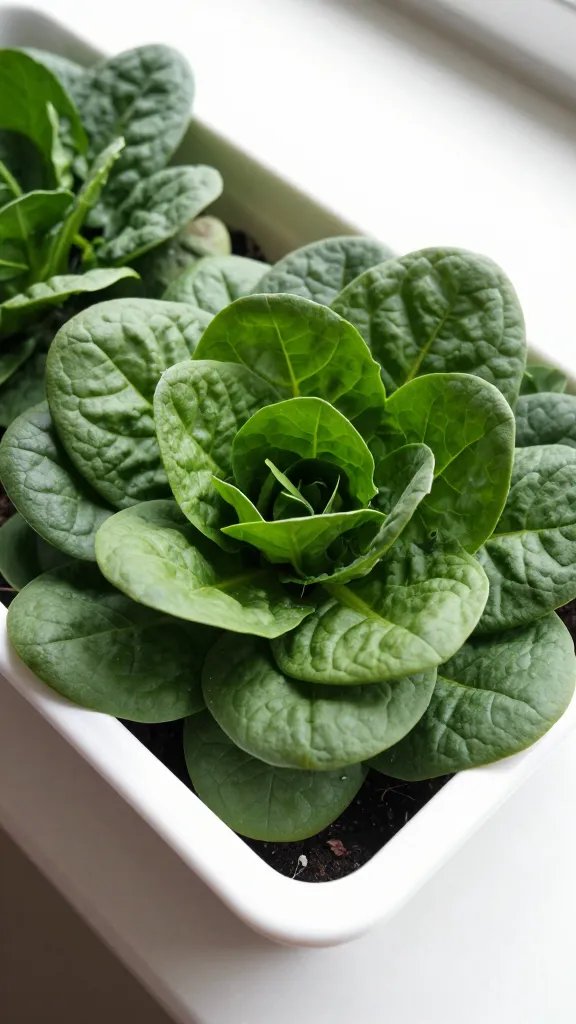
Shade keeps pots damp longer. Overwatering becomes the silent killer. I switch to lighter potting mixes and feed gently but regularly.
Material recommendations
- Potting mix: a good-quality bagged potting mix from the garden centre labeled for containers. For leafy crops, avoid moisture-control gels; shade already slows drying.
- Fertilizer: balanced liquid feed (e.g., 10-10-10 or “all-purpose”) at half the label rate every 10–14 days once seedlings have two sets of true leaves.
- Mulch: a thin 1 cm layer of fine bark or clean straw to slow surface algae and splashing.
Step-by-step watering in shade
- Stick a finger 3 cm into the mix. If it feels cool and clings, wait a day.
- When dry at 3 cm, water until you see a trickle from the base. Stop immediately.
- Empty saucers after 10 minutes. Never let pots sit in water.
Action today: Start a calendar reminder to feed leafy pots every second Sunday at half strength — small, steady nutrition beats feast-or-famine in shade.
Fast Harvest Systems: Trays and Staggered Sowing

In low light, speed and turnover win. I run trays of quick greens while slower herbs mature, so there’s always something to cut.
My 3-tray cycle for constant greens
- Tray A: sow pea shoots thickly (a single even layer of dried peas from the seed packet), harvest on day 14.
- Tray B: sow micro-mix (mustard, mizuna, radish greens), harvest on day 10.
- Tray C: sow lettuce baby leaf, start cutting from day 14 and for two weeks.
Each week, re-sow the tray you just harvested. You’ll use shallow trays, potting mix, and a spray bottle. No special lights needed.
Action today: Pick up three seed trays and one packet each of pea seeds and “mesclun” mix; label the trays A, B, C and sow the first today.
Cold and Wind: The Hidden Yield Killers on Shaded Balconies
North aspects are cooler and often windier. Cool, moving air strips moisture from leaves but keeps soil wet — a frustrating combo. I block wind and warm roots, and yields jump.
Practical fixes
- Wind shield: clip clear plastic or a reed screen to the rail to break gusts while keeping light.
- Warm the roots: use dark-colored pots early spring and autumn; group containers tight so they share warmth.
- Harvest strategy: cut in late morning after leaves have dried; wet, wind-chilled cuts store poorly.
Action today: Move pots into tight clusters and add a simple reed screen along the windiest edge to halve wind stress immediately.
Frequently Asked Questions
Can I grow basil on a north-facing balcony if I’m careful?
Basil stays weak and tasteless without direct sun. If you insist, choose small-leaf varieties like ‘Greek’ basil, use the brightest spot, and harvest as microgreens at 15–20 days instead of chasing full plants. Feed lightly every two weeks and keep nights above 12°C. For dependable flavor, grow parsley and mint instead.
What size pots do I need for steady salad harvests?
Use a 60–80 cm window box at least 15 cm deep for cut-and-come-again mixes. Sow in three bands a week apart so one band is always ready. Keep spacing dense — about a finger width between seedlings — and harvest with scissors 3 cm above the soil. Top up with a handful of fresh mix after every third cut.
Do I need grow lights for any worthwhile yield?
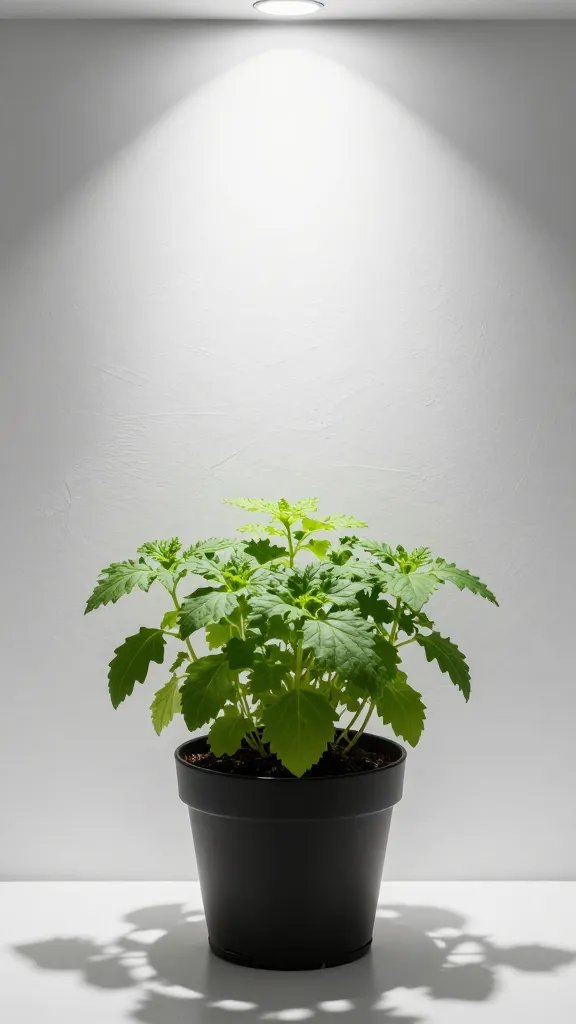
No, not for leafy crops. Well-placed trays of pea shoots, baby lettuce, and herbs like parsley and chives will produce without added light. Focus on reflection (white backdrops), rotation, and consistent feeding. Reserve lights for winter-only production if you want off-season harvests.
Why are my greens bitter even in shade?
Bitterness comes from stress: irregular watering, nutrient swings, or harvesting too late. Water when the top 3 cm are dry, feed at half strength every 10–14 days, and harvest baby leaves before they form thick midribs. Switch to milder varieties like butterhead lettuce and mizuna during warm months.
How do I stop fungus gnats and algae in constantly damp pots?
Let the surface dry between waterings and add a 1 cm mulch of fine bark. Bottom-water trays once a week by setting them in a shallow pan for 10 minutes, then drain. Sticky traps near the soil line catch adults, and repot with fresh mix if infestations persist. Avoid saucers holding standing water.
Can I get any fruit at all on a north-facing balcony?
You can, but set expectations. Everbearing strawberries may give a small handful if your balcony is bright and sheltered; choose compact varieties and the brightest edge. Alpine strawberries produce better in shade but in small numbers. Focus on leafy harvests and treat fruits as a bonus.
Conclusion
You don’t need more sun to eat from a north-facing balcony — you need the right crops and a steady routine. Start with one window box of cut greens, one pot each of parsley and chives, and a simple three-tray cycle for shoots. Once you see weekly harvests, add mint and chard, then refine layout and feeding. Your next step: buy seed for lettuce, mizuna, and pea shoots today and sow the first tray — your first low-light harvest arrives in two weeks.