How to Winterise a Terrarium — Temperature Thresholds, Light Reduction and Succulent Dormancy That Save Plants
Every November, I watch healthy terrariums crash because indoor heating dries the air while daylight shrinks. I used to respond by watering more and moving them closer to the radiator — and I lost plants to rot within weeks. Winterising fixes that. I’ll show you the exact temperatures, light cuts, and succulent dormancy steps that keep terrariums stable until spring.
Set Safe Temperature Thresholds Before Cold Snaps Hit
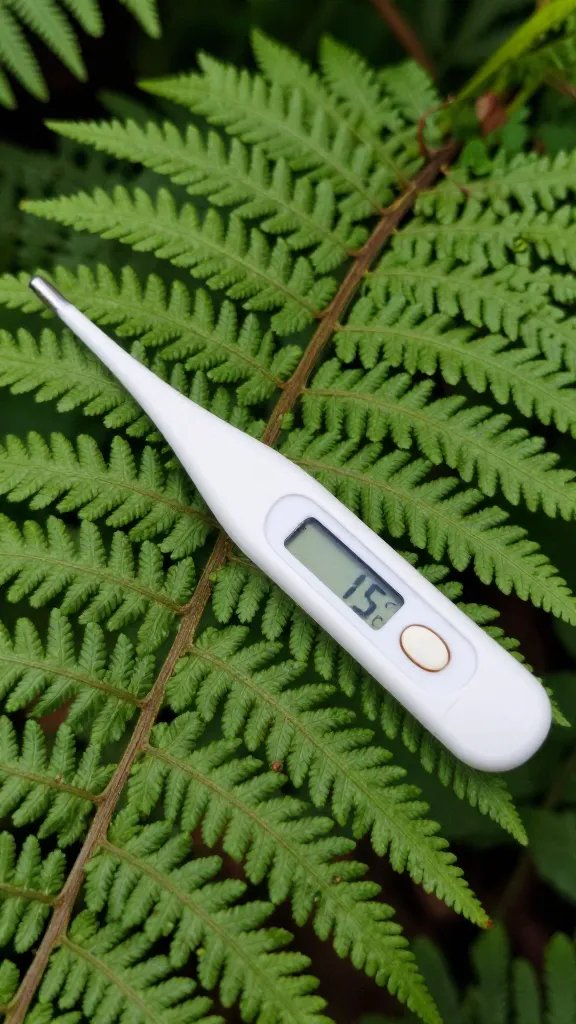
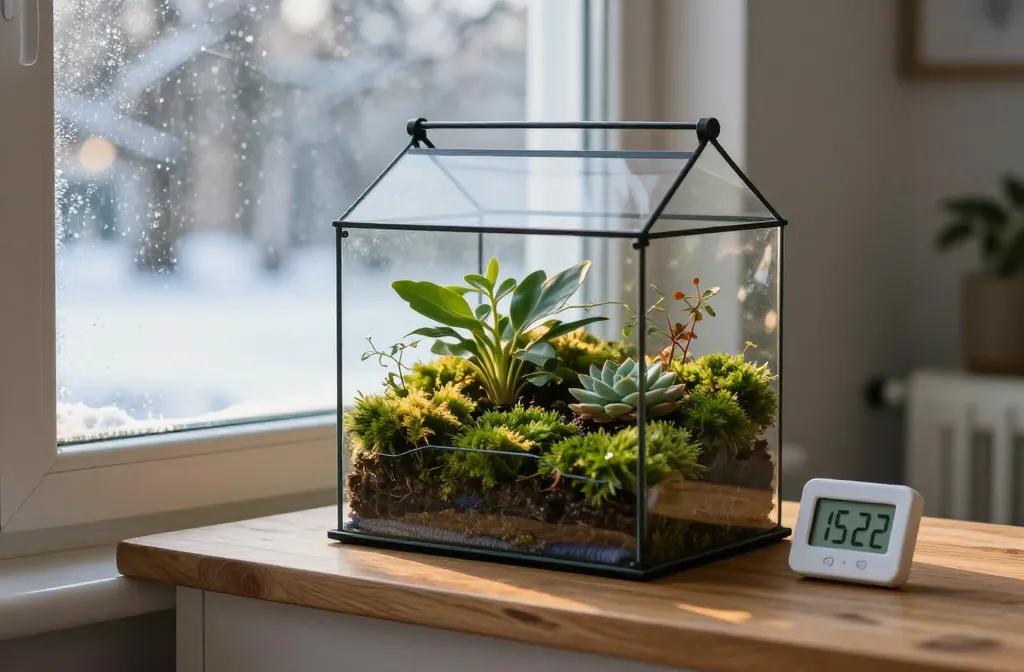
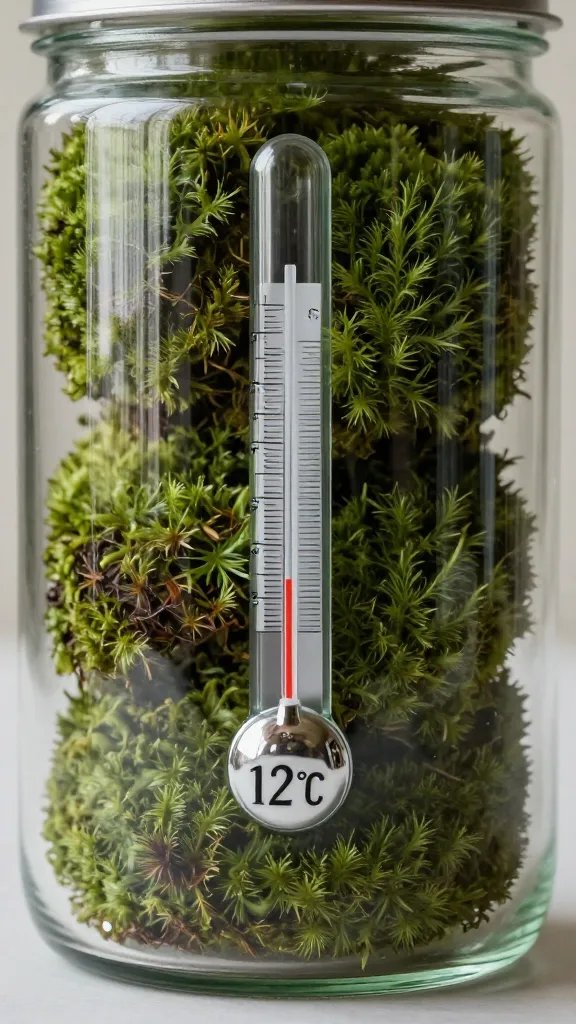
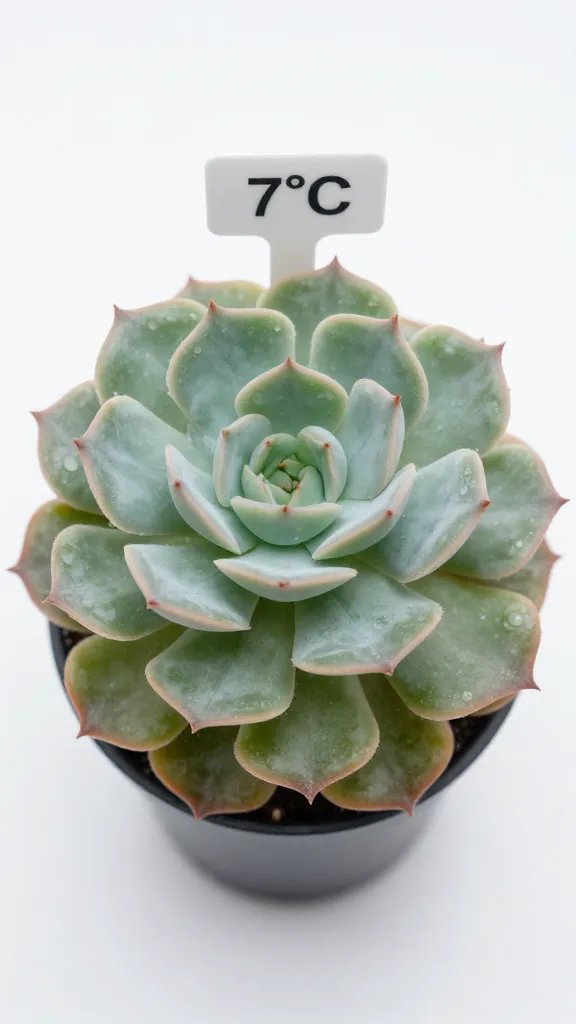
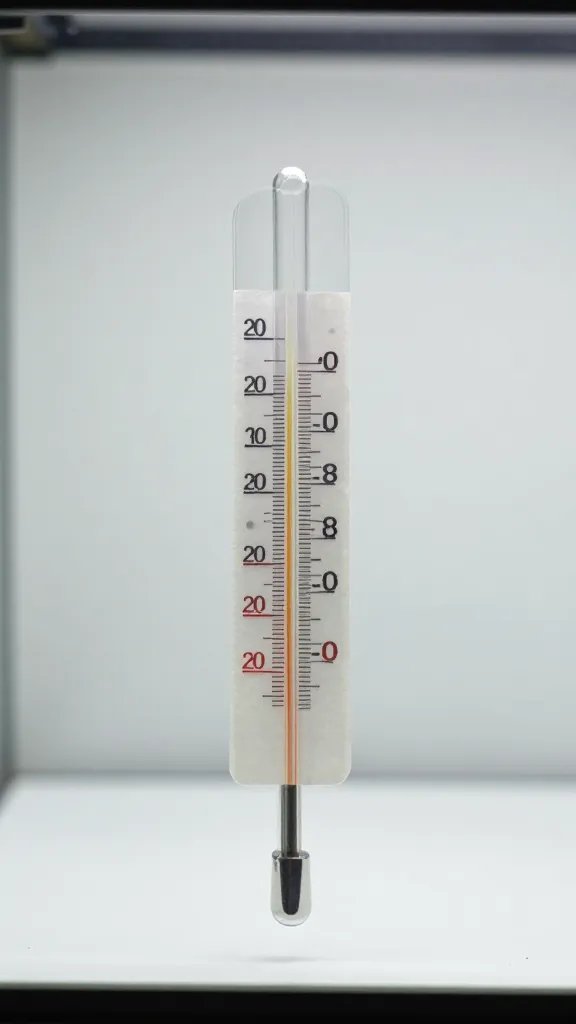
Terrariums feel insulated, but glass swings temperature fast. I keep most mixed tropical terrariums between 15–22°C (59–72°F). I draw a hard line at 12°C (54°F) for ferns, fittonia, and mosses, and I never let desert succulents sit below 7°C (45°F).
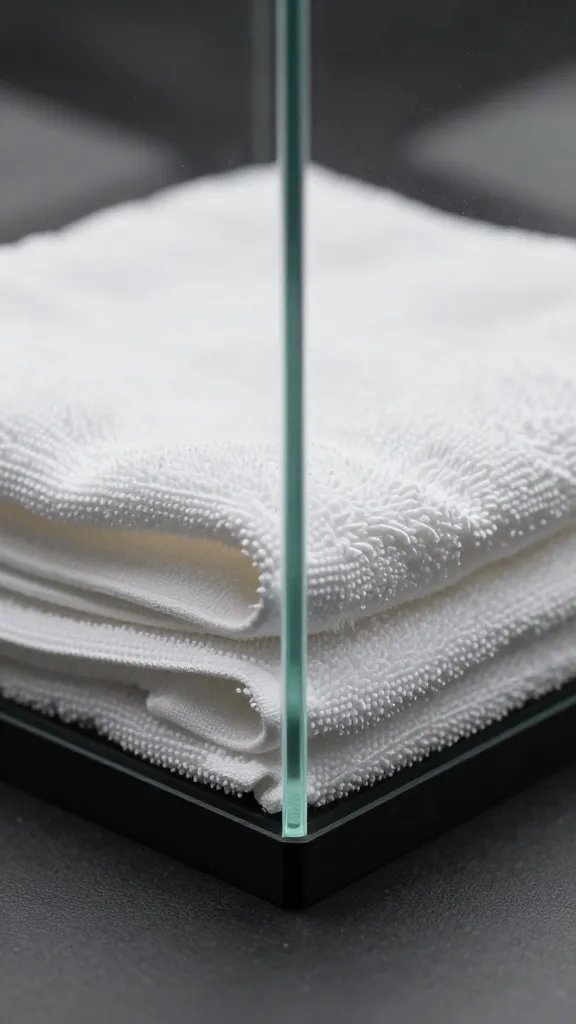
Windowsills dip overnight. I slide terrariums 30–60 cm back from the glass at dusk and return them in the morning. In draughty rooms, a folded towel under the base buffers against cold counters and radiators.
Warning Signs You’re Below Thresholds
- Moss greying or turning straw-like after a cold night
- Fittonia droop that doesn’t perk up by midday
- Succulent leaf translucency starting from the base
Action today: Put a sticky note by your coldest window: “Move terrariums 50 cm in at sunset.” Do it tonight and you’ll prevent the single most common winter shock.
Reduce Light Intelligently Instead of Starving Plants
Winter isn’t the time to “chase” summer light. I reduce light intensity and shorten exposure to match plant metabolism. For tropical closed terrariums, I aim for bright indirect light near an east or north window for 6–8 hours. For succulent terrariums, I keep direct sun filtered to morning only, or I use a simple clamp-on LED left on for 8–10 hours.
I never park a terrarium hard against a south window in January. Cold glass plus midday sun equals condensation surges and then chill at night — a rot recipe.
Practical Light Setups (No Tech Required)
- Tropical/moss: One metre from a bright window, sheer curtain between.
- Succulents: Edge of a bright sill with a white sheet of paper taped to the glass as a diffuser.
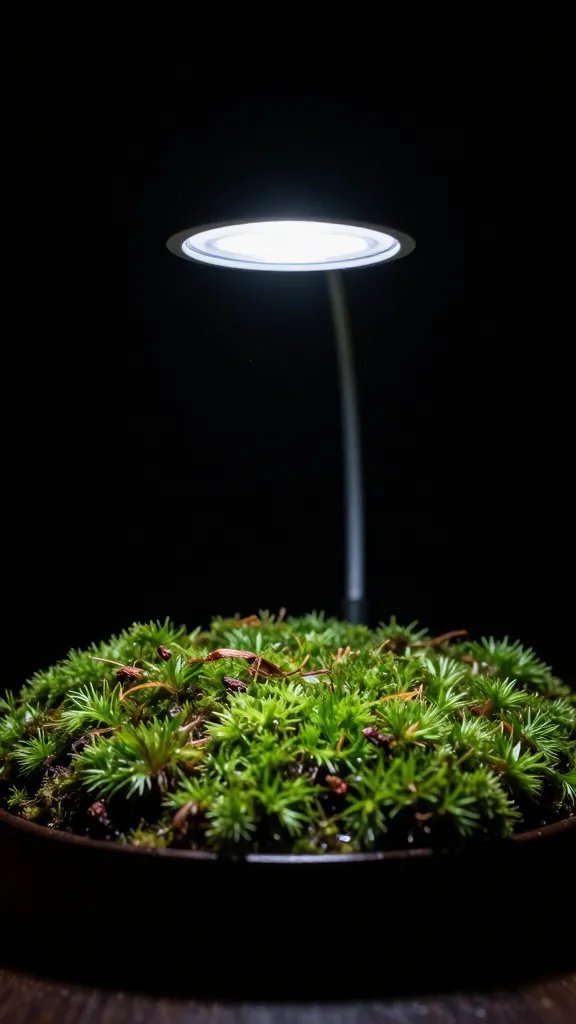
- Low-light days: A household LED desk lamp positioned 20–30 cm above the lid (not touching glass) for 8 hours.
Action today: Move your brightest terrarium one arm’s length back from a south window and hang a sheer cloth. Set a phone alarm to switch your lamp on and off at the same time daily.
Dial Back Watering to Match Slower Winter Metabolism
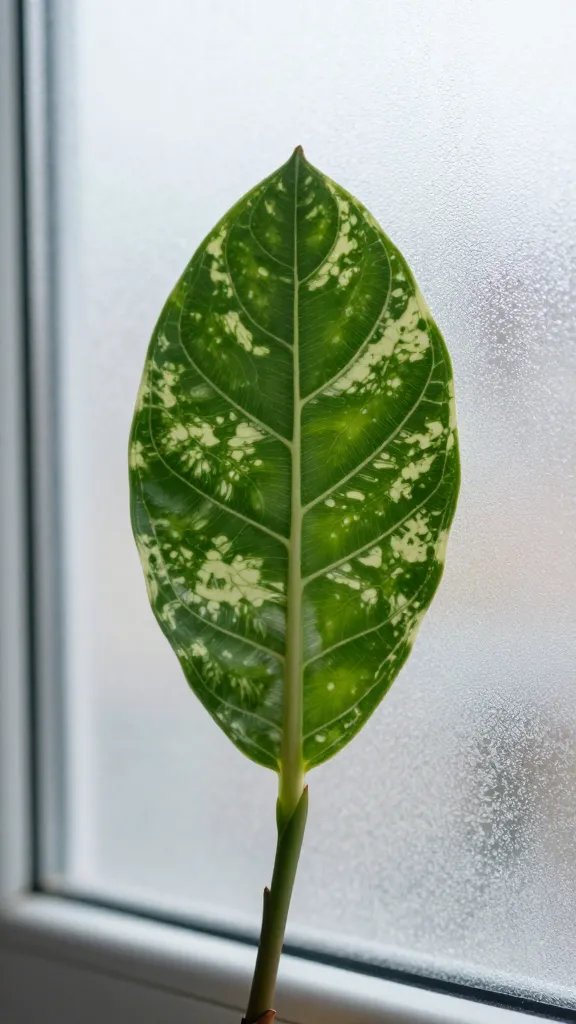
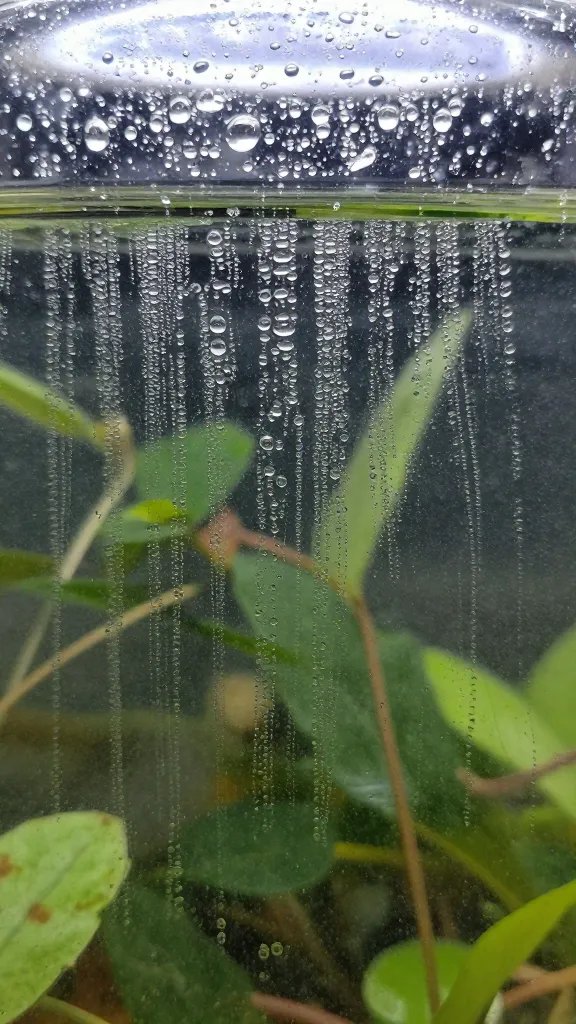
Plants drink less in the cold. Closed terrariums recycle moisture, so I use the midday glass test: at noon, light condensation on 10–30% of the glass is perfect. If over half the glass stays fogged all day, it’s too wet. If the glass stays bone dry for a week and leaves look dull, add water.
Open terrariums lose moisture faster, but winter still halves my watering. I add 1–2 tablespoons at a time with a spray bottle aimed at the substrate, not leaves. I never water late evening; cool nights plus wet soil cause rot.
Step-by-Step: Correct an Overwet Terrarium
- Open the lid for 2–4 hours midday.
- Wick excess moisture: insert a paper towel corner against the glass and substrate for 10–15 minutes.
- Trim any mushy leaves or stems back to firm tissue.
- Reclose and reassess condensation the next day.
Action today: Do the midday glass test. If you see heavy fog all day, vent for two hours and wick once — no watering this week.
Manage Humidity and Air Exchange Without Fancy Gear
Winter heating dries room air, but terrariums trap their own humidity. I aim for gentle daily exchange to prevent fungal buildup. For closed builds, I “burp” the lid for 5 minutes once a week. For open builds, I stop misting foliage in winter and only moisten the substrate surface if it looks dusty.
I keep foliage from pressing against wet glass. Constant contact wicks water onto leaves and invites Botrytis. A simple bamboo skewer makes a good prop to lift leaves away.
Warning Signs of Poor Airflow
- Persistent musty smell after opening
- White fuzz on wood or leaf joints
- Condensation dripping in rivulets, not a fine mist
Action today: Open the lid for five minutes, sniff for mustiness, and remove any dead leaf you find. That single habit prevents most winter fungal issues.
Guide Succulent Terrariums Into Safe Dormancy
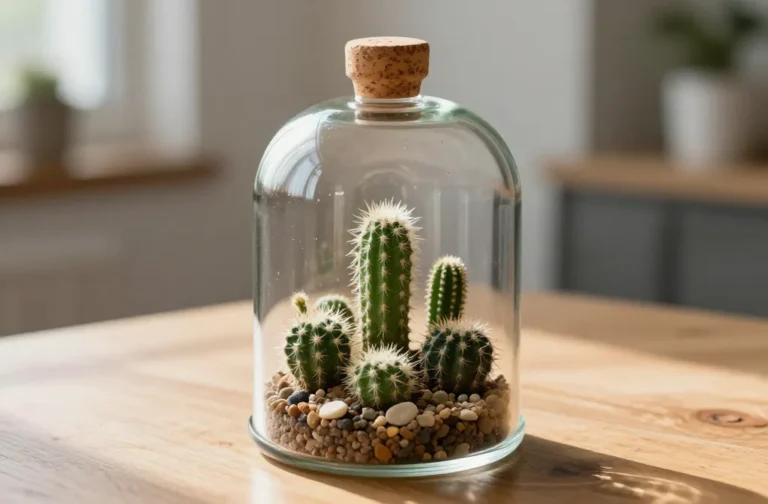
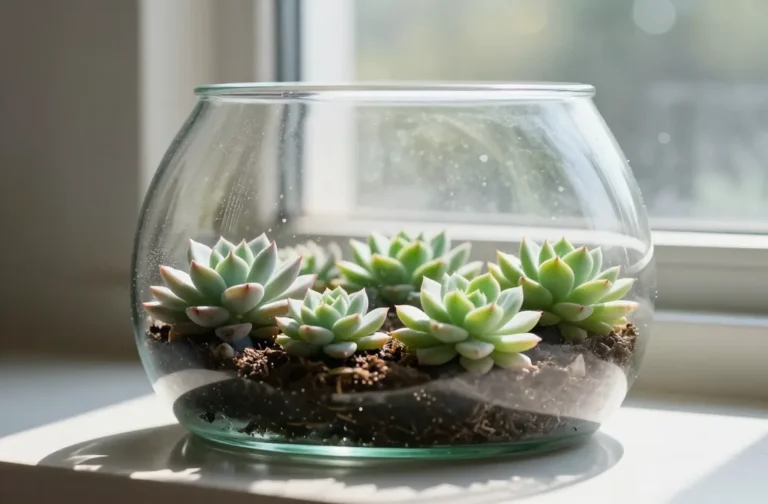
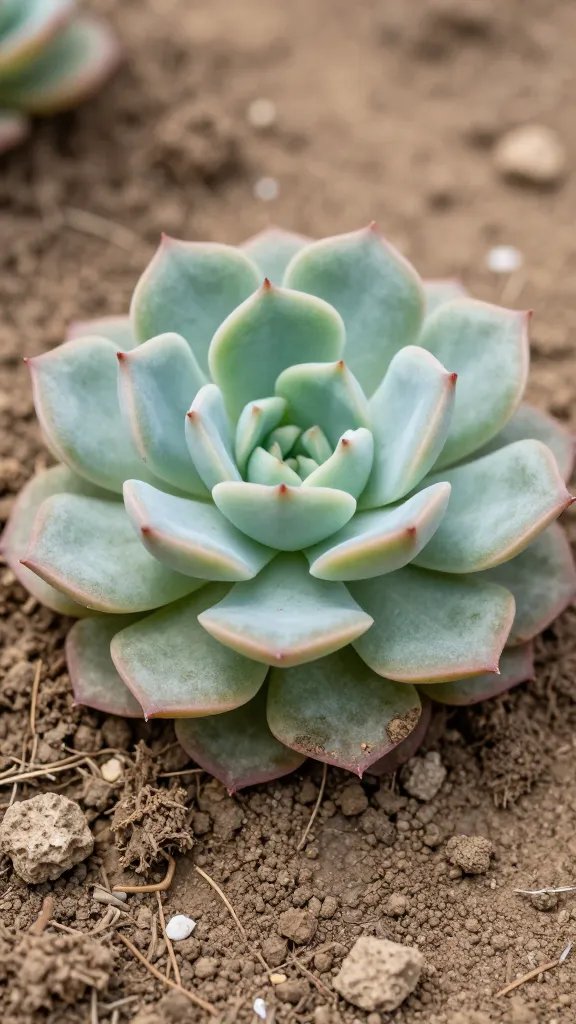
Succulents in glass need a firm winter slowdown. I cut watering to a tablespoon every 3–4 weeks for small bowls and every 4–6 weeks for larger ones, only when lower leaves start to soften slightly. I keep them cool at 10–15°C (50–59°F) with bright, indirect light.
Never trap succulents under a sealed lid in winter. They exhale moisture faster than they use it when cool, which fogs glass and rots rosettes. Use an open container or vented lid until spring growth resumes.
Succulents That Tolerate Indoor Wintering Better
- Haworthia and Gasteria: compact, tolerate lower light
- Graptopetalum and Graptoveria: firm rosettes, recover well
- Crassula ovata ‘Hobbit’: handles cool rooms if kept dry
Action today: If your succulent terrarium has a tight lid, remove it and skip watering for three weeks unless lower leaves wrinkle.
Trim, Clean, and Pause Fertilizer Until Spring
Winter growth is soft and leggy. I prune tips sparingly to keep leaves off glass and I remove every dead fragment. Any decay left in a closed space feeds fungus fast.
I stop fertilizer from late autumn to early spring. Nutrients push weak growth that collapses in low light and cool temps. If you used slow-release granules, scoop visible pellets from the surface.
Simple Winter Grooming Kit
- Long tweezers or chopsticks for debris
- Small scissors for tip trims
- Paper towels for wicking
- Soft brush to dust glass and leaves
Action today: Remove one handful of shed leaves or moss bits and stop all feeding until daylight lengthens.
Stabilise the Substrate and Hardscape Against Winter Swings
Cold nights shrink air pockets and push moisture to the glass. I keep a 2–3 cm clear gap between foliage and the lid, and I top up a thin gravel or decorative stone layer where soil shows to reduce surface evaporation.
If wood leaches tannins and stains, I rinse it in warm water, pat dry, and return it propped off the soil with flat stones. This stops permanent damp contact and keeps the microclimate balanced.
Action today: Add a thin layer of decorative gravel over exposed soil to even out surface moisture and reduce fogging.
Frequently Asked Questions
How do I know if my terrarium is too cold at night without a thermometer?
Touch the glass at dawn. If it feels noticeably colder than the room and you see heavy morning fog that clears slowly, the plants spent the night cold. Move the terrarium 30–60 cm away from the window at sunset and place it on a wooden board or book to lift it off a cold surface. Check for perkier leaves and lighter midday condensation the next day.
My moss turned brown in winter. Is it dead?
Brown or tan moss often signals cold or prolonged wetness, not instant death. Trim the worst sections and reduce moisture by venting midday for a few days. Shift to bright, indirect light away from cold glass and water with a fine mist only when the surface looks dull and dry. New green tips should appear in 2–4 weeks if roots remain alive.
Can I use a regular desk lamp instead of a grow light?
Yes, for winter maintenance. Use an LED desk lamp with a neutral or cool-white bulb and position it 20–30 cm above the terrarium for 8–10 hours daily. Avoid heat buildup by keeping the lamp head off the glass and checking that the glass stays only slightly warm to the touch. A consistent schedule matters more than maximum brightness in winter.
Why does my closed terrarium smell earthy in winter?
A mild earthy smell right after opening is normal. A strong, musty, or sour odor means decaying material or constant saturation. Remove dead leaves, wick moisture with a paper towel, and “burp” the lid five minutes weekly. If odor persists, keep the lid ajar for 24 hours and reassess condensation before reclosing.
How little should I water succulents during dormancy?
Use leaf feel as your guide. Water a tablespoon per plant area every 3–4 weeks for small bowls, or every 4–6 weeks for larger containers, only when lower leaves soften slightly. Always water in the morning and keep water off the rosette center. If you see fogged glass for more than a few hours, stop watering until it clears.
Do I need to repot before winter?
No. Disturbing roots before cold weather destabilises the system. I repot or rebuild terrariums in spring when growth rebounds. If you must intervene, limit it to surface fixes: remove mushy plants, replace only the top 1–2 cm of substrate, and replant firmly.
Conclusion
Winterising a terrarium is less work than rescuing one from rot. Set your temperature lines, reduce and schedule light, slow the watering hand, and let succulents rest dry and cool. Do one thing today: perform the midday glass test and adjust position and airflow based on what you see. You’ll enter spring with healthier plants and a stable little ecosystem ready to grow again.