Viral Guide the Chili Wall: Ranking 5 Hot Peppers by Their “Sun-Love” and Yield.
I learned peppers the hard way: a balcony lined with pots, two scorching weeks in July, and only one plant kept producing while the others sulked. If you’ve ever watched flowers drop or green pods stall, you’ve met a pepper that wanted more sun than your spot offered. In this guide, I rank five popular hot peppers by how much sun they truly need and how much fruit you can expect in a home setup. You’ll leave knowing which varieties to plant today for reliable harvests, even without fancy gear.
How I Rank “Sun-Love” and Yield for Home Gardeners
Peppers demand light, but not equally. I define Sun-Love on a simple scale based on where I’ve harvested best: full, unobstructed sun (6–8+ hours), bright balconies with afternoon shade, or bright windows indoors. Yield here means real bowls of peppers per season in a 3–5 gallon pot — not farm acreage numbers.
I keep tools basic: a sunny spot you can stand in at midday without your shadow covering the pot equals “full sun.” A bright spot where the sun grazes for part of the day equals “partial sun.” For soil, I use a good quality potting mix with added compost from the garden centre. For feeding, I apply a balanced, slow-release fertilizer at planting and a liquid bloom feed every two weeks once buds appear.
Action today: Stand where your peppers will live at noon and count sun hours until evening. Write that number down — it decides your variety choice.
The Chili Wall Ranking: 5 Peppers from Least to Most Sun-Hungry
These five give a clean spread across sun needs and deliver in containers. I note pod heat, expected yield in a 3–5 gallon pot, and the sunlight they actually thrive in.
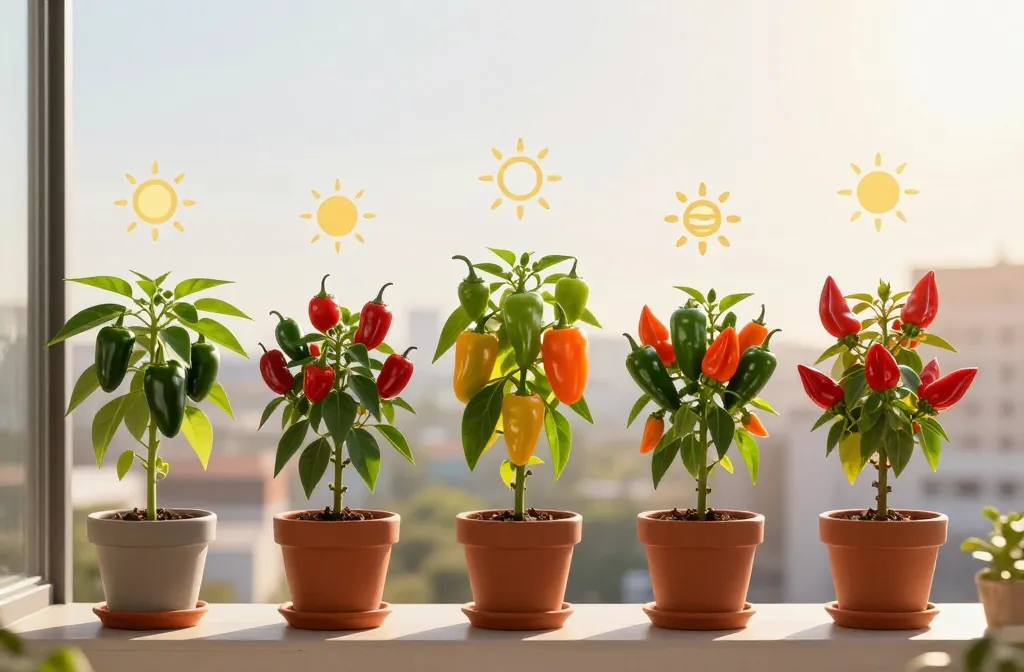
- 1) ‘Thai Chili’ (Bird’s Eye) — Low Sun-Love, High Yield: Compact, constant fruiter. Heat: hot. Yield: 75–150+ pods/plant. Sun: bright balcony or south-facing window with 4–6 hours direct sun. Thrives even when others pause.
- 2) ‘Jalapeño’ — Moderate Sun-Love, Reliable Yield: Stocky plants, larger pods. Heat: mild-hot. Yield: 30–60 peppers/plant. Sun: 5–7 hours direct. Handles light cloud cover and urban shade better than most.
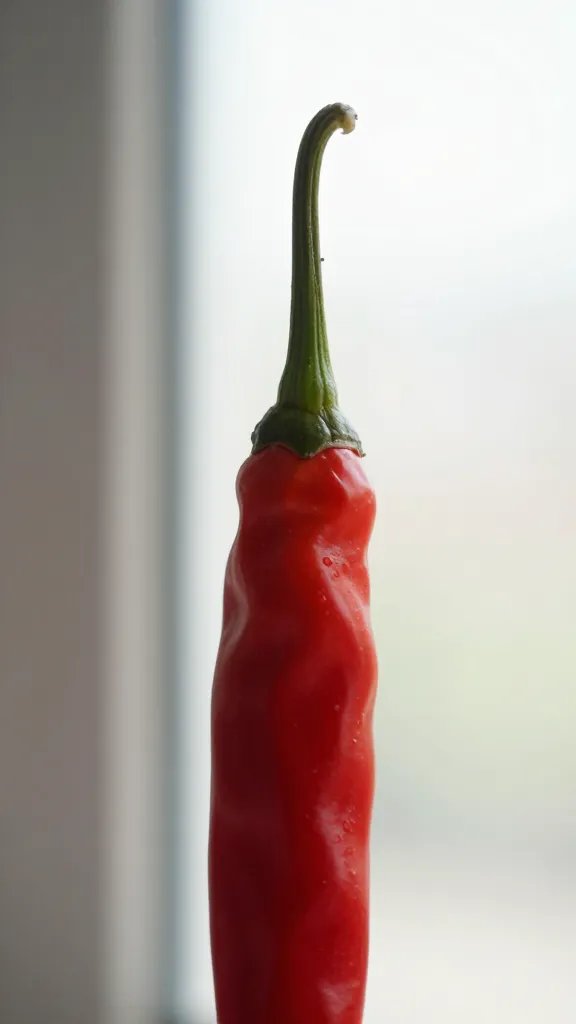
- 3) ‘Cayenne’ — Moderate-High Sun-Love, Heavy Clusters: Slim pods in long strings. Heat: hot. Yield: 60–120 peppers/plant. Sun: 6–8 hours direct. Rewards you if afternoons stay bright.
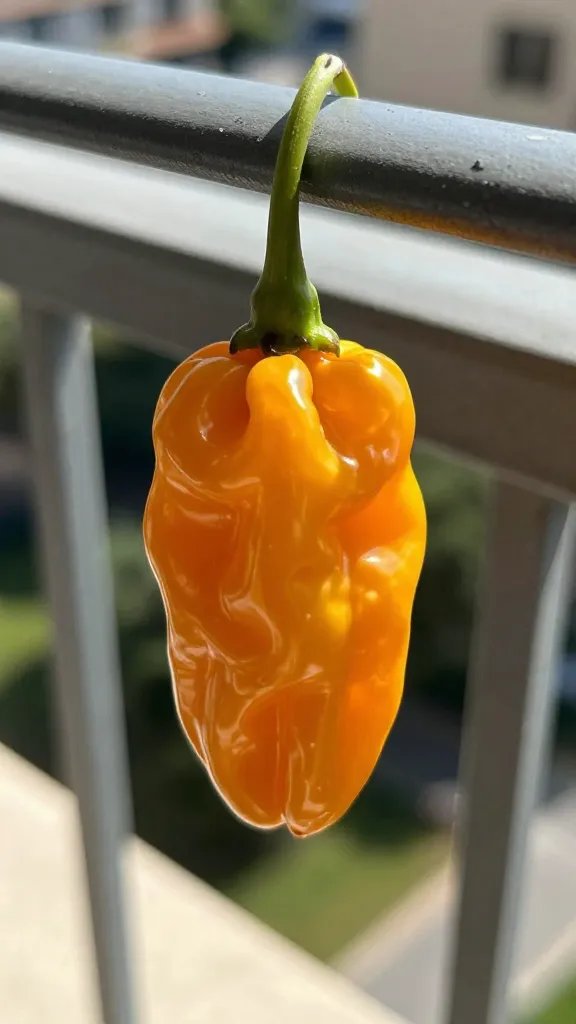
- 4) ‘Habanero’ — High Sun-Love, Big Payoff with Heat: Lantern pods, fruity heat. Heat: very hot. Yield: 40–80 peppers/plant. Sun: 7–8+ hours direct; demands warmth to set pods well.
- 5) ‘Ghost Pepper’ (Bhut Jolokia) — Very High Sun-Love, Fussy in Pots: Legendary heat. Heat: extreme. Yield: 15–40 peppers/plant in containers, more in perfect heat. Sun: 8+ hours direct and steady warmth; stalls in marginal light.
Takeaway: If you get under 6 hours of full sun, plant Thai Chili or Jalapeño first. Save Habanero and Ghost for truly sun-soaked spots.
Container Size, Soil, and Fertilizer That Match Pepper Sun Needs
Sun and roots go together. Peppers that crave sun also need steadier moisture and nutrition. In pots, that means right-sized containers and a mix that drains fast but doesn’t dry to dust.
Use a 3–5 gallon pot with drainage for Thai, Jalapeño, and Cayenne. Step up to 7 gallons for Habanero and Ghost; cramped roots drop flowers in heat. Fill with a quality potting mix plus 10–20% store-bought compost. Blend in a slow-release fertilizer labeled for vegetables at planting. Once you see the first buds, switch on a liquid bloom feed every two weeks.
Watering That Keeps Flowers On
- Water deeply until it drains from the bottom.
- Let the top inch of soil dry before watering again. In heat waves, check daily.
- Avoid “sips.” Deep, less frequent watering keeps calcium moving and prevents blossom-end rot on larger peppers.
Action today: If you already potted a Habanero in a 3-gallon, transplant it into a 7-gallon with fresh mix before peak heat arrives.
Sunlight Placement: Balcony and Window Strategies That Work
Peppers want direct rays on leaves. Indoors, a south-facing window with no exterior overhang beats any bright room without sun patches. Outdoors, a railing that gets afternoon sun often outperforms a spot shaded by the building after 2 pm.
Rotate containers a quarter turn weekly so one side doesn’t hog the light. Keep leaves 6–12 inches from hot glass to avoid scorch in heat waves. For wind-prone balconies, tuck pots behind a chair back or crate to reduce leaf stress without blocking sun.
Warning Signs of Not Enough Sun
- Lots of blossoms, few fruits — flowers dry and drop within a week.
- Leggy stems leaning toward the light, with wide gaps between leaves.
- Pods stay small and thin-walled on Jalapeños; Thai yields shrivel to a trickle.
Action today: Track sun patches for one clear day. If your best spot gets under 5 hours direct sun, move Habanero/Ghost off your list this season.
Heat and Night Temperatures: The Hidden Yield Killer
Peppers adore warmth but set fruit best when nights stay above 60°F (16°C) and below muggy extremes. Extended nights in the 50s stall Habanero and Ghost; flowers sit but don’t set.
On cool nights, move containers near a brick wall that soaked heat during the day, or onto a protected windowsill. In a heat wave above 95°F (35°C), provide midday shade with a chair, light cloth, or the shadow of a taller plant to keep blossoms from dropping.
Action today: Check your 7-day forecast. If nights dip into the 50s, prioritize Thai and Jalapeño for consistent harvests.
Pollination and Pruning: Small Tweaks, Big Harvests
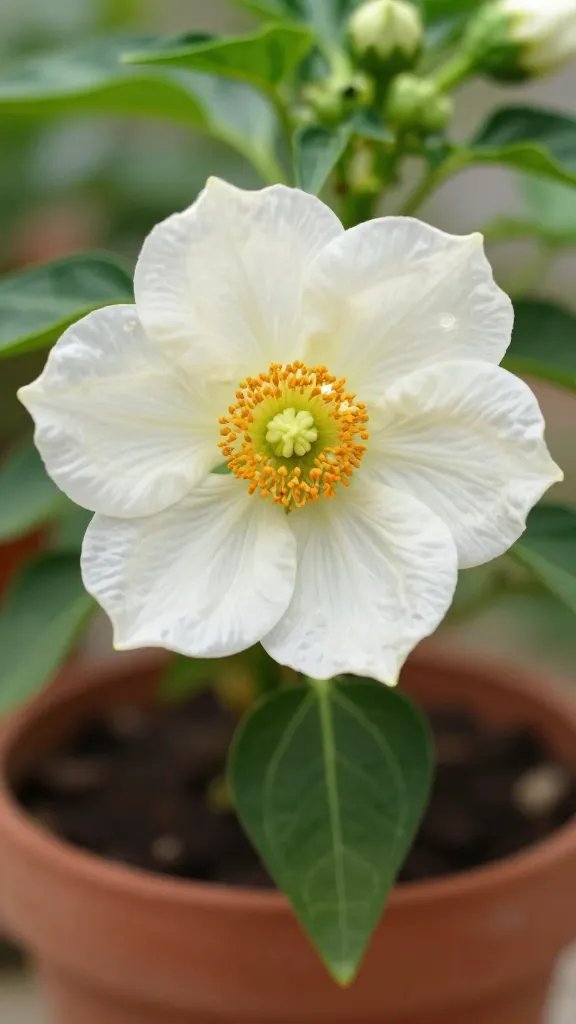
Most home-grown peppers self-pollinate, but still benefit from movement. Outdoors, wind and bees handle it. Indoors, tap the main stem daily when flowers open, or brush across blossoms with a clean artist’s brush.
For Thai and Cayenne, I do light tip pinching at 6–8 inches tall to encourage branching. For Jalapeño and Habanero, I remove only weak interior shoots to improve airflow. I never strip leaves during peak sun — leaves are your solar panels.
Simple Weekly Routine
- Tap stems or brush flowers three times a week.
- Remove yellowing leaves at the base only.
- Harvest promptly — frequent picking signals the plant to set more.
Action today: Pick every ripe pepper on your plant right now; set a reminder to check twice a week.
Harvest Timing by Variety: Catch the Peak for Flavor and Yield
Thai and Cayenne can be harvested green for fast turnover, but taste and heat deepen at full color. Jalapeños bulk up at green stage with firm walls; streaks called “corking” signal full flavor. Habanero and Ghost need true, uniform color for peak aroma — orange for Habanero, red for Ghost.
Use clean scissors to cut pods with a small stem stub. Twisting can tear delicate branches, especially on loaded Thai plants. Frequent harvest prevents branch snap and keeps sunlight reaching developing flowers.
Action today: Tag one branch per plant and harvest it at full color this week. Compare heat and flavor against earlier picks to dial your timing.
Frequently Asked Questions
Can I grow hot peppers on a north-facing window?
Not reliably. North windows rarely provide the direct sun peppers need to flower and set fruit. If north is your only option, choose Thai Chili, place it as close to the glass as possible, and use reflective surfaces like a white poster board behind the plant to bounce light. Expect a lighter yield versus a south or west window.
How often should I fertilize container peppers?
Mix a slow-release fertilizer into the potting soil at planting. Once buds appear, add a liquid bloom fertilizer every two weeks until the last harvest. If leaves pale or growth stalls mid-season, top-dress with a tablespoon of granular fertilizer and water deeply. Don’t overdo it — excess nitrogen gives leaves, not peppers.
Why are my flowers dropping without fruit?
Low light, heat stress above 95°F (35°C), or cold nights below 60°F (16°C) cause drop. Move the pot to the sunniest available spot, provide light midday shade during extreme heat, and tap stems daily to ensure pollination. Keep soil evenly moist — not soggy — so the plant doesn’t abort flowers under stress.
What pot size is best for a balcony grow?
Use 3–5 gallons for Thai, Jalapeño, and Cayenne; they balance root space and portability. Step up to 7 gallons for Habanero and Ghost to stabilize moisture in summer heat. Always choose pots with drainage holes and elevate them on simple pot feet or bricks to prevent waterlogging after storms.
Can I overwinter pepper plants indoors?
Yes, peppers are short-lived perennials. Before first frost, cut plants back by one-third, inspect for pests, and repot into fresh mix if roots are dense. Place in the sunniest window and water sparingly through winter. In spring, gradually reintroduce to outdoor sun over 7–10 days to prevent leaf scorch.
Conclusion
You don’t need a greenhouse to harvest a steady stream of chilies; you need the right match between Sun-Love and variety. Start with Thai or Jalapeño if your sun is modest, step up to Cayenne when afternoons blaze, and reserve Habanero or Ghost for truly sun-soaked spots. Today, choose one variety that fits your actual sun hours and plant it in the right-sized pot — by midseason, you’ll have the proof in your harvest bowl.