5 Edible Plants That Survive a West-Facing Balcony — Sun Hours, Timing and Yield Reality
My first west-facing balcony scorched basil by July and starved lettuce by August. I learned the hard way that afternoon sun is stronger, hotter, and shorter than morning sun — and that not all “full sun” advice applies to a west exposure. In this guide, I’ll show you five edible plants that actually thrive with 3–6 hours of hot afternoon light, plus when to plant them and what harvest to expect. You’ll finish knowing exactly what to grow, what size pots to use, and how to water without fancy gear.
1. Cherry Tomatoes: Compact Varieties That Handle Hot Afternoons
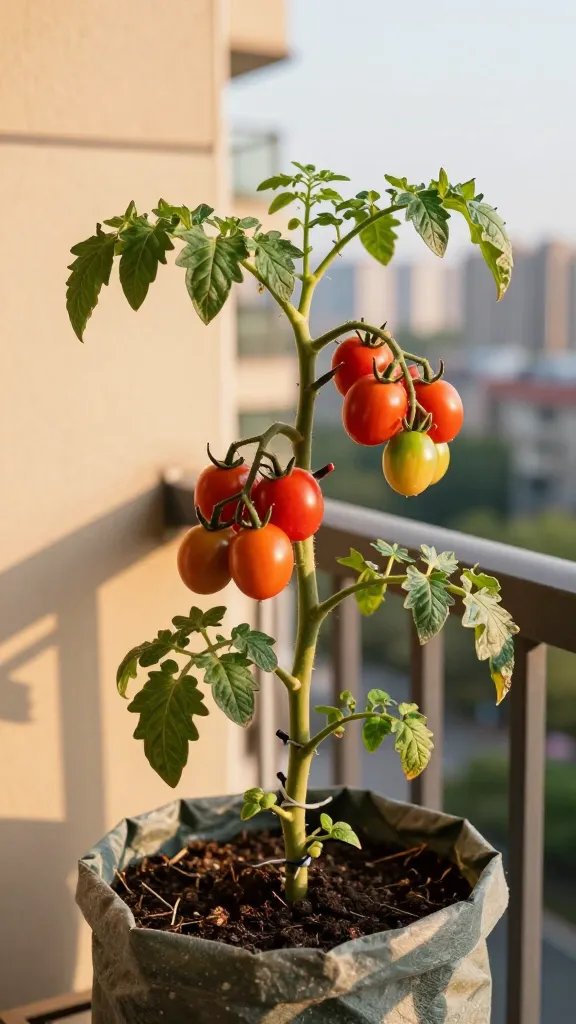
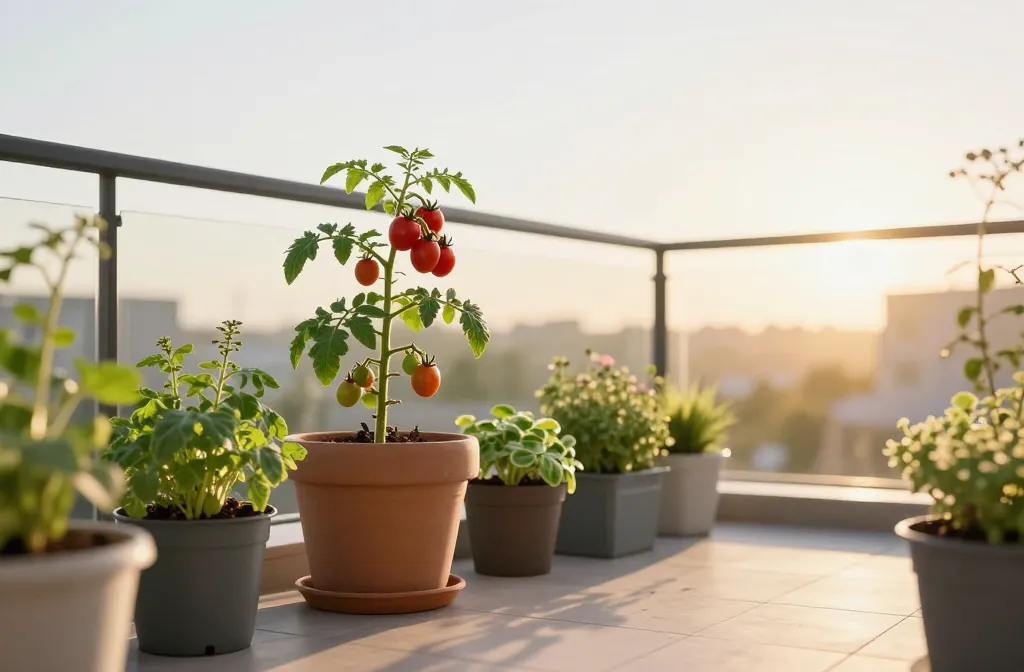
Cherry tomatoes shrug off the 2–7 pm heat that bakes a west-facing balcony. Full-size beefsteaks stall or split when water swings and heat pile on, but cherries keep setting fruit and ripen faster in the warm evenings.
Use determinate or dwarf indeterminate types bred for containers. Afternoon sun brings high leaf temperatures, so the plant needs consistent water and a stable root zone more than it needs all-day light.
What Works On A West Balcony
- Sun hours: Aim for 4–6 hours of direct afternoon sun. Less than 3 hours gives thin growth and few trusses.
- Pots: One plant per 20–30 L container (roughly a standard 12–14 inch pot) with drainage.
- Varieties: ‘Tumbling Tom’, ‘Tiny Tim’, ‘Patio’, or ‘Sungold’ (small vine, still manageable).
- Timing: Transplant after nights stay above 10°C/50°F. On most city balconies, that’s late spring. Expect first ripe fruit 55–70 days after transplanting.
- Yield reality: 1.5–3 kg per plant per season on a west balcony, harvested twice a week in peak summer.
How To Keep Them Productive
- Watering: In hot spells, water once each morning until it drips from the bottom. On cooler weeks, every 1–2 days. Keep the soil evenly moist; don’t let it swing from bone-dry to soaked.
- Feeding: Mix a slow-release vegetable fertilizer into the potting mix, then top up with a tomato feed every 10–14 days once flowers appear.
- Heat stress tip: Tie a strip of light fabric or use a balcony chair to cast light shade during 3–5 pm on days above 32°C/90°F to prevent flower drop.
Action today: Pick one compact cherry tomato and reserve a 12–14 inch pot with a sturdy stake or small cage — you’ll transplant as soon as nights are reliably above 10°C/50°F.
2. Chili Peppers: Heat Lovers With Reliable Balcony Yields
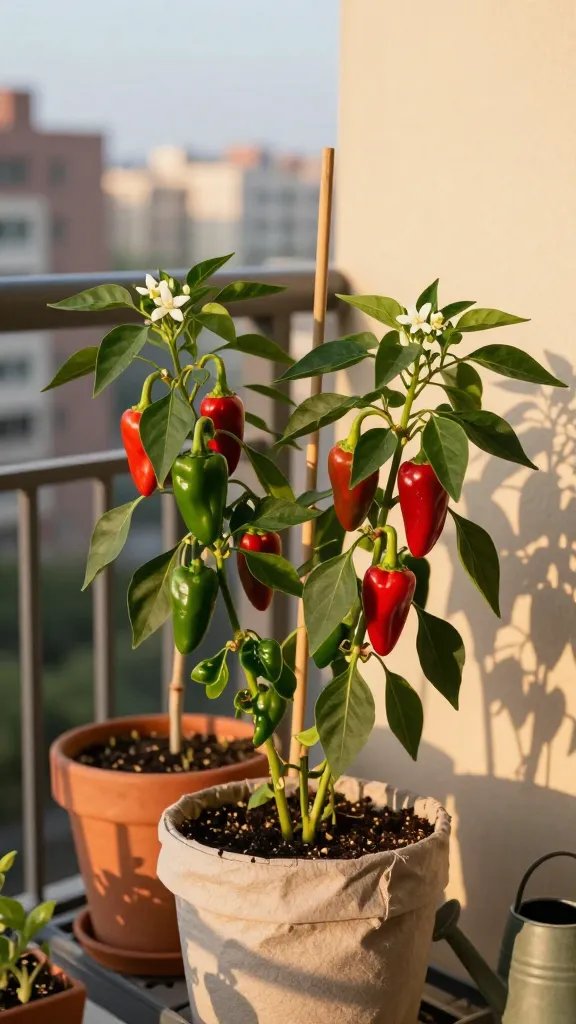
Chili peppers adore the warm, late-day sun that frustrates greens. On a west balcony, peppers flower well and color up faster, while sweet bell peppers often sulk without a full day’s light.
Compact hot or medium-heat varieties set consistent fruit with 3–5 hours of direct sun and warm evenings. They also tolerate brief dry spells better than tomatoes, which helps on busy weeks.
What Works On A West Balcony
- Sun hours: 3–5 hours of direct afternoon sun. They use that heat to ripen.
- Pots: One plant per 10–15 L container (10–12 inch pot).
- Varieties: ‘Cayenne’, ‘Hungarian Wax’, ‘Jalapeño’, ‘Numex Twilight’ (ornamental and productive).
- Timing: Transplant when nights hold above 12°C/54°F. First harvest 60–80 days after transplant.
- Yield reality: 25–60 pods per plant per season, depending on variety and pot size.
Keep Them Flowering And Fruiting
- Watering: Water when the top 2–3 cm (about a finger’s depth) is dry. In midsummer, expect every 1–2 days.
- Feeding: Use a balanced vegetable fertilizer monthly. When the first fruits set, switch to a bloom/fruit feed every 2 weeks.
- Sun scorch guard: If leaves bleach on the edges, shift the pot 30–60 cm back from the railing or add a thin shade cloth for the peak two hours.
Takeaway: Choose one compact chili and give it a 10–12 inch pot; with 3–5 hours of afternoon sun, you’ll harvest a steady stream of pods from midsummer to fall.
3. Mediterranean Herbs: Rosemary, Thyme, Oregano That Don’t Flinch At Heat
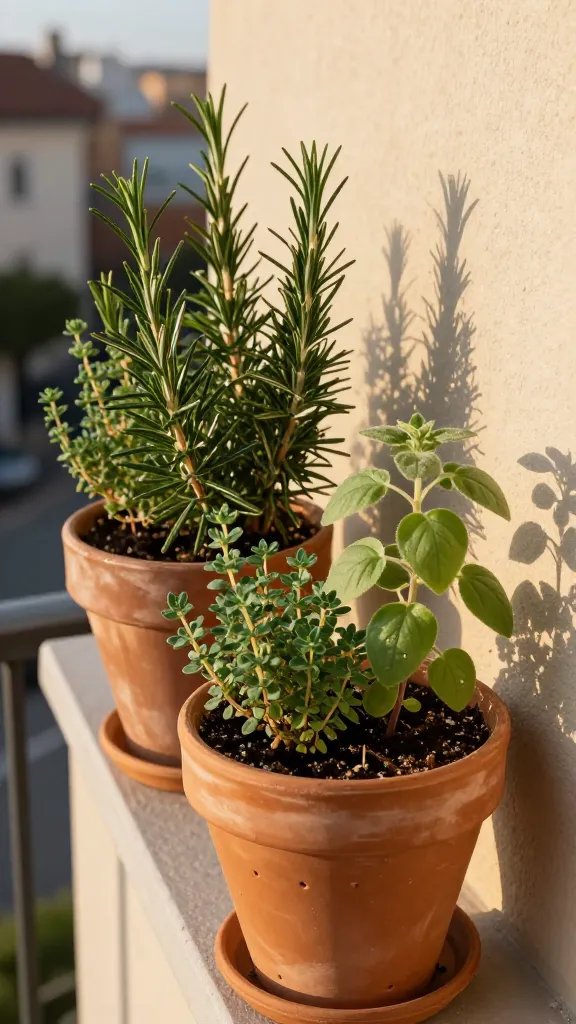
When leafy greens collapse in the afternoon glare, woody herbs keep their oils and flavor. A west-facing balcony actually improves taste intensity for these plants, making them low-effort, high-reward staples.
They need excellent drainage and less water than veggies. Overwatering, not heat, is what usually kills them on balconies.
What Works On A West Balcony
- Sun hours: 3–6 hours of direct afternoon sun or bright light near the outer edge of the balcony.
- Pots: 20–30 cm (8–12 inch) wide, shallow is fine if drainage is good. Grouping several herbs in a window box works well.
- Varieties: Rosemary (upright or trailing), Lemon thyme, Greek oregano, Savory. Avoid tender basil here in peak summer unless shaded.
- Timing: Plant once the risk of frost is gone. These are perennial in mild climates or great one-season crops in colder zones.
- Yield reality: Snip small handfuls weekly from late spring to fall; one 30 cm planter can flavor dozens of meals.
Watering And Soil Setup
- Soil: Use a good quality potting mix from the garden centre. For rosemary, blend in a few handfuls of coarse sand or perlite for drainage.
- Watering: Water deeply, then wait until the top 3–5 cm feels dry. In hot weeks, that’s every 3–4 days; in cooler spells, weekly.
- Pruning: Trim tips often to keep plants compact and prevent woody gaps.
Action today: Plant a trio — rosemary, thyme, and oregano — in a single window box near the balcony edge, and water only when the top few centimeters are dry.
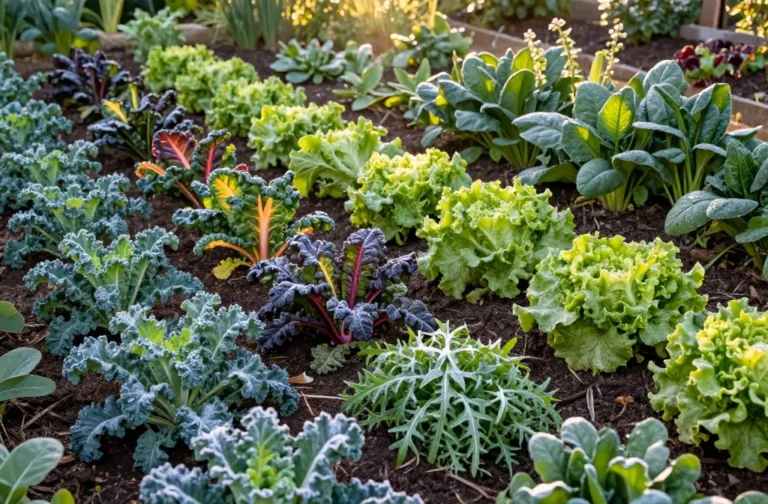
4. Swiss Chard: The Leafy Green That Forgives Heat And Shade Swings
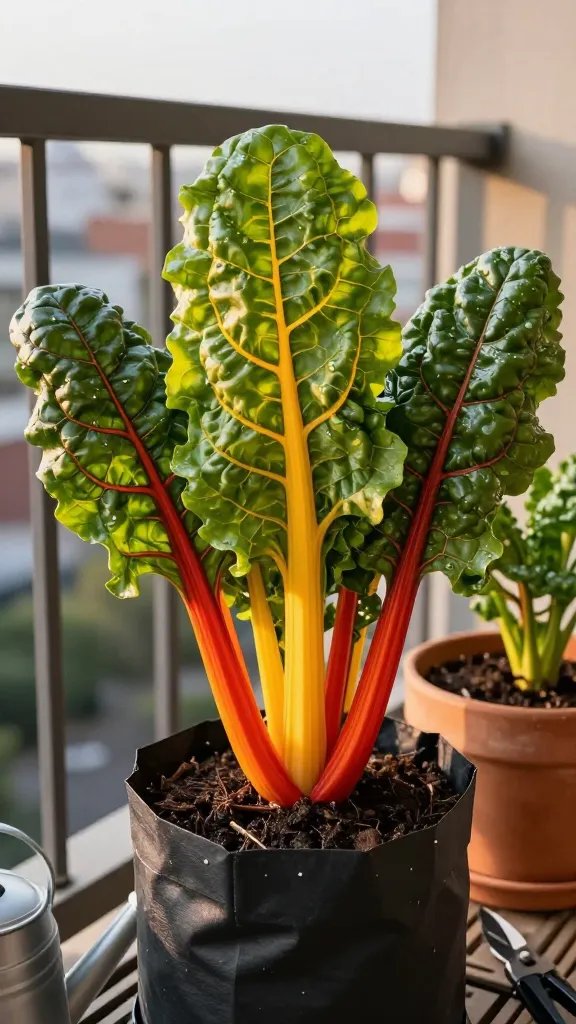
Lettuce bolts fast on a west-facing balcony by mid-summer, leaving you with bitter leaves. Swiss chard handles afternoon heat far better, and it accepts partial shade earlier or later in the season.
It grows from spring to frost in most climates, giving regular cut-and-come-again harvests. With a west exposure, the leaves stay tender if you water steadily and pick often.
What Works On A West Balcony
- Sun hours: 3–5 hours of afternoon sun. More sun gives thicker stems and larger leaves.
- Pots: 20–30 cm (8–12 inch) deep container; a 60 cm (24 inch) window box fits 4–6 plants.
- Varieties: ‘Bright Lights’, ‘Fordhook Giant’, ‘Peppermint’.
- Timing: Sow as soon as nights are above 5°C/41°F or transplant anytime spring through early fall. First usable leaves in 30–40 days.
- Yield reality: A family-sized handful of leaves every 3–5 days from a 60 cm box all season.
Keep It Sweet, Not Bitter
- Watering: Keep soil consistently moist. In heat, water each morning; in shoulder seasons, every 2–3 days.
- Feeding: Mix slow-release fertilizer at planting, then liquid feed every 2 weeks in midsummer.
- Harvesting: Pick outer leaves at 15–25 cm long. Leave the center to regrow.
Takeaway: If you want a steady green on a hot balcony, start a window box of Swiss chard this weekend and plan on morning watering through the warmest months.
5. Strawberries: Day-Neutral Types That Fruit Even With Afternoon-Only Sun
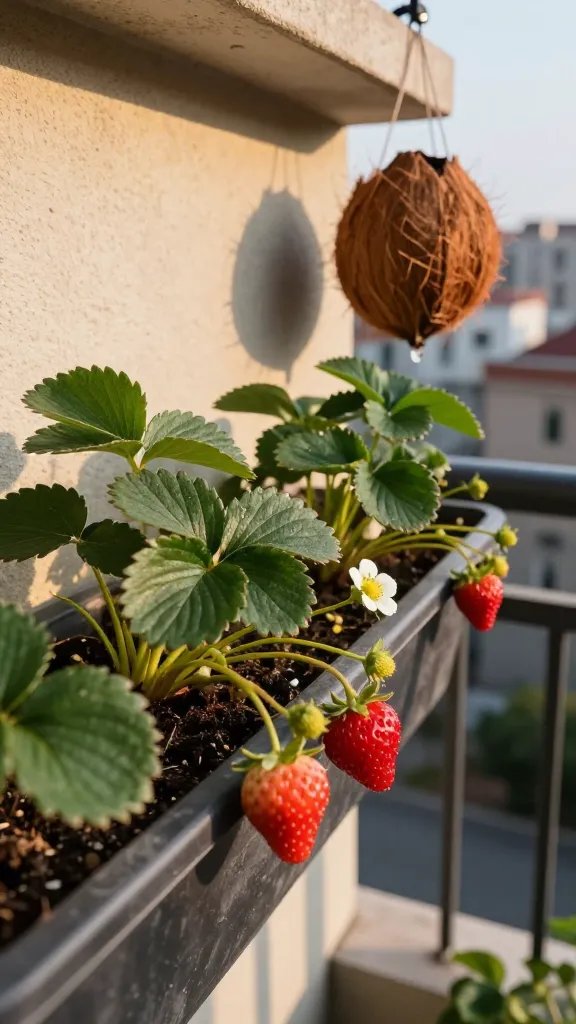
Strawberries don’t need sunrise to set fruit; they need enough total light and warmth. On a west balcony, day-neutral varieties produce small, frequent harvests instead of one big flush.
They work well in railing planters or a hanging basket tucked out of the fiercest late-day rays. You’ll give them slightly more water and a steady snack of fertilizer to keep berries coming.
What Works On A West Balcony
- Sun hours: 3–5 hours of afternoon sun. Too little and you get plenty of leaves but sour fruit.
- Pots: 30–40 cm (12–16 inch) wide bowl or railing planter for 3–5 plants; good drainage is crucial.
- Varieties: ‘Albion’, ‘Seascape’, ‘Mara des Bois’ (great flavor).
- Timing: Plant as soon as the garden centre has crowns or starts in spring. Expect first berries 6–8 weeks after planting; repeat flushes until frost.
- Yield reality: 200–500 g per plant per season on a balcony, picked every few days.
Biggest Balcony Success Factors
- Watering: Keep evenly moist — no dry pots. In heat, plan on daily morning water for railing planters.
- Feeding: Use a balanced liquid feed every 2 weeks once flowering starts.
- Sun management: If fruit scorches or turns mushy on the sun-facing side, rotate the pot a quarter turn every few days or shift it 30 cm back from the rail.
Action today: Pick a day-neutral strawberry and a 12–16 inch railing planter; place it where it gets the 3–5 pm sun but some airflow, and water every morning through hot spells.
Frequently Asked Questions
How many hours of sun does a west-facing balcony actually get?
Most west balconies get 3–6 hours of direct afternoon sun, usually between 1 pm and sunset depending on buildings and trees. Stand outside for five minutes at 3 pm on a clear day — if your face feels warm and your shadow is sharp, plants there are in direct sun. Track this for two days to confirm. Use the brightest spot for fruiting plants and slightly shadier spots for herbs and chard.
How do I water containers without drowning or starving plants?
Water in the morning until you see a steady drip from the drainage holes. For tomatoes and strawberries in midsummer, that’s usually daily; for herbs, every 3–4 days. Check by pressing a finger 2–3 cm into the soil: if it’s dry there, water; if cool and slightly damp, wait. Use saucers only to catch drips, not to store water.
Can I grow basil on a west-facing balcony?
You can, but basil burns and wilts in harsh late-day sun above 30°C/86°F. Grow it behind a taller plant, under a light shade cloth during 3–5 pm, or 60–90 cm back from the railing where light is bright but gentler. Water daily in hot spells and pinch often to keep it bushy. If it still struggles, swap to tougher herbs like thyme and oregano in peak summer.
What size containers do I really need for balcony success?
Tomatoes need a 12–14 inch pot (20–30 L) to hold enough moisture and nutrients for steady fruit. Peppers thrive in 10–12 inch pots (10–15 L). Strawberries and herbs manage well in 8–12 inch pots or railing planters, as long as drainage is good. Bigger pots = steadier moisture and fewer problems on hot afternoons.
How do I deal with wind and heat on an exposed balcony?
Wind strips moisture fast and raises stress. Cluster pots together so leaves shelter each other, and place the tallest container upwind as a windbreak. On days above 32°C/90°F, add a thin shade cloth or move pots 30–60 cm back from the rail for the hottest two hours. Mulch the soil surface with a 1–2 cm layer of fine bark or straw to slow evaporation.
Do I need special soil or meters for edible containers?
No. Use a good quality potting mix from the garden centre — not garden soil — because it drains better in containers. Mix in a slow-release vegetable fertilizer at planting and top up with a liquid feed every 2 weeks for fruiting crops. Water with tap water that tastes clean, not salty. Refresh the top third of the mix each new season for best results.
Conclusion
A west-facing balcony rewards the right plants with heat, flavor, and steady harvests — if you size pots correctly and water on a morning routine. Start with one cherry tomato, one pepper, a herb box, Swiss chard, and a strawberry planter, then adjust placement based on what thrives in your afternoon sun window.