Why Fittonia Dies in a Terrarium — the Humidity Crash, Root Rot and Recovery Protocol Unmasked
I’ve watched more than one lush Fittonia terrarium collapse into a wilted, yellowing mess in under a week. The pattern was the same every time: glass fogged, leaves perked, then overnight droop and a sour smell from the soil. Once I understood the humidity swing and the way soggy substrates suffocate roots, my plants stopped “fainting.” In this guide I’ll show you exactly why Fittonia fails in glass and the simple, no-special-tools protocol I use to prevent rot and rescue struggling plants fast.
Fittonia Isn’t Just Thirsty — It’s Dependent On Stable Humidity
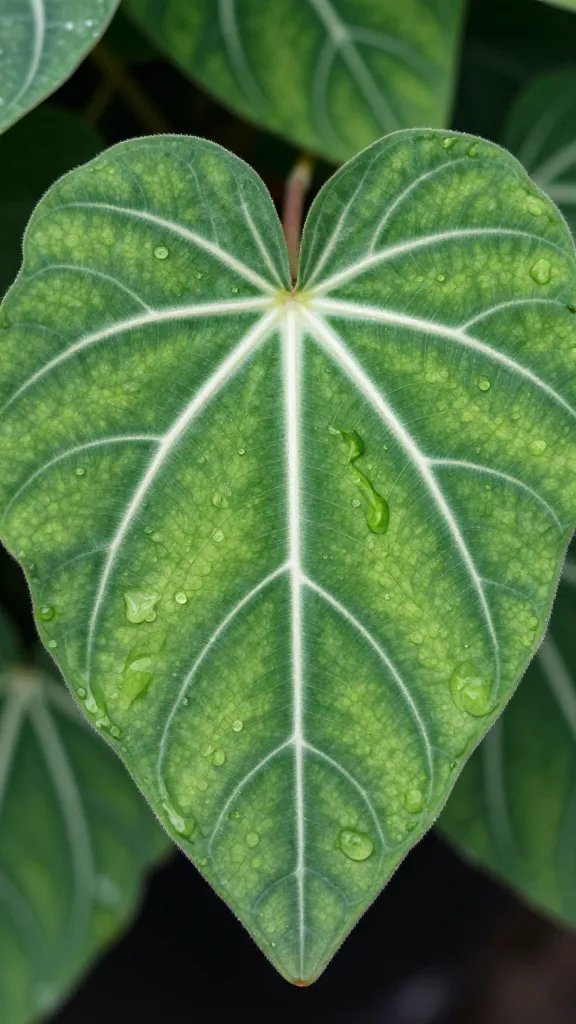
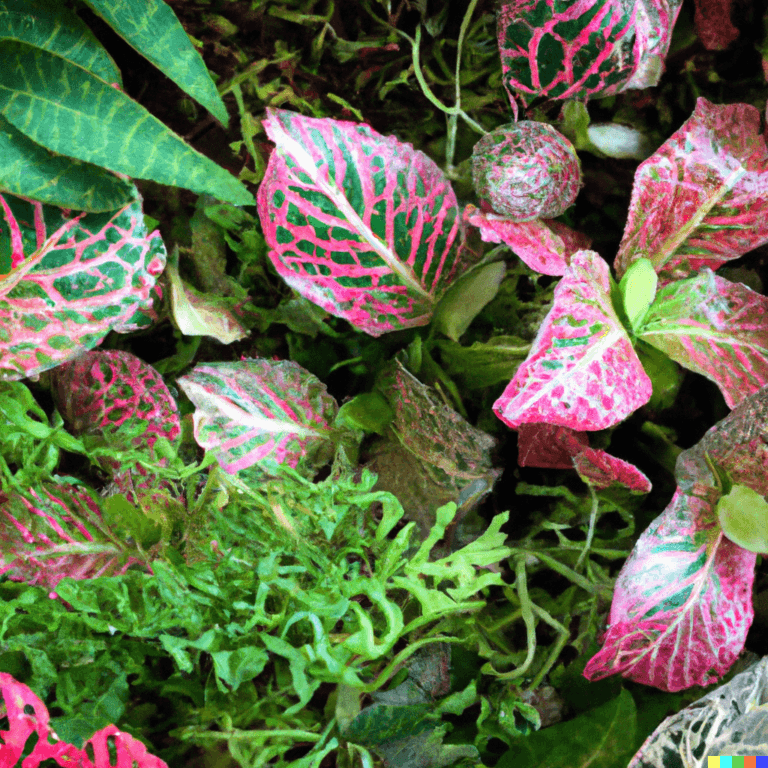
Fittonia evolved under dense tropical canopies with steady moisture in the air. In a home, humidity jumps when you mist or close a lid, then crashes when the sun warms the glass and you vent it. That swing dehydrates leaves faster than roots can replace water, so the plant “faints.”
In a terrarium, the tiny air volume magnifies changes. A bright morning can spike temperature by 5–10°C in an hour and drive a rapid transpiration surge. If the substrate isn’t evenly moist and well-aerated, the plant can’t keep up.
Action today: Place the terrarium in bright indirect light near a window that never gets hot sun on the glass; aim for a spot where your hand feels warm but not hot at midday.
The Real Killer: Waterlogged Substrate And Starved Roots
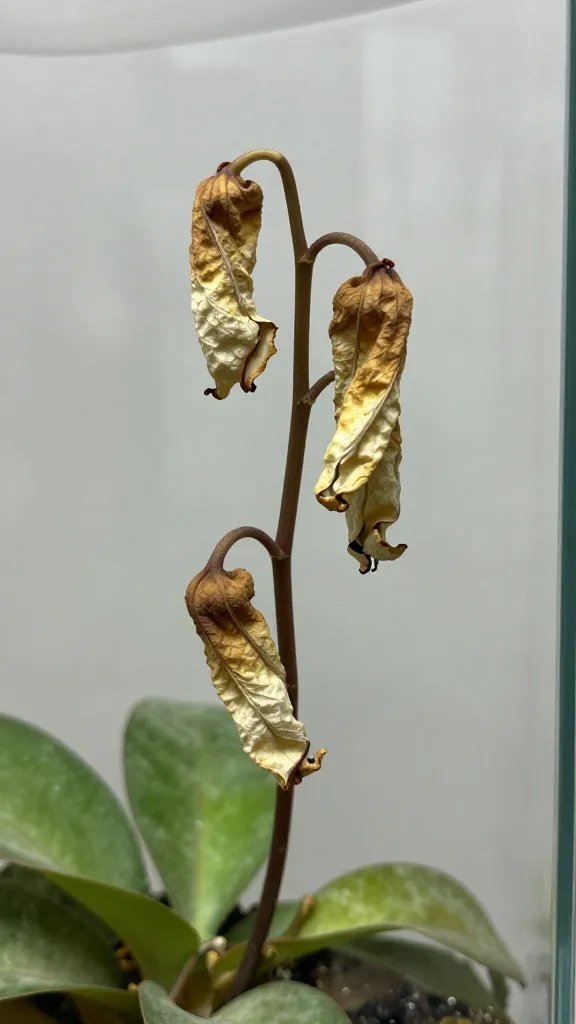
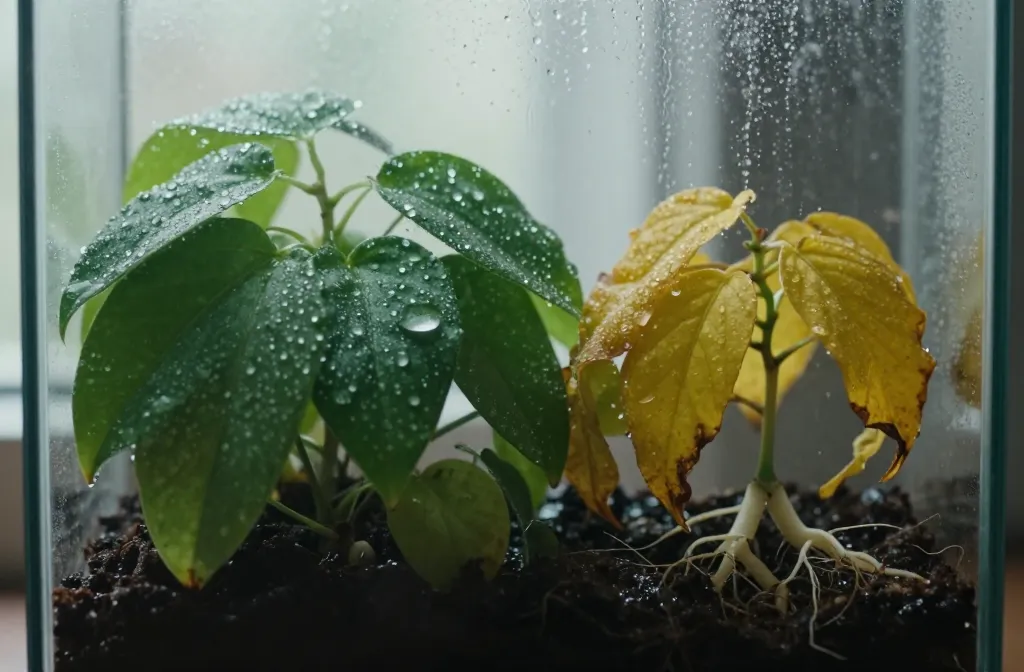
Beginners overcompensate for droop by pouring water. In a closed vessel, that creates an oxygen-poor swamp. Root rot organisms thrive, and roots stop pulling water entirely, so the top still wilts even while the base is soaked.
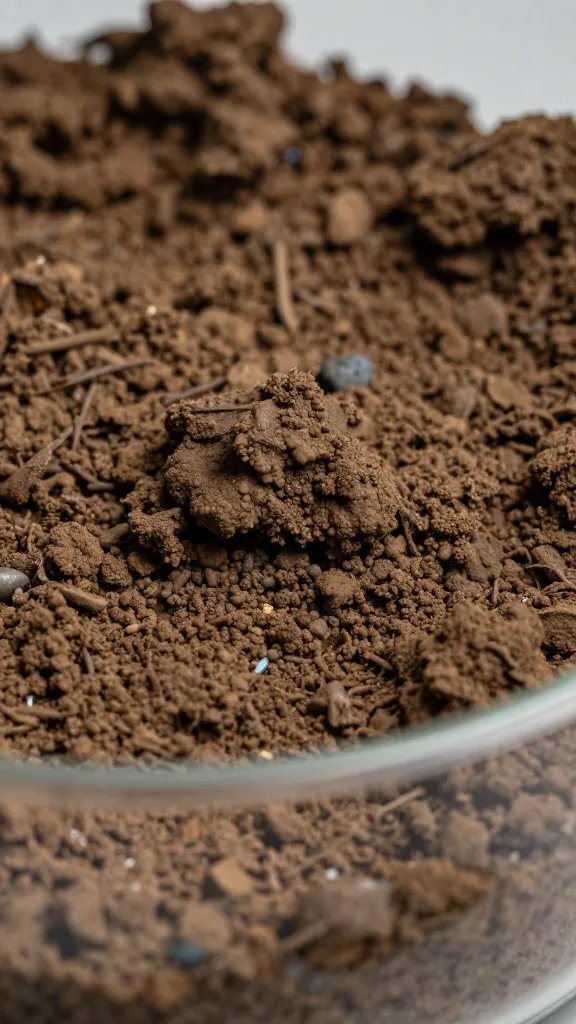
Most store “terrarium mixes” pack too fine and hold too much water. Without a coarse fraction and a drainage layer, water has nowhere to sit except around the roots. You don’t need lab gear — you need structure in the mix.
Useable Substrate Blueprint (From Standard Supplies)
- 40% good quality potting mix (no moisture crystals)
- 30% orchid bark or coarse pine bark chips
- 20% horticultural charcoal (filter-grade from a garden centre)
- 10% perlite or pumice
Rinse bark and perlite to remove dust, then mix until you see distinct chunks throughout. The goal: squeeze a handful and it holds shape but breaks apart with a tap.
Action today: If your Fittonia sits in pure potting soil, plan a re-build with the mix above and a 1–2 cm drainage layer of gravel or LECA at the bottom.
Humidity Crash: Why “Fainting” Fools You Into Overwatering
Fittonia leaves are thin and transpire quickly. When the lid comes off or the room dries out (winter heating, summer AC), leaves collapse within hours. That droop looks identical to underwatering, but the fix is air humidity, not a soil drench.
Misting only wets leaves for minutes and invites fungal spots. You need a slow, even moisture cycle inside the glass so humidity doesn’t nosedive between morning and evening.
Stabilise The Air Without Soaking The Roots
- After planting, evenly moisten the substrate with a spray bottle until it’s dark but not shiny-wet.
- Close the lid and watch condensation at midday. You want light speckling or a faint veil on 25–50% of the glass.
- Too much condensation? Vent for 1–2 hours. None at all for two days? Add 1–2 tablespoons of water to the substrate edges, not the crown.
Action today: Check your glass at midday; adjust by venting or adding two tablespoons of water, then recheck tomorrow at the same time.
Light And Heat: The Invisible Push Toward Rot
Direct sun on glass turns a terrarium into a slow cooker. Warm, still air speeds leaf water loss and forces you to water more, which sends roots into anoxic conditions. Bright shade or bright indirect light keeps metabolism steady and reduces watering pressure.
Fittonia reads as “low light tolerant,” but terrarium glass filters light. Near a bright window with sheer curtains is perfect. If you use a lamp, keep an LED 20–30 cm above the lid for 10–12 hours, and make sure the glass never feels hot to the touch.
Action today: Move the terrarium so the sun never lands directly on its glass; use a sheer curtain or shift it one metre back from a sunny pane.
The Rot Reality Check: Diagnose Before You Water
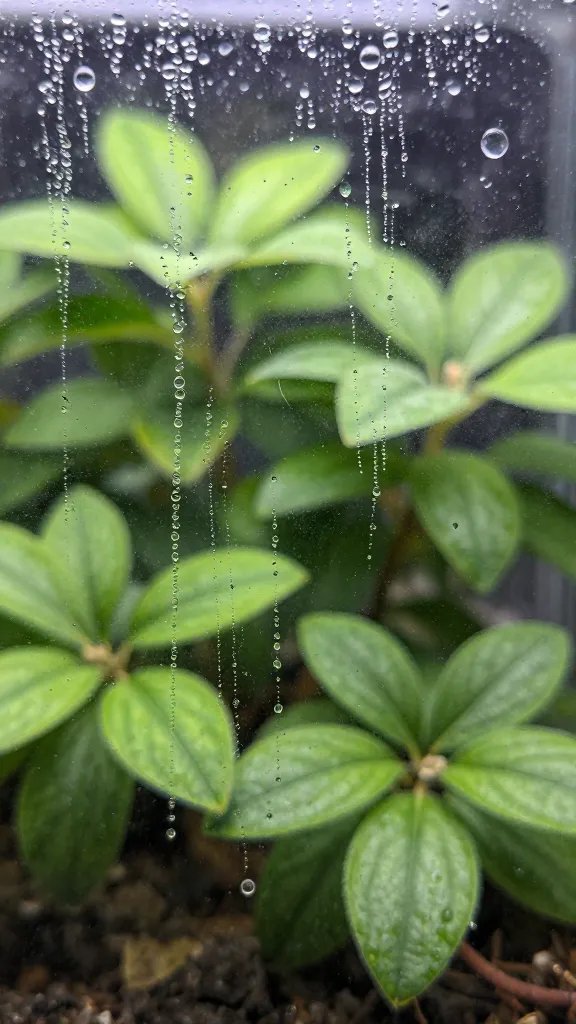
Wilting plus wet substrate equals rot until proven otherwise. Don’t add water. Confirm status, then act fast. Rot escalates in days inside a closed system.
Warning Signs Of Root Rot
- Soil smells sour or swampy when you open the lid
- Stems at the base feel mushy or brown
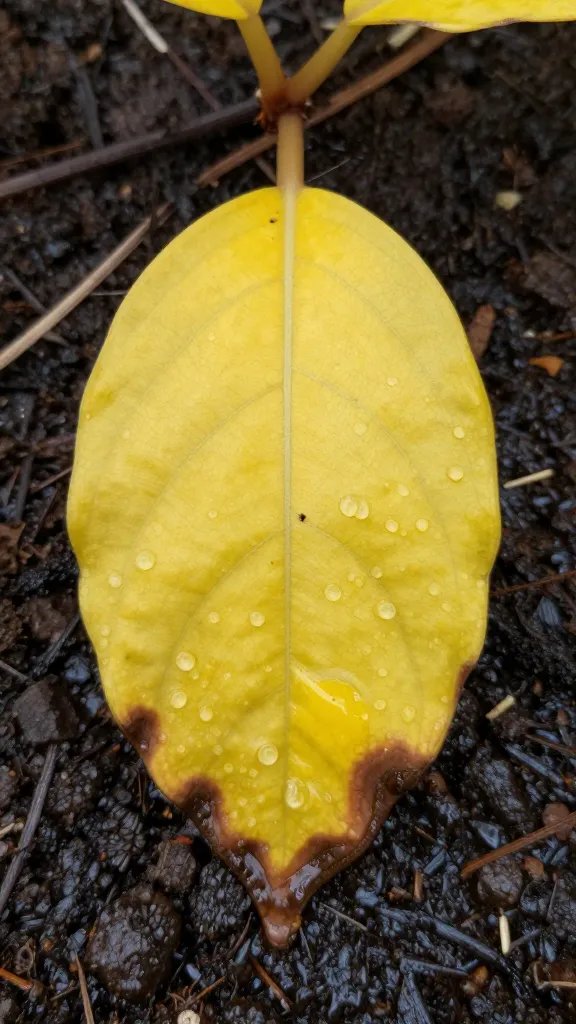
- Leaves yellow from the bottom while tips stay limp
- Condensation is heavy every morning and evening
Step-By-Step Recovery Protocol
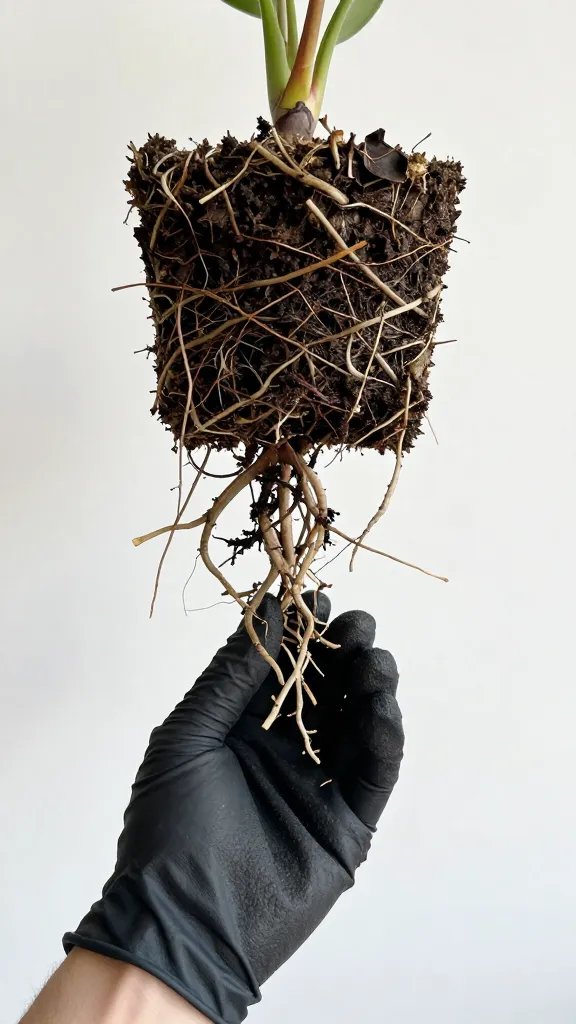
- Unpot the Fittonia gently. Rinse roots in room-temperature tap water.
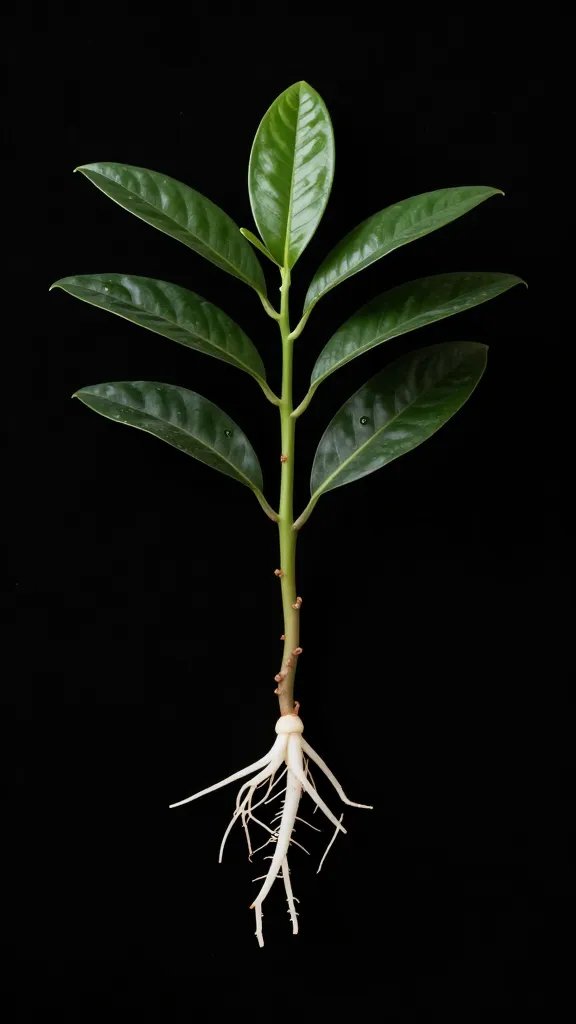
- Trim all brown, mushy roots and stems with clean scissors. Leave only firm, white roots and crisp stems.
- Dust cuts lightly with ground cinnamon (a simple household antifungal) and let the plant air for 20 minutes.
- Replace the substrate with the structured mix above; wipe the glass dry and remove any decaying leaves or moss.
- Replant slightly higher than before so the crown stays dry. Firm gently.
- Moisten with a spray bottle until substrate is evenly damp. Do not pour water.
- Leave the lid ajar with a pencil for 48 hours to improve oxygen while roots restart.
Action today: If your Fittonia droops and the soil smells off, unpot and inspect the roots before adding a single drop of water.
Daily And Weekly Care That Prevents Collapse
Small, consistent moves beat big corrections. I treat Fittonia like a humidity-dependent roommate: predictable schedule, no surprises.
Simple Routine
- Daily (10 seconds): Midday glass check for light condensation; adjust with a brief vent if heavy.
- Weekly (2 minutes): Feel the top 1 cm of substrate. If it’s still dark and cool, don’t water. If pale and dry, mist the surface lightly.
- Monthly (5 minutes): Lift the lid fully for 30 minutes to exchange air; wipe heavy algae from glass with a paper towel dampened in plain water.
- Every 3 months: Pinch back leggy Fittonia tips to keep a low canopy and reduce transpiration load.
Action today: Set a weekly phone reminder titled “Terrarium quick-check” so you never skip the two-minute inspection.
Build Choices That Stack The Odds In Your Favor
Small design tweaks stop 90% of future problems. I use them every time I rebuild or start fresh.
Material And Layout Recommendations
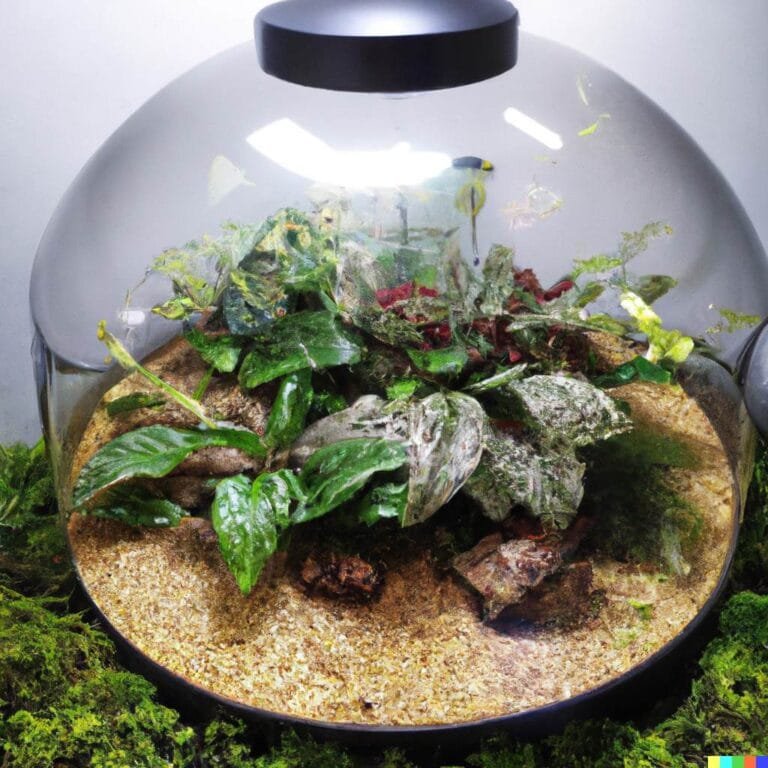
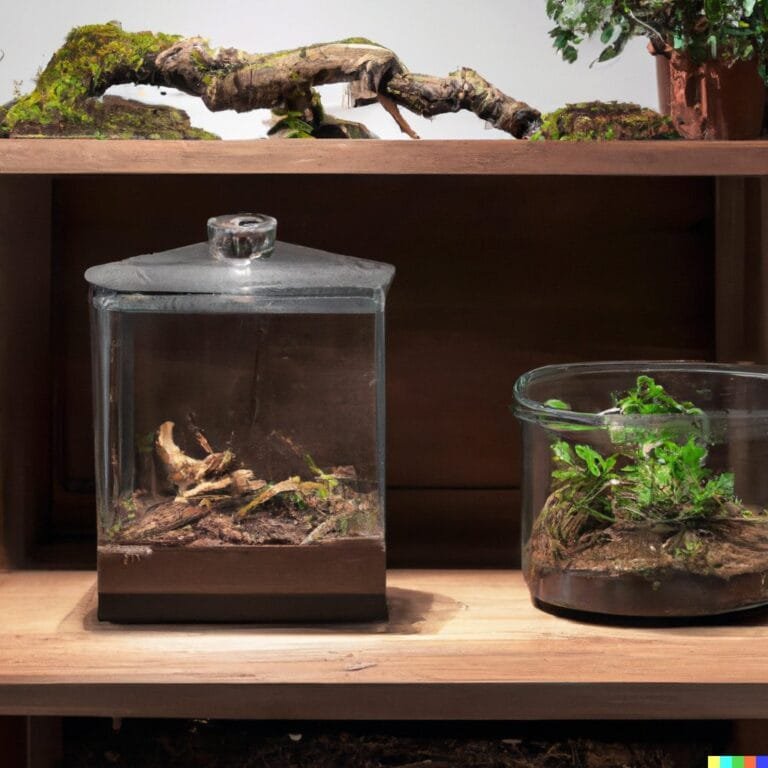
- Container: Choose one with a lid you can prop open. Straight sides are easier to clean than globes.
- Layers (bottom to top): 1–2 cm gravel or LECA, thin mesh or coffee filter, 6–8 cm structured substrate, plants, top dress with a light layer of moss or bark to reduce evaporation spikes.
- Companions: Add slow growers like Pilea glauca, Peperomia prostrata, or cushion moss for shared humidity without root aggression.
- Water quality: Use tap water that tastes clean, not salty; let it sit 24 hours if your chlorine is strong.
Action today: Add a coffee filter or mesh between drainage pebbles and soil to stop fine mix from clogging the base and turning anaerobic.
Frequently Asked Questions
Why does my Fittonia perk up after misting and then flop again?
Misting spikes leaf humidity for a few minutes, so the plant turgor returns temporarily. As the moisture evaporates, the air dries and leaves collapse again. Stabilise the environment instead: close the lid, set the terrarium in bright indirect light, and adjust condensation at midday with brief venting rather than repeated misting.
How wet should the soil feel for a healthy Fittonia terrarium?
The top 1 cm should feel cool and slightly damp, not muddy. When you squeeze a pinch, it should hold shape but crumble with a light tap. If it leaves water on your fingers or looks glossy, it’s too wet; vent the lid for 1–2 hours daily until condensation eases.
Can I save a Fittonia with mostly rotted roots?
Yes, if any firm white roots or healthy stem nodes remain. Trim all rot, reduce the plant to a few healthy shoots, and replant in a fresh, airy mix. Keep the lid propped open for 48 hours, then close and maintain light condensation. New roots form within 2–3 weeks when oxygen and moisture balance returns.
Is drainage necessary in a closed terrarium if water never leaves?
Yes. A drainage layer provides a safe zone for excess water so the root zone stays oxygenated. Without it, water saturates the mix and starves roots. Use 1–2 cm of gravel or LECA with a barrier layer (mesh or coffee filter) before adding substrate.
What light is best if I don’t have a bright window?
Use a simple LED desk lamp positioned 20–30 cm above the terrarium for 10–12 hours daily. Choose a neutral white bulb (labeled “daylight” or around 4000–6500K). Ensure the glass never feels hot; raise the lamp or reduce hours if it does.
How do I tell humidity crash from underwatering in a terrarium?
Check the glass and the substrate surface. If you see recent condensation and the top layer feels cool and slightly damp, you have a humidity or heat issue, not lack of water. Move to stable light and vent briefly; only add 1–2 tablespoons of water if there’s no condensation for two straight days.
Conclusion
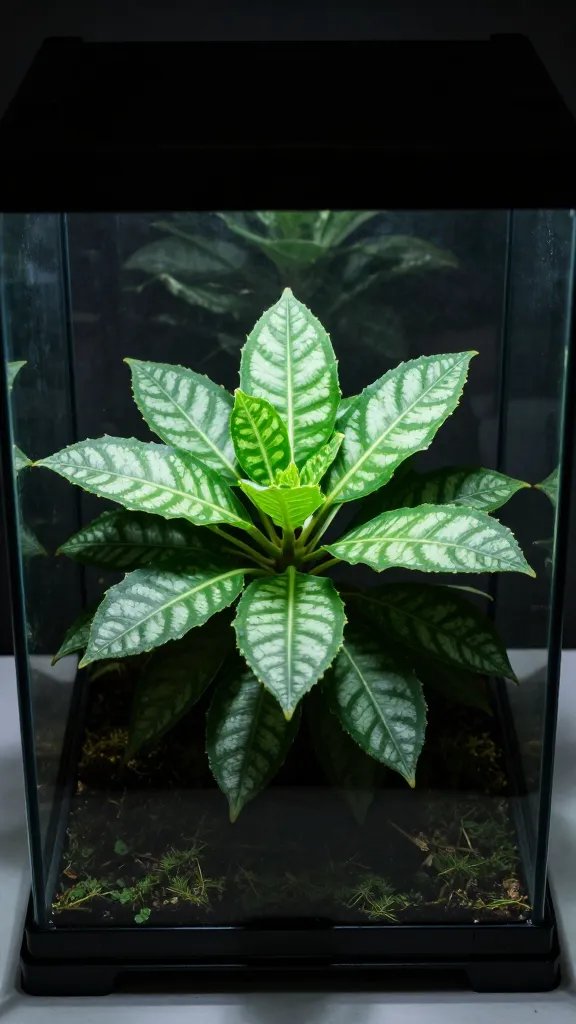
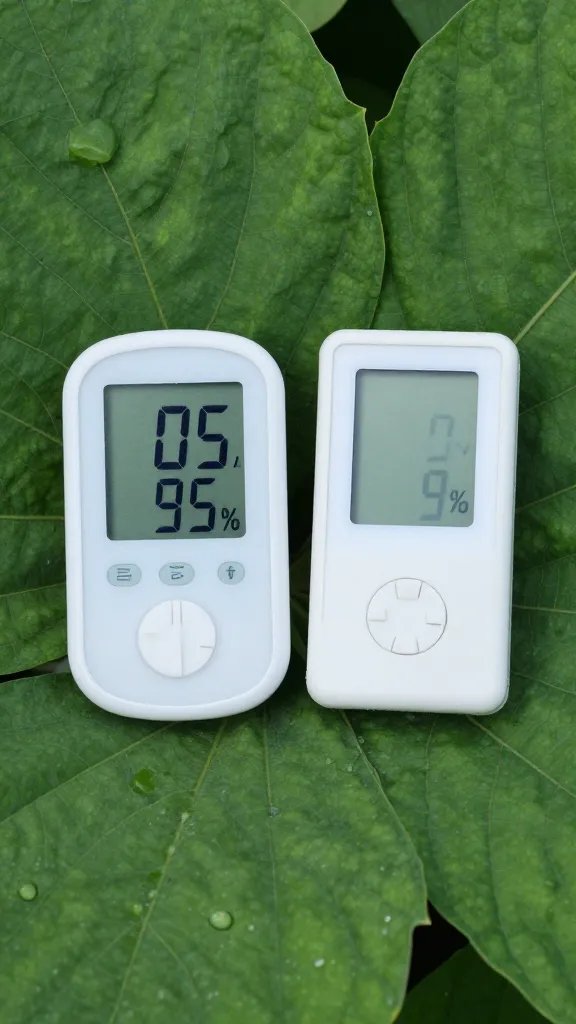
You don’t need gadgets to keep Fittonia thriving in glass — you need steady humidity, oxygen around the roots, and gentle light. Start with a structured substrate, control condensation at midday, and treat droop as a diagnostic moment, not a watering cue. If you’re rebuilding today, follow the recovery protocol step by step and set a weekly check reminder; the plant will tell you you’ve nailed it when it stays perky for a full week without emergency misting.