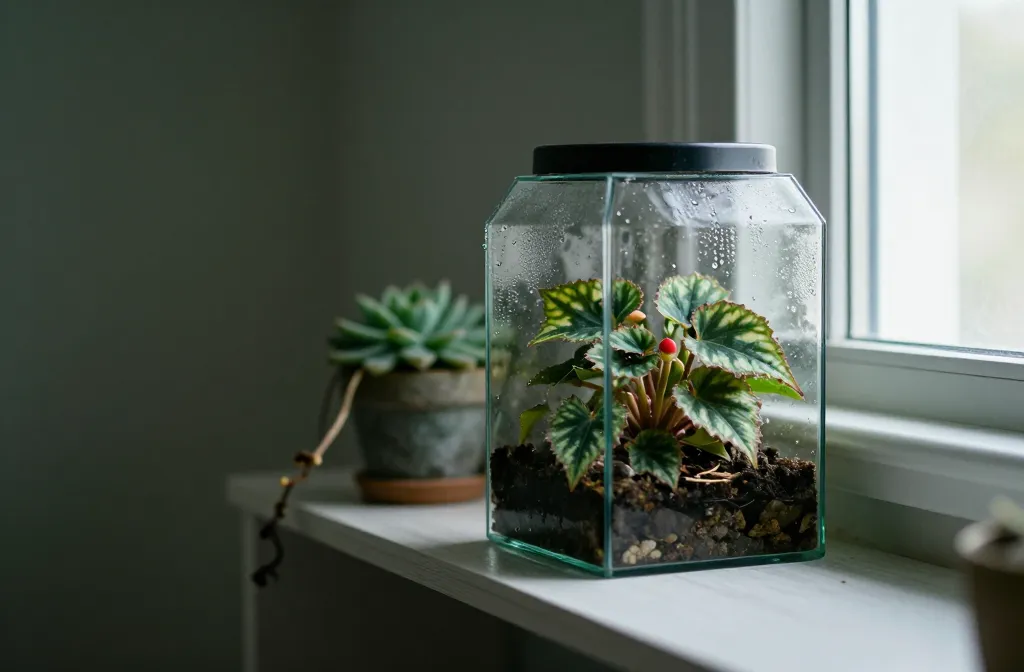
The Secret to How to Grow Begonias in a Terrarium — Why They Outperform Succulents in Low Light
I tried cramming a windowsill succulent collection into a dim hallway and watched them stretch, rot, and give up. When I swapped them for miniature begonias in a closed glass jar, the plants stayed compact, colorful, and worry-free. If your home has more shade than sun, this guide shows you how to set up a begonia terrarium that thrives and why begonias beat succulents where light is limited.
Why Begonias Win in Low Light While Succulents Fail
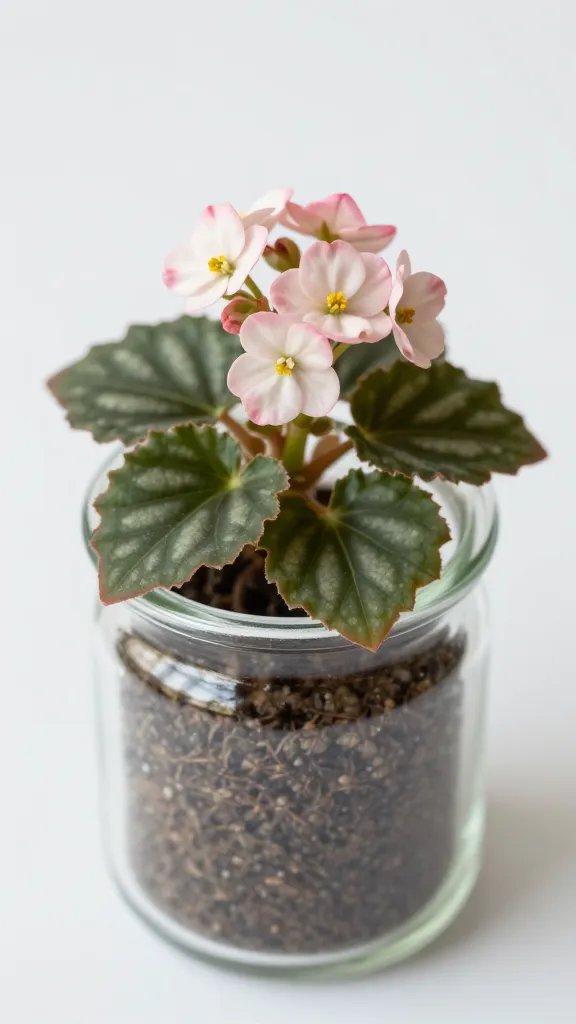
Succulents evolved for intense sun and dry air. In low light, they grow leggy, lose color, and the damp air of a terrarium rots their stems.
Begonias come from shaded, humid forest floors. They keep rich color and compact growth under bright indirect light and love the consistent moisture of a closed container.
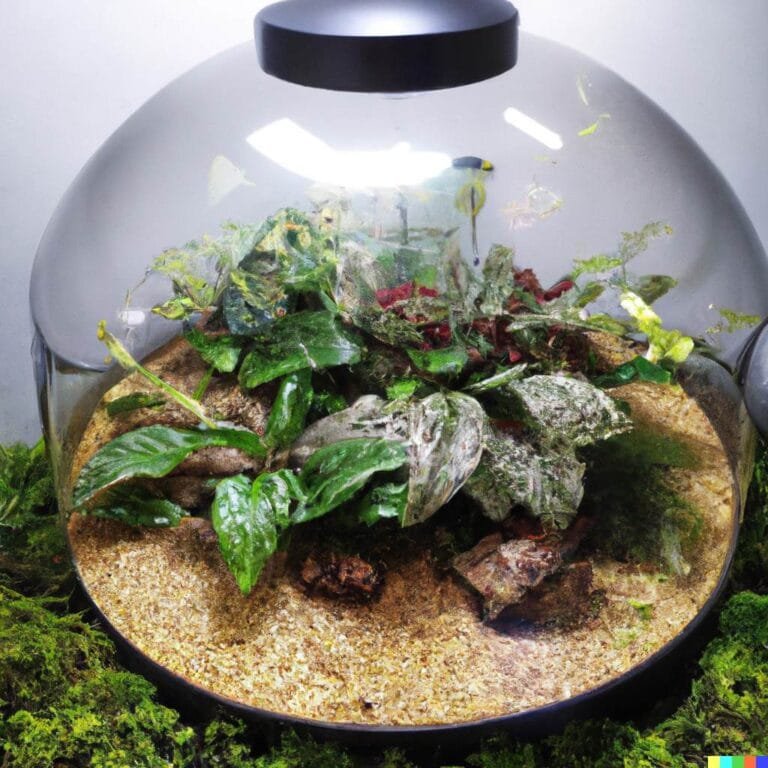
Think of a terrarium as a tiny, shaded forest. You choose plants that expect canopy light and misty mornings — begonias check both boxes.
Action today: If your display spot doesn’t get at least bright indirect light near a window, plan for begonias, not succulents.
Pick the Right Begonias for Glass
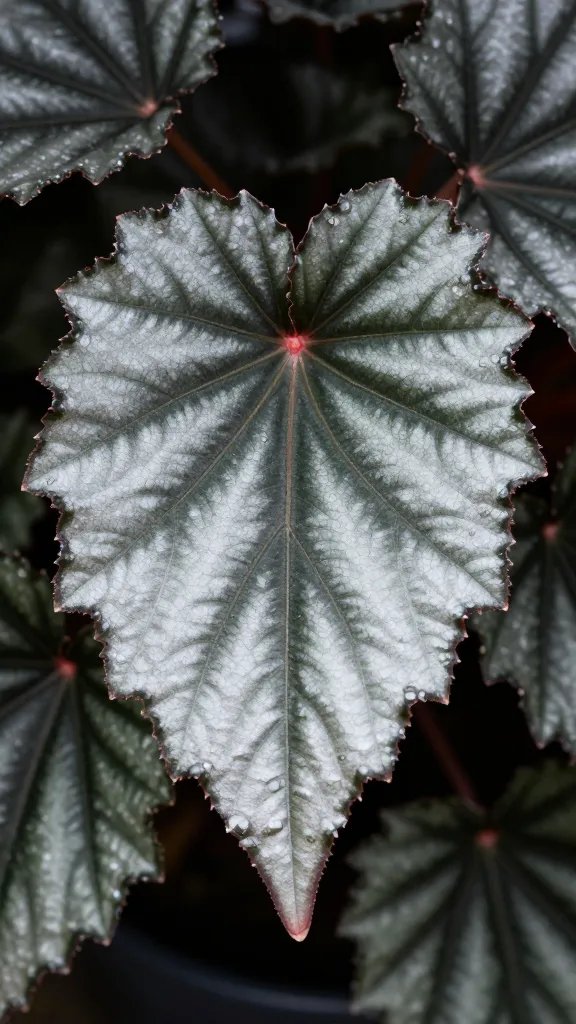
Not every begonia fits a jar. I choose compact types that enjoy humidity and stay under 15–20 cm tall.
Reliable Terrarium-Friendly Begonias
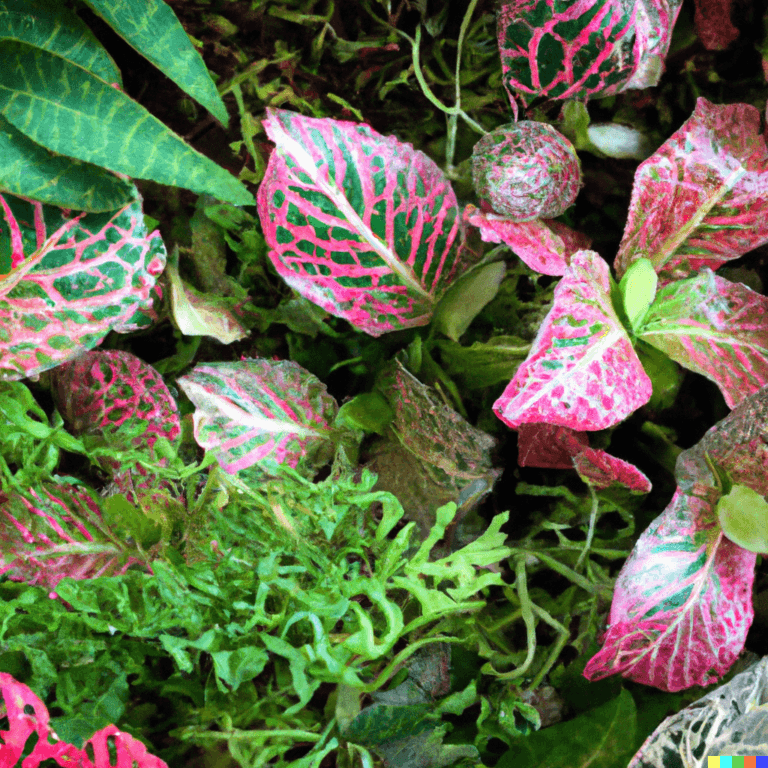
- Begonia ‘Tiger Paws’ (B. bowerae cultivars): Small leaves, bronze/green patterns, stays tidy.
- Begonia ‘Erythrophylla’ (Beefsteak): Round leaves, rich color, slow, forgiving growth.
- Begonia ‘Kit Kat’/‘Little Brother Montgomery’: Compact rex types that color well without harsh light.
- Begonia prismatocarpa and B. foliosa (shrubby/minis): Fine foliage, dainty flowers, love humidity.
- Micro rex hybrids labeled “terrarium suitable” at garden centres.
Plants to Skip
- Large cane begonias (angel wings): Outgrow containers fast.
- Thick-stem succulents and cacti: Hate humidity and low light.
Action today: At the garden centre, look for labels that say “mini,” “terrarium,” or plants under 10 cm tall with tight internodes.
Set Up the Terrarium for Stable Humidity and Clean Roots
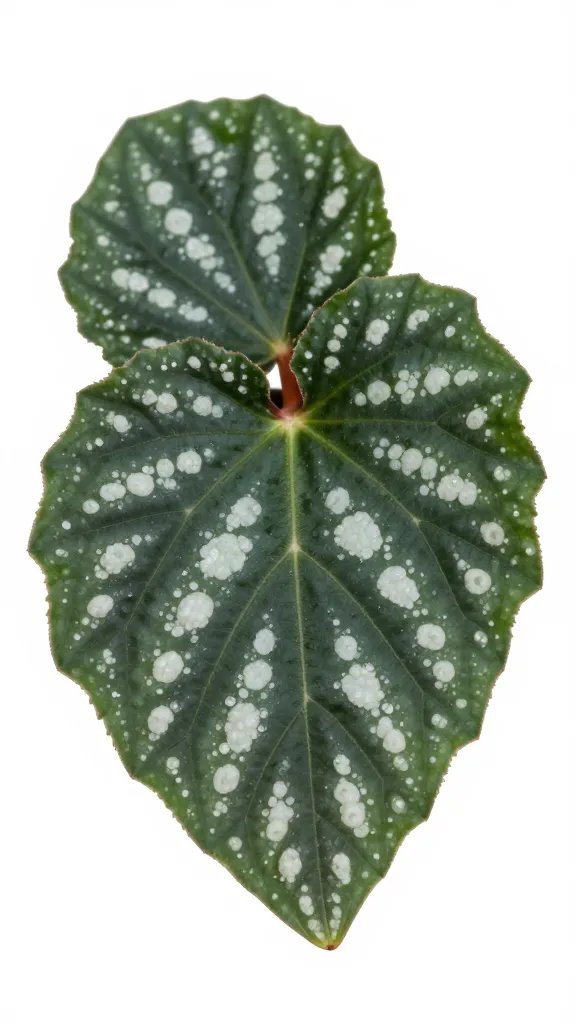
You don’t need lab gear — just simple layers that keep roots aerated and the glass clean.
Materials You Can Find Easily
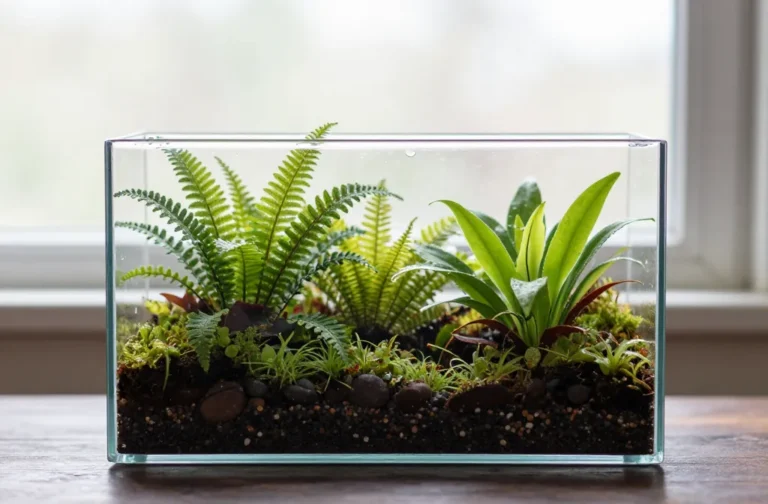
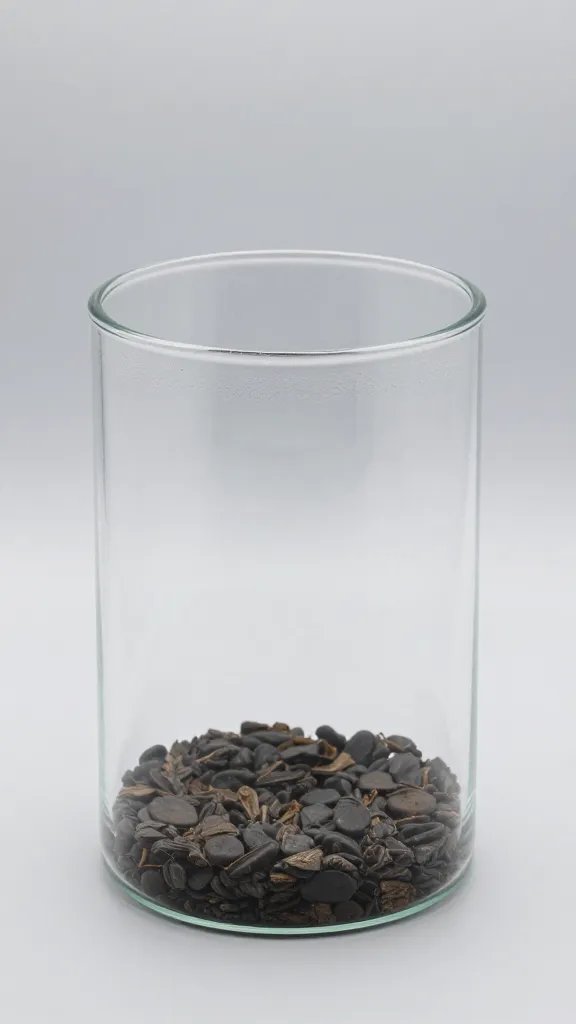
- Glass container with a lid (a jar or cookie tin with a glass window). Aim for a mouth wide enough to fit your hand.
- Leca or aquarium gravel for a 2–3 cm drainage layer.
- Activated charcoal (aquarium aisle) for a thin sprinkle to reduce odors.
- Good quality potting mix plus orchid bark or perlite (mix 3 parts potting soil to 1 part bark or perlite).
- Long tweezers or chopsticks, a small spoon, and paper towels.
Step-by-Step Build
- Wash and dry the container. Wipe inside glass with a paper towel to remove residue.
- Add 2–3 cm of leca or gravel. This catches excess water and keeps soil off the glass.
- Sprinkle a very thin layer of activated charcoal.
- Add 4–6 cm of your potting mix blend. Press lightly to level but don’t compact hard.
- Pre-moisten the soil so it feels evenly damp like a wrung-out sponge — no puddles.
- Plant begonias slightly high so leaves don’t touch the glass. Use tweezers to place.
- Mulch bare spots with a thin layer of cleaned sheet moss if you like. Avoid smothering crowns.
- Wipe any soil off the glass. Mist once or twice to settle dust. Fit the lid.
Action today: Mix a small batch of potting soil with a handful of orchid bark so you’re ready to plant without compaction issues.
Light and Placement That Keep Begonias Compact
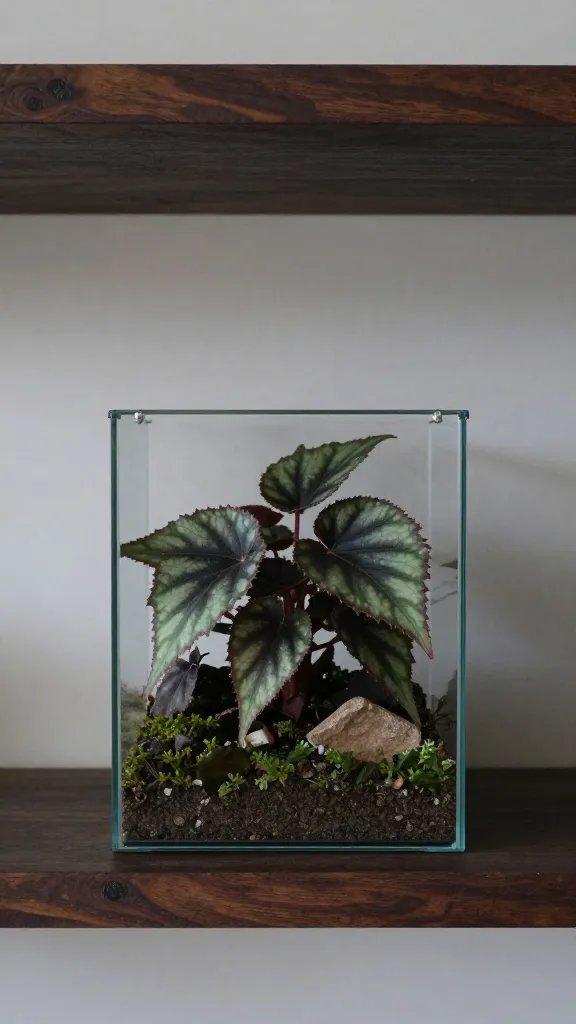
Put the terrarium where you can read a book comfortably during the day without switching on lights: that’s bright indirect light.
A north or east window works best. For west or south windows, set the terrarium 1–2 meters back or filter light with a sheer curtain to prevent leaf scorch and glass-oven heat.
Avoid shelves right under heat vents or against cold draughty panes. Consistent room temperatures between 18–24°C keep growth steady.
Action today: Stand where you plan to place the terrarium at midday. If the sunbeam hits the glass directly, move it 1 meter back or add a sheer.
Watering a Closed System Without Drowning It
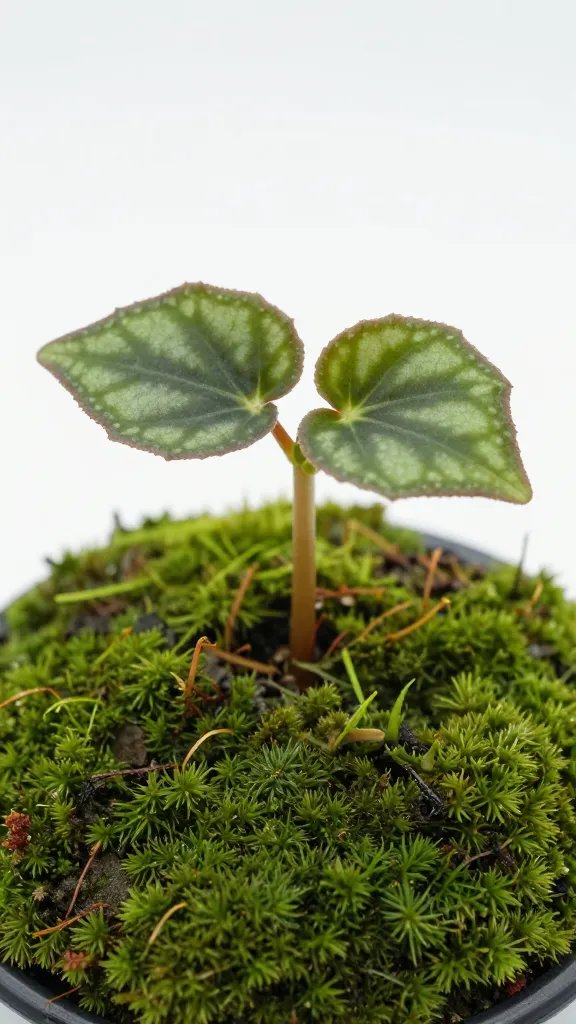
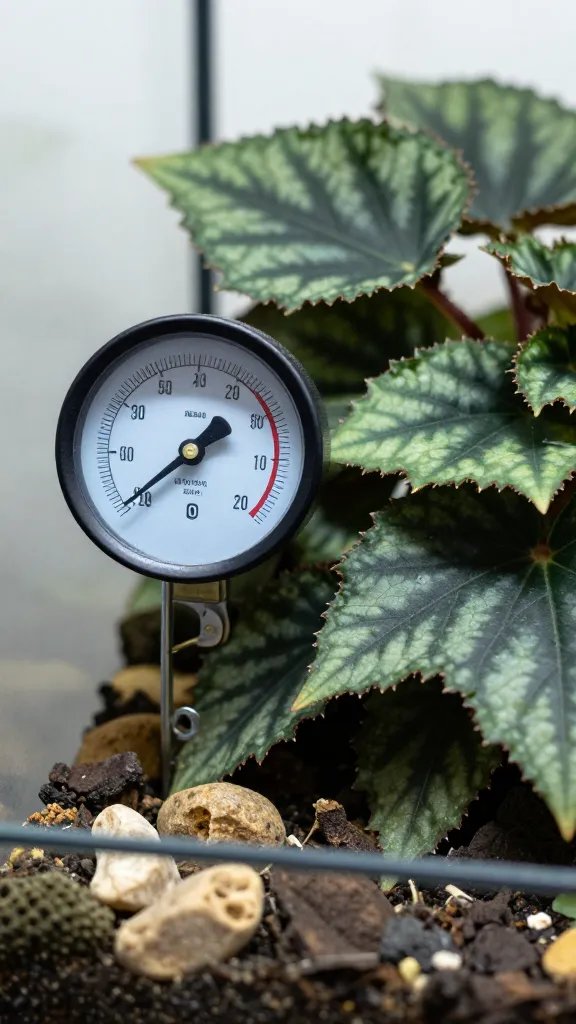
I set moisture once, then I leave it alone. The lid recycles water through condensation.
Condensation Check
- Ideal: A light mist on the glass in the morning that clears by afternoon.
- Too wet: Heavy droplets running down all day, soggy soil, and limp leaves.
- Too dry: No condensation for several days, leaves feel papery, soil lightens in color.
If it’s too wet, open the lid for 2–4 hours and blot standing water with a paper towel. If too dry, mist the soil surface 5–10 sprays, then close.
Action today: Check your terrarium at midday. If more than half the glass is fogged, crack the lid for two hours.
Pruning, Feeding, and Cleanliness Keep Color Sharp
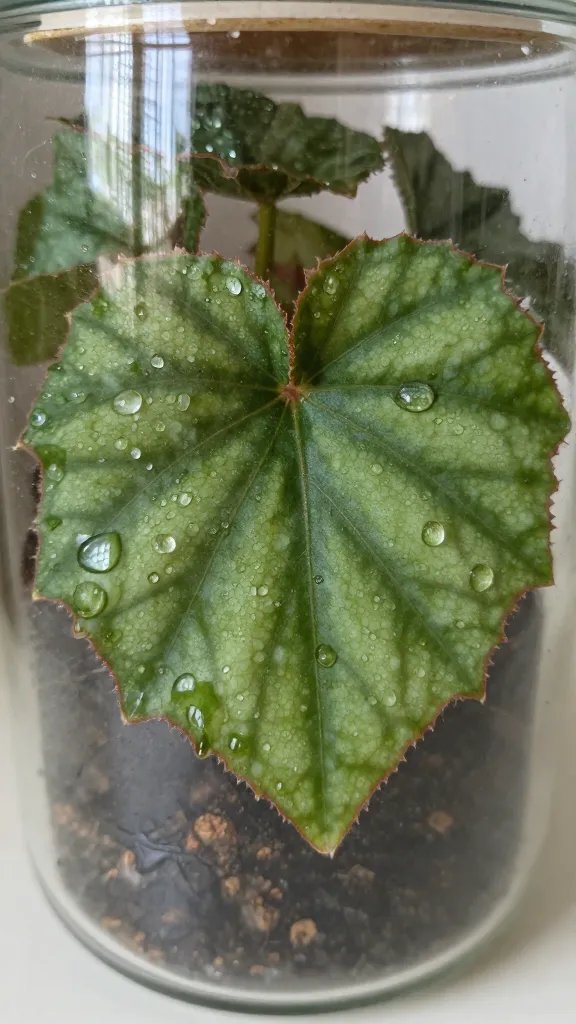
Begonias respond to small, regular trims. I pinch back leggy tips to the next leaf node to keep compact rosettes.
Feed lightly during spring and summer. Use a standard houseplant fertilizer at one-quarter strength every 6–8 weeks. Skip feeding in winter.
Remove any yellowing leaf the day you see it. Dead foliage equals mold fuel in a humid jar.
Action today: Pinch one stem tip back to just above a leaf to encourage a fuller shape.
Common Problems You’ll Actually See — And Exact Fixes
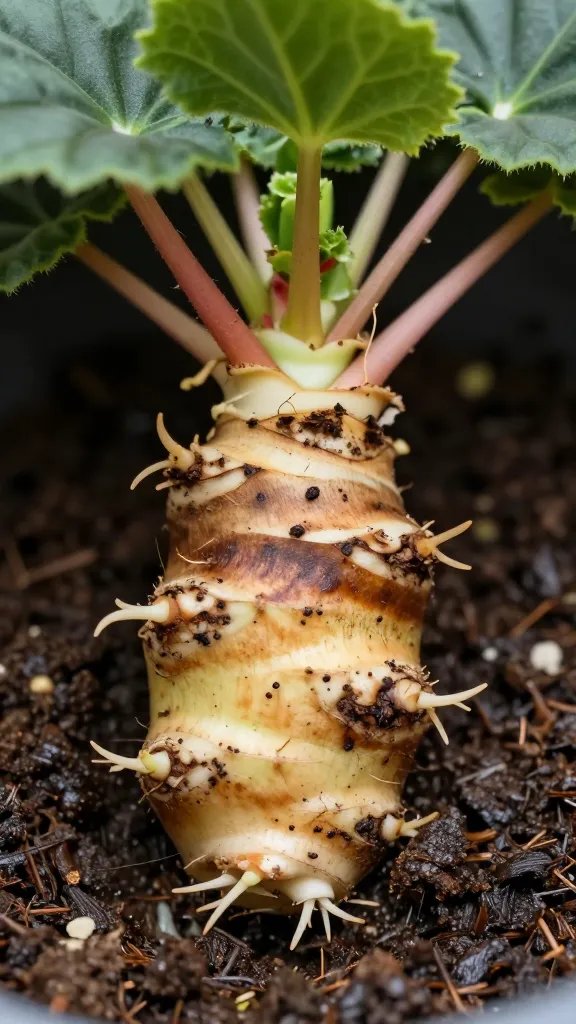
Warning Signs
- Mold fuzz on soil or leaves: Air too stagnant or organic debris left inside.
- Leaf edges crisping: Air too dry from frequent lid opening or direct sun heat.
- Leaves melting/transparent patches: Overheating or prolonged condensation dripping on leaves.
- Leggy, pale growth: Light too weak or blocked by curtains/shelves.
Step-by-Step Fixes
- For mold, remove affected bits with tweezers, wipe glass, then open the lid 2–3 hours daily for three days. Keep foliage off the soil.
- For crispy edges, move 30–60 cm closer to bright indirect light and keep the lid on except for weekly checks.
- For overheating, relocate out of direct sun and rotate the container so leaves don’t press against glass.
- For legginess, shift to a brighter spot and pinch stems back to a lower healthy leaf.
Action today: Do a 60-second inspection and remove any leaf that touches the glass or lies on the soil.
Frequently Asked Questions
Do begonias need a closed or open terrarium?
Most small begonias prefer a closed terrarium because it holds humidity and keeps leaves from crisping. I use a lid that fits well but isn’t airtight so a tiny bit of exchange happens. If you notice heavy condensation all day, prop the lid open with a coin for two hours. Open terrariums work only in rooms that already feel humid and draft-free.
How often should I water a begonia terrarium?
Set moisture during the build and then adjust monthly. If the glass stays dry for three days in a row, mist the soil 5–10 sprays and close the lid. If droplets run down the glass all day, air it out for 2–4 hours and blot puddles. Avoid pouring water unless the soil feels dry well below the surface.
Can I mix begonias with moss and other plants?
Yes, pair them with humidity lovers that stay small: cushion moss, small ferns like button fern, and tiny peperomias. Keep taller plants to the back so leaves don’t press on the glass. Avoid thirsty, fast growers that shade begonias completely. Leave a few centimeters of open soil for airflow.
Why are my begonia leaves turning brown at the edges?
Brown edges come from dry air or heat spikes. Move the terrarium out of direct sun, keep the lid on consistently, and check that vents or radiators don’t blast it. Trim damaged edges with clean scissors and resume light feeding in spring to support new growth. Expect improvement within two to three weeks.
Will grow lights help if my room is very dim?
Yes, a small desk grow light set 30–45 cm above the terrarium on a 10–12 hour timer keeps color strong. Use a cool-running LED so you don’t bake the glass. Aim for gentle brightness like an overcast day, not a spotlight. Keep at least a hand’s width between the light and the lid to avoid heat buildup.
Conclusion
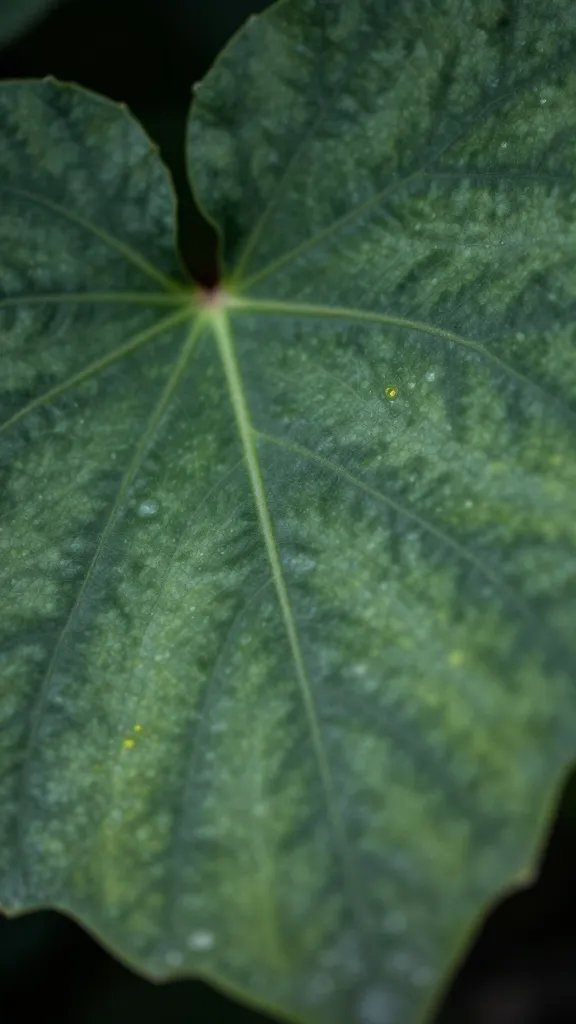
If your home doesn’t bathe plants in sun, stop forcing succulents to live on crumbs. A simple, lidded glass container with compact begonias gives you lasting color and low effort in the exact conditions you already have. Pick one mini begonia this week, set up the drainage and soil layers, and place it near your brightest indirect light — you’ll see the payoff every time you walk past that healthy little forest under glass.