Why Your Basil Bolts Before You Can Use It — Day Length, Temperature and the Pinching Technique Secrets
I’ve watched perfect little basil seedlings turn into spindly towers with flower spikes while I was still planning pesto night. I used to blame watering, but the real culprits were light length, heat, and my hesitation to pinch. Once I fixed those, my plants stayed bushy and sweet for months. In this guide, I’ll show you exactly how to stop bolting and keep your basil harvest-ready through the season.
How Day Length Triggers Basil to Flower
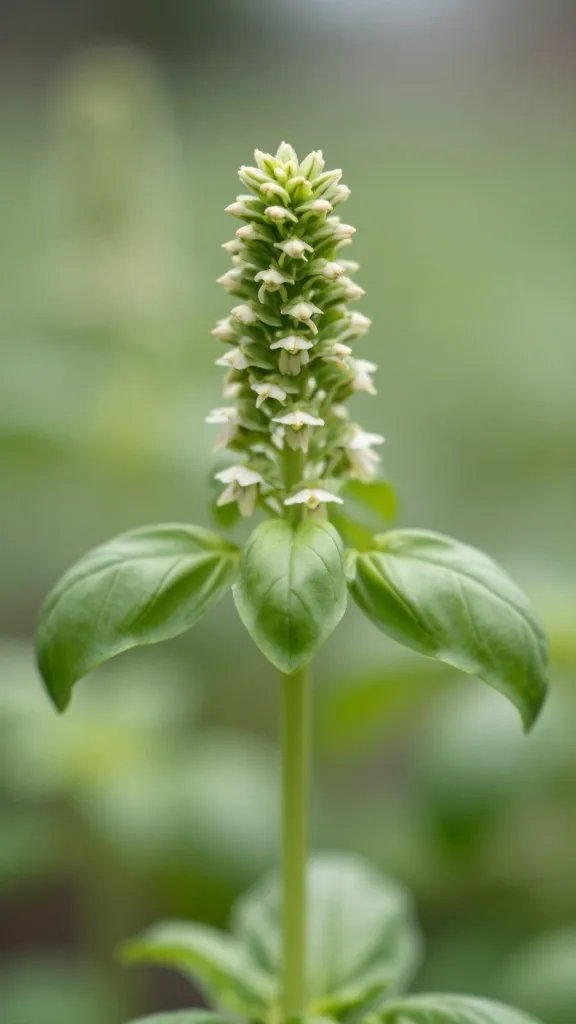
Basil is sensitive to how many hours of light it gets. Long summer days push it from leaf-making into reproduction — flowering — much earlier than you expect.
Outdoors, anything near midsummer day length (14–16 hours) encourages a bloom surge. Indoors under bright windows, leaving lights on late does the same thing.
Once basil flowers, the leaves turn smaller and the flavor drifts bitter. The plant diverts energy away from the foliage you want to eat.
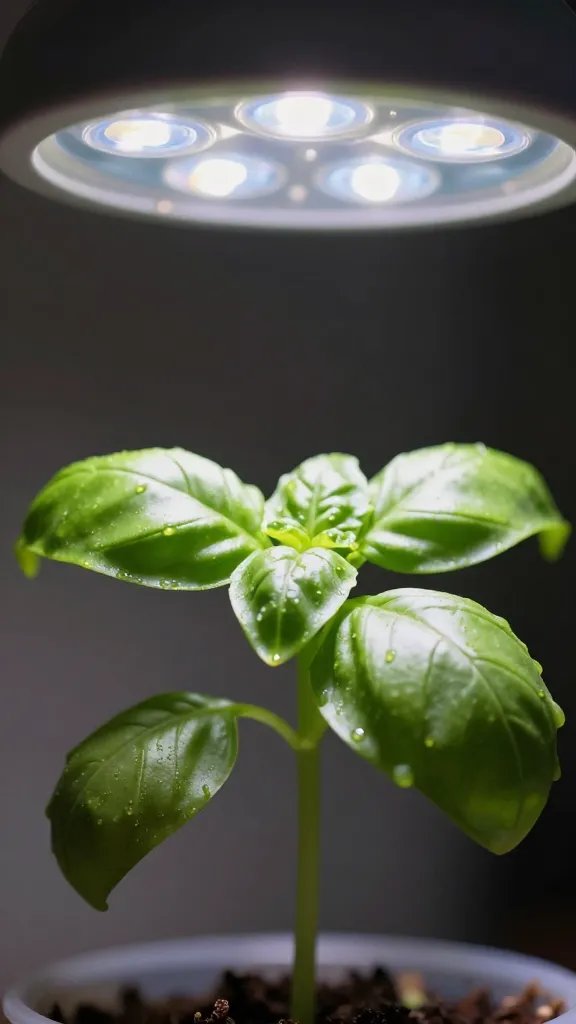
Action today: If you grow under lights, run them for 12–13 hours, not “all evening.” If outdoors, plan to harvest and pinch weekly from late spring, when days pass 13 hours.
Temperature: The Hidden Accelerator of Bolting
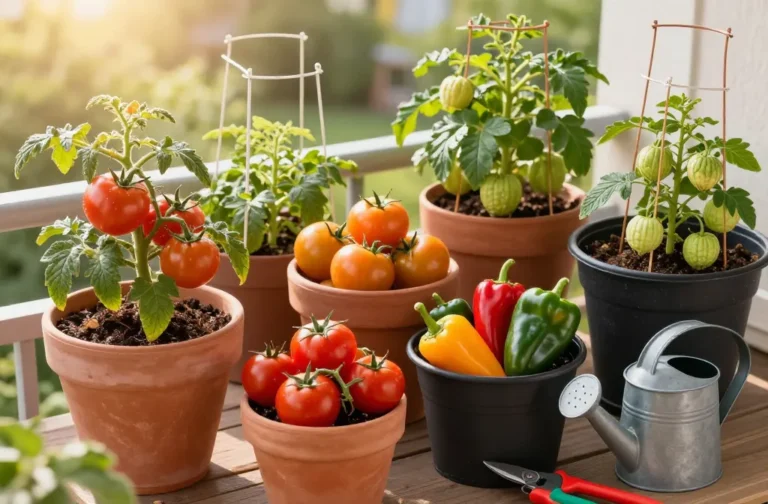
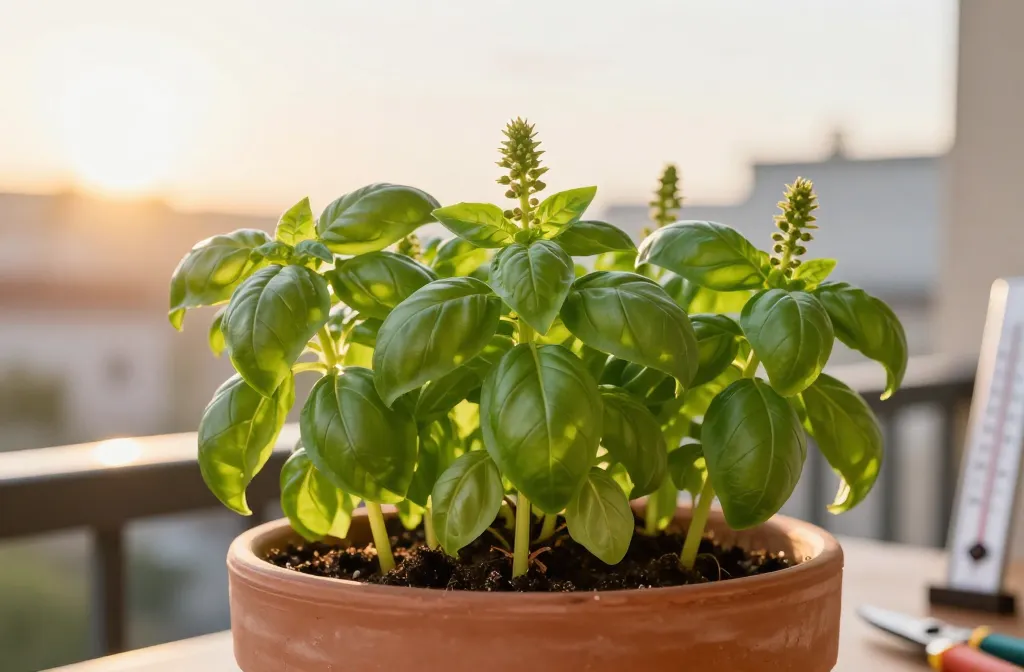
Heat speeds up bolting even more than day length. Basil loves warmth for growth, but steady highs above 29–30°C (85–86°F) push it to flower fast, especially in small black pots on sunny balconies.
Short heat spikes matter. A hot weekend can trigger buds that open a week later, even if weather cools.
Cool nights help. Basil that gets relief down to 16–20°C (60–68°F) stays vegetative longer than plants that bake day and night.
Action today: Move pots off baking concrete at midday. Give afternoon shade with a patio chair, an umbrella, or a sheer curtain from 2–5 p.m. to keep leaf temps down.
The Pinching Technique That Keeps Basil Leafy
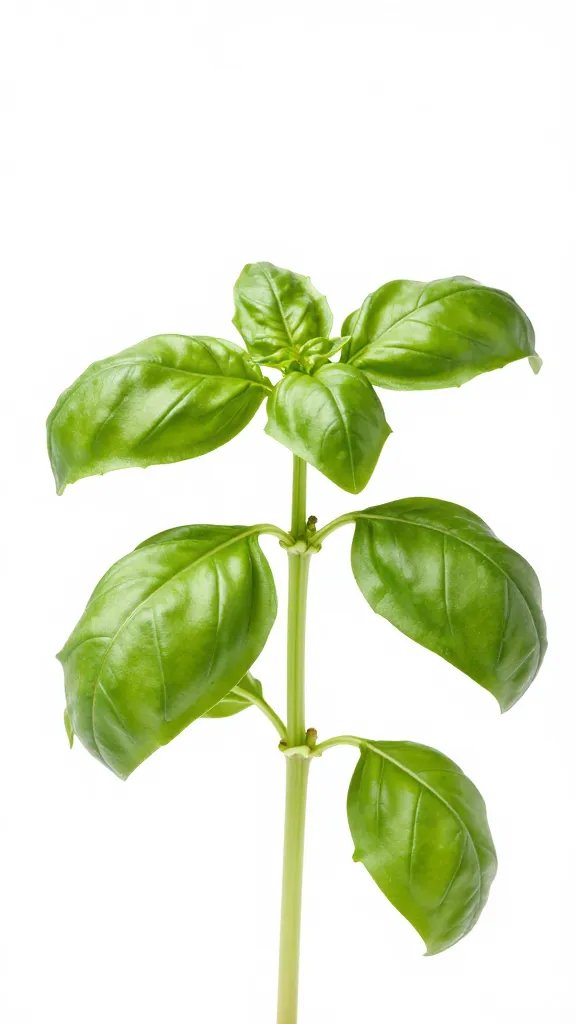
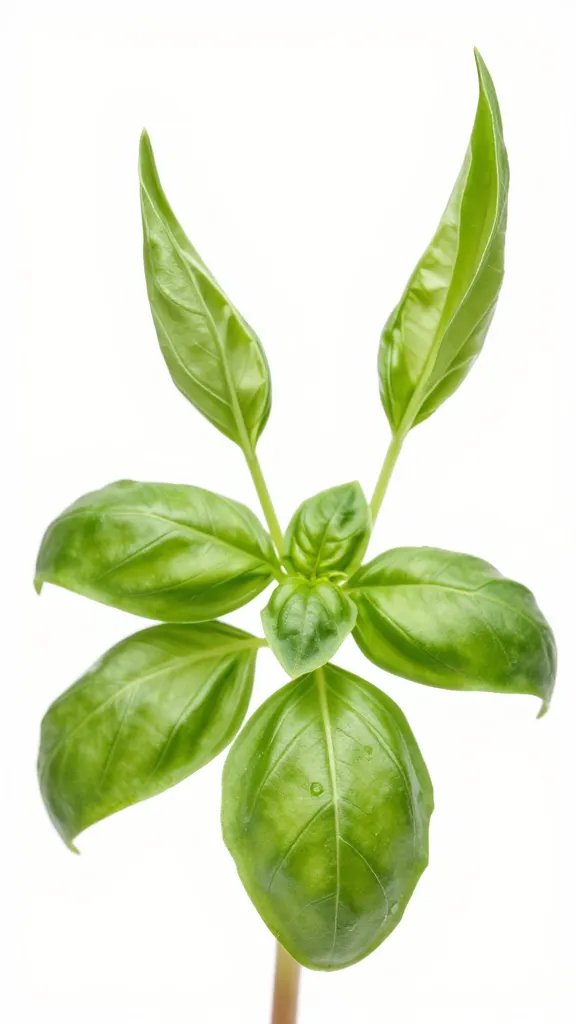
Flowers appear at the tips. When you pinch above a pair of leaves, you remove the dominant tip and force two side shoots to take over, doubling your harvest points and delaying flowering.
Pinch early, not after a tall stem forms. I start when plants have 4–6 true leaves, then every 7–10 days during peak growth.
Always leave at least two leaf pairs below your cut so the plant has energy to regrow.
Step-By-Step: Perfect Basil Pinch
- Find the top cluster where two small leaves face each other.
- Pinch or snip the stem just above that leaf pair — no stubs.
- Repeat across all main stems to keep the canopy even.
- Use the pinched tops fresh; they’re the tender tips chefs prize.
Action today: Walk to your basil and pinch every stem back to just above a healthy leaf pair. Set a recurring weekly reminder.
Watering and Feeding for Steady, Leaf-First Growth
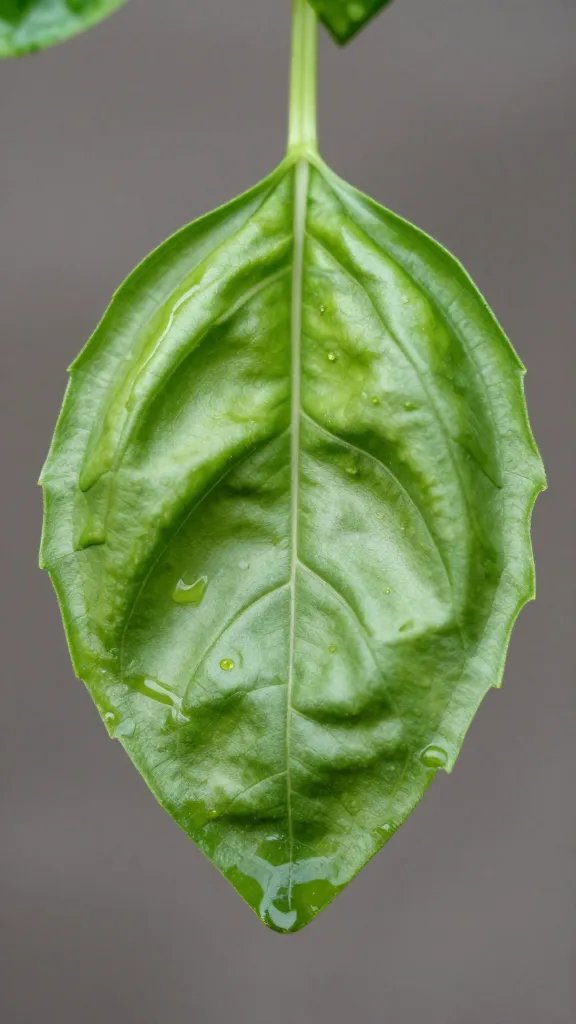
Overstressed basil bolts. Letting pots swing from bone-dry to soggy tells the plant “finish your life cycle.” Aim for even moisture.
Use a good quality potting mix from the garden centre, not garden soil. Water when the top 2–3 cm (about an inch) feels dry. Water until a little drains out, then empty saucers.
Feed lightly every 2–3 weeks with a balanced liquid fertilizer at half strength. Heavy feeding in heat increases bitterness and doesn’t stop bolting.
Action today: Press a finger into the soil up to your first knuckle. If dry, water thoroughly and drain the saucer within 10 minutes.
Pot Size, Sun Exposure, and Airflow Matter More Than You Think
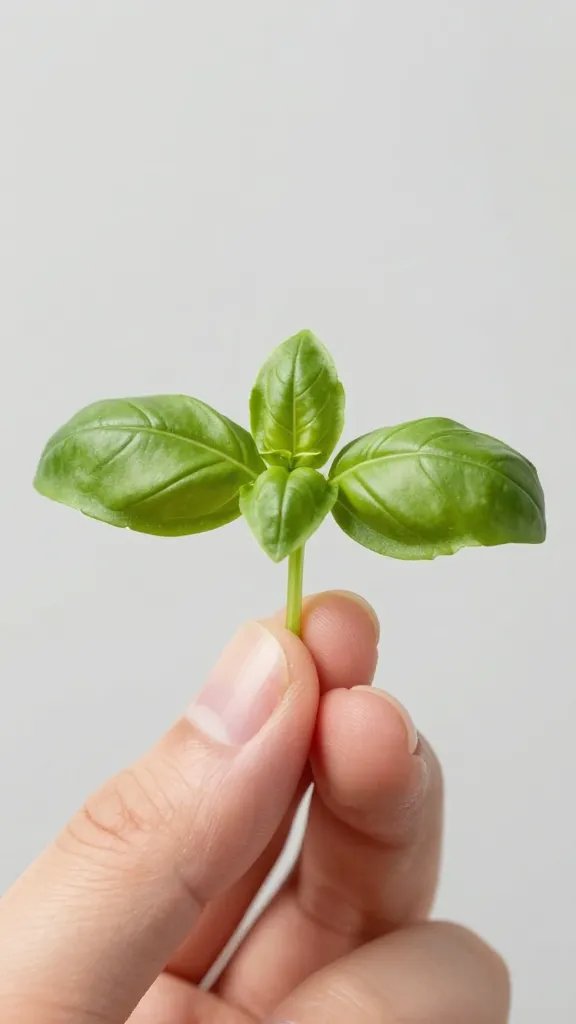
Small pots dry and overheat fast, which accelerates stress and bolting. I use at least a 20–25 cm (8–10 inch) wide pot for a single basil plant.
Give basil bright light but avoid leaf-scorching heat. Outdoors, morning sun with light afternoon shade works best in midsummer. Indoors, a bright east or south window with a thin sheer protects from harsh midday rays.
Air that never moves keeps humidity trapped around the plant, which encourages disease and reduces leaf quality. A gentle breeze outdoors or a small fan on low indoors toughens stems and keeps foliage dry.
Action today: If your basil lives in a cramped nursery pot, repot it into a 20–25 cm container with fresh potting mix and set it in morning sun, afternoon shade.
Resets When Buds Appear: Cutting Back and Removing Flowers
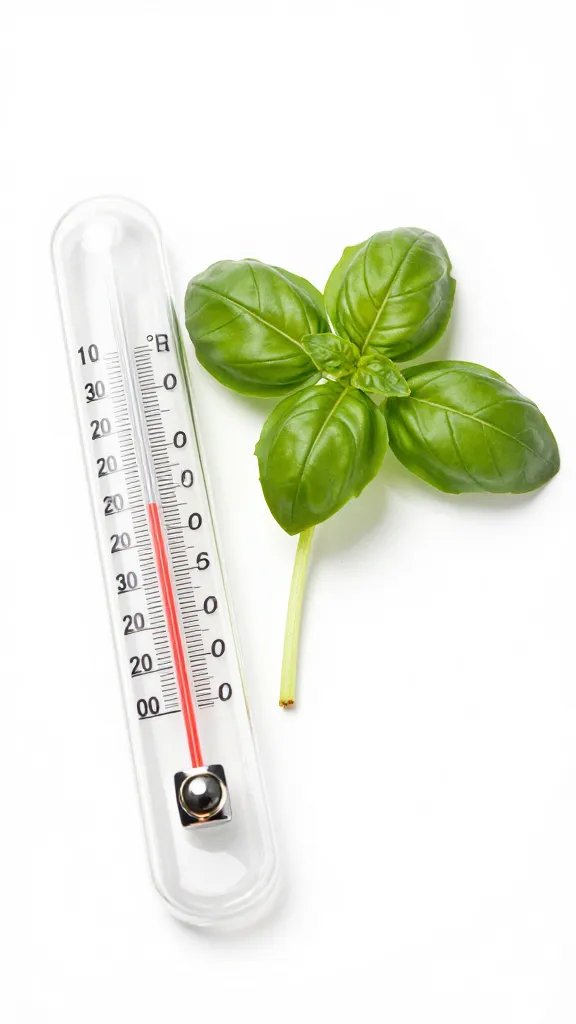
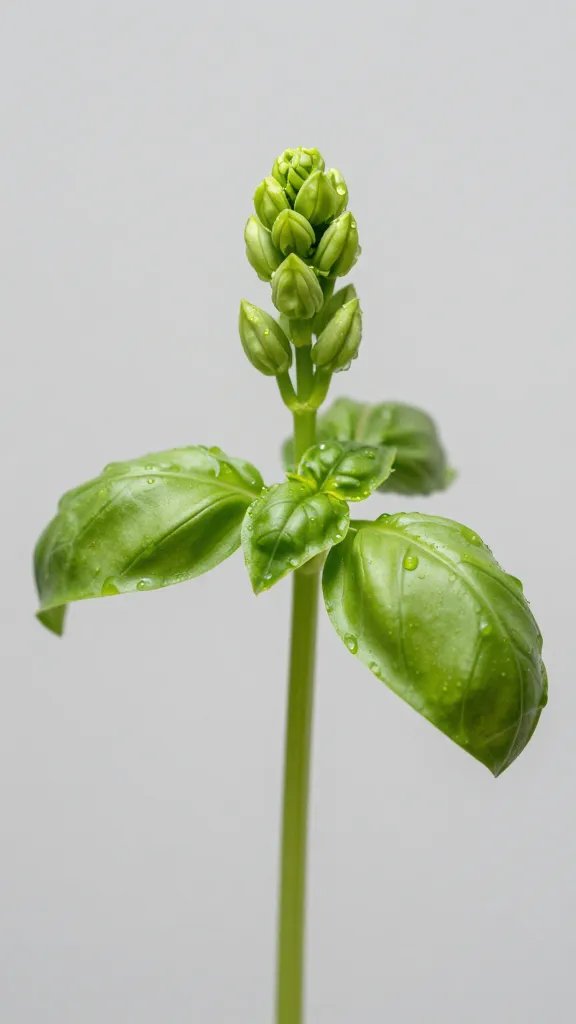
See a tiny cone at the tip? That’s a flower cluster. Remove it immediately. Don’t let it open if you want sweet leaves.
For plants that already stretched, do a harder cut. Take stems down by one-third to just above strong leaf pairs. Water, feed lightly, and give gentle sun for a week while it regrows.
If the plant keeps sending flowers relentlessly in high heat, treat it as a short-lived annual. Start fresh seedlings to overlap harvests.
Warning Signs You’re Late
- Leaves taste sharp or peppery instead of sweet.
- Stems feel woody at the base.
- Multiple stems end in tight clusters of small buds.
Action today: Strip every visible bud, then cut the tallest third of stems back to a leaf pair. Water and place in bright morning light for recovery.
Choose Varieties That Resist Bolting
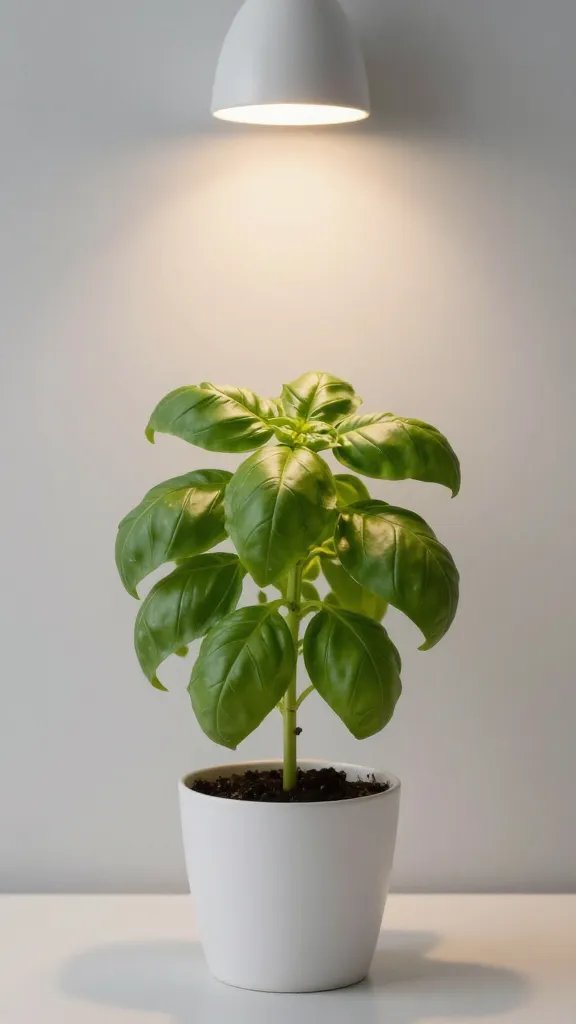
Some types flower slower and keep flavor longer in heat. I reach for ‘Everleaf’/‘Devotion’ types for large-leaf Genovese flavor that stays vegetative. For compact containers, ‘Spicy Globe’ or ‘Pistou’ stay tidy and delay bloom.
Thai and holy basil flower readily but keep good flavor after budding, so they tolerate a lighter pinching schedule if you like their taste.
Start a new batch every 4–6 weeks in warm seasons so you always have a young, leafy plant while older ones tire.
Action today: Pick up a pack of a slow-bolting variety at the garden centre and sow a new pot; mark your calendar for a follow-up sowing in one month.
Frequently Asked Questions
My basil keeps flowering even after I pinch. What do I do next?
Cut harder. Take each stem down by one-third to just above a strong leaf pair, not just the tip. Remove every flower and bud you can see. Reduce heat stress with afternoon shade and water evenly. If it rebounds with more buds within a week in hot weather, start a new plant alongside it.
How much sun should basil get on a balcony in summer?
Give 4–6 hours of direct morning sun and bright light the rest of the day. Avoid harsh mid-afternoon exposure that pushes leaf temperatures too high. Use a patio umbrella, railing shade cloth, or even a white bedsheet clipped up from 2–5 p.m. to cut the worst heat. You’ll keep leaves tender and delay bolting.
Can I grow basil indoors without it bolting?
Yes. Place it in bright indirect light near a south or east window and limit artificial lights to 12–13 hours daily. Keep room temperatures between 18–24°C (65–75°F) with some airflow. Pinch weekly and avoid letting the pot dry to dust or sit in water. Indoors, timing your light hours is the main lever.
Does fertilizing stop basil from flowering?
No. Fertilizer supports growth, but long days and heat still trigger flowering. Feed lightly at half strength every 2–3 weeks to prevent stress and leaf yellowing. Overfeeding in heat can worsen flavor. Pinching and temperature management do the heavy lifting to delay bloom.
What should I do with basil that already turned bitter?
Use it cooked rather than raw. Bitter leaves mellow in sauces, soups, and stir-fries. Meanwhile, reset the plant by removing all flowers and cutting back by one-third, then manage heat and day length. Start a new pot so you have sweet leaves while the old one recovers.
Is there a best time of day to harvest and pinch?
Harvest in the morning after dew dries. Leaves hold more essential oils and taste brighter. Pinch before a heat spike so the plant recovers in cooler hours. Always leave two healthy leaf pairs below your cut.
Conclusion
You can keep basil lush and sweet with three deliberate moves: manage light hours, cool it through the hottest window of the day, and pinch on a weekly rhythm. Set a reminder, stage a bit of afternoon shade, and sow a backup pot now. With that simple system, you’ll harvest handfuls of tender leaves long after your neighbors’ plants have bolted.