Why Tomatoes Fail in Containers — Root Volume, Calcium Depletion and Watering Inconsistency Exposed
My first balcony tomatoes looked perfect for a month, then stalled, dropped flowers, and gave me split, mealy fruit. I was watering daily and feeding “a little” — exactly what every label suggested — and still watched the plants go backward. Once I understood how container roots, calcium availability, and watering rhythms interact, my yields tripled in one season. In this guide I’ll show you the exact container sizes, potting mix, feeding, and watering patterns that prevent the common failures you’re likely seeing right now.
Root Volume: Tomatoes Need More Room Than You Think
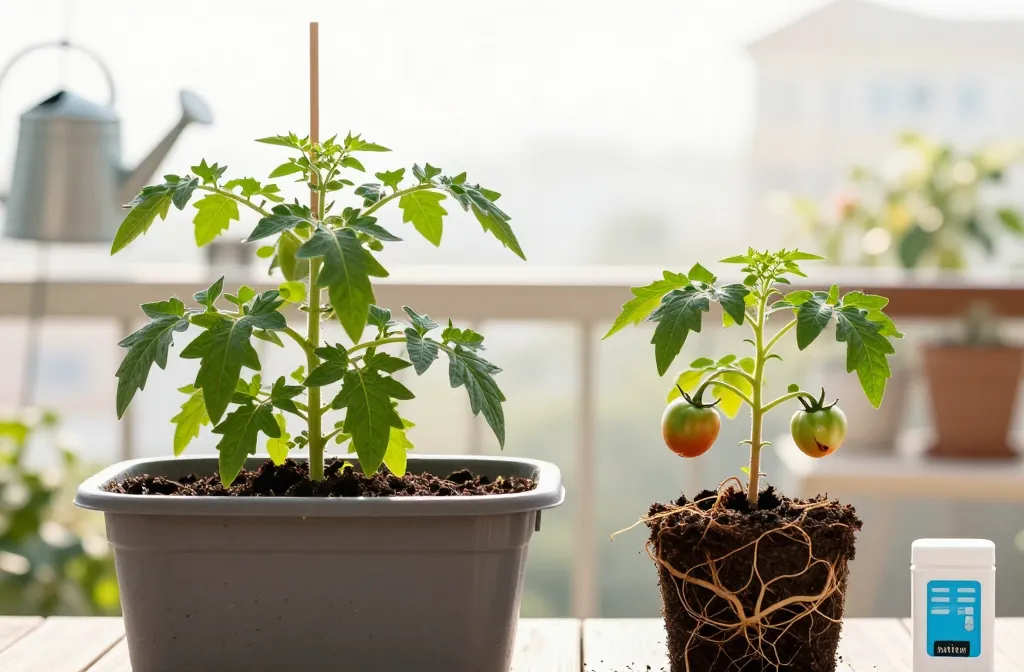
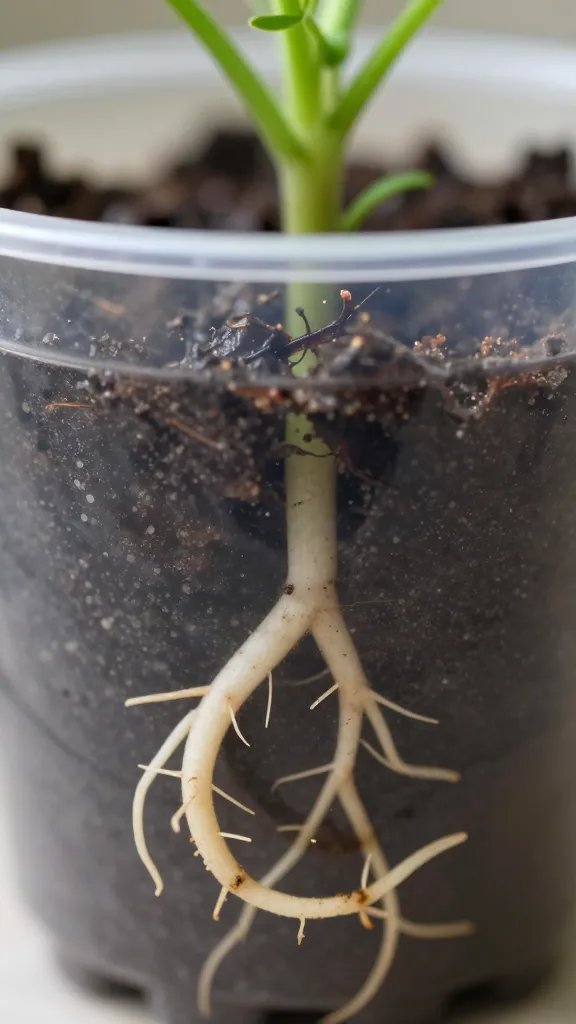
Tomatoes are not patio peppers. A mature indeterminate plant wants the root space of a small trash can. In a tight pot, roots circle, the plant runs out of nutrients fast, and fruit set collapses in heat.
For indeterminates like ‘Sungold’ or ‘Cherokee Purple’, use at least a 15–20 gallon container (think a standard nursery tree pot or a clean 20-gallon tote with drainage). Determinates like ‘Roma’ or ‘Bush Early Girl’ do fine in 10 gallons, but smaller than 10 is a false economy.
Use a high-quality, peat- or coir-based potting mix labeled for containers — not garden soil. Garden soil compacts, suffocates roots, and locks up nutrients in pots.
Step-by-Step Setup
- Pick the largest pot you can manage: 20 gallons for indeterminate, 10–15 gallons for determinate.
- Drill extra drainage holes if water puddles longer than 10 seconds after a pour.
- Fill with fresh potting mix. Blend in 2–3 inches of finished compost per pot for structure and slow nutrition.
- Set one plant per pot. Never double up tomatoes in a single container.
Action today: Measure your current pot across the top. If it’s under 18 inches wide for an indeterminate, plan to up-pot this week or switch to a compact determinate variety.
Calcium Depletion: It’s Not “Missing,” It’s Unavailable
Container tomatoes often show blossom end rot — sunken, leathery spots on the bottom of fruit. That’s a calcium delivery problem, not a simple shortage. Fluctuating moisture and low overall nutrition stop calcium from moving into developing fruit.
Start with a potting mix that lists calcium or add a handful of garden lime (dolomitic) to 10–15 gallon pots at planting. Tomatoes also need steady nitrogen and potassium so roots keep pulling water (and calcium) reliably.
Warning Signs
- First trusses set, then the earliest fruits get blackened ends.
- Newer fruits improve after watering stabilizes — confirming a delivery issue.
Fixes That Work
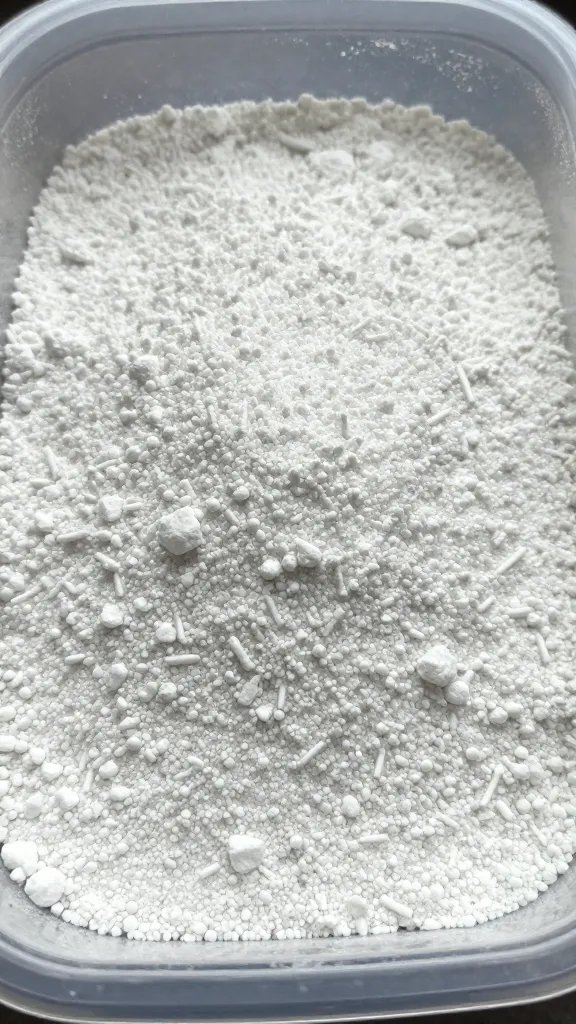
- Mix in 1–2 tablespoons of garden lime per gallon of potting mix at planting, or scratch 2–3 tablespoons into the top 2 inches and water in.
- Feed with a balanced tomato fertilizer that includes calcium (check the back label) every 10–14 days once flowering starts.
- Keep soil evenly moist (see watering section below). Foliar calcium sprays help leaves, but even moisture fixes the fruit.
Action today: If you’ve seen blossom end rot on early fruits, remove the worst fruit and top-dress with 2–3 tablespoons of garden lime per pot, then water thoroughly.
Watering Inconsistency: The Fastest Way to Split Fruit and Drop Flowers
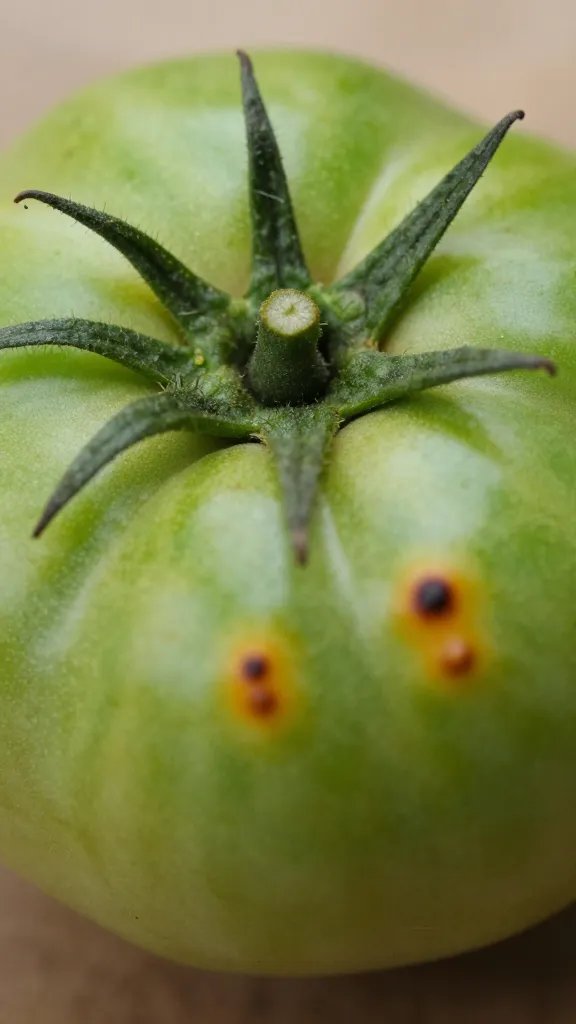
Under-watered then “firehose” watered — that swing splits skins, triggers blossom end rot, and causes flower drop. In containers, water moves through faster and dries faster than ground soil, so you need rhythm.
Water deeply until you see steady outflow from the drainage holes, then wait until the top 1–2 inches are dry before watering again. In warm weather, that often means daily in the morning for small pots and every 24–36 hours for large pots.
Simple Routine Without Gadgets
- Morning check: Push a finger 2 inches into the mix. If it feels dry and your finger comes out mostly clean, water.
- Water slowly: Pour, pause 30 seconds, pour again until you see a strong drip from the bottom.
- Mulch: Add a 1–2 inch layer of shredded bark or straw to slow evaporation.
Action today: Set a phone reminder to do a 2-inch finger test every morning for the next week and water immediately after a “dry” result.
Fertilizing on a Schedule: Containers Burn Through Food Quickly
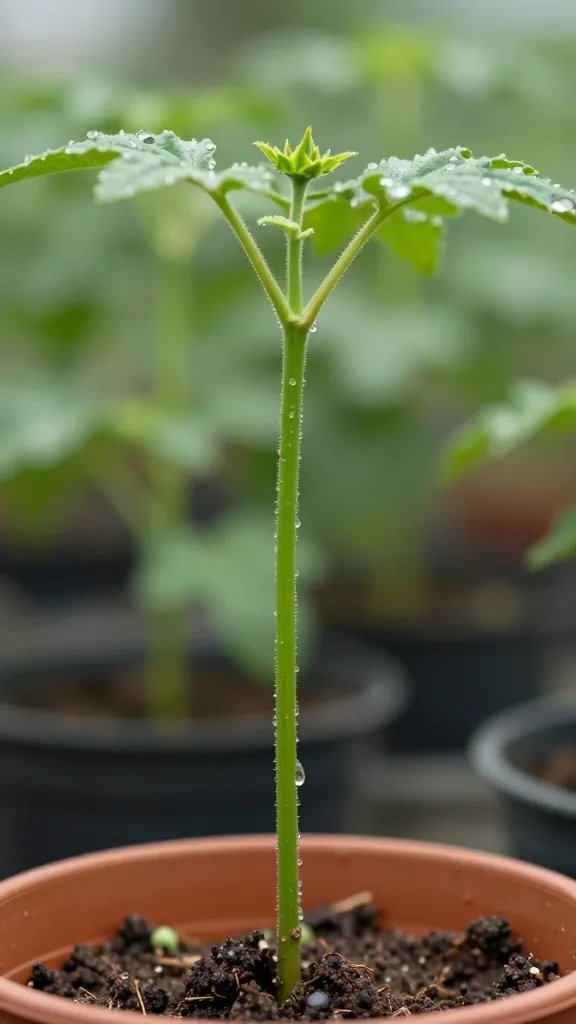
Tomatoes in pots exhaust nutrients in 4–6 weeks. If leaves pale and growth stalls midseason, the plant is hungry, not “done.” I use a slow-release base plus a liquid feed when flowers appear.
At planting, mix in a slow-release tomato fertilizer per the bag directions. Once the first flowers open, feed with a water-soluble tomato fertilizer every 10–14 days. Aim for steady, not heavy — overfeeding nitrogen gives giant vines and few fruits.
Easy Calendar
- Week 0 (planting): Slow-release fertilizer into the mix.
- Week 4: Start liquid feeding every 10–14 days.
- Peak heat: If growth surges but flowers drop, hold nitrogen for one cycle and keep potassium steady.
Action today: If your plant has been in the pot over a month, give one measured dose of water-soluble tomato fertilizer with your next watering.
Variety and Support: Match the Plant to the Pot and Keep It Upright
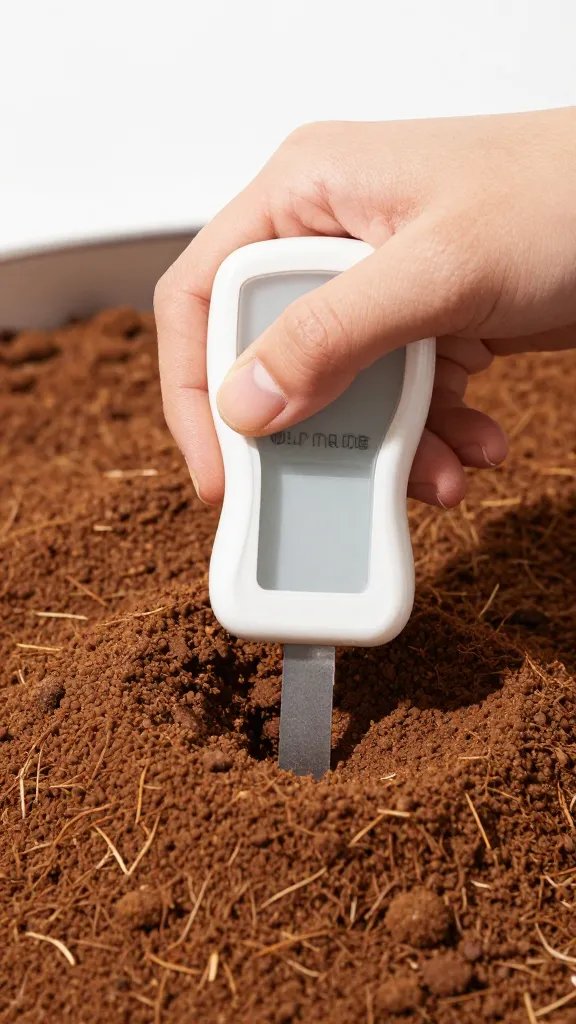
Choosing a sprawling indeterminate for a 10-gallon pot sets you up for stress. Compact determinates finish earlier and stay manageable in smaller containers, while cherries tolerate container life better than big slicers.
Support matters. A loose cage that leans in wind shears roots in the pot and interrupts water uptake. Install a sturdy cage or two stakes at planting so roots grow around them.
Container-Friendly Choices
- Determinates (10–15 gal): ‘Bush Early Girl’, ‘Roma’, ‘Celebrity’
- Compact cherries (10–15 gal, or 20 for easier care): ‘Patio’, ‘Tumbler’, ‘Sungold’ (better in 15–20)
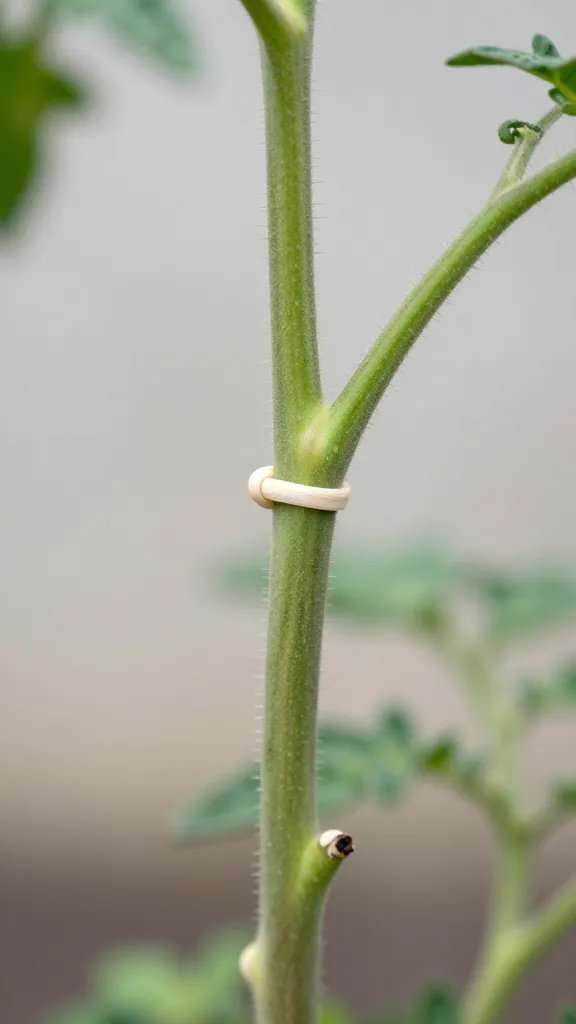
Action today: If your stake or cage wobbles, tie the main stem in three points (lower, mid, top) with soft ties and add a second stake on the opposite side.
Heat, Sun, and Airflow: Conditions That Decide Fruit Set
Tomatoes love sun but hate hot, stagnant air in containers. Over 90°F on a sun-baked patio, flowers dry out and fail to set. Leaves can also curl from heat stress that mimics drought.
Give 6–8 hours of direct sun, but during heat waves, provide light afternoon shade with a patio umbrella or breathable shade cloth. Lift pots an inch on feet or bricks to improve drainage and airflow around the root zone.
Signs and Quick Adjustments
- Flower drop in heat: Add afternoon shade and keep watering steady.
- Leaf curl mid-day only: Heat stress; don’t over-water to chase it. Focus on shade and airflow.
Action today: If the forecast hits 90°F+, rig a temporary shade from 2–5 pm and water early morning, not evening.
Putting It Together: A Simple Weekly Routine
Containers reward consistency. A small checklist beats guesswork, especially once fruit is setting fast.
- Daily: Morning finger test; water deeply if top 2 inches are dry.
- Twice weekly: Inspect for blossom end rot or split fruit and remove damaged fruit promptly.
- Every 10–14 days: Liquid tomato feed once flowers appear.
- Monthly: Re-check ties, tighten cage, top up mulch.
Action today: Write this routine on a sticky note and put it by your watering can.
Frequently Asked Questions
Can I grow a tomato in a 5-gallon bucket?
You can grow a compact determinate in 5 gallons, but yields and watering demands become finicky. Expect to water daily in warm weather and feed on schedule. If you have the space, 10–15 gallons delivers better fruit with less stress. Drill plenty of drainage holes and use fresh potting mix only.
Do crushed eggshells stop blossom end rot?
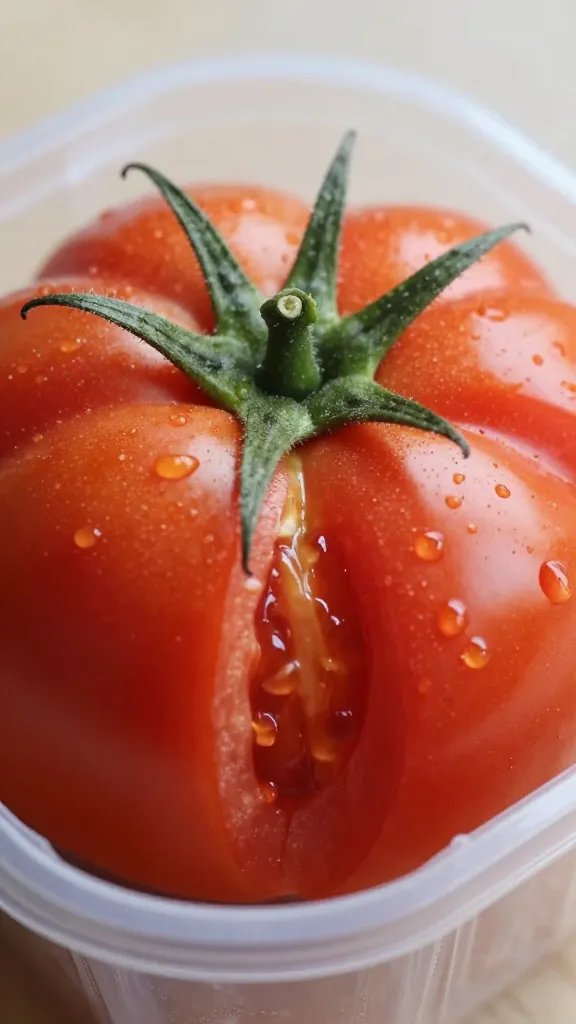
Eggshells break down too slowly to help this season. Blossom end rot comes from inconsistent moisture and low calcium availability during early fruit development. Use garden lime at planting and keep watering steady. If you already planted, scratch lime into the top layer and focus on even moisture.
How do I know if I’m over-watering?
Consistently soggy mix, algae on the surface, and limp leaves that don’t perk up by morning signal over-watering. In a healthy cycle, the top inch dries within 24–48 hours in warm weather. Use the 2-inch finger test and only water when it feels dry at that depth. Ensure your pot drains freely in under a minute after watering.
My fruits are cracking right before harvest — why?
Cracking happens when dry soil is followed by a heavy soak, making fruits swell faster than skins can stretch. Keep moisture even and mulch the surface. Harvest at first blush and finish ripening indoors on the counter to avoid storm-driven splits. Cherries and ‘Sungold’ are prone to cracking; larger, thicker-skinned varieties resist it better.
Should I prune container tomatoes?
Yes, but lightly and with a goal. Remove the lowest leaves touching soil, and on indeterminates, pinch a few suckers weekly to keep one or two main stems. Avoid stripping too many leaves; you need foliage to shade fruit and drive photosynthesis. Always tie new growth to your support as you prune.
Conclusion

You don’t need special meters or complex systems to grow heavy, crack-free tomatoes in containers. Give the roots real volume, lock in calcium with lime, and water on a calm, repeatable rhythm. Set up one pot exactly as outlined, keep the simple weekly routine, and you’ll see the difference within two weeks of flowering — fuller trusses, cleaner fruit, and plants that stay strong through heat. Your next step: choose one properly sized container and commit to the morning finger test starting tomorrow.