Why Terrariums Smell — What Each Odour Indicates and How to Correct the Source Unmasked
I’ve lifted the lid on a pretty terrarium and been hit with a whiff of swamp. I’ve also smelled sweet soil that told me everything inside was balanced. Odour is the quickest health check a terrarium gives you, and you don’t need any tools to read it. In this guide, I explain what each common smell means and the exact, simple fixes that restore a clean, earthy scent.
How Healthy Terrariums Are Supposed To Smell
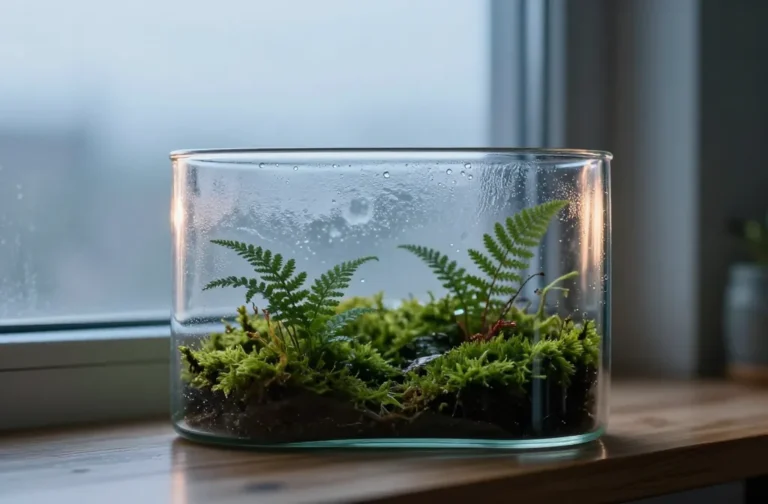
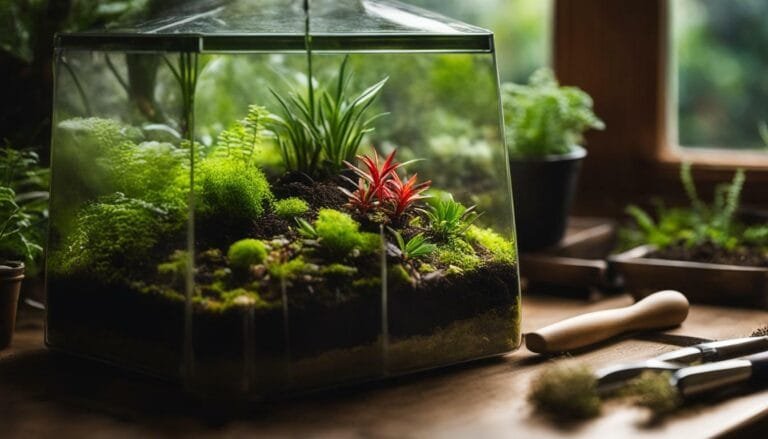
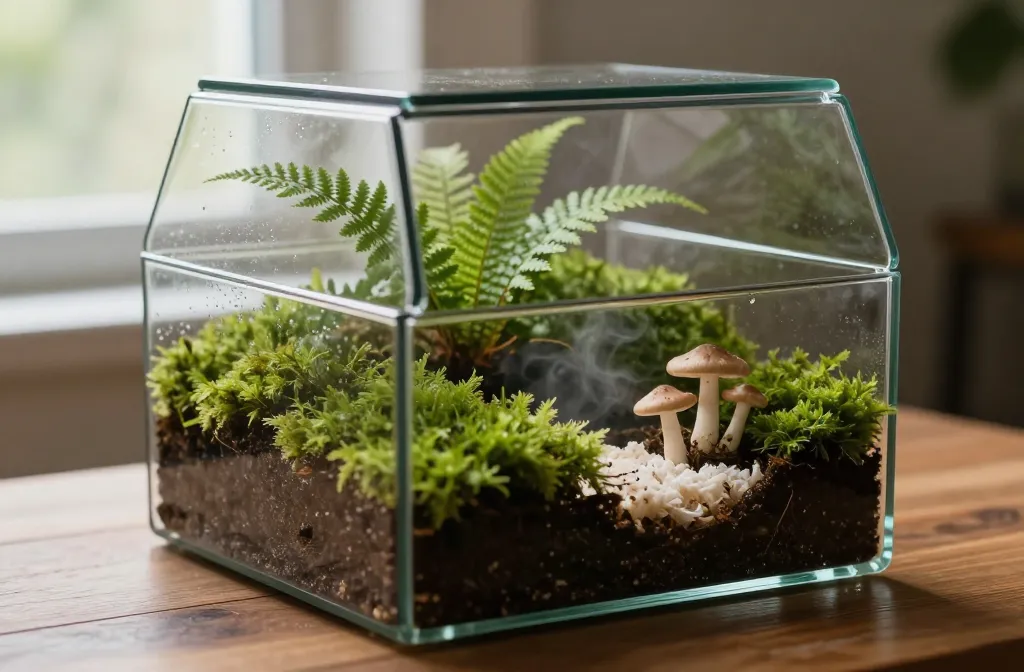
A balanced terrarium smells like a forest floor after rain — light, earthy, and a bit like fresh mushrooms without any sour or rotten notes. That comes from active but controlled decomposition and good gas exchange at the soil surface. If you smell nothing, that’s fine too, as long as the plants look vigorous.
When the scent turns sour, sulfurous, or sweet-and-funky, something in the water/air/bioload balance slipped. I address those imbalances one by one below.
Action today: Take a slow sniff at the opening or seam. Note the first adjective that comes to mind: earthy, sour, eggy, swampy, vinegary, sweet, or musty. Use that word to jump to the matching section.
Sour or Vinegar-Like Smell: Anaerobic Soil From Overwatering
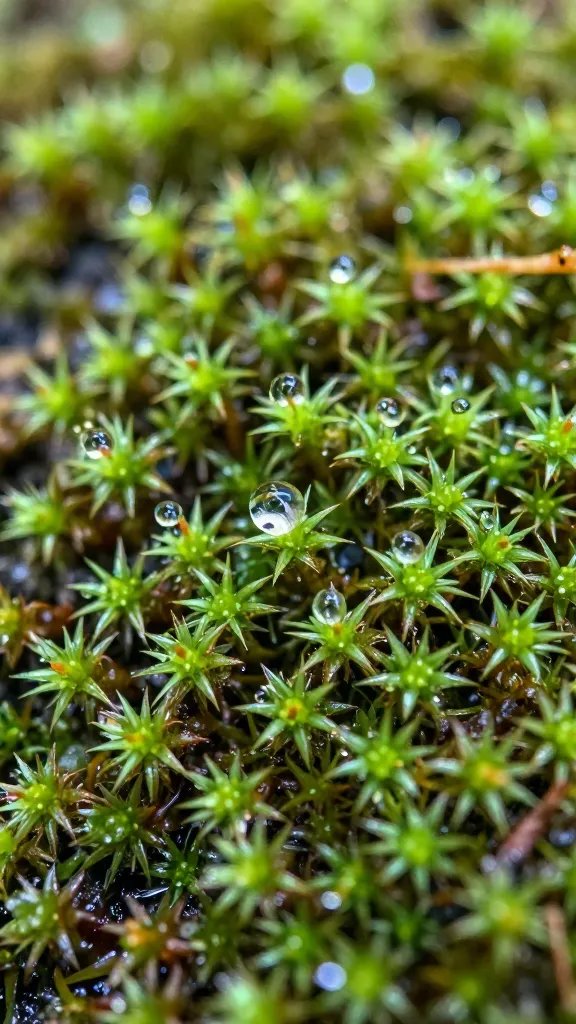
A sharp sourness (like pickles or vinegar) points to anaerobic fermentation in the lower substrate. Too much water pushed out the air pockets, and low-oxygen microbes took over.
Warning Signs
- Condensation covers more than half the glass all day.
- Soil looks waterlogged or smeary; roots appear tan and limp.
- Moss turns translucent or yellow at the base.
Step-by-Step Fix
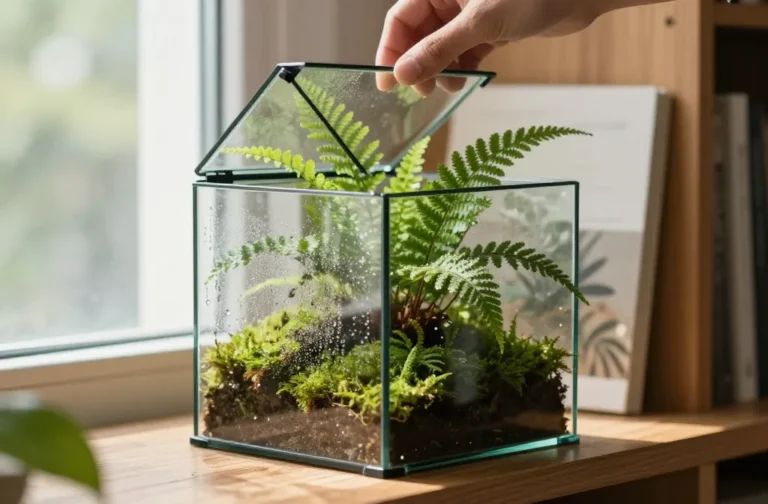
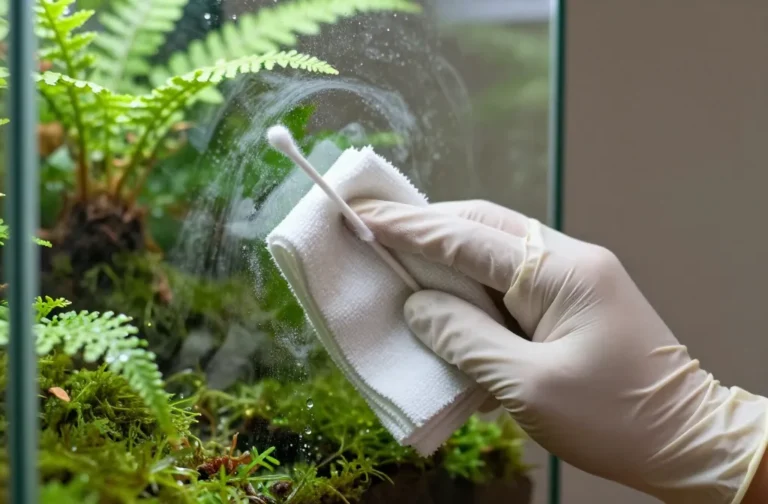
- Vent: Open the lid for 2–6 hours in bright indirect light near a window. Wipe heavy condensation off the glass with a paper towel to remove excess moisture.
- Wick: Twist a strip of paper towel and tuck one end 2–3 cm into the substrate, draping the other end over the rim for 1–2 hours. This wicks out surplus water without uprooting plants.
- Fluff: With a chopstick, gently poke holes 3–4 cm deep across the surface to reintroduce air pockets. Avoid stabbing roots.
- Absorb: If there’s a visible water pool at the base, add a thin layer (5–8 mm) of horticultural charcoal or fresh dry long-fibre sphagnum on top to buffer odours and moisture.
Takeaway: Keep condensation at or below one-third of the glass by short, repeated venting sessions rather than one big dry-out.
Rotten Egg or Sulfur Smell: Stagnant Drainage Layer
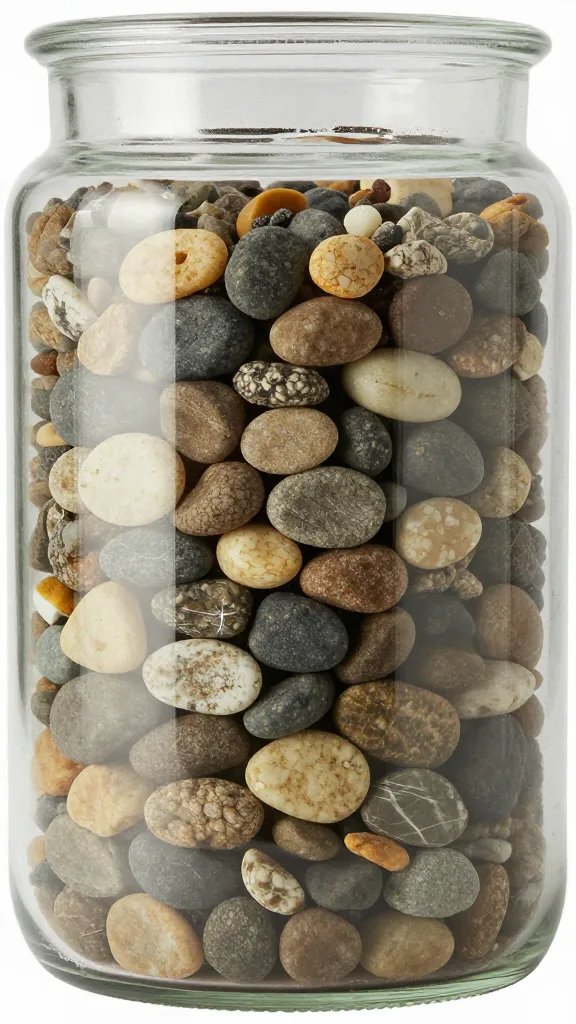
A sulfur or “egg” odour means hydrogen sulfide from trapped, rotting organics in the drainage zone. This often happens when fine soil sifted down into pebbles, sealing them and creating a swamp at the bottom.
Warning Signs
- Milky water in the pebble layer, sometimes with bubbles.
- Brown slime on glass at the base.
- Persistent smell even after a day of venting.
Step-by-Step Fix
- Siphon: Use a turkey baster or a drinking straw to remove as much standing water as you can from the bottom.
- Filter: Add a clean mesh barrier (a cut circle from a fine plastic screen or even a piece of nylon stocking) on top of the pebbles to stop soil from sinking down. You can slide this in with chopsticks without full teardown in larger openings.
- Refresh: Sprinkle in a thin layer (3–5 mm) of horticultural charcoal just above the mesh to trap sulfur compounds.
- Reset Moisture: Vent for 4–6 hours, then reassess odour the next day.
Takeaway: If you see cloudy water at the base, remove it and add a mesh barrier plus charcoal to prevent a repeat.
Swampy or Compost Smell: Excess Organic Debris and Poor Airflow
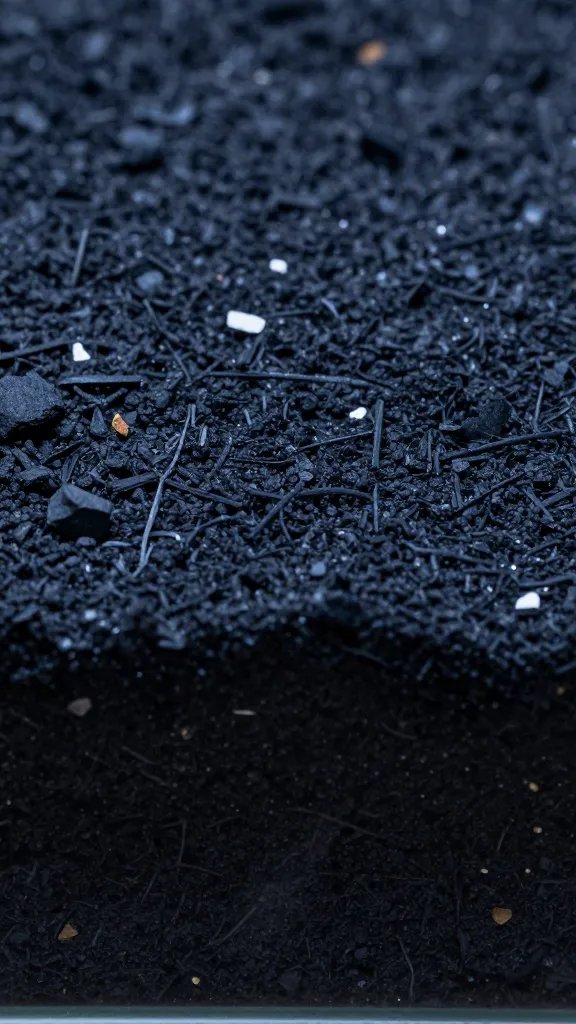
A heavy, swampy compost smell means too much dead material is decomposing at once. In closed terrariums, a big leaf drop or pruning dump overwhelms the system and feeds wet, smelly decay instead of clean breakdown.
Warning Signs
- Mattes of fallen leaves tucked behind hardscape.
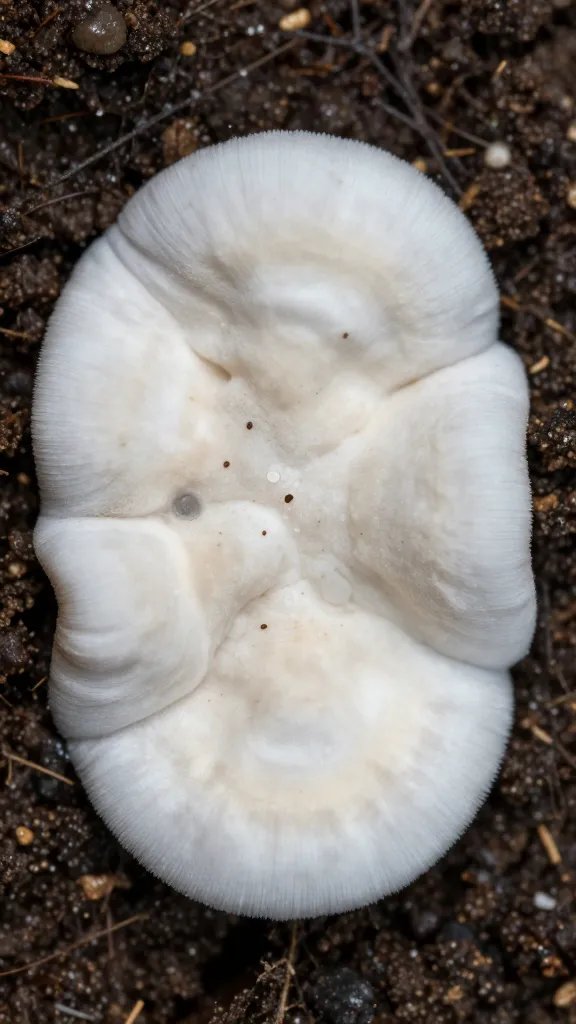
- White or grey fuzz (saprophytic fungi) on debris.
- Dark, spongy surface with no visible texture.
Step-by-Step Fix
- Remove: Use long tweezers or chopsticks to fish out all soft, decaying leaves and stems. Don’t leave “just a bit.”
- Thin: Prune plants to open small air gaps between clumps. Aim to see tiny patches of substrate between species.
- Top-Dress: Add a light, fresh layer of rinsed decorative gravel or orchid bark chips to keep new leaf litter off constant contact with wet soil.
- Vent Cycle: Open 1–2 hours daily for 3 days to reset the microclimate.
Takeaway: Keep dead material out. Do a 2-minute debris pick every time you admire the terrarium.
Sweet, Fermented, or Alcohol-Like Smell: Sugary Saps and Overfeeding Microbes
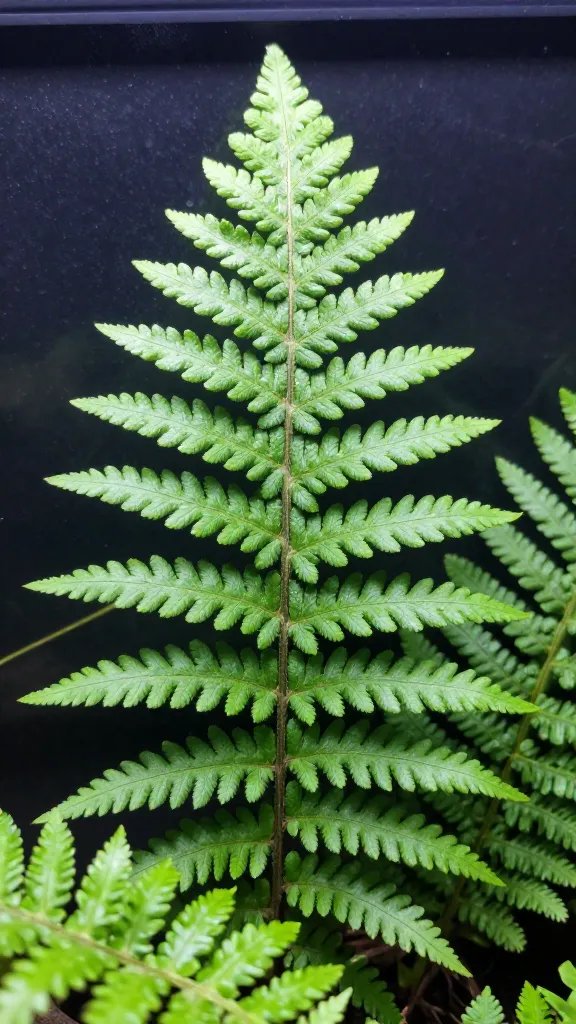
A sweet, almost fruity smell hints at fermentation from plant sap or sugary residues. Fast-growing cuttings, sap from broken stems, or sugary mist additives feed yeasts that release this odour.
Warning Signs
- Sticky film on glass near a pruned stem.
- Tiny fruit-fly-like gnats showing sudden interest.
- Condensation feels tacky when wiped.
Step-by-Step Fix
- Rinse Glass: Wipe the inside glass with a paper towel dampened in clean tap water until not sticky.
- Seal Wounds: Recut ragged stems with clean scissors for a neat edge; avoid crushing.
- No Sugars: Stop using leaf-shine or any “sweet” foliar sprays inside a closed terrarium.
- Brief Vent: Open for 1–2 hours to flush volatiles.
Takeaway: Keep cuts clean and the glass clean; avoid sugary products entirely inside closed vessels.
Moldy, Musty, or Old-Basement Smell: Stale Air and Fungal Overrun
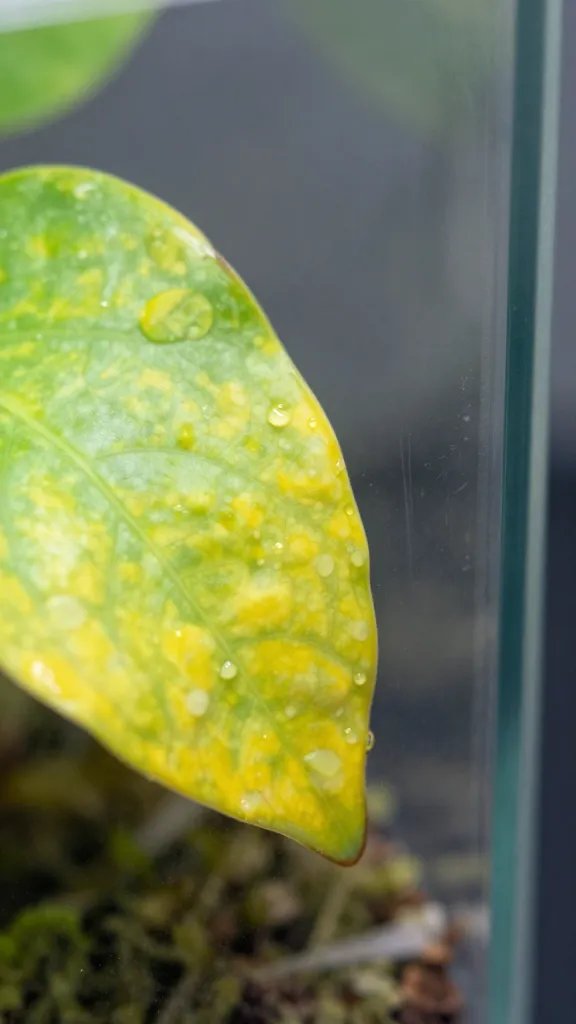
A powdery mustiness signals stale air and unchecked mold. Most terrariums tolerate a bit of white fuzz, but when it blankets surfaces, spores dominate the scent.
Warning Signs
- Grey or white dust on moss tips and wood.
- Condensation heavy in the morning, dry by evening — daily swings.
- New growth stalls; moss loses bounce.
Step-by-Step Fix
- Target Clean: Dab visible mold with a cotton swab dipped in clean water. For stubborn patches on hardscape, use a 1:10 white vinegar-to-water wipe, then rinse with a clean damp towel. Do not soak the substrate with vinegar.
- Dry Boost: Add a small sachet of fresh dry sphagnum tucked behind a rock to buffer humidity peaks.
- Air Routine: Vent 30–60 minutes every second day for a week to break the cycle.
- Light Check: Move the terrarium to bright indirect light near a window; stronger, stable light discourages persistent mold.
Takeaway: Reduce mold by combining brief, regular venting with spot cleaning and a brighter location.
Sewage or Dead-Animal Smell: Root Rot or Dead Critters
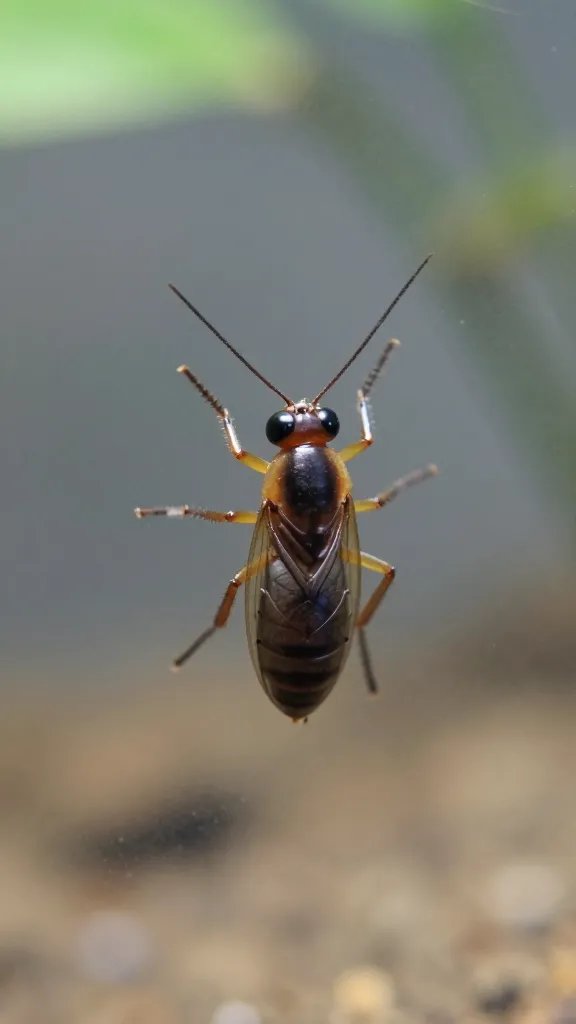
A truly foul, gag-inducing odour means active rot or a dead invertebrate hidden in the substrate. In closed jars that once had springtails or isopods, a die-off can linger; root rot from persistent wetness smells similarly awful.
Warning Signs
- One plant collapsing while others look fine.
- Brown, mushy roots when gently uncovered.
- Small carcasses or shells on the surface.
Step-by-Step Fix
- Isolate: Move the terrarium away from sun while you work.
- Extract: Lift the failing plant, trim all mushy roots with clean scissors, and replant in a small pocket of fresh, slightly damp potting mix mixed with a handful of rinsed orchid bark.
- Remove Carcasses: Use tweezers to find and discard dead critters and any blackened plant bits.
- Charcoal Polish: Add a thin scatter of horticultural charcoal across exposed substrate.
- Dry Reset: Vent 4–6 hours, then resume normal closed conditions.
Takeaway: Don’t wait — surgically remove the rot source today and reset moisture with a long vent.
Preventive Setup That Keeps Terrariums Smelling Clean
Fresh odour starts with structure. I build with a clear drainage base, a true barrier, and a sweet, airy planting layer from day one.
Material Recommendations
- Base: 2–3 cm of rinsed aquarium gravel or LECA (lightweight clay balls).
- Barrier: Fine mesh or nylon stocking layer to keep soil out of the base.
- Filter: 5–10 mm of horticultural charcoal above the barrier.
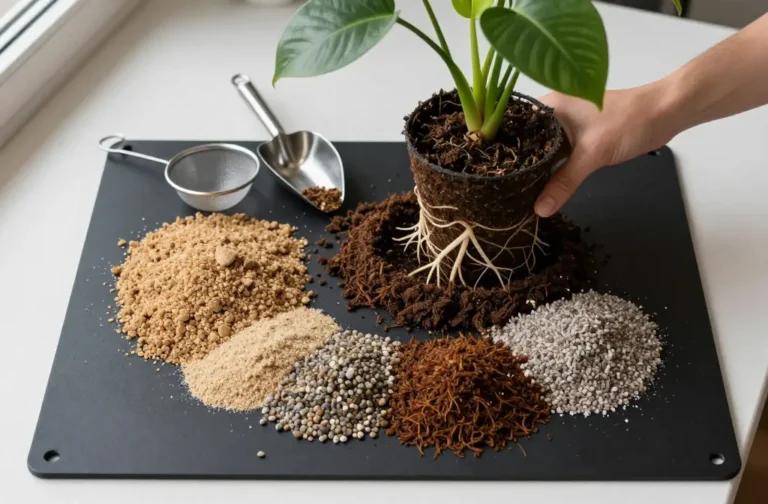
- Planting Mix: Good quality potting mix from the garden centre blended 2:1 with orchid bark or perlite for air pockets; pre-moisten until it feels like a wrung-out sponge.
- Plant Choices: Small, slow growers such as Fittonia, Pilea depressa, Peperomia spp., and cushion mosses that don’t shed big leaves.
Takeaway: If you rebuild or start new, include mesh and charcoal — they prevent 80% of odour problems.
Frequently Asked Questions
My terrarium smells off only when I open it — is that normal?
A brief earthy puff is normal as trapped humidity and soil gases escape. If the smell stings your nose (sour or sulfur), you have anaerobic pockets. Vent for 1–2 hours and check condensation the next day. If the odour returns immediately, follow the drainage or overwatering fixes above.
How do I know if I’ve removed enough water without tools?
Use the glass as your gauge. By midday, condensation should sit below one-third of the wall, with clear view lines into the plants. If droplets fully sheet the glass past noon, wick or vent more. If the glass stays bone dry for days and moss shrivels, add 1–2 tablespoons of water with a spray bottle.
Can I use baking soda to stop smells?
Baking soda on the soil surface turns into paste and suffocates the top layer. Skip it. Use a thin sprinkle of horticultural charcoal instead, and fix the moisture or debris source. Charcoal adsorbs odour while keeping airflow intact.
Are springtails necessary to control odours?
They help, but they aren’t mandatory. Clean structure, charcoal, and routine debris removal keep smells in line. If you add springtails, introduce a small culture and avoid overfeeding; a die-off from excess moisture becomes its own smell problem.
How often should I “air out” a closed terrarium?
Healthy closed terrariums need venting only as a correction, not a routine. After a fix, close it and watch condensation for a week. If you see recurring heavy fog or smell sourness again, schedule brief 30–60 minute vents every other day for one week, then reassess.
What if the smell lingers after all fixes?
Persistent odour means something still rots out of sight. Lift the top layer in a few small test spots with a spoon to check for black sludge or trapped water. Replace any foul substrate with fresh, barely damp mix and add a bit more charcoal. If the vessel is narrow and unreachable, a partial teardown is the cleanest long-term solution.
Conclusion
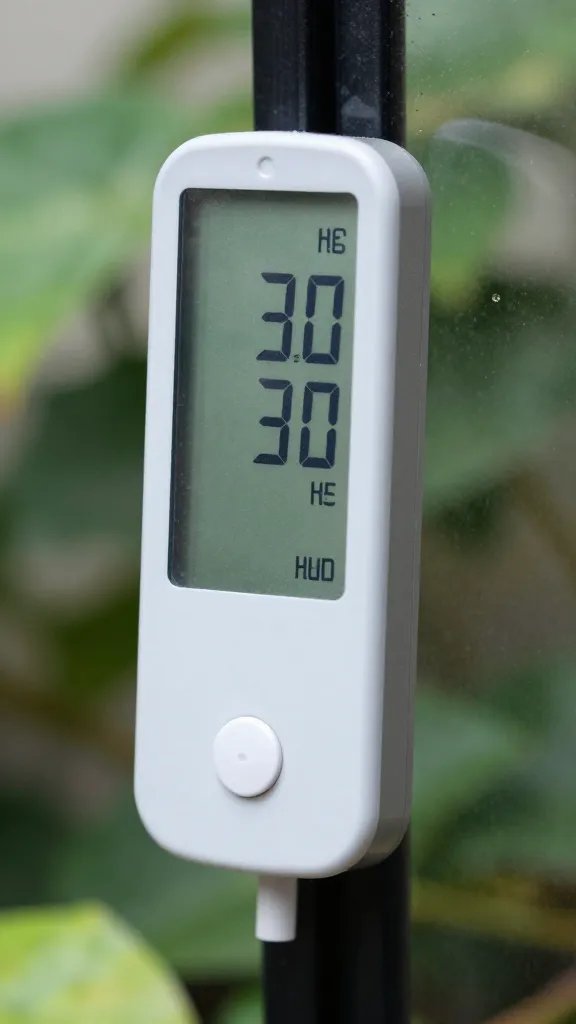
You don’t need meters to diagnose a terrarium — your nose already knows. Start with the odour you detect, apply the matching single fix today, and use the glass condensation as your progress gauge this week. If you’re rebuilding or starting fresh, add mesh and charcoal and choose small, tidy plants; that’s the fastest path to a terrarium that looks good and smells like the forest every time you lift the lid.