Why Plants Cook Under Glass in Direct Sun — the Greenhouse Heat Trap Mechanism Explained
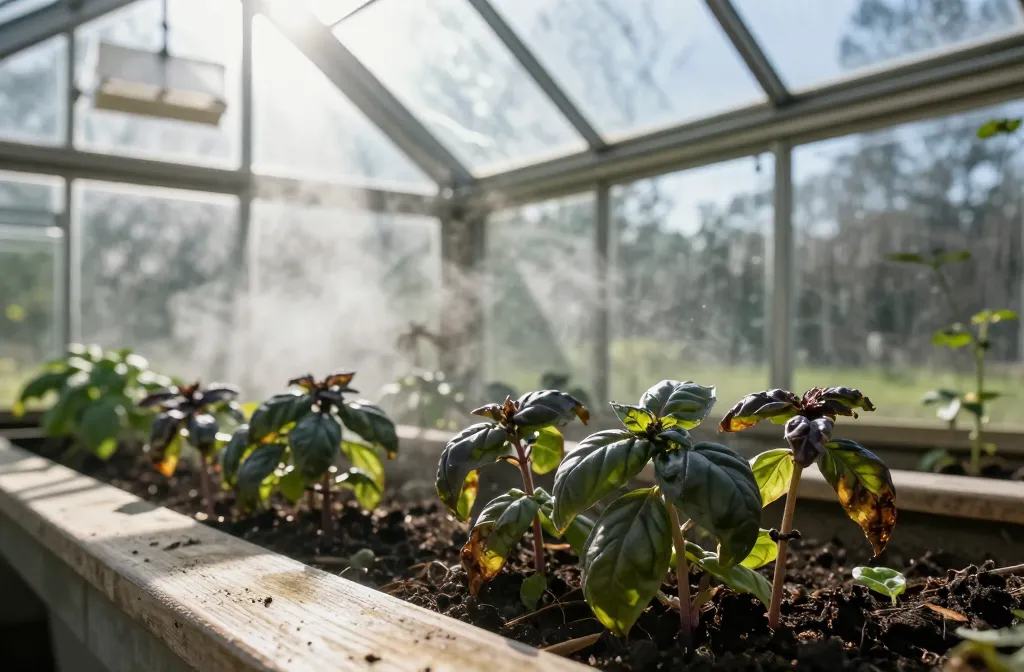
I roasted a tray of basil once by leaving it in a sunny cold frame with the lid down at noon. The forecast said “72°F and pleasant,” but under glass the leaves blackened in an hour. That was the day I stopped guessing and learned how the greenhouse heat trap really works. In this guide I’ll show you, in plain terms, why glass magnifies heat stress and exactly how to keep your plants thriving instead of stewing.
The Real Reason Plants Overheat Under Glass: Trapped Heat, Not “Magnified Sun”
Sunlight passes through glass easily and hits leaves, soil, and benches. Those surfaces absorb shortwave light and re-emit it as longwave heat (infrared).
Glass and most plastics let in the shortwave light but block a lot of that longwave heat from escaping. Warm air also can’t leave quickly if vents and doors are closed. The result is a heat trap: temperatures inside climb well above outdoors, even on a mild day.
Takeaway: Assume a closed greenhouse runs 10–30°F hotter than outside by midday — plan ventilation before the sun hits, not after.
Why Direct Sun Turns Deadly Fast: Heat Gain Outruns Heat Loss
Inside a glasshouse, three things stack the deck. First, the sun delivers a steady stream of energy to every dark surface. Second, the air warms and holds that heat because it’s semi-enclosed. Third, glass slows radiant heat escaping back out.
Plants cool themselves by transpiring, but when air inside turns hot and still, leaves can’t dump heat fast enough. You see leaf scorch, wilting at noon that “recovers” at night, and stalled growth.
Takeaway: If you feel a whoosh of hot, still air when you open the door at noon, you waited too long — start venting in the morning.
Recognise Heat Stress Before It Kills the Crop
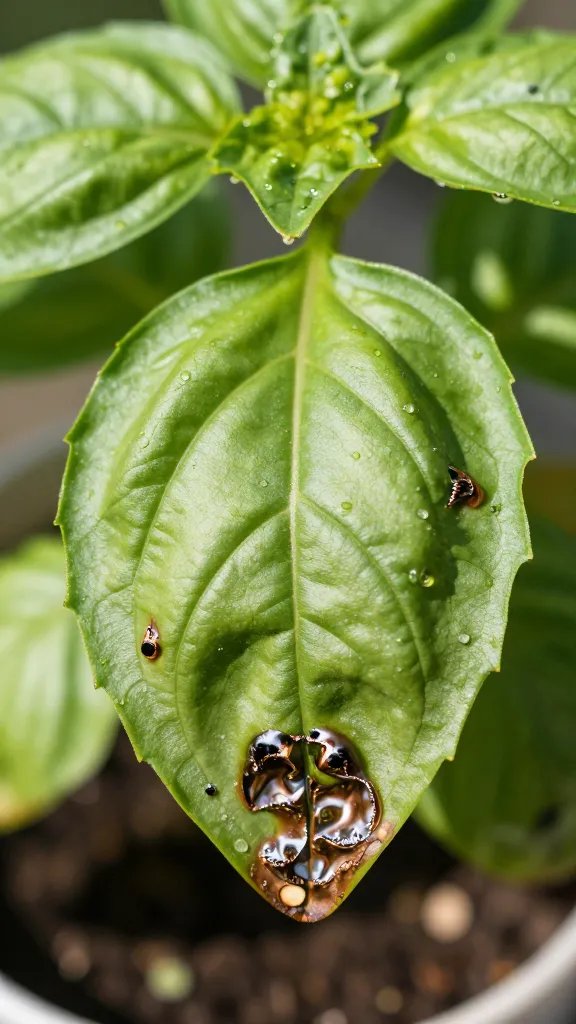
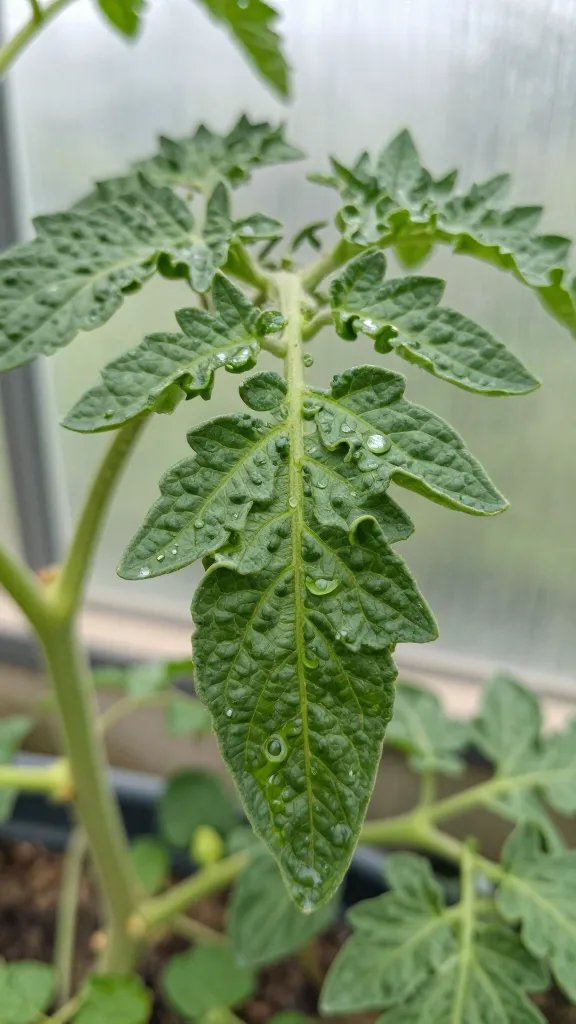
Heat damage doesn’t look like normal thirst. It shows up as pale, crispy patches on the sun-facing side, even when the soil is moist. Basil and lettuce collapse first; tomatoes and peppers hang on but set fewer flowers.
Warning Signs You’ll See First
- Leaf edge scorch on thin-leaved herbs by early afternoon.
- Blossom drop on tomatoes after a hot spell (pollen fails above about a warm summer day indoors).
- Wilting with wet soil — roots have water, but leaves overheat.
- Condensation rivers on the glass mid-morning, then bone-dry by late afternoon — a sign of big temperature swings.
Action today: At lunchtime, touch the inside of the glass and a dark pot; if either feels too hot to hold for three seconds, add shade and open vents immediately.
Ventilation That Actually Works With Household Tools
You don’t need fancy fans to make a difference. You need moving air and escape routes for heat. Hot air rises, so give it a high exit and a low entry for cool air.
Step-by-Step Vent Setup
- Open high first: Crack roof vents or the top of a window by mid-morning, not after it’s hot.
- Create a low intake: Open a door or a lower vent on the opposite side to pull in cooler air.
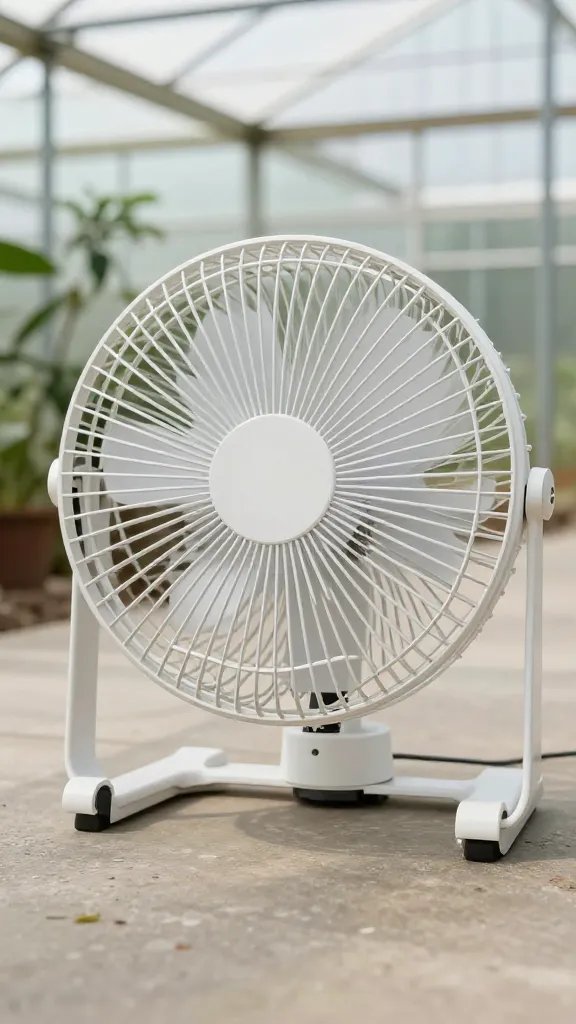
- Add a basic fan: Use a small household box fan aimed lengthwise down the house on its lowest setting. Keep it off wet floors and use a grounded extension cord.
- Prop lids safely: On cold frames, use a 2–3 cm prop on sunny mornings. Increase to 5–8 cm if sun is strong by noon.
Takeaway: Set a daily timer on your phone for 9–10 a.m. to open the highest vent you have — that single habit prevents most heat spikes.
Shade the Sun, Not the Light: Simple Ways to Cut Heat Without Starving Plants
Plants need bright light, but they don’t need the full punch of midday sun through glass. Thin shade reduces heat gain dramatically while keeping enough light for growth.
Practical Shading Options
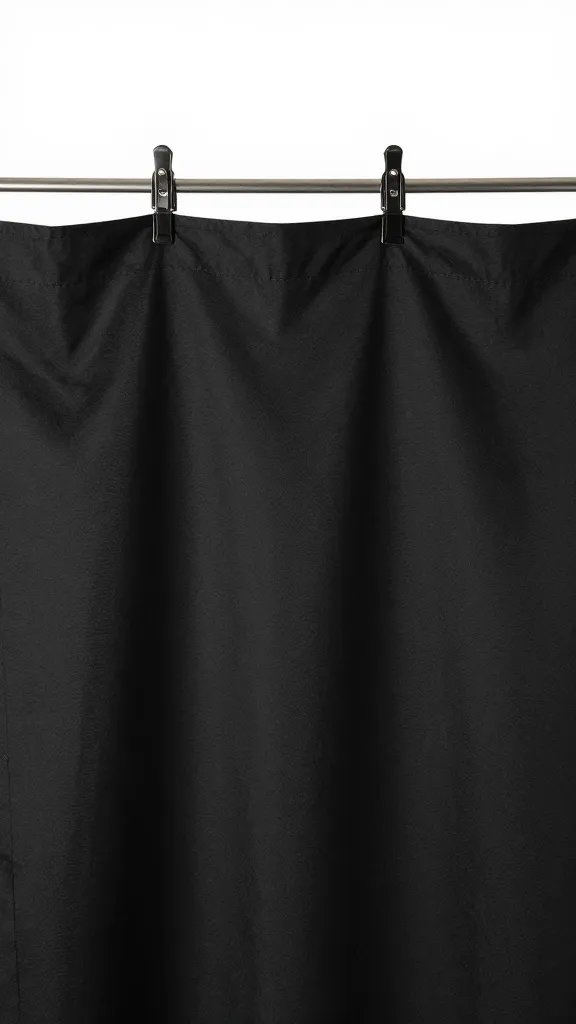
- Shade cloth from the garden centre: Look for 30–50% shade. Drape it on the outside for better heat rejection. Clip with laundry pegs.
- Temporary whitewash: Brush on a removable greenhouse shading paint. In a pinch, a light mist of diluted water-based emulsion on the outside works for a week or two.
- Sheer curtain panel: Hang a white curtain on the sunniest side inside; this is cheap and easy to adjust through the season.
Takeaway: Install 30–50% shade on the sun-facing roof panel this weekend — it cuts peak temperatures by a noticeable margin on day one.
Watering for Heat: Cool the Plant, Not Just the Pot
In heat, plants lose water faster. Overcorrecting with heavy evening drenches invites root rot. Instead, time lighter waterings to support transpiration when the sun is active.
What to Do on Hot Days
- Morning water: Water thoroughly 1–2 hours after sunrise so leaves and soil start cool and hydrated.
- Midday check: If top 2–3 cm of potting mix feels dry and leaves flag, give a small top-up — about a mug per medium pot — to help cooling.
- Damp paths, not leaves: Lightly wetting the greenhouse floor adds humidity and brief evaporative cooling without baking wet foliage.
Takeaway: Switch to morning deep watering on any day with strong sun — you’ll see less midday wilt immediately.
Place Heat-Sensitive Plants Smartly
Not every plant tolerates glasshouse noon. Soft-leaved herbs and salad greens prefer the brightest indirect zones, while fruiting crops handle more heat if air flows well.
Plant Placement That Saves Leaves
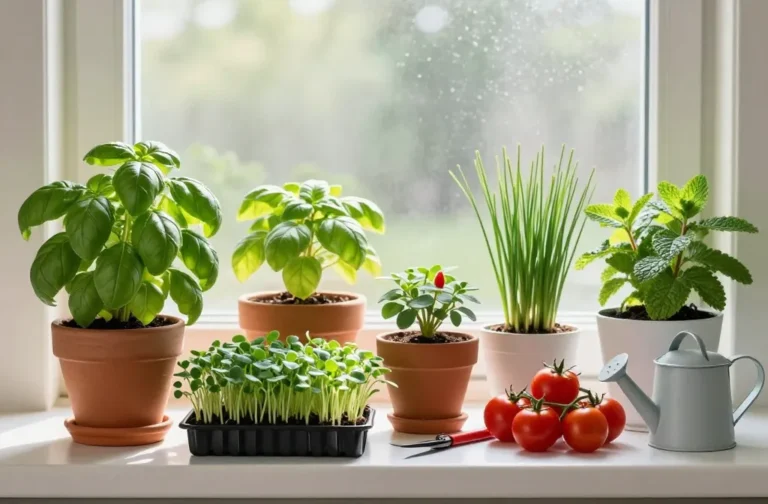
- Cool corner: Put basil, coriander, lettuce, spinach on the shadier, lower shelves or behind a sheer panel.
- Hot lane: Keep tomatoes, peppers, cucumbers where a breeze moves down the aisle, not pressed against the glass.
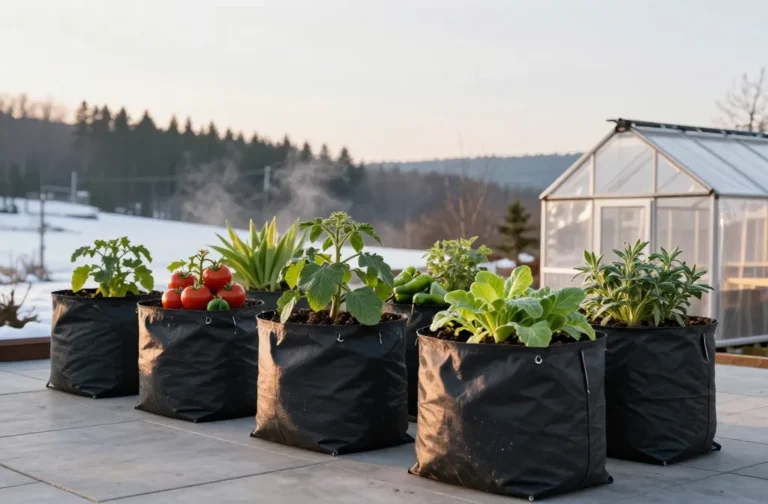
- Pot choice: Use light-colored pots that don’t absorb as much heat. Dark plastic cooks roots fast.
Takeaway: Move tender herbs one shelf down or one step back from direct glass this afternoon — expect less scorch by the very next sunny day.
Design Tweaks That Tame Heat Spikes
Small, inexpensive adjustments compound into big temperature drops. Focus on airflow paths and heat reflection rather than gadgets.
- Reflective rear panel: Tacking a strip of aluminum foil-backed insulation or even a white poster board on the hottest wall bounces heat away.
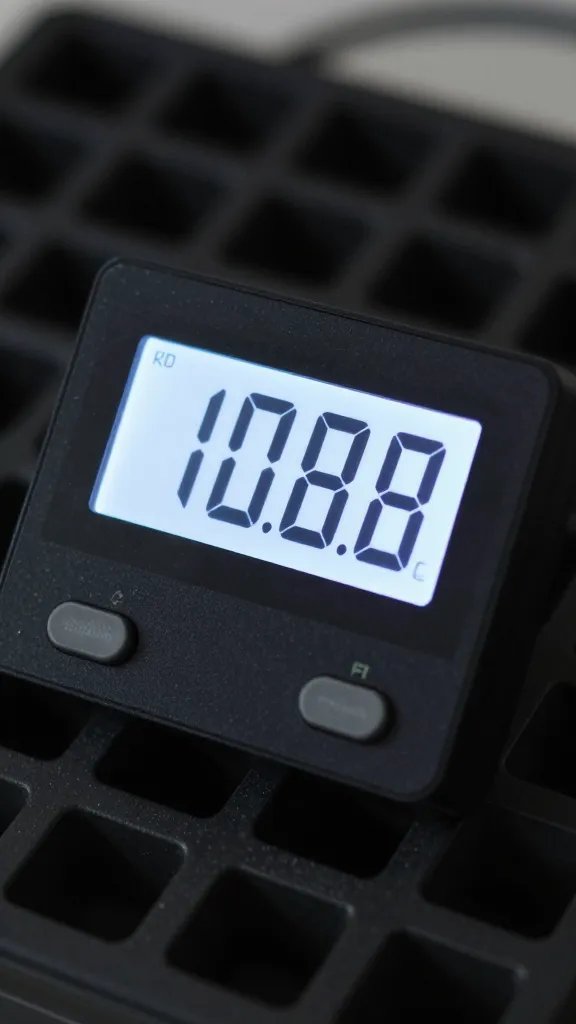
- Thermometer at plant height: Hang a simple analog thermometer where the leaves are, not up at the roof.
- Staggered opening: On bright mornings, open vents once at 9 a.m. and again at 11 a.m. as the sun strengthens.
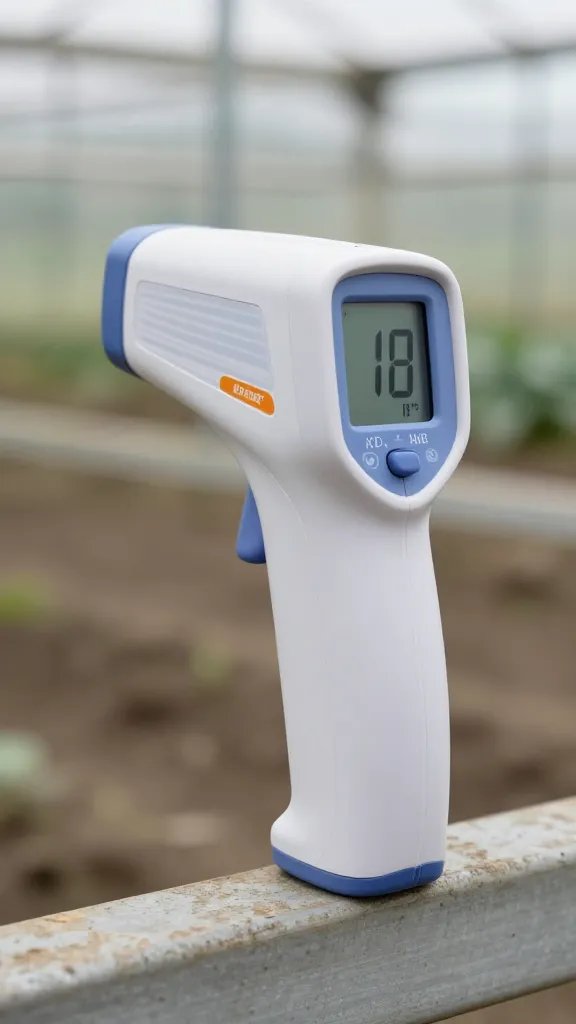
Takeaway: Install a basic thermometer at leaf level today and use it to open vents before it hits the mid-80s°F inside.
Frequently Asked Questions
Does glass “magnify” sunlight and burn leaves like a lens?
Glass doesn’t magnify like a magnifying glass unless it’s curved and focusing light. The main problem is trapped heat and still air, not focused beams. Open vents early and add light shade to prevent the air from overheating in the first place.
How hot is too hot inside a greenhouse for tomatoes and peppers?
Keep daytime temperatures under the high 80s°F at leaf level for reliable pollination and fruit set. Brief spikes into the low 90s°F stall pollen and cause blossom drop. Use morning ventilation and 30–50% shade to keep within range on sunny days.
Is it better to put shade cloth inside or outside?
Outside works best because it stops some of the heat before it enters. Inside shade still helps but the heat has already passed the glass. If you can only install inside, increase ventilation to compensate.
Why do my plants wilt at noon but look fine by evening?
Noon wilting with moist soil is classic heat stress — leaves can’t dump heat fast enough in hot, still air. As temperatures drop later, they recover, but growth stalls and flowers may drop. Add morning ventilation, light shade, and a morning deep watering to prevent the daily stress cycle.
Can I just mist the leaves to cool them?
A light mist cools briefly but risks sunscald spots and foliar disease if done heavily. Instead, water the soil in the morning and dampen the floor for safer evaporative cooling. If you mist, do it very lightly and only when air is moving well.
My mini indoor greenhouse cabinet cooks plants by the window — what helps?
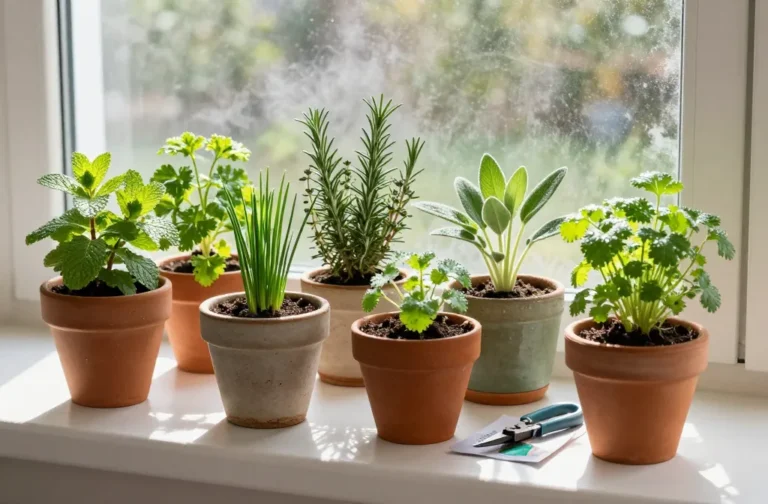
Crack the doors 1–2 cm by late morning and add a small USB fan for constant airflow. Hang a sheer white panel between the cabinet and direct sun, or apply 30% shade cloth to the window. Water in the morning and switch dark pots to light ones to protect roots.
Conclusion
You don’t need special equipment to beat the greenhouse heat trap — you need timing and simple habits. Open high vents before the sun bites, add 30–50% shade on the sunniest panels, water in the morning, and place tender plants out of the blast zone. Start with one change today: set a daily alarm to open the highest vent by 9–10 a.m., and watch your plants stop cooking and start growing again.