Why Haworthia Survives in Low Light — the Science of CAM Photosynthesis in Shade-Adapted Succulents
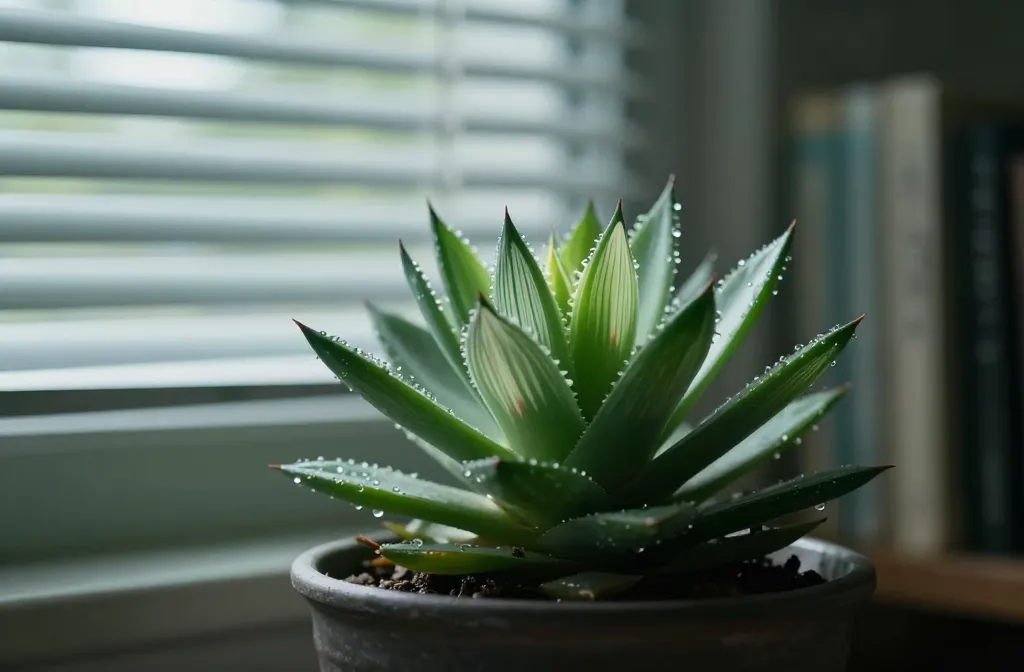
I’ve kept Haworthia on bookshelves and north-facing sills where most succulents give up. I learned fast that this plant plays by different rules — it survives dim rooms that would stretch or rot other rosettes. In this guide I’ll show you exactly why Haworthia thrives in low light and how CAM photosynthesis makes that possible, with clear steps you can use at home. You’ll walk away knowing where to place it, how to water it, and how to read its leaves before problems start.
How CAM Photosynthesis Lets Haworthia Breathe At Night
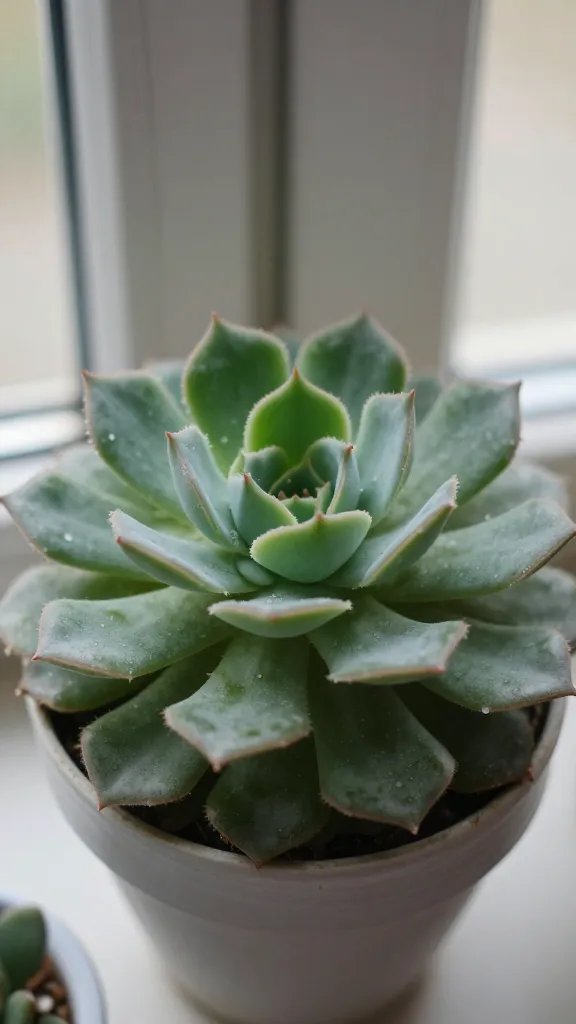
Haworthia uses Crassulacean Acid Metabolism (CAM), a schedule that flips normal plant behavior. Stomata stay closed by day to save water and open at night to take in CO2, storing it as organic acids for use when the lights come on.
In low light, this overnight CO2 “bank” helps Haworthia keep daytime photosynthesis steady without wasting water. That’s why it tolerates apartments where midday light is short or indirect.
Action today: Move your Haworthia where it gets bright light from sunrise to late morning or from late afternoon to sunset; night-time gas exchange still works even if midday light is brief.
Why Shade-Adapted Leaves Make Dim Rooms Work
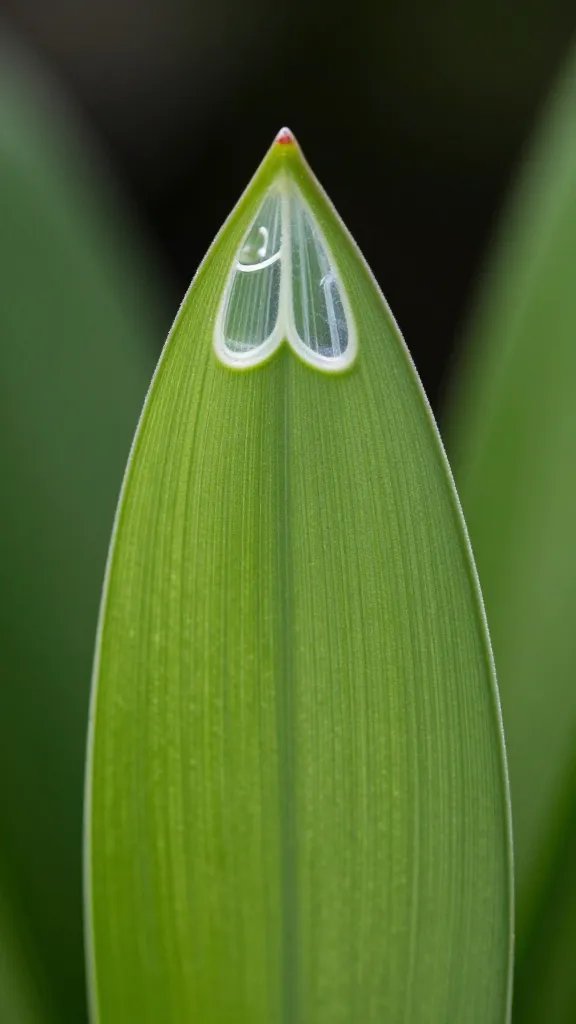
Many Haworthia species evolved under shrubs or rock ledges. Their leaves have translucent “windows” and pale striations that channel light deeper into the rosette, so even side-lit rooms are usable.
Their compact rosettes minimize self-shading, and thicker leaves store water for slow, steady growth rather than fast stretching. You get a plant that holds shape without a sun-soaked sill.
Action today: Place Haworthia within arm’s length of a bright window (north or east is fine). If your only option is a deeper shelf, rotate the pot 90 degrees once a week to keep symmetry.
Light Placement That Works Without Meters
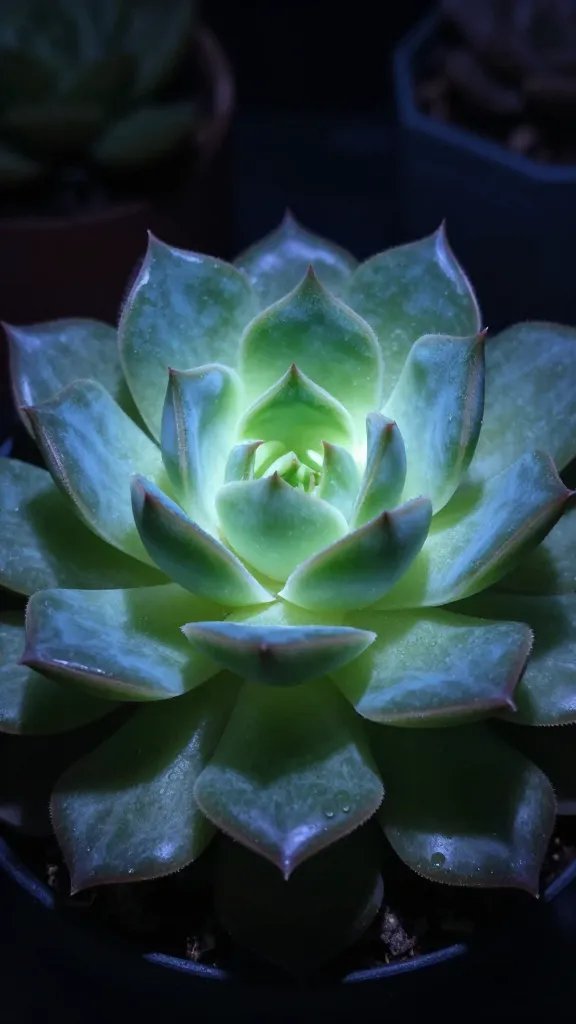
You don’t need sensors to get this right. Aim for bright, indirect light that lets you read a book comfortably at noon without turning on a lamp.
- North window: set within 12–24 inches of the glass.
- East window: anywhere in the room, with 1–3 hours of gentle morning sun.
- West window: pull back 2–4 feet or use a sheer curtain to avoid scorch.
- Interior shelf: add a simple clamp-on LED with a “daylight” bulb (4000–6500K) 10–12 inches above for 8–10 hours.
Action today: Stand where your plant sits at midday — if you need a lamp to read, add a daylight LED or move 1–2 feet closer to the nearest window.
Watering On A Night-Shift Schedule
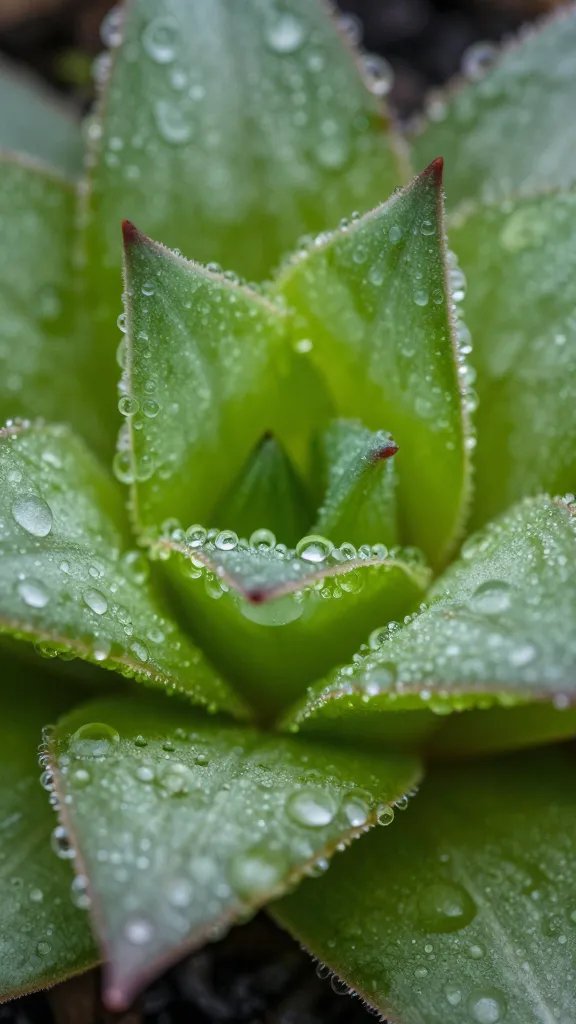
Because CAM keeps stomata closed by day, Haworthia loses very little water. Overwatering, not drought, kills it indoors. I water when the top half of the mix is dry and the pot feels noticeably lighter.
Use a well-draining mix from the garden center labeled “cactus and succulent.” If yours looks dense, blend in a bagged mineral amendment like pumice or perlite at roughly 1 part amendment to 2 parts mix. Always use a pot with a drainage hole.
Warning Signs You’ll See First
- Too much water: leaves turn translucent, mushy bases, or sudden leaf collapse.
- Too little water: leaves wrinkle lengthwise and feel thin but still firm.
- Too little light: rosette opens wide and stretches; new leaves grow pale.
Action today: Water once, deeply, until a little drains out, then wait 2–3 weeks before checking again; in winter, stretch that to 3–4 weeks.
Temperature And Airflow That Support CAM
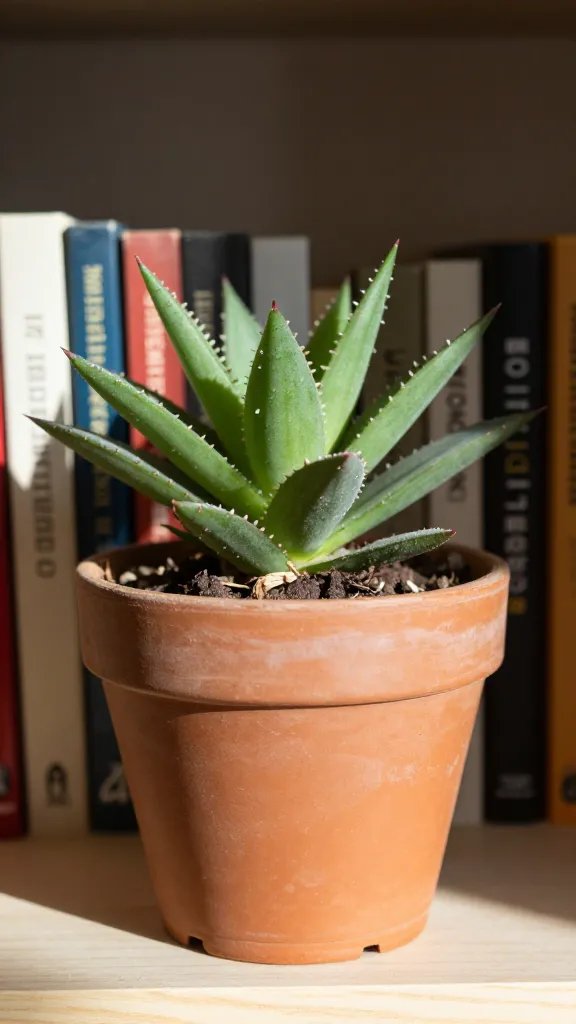
CAM runs cleanly with a mild day–night temperature split. Typical homes already have this: warmer by day, cooler at night. Haworthia stays happiest between 60–80°F (16–27°C) with nights a bit cooler.
It also appreciates gentle airflow to dry the crown. A cracked window or a ceiling fan on low prevents moisture from sitting in the rosette after watering.
Action today: After watering, tip the pot slightly and blow across the rosette for a few seconds to clear trapped water from leaf bases.
Repotting And Soil That Prevent Low-Light Rot
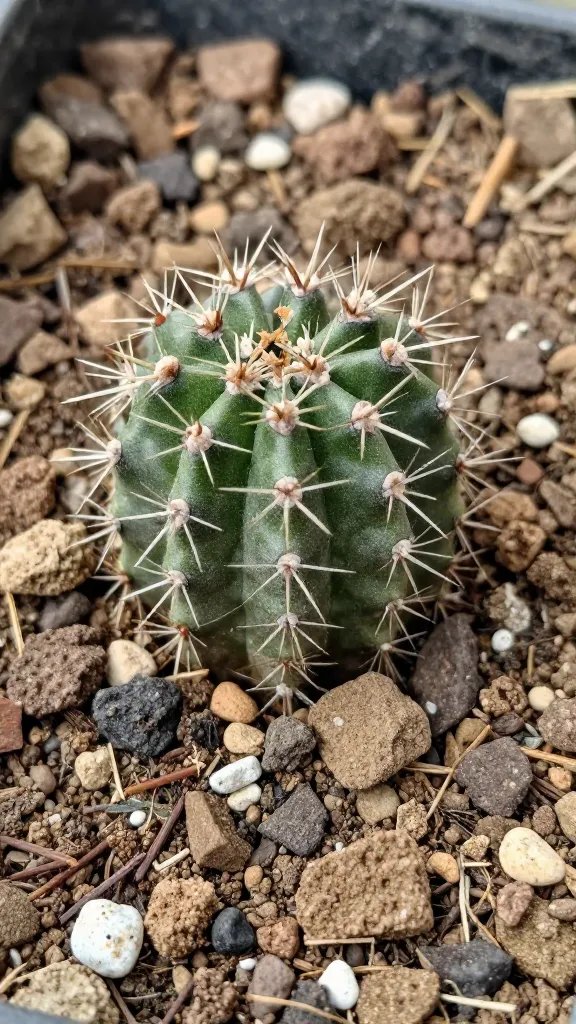
Slow growers like Haworthia don’t need frequent repotting, but soil breaks down. Every 18–24 months, refresh into a pot only one size up. Choose unglazed terracotta if you tend to water generously — it breathes and reduces rot risk.
Set the plant high enough that the rosette sits above the rim. Burying the neck invites crown rot, especially in low light where evaporation is slower.
Step-By-Step Quick Repot
- Stop watering for 5–7 days so roots are firm.
- Tap the pot to release the root ball; tease off old, soggy mix.
- Fill the new pot with fresh cactus mix plus extra perlite or pumice.
- Plant at the same depth; keep the crown dry and exposed.
- Wait 5–7 days before the first light watering.
Action today: Press the soil surface — if it dents and stays compressed, plan a fresh mix and repot this weekend.
When Low Light Needs A Boost: Simple LED Help
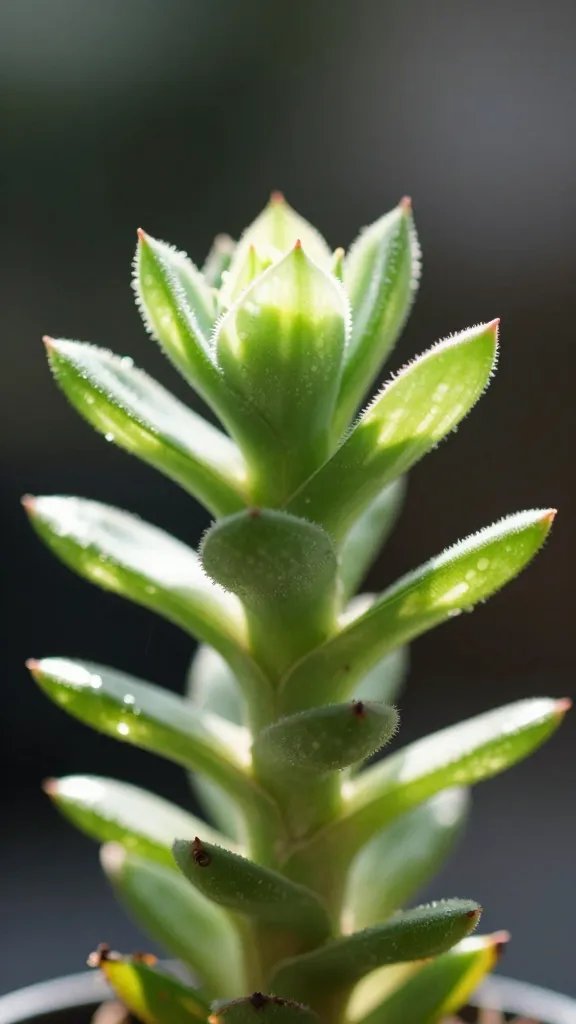
CAM doesn’t mean no light; it means efficient use of modest light. If your room stays dim all winter, a basic clamp light solves it. Use a 9–12W “daylight” (4000–6500K) household LED aimed straight down, 10–12 inches above the plant, for 8–10 hours daily.
Skip complicated timers if you don’t want gadgets — just turn it on with your morning coffee and off after dinner. Consistency beats intensity.
Action today: Mount a clamp lamp to a shelf and set your phone alarm for on/off times for the next two weeks.
Frequently Asked Questions
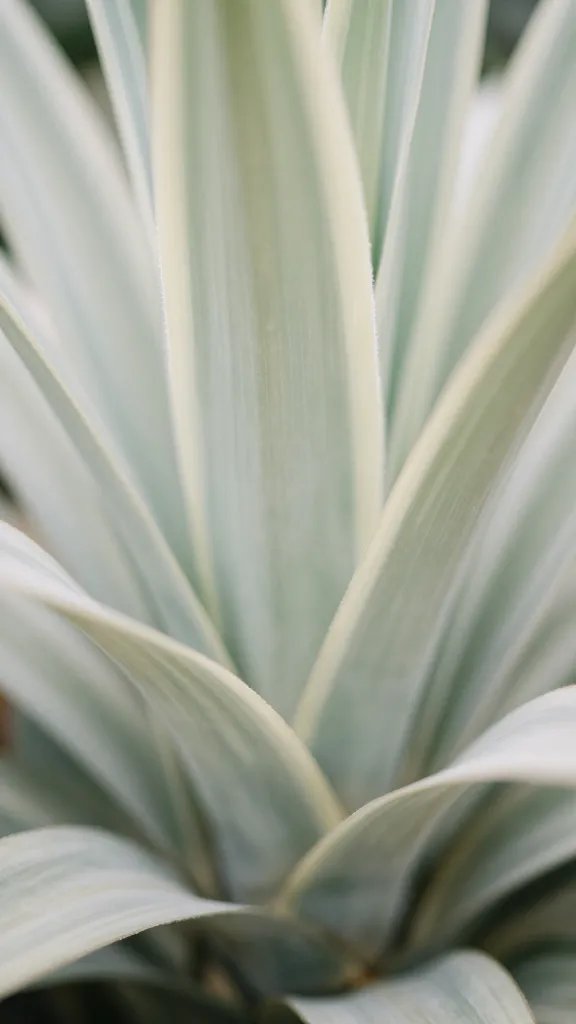
Why does my Haworthia look pale and stretched even though it’s “low-light”?
Low light tolerance isn’t no light. Pale, widely spaced leaves mean it’s too far from a window. Move it within 12–24 inches of a north window or provide a daylight LED 10–12 inches above for 8–10 hours. Rotate the pot weekly to keep the rosette compact.
How often should I water Haworthia in winter?
In a cool, dim room, water every 3–4 weeks. Check by pressing a finger 1–2 inches into the mix; it should feel dry and the pot should feel light. If leaves stay plump, wait another week — CAM slows growth in winter, so the roots use less water.
Can Haworthia live on a desk far from windows?
Yes, if you add a simple LED. A clamp-on lamp with a daylight bulb aimed directly at the plant for 8–10 hours replaces missing window light. Without that, it will stretch and weaken over a few months.
Do I need a special soil recipe for Haworthia?
No. Use a bagged cactus and succulent mix from the garden center. If it looks peat-heavy, blend in a few handfuls of perlite or pumice to keep it crumbly. Always use a pot with a drainage hole to protect roots in low light.
Why did my plant rot even though I watered lightly?
Rot usually comes from slow-drying soil, not just volume of water. Dense mix, a pot without a drain hole, or a buried crown traps moisture around the base. Repot into a draining mix, keep the rosette above the rim, and let the top half of the soil dry before watering again.
Is direct sun safe for Haworthia?
Gentle morning sun is fine, but strong midday or west sun will scorch leaves. If you only have a west window, pull the plant back 2–4 feet or hang a sheer curtain. Watch for bleached or crispy tips as an early warning.
Conclusion
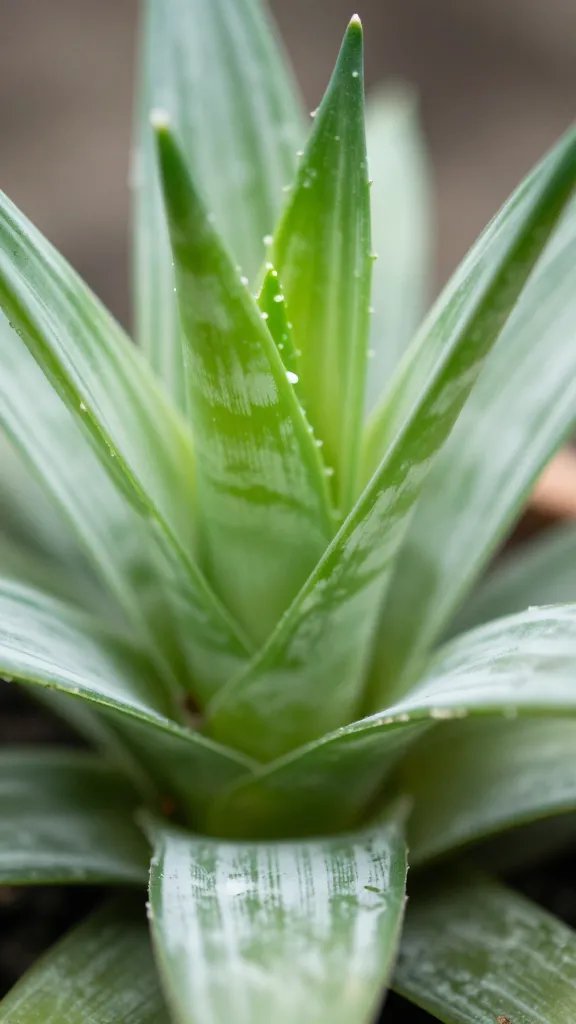
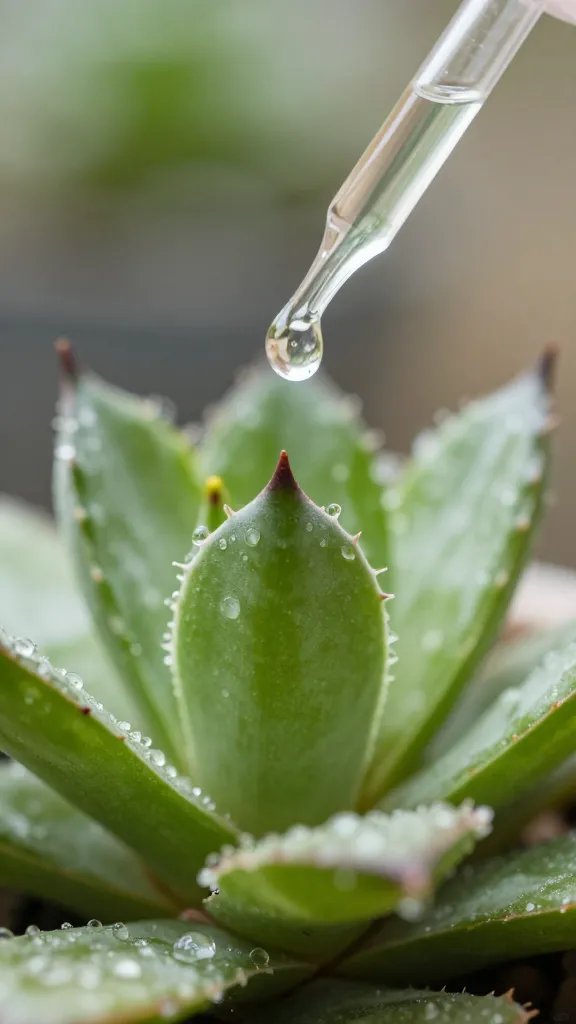
Haworthia survives where other succulents sulk because CAM photosynthesis and shade-adapted leaves make every photon count. Set yours near a bright window, water on the slow schedule, and keep the crown dry — you’ll get a tight, healthy rosette without chasing the sun. If your space is truly dim, add a simple daylight LED for 8–10 hours and enjoy a plant that finally fits your home, not the other way around.