Why Drainage Holes Are Not Optional — What Happens Below the Substrate When Water Cannot Exit Revealed Shocking Truth
I’ve lost more plants in pretty pots without holes than in any other setup. The leaves looked fine for weeks while the trouble brewed out of sight under the soil. Once I understood what water does below the substrate line, I stopped guessing and my plants stopped dying. In this guide, I’ll show you exactly what happens when water cannot exit, how to fix it with simple tools, and which workarounds actually work.
What Trapped Water Does Under the Soil
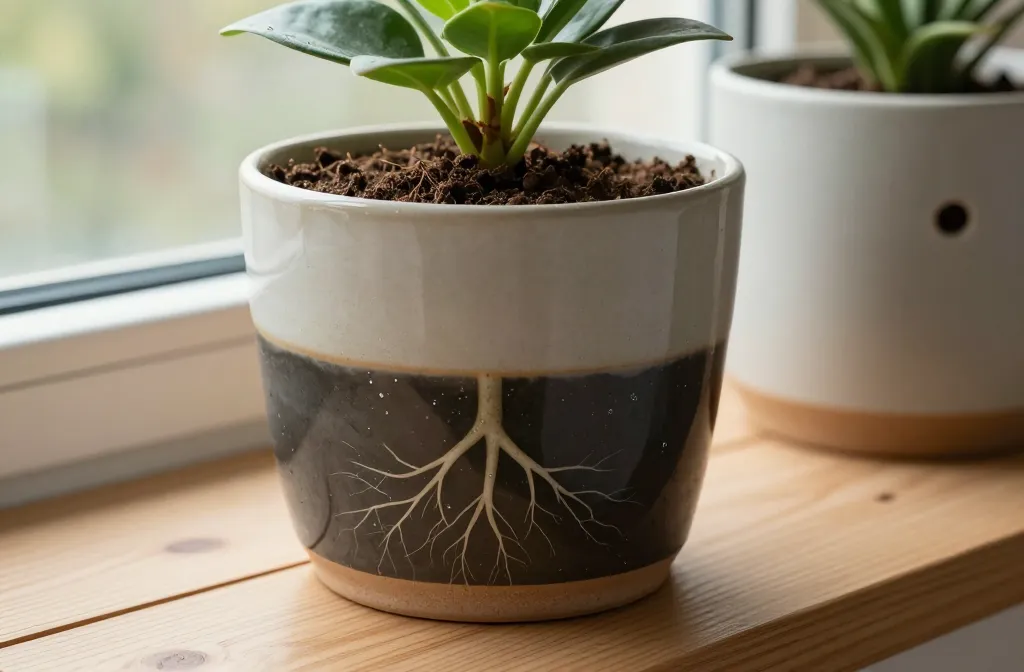
When a pot has no drainage hole, excess water pools at the bottom and forms a permanent perched water table — a saturated layer the roots cannot breathe in.
Roots need oxygen to stay alive. In saturated zones, oxygen drops fast, beneficial microbes crash, and harmful anaerobic bacteria take over. You’ll smell that as a sour, swampy odor long before leaves show distress.
Water also wicks upward into the rest of the mix, keeping it wetter for longer than you expect. You cannot “water lightly” to avoid this; capillary action still builds a soggy layer.
Action today: Pick up the pot right after watering and again 24 hours later. If it feels almost as heavy the next day, water is trapped below — plan a repot with a hole.
Why “A Layer of Rocks” Does Not Replace a Hole
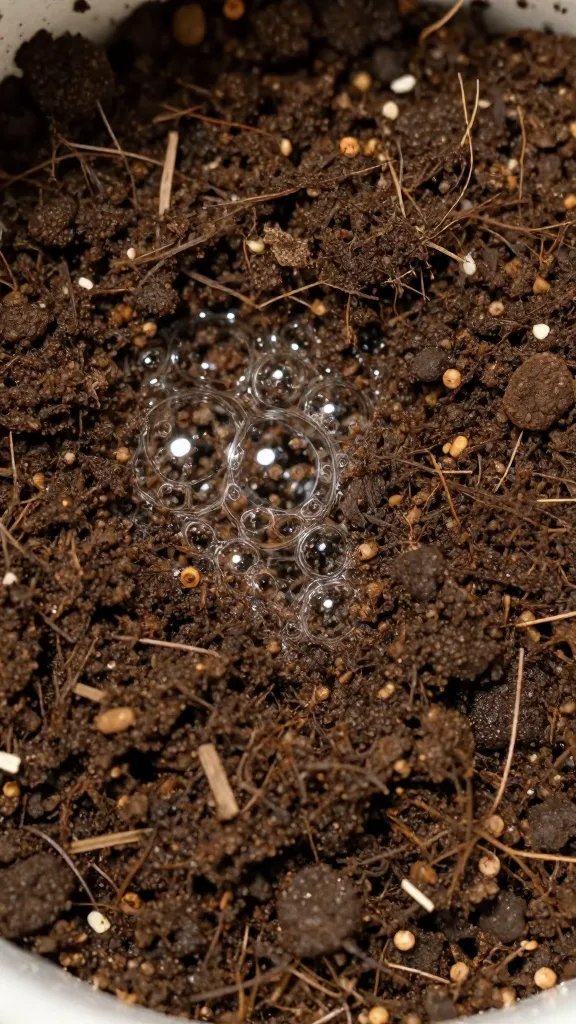
I tested the classic pebble trick in several houseplant pots. The water didn’t drain into the rocks — it sat on top of them, raising the perched water table higher up where the roots live.
The interface between soil and pebbles slows downward movement because fine particles hold onto water tighter than coarse ones. You create a bathtub with a false floor, not a drain.
Those pebbles also steal vertical space the roots need. In a 15 cm pot, a 5 cm pebble layer leaves only 10 cm of actual soil — less room, more saturation.
Takeaway: Skip the rock layer. Use a pot with a real hole plus a saucer to catch runoff.
How Root Rot Starts — and How Fast
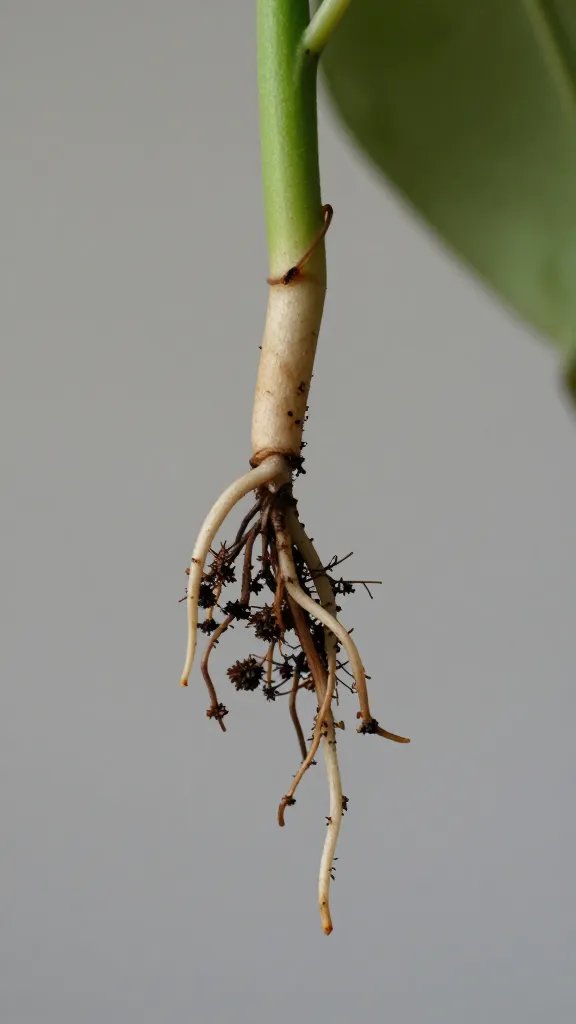
In saturated soil, fine feeder roots suffocate first. Within 3–7 days of constant wetness, they turn from white and crisp to tan, then brown and mushy. That damage is permanent.
As roots die, the plant can’t move water upward, so leaves paradoxically droop as if thirsty. People water again and speed up the rot. By week two, you’ll see yellowing lower leaves, stalled growth, and that sour smell.
Once rot organisms get established, they spread faster than new roots can grow. You must remove the cause (standing water) and the damaged tissue.
Action today: Tip the plant out gently and check the bottom 3–5 cm of the root ball. If roots there are brown and slimy, treat for rot and change the container.
Simple Container Choices That Prevent Failure
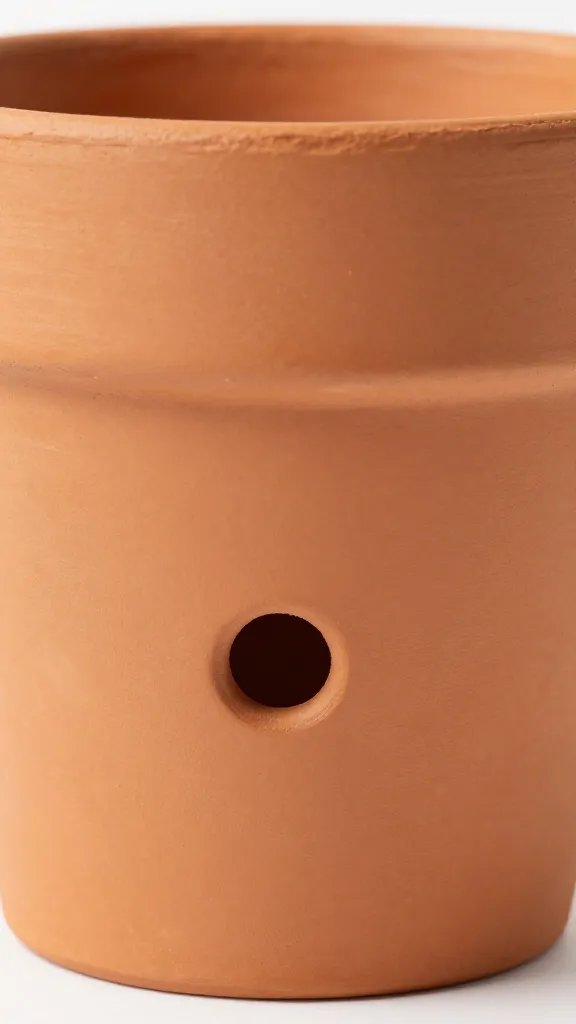
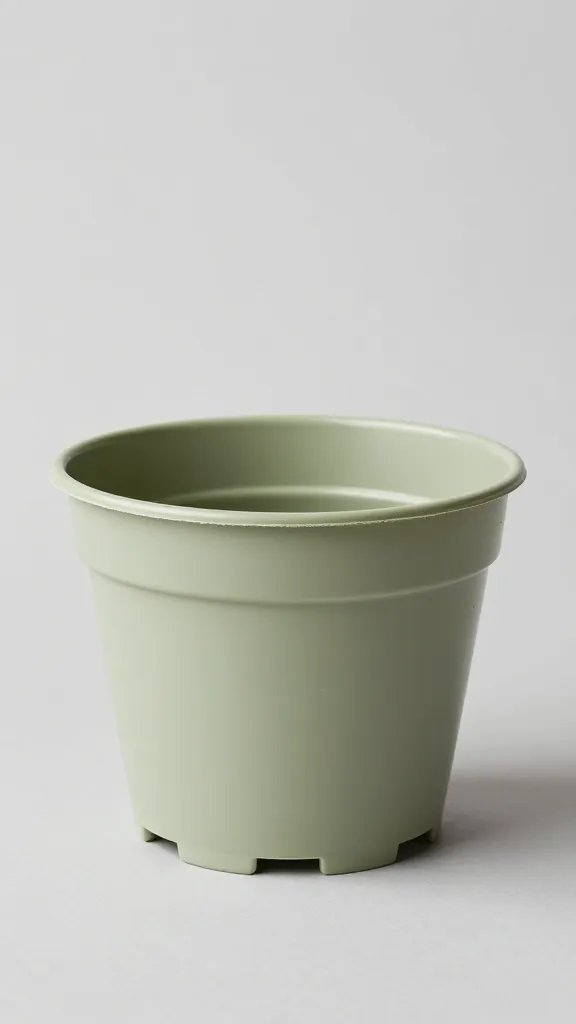
You don’t need special gear — just choose the right pot and mix from the start. I use a pot with at least one 1–2 cm drainage hole plus a matching saucer from any garden centre.
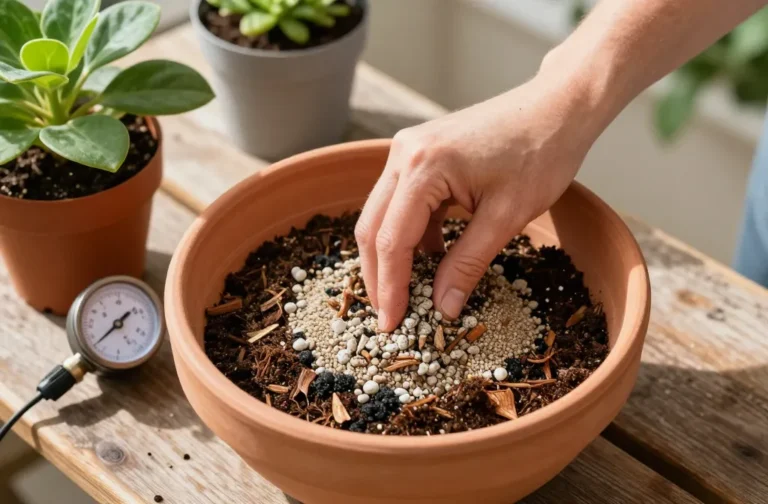
For most houseplants, a good-quality potting mix with added structure works best. I blend 3 parts standard potting mix with 1 part coarse perlite or pine bark to keep air pockets open.
If you want a decorative outer pot, nest a plastic nursery pot with a hole inside it. Water over the sink, let it drip for 10 minutes, then return it to the cover pot.
Material Recommendations
- Terracotta: Breathable, dries quicker — great for plants you tend to overwater.
- Plastic: Holds moisture longer — fine if you water carefully and still use a hole.
- Saucers: Use a saucer wider than the pot base; empty it within 15 minutes after watering.
Action today: If your favorite pot lacks a hole, place a plastic nursery pot with a hole inside it — instant drainage without giving up the look.
The Right Way to Water When You Have a Hole
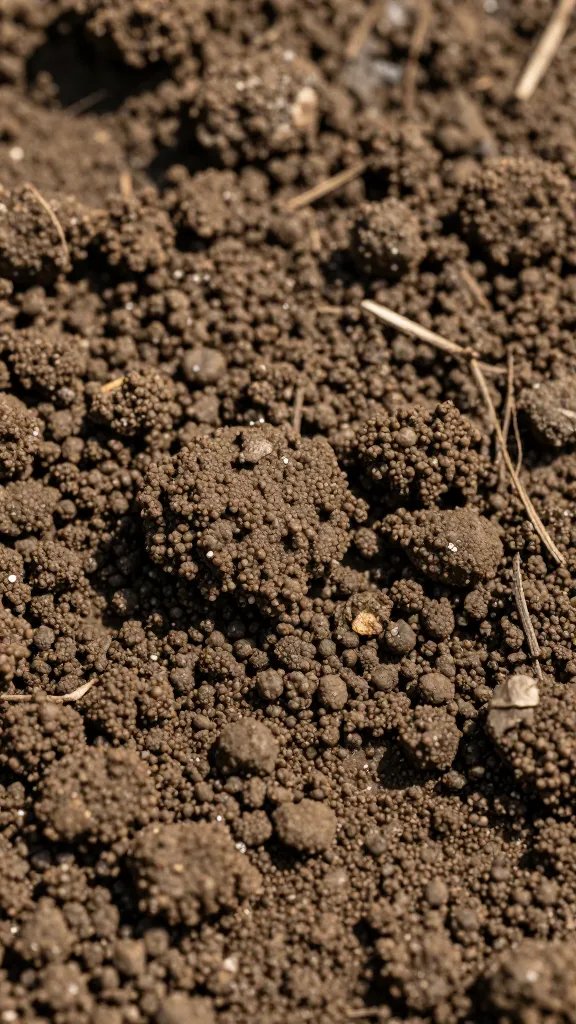
Water thoroughly, then let excess drain completely. I add water until I see a steady stream into the saucer, then I stop and empty the saucer within 15 minutes.
Between waterings, I check moisture with my finger to the second knuckle. If the top 2–4 cm feels dry for foliage plants like Pothos and Philodendron, I water. For succulents like Hoya and Jade, I wait until the mix feels dry halfway down.
A consistent soak-and-dry cycle encourages deeper, healthier roots that can handle short dry spells without drama.
Action today: Commit to a single rule: always empty the saucer within 15 minutes of watering.
Fixes If You’re Stuck With a Pot Without a Hole
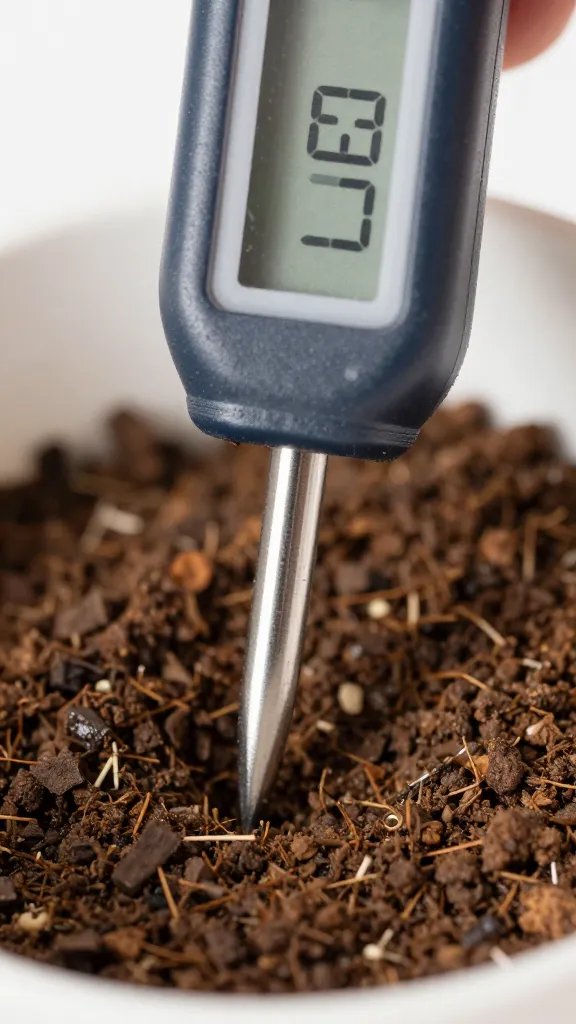
Sometimes the pot is sentimental or ceramic you can’t drill. You still have options that work reliably with household tools.
Best Workarounds
- Drop-in liner: Use a plastic pot with a hole as a liner inside the no-hole pot. Water the liner only.
- Measure by volume: For small cover pots (10–12 cm wide), use 1/4–1/3 cup of water, then check the weight the next day.
- Wicking cord: Thread a cotton shoelace through the soil and hang the end over the pot lip into a saucer to pull off excess water.
How to Safely Add a Drainage Hole
- Mark the center of the base.
- For plastic: Use a standard drill with a 6–10 mm bit at low speed. Support the inside with a piece of wood.
- For terracotta/unglazed clay: Use a masonry bit, low speed, light pressure. Keep the area dry and the pot stable.
- For glazed ceramic: Only if labeled drillable. Use a diamond-tipped bit, painter’s tape over the spot, very low speed, and patience.
Warning: Do not drill glass at home. It can shatter and cause injury.
Action today: If you can’t drill, install a plastic liner pot and water only the liner — never the outer pot.
Plants and Setups That Tolerate Less Drainage (And Their Limits)

No plant “likes” stagnant water, but some tolerate slower drying. Zamioculcas (ZZ), Sansevieria (Snake Plant), and Succulents prefer to dry well between drinks. They still need air around roots and perform best with a hole.
Self-watering planters from garden centres are different: they include a reservoir plus an aerated wicking column and an overflow. That’s a ventilation path, not a sealed pot.
If you love a water display, keep aquatic or semi-aquatic species in proper containers, not standard potting mix. Houseplants are not bog plants.
Action today: If you rely on “tough” plants to survive no-drain pots, move them to terracotta with a hole and watch growth pick up within 4–6 weeks.
Warning Signs You’re Drowning the Roots
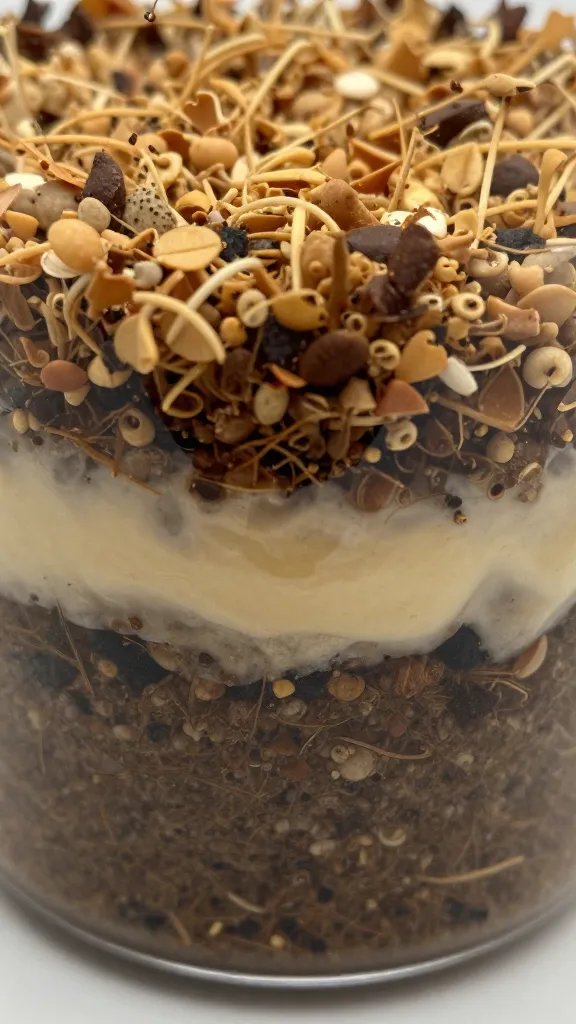
Overwatering doesn’t always look wet on top. I watch for three signals that show me what’s happening below the substrate.
Early Red Flags
- Persistent weight: Pot stays heavy 24–48 hours after watering.
- Mushy stems or leaf bases: Especially in Pothos, Peperomia, and ZZ.
- Yellowing lower leaves first: While new growth stalls.
- Fungus gnats: They breed in chronically wet soil.
- Odor: Sour or swampy smell from the pot base or saucer.
Step-by-Step Emergency Rescue
- Unpot and rinse roots under lukewarm tap water.
- Trim brown, mushy roots with clean scissors back to firm, white tissue.
- Dust cuts with ground cinnamon from the kitchen as a light antimicrobial aid.
- Repot into fresh, airy mix in a pot with a hole.
- Water once to settle, then let the top 3–4 cm dry before the next watering.
Action today: Weigh the pot in your hands; if it feels “brick heavy” two days after watering, plan a repot and root check this weekend.
Frequently Asked Questions
Can I water less and keep using a pot without a hole?
You can ration water, but you’re still building a perched water table every time you pour. The risk never goes away because excess has nowhere to go. If you insist, use a plastic liner with a hole inside and water the liner only. That preserves the look while giving you drainage control.
How do I know when to water if my potting mix feels dry on top?
Top layers dry first. Push your finger 4–5 cm down — that’s where the roots are working. If it still feels cool and damp at that depth, wait. For consistency, lift the pot when it’s just watered and remember that weight; water again when it feels much lighter.
Do self-watering planters cause root rot?
Quality self-watering pots include an overflow and an air gap above the reservoir. Used correctly, they keep the root zone aerated while providing steady moisture. Keep the fill line below the overflow, use an airy mix, and flush the system once a month to prevent salt buildup.
Which plants absolutely need a drainage hole?
All houseplants benefit, but moisture-sensitive ones demand it: Fiddle Leaf Fig, Peperomia, Calathea, Hoya, and most cacti/succulents. These develop rot quickly in stagnant conditions. Give them a hole plus a breathable mix and they reward you with steady growth.
Is drilling a ceramic pot safe at home?
Unglazed terracotta is usually safe with a masonry bit, low speed, and light pressure. Glazed ceramic risks cracking; only drill if labeled drillable and use a diamond-tipped bit with painter’s tape to prevent skating. Always wear eye protection and support the pot firmly. Never drill glass at home.
Conclusion
You don’t need meters or fancy substrates to keep roots healthy — you need oxygen, a way for water to exit, and a simple, repeatable watering routine. Choose containers with holes, pair them with a breathable mix, and empty the saucer every time. If a pot has no hole and you love it, use a drop-in liner and keep the beauty without sacrificing the roots. Your next step: pick one plant today, check its pot weight 24 hours after watering, and decide — hole, liner, or repot. That single choice sets the whole root system up for success.