
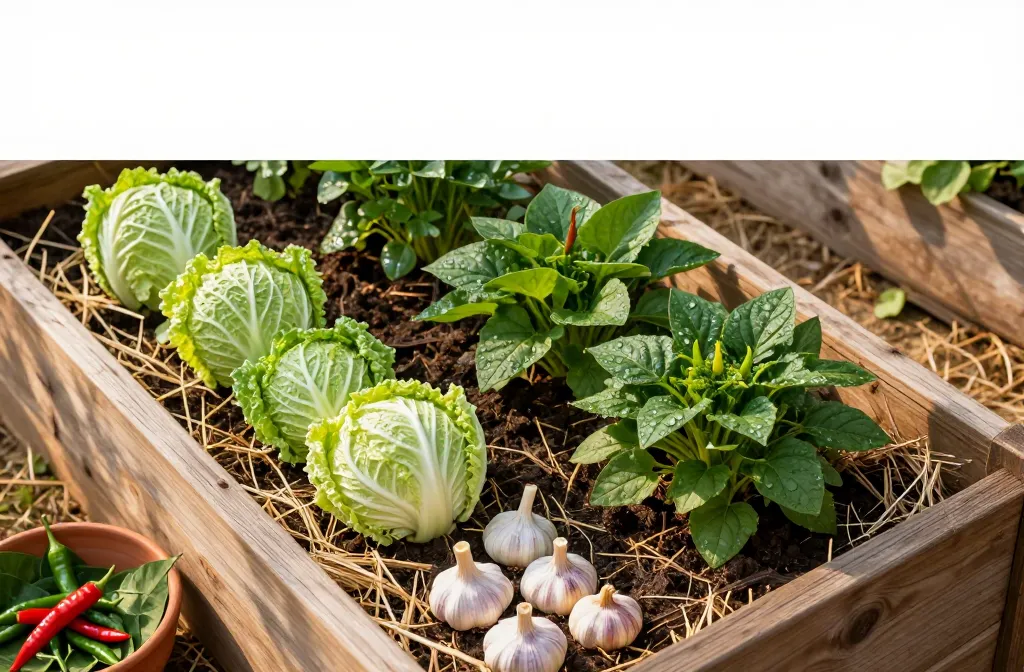
If you’re into Korean cooking and home gardening, you just hit the jackpot. Companion planting can supercharge flavor, boost yields, and keep pests away naturally. We’re pairing classic Korean ingredients that play nice in the garden and the kitchen. Ready to turn your beds into bibimbap-level bliss? Let’s plant like we mean it.
1. Napa Cabbage + Garlic: The Kimchi Power Couple
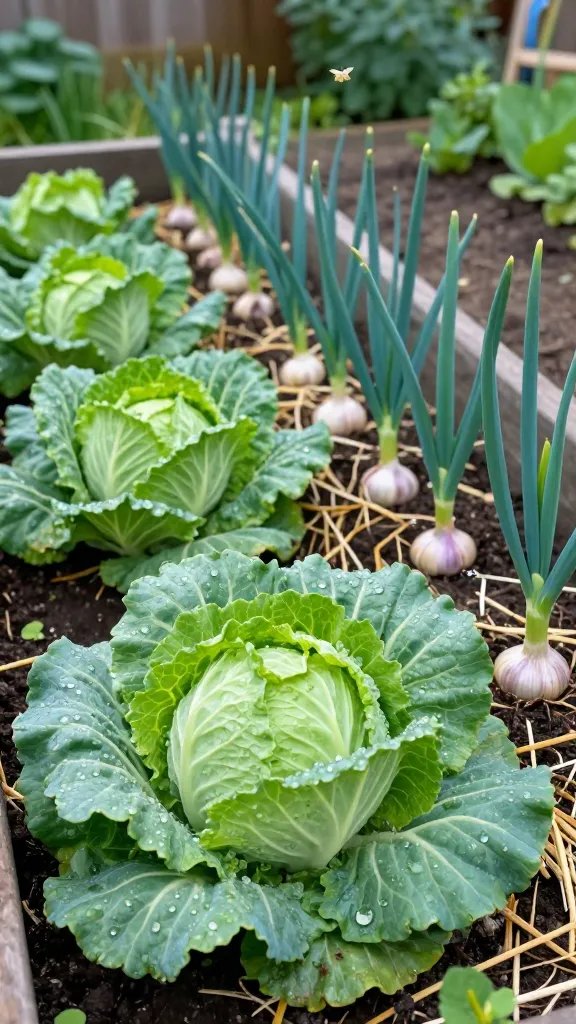
Napa cabbage needs protection from pests, and garlic brings the muscle. Garlic’s strong aroma confuses cabbage moths and aphids while keeping soil diseases in check. Together, they set you up for crisp, clean leaves destined for crunchy kimchi.
How To Plant
- Spacing: Plant garlic cloves 6 inches from cabbage stems in staggered rows.
- Timing: Overwinter garlic; transplant spring cabbage nearby as soil warms.
- Water: Keep evenly moist; mulch to prevent splash-back and disease.
Bonus: You’ll harvest garlic scapes for stir-fries while your cabbage bulks up—two wins, one bed.
2. Perilla (Kkaennip) + Chili Peppers: Flavor Meets Pest Control
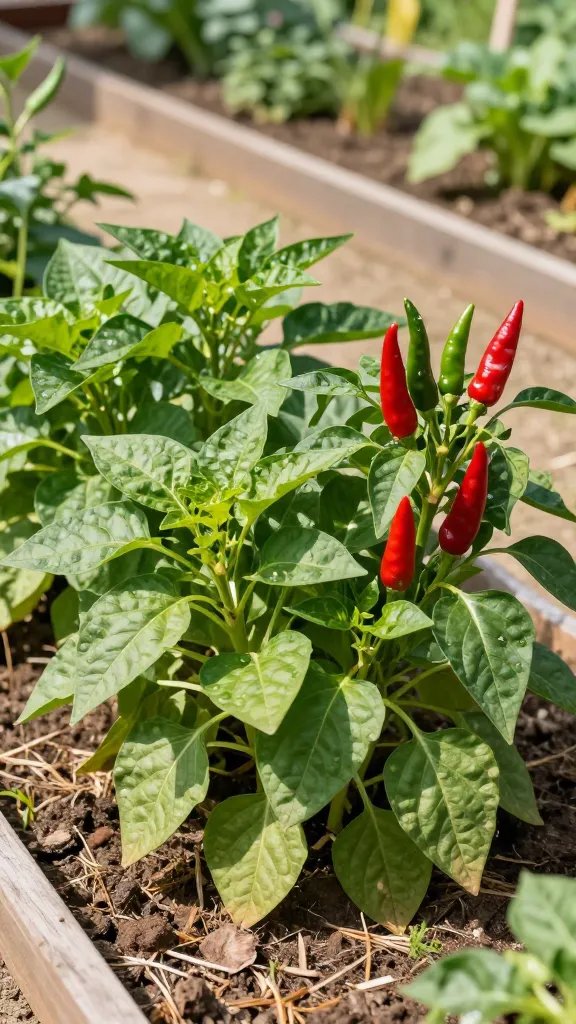
Perilla brings a bold, herbal fragrance that helps deter pests, while peppers soak up heat and sun. They share similar watering needs and thrive in well-drained soil. Harvest both for ssam wraps and spicy stews, and your kitchen sings.
Tips
- Sun: Full sun for peppers; let perilla offer dappled shade to pepper roots.
- Pinch Perilla: Pinch tops to bush out plants and increase leaf yield.
- Mulch: Keep soil cool and weed-free for both.
Perfect for folks who love gochu-jangajji (pepper pickles) with perilla on the side. IMO, elite combo.
3. Scallions + Korean Radish (Mu): Crunchy Support Crew
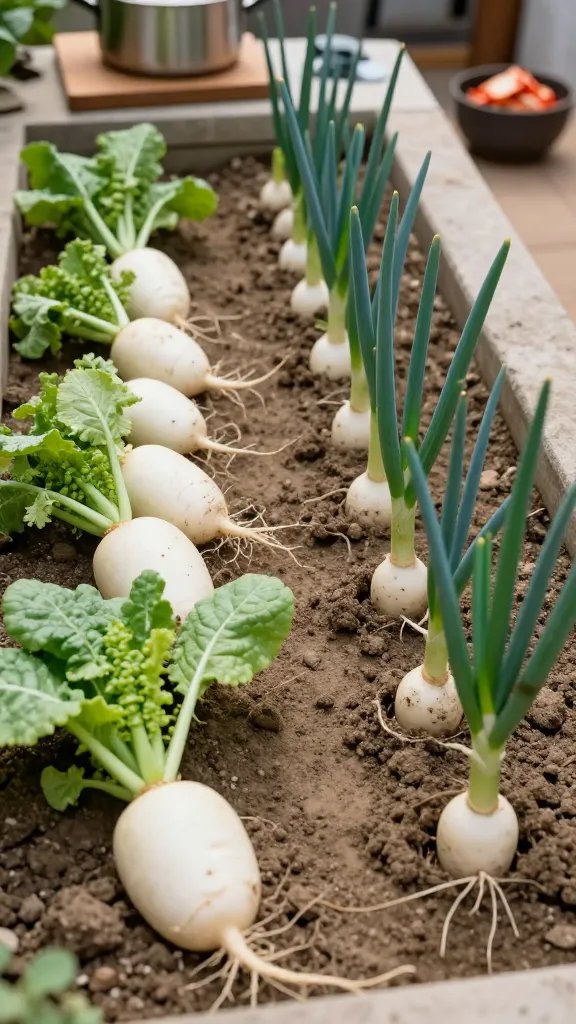
Radishes grow fast and need consistent moisture, while scallions help repel root maggots and aphids. Their roots explore different zones, so they don’t compete much. Together, they deliver crisp radish slices and zesty green onions for soups and kimchi.
Key Points
- Row Mix: Alternate rows—radish, scallion, radish—to confuse pests.
- Harvest Rhythm: Pull scallions as radishes expand to free up space.
- Soil: Loose, sandy loam keeps radishes from forking.
This duo shines in mu-guk (radish soup) and quick pickles—clean flavors, no fuss.
4. Soybeans (Edamame) + Corn: The Korean Three-Sisters Twist
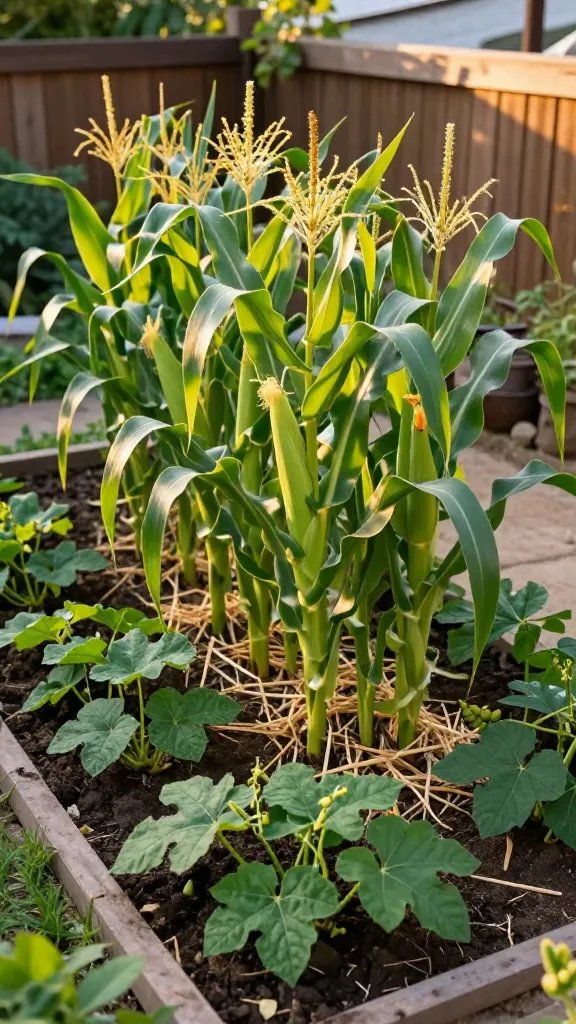
Corn loves nitrogen, and soybeans fix it. Beans climb the corn for support, which saves you staking. Add a border of squash (optional) for living mulch—hello weed control.
How To Stack
- Plant Order: Start corn, then sow soybeans when corn hits 6–8 inches.
- Spacing: Corn in blocks for pollination; beans 6 inches from corn.
- Optional: Edge with squash or cucumbers to shade soil.
Use the haul for oksusu-bap (corn rice) and kongnamul sprouts—seriously versatile.
5. Korean Chives (Buchu) + Cucumbers: Cooling, Crunchy, and Cooperative
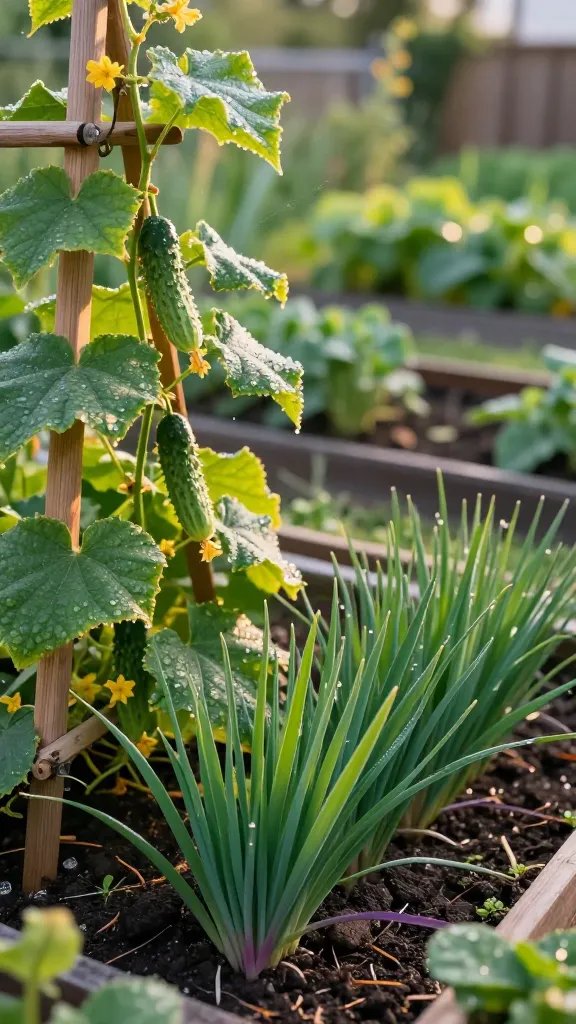
Cucumbers adore consistent moisture and mild shade at soil level. Korean chives form clumps that help retain moisture and deter pests with their oniony scent. You get crisp cukes and aromatic chives perfect for oi-muchim.
Tips
- Trellis: Train cucumbers up to improve airflow and reduce mildew.
- Edge Planting: Line the bed with chives to create a fragrant barrier.
- Water: Deep, regular watering to prevent bitter cucumbers.
Bonus points for tossing both into a cold summer salad with gochugaru and sesame oil.
6. Daepa (Large Korean Green Onions) + Lettuce: Pest Smarts With Salad Perks
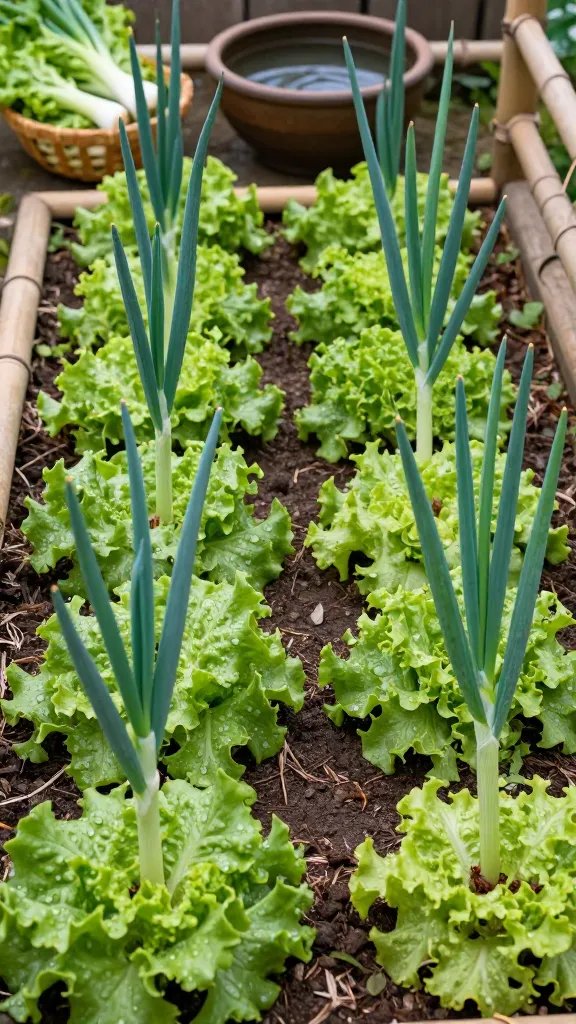
Lettuce and daepa share a love for cool roots and steady moisture. Onions repel aphids while lettuce acts as a living mulch. The result? Tender leaves for wraps and sturdy aromatics for stews and pancake batters.
Planting Notes
- Interplant: Slot daepa between lettuce heads at 8–10 inch spacing.
- Shade Hack: Lettuce shades onion bulbs; onions deter pests for lettuce. Symbiosis!
- Succession: Replant lettuce every 2–3 weeks for a continuous harvest.
Use this duo for ssam nights with grilled meats and a mound of scallion salad.
7. Korean Perennial Sesame (Deulkkae) + Eggplant: Aromatic Allies
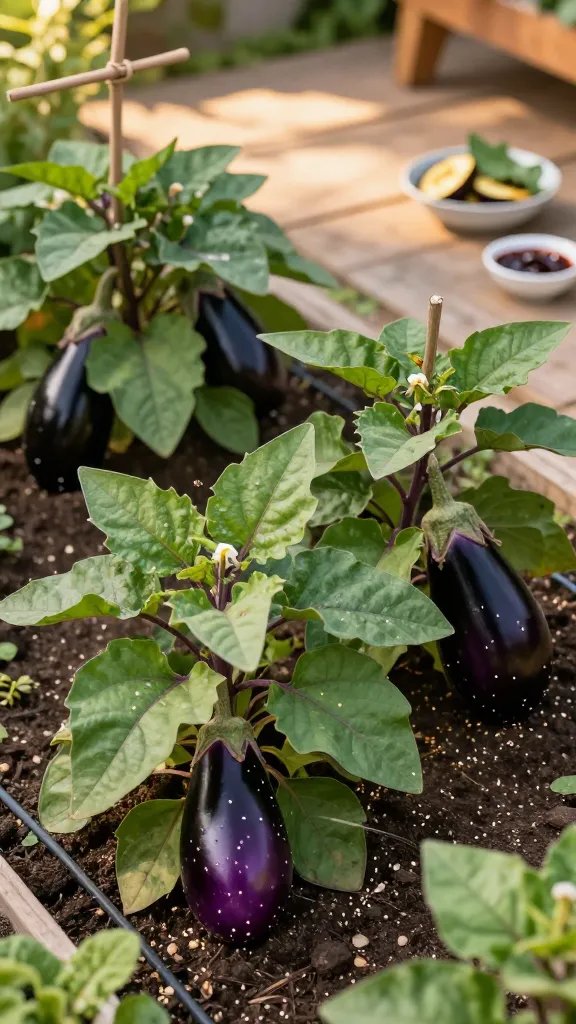
Eggplant needs warmth and hates flea beetles. Perilla’s scent helps confuse pests while attracting beneficial insects. The broad leaves also cast gentle shade that keeps eggplant roots happier.
Grower’s Guide
- Spacing: 18–24 inches for eggplant; tuck perilla between plants.
- Soil: Rich, well-drained with compost—eggplant is hungry.
- Pruning: Stake eggplant; pinch perilla to keep it compact and leafy.
Grill eggplant, wrap with perilla, add a dab of ssamjang—instant patio feast.
8. Korean Mustard Greens (Gat) + Daikon-Style Radish: Spicy Siblings That Share Well
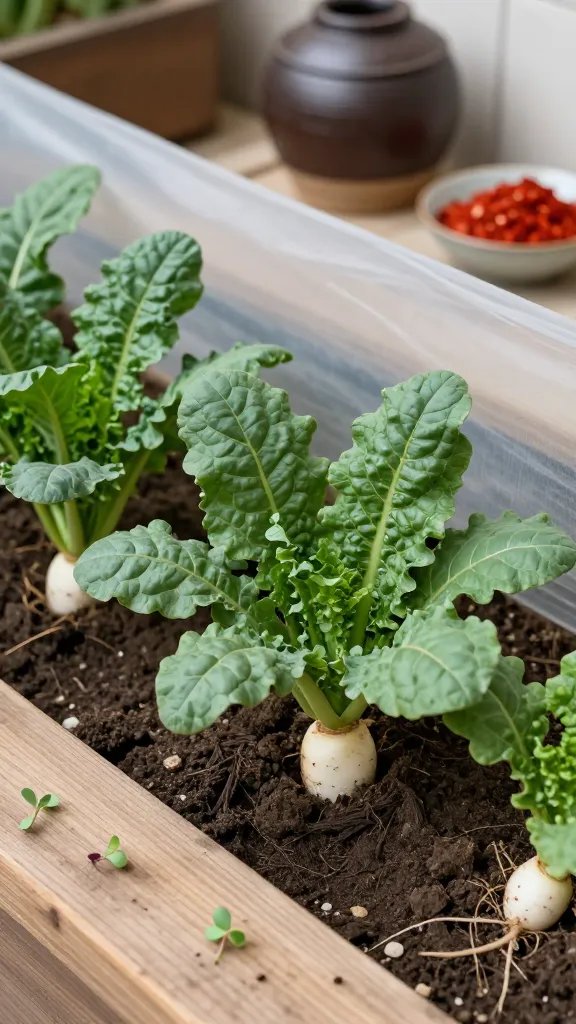
Mustard greens and Korean radishes grow fast and love cool temps. The greens offer quick shade for radish shoulders, while radishes break up soil and improve structure. You’ll harvest peppery leaves and crisp roots that scream kimchi season.
Key Moves
- Timing: Sow both in early spring or fall for best flavor.
- Thin Early: Eat your thinnings as microgreens—zero waste.
- Cover: Use row cover to block flea beetles—mustards attract them.
Fabulous for gat-kimchi and sliced radish tossed with gochugaru and vinegar. FYI, best eaten same day.
9. Korean Shishito-Type Peppers (Put-Gochu) + Basil: Odd Couple That Works
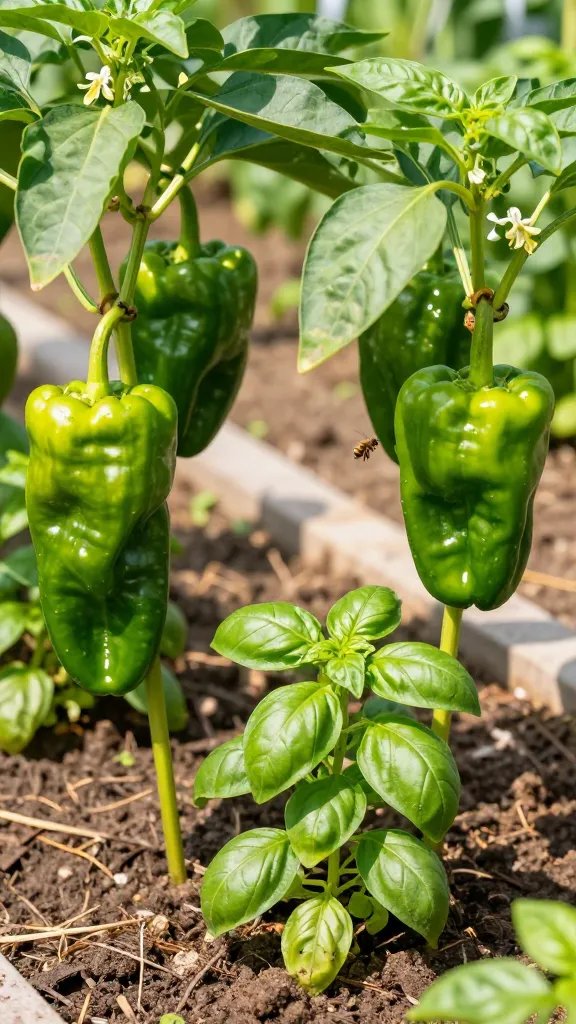
Basil isn’t traditional in Korean beds, but it earns a spot here. It attracts pollinators and repels thrips and beetles that bug peppers. Peppers enjoy the airflow boost when basil keeps weeds down.
Plant Smart
- Sun & Heat: Full sun, warm soil—don’t rush spring planting.
- Spacing: One basil plant between every two peppers.
- Harvest: Pick peppers early and often to keep plants producing.
Use peppers for stir-fries and quick sautés; basil can cameo in fusion banchan or simple grilled sides.
10. Chrysanthemum Greens (Ssukgat) + Kale: Bitter, Better, And Bug-Savvy
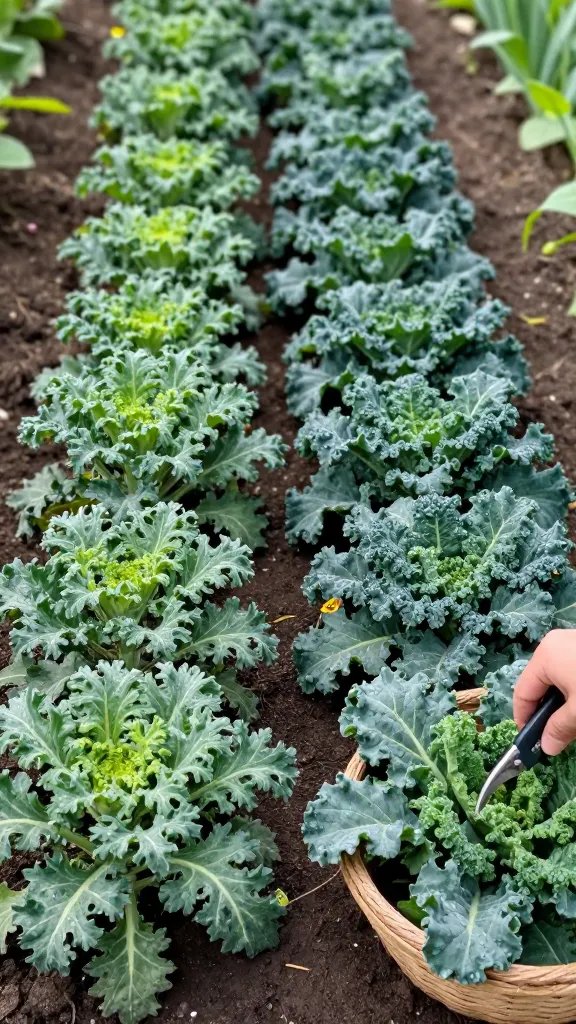
Ssukgat brings a floral, slightly bitter punch to hot pots and pancakes. It also acts as a decoy and deterrent for certain pests that bother brassicas like kale. Together, they stretch the harvest window and brighten your plate.
Growing Details
- Rows: Alternate short rows to break up brassica scent trails.
- Moisture: Keep evenly moist to prevent bitter spikes in heat.
- Cut-and-Come-Again: Snip outer leaves repeatedly for steady harvests.
Use with jeon batter or toss into noodle soups for a fresh herbal lift—simple and satisfying.
11. Garlic Chives + Chinese Cabbage (Baechu): Spring Roll-Ready Allies
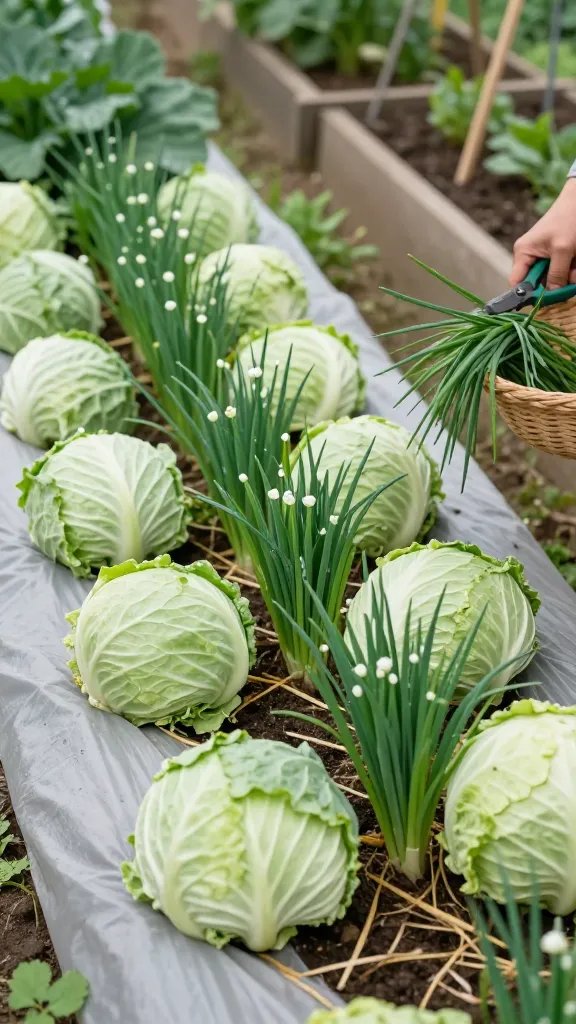
Chinese cabbage grows quickly but attracts pests like a buffet. Garlic chives throw off a sulfurous scent that nopes out aphids and mites. They also fill gaps between heads, maximizing space and yield.
How To Pull It Off
- Transplant: Set baechu 12–18 inches apart; interplant chive clusters every 8–10 inches.
- Mulch Heavy: Prevent soil splash to reduce disease.
- Row Cover: Early protection ensures blemish-free leaves for wraps.
Harvest chives for dumpling fillings and salads while your baechu heads up for kimchi—garden efficiency, unlocked.
Ready to grow like a Korean home-cooking legend? Mix these pairings, stagger your plantings, and watch your beds turn into flavor factories. Get your hands dirty, try a few combos, and tweak what works in your climate—trust me, your taste buds will thank you.