Viral Guide 12 Nepeta Six Hills Giant for Massive Spreads
Need a low-fuss, high-reward plant that covers ground like a champ? Meet Nepeta ‘Six Hills Giant’—the lavender-blue cloud that bees love and weeds hate. It blooms for ages, smells amazing, and grows into those lush, silvery mounds you see in glossy garden magazines. Ready to turn empty beds into dreamy, humming borders? Let’s do this.
1. Start Strong: Site And Soil Setup
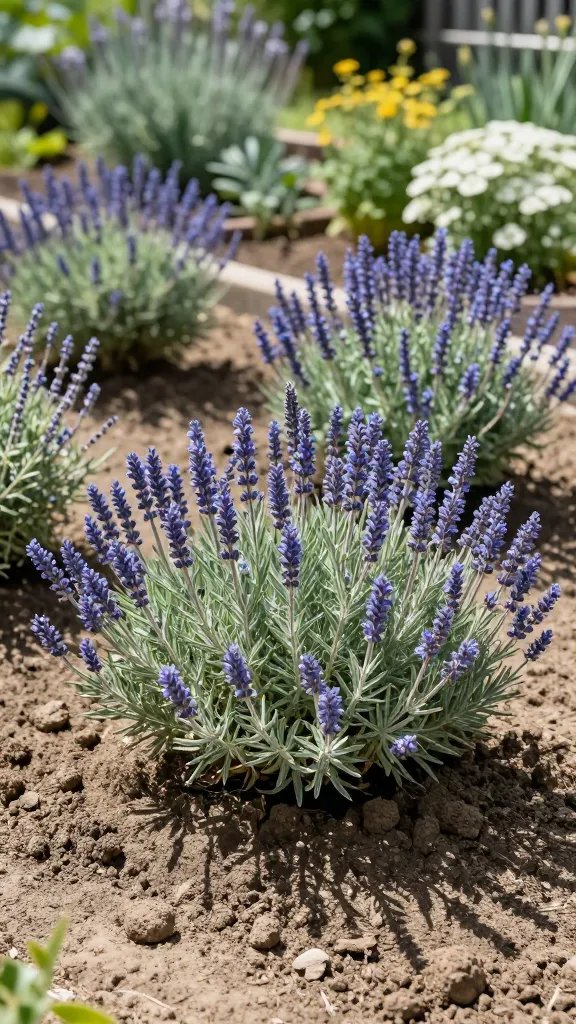
Six Hills Giant loves sunshine and well-drained soil. Give it a bright spot with at least six hours of sun and it will throw blooms like confetti. If your soil stays soggy, it’ll sulk—nobody wants that.
Key Tips
- Amend heavy clay with grit or compost for drainage.
- Aim for neutral to slightly alkaline soil for best performance.
- Space 24–30 inches apart so they can spread into full, airy mounds.
Lay the groundwork right and you’ll get bigger spreads, stronger blooms, and less maintenance—aka the dream.
2. Planting For Impact: The Rule Of Threes
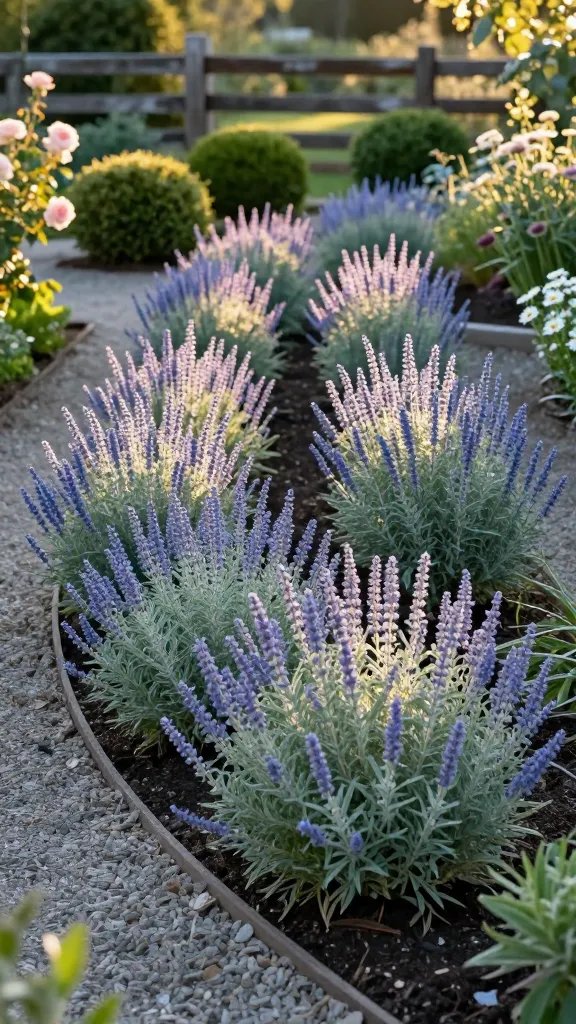
Single plants can look lonely. Group Nepeta in threes or fives to create a sweeping, cohesive look that reads as a “river” of color from across the yard. It’s a simple trick with dramatic payoff.
Layout Ideas
- Stagger plants in a zigzag for natural flow.
- Use drifts to connect separate beds visually.
- Frame paths with mirrored groups on both sides.
Massing plants boosts their presence and gives you that magazine-worthy border, IMO.
3. The Bloom Engine: Cut Back, Then Watch It Explode
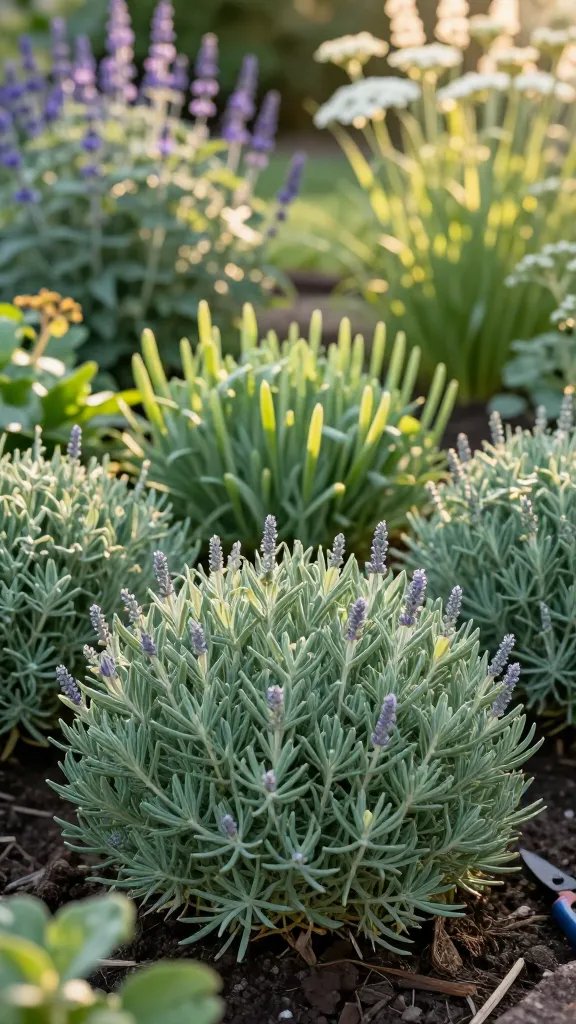
Want nonstop flowers? Give your plants a bold mid-season haircut. After the first big flush, shear the whole clump back by one-third.
Why It Works
- Stimulates new growth and a second bloom wave.
- Keeps mounds tidy and compact.
- Reduces flopping in mid-summer heat.
Yes, it feels brutal. Yes, it works. You’ll get fresh foliage and more flowers—seriously.
4. Water Wisely: Tough Love Wins
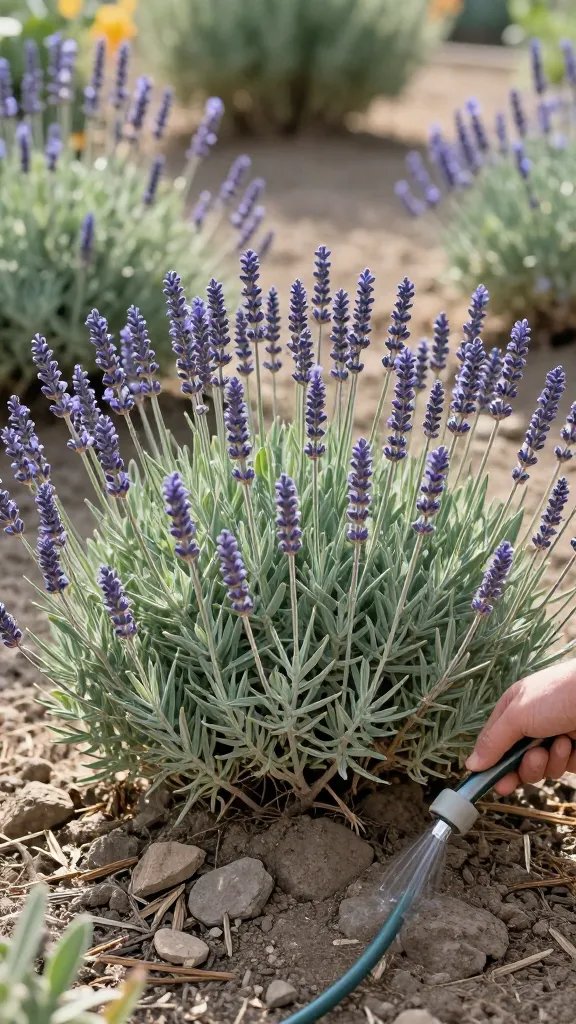
Six Hills Giant hates wet feet but appreciates a deep drink while establishing. Water deeply once a week for the first season, then cut back. It gets drought-tolerant fast.
Watering Rhythm
- First month: 2–3 deep soaks weekly if no rain.
- Months 2–3: Once weekly.
- After establishment: Only during long dry spells.
Deep, infrequent watering encourages strong roots and larger, more resilient spreads.
5. Pair Like A Stylist: Color Combos That Pop
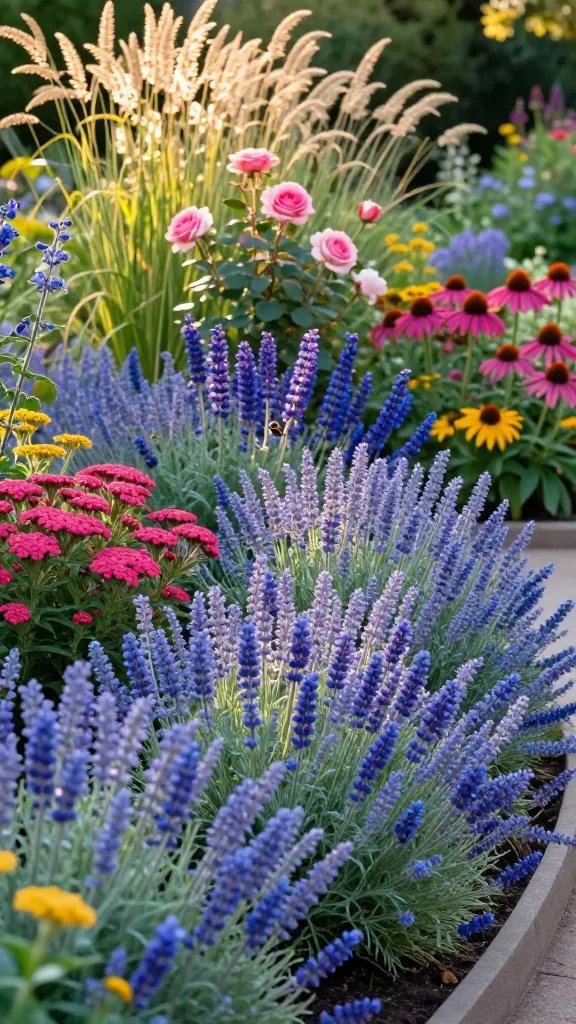
Nepeta’s blue-lavender blooms and silvery foliage play well with tons of plants. The trick is contrast. Think warm colors or bold shapes to make that haze of blue sing.
Foolproof Partners
- Yarrow (hot pinks, golds) for vibrant contrast.
- Salvia for a layered blue-on-blue moment.
- Roses—the classic pairing that looks expensive.
- Bee balm and echinacea for pollinator parades.
- Ornamental grasses for texture and movement.
Use contrasting heights and colors to create dynamic garden scenes that look intentional and lush.
6. Edging And Pathways: The Soft Spill Technique
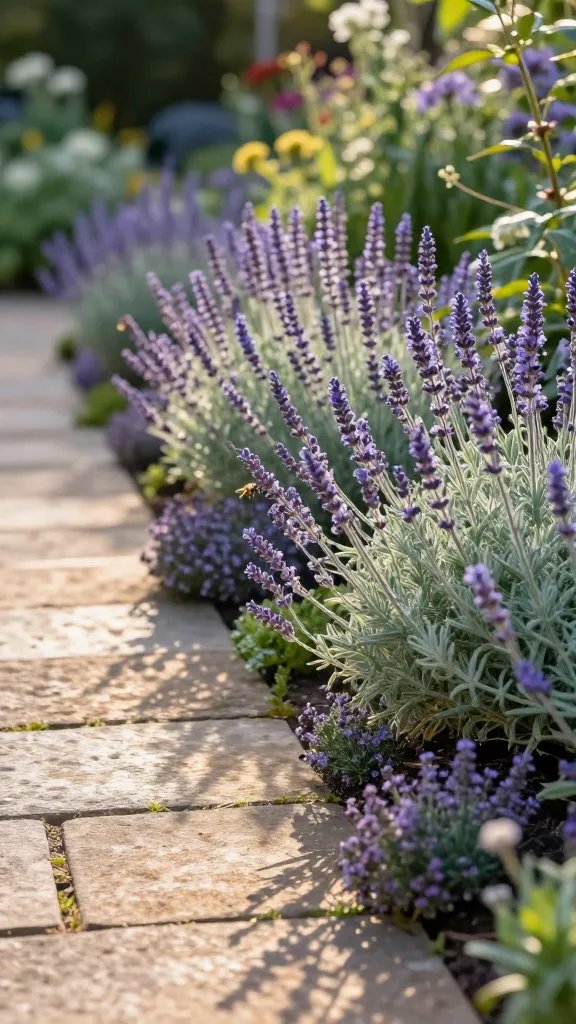
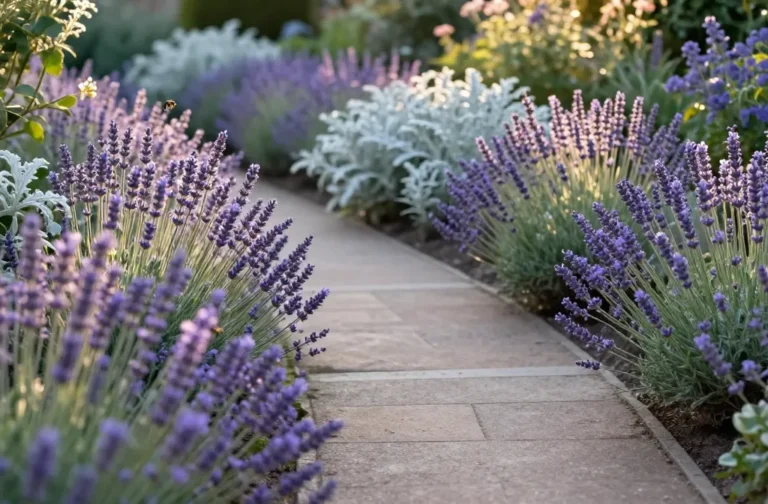
Plant Six Hills Giant along paths and let it gently spill over. You’ll get that soft, romantic border that makes every walk feel like a garden tour.
Placement Tips
- Set plants 12–18 inches from the path edge.
- Mix with low lavender or thyme for layers.
- Shear lightly if they crowd the walkway.
The result? A living edge that hides hard lines, smothers weeds, and perfumes your ankles on sunny days.
7. Pollinator Magnet: Build A Bee Buffet
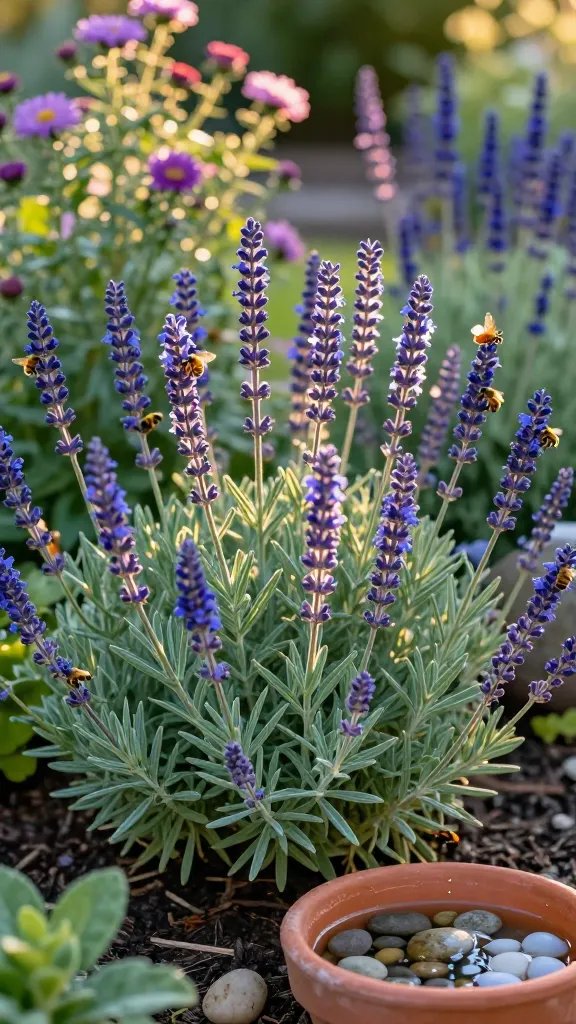
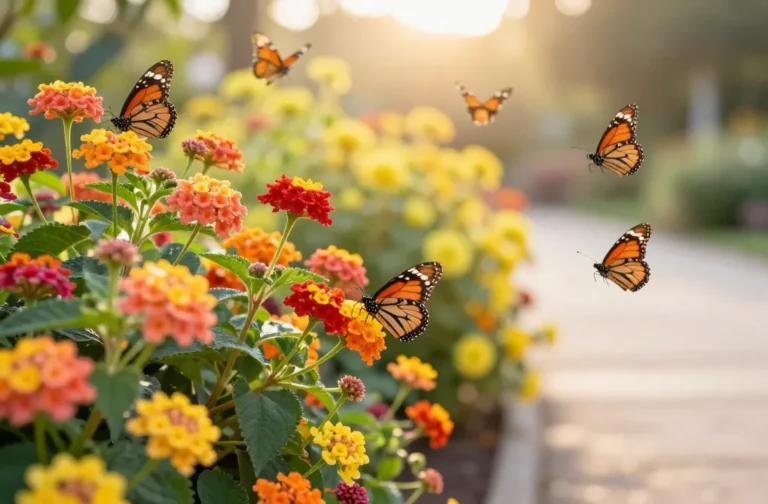
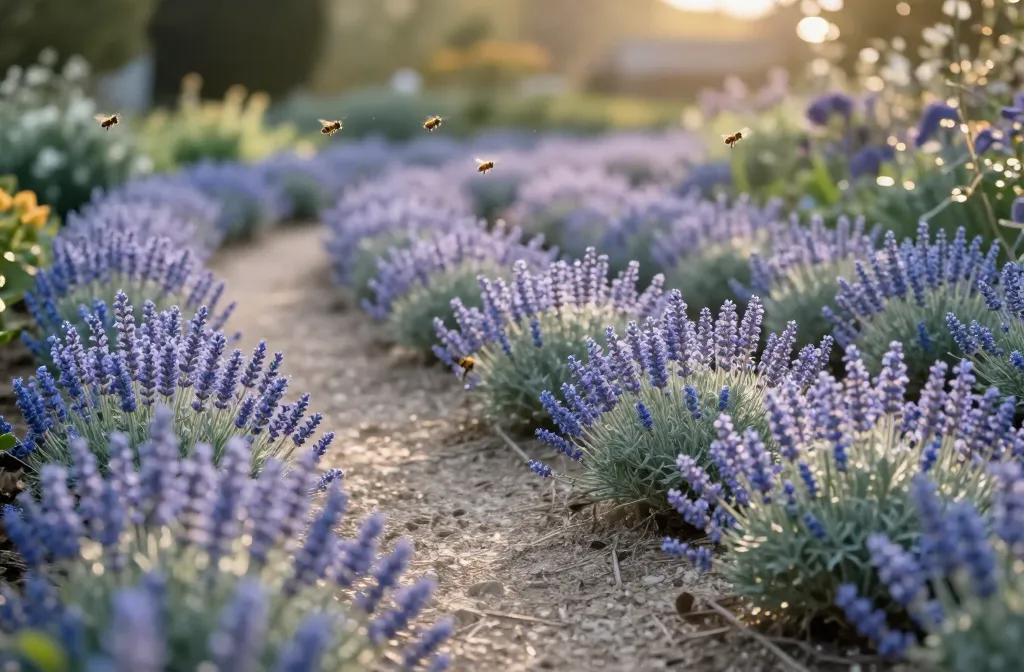
Six Hills Giant is basically a bee billboard. Its long bloom season feeds bees, butterflies, and beneficials, which means fewer pests and a livelier garden.
Pollinator Plan
- Stagger bloom times with salvia (early), nepeta (long mid), and asters (late).
- Avoid pesticides, especially during bloom.
- Provide a shallow water dish with pebbles.
Better ecology equals healthier plants and a buzzing, feel-good garden. Win-win.
8. Low-Maintenance Mastery: Fertilizer, Mulch, And Weeds
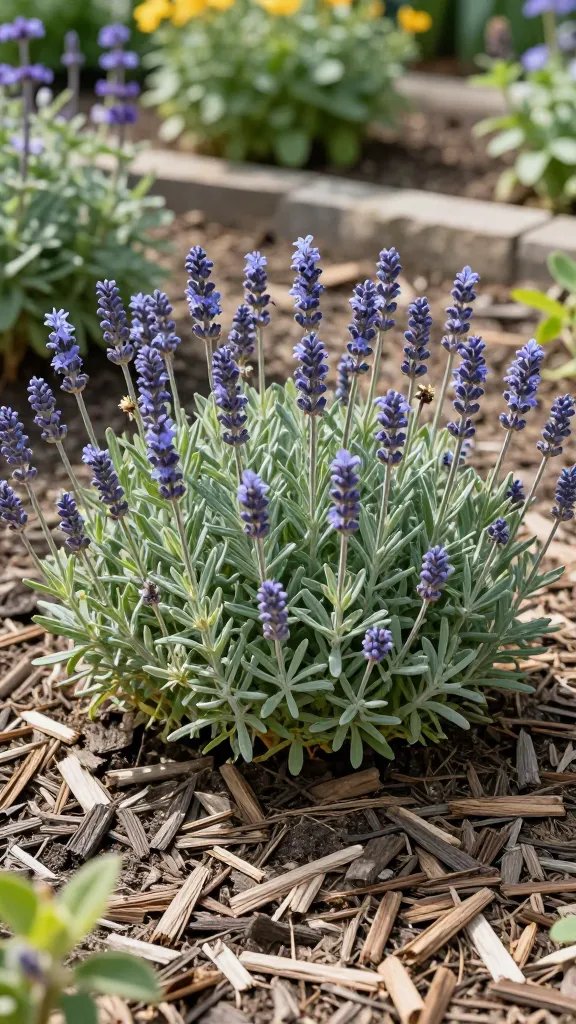
Good news: Six Hills Giant thrives on neglect. Skip heavy fertilizer—it can cause floppy growth. Focus on mulch and simple upkeep instead.
Simple Routine
- Mulch 1–2 inches to retain moisture and suppress weeds.
- Deadhead lightly between big shears if you want constant tidy vibes.
- No heavy feeding—a light compost top-dress in spring is plenty.
Keep it simple and this plant will reward you with reliable spreads and structure year after year.
9. Mass Coverage: From Bare Patch To Bloom Sea
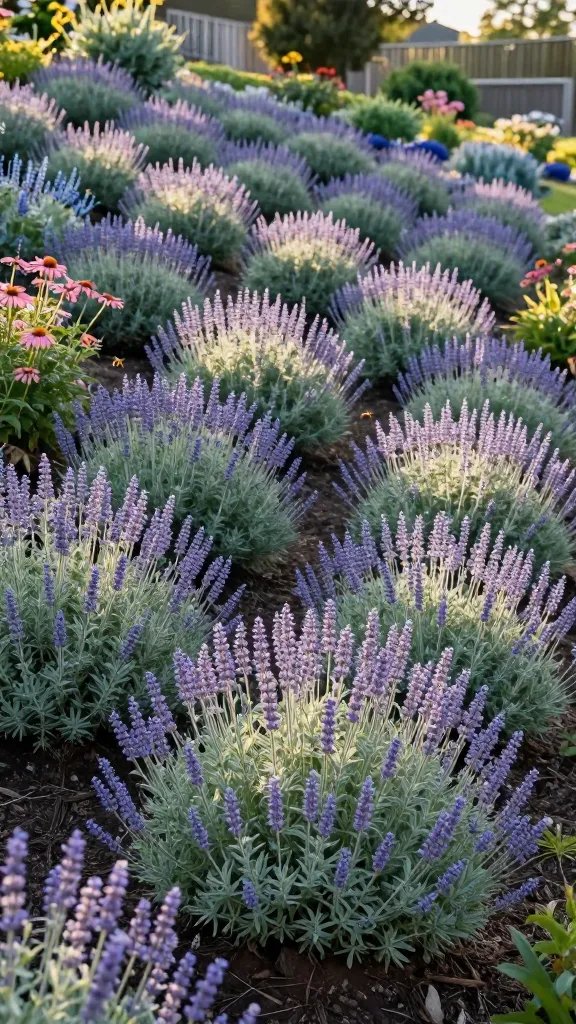
Got a boring slope or a wide empty bed? Six Hills Giant covers ground quickly with dense mounds and an airy bloom canopy. It’s a fast fix that looks intentional.
Spacing For Spreads
- Plant on 24-inch centers for faster fill.
- Blend in 20% other perennials for variety and seasonal interest.
- Use landscape pins and weed fabric only if your soil drains well—otherwise skip it.
Use this for big transformations on a budget and watch weeds quit trying to move in.
10. Shape, Divide, Repeat: How To Multiply The Magic
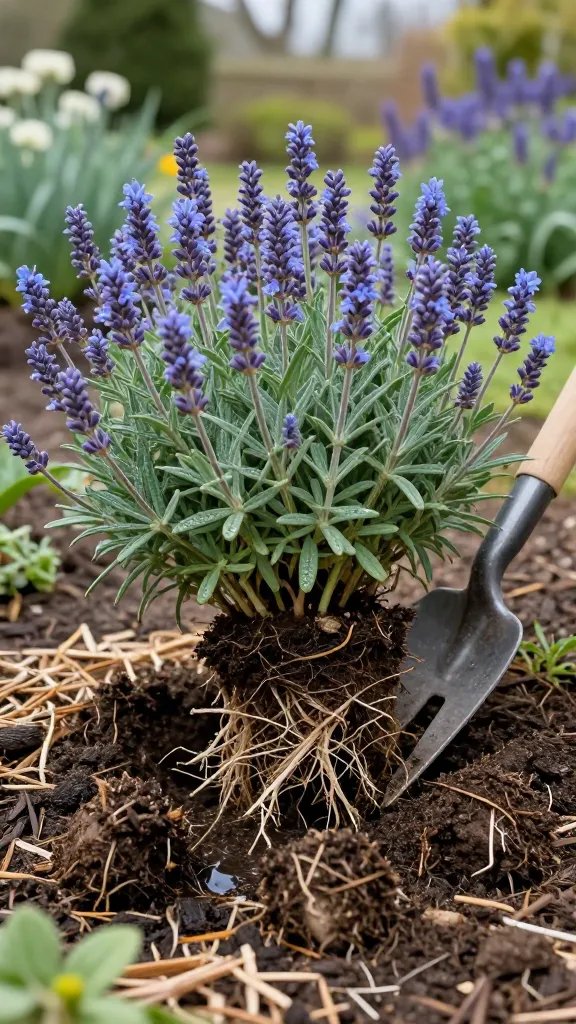
Want more plants for free? Divide mature clumps every 3–4 years in early spring or early fall. You’ll refresh the parent plant and score extras for new beds.
Quick How-To
- Lift the clump with a fork on a cool, overcast day.
- Slice into pie wedges with a sharp spade.
- Replant divisions at the same depth, water well, and mulch.
Division keeps spreads vigorous and lets you copy-paste that gorgeous look across your garden—trust me, it’s addictive.
11. Taming The Flop: Wind, Weight, And Weather Fixes
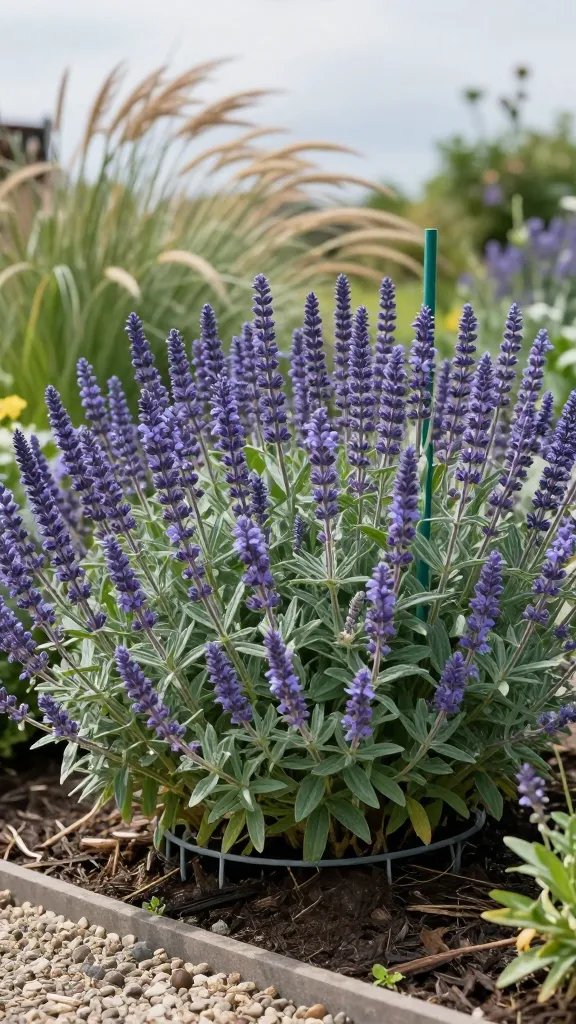
Sometimes big blooms + heavy rain = flopped mounds. No panic. A few tricks keep that dome shape tight and tidy.
Anti-Flop Moves
- Shear by one-third after peak bloom to reset shape.
- Stake early with a low ring support if your site gets windy.
- Avoid high-nitrogen fertilizers that stretch stems.
With a little timing and restraint, you’ll get sturdy silhouettes and better all-around curb appeal.
12. Year-Round Glow: Seasonal Care That Actually Matters
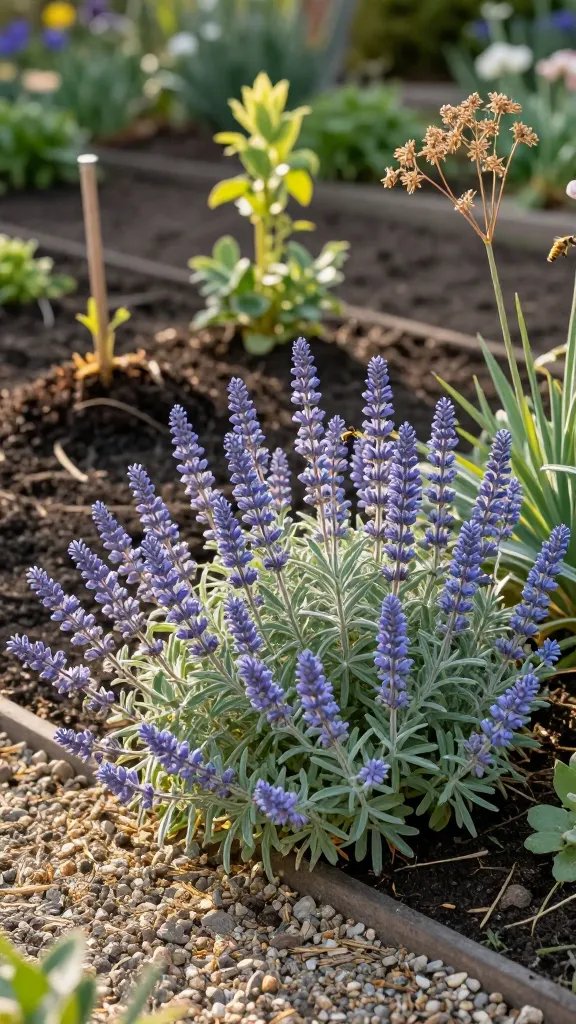
Nepeta brings the show in spring and summer, but smart seasonal moves keep it looking fresh. Think light grooming, not fussy rituals.
Seasonal Checklist
- Early Spring: Cut back last year’s growth to 2–3 inches; top-dress with compost.
- Mid-Summer: Shear after first flush for a strong encore.
- Fall: Leave some seedheads for winter interest or cut back if you prefer neat beds.
- Winter: Good drainage is everything. Avoid soggy soil to prevent crown rot.
Follow this rhythm and you’ll get repeat blooms, healthy clumps, and that enviable, effortless look season after season.
Ready to unleash some low-maintenance magic? Plant a few Six Hills Giants, shear with confidence, and pair them with bold color buddies. Your beds will explode with bloom and buzz, and you’ll get all the compliments without all the chores—seriously.