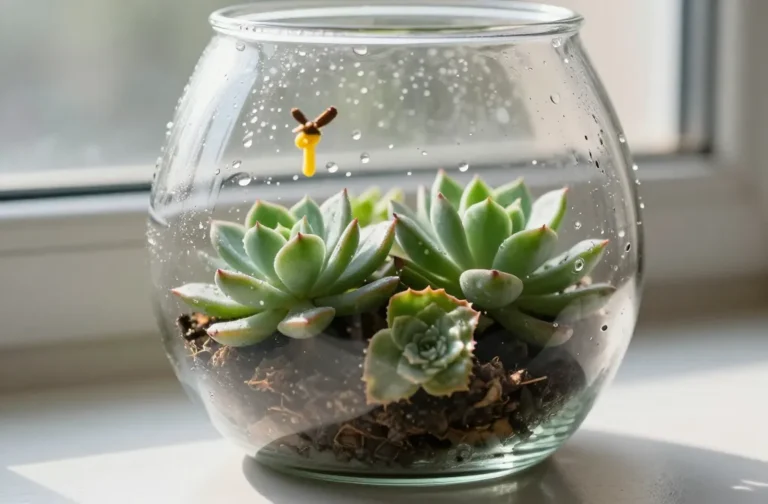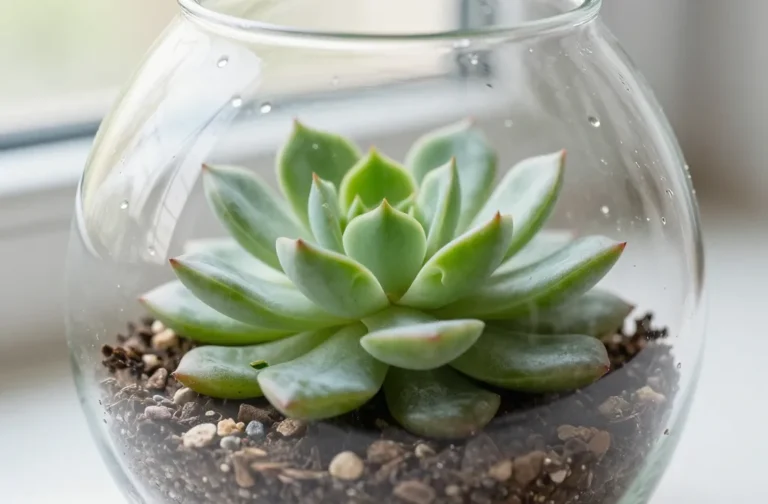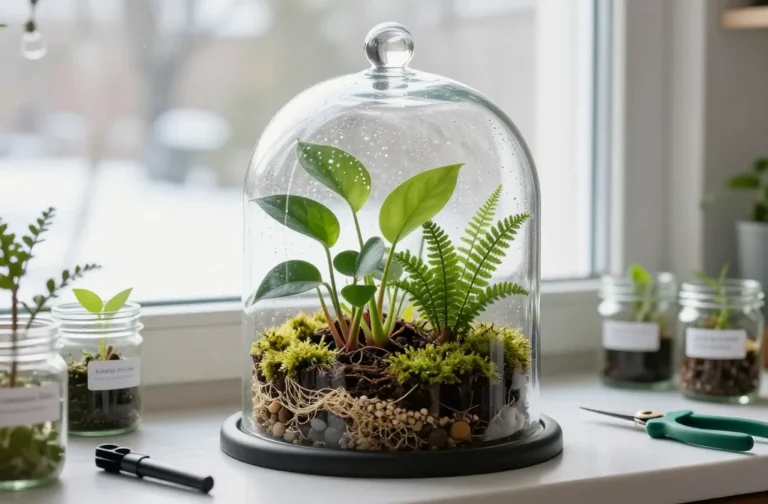
Viral Diy Guide 8 Decorative Accents That Are Safe for Succulent Terrariums — and 4 That Are Not
I’ve built more succulent terrariums than I can count, and my earliest ones looked cute for a week before turning into soggy graveyards. The culprit wasn’t the plants — it was the decorations I tossed in without thinking. If you’ve watched leaves wrinkle or melt after adding a pretty trinket, you’ve seen how fast the wrong accent can wreck the balance. In this guide, I’ll show you the eight accents that stay stable and the four that sabotage succulents, with simple shopping and setup steps you can do today.
Understand What Makes an Accent “Succulent-Safe”
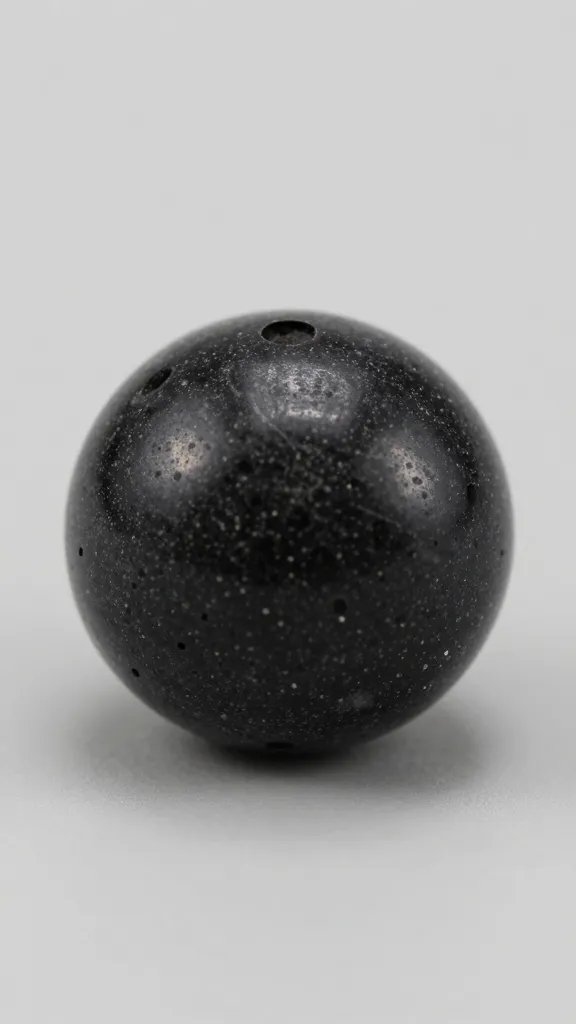
Succulents hate trapped moisture and chemical leachates. Any accent that absorbs water, releases salts, or restricts airflow will stress roots and invite rot.
Safe accents are inert, non-porous, and do not dissolve in occasional splashes. They also leave gaps for airflow and do not wick water toward stems.
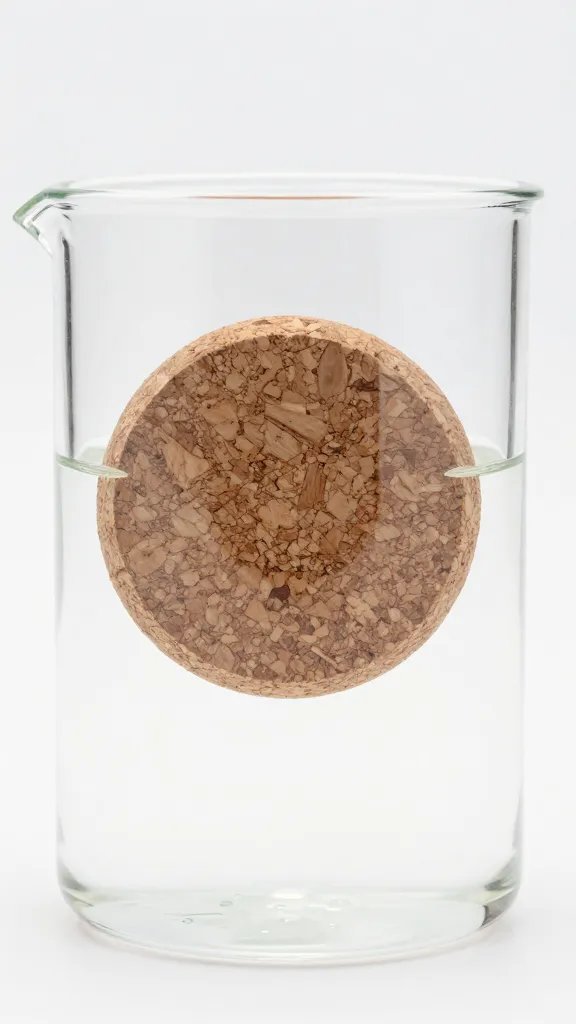
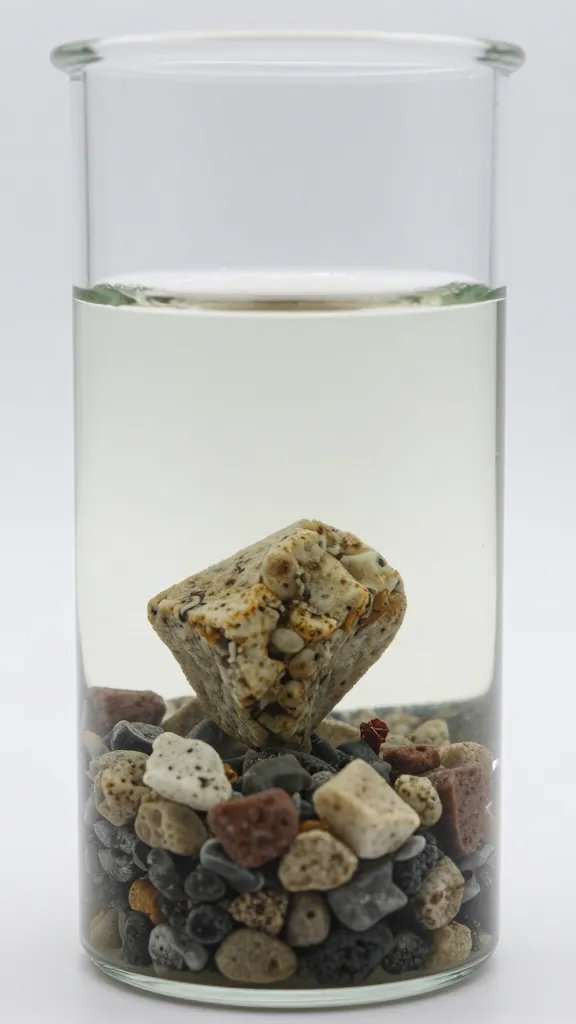
Before you add anything, test it: submerge the item in clean water for 24 hours in a glass. If the water smells off, clouds, or tastes noticeably mineral or salty, it’s not going in your terrarium.
Action today: Pick one planned accent and do a 24-hour glass-of-water test on your counter.
8 Decorative Accents That Are Safe for Succulent Terrariums
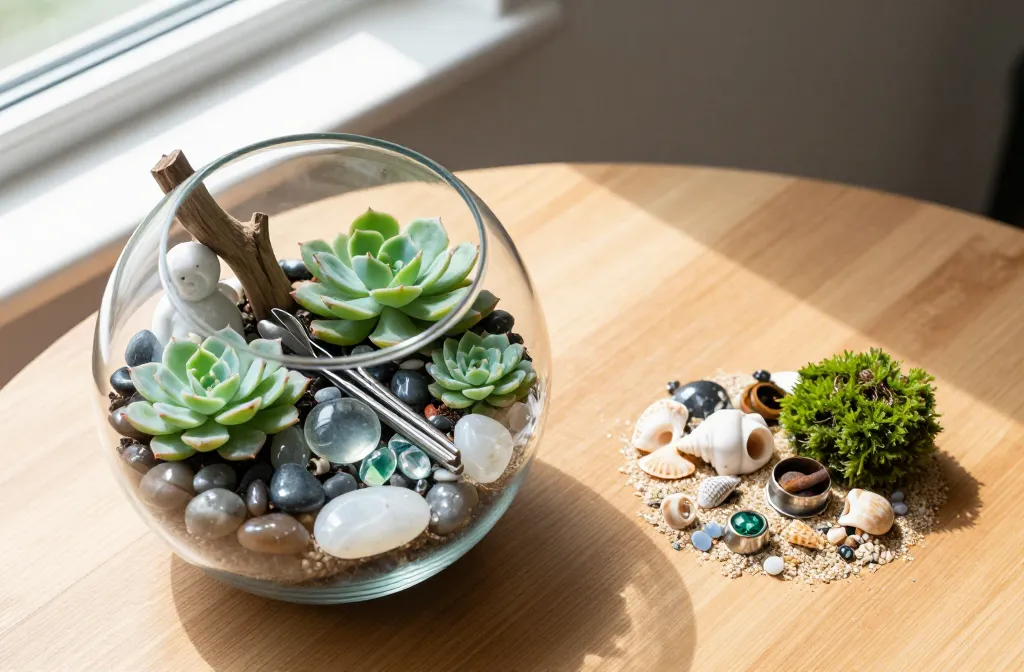
These options hold up in dry, open terrariums and won’t sabotage drainage or pH.
1) Polished River Pebbles (Quartz or Basalt)
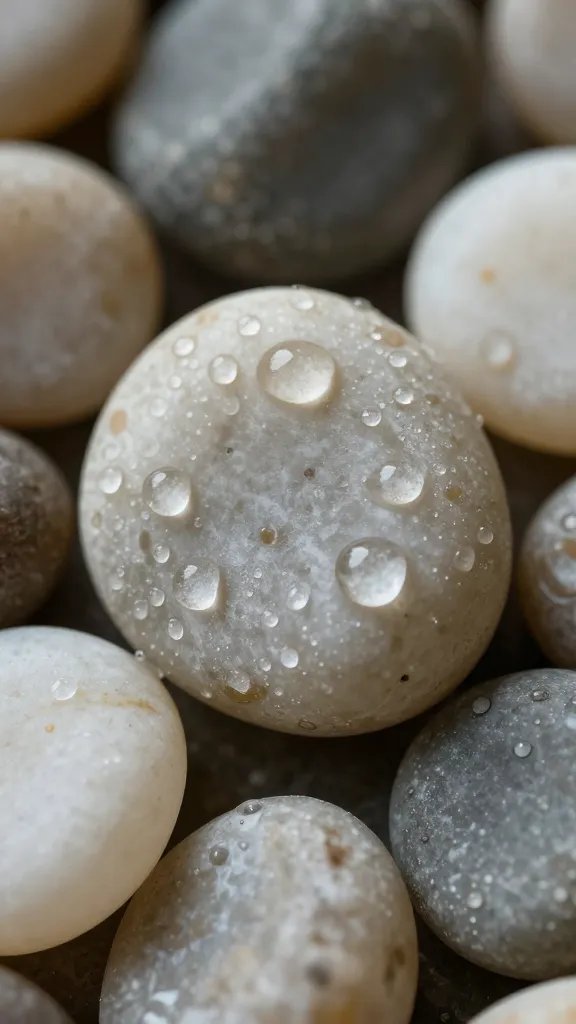
Small, smooth pebbles are inert and don’t trap moisture against stems. Use them as a thin top-dress to finish the soil and prevent splashing during watering.
Action today: Rinse pebbles in a colander until the water runs clear, then apply a 0.5–1 cm layer around, not touching, plant collars.
2) Crushed Lava Rock (Scoria) in Small Grades
Despite its pores, lava rock is stable and speeds evaporation at the surface. It keeps the crown dry and adds a natural, desert look.
Action today: Mix a handful into the top 1 cm of substrate in high-humidity rooms to keep crowns drier between waterings.
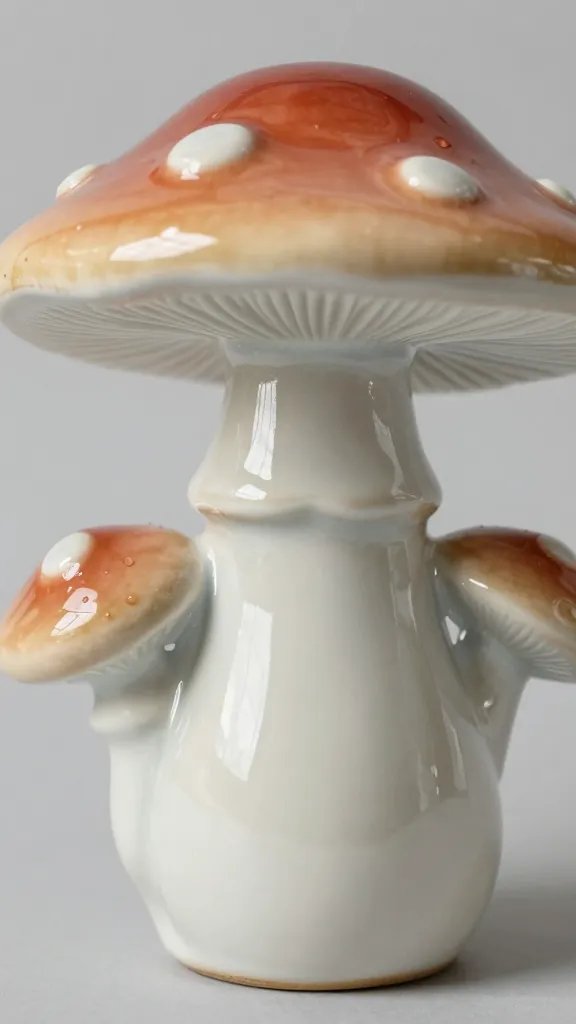
3) Ceramic Figurines (Glazed, Food-Safe)
Glazed ceramics labeled food-safe don’t leach dyes. They add personality without affecting soil chemistry.
Action today: Wipe figurines with rubbing alcohol, let dry, and place them on the hardscape, not pressed into damp soil.
4) Natural Slate or Schist Chunks
Flat stones create height, shade the soil, and look like desert outcrops. Slate is inert and easy to stack securely.
Action today: Place one larger flat stone on the sunniest side to cast afternoon shade on the soil, not the rosettes.
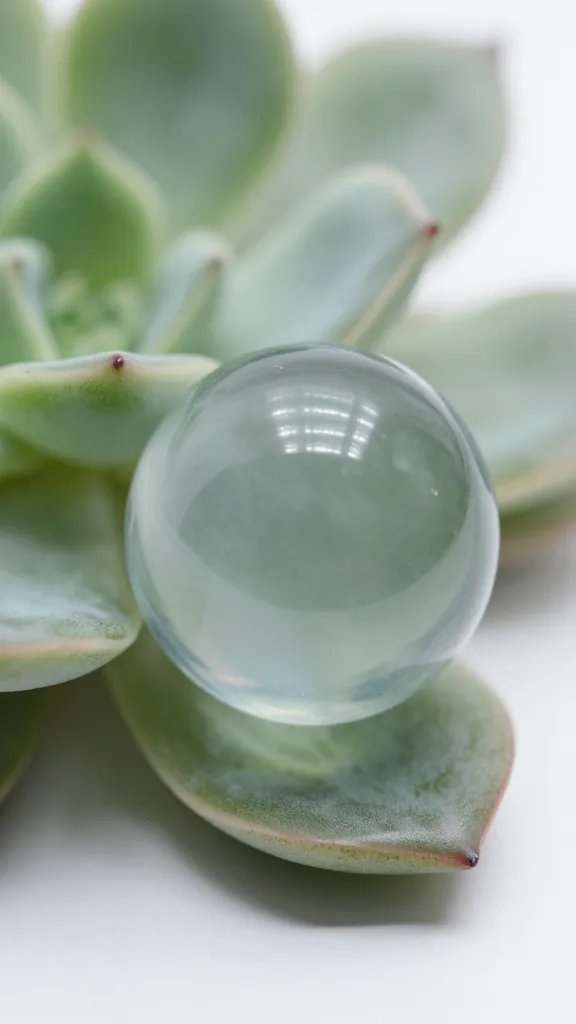
5) Sea Glass (Tumbled, Not Painted)
Real sea glass is just frosted glass — inert and light-diffusing. Avoid painted craft glass that chips color.
Action today: Use 3–5 pieces as accent clusters rather than a full layer, leaving gaps for airflow.
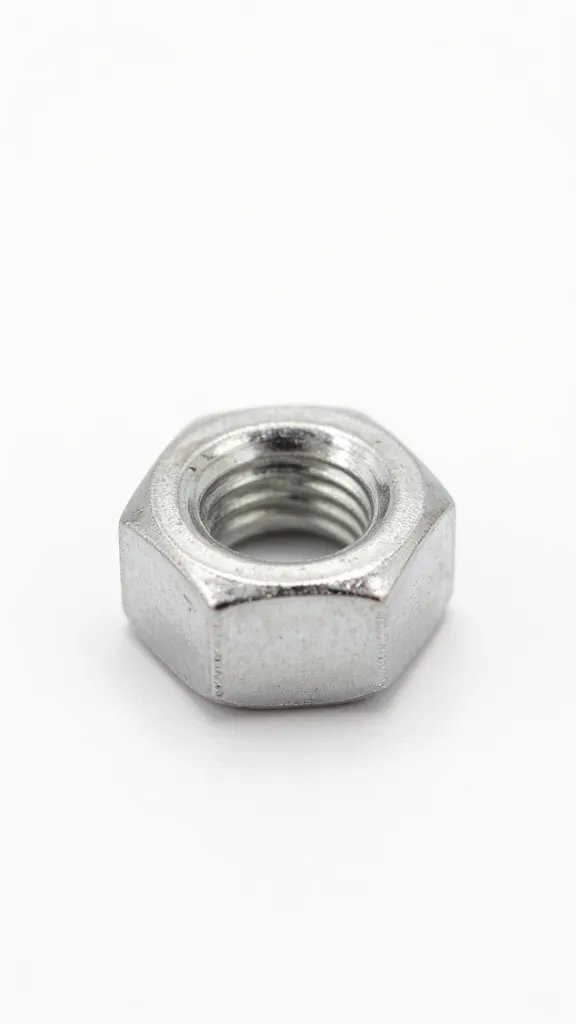
6) Stainless-Steel or Aluminum Mini Ornaments
Quality stainless or anodized aluminum resists rust in the occasional splash zone. They reflect light and add contrast.
Action today: Magnet-test your piece; if a magnet sticks hard, skip it (often not stainless). Place on rock, not soil.
7) Preserved Reindeer Moss (Dyed, Glycerin-Preserved)
Unlike dried sphagnum, preserved moss doesn’t wick much water. Use it sparingly for color in dry areas.
Action today: Place pea-sized tufts on stones, keeping at least 2 cm away from plant bases to avoid trapping moisture.
8) Driftwood That’s Dried, Scrubbed, and Sealed
Small, dense pieces of fully dried hardwood driftwood add structure. After cleaning, a thin coat of clear, water-based polyurethane seals tannins.
Action today: Bake small pieces at 95°C/200°F for 45 minutes to drive off pests, cool, then seal and cure 24 hours before placing.
4 Decorative Accents That Are Not Safe — And Why They Fail
1) Regular Potting Soil as a “Top Dress”
It compacts, stays damp, and wicks moisture right to the crown of Echeveria and Haworthia. That damp collar causes stem rot within a week after watering.
Action today: Vacuum or spoon off any loose potting soil from the surface and replace with coarse grit or pebbles.
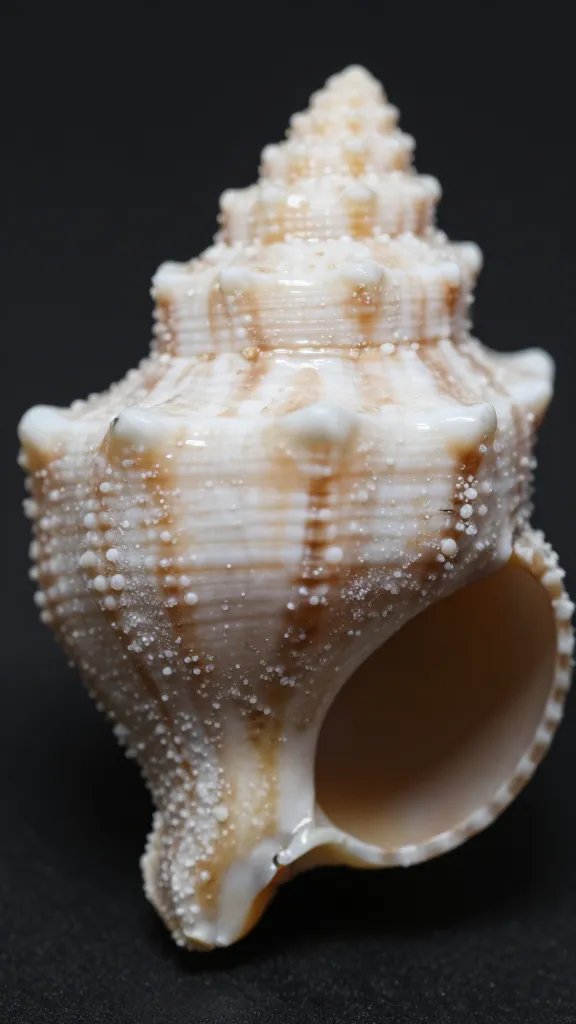
2) Fresh Seashells and Calcium-Rich Coral Pieces
Shells dissolve slowly and raise alkalinity. Many succulents tolerate neutral soils, but elevated alkalinity locks out nutrients and stunts growth.
Action today: Remove shells and swap in inert quartz pebbles; keep any beach finds in a separate dry display.
3) Unsealed Softwood or Bark
Fresh bark and pine cones hold moisture and foster fungus gnats. They also leach resins that irritate roots.
Action today: Pull any bark accents and discard; if you want wood, use sealed, fully dried hardwood only, placed off the soil.
4) Copper Wire, Pennies, or Copper Accents
Copper reacts with moisture and soil acids, releasing ions that damage roots and beneficial microbes. It also stains glass and substrate.
Action today: Remove copper items and replace with stainless or sealed brass that does not sit on damp media.
How to Place Accents Without Smothering Roots
Most failures come from piling decor right against plant collars. Succulent stems need airflow and a fast-drying surface.
Think in zones: a dry crown zone (a 2–3 cm ring around each stem), open pathways for water to drain, and raised “islands” for decor that never sit in splash puddles.
Step-by-Step Placement
- Top-dress the soil with 0.5–1 cm of coarse grit (pumice, lava, or quartz).
- Set the largest rock first as your anchor, opposite the main light source to cast light shade.
- Add mid-size pebbles in clusters of three, leaving 2–3 cm of bare grit around each plant.
- Place figurines and glass on rock or grit, not touching stems or leaves.
- Check airflow by blowing gently across the surface; accents shouldn’t block the “breeze.”
Action today: Clear a 2–3 cm ring around every plant collar so the top-dress is visible and dry.
Prevent Leaching, Staining, and Hidden Moisture Traps
Even safe materials can cause issues if dirty or dusty. Fine dust clogs pores and creates a crust that holds moisture.
Rinse all minerals until water runs clear. For porous items like lava, soak 10 minutes, agitate, and drain. Let everything dry fully before placing.
Place moisture-prone accents on hard surfaces. A flat slate “patio” under wood or figurines keeps damp soil away from them.
Action today: Lift each accent after your next watering; if the underside feels slimy or stays wet 24 hours later, relocate it onto stone.
Match Accents to Plant Behavior and Light
Rosette succulents like Echeveria and Graptopetalum prefer open space above and around leaves. Upright types like Haworthia and Aloe juveniles can handle closer stones.
Use stones to manage light: darker rocks warm slightly and speed drying, while pale pebbles reflect light under leaves in dim corners.
Action today: If your terrarium sits near a bright window, add one dark stone patch on the cool side to speed surface drying after watering.
Watering With Decor in Place — The No-Soak Rule
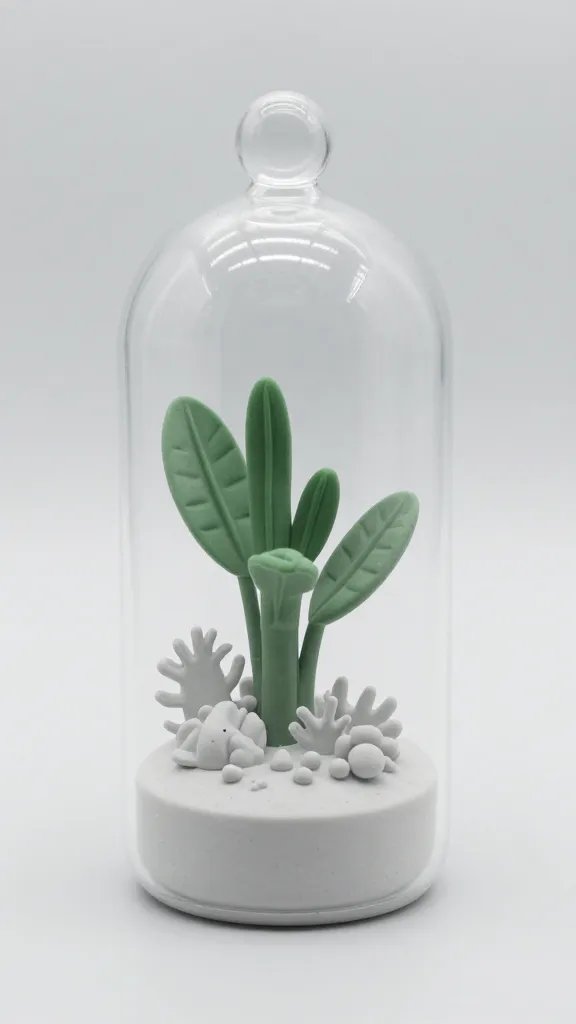
Decor changes how water moves. Water along the glass with a squeeze bottle, not across the top, so you don’t flood under accents.
For open succulent terrariums, stick to “sip, then wait”: add 1–2 tablespoons per 10 cm bowl diameter, then wait 10–14 days and check firmness of leaves.
Action today: Switch to a condiment squeeze bottle for targeted watering and mark the bottle with your typical dose.
Frequently Asked Questions
Can I use sand for a decorative top layer?
Use coarse horticultural sand only, never play sand. Fine sand compacts, stays wet, and suffocates the crown. If you like the look, limit it to a thin 2–3 mm sprinkle over grit, not a full layer. Keep it at least 2 cm away from stems.
Are geodes or dyed crystals safe in a terrarium?
Natural quartz geodes are fine; dyed crystals can bleed color when damp. If you aren’t sure, do a 24-hour soak and check for color in the water. Place crystals on rock, not bare soil, to avoid creating moisture pockets. Use small pieces to keep airflow open.
What sealant should I use on wood accents?
Use a clear, water-based polyurethane labeled low-odor. Apply two thin coats with a foam brush and let dry for 24 hours between coats. Cure for 48 hours before placing to avoid fumes in the glass. Always keep sealed wood off damp soil by resting it on a flat stone.
How do I stop figurines from sinking into the soil?
Create a stable base with a flat slate chip or a cluster of large pebbles. Level it with a spoon before placing the figurine. If the soil is already loose, gently press the base stones into the top-dress to lock them. Recheck after your next watering and adjust if it tilts.
Will activated charcoal pellets work as a decorative layer?
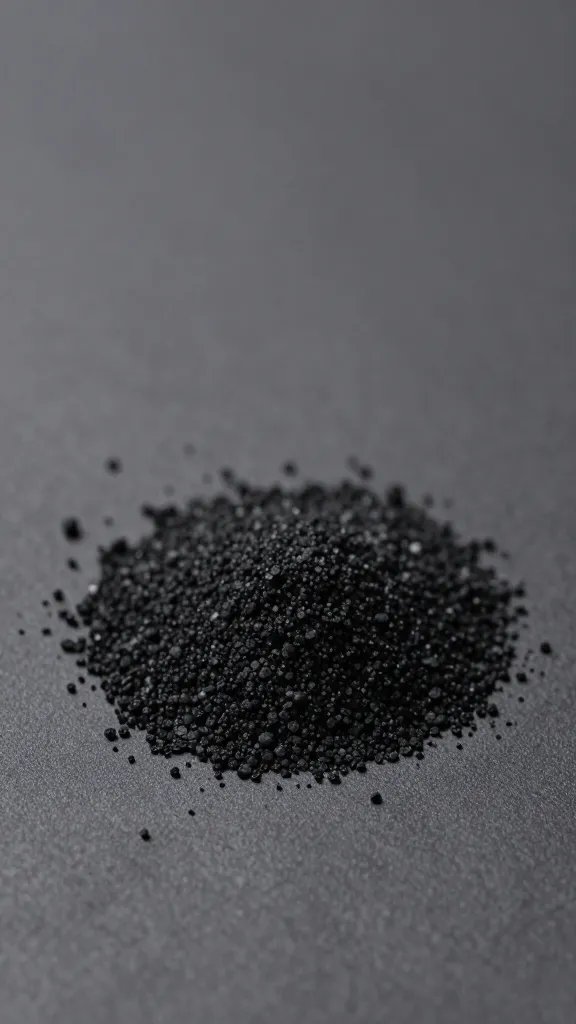
Skip charcoal as a top layer for succulents. It’s lightweight, messy, and doesn’t improve drainage at the surface. Keep charcoal buried in a thin layer beneath the soil only if you need odor control, though it’s optional in open succulent builds. Use grit or pebbles for the visible layer.
Can I use live moss with succulents for a lush look?
Live moss needs consistently moist conditions, the opposite of what succulents need. It will either die back crispy or keep the surface too damp and rot your crowns. If you want that look, stick to preserved reindeer moss in tiny accents away from plant bases. Keep the rest of the surface gritty and dry.
Conclusion
You don’t need special tools to make a succulent terrarium look polished and stay healthy — you need the right, inert accents placed with airflow in mind. Start with one safe upgrade today: rinse a bag of polished pebbles, clear a dry ring around each plant, and retire anything that stains or stays damp. Next, build a simple “stone patio” under your favorite figurine, then top up the design with one cluster of sea glass. Your succulents will stay firm and bright, and your decor will finally work with them, not against them.