Transform Gardens with 10 Catmint Walkers Low for Long Summer Bloom
Want a front-row seat to a nonstop bee-and-butterfly show? Plant Walkers Low catmint and enjoy a summer of color with almost zero drama. It’s fragrant, drought-tough, and blooms like it has something to prove. Let’s turn that sunny patch into a soft, lavender-blue cloud that keeps the garden buzzing.
Below, you’ll find ten clever, real-world ways to use Catmint ‘Walker’s Low’ for a long summer bloom. Think design ideas, care tips, and pairings that actually work. Ready to make your yard look effortlessly pulled together? Let’s go.
1. Edge The Path Like A Lavender-Blue Runway
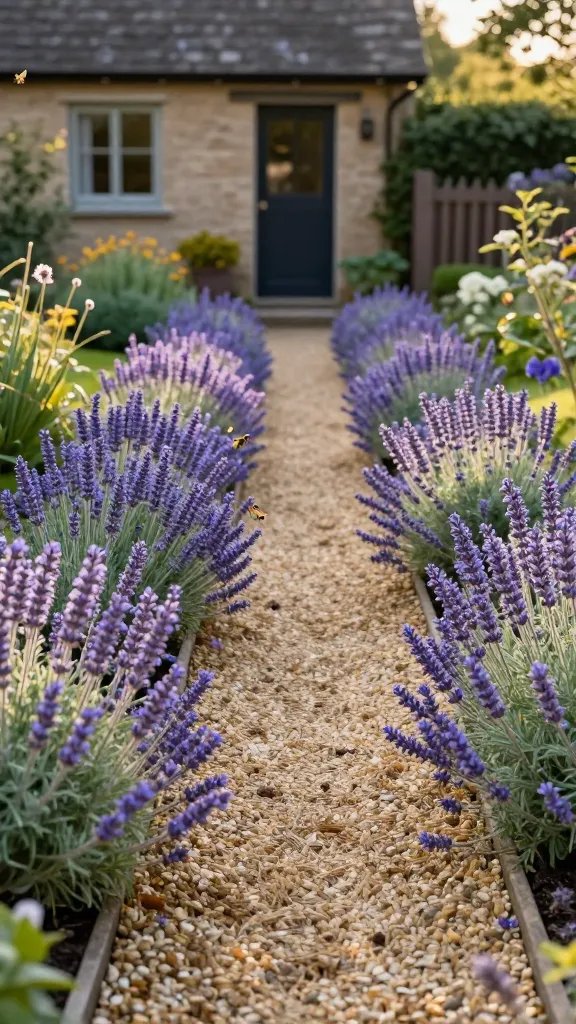
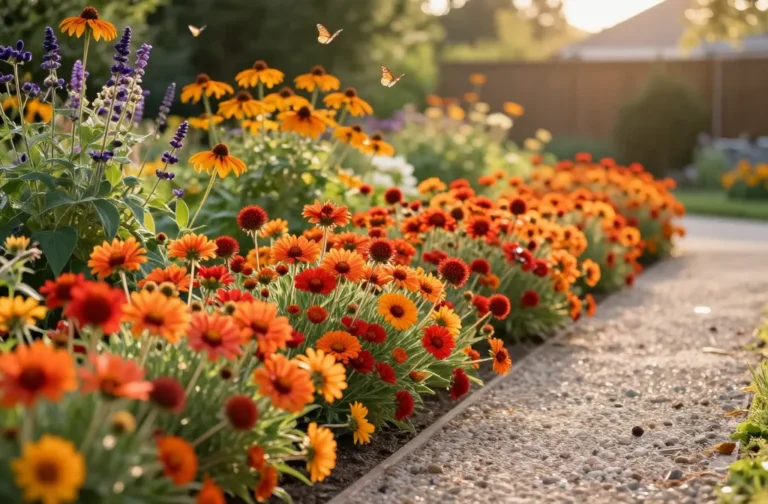
Walkers Low creates tidy, arching mounds that spill just enough to soften a path. Line a walkway with it and you get dreamy color, fragrance, and an instant cottage vibe without fussy upkeep.
Tips
- Spacing: Plant 18–24 inches apart for a continuous ribbon.
- Height: Expect 20–24 inches tall and 24–30 inches wide once mature.
- Sun: Give it 6–8 hours of direct sun for the strongest bloom.
Edge your front walk or a gravel garden, and you’ll enjoy a bloom tunnel that hums with pollinators all summer.
2. Create A Low-Maintenance Pollinator Highway
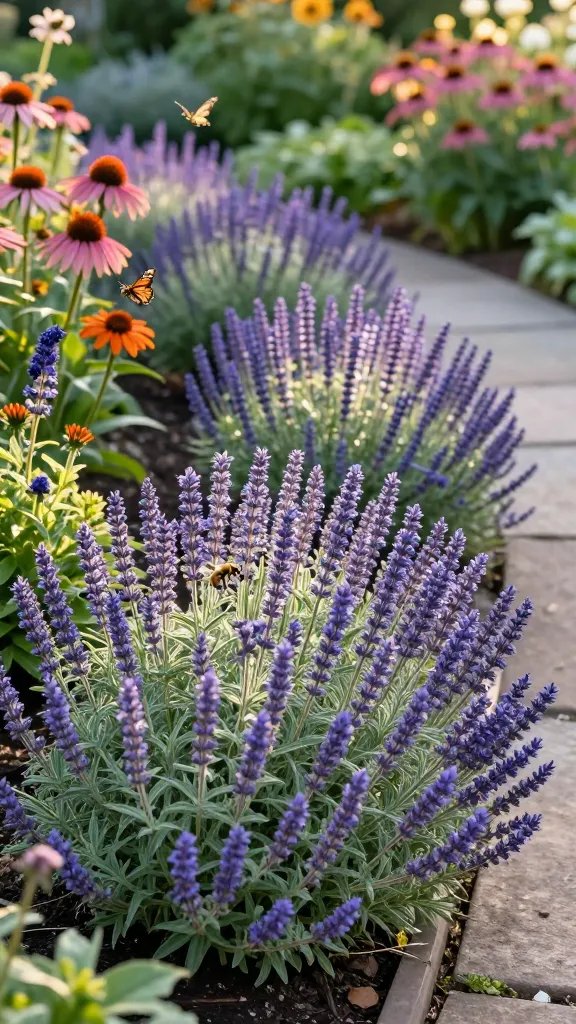
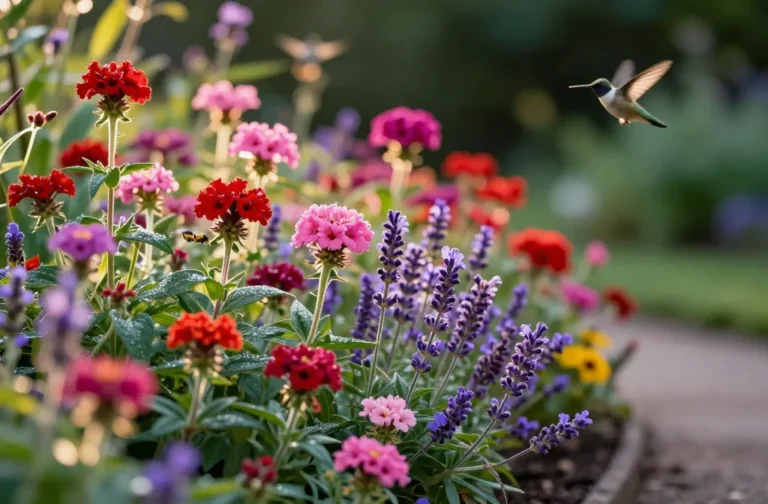
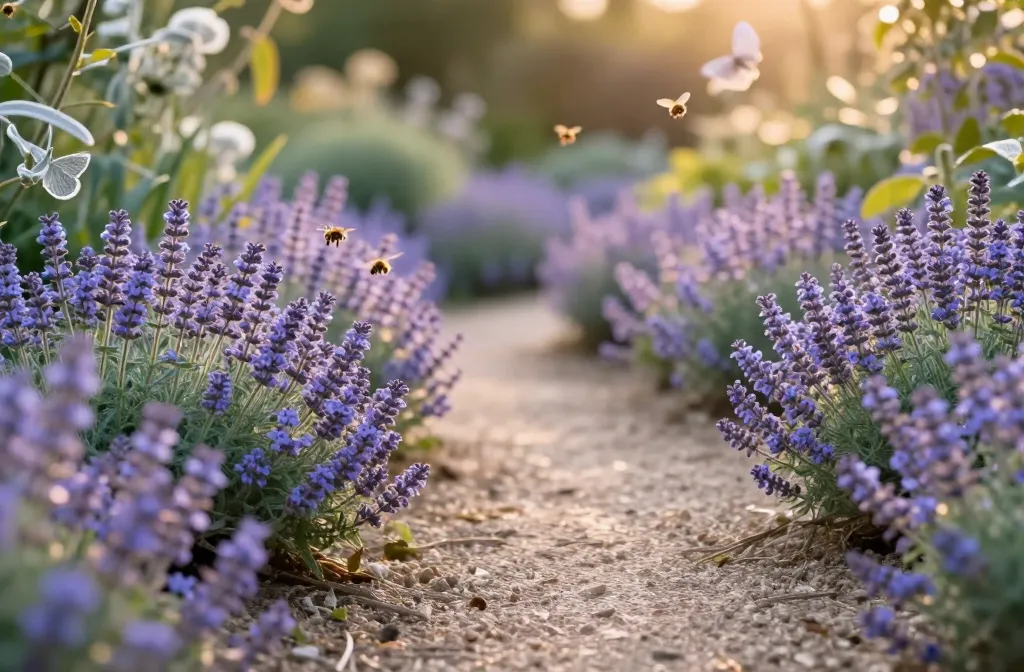
If you want bees, butterflies, and friendly garden chaos (the good kind), Walkers Low delivers. Its nectar-rich flowers refill fast and bloom for ages, so pollinators treat it like a summer-long buffet.
Key Points
- Combine with salvia, agastache, and coneflower for layers of nectar.
- Avoid pesticides—this plant already resists pests and deer, FYI.
- Leave some spent blooms until midsummer, then shear to refresh.
Use it to stitch together sunny beds into one connected corridor of life—your garden will literally buzz with results.
3. Soften Hardscapes And Hot Spots
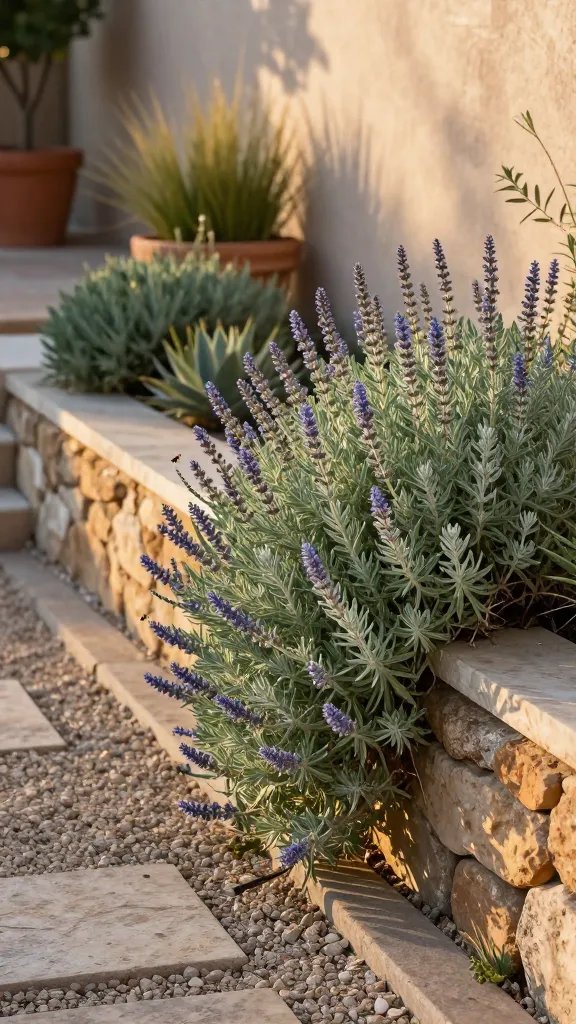
Got a driveway edge or a sunbaked patio corner? Walkers Low laughs at heat and poor soils once established. Those silvery-green leaves bounce light and make tough spaces look intentional.
Where It Shines
- Along stone walls and steps to blur harsh lines
- Beside gravel or decomposed granite for that Mediterranean feel
- In curb strips where irrigation is spotty
Plant it where nothing else behaves, and you’ll turn “ugh” zones into photogenic moments, IMO.
4. Pair With Roses For A High-Low Glow-Up
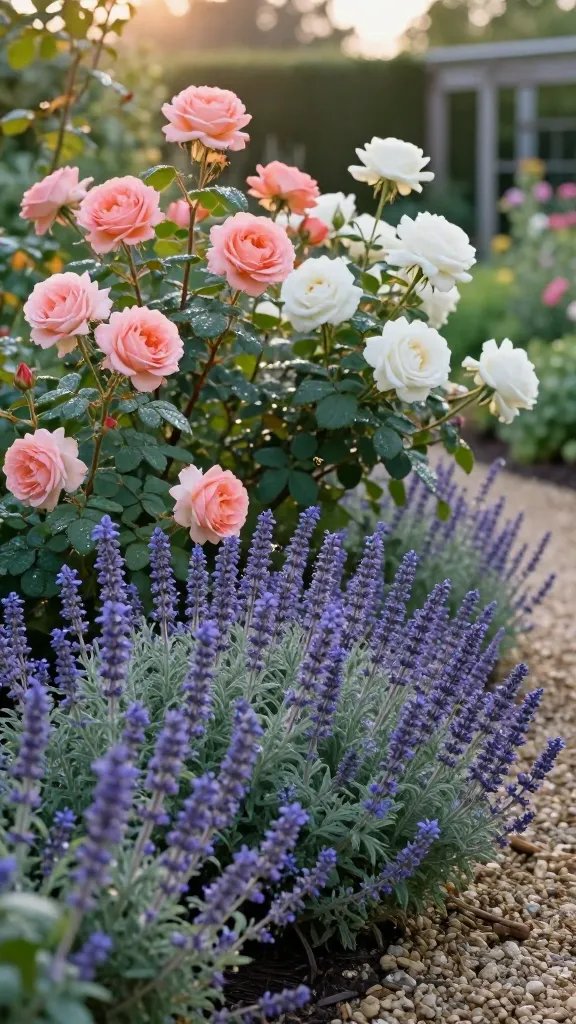
Garden classic alert: Walkers Low + roses equals peak romance. The cooling blue-purple blooms make rose colors pop, while the minty scent helps distract from, ahem, rose drama.
Winning Combos
- Soft pink roses for a dreamy pastel palette
- Apricot or coral roses to turn up the contrast
- White roses for a crisp, elegant look
Use Walkers Low as a living mulch at the base of rose shrubs—it hides leggy canes and invites beneficial insects. Pretty and practical? Yes, please.
5. Shear Smart For An Encore Bloom
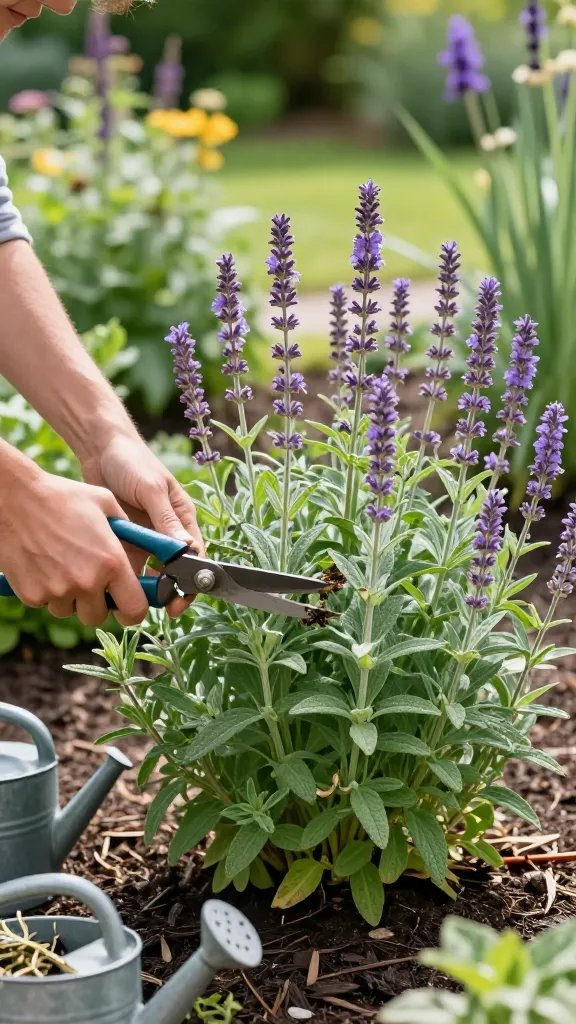
Want that long summer show? Give Walkers Low a quick haircut after the first big flush. It responds with fresh foliage and a strong second wave of flowers.
How-To
- Timing: Shear by one-third right after the initial bloom slows (usually early to midsummer).
- Tools: Clean hedge shears or pruners—nothing fancy.
- Follow-Up: Water deeply once and consider a light compost top-dress.
This 10-minute task keeps the plant tight, tidy, and blooming for weeks more. Low effort, big payoff—seriously.
6. Design A Blue Drift In Mixed Borders
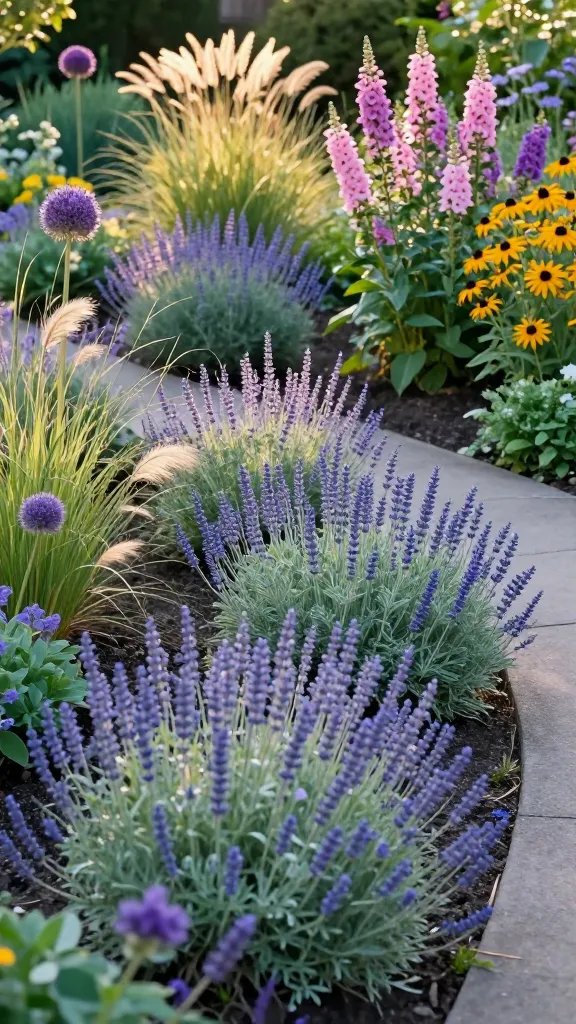
Use Walkers Low as a repeat element so your border doesn’t look like a plant buffet. Those blue-lavender plumes tie mixed colors together and guide the eye across the space.
Planting Recipe
- Front/Mid Layer: Walkers Low in loose drifts of 3–5 plants
- Back Layer: Russian sage, ornamental grasses, or tall phlox
- Accents: Alliums for spring structure, black-eyed Susans for summer cheer
When in doubt, repeat Walkers Low every few feet. The rhythm makes your border look designer-level without trying too hard.
7. Go Drought-Savvy Without Looking Desert-Dry
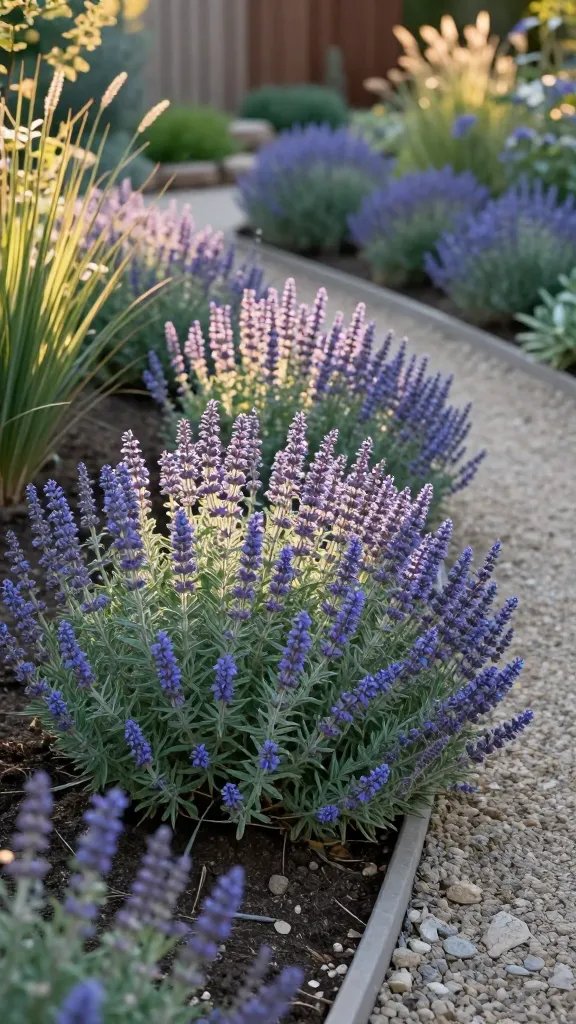
Walkers Low thrives on lean soil and sparse watering once established. It gives you lush vibes without begging for a hose every afternoon.
Watering Reality Check
- Year 1: Water weekly, or when the top 2 inches of soil dry.
- Year 2+: Water every 2–3 weeks in heat waves, otherwise let it ride.
- Soil: Well-drained is key—raise beds or amend with grit if clay dominates.
Perfect for water-wise gardens that still want flowers galore. Your water bill will chill out, too.
8. Fill Big Pots For A Billowy, Bee-Friendly Thriller
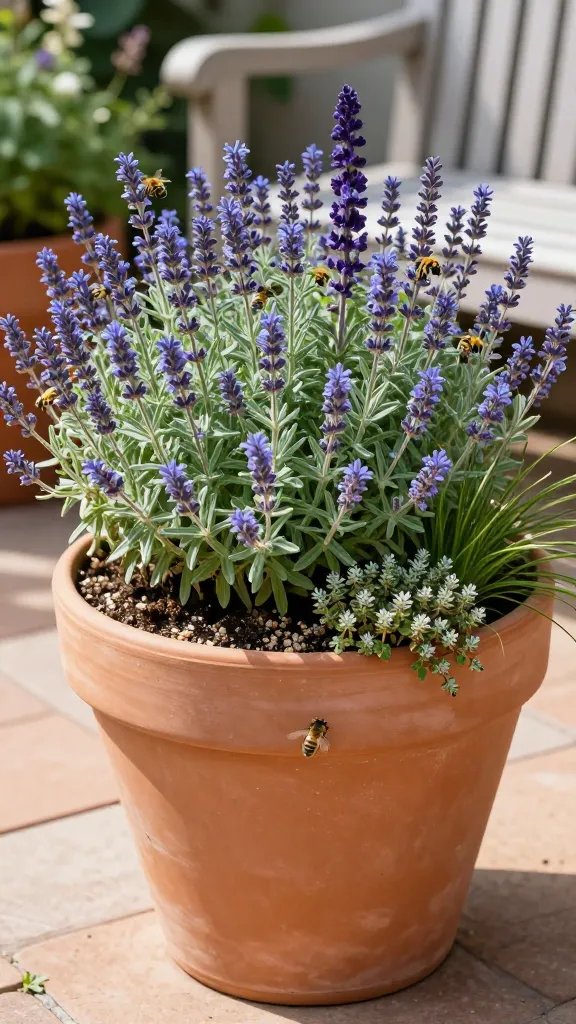
Yes, you can grow Walkers Low in containers, and it looks amazing. The arching habit spills over the rim and softens pot edges like a pro.
Container Setup
- Pot size: At least 16–20 inches wide with drainage
- Mix: Fast-draining potting soil with extra perlite or grit
- Companions: Pair with upright salvia, thyme, or a dwarf grass
Try it on a sunny patio where you can enjoy the scent and the pollinator party up close.
9. Master The “Cut-And-Come-Again” Vase Game
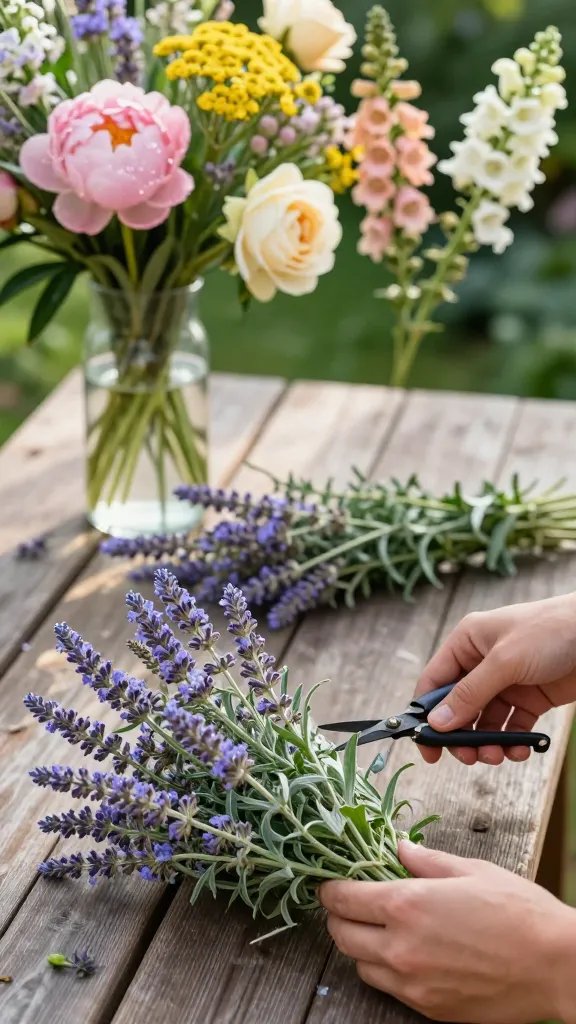
Catmint isn’t just garden eye candy—it’s a stellar cut flower filler. Snip stems for airy, aromatic bouquets that make peonies, roses, or even grocery-store mums look chic.
Cutting Tips
- Harvest in the morning when flowers are half open.
- Strip lower leaves and recut stems under water.
- Pair with yarrow, foxglove, or snapdragons for texture.
Bonus: Cutting encourages more blooms outside. Your vase game and your beds both win.
10. Keep It Happy: Simple Care, Zero Drama
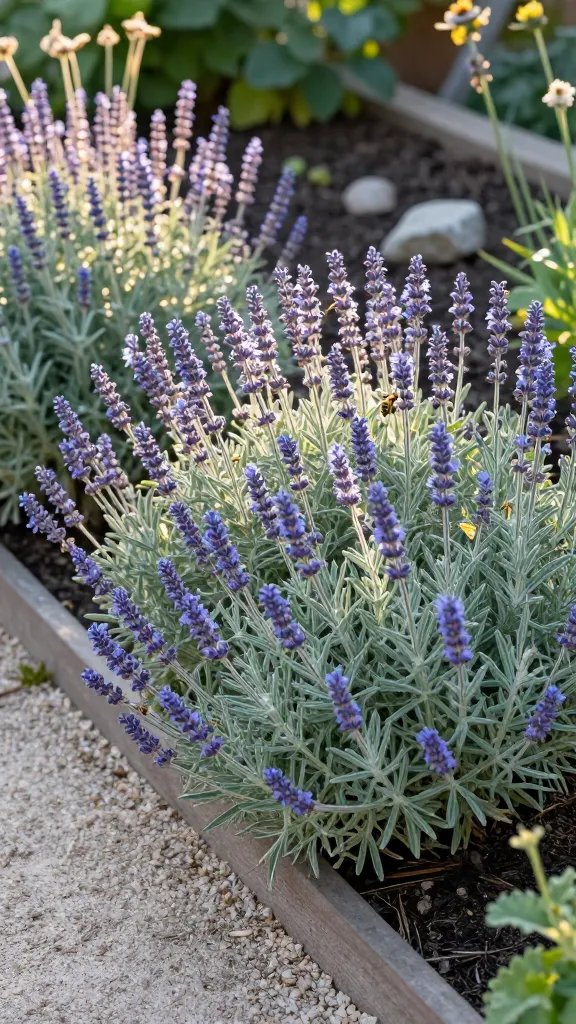
Walkers Low is famously unfussy, but a few basics push it from good to glorious. Nail the site, skip the high-nitrogen fertilizer, and let it breathe.
Care Checklist
- Light: Full sun for best bloom (it tolerates light shade, but flowers less).
- Soil: Well-drained; neutral to slightly alkaline is ideal.
- Feeding: Compost in spring; avoid heavy fertilizers that cause floppiness.
- Airflow: Space well to prevent flopping and mildew in humid areas.
- Winter: Leave stems for winter interest, then cut back in early spring.
Follow this quick routine and you’ll enjoy a plant that just works—season after season.
Ready to give your garden a long-blooming glow-up? Plant a few drifts of Walkers Low, shear once, and watch the color keep coming. It’s fragrant, it’s pollinator-approved, and it makes everything around it look better—trust me, you’ll wonder why you didn’t plant more.