The Secret to How to Overwinter Container Plants — What Goes Inside, What Stays Out and How to Decide
The first winter I gardened on a balcony, I lost my rosemary, cracked two pots, and nearly gave up. I thought “hardy” meant “leave it and hope,” and I dragged tender plants indoors without checking for pests. Now I use a simple checklist each fall and my containers come through spring ready to grow. In this guide I’ll show you exactly how to decide what goes inside, what stays out, and the easy steps that prevent losses.
The One Decision That Saves Most Plants: Know Your Real Winter Low
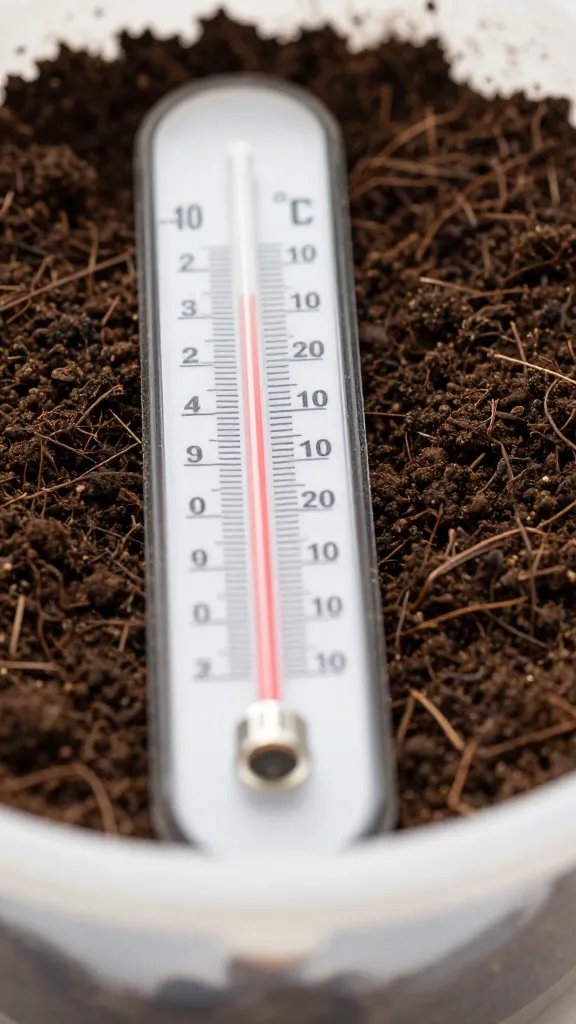
You don’t overwinter by guesswork; you match plants to the cold they will face. I check my local average annual extreme low, not just the nightly forecast. This is your USDA zone baseline — but I also note wind exposure, roof or balcony height, and how cold my containers get compared to in-ground soil.
Containers run 10–15°F colder at the root zone than the same plant in the ground because air surrounds the pot. A plant rated hardy to 10°F may still die in a container that sees 20°F air and a long freeze. I plan for the coldest night, not the average week.
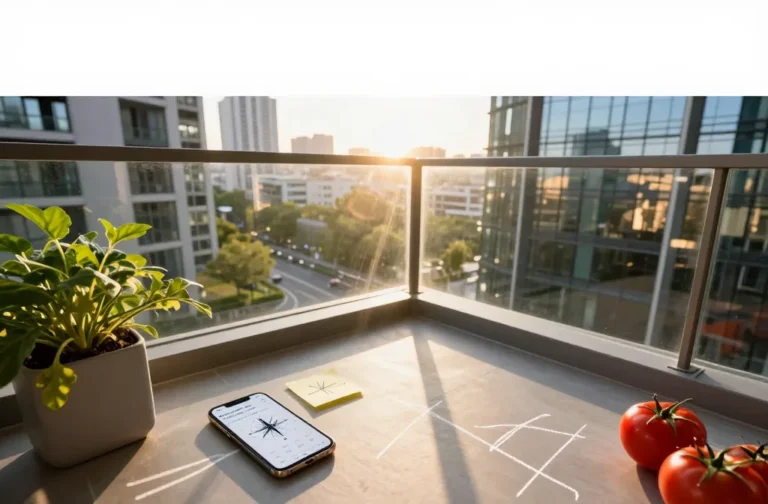
Action today: Look up your area’s average annual extreme low and write it on a sticky note. Add “-10°F buffer for pots.” That number drives every overwinter choice you make.
What Goes Inside: Tender and Half-Hardy Plants That Won’t Survive a Hard Freeze
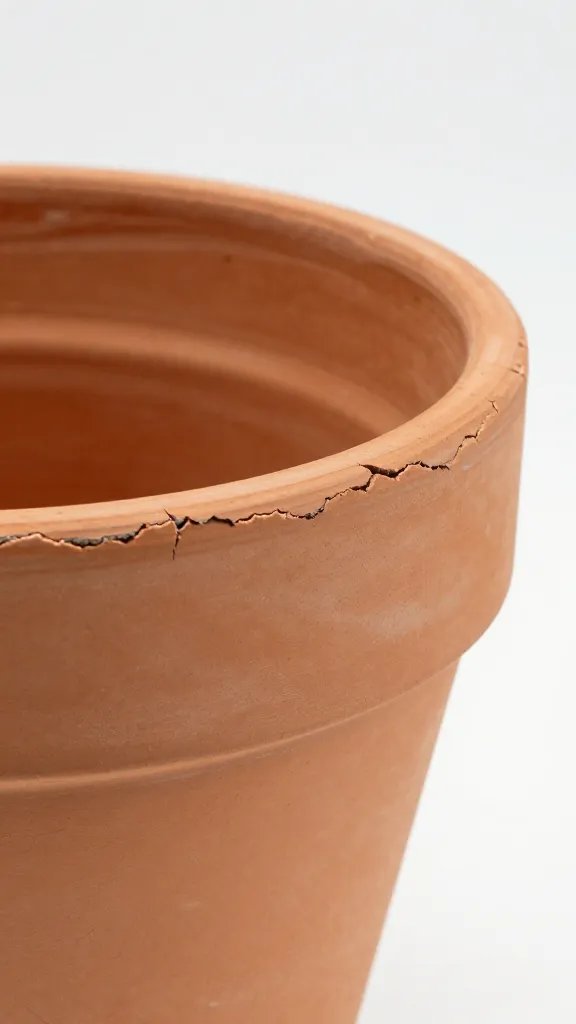
Anything that suffers below your adjusted number goes indoors or into a protected garage/shed with a window. I prioritize edibles and ornamentals I actually want next year — not every plant earns winter space.
Plant list: Bring these in before first hard frost
- Tender perennials and houseplants: Basil (treat as annual), lemongrass, coleus, geranium/pelargonium, hibiscus, mandevilla, bougainvillea, fuchsia.
- Mediterranean herbs: Rosemary, bay laurel, lavender vareities not rated for your zone. They prefer cool, bright rooms (45–60°F) rather than hot living rooms.
- Citrus and tropicals: Lemon, lime, figs in small pots (figs tolerate cold but roots in small containers freeze fast), alocasia, begonias.
- Succulents and cacti not frost-hardy: Jade, echeveria, aloe (keep dry and bright).
When space is tight, I take cuttings of coleus, geranium, rosemary, and sweet potato vine and overwinter the cuttings in jars of water on a bright sill. I don’t haul the mother plants inside if I don’t need their size.
Action today: Walk your containers and tag anything that will be damaged below 32°F. Plan a moving day 48 hours before your forecasted first hard frost (28°F for several hours).
What Stays Out: Truly Hardy Plants and How to Help Them Win
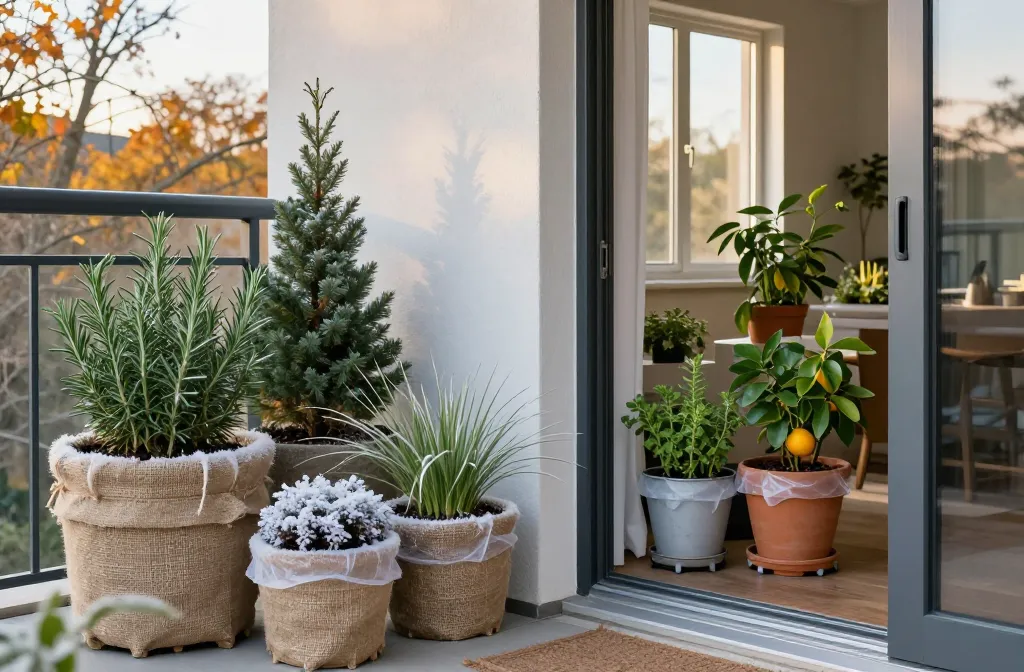
Plants rated at least two zones hardier than your adjusted container number can stay outdoors with simple protection. I group these together against a building wall to cut wind and trap a bit of warmth.
Plant list: Safe to overwinter outdoors with minimal help
- Woody shrubs/trees rated hardy well below your low: Boxwood, yew, juniper, holly, dwarf conifers (in large containers).
- Cold-hardy perennials: Heuchera, hosta (dies back), daylily, sedum, ornamental grasses (leave foliage for insulation).
- Hardy herbs in big pots: Thyme, oregano, chives, mint (dies back and returns).
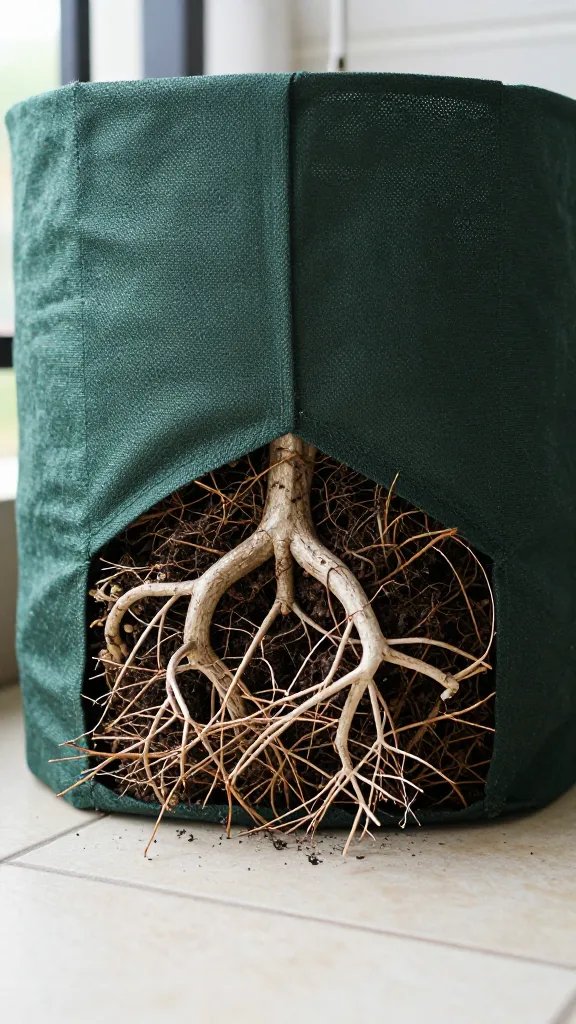
I choose the largest containers I can manage. Small pots freeze solid; 16–20 inch diameter keeps roots insulated. I slide pots onto wood slats or thick rubber doormats to keep them off freezing concrete, which wicks heat away.
Action today: Move hardy containers against a south or east wall, cluster them tight, and lift them on boards or pot feet to reduce freeze-thaw stress.
The Pot Matters: Prevent Cracks and Root Kill
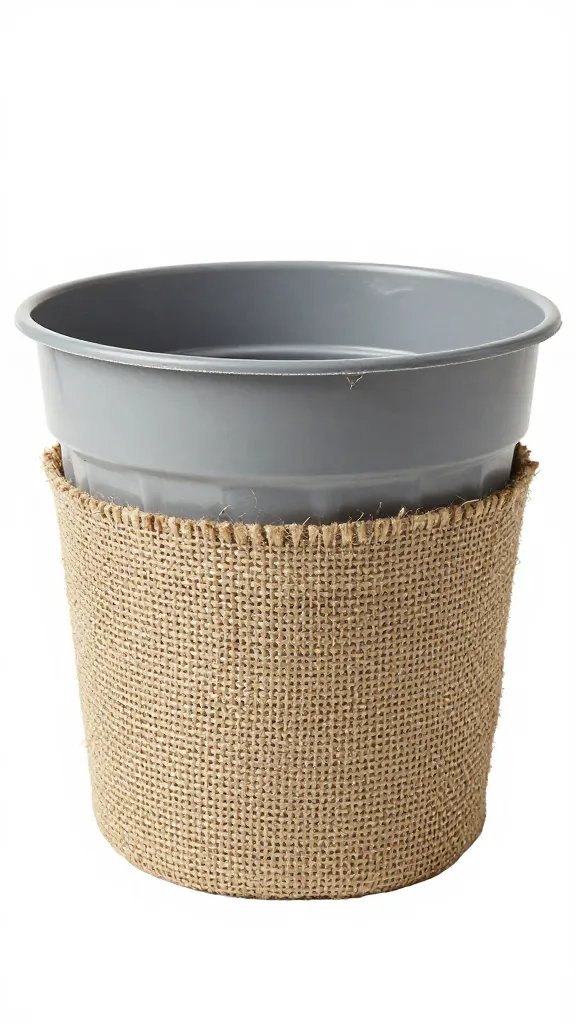
Unglazed terracotta and thin ceramic soak water and crack when it freezes. I shift vulnerable plants into plastic, fiberglass, or thick glazed ceramic before consistent freezes. If I keep terracotta outdoors, I empty it and store it dry and upside down.
Dark pots warm faster on sunny winter days, which helps the root zone. Drainage must stay open — blocked holes create ice blocks around roots. I check saucers and remove them entirely for winter so water can’t pool and refreeze.
Action today: Tip each pot and confirm water flows freely. Knock out or drill clear any clogged drainage holes and remove all saucers.
Watering in Winter: Less Than You Think, But Not Zero
Most losses happen from wet, cold roots, not from thirst. I let outdoor containers dry almost fully between sips. On days above 40°F, I water hardy evergreens lightly — about a cup for a 12-inch pot — once every 3–4 weeks if rain or snow hasn’t done it.
Indoors, I cut watering for resting plants in half. I water when the top 2 inches are dry and the pot feels noticeably lighter. For succulents, I water monthly; for citrus and rosemary in cool bright rooms, every 10–14 days with a thorough soak and full drain.
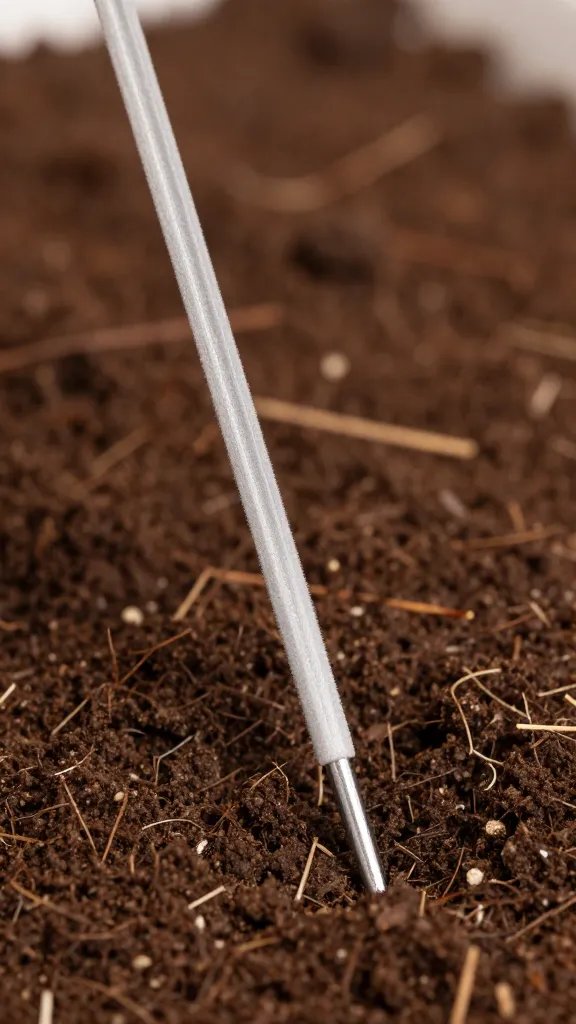
Action today: Stick a wooden chopstick 2 inches into the soil and pull it out — if it comes up clean and dry, water; if it’s damp or soiled, wait a week.
Light, Temperature, and Airflow Indoors: Keep Plants Alive, Not Thriving
I aim for bright indirect light near a window for most overwintered plants. A cool spare room (45–60°F) keeps growth slow and manageable, especially for rosemary, pelargoniums, and bay. I rotate pots a quarter turn each week to prevent lopsided growth.
Dry indoor heat invites spider mites and whitefly. I keep plants away from radiators and heat vents, wipe leaves monthly, and run a small fan on low for an hour a day to keep air moving. I fertilize not at all until late winter when days lengthen.
Action today: Choose the brightest east or south window you have and place the most light-hungry plants there. Move heat-sensitive ones at least 2 feet from radiators.
Pest Check and Clean Move-In: Don’t Import Trouble
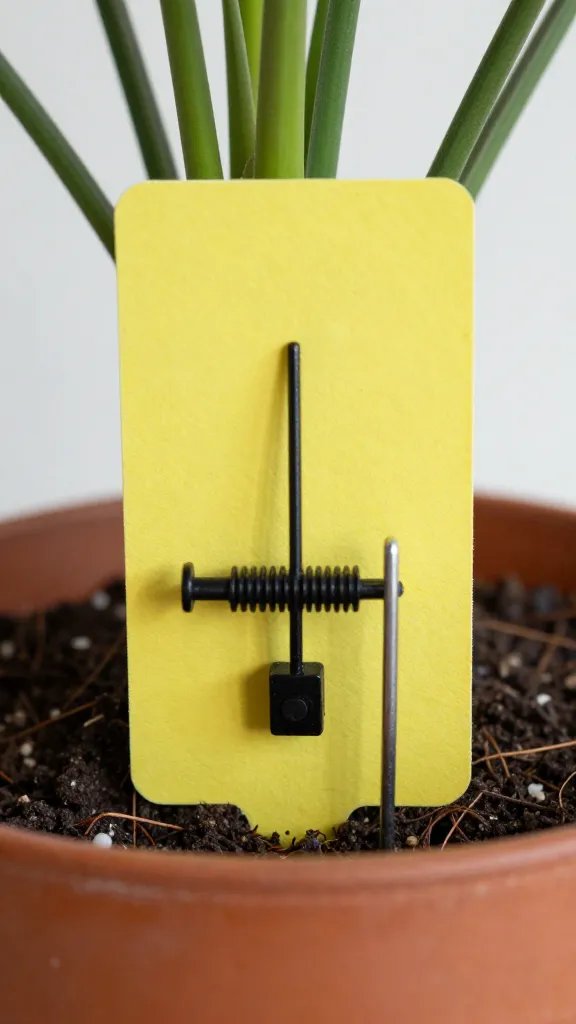
I never bring a plant inside without a quarantine. I hose foliage hard, trim dead material, and inspect leaf undersides. I top-dress the soil surface with fresh potting mix if I see fungus gnat activity and set out yellow sticky traps.
Step-by-step: 24-hour pre-move routine
- Rinse leaves and stems thoroughly outdoors and let dry.
- Remove fallen leaves and mulch that can harbor pests.
- Spray with insecticidal soap or horticultural oil per label, including leaf undersides.
- Keep the plant in a bright, cool spot by an exterior door for 48 hours.
- Move to its winter location and monitor with sticky traps for two weeks.
Action today: Pick one plant you plan to bring inside and run the 24-hour routine. You’ll catch most problems before they spread.
Simple Protection Outdoors: Mulch, Wrap, and Windbreaks
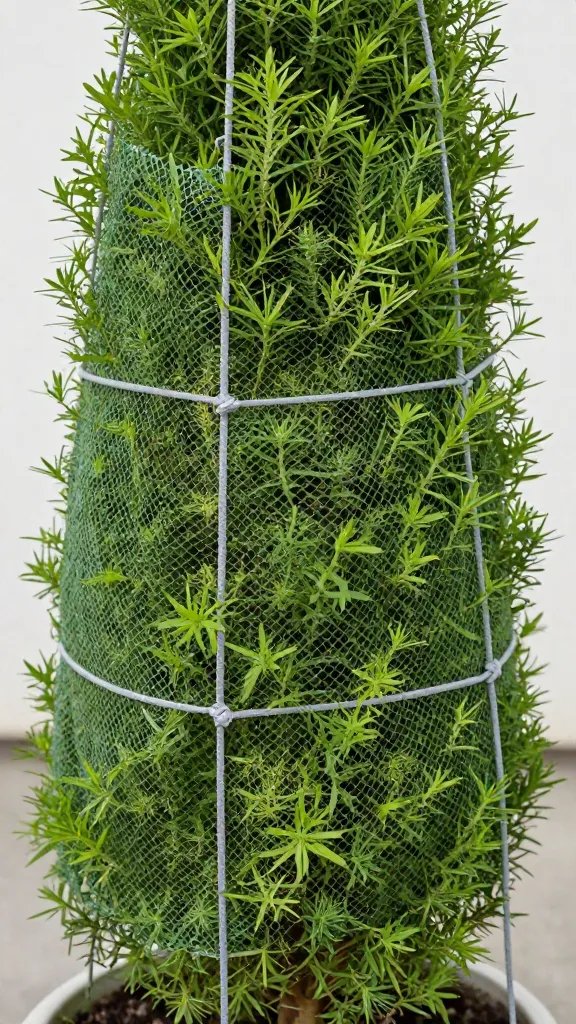
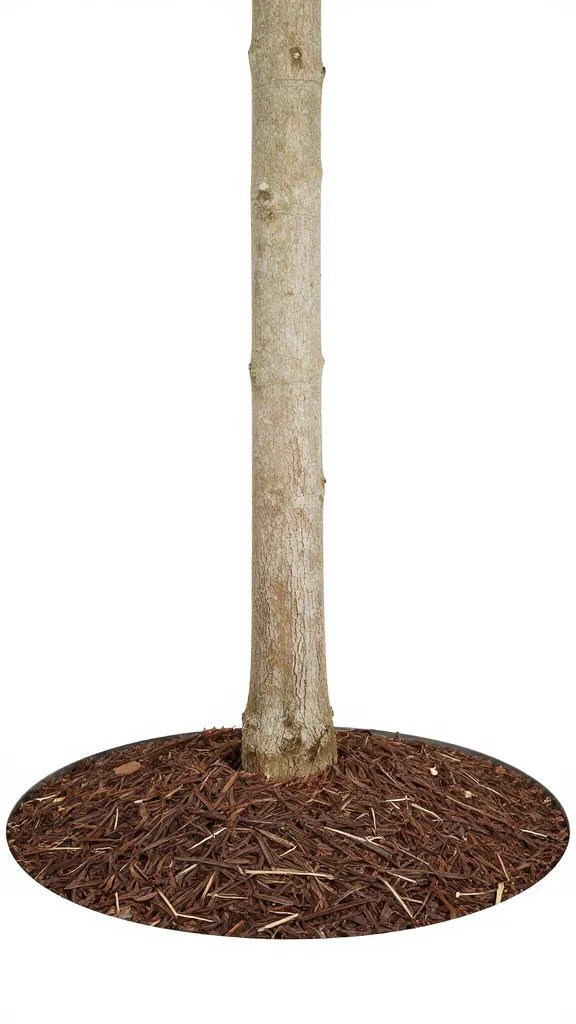
For borderline-hardy shrubs and perennials, I insulate the root zone and cut wind. I add a 2–3 inch layer of shredded bark or dry leaves on the soil surface. Around the pot, I wrap two layers of bubble wrap or burlap secured with twine, leaving the drainage hole open.
In exposed spots, I pound in two stakes and attach burlap as a windbreak on the windward side. For evergreens that winter-burn, I use an anti-desiccant spray once in late fall per label directions.
Action today: Gather leaves from your yard and top-mulch your outdoor containers to the rim. That alone stabilizes soil temperature swings.
Timing: The Fall-to-Spring Calendar That Works
Six weeks before your average first frost, I start hardening indoor-bound plants by reducing fertilizer and trimming leggy growth. Two weeks before frost, I do pest treatment and move the first wave inside. I finish all moves 48 hours before the first predicted hard frost.
In late winter (late February to March), I resume light feeding at half strength once every 3–4 weeks for actively growing plants indoors. I reverse the process in spring — harden plants back outdoors over 7–10 days once nights stay above 45°F.
Action today: Mark three dates on your calendar: six weeks before first frost (prep), two weeks before (treat), and hard-frost minus two days (move).
Frequently Asked Questions
How do I know if my rosemary will survive outside?
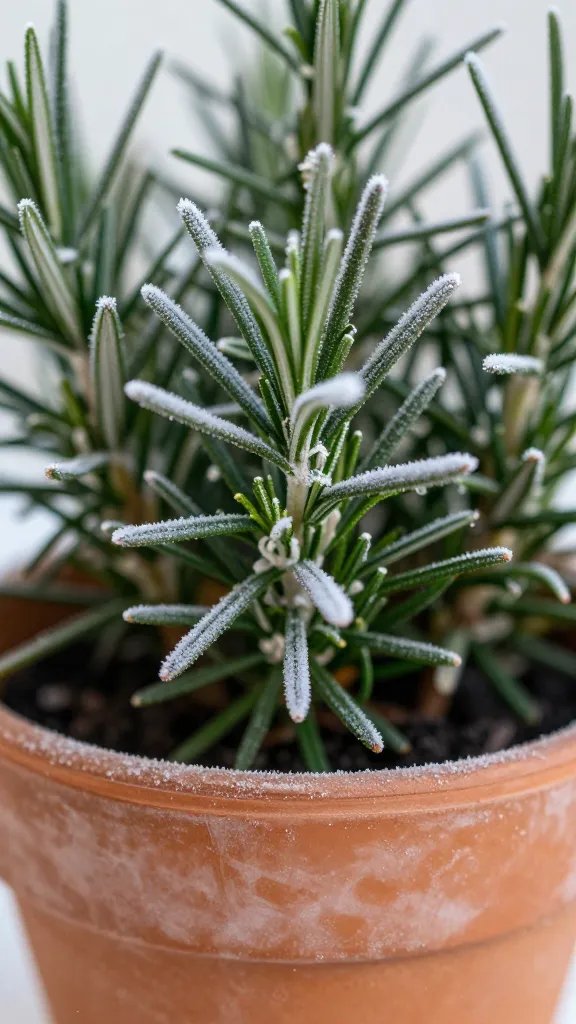
Check the plant tag or a reputable source for its cold rating. Most supermarket rosemary isn’t reliably hardy below 10–20°F in containers. If your adjusted container number drops below that, bring it into a cool, bright room (45–60°F) and water when the top 1–2 inches are dry. Avoid hot living rooms — they cause stress and spider mites.
Can I overwinter plants in an unheated garage?
Yes, if the garage stays above 25–28°F and has some light. Dormant perennials and hardy shrubs can rest there with occasional sips of water every 4–6 weeks. Place them near a window or open the door on mild days for light and air. Keep pots off the concrete on boards or cardboard to reduce cold conduction.
What should I do with annuals like petunias and marigolds?
Toss them on the compost or save seeds, because true annuals finish their life cycle in one season. If you love a particular color or variety, collect dry seed heads into labeled envelopes. For petunias and coleus, you can overwinter a few cuttings indoors to replant in spring. This saves space and keeps your favorite genetics.
My indoor-overwintered plants get sticky leaves and tiny bugs. Now what?
Sticky residue means sap-feeders like aphids, whitefly, or scale. Isolate the plant, wipe leaves with a damp cloth, then spray with insecticidal soap weekly for 2–3 weeks, covering undersides. Add yellow sticky traps to monitor adults. Reduce fertilizer and improve airflow to make the environment less friendly to pests.
Do I need to fertilize over winter?
No for most plants, minimal for a few. Plants rest in low light and cold; fertilizer pushes weak, pest-prone growth. Resume feeding at half strength in late winter when days lengthen and new growth appears. Citrus and actively lit plants can get a light feed monthly if they’re clearly growing.
How dry is “dry” before watering in winter?
Use simple checks. For a 12-inch pot, let the top 2 inches go dry and the pot feel lighter when lifted. Insert a chopstick to the depth of your second knuckle; if it comes out dry and clean, water. Always let excess drain fully and never leave water in saucers.
Conclusion
You now have the number that guides every call, the plant lists to sort indoor from outdoor, and the simple moves that prevent the classic winter losses. Pick one cluster of containers and apply the steps today — tag, group, wrap, and set your move-in date. When spring arrives, you’ll have living proof that overwintering containers is a system, not a gamble.