The Secret to How to Keep Houseplants Alive While on Vacation — the Covered-Container Method and Its Limits Unpacked
I learned the covered-container trick the hard way after frying a peace lily during a heatwave weekend. I came home to crisp leaves and a pot that felt like a hot brick. Since then, I’ve tested plastic wrap, storage bins, and clear bags on everything from pothos to rosemary. In this guide, I’ll show you exactly how to set up a covered system that keeps plants alive while you’re away — and the hard limits you must respect so you don’t return to rot, mold, or a pot of slime.
What the Covered-Container Method Actually Does
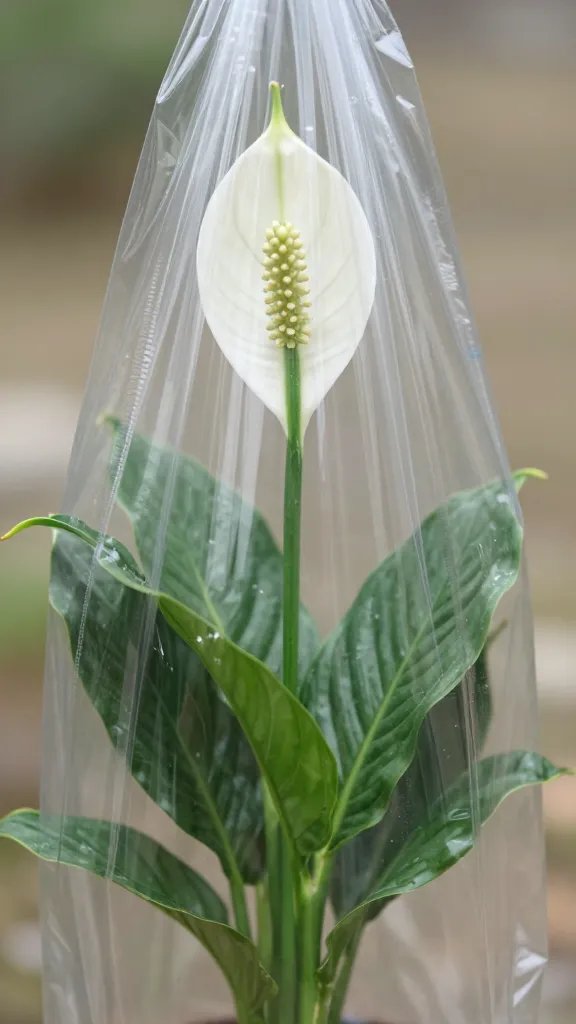
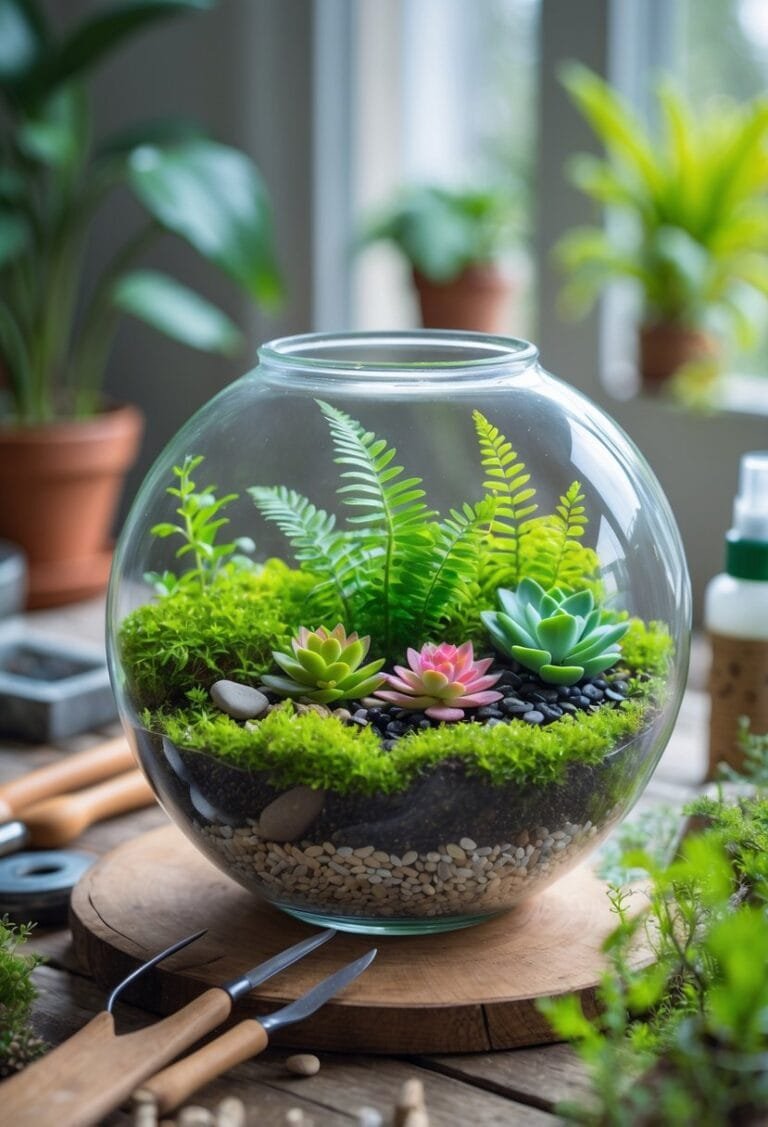
A covered setup slows evaporation and creates a mini water cycle. Moisture leaves the soil, condenses on the cover, and drips back — like a loose terrarium. This buys you 7–14 days without watering, sometimes more for sturdy plants.
The cover also cuts air movement and drops transpiration. That means roots drink less and soil stays damp much longer. It helps during hot, dry spells but becomes risky in cool, low-light rooms.
Takeaway: Use covers to recycle moisture for short trips — you’re trading airflow for water savings, not creating a no-maintenance system.
Which Plants Tolerate Covering — And Which Don’t
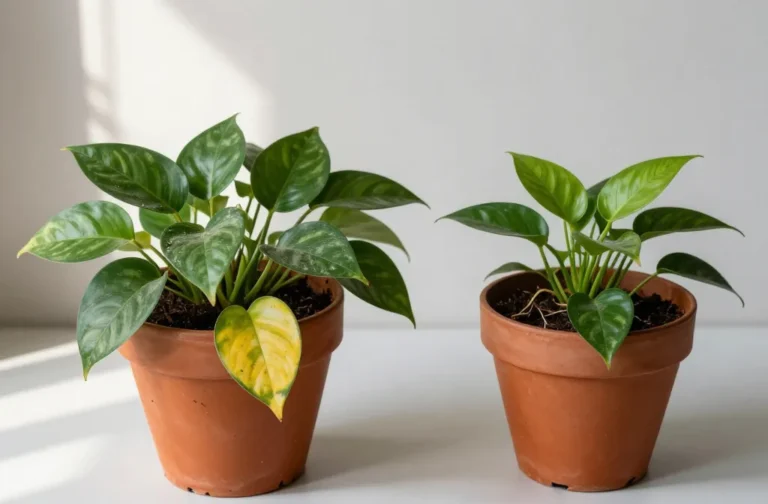
Great candidates: Pothos, Philodendron, ZZ plant, Peperomia, Spider plant, Ferns (except very delicate types), Peace lily. These handle higher humidity and moderate, steady moisture.
Borderline: Snake plant, Jade, Hoya. They can cope if soil starts barely moist, not wet, and the cover is vented. Overdo moisture and they rot.
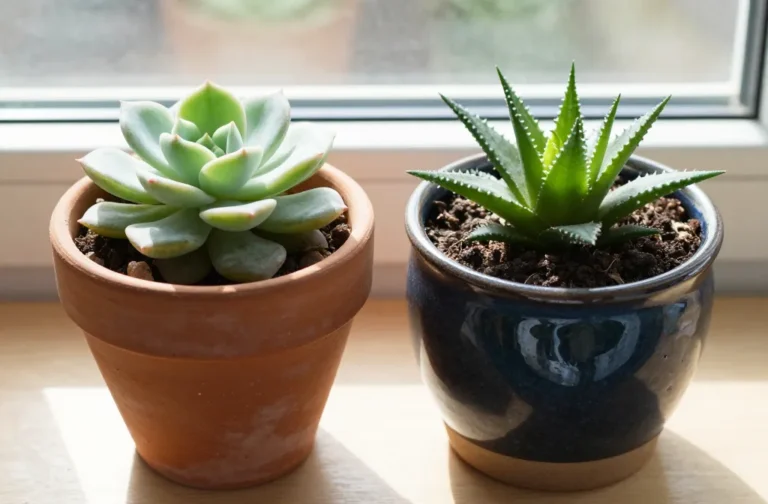
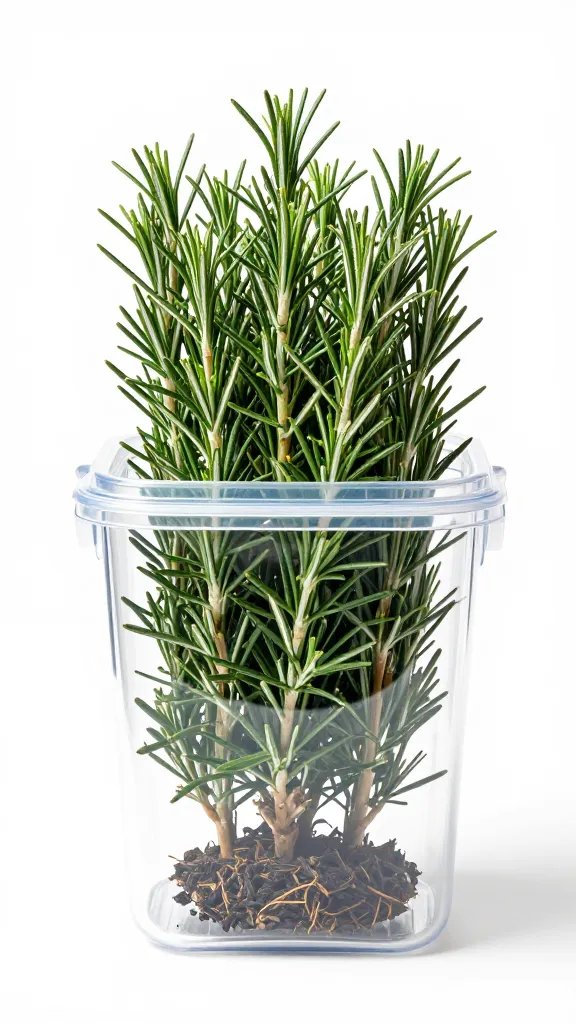
Bad candidates: Cacti, Most succulents, Rosemary, Lavender. They want air and dry soil. A cover traps too much humidity and heat, which causes stem rot and fungal spots.
Action: Make a yes/no list today — only plan to cover humidity-loving or moderate-thirst plants; arrange separate care for succulents and woody herbs.
How to Set Up a Safe Covered System Step-By-Step
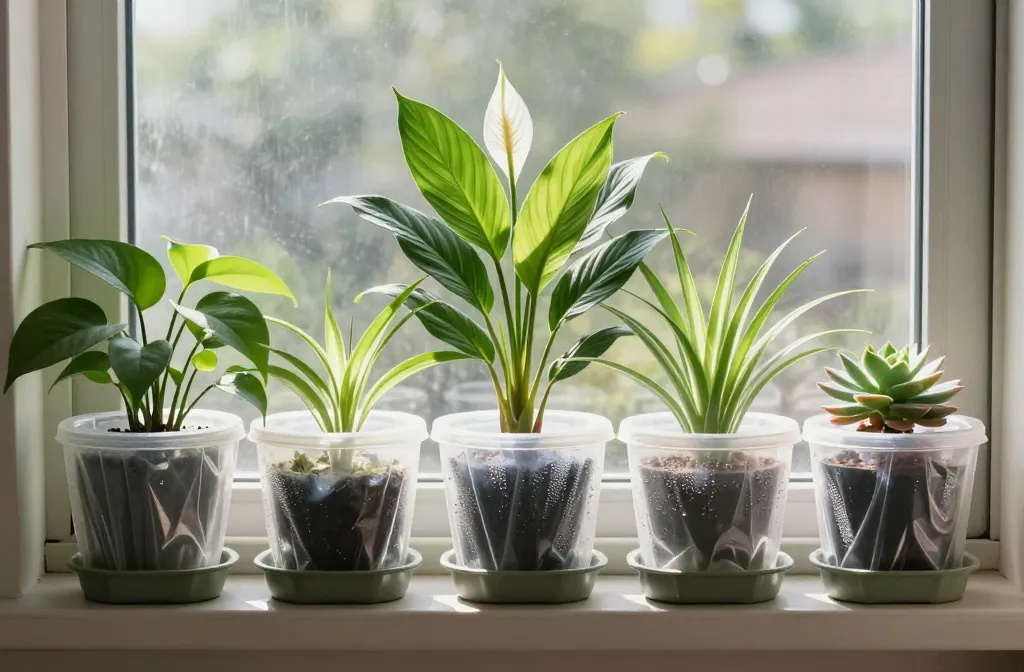
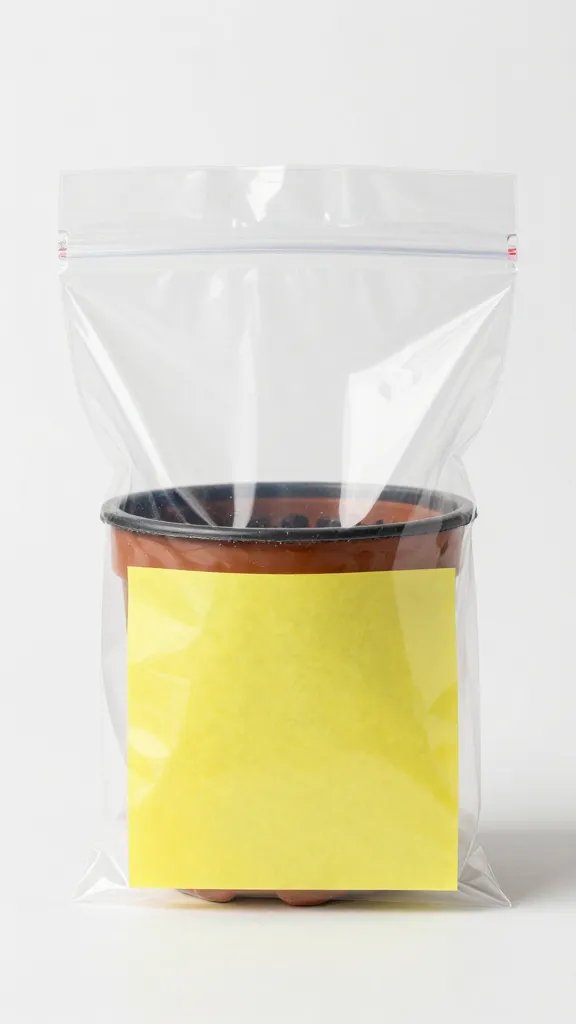
You don’t need anything fancy. Use clear plastic storage bins, unscented clear trash bags, or plastic wrap and bamboo skewers as “tent poles.” Always cover the plant plus pot — never seal soil alone.
Step-by-Step Setup
- Water correctly 24 hours before you leave. Aim for evenly moist, not soggy. Pick up the pot — it should feel heavier than dry but not dripping from the drainage holes.
- Prune and clean. Remove yellow leaves and mushy stems. Dead tissue fuels fungus in a covered space.
- Top up humidity without soaking. Add a saucer of water or a damp towel beside, not under, the pot inside the cover. This buffers humidity without drowning roots.
- Create the cover.
- For a single plant: Slide a clear bag over it, securing around the pot with a soft tie. Keep plastic off leaves using chopsticks or stakes.
- For groups: Place plants in a clear storage bin or under a large clear tote. Rest the tote upside down to create a dome.
- Add vents. Puncture 6–12 pencil-width holes around the top/sides, or leave a two-finger gap at the rim. No vents equals mold and rot.
- Place in bright, indirect light. One to two feet from a window is ideal. Warning: Direct sun turns the cover into an oven.
- Test for 24 hours before you go. Look for light fogging in the morning and dry-ish walls by afternoon. Constant heavy condensation means too wet — add more vents.
Action: Do the 24-hour test this week on one plant — adjust vents until condensation clears by mid-afternoon.
How Long You Can Safely Rely on a Cover
In a typical home (20–26°C, bright window, average humidity), a covered setup holds steady for 7–14 days. Thirsty plants like peace lily lean toward the shorter end; sturdier foliage plants last longer. Cooler rooms push it to 2–3 weeks.
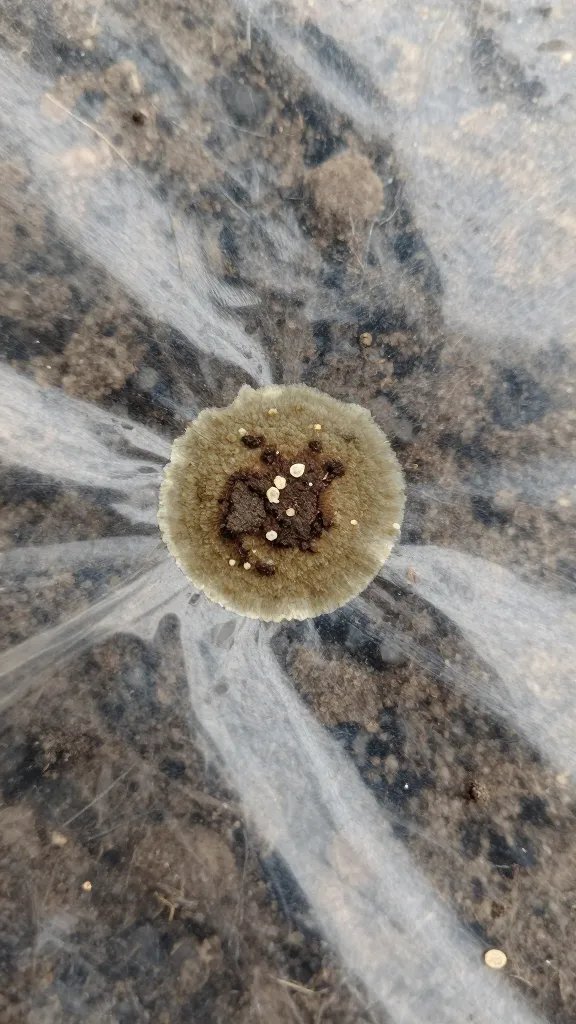
Critical limit: Past three weeks, roots risk oxygen starvation because wet mix and low airflow suppress gas exchange. You also invite fungus gnats and leaf spot.
Action: If your trip exceeds two weeks, combine covering with a simple water reservoir (wick or drip) and plan a friend check once at day 10.
Common Failure Modes — And How I Prevent Them
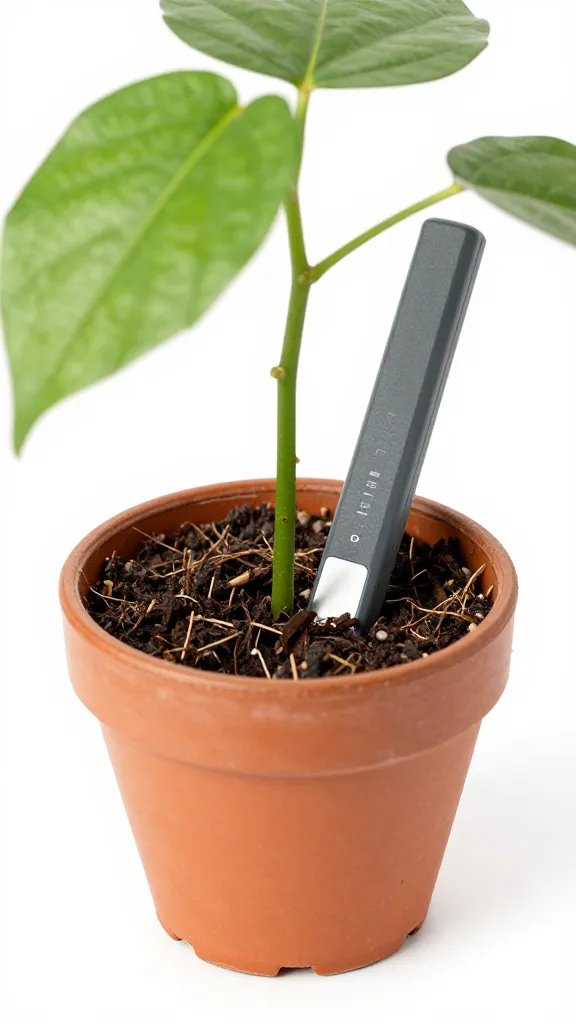
Overheating: Clear covers under direct sun create a greenhouse blast. I once cooked a peperomia in five hours. Solution: move plants 1–2 feet back or use a sheer curtain.
Condensation raining on leaves: Large droplets cause leaf spots and rot. I pitch the cover slightly so droplets roll off to the side, or I shake off built-up drops before leaving.
Soggy soil: If you water right before covering, the pot stays wet too long. Water 24 hours before, then drain any saucer completely.
Action: Before covering, tilt the setup so condensate runs off the canopy, not onto leaf clusters — one coaster under the back of the tray is enough.
When to Use Wicks, Spikes, and Drip Bottles Instead
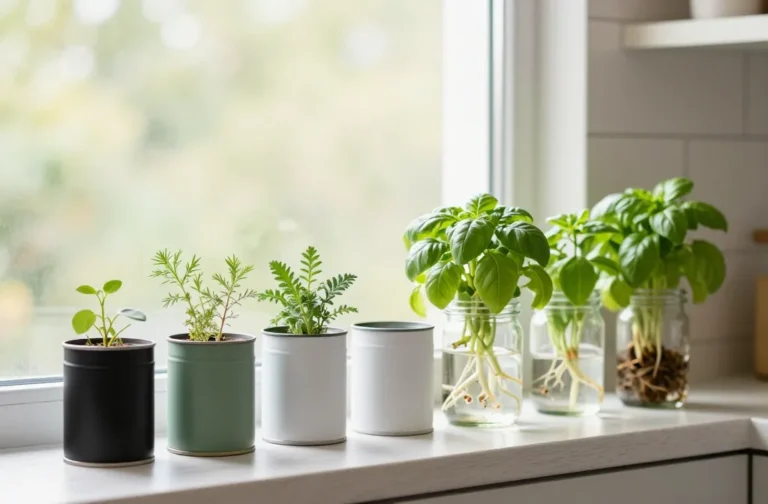
Covers slow loss, but they don’t add water. For 2–4 week trips, I add a wick from a water bottle or jar into the pot. Cotton shoelace or braided cotton cord works. It keeps soil evenly damp without flooding.
For bigger pots, a simple drip spike from the garden centre plus a 1–2 litre bottle delivers a steady trickle. Test flow for a day and adjust the vent holes in the cover to balance humidity.
Action: Set up one wick today: bury 8–10 cm of cotton cord in the soil, the other end in a jar of clean water level with the pot base.
Soil, Pot, and Light Adjustments That Make or Break It
Soil: Use a good quality potting mix with some perlite for airflow. Dense, peat-heavy mixes suffocate roots when covered. If the mix holds its shape in a fist like clay, lighten it with a scoop of perlite.
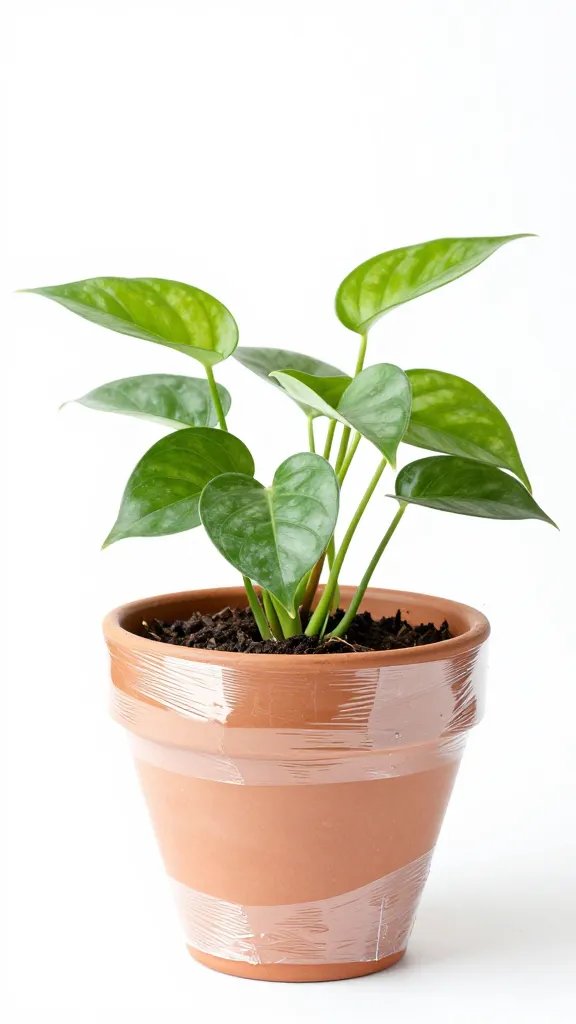
Pots: Terracotta breathes and counters extra humidity. Plastic holds water longer. For covered setups, terracotta gives you a safety margin against overwatering.
Light: Bright indirect light keeps leaves active without turning the cover into a sauna. South-facing windows need sheer curtains; east or north windows usually work as-is.
Action: Repot any problem plant into terracotta 1–2 weeks before your trip to stabilize moisture under a cover.
Warning Signs and Quick Fixes Before You Leave
Warning Signs to Catch in the 24-Hour Trial
- Glass stays foggy all day: Too wet or not enough vents.
- Leaves touching plastic: Wet spots and rot will form there.
- Musty smell when you lift the cover: Stagnant air; add larger vents.
- Soil smells sour: Anaerobic conditions; let the pot air out overnight and re-cover with more vents.
Fast Adjustments
- Open two more pencil-size vent holes on opposite sides for crossflow.
- Swap to a bigger dome or bag to keep plastic off leaves.
- Slide the plant 30–60 cm back from direct sun to control heat.
Action: Do a sniff test and fingertip soil check 12 hours into the trial — adjust vents until the smell is fresh and the top 1 cm of soil feels barely damp.
Frequently Asked Questions
How do I cover a large floor plant like a fiddle-leaf fig?
Use a clear wardrobe garment bag or a large contractor trash bag slit and taped to make a tall sleeve. Create a frame with bamboo stakes so the plastic doesn’t touch leaves. Vent with 8–12 holes up high and keep it out of direct sun. Water 24 hours before and empty any saucer.
Is plastic wrap over the pot enough without covering the foliage?
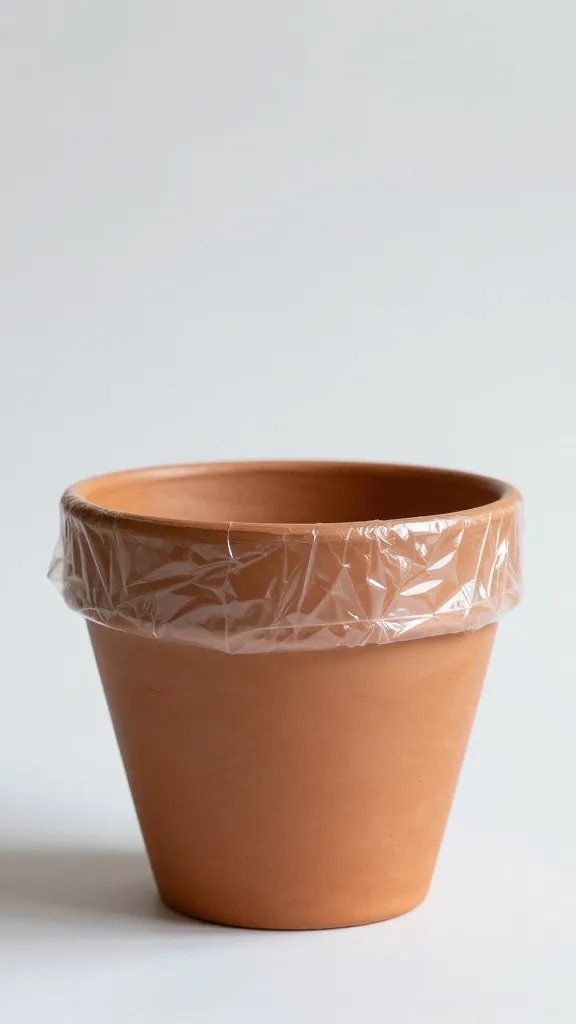
No. Sealing just the soil traps moisture at the surface and starves roots of oxygen while leaves still transpire normally. If you can’t cover the whole plant, use a wick or drip spike instead and skip the soil seal. You want balanced moisture and airflow, not a wet lid.
Can I leave grow lights on with a cover?
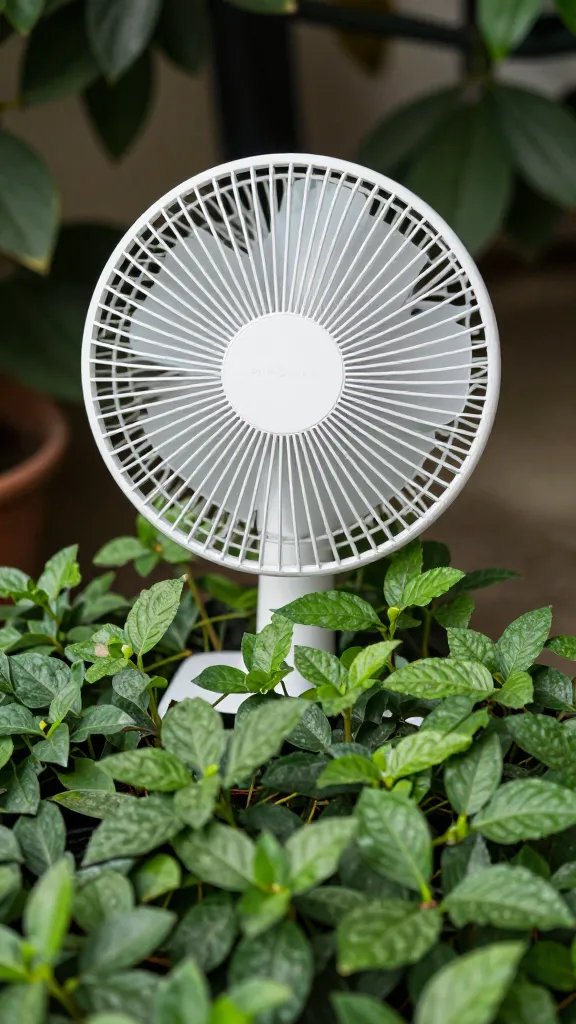
Yes, but reduce intensity and heat. Raise the light 15–30 cm, shorten the timer to 10–12 hours, and add extra vents. Check temperature under the cover after one hour — if it feels warmer than your hand by more than a few degrees, back off the light or add a fan outside the cover to move room air.
What if fungus gnats appear under the cover?
They thrive in constantly wet surfaces. Let the top 1–2 cm of soil dry by increasing vents for a day, then add a thin layer of horticultural sand or small grit on top. Yellow sticky traps near, not inside, the cover help catch adults. After your trip, water less often and improve drainage.
Will terracotta dry out too fast even with a cover?
Terracotta loses moisture, but the cover recycles most of it. For 1–2 weeks, terracotta actually stabilizes roots by preventing soggy conditions. If you worry about drying, add a wick to a small jar inside the cover and vent slightly less. Always test for 24 hours before leaving.
How do I handle mixed plant types in one bin?
Group by thirst. Put ferns and peace lilies together with fewer vents and a small water tray, and place snake plants or hoyas in a separate covered bin with more vents and drier soil. Never mix succulents with humidity lovers under the same cover. Label bins so a plant-sitter knows which to ignore and which to top up.
Conclusion
You can leave for a week or two without a plant sitter if you set up a covered system that balances moisture and airflow. Start with the 24-hour trial on one plant, add vents until condensation behaves, and pair long trips with a simple wick or drip spike. Your next step: choose your travel groupings and gather one clear bin, two bags, and a roll of tape — do the dry run this weekend so you leave with confidence, not crossed fingers.