The Secret to How to Keep a Terrarium Alive While Travelling — Watering Windows, Placement and What Can Be Left
I learned the hard way that a terrarium doesn’t die while you’re gone — it dies in the week before you leave. I used to water “just in case,” move it to a darker shelf, and cross my fingers. Now I plan a simple routine that keeps the glass jungle stable for 2–6 weeks without fuss. In this guide, I’ll show you how to set the right moisture level, choose safe placement, and decide which plants can ride out your trip without drama.
Open vs. Closed Terrariums: Know Which One You Have Before You Pack
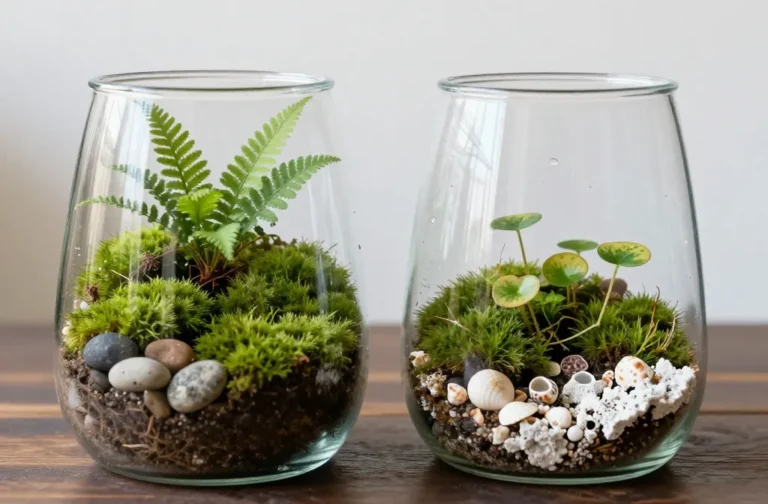
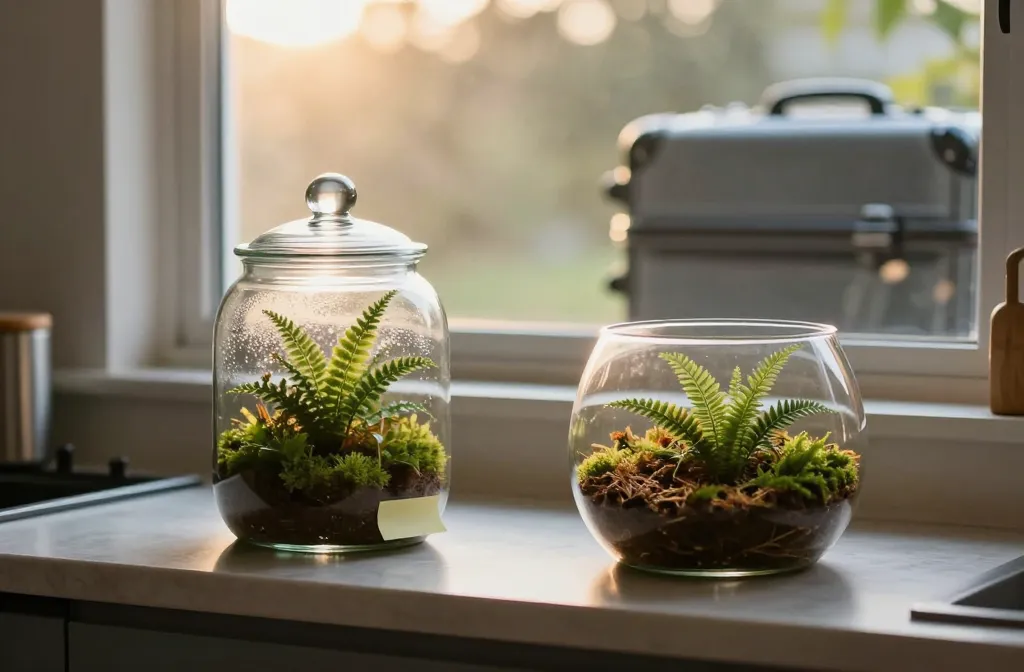
An open terrarium (no lid) breathes like a houseplant and dries faster. A closed terrarium (with a tight lid) recycles moisture and rarely needs watering once balanced.
This difference decides everything: how you water, where you place it, and how long it lasts alone. Misreading your setup leads to rot in closed systems and wilt in open bowls.
Warning Signs to Identify Your System
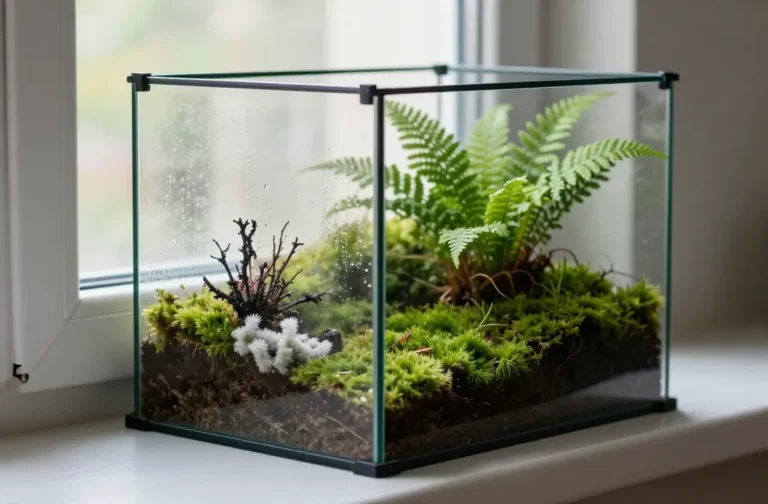
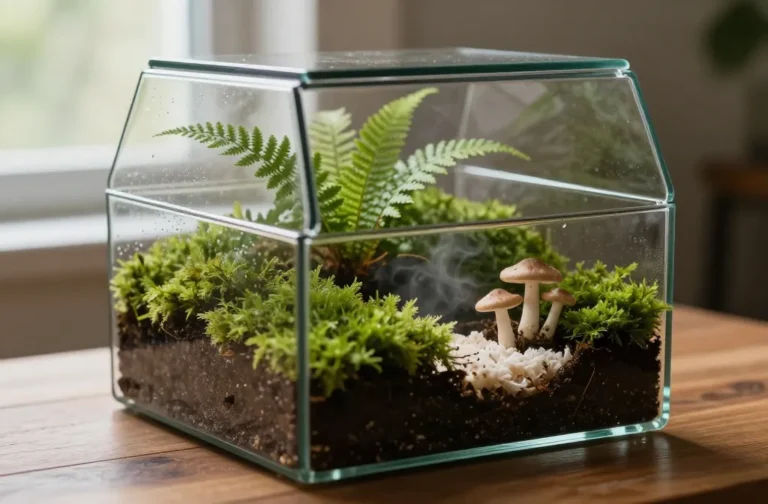
- Closed: Consistent light condensation on the glass by midday; soil stays evenly damp; lid fits snugly.
- Open: No lid; edges of soil dry in 2–4 days; leaves feel drier between waterings.
Action today: Confirm your terrarium type and write it on a sticky note under the jar or bowl — this guides all pre-trip steps.
Set the “Watering Window” One Week Before You Leave
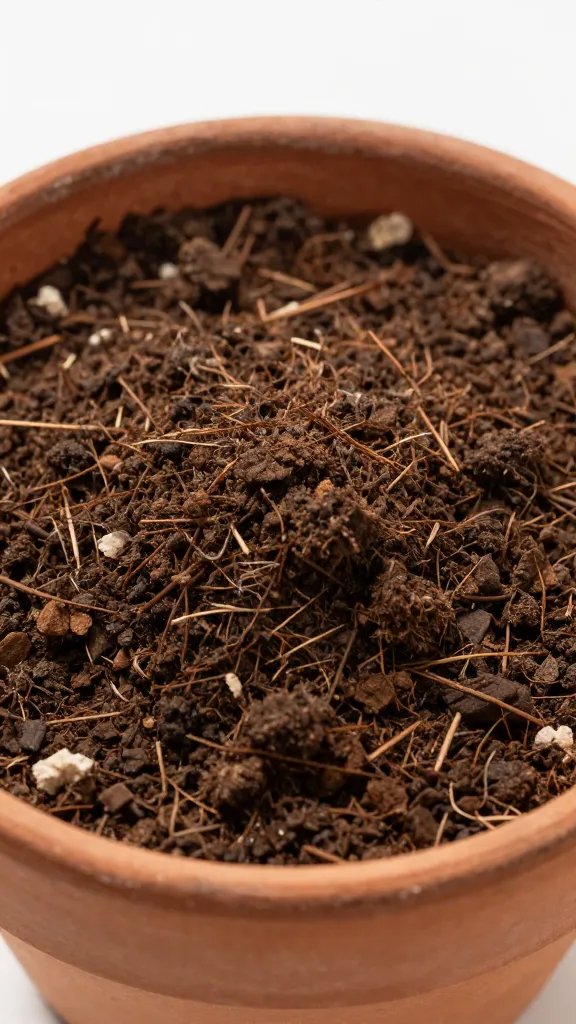
Your terrarium needs to be stable — not freshly watered — when you lock the door. I use a simple pre-trip schedule that prevents both drought and rot.
7-Day Pre-Trip Schedule
- T-7 days: Perform a moisture check. For closed, look for light morning condensation. For open, press a finger 2 cm into the soil — aim for cool and slightly moist, not wet.
- T-7 to T-5: Adjust slowly. Add water in tablespoons to closed systems (1–2 tbsp, then wait a day). For open bowls, water lightly until a few drops come out of the drainage layer (or stop when soil is evenly moist if no drainage layer).
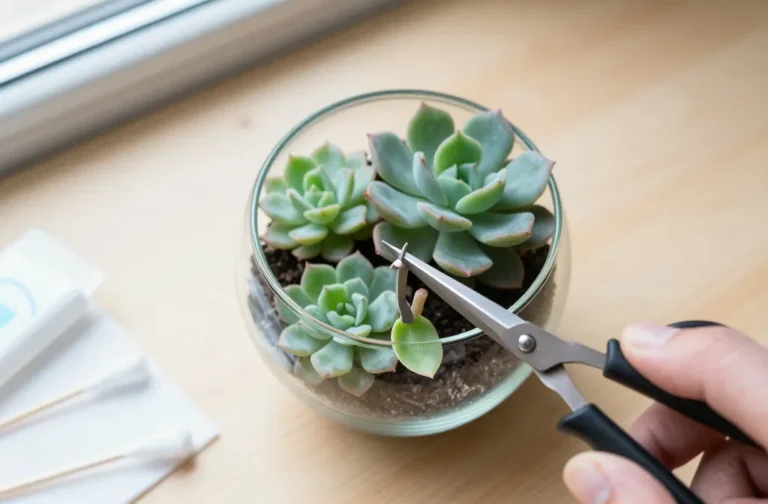
- T-4 days: Prune any leaves touching the glass and remove yellowing bits. Decomposing leaves cause mold while you’re away.
- T-3 days: Do a second moisture check. If closed glass is dripping wet at midday, vent the lid for 1–2 hours to release excess humidity.
- T-2 days: Water only if open terrarium soil is dry to 2 cm. Do not water a closed terrarium unless there’s no condensation at midday.
- T-0: Final placement check (see next section). Secure lids. Wipe inside glass where heavy droplets collect.
Action today: Put “moisture check” on your calendar for T-7 and T-3 — two tiny checkpoints prevent 90% of travel failures.
Placement That Prevents Heat Spikes and Cold Shocks
Most terrarium deaths during travel come from location, not watering. Glass magnifies light and traps heat, and cold drafts stall growth.
- Skip direct sun. Move any terrarium at least 1 meter back from a south- or west-facing window. Bright indirect light is safer than a sunbeam.
- Avoid radiators and AC vents. Heat dries open bowls and cooks closed ones. Aim for a room that stays between 16–24°C.
- Choose steady brightness. East windowsills (not in the sun patch) or a bright coffee table near a window work well.
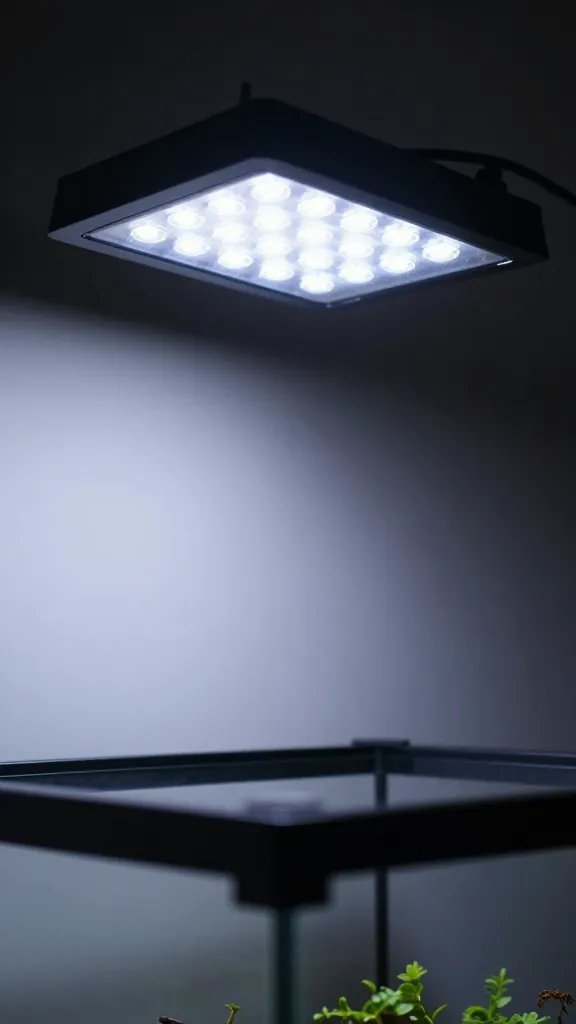
- For low-light weeks: A basic clip-on LED grow light on a 8–10 hour timer, set 30–45 cm above, keeps things ticking without heat.
Action today: Stand where your terrarium sits at noon — if you can feel warm sun on your hand for more than 5 minutes, move it back 1–2 meters.
How Long Each Type Can Be Left Alone
Different builds have different stamina. Use this as a realistic travel limit without special gadgets.
- Closed tropical terrarium (moss, ferns, peperomia, fittonia): 4–8 weeks once balanced.
- Closed arid terrarium (rare, not recommended): 2–3 weeks; risk of rot from high humidity.
- Open tropical terrarium (ferns, pilea, small philodendron): 7–14 days.
- Open arid terrarium (succulents, cacti in a bowl): 14–28 days, provided it’s bright and cool.
Action today: Match your trip length to the category above — if your plan exceeds the safe window, adjust plants or setup rather than “one last heavy water.”
What You Can Safely Leave — And What You Shouldn’t
Some plants happily coast; others crash without daily judgment. I group them by reliability while you’re away.
Best for Closed Systems (Low-Maintenance)
- Mosses (cushion, sheet, mood): stable, tolerant of humidity swings.
- Ferns (lemon button, maidenhair ‘Rio’ types struggle; choose Nephrolepis cordifolia ‘Duffii’): small fronds, resilient.
- Fittonia (nerve plant): thrives in sealed humidity once moisture is set.
- Pilea depressa, Pepperomia mini varieties: compact and forgiving.
Best for Open Systems (Travel-Tolerant)
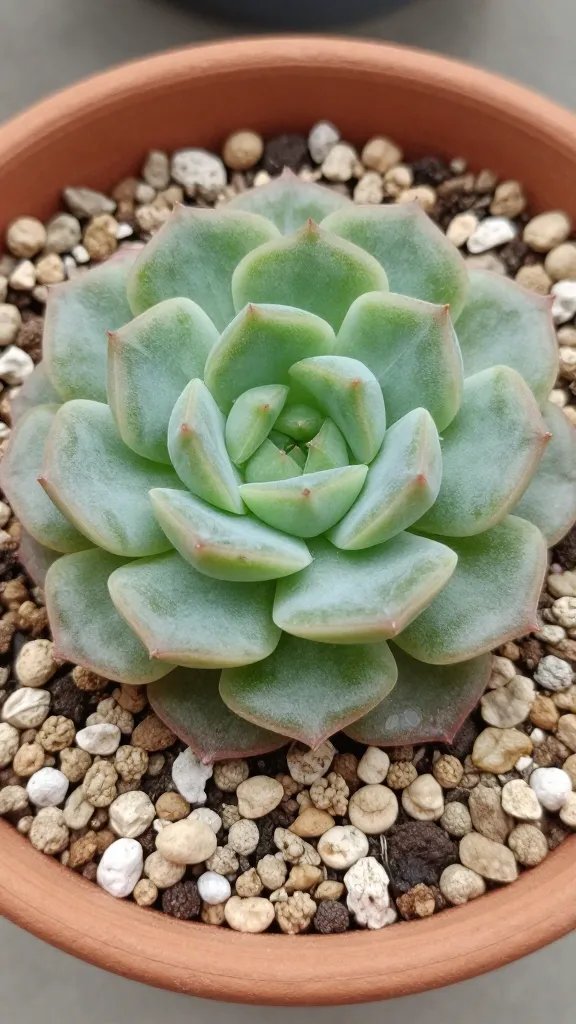
- Haworthia, Gasteria, small Aloe: handle 2–4 weeks dry in bright, indirect light.
- Mini Sansevieria (Snake plant pups): slow, drought-tolerant.
- Small cacti in a gritty mix: fine for several weeks if not sun-baked.
Plants to Avoid Leaving Unattended
- Fittonia in open bowls: wilts fast without high humidity.
- High-drama ferns like maidenhair in open air: brown fronds on return.
- Begonia rex in closed jars: rot risks if overmoist.
Action today: If your current terrarium relies on daily misting, swap one-third of the planting for sturdier species from the “Best” lists before your trip.
Watering Without Overdoing It: Exact Amounts That Work
Overwatering before travel creates stagnant, low-oxygen conditions that invite rot. I use spoon measurements instead of guesswork.
Closed Terrariums
- If there is light midday condensation on one-third of the glass, do not add water.
- If glass is dry by midday for 2–3 straight days, add 1–2 tablespoons of clean water to the soil, not the glass. Wait 24 hours and reassess.
- If the glass is foggy or dripping at midday, open the lid for 1–2 hours and wipe inside droplets with a paper towel.
Open Terrariums
- Water evenly until soil feels moist 2–3 cm down — stop before pooling. For bowls without a drain layer, use a spray bottle with a steady stream for control.
- Plan for the soil to be slightly moist at departure, not wet. Wet soil plus poor airflow equals fungus gnats and mold.
Action today: Measure your next top-up with a tablespoon, not a cup — precision now saves the terrarium later.
Simple Insurance: Low-Tech Tools That Actually Help
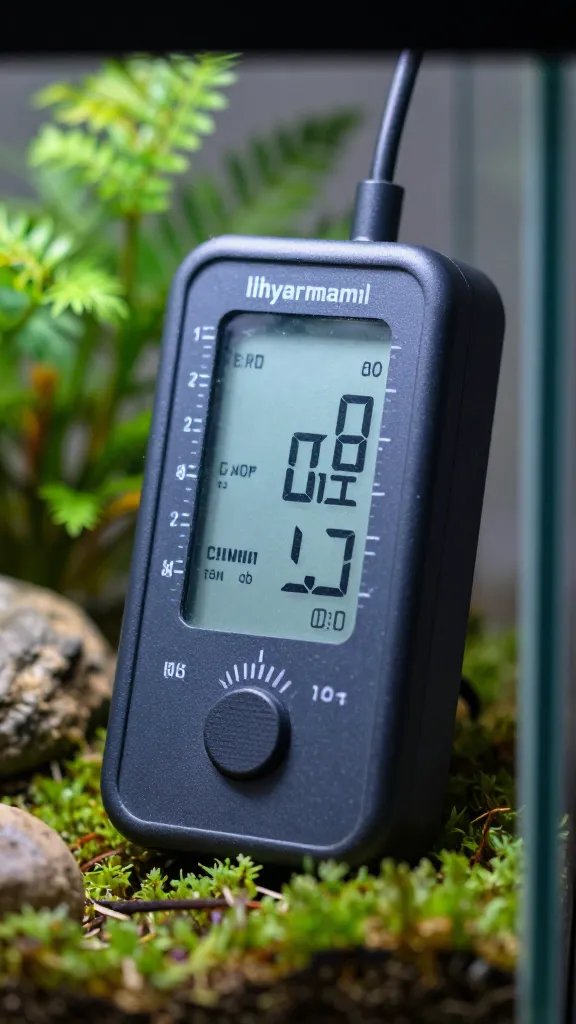
You don’t need fancy meters. One or two basics from a garden centre or hardware store make a measurable difference.
- Mechanical timer + basic LED grow bulb: 8–10 hours/day prevents leggy growth if your room is dim.
- Clear plastic wrap (for open bowls): Loosely cover 50–70% of the opening to slow evaporation for trips under two weeks. Poke 3–4 small holes with a fork for airflow.
- Clean spray bottle: For measured additions to closed systems without flooding.
- Paper towels and cotton swabs: To blot heavy condensation and remove decaying leaf bits before you go.
Action today: If you own an open terrarium and will be gone 10–14 days, pre-fit a loose plastic wrap “bonnet” and test for two days — adjust hole size until the soil stays evenly moist.
Emergency Plan If You’ll Be Gone Longer Than Your Terrarium Can Handle
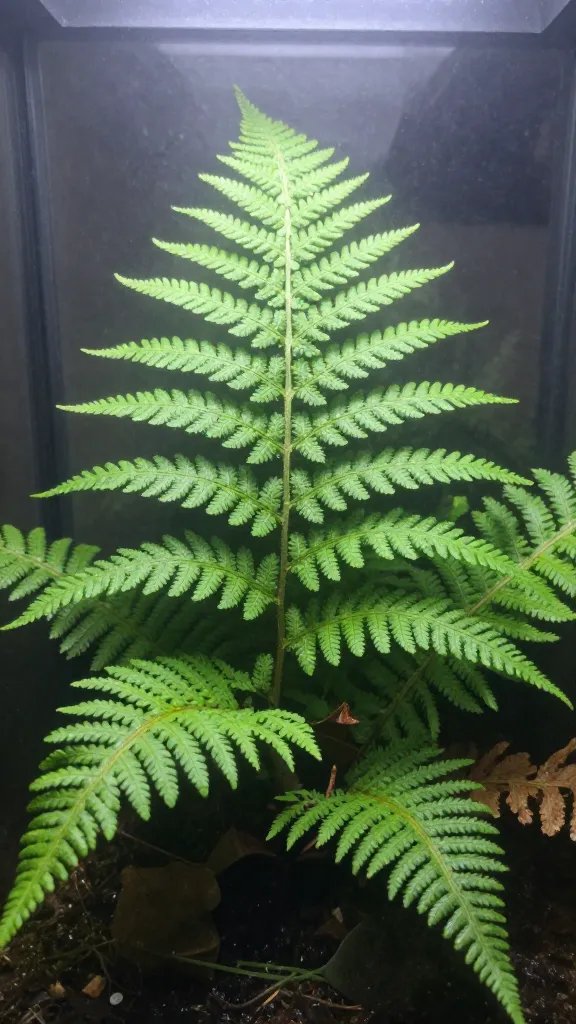
For trips beyond the safe window, split the setup rather than risk a total loss. I do three things.
- Move the whole terrarium to bright, indirect light in the coolest room you have.
- For open bowls: Tuck small succulent cuttings into dry gritty mix and leave the rest slightly drier than normal. They’ll root when you return.
- For closed: If over-wet, leave the lid ajar by 2–3 mm to vent, then place away from sun. If too dry, add 1 tbsp water and seal fully.
Action today: If your trip exceeds the limits above, choose venting (closed) or partial covering (open) and rehearse it for 48 hours before leaving.
Frequently Asked Questions
How do I know if my closed terrarium has the right moisture before I leave?
Check the glass at midday for “light sweat” on about one-third of the surface. That means the internal water cycle is active without drowning the roots. If it’s bone dry for two days, add 1 tablespoon of water and reassess the next day. If it’s foggy or dripping, vent for 1–2 hours and wipe excess droplets.
Can I ask a neighbor to water my terrarium?
Only if you give exact instructions and spoon measurements. For closed systems, tell them to do nothing unless the glass is dry at midday for two straight days, then add 1 tablespoon of water. For open bowls, ask them to check soil 2 cm deep and add a small drink only if it feels dry. Leave a note and a tablespoon next to the terrarium.
Is plastic wrap safe over an open terrarium?
Yes, if you use it as a temporary humidity cap, not a seal. Cover 50–70% of the opening and poke a few small holes to prevent stale air. Test it for two days before leaving so you can adjust coverage. Remove it when you return to restore normal airflow.
What if I come back to mold on the soil?
Scrape off the fuzzy layer with a spoon and spot-treat the area with better airflow. For closed jars, vent for an hour daily for three days and remove any decaying leaves. For open bowls, thin dense patches of moss and reduce watering slightly. Mold signals stagnant, wet conditions — fix moisture and light, not just the symptom.
My fittonia flopped while I was away. Is it dead?
Usually not. Give it a light, even watering, then cover the bowl loosely for 24–48 hours to raise humidity. Keep it in bright, indirect light and trim crispy leaves. In a closed jar, it should perk up within a day once moisture is balanced.
Can I fertilize before a long trip?
No. Fertilizer fuels soft growth that rots in still, humid air. Feed terrariums sparingly in spring and early summer only when you’re home to monitor, using a houseplant fertilizer at one-quarter strength. Skip fertilizing within two weeks of departure.
Conclusion
You don’t need gadgets or guesswork to keep a terrarium alive while you travel — you need a steady moisture level, safe placement, and plants that don’t demand daily attention. Set your watering window a week in advance, pick a cool bright spot, and leave a simple note if someone’s checking in. If you want to go deeper next, build a closed terrarium “baseline test” over a weekend: tune condensation to one-third of the glass by midday and lock in months of low-maintenance growth.