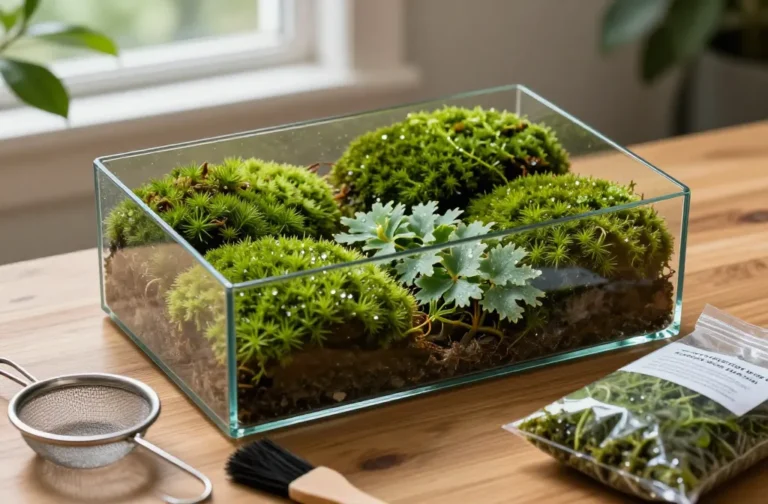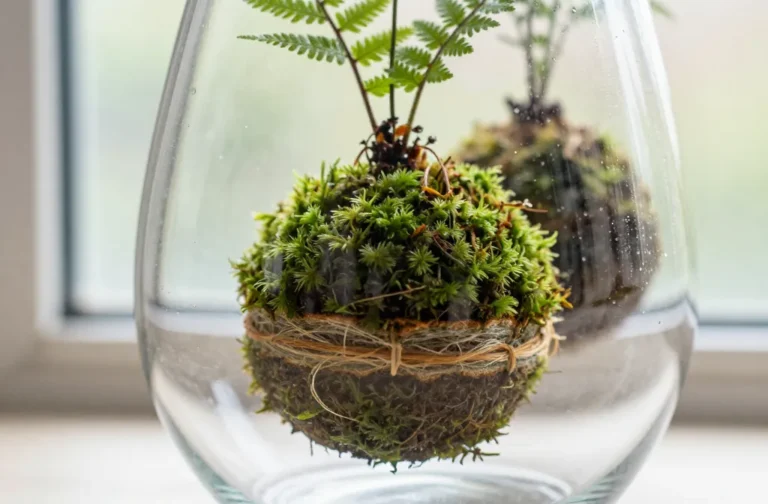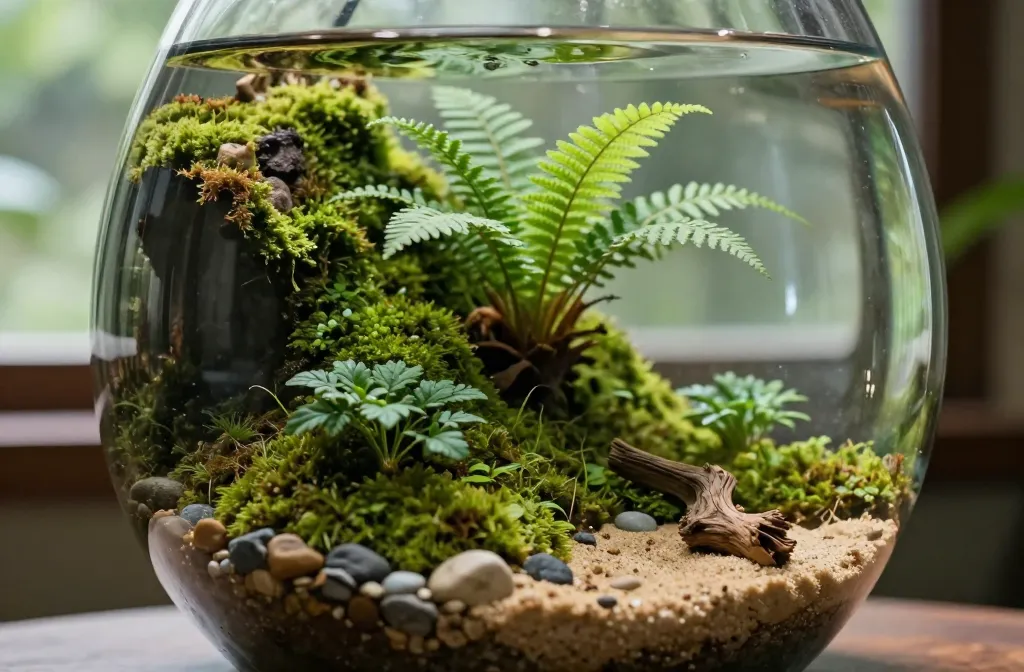
The Secret to How to Design a Terrarium with Multiple Plants — Height Levels, Feature Plants and Why Symmetry Fails
I used to cram cute plants into glass bowls and hope they’d “figure it out.” The result looked flat for a week and then collapsed into a tangle of competing leaves. Once I started building height levels, choosing a single feature plant, and ditching symmetry, my terrariums finally looked like real landscapes. In this guide I’ll show you exactly how to structure multi-plant terrariums that stay attractive and easy to care for.
Design Like a Mini Landscape, Not a Bouquet
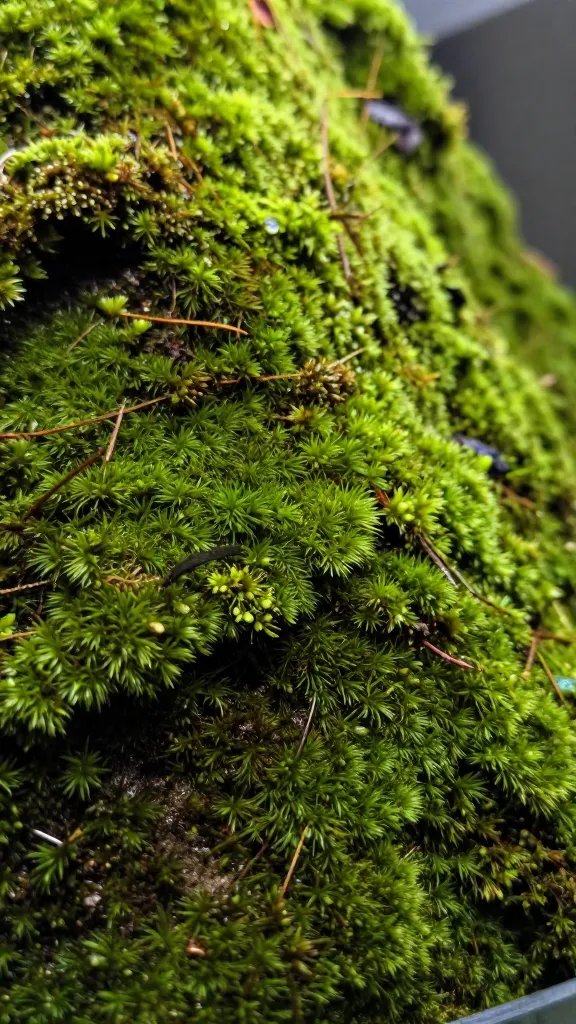
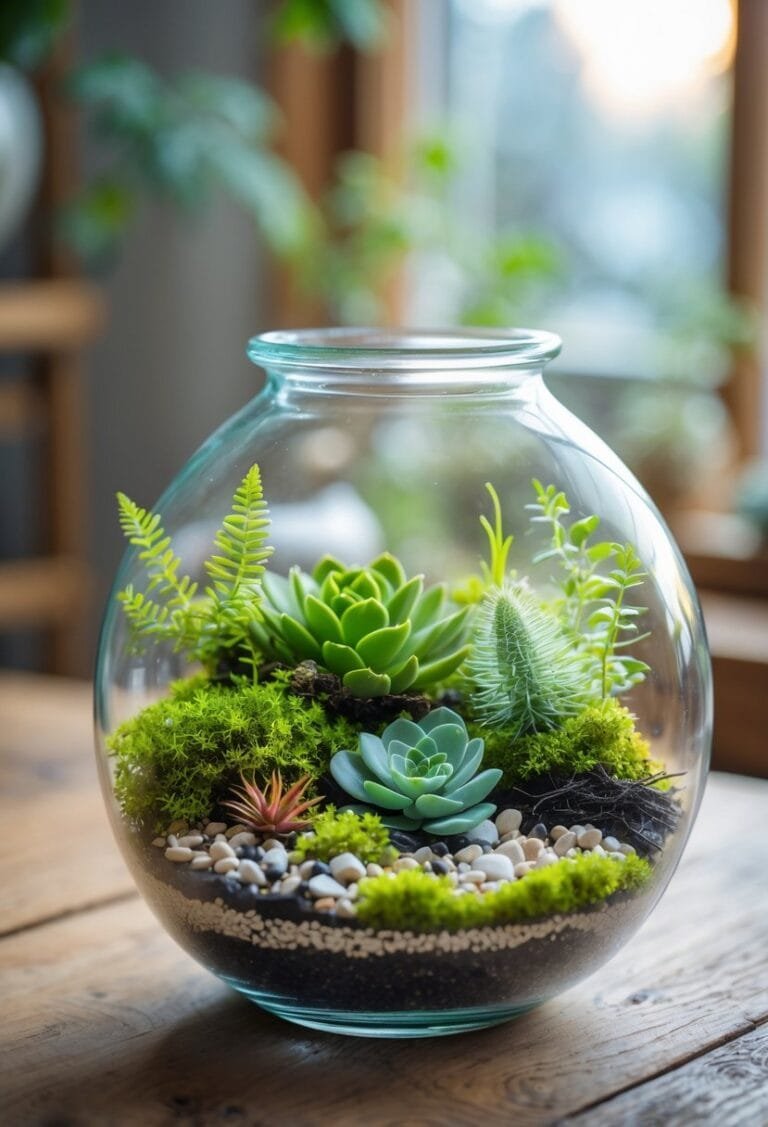
A terrarium with multiple plants works best when it mimics a hillside or forest floor, not a table centerpiece. I create a high back corner, a mid-slope, and a low foreground — three levels that guide the eye and give each plant a niche.
Instead of chasing balance across the bowl, I build a scene that has a clear “front” and “back.” That instantly adds depth and prevents the flat, salad-bowl effect.
Action today: Turn your empty container and pick a “back corner.” Commit to building your highest mound there to anchor the scene.
Why Symmetry Fails Inside Glass
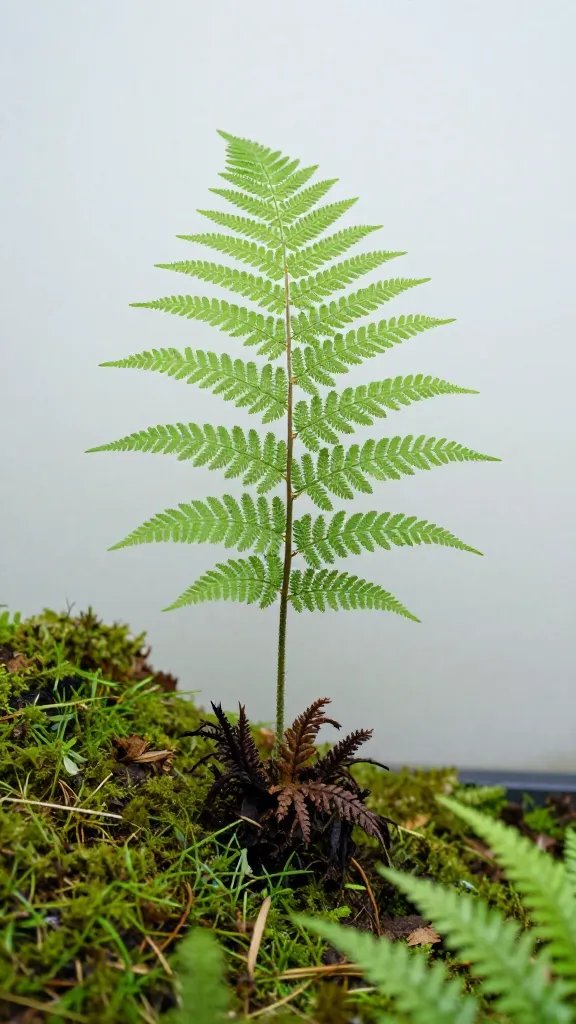
Perfect left-right symmetry reads as artificial inside a clear container. The glass magnifies repetition and exposes every mirrored element, so your eye gets bored fast.
In real habitats, plants grow in clusters, drifts, and offsets. I use the rule of thirds for focal placement and plant in odd-numbered groups to keep the composition natural. I also stagger leaf textures so similar shapes don’t sit opposite each other.
Action today: Sketch a quick layout with your feature plant off-center and supporting plants in groups of three — no mirrored pairs.
Build Stable Height Levels with Simple Materials
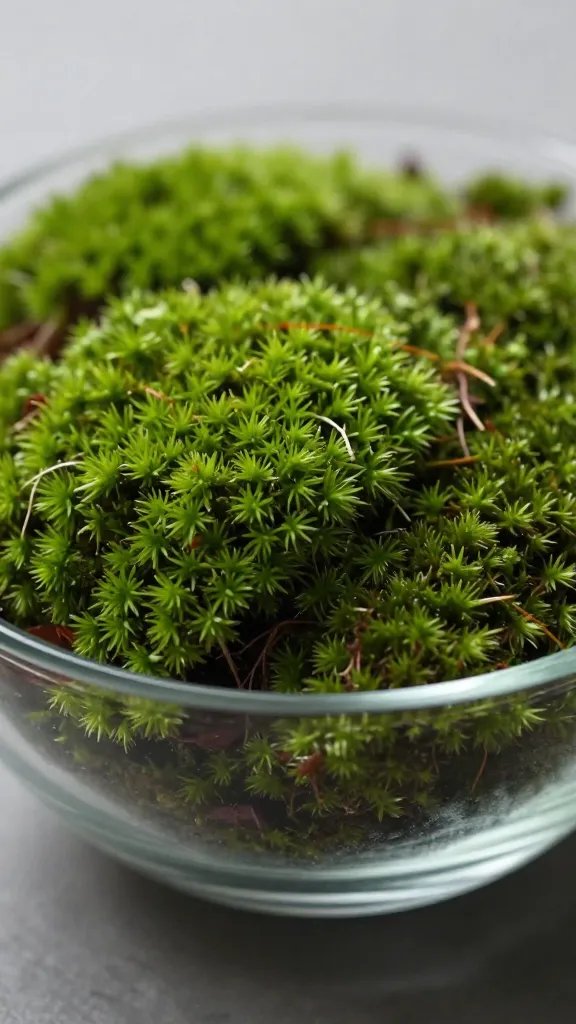
Height doesn’t come from tall plants alone — it comes from the substrate. I layer drainage, soil, and hidden supports to lock in slopes that won’t collapse after the first watering.
Step-by-Step Slope That Lasts
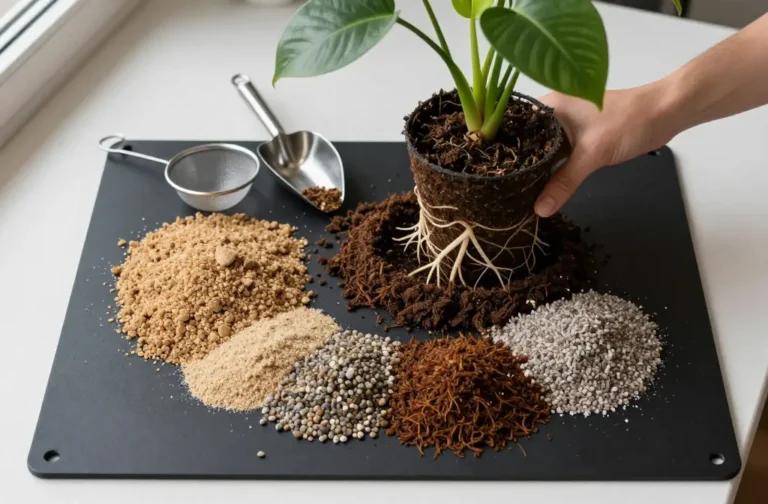
- Add 2-3 cm of drainage (washed aquarium gravel or pebble mulch) and a thin layer of mesh or coffee filter to stop soil from sifting down.
- Mix a good quality potting mix 3:1 with orchid bark or perlite for airflow. You want springy, not muddy.
- Create your high mound at the back using a core of larger stones or an inverted plastic nursery pot, then cover with your soil mix. This reduces weight and prevents slumps.
- Pinch the slope into terraces with flat stones or small pieces of driftwood. These act as retaining walls and look natural.
- Mist lightly and press with your fingers to settle voids. If the mound holds shape after a gentle tap, it’s ready.
Warning sign: If water pools at the base after misting, you built a slide, not a slope — add a retaining edge and more airy mix.
Action today: Collect 3-5 fist-sized stones to use as hidden supports under your back mound before you pour in soil.
Choose One Feature Plant, Then Build a Cast Around It
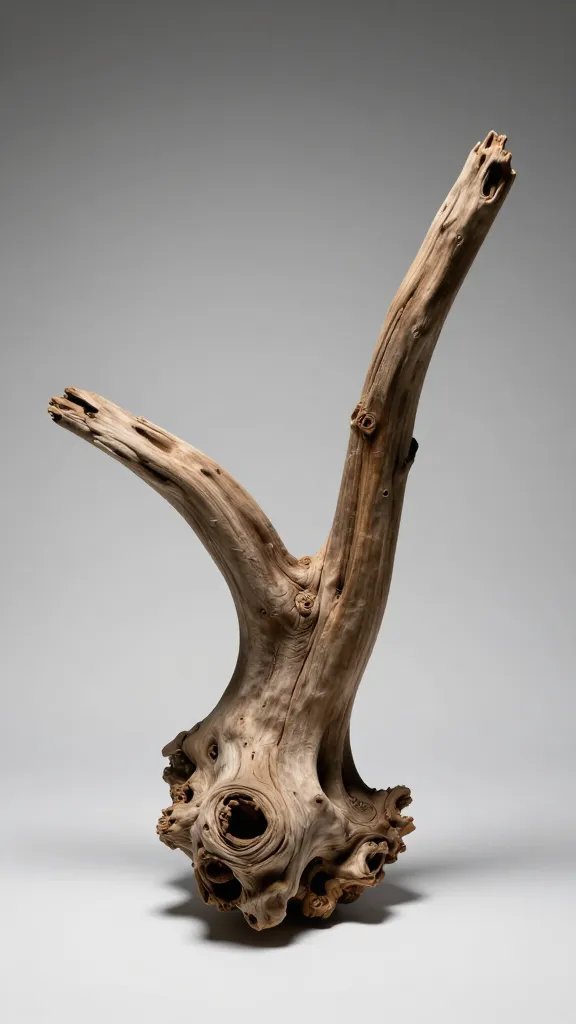
A multi-plant terrarium still needs a star. I pick one feature plant with distinctive form — a mini fern with arching fronds, a compact nerve plant with striking veins, or a small bromeliad in open containers. Everything else supports that shape.
Reliable Feature Plants and Their “Supporting Cast”
- Feature: Asparagus fern (A. plumosus nanus) — airy height. Supports: Pilea depressa to cascade, Selaginella kraussiana to carpet.
- Feature: Fittonia albivenis (nerve plant) — bold veining. Supports: Peperomia prostrata for trailing dots, Moss for contrast.
- Feature: Miniature bird’s nest fern (Asplenium) — sculptural rosette. Supports: Hemianthus callitrichoides (in open, humid setups) or fine-textured hypnum moss.
- Feature (open terrarium): Haworthia — geometric rosette. Supports: Gasteria pups, string-of-buttons (Crassula perforata) accents, and gritty top-dressing.
Keep leaf sizes in scale with the container. If the feature plant’s largest leaf is wider than 1/6 of the container’s diameter, it will dominate and crowd everything.
Action today: Pick your feature plant first, place it off-center on the high or mid-slope, and don’t add anything until it looks right from your chosen front view.
Match Plants to the Right Terrarium Type
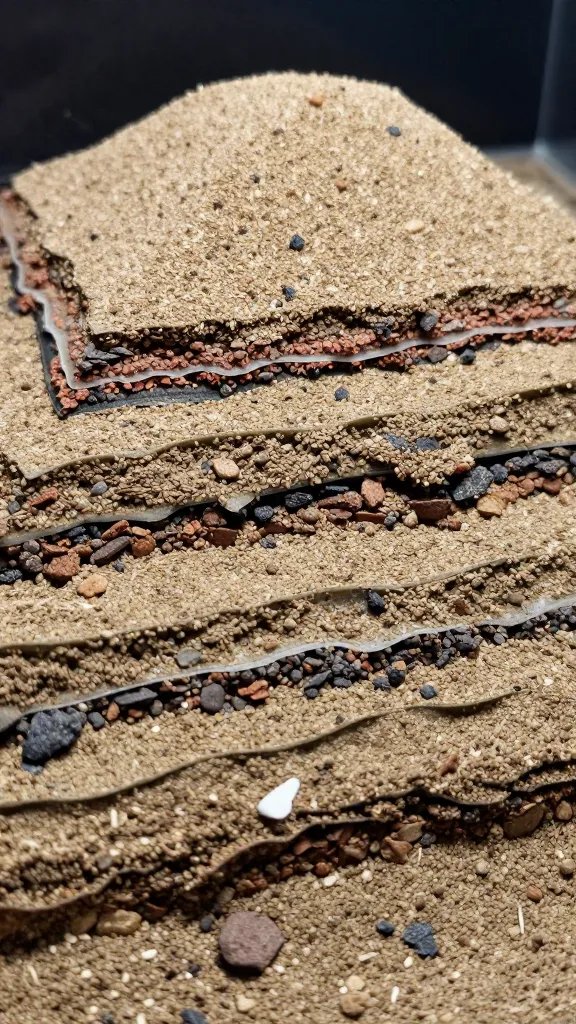
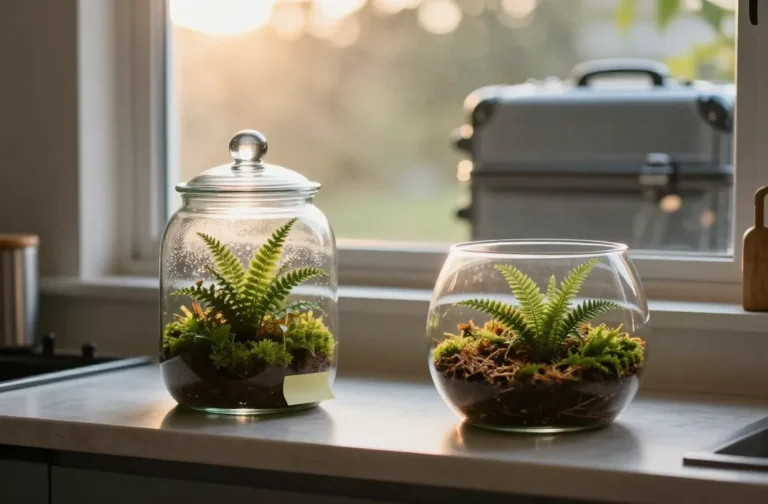
Mixing moisture lovers with desert plants fails every time. I split designs into closed (humid, minimal airflow) and open (drier, ventilated) builds and choose plants that like the same conditions.
Plant Lists That Play Nicely Together
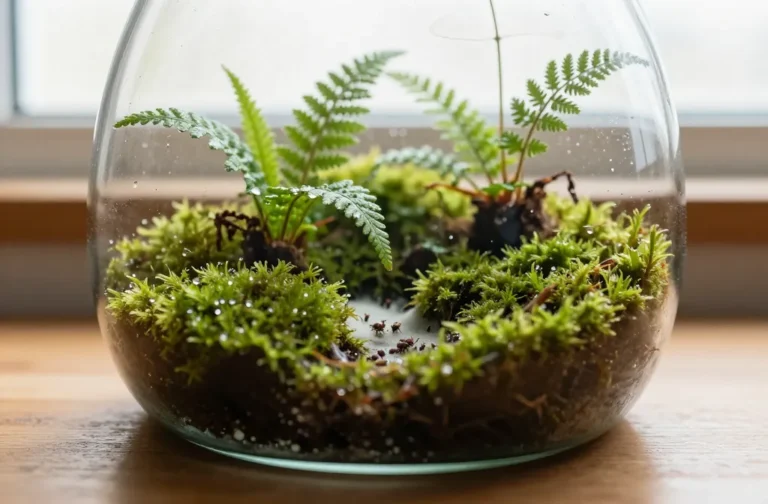
- Closed terrarium team (humid): Fittonia, Pilea species, Ferns (small cultivars), Peperomia (soft-leaf types), Moss (cushion or sheet).
- Open terrarium team (dry): Haworthia, Gasteria, small Crassula, Sedum miniatures, Echeveria pups, and a gritty cactus mix.
Place closed terrariums in bright, indirect light near a window with no midday sun. Open terrariums can take a couple hours of gentle morning sun but no harsh afternoon beams through glass.
Action today: Decide closed or open before buying plants, then select from one team only to avoid mismatched care needs.
Texture, Color, and Negative Space Do the Heavy Lifting
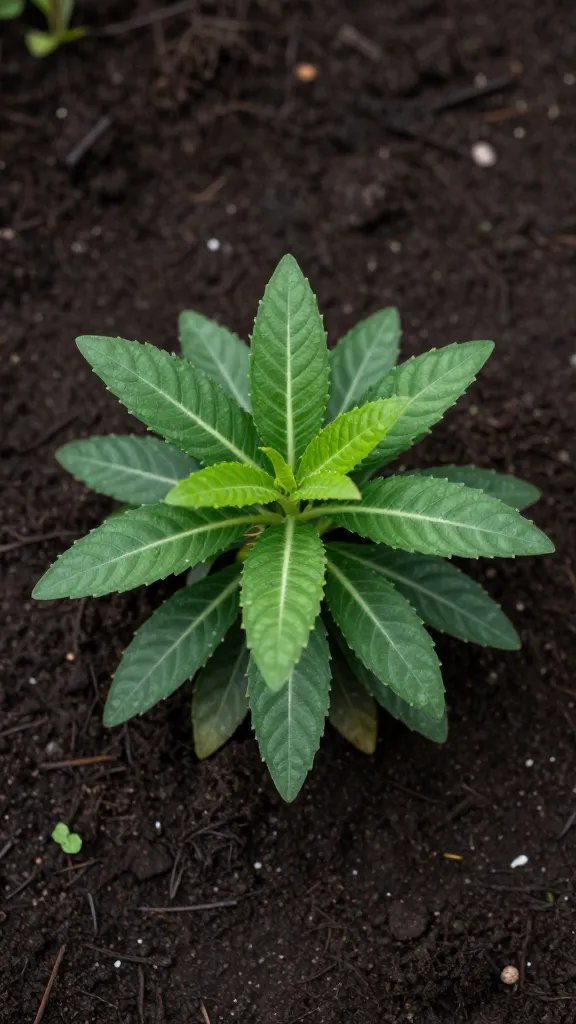
I mix leaf textures: one bold, one medium, one fine. Then I repeat one texture in two places to connect the scene. I also use two green tones and one accent color to avoid a busy look.
Leave a small patch of visible substrate or moss-only area as negative space. That breathing room makes your feature plant look intentional and keeps maintenance simple.
Action today: Remove one plant from your plan and replace it with open moss or gravel — the layout will instantly read cleaner and more designed.
Planting Order and Maintenance That Keep the Shape
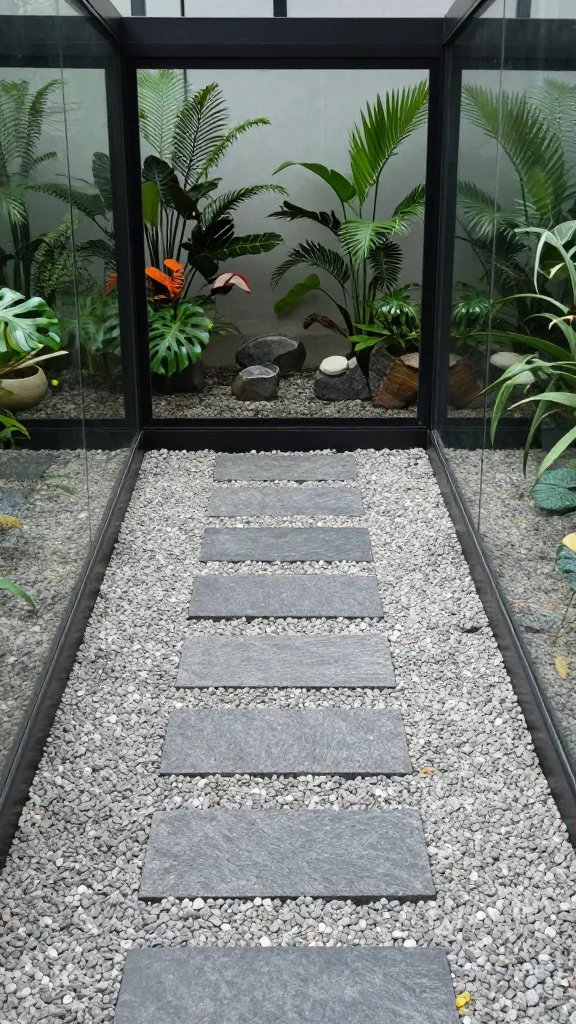
I always dry-fit plants before I dig. Once the placement works, I plant back-to-front so I don’t crush the slope. I water with a spray bottle, not a pour, to avoid washing out terraces.
Step-by-Step Planting
- Place hardscape first: stones and driftwood that hold the slope and frame the feature plant.
- Set the feature plant on the high or mid-slope. Rotate until the best face looks forward.
- Add mid-level fillers that echo but don’t copy the feature’s shape.
- Finish with groundcovers and a small trailing accent at the edge.
- Top-dress with moss or fine-grade gravel to lock soil in place.
Trim monthly with tiny scissors to keep outlines crisp. In closed builds, open the lid for one hour if more than half the glass fogs at midday; in open builds, water when the top centimeter of soil feels dry to the touch.
Action today: After planting, take a photo from your chosen front. Trim any leaf that breaks the outline of your feature plant — protect the silhouette.
Frequently Asked Questions
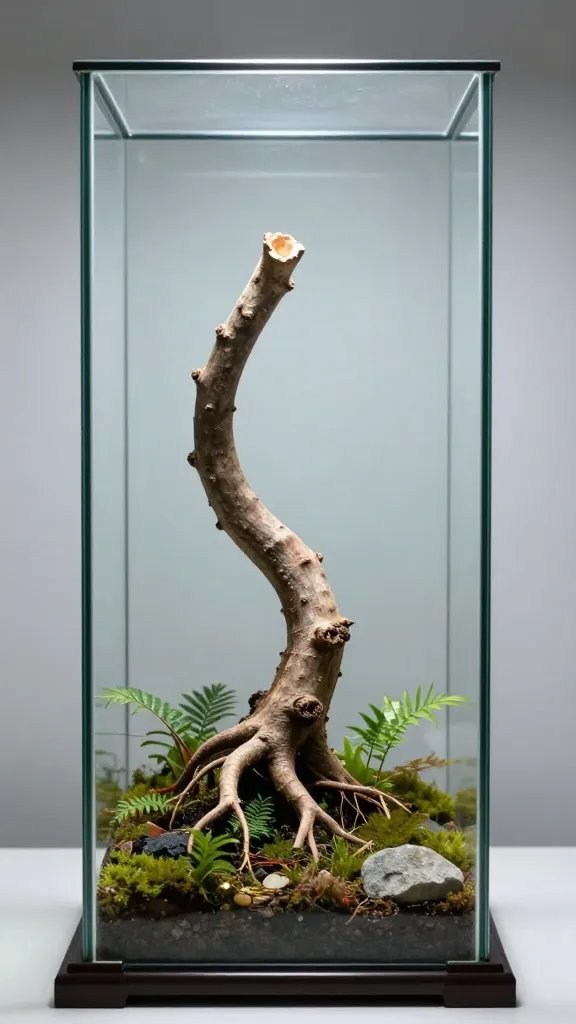
How many plants should I put in a small terrarium?
For a container the size of a large cereal bowl, I use one feature plant and two to three supporting plants. Add moss to fill gaps instead of cramming more stems. This spacing keeps airflow around leaves and prevents rot against the glass.
Why does my arrangement look messy after two weeks?
Fast-growing fillers overtake the feature plant without a quick trim. Cut back runners to the edge of hardscape and remove any leaf touching the glass. Re-establish your three height zones, and the composition will snap back into focus.
Can I mix moss with succulents in the same terrarium?
No. Moss wants steady humidity, while succulents need drier air and faster-draining soil. If you love both, build two separate terrariums: a closed mossy one and an open succulent one. Each will look better and live longer.
How do I stop slopes from collapsing when I water?
Use hidden stones or an inverted nursery pot under the mound and create small retaining walls with flat rocks. Water with a fine mist, not a pour, and top-dress with moss or gravel to bind the surface. If a slump forms, lift plants, rebuild the support, and replant.
Where should I place a terrarium in my home?
Set it near a bright window with indirect light — the kind that lets you comfortably read without sun on the glass. Avoid south-facing midday sun, which cooks leaves against the container wall. North or east windows are reliable for closed builds; bright rooms a few feet from a west window suit open builds.
Conclusion
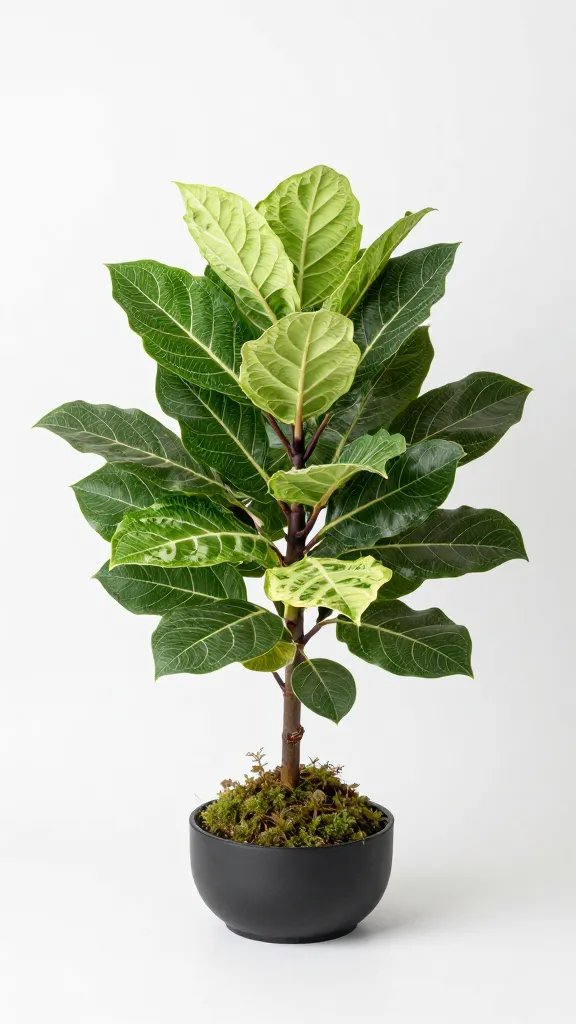
You don’t need special tools to build a terrarium that looks intentional for months — you need structure. Pick one feature plant, set three height levels, and resist symmetry so the scene feels alive. Today, choose your terrarium type, gather a matching plant team, and commit to an off-center focal point. The next step: lay your hardscape and lock in that back mound — everything good flows from that foundation.