Master the Kokedama Method for Terrariums — How the Moss Ball Works and When It Fails
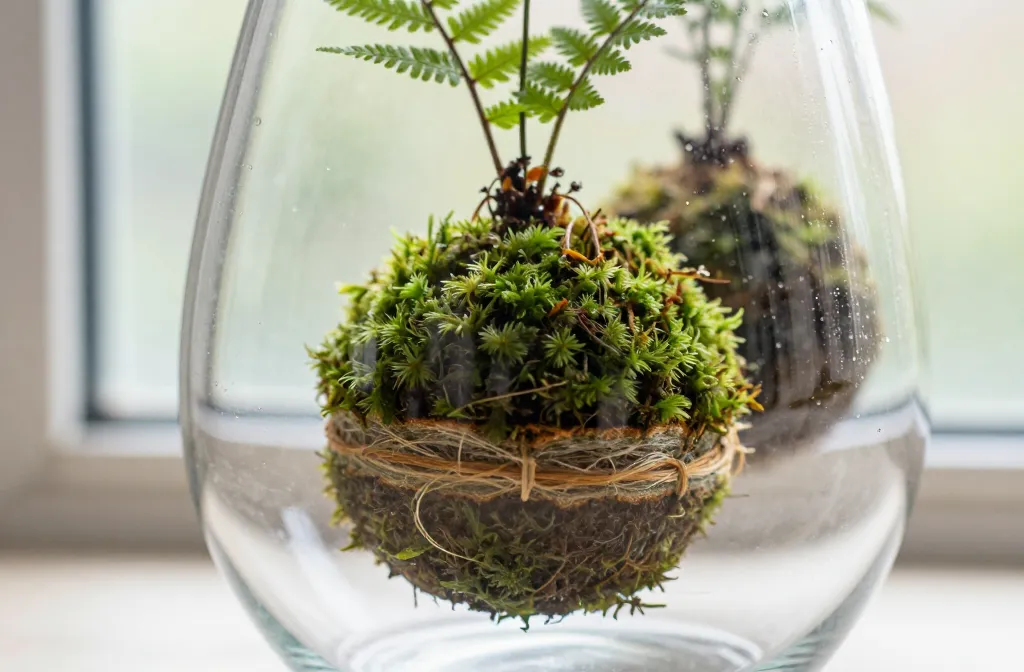
I fell for kokedama the first time I saw a moss-wrapped fern floating in glass like a tiny planet. Then I tried to keep one alive on my bookshelf and watched it dry, mold, and finally collapse. If you’ve had the same whiplash, you’re not alone. In this guide, I’ll show you exactly how the kokedama moss ball functions inside a terrarium, when it breaks down, and the simple choices that make it succeed in an apartment with basic tools.
What a Kokedama Moss Ball Actually Does Inside a Terrarium
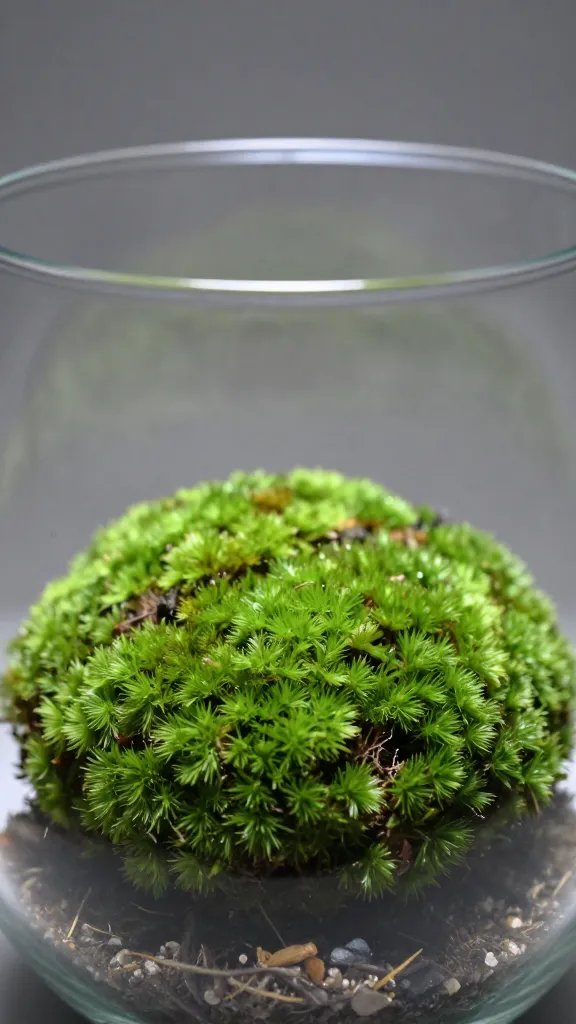
A kokedama is not just a bundle of roots. It’s a layered sphere: a moisture-holding core, a fibrous tie layer, and a living or dried moss shell. Inside a terrarium, that sphere acts like a sponge and a slow-release reservoir.
The outer moss shell manages airflow and surface evaporation. The inner core buffers water and nutrients, feeding roots evenly as humidity fluctuates. When the glass traps humidity, the kokedama stabilizes moisture swings and keeps fine roots from suffocating in soggy substrate.
Action today: Squeeze your moss ball gently — it should feel firm but springy, not squishy or crunchy. That single squeeze tells you if the internal moisture is in the safe zone.
When the Moss Ball Fails: The Three Predictable Failure Modes
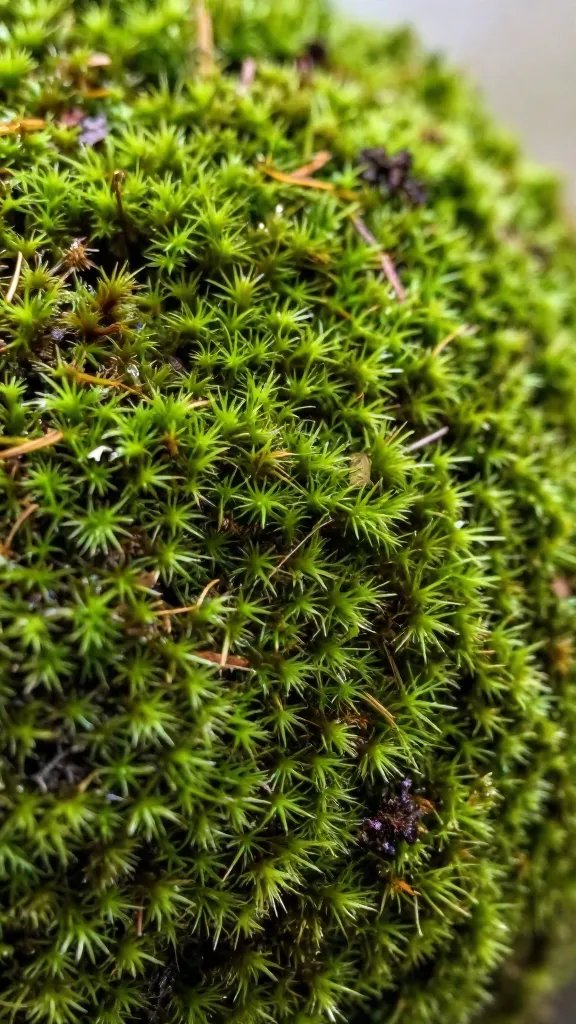
Every failed kokedama I’ve rescued suffered from one of three issues: persistent wet core, hydrophobic dry-out, or suffocated roots from compacted materials. Each has a specific fix.
Warning signs to spot early
- Wet core rot: Musty smell, yellowing from the crown downward, fungus gnats hovering.
- Hydrophobic dry-out: Water beads and runs off the moss, crispy tips, soil pulls from moss shell.
- Compaction: Ball feels heavy and hard, slow growth, leaves smaller than usual despite “wet” feel.
Action today: Weigh the ball in your hand right after watering and again 48 hours later. If it still feels just as heavy, you have a drainage or compaction problem to address.
Build the Right Core: Simple Materials That Work
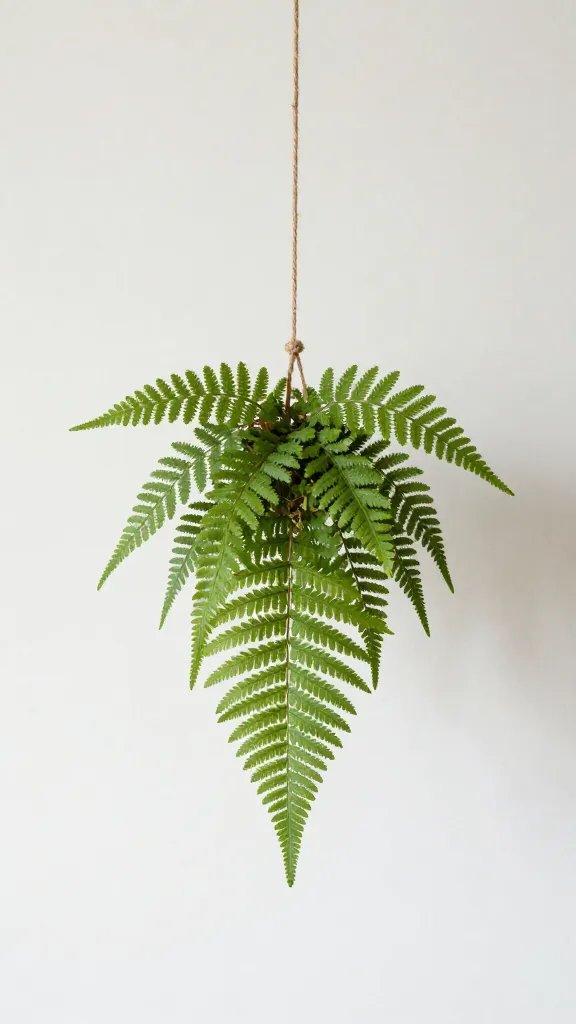
You don’t need specialty mixes. Use what you can buy at a garden centre and hardware store. Aim for a core that holds water, drains modestly, and doesn’t collapse.
Core recipe with common products
- 50% good quality potting mix (indoor or houseplant blend)
- 25% orchid bark or pine bark chips (adds air spaces)
- 15% perlite (pre-wet so it doesn’t float away)
- 10% coco coir (rehydrated with clean, not salty-tasting water)
Mix until the blend clumps when squeezed but breaks apart with a tap. If it sticks like brownie batter, add bark. If it won’t clump, add coir.
Action today: Grab a handful of your current core, squeeze, and tap it. Adjust with bark or coir until it meets the clump-then-crumble test.
Tying and Moss Wrapping That Don’t Strangle Roots
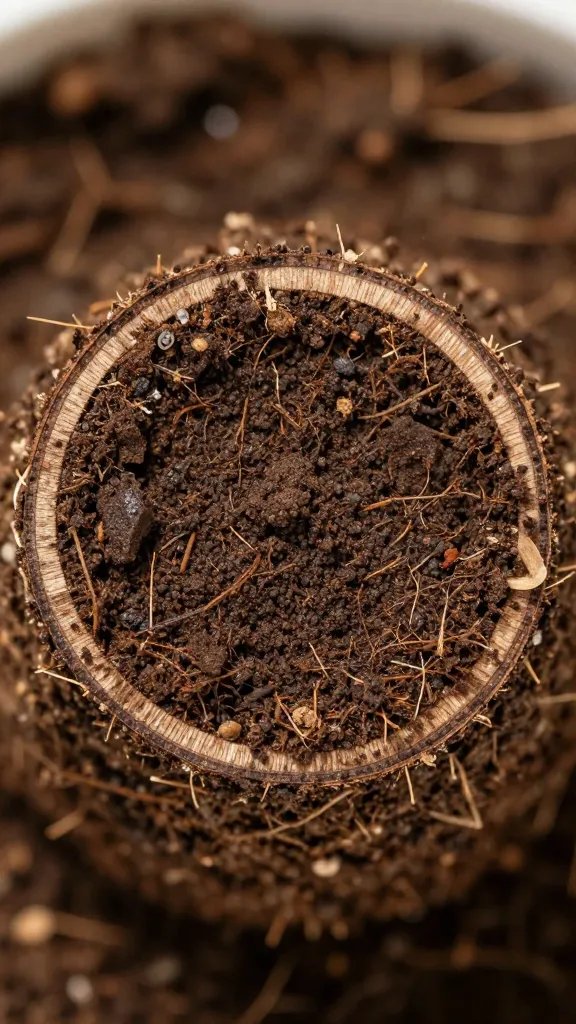
Do not rely on string alone to hold a loose, wet ball. Shape the core around the plant’s root mass first, then tie to support, not to compress. Over-tight tying stops roots from expanding and traps water in dead zones.
Step-by-step wrap
- Pre-soak sheet moss or sphagnum in clean water for 10 minutes. Wring until just damp.
- Form the core mix into two halves like a hamburger bun. Nestle the plant’s roots in the middle.
- Press halves together firmly to a sphere. Patch with extra mix where roots peek out.
- Wrap the sphere in a 1–2 cm layer of moss, green side out if using live sheet moss.
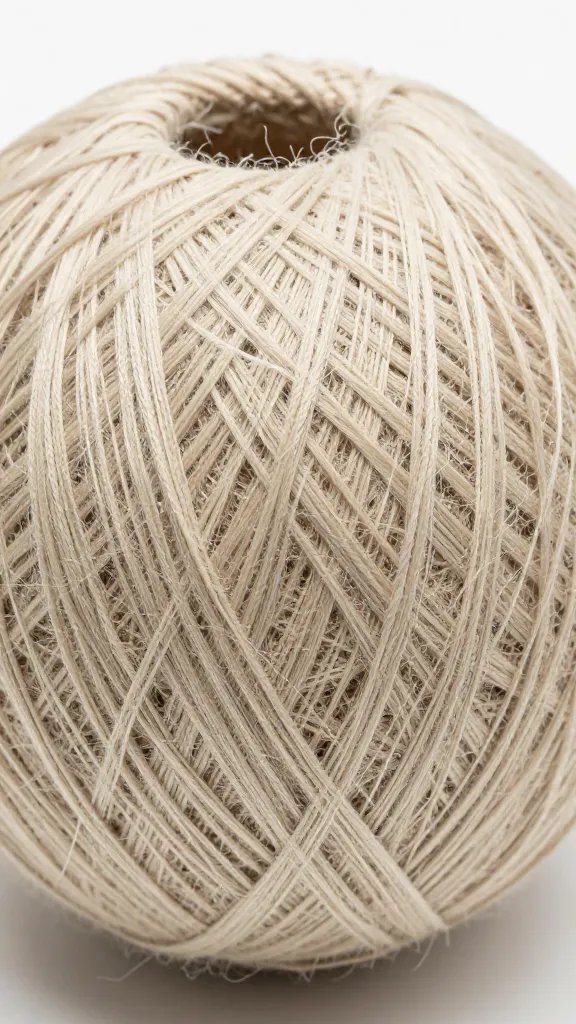
- Use cotton twine or jute to crisscross the ball like a net every 1–2 cm. Snug, not tight.
Action today: If your current ball has deep string grooves, cut and re-tie with wider spacing to relieve pressure before growth stalls.
Watering Kokedama in a Terrarium Without Drowning It
Inside glass, evaporation slows. A full dunk often overloads the core and takes days to clear. Think “soak by weight,” not by habit.
Watering method that works indoors
- Lift the ball. Note its “dry weight” feel.
- Set it in a shallow bowl with 1–2 cm of water for 3–5 minutes only.
- Flip once. Remove when the outer moss is evenly damp but not dripping.
- Let it drain on a rack or the terrarium rim for 15 minutes before returning.
In a closed or semi-closed terrarium, expect watering every 10–21 days. In an open vessel near a bright window, every 5–10 days. If condensation covers over half the glass by midday, skip watering.
Action today: Switch from full submersion to the shallow-bath method for your next watering and set a calendar reminder to check weight in 7 days.
Light and Placement: Bright But Not Baking
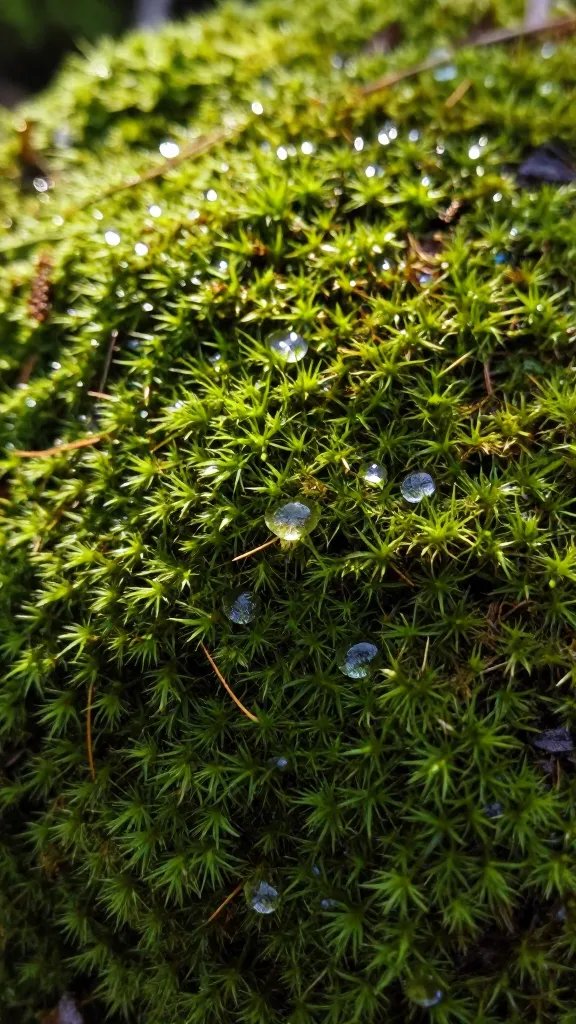
Kokedama thrives in bright, indirect light near an east window or a few feet back from a south window. Glass magnifies heat, so avoid direct sun on the vessel. Heat spikes drive algae and cook the moss shell.
If your plant stretches toward the glass or leans, you need more light. If the moss turns pale brown in patches, you have too much heat or it’s drying between waterings.
Action today: Move the terrarium to a spot where you can comfortably read a book without turning on a lamp at midday, but where no hard sunbeam hits the glass.
Plants That Actually Succeed as Kokedama in Terrariums
Pick compact species with fine roots and steady water needs. Skip thirsty tropicals with large leaves or drought-lovers that resent constant humidity.
Reliable choices
- Ferns: Nephrolepis cordifolia ‘Duffii’, Pteris cretica ‘Albolineata’
- Moss companions: Cushion moss, sheet moss (as outer wrap or ground layer)
- Tropicals: Peperomia obtusifolia (dwarf forms), Fittonia, Pilea depressa
- Miniature vines: Ficus pumila ‘Quercifolia’, Hemionitis arifolia (daintier fronds)
Avoid: Succulents, cacti, and thick-leaved hoyas in closed vessels — they rot. Large peace lilies and calatheas outgrow the ball fast.
Action today: If your current plant is a rot-prone species, rehome it to a pot and swap in a fern or fittonia before the core fails.
Rescue Protocols: Fixing Rot, Dry-Out, and Compaction
If you catch problems early, you can save the ball without starting over. Work over a tray to keep mess contained.
Step-by-step fixes
- For wet core rot: Unwrap moss. Trim black roots with clean scissors. Fluff the core with your fingers and mix in a handful of bark and perlite. Rewrap with fresh damp moss. Keep the terrarium open 24 hours to vent.
- For hydrophobic dry-out: Soak the ball in lukewarm water with a pea-sized drop of mild dish soap per liter for 5 minutes to break surface tension. Rinse with clean water. Re-damp the moss shell evenly.
- For compaction: Poke 6–8 holes into the core with a chopstick, then massage to loosen. Patch with fresh, airy mix and re-tie with wider string spacing.
Action today: Smell the ball after watering. A sour or swampy smell means you should unwrap and air the core within 24 hours.
Frequently Asked Questions
Can I use tap water for kokedama?
Yes, if your tap water tastes clean and not salty. Hard water leaves white crust on moss and slows water absorption. If you see crust or the moss gets crispy at the edges, switch to filtered or rainwater for a month and rinse the ball during watering. That usually restores normal moisture flow.
How do I fertilize a kokedama in a terrarium?
Use a half-strength liquid houseplant fertilizer once every 6–8 weeks during spring and summer. Add it to the shallow bath, not as a pour-over. Skip fertilizer in winter and whenever you’ve recently treated rot. Overfeeding shows up as algae bloom on the moss and sticky residue on the glass.
Why is my moss turning brown?
Brown moss usually means heat or dehydration at the surface. Check if the terrarium gets direct sun — move it back from the window. Re-wet the outer shell with a fine mist until evenly damp, then return to your normal shallow-bath schedule. If sections are dead, patch with fresh sheet moss during your next maintenance.
Do I need drainage layers in a kokedama terrarium?
No separate drainage layer is needed under the ball if you manage watering by weight and keep free water out of the base. A thin layer of decorative pebbles under the ball helps air circulate and prevents the moss from sitting on a wet surface. If you see standing water at the bottom, wick it out with a paper towel strip.
How big should the ball be for long-term success?
For most small ferns and fittonia, aim for a sphere about the size of a large orange (9–10 cm across). Larger balls hold water too long in a terrarium and invite rot. If your plant outgrows this size, rebuild the ball every 12–18 months or move it to a pot.
Conclusion

Kokedama thrives in a terrarium when the core is airy, the wrap is snug but not tight, and watering follows the “shallow bath by weight” rule. If you’ve struggled before, rebuild one ball with the simple mix above and place it in bright, indirect light — then set a 7-day reminder to reassess by feel and smell. Once you’ve nailed that rhythm, expand with a second plant that fits the same care pattern and enjoy a terrarium that stays lush instead of temperamental.