The Secret to How to Build a Paludarium — Where the Terrarium Meets the Aquarium and How the Water Line Works
I built my first paludarium on a rented apartment shelf with a secondhand tank, a desk lamp, and a stubborn fern that hated dry air. The mix of land and water finally gave my plants steady humidity and let me keep a few shrimp without a full aquarium setup. In this guide, I’ll show you exactly how to design the land-water split, set the water line so the land never gets swampy, and choose parts you can find at any garden centre or hardware store. You’ll finish with a clear plan and no mystery leaks, rot, or cloudy water.
What a Paludarium Actually Is — And Why the Water Line Matters
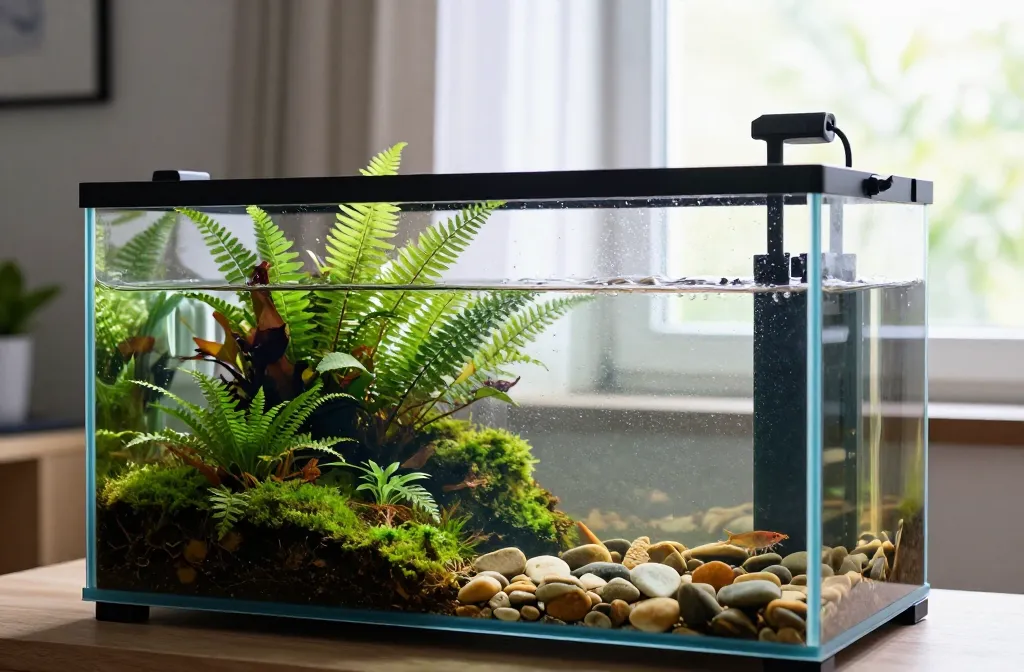
A paludarium is a single tank with both a planted land area and a shallow aquarium zone. The goal is stable humidity for terrestrial plants, clean water for aquatic life, and a clear boundary between the two.
The water line sets that boundary. Too high and you waterlog roots; too low and humidity drops, plants crisp, and filters run dry. I size the land section so its base sits above the water line by a clear 2–4 cm air gap, and I keep the water line constant with a simple overflow or marked fill line.
Action today: Grab your tank and stick a piece of painter’s tape around the glass at the planned water line — this becomes your non-negotiable fill target.
Pick a Tank, Light, and Filtration You Can Actually Maintain
Use any clear glass tank from 20–60 litres for a first build. A taller tank gives you more planting height, but a standard rectangle is easiest to scape and service.
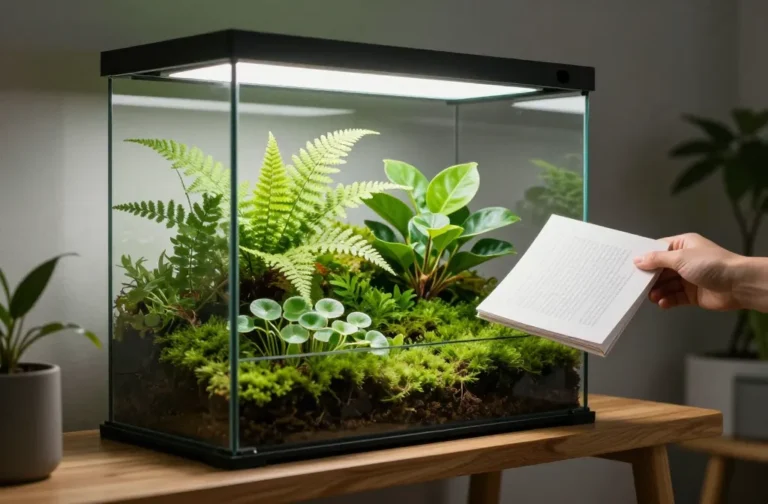
For lighting, place the setup near bright indirect light from a window and add a simple clamp-on LED grow light. Aim for 8–10 hours on a timer; raise or lower the lamp until leaves look vibrant green without bleaching.
Filtration keeps the aquatic side clear. A small internal power filter or a hang-on-back filter from the aquarium aisle works. Choose a flow that turns the water volume over about 4–5 times per hour; on the box, that’s usually the “L/h” number close to 4–5× your tank size.
Action today: Test-run your chosen filter in a bucket to confirm it starts reliably and doesn’t splash above your taped water line.
Build the Land Safely Above the Water Line
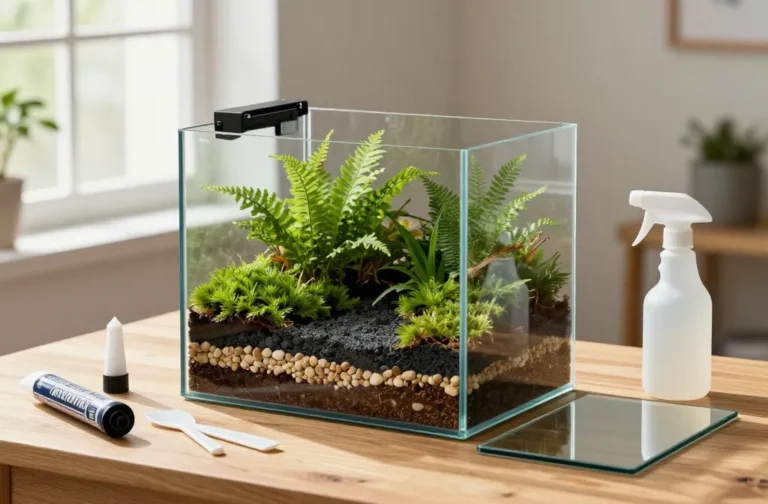
I create a solid, raised land using layers that keep soil from soaking up aquarium water. Think cake, not soup.
Step-by-Step Land Build
- Base barrier: Lay an egg-crate light diffuser panel (hardware store) on the tank bottom where the land will go. Prop it with short sections of PVC pipe to create a 2–4 cm air gap above the planned water line.
- Mesh: Cover the panel with plastic mesh or fiberglass screen to stop substrate from falling through.
- Hardscape: Add inert rocks and spider wood to anchor the slope. Keep wood ends out of constant water to prevent long-term rot.
- Drainage layer: Pour a 1–2 cm layer of rinsed aquarium gravel on top of the mesh for weight and drainage.
- Substrate: Add 5–8 cm of good quality potting mix mixed 1:1 with rinsed orchid bark or coarse perlite for airflow. Cap with a thin layer of decorative gravel to stop floaters and erosion when you mist.
Action today: Before planting, pour a cup of water onto the land and watch — if it pools, add more bark/perlite until it soaks in quickly without runoff.
Set the Water Line: Methods That Don’t Drift
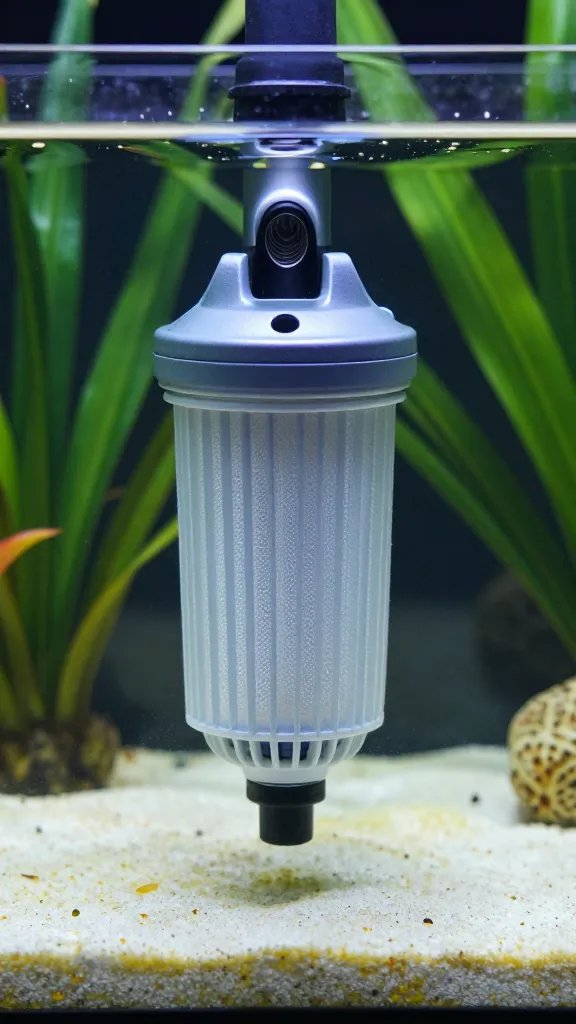
Evaporation and top-ups are what wreck paludariums. I use one of two simple controls so the water line doesn’t creep into the land layer.
- Marked Fill Line: The simplest. Keep water level at the tape mark. Top up with dechlorinated tap water when the level drops, not above it.
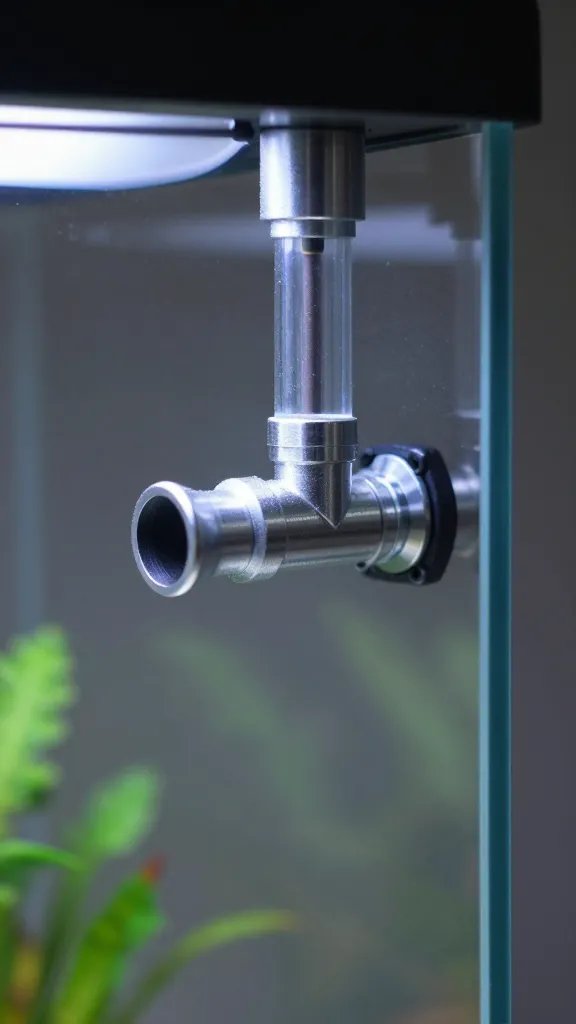
- Overflow Safety: Install a bulkhead or a simple U-shaped siphon to a bucket at your target height. If you overfill, the excess drains out automatically. This is cheap insurance if you run a spray bar or misting.
For peace of mind, I also place a small piece of white plastic card inside the glass at the water line. Any drift shows instantly as a wet line above the white.
Action today: Add the white card water-line marker and commit to checking it every time you feed or mist.
Choose Plants and Animals That Thrive at Shared Conditions
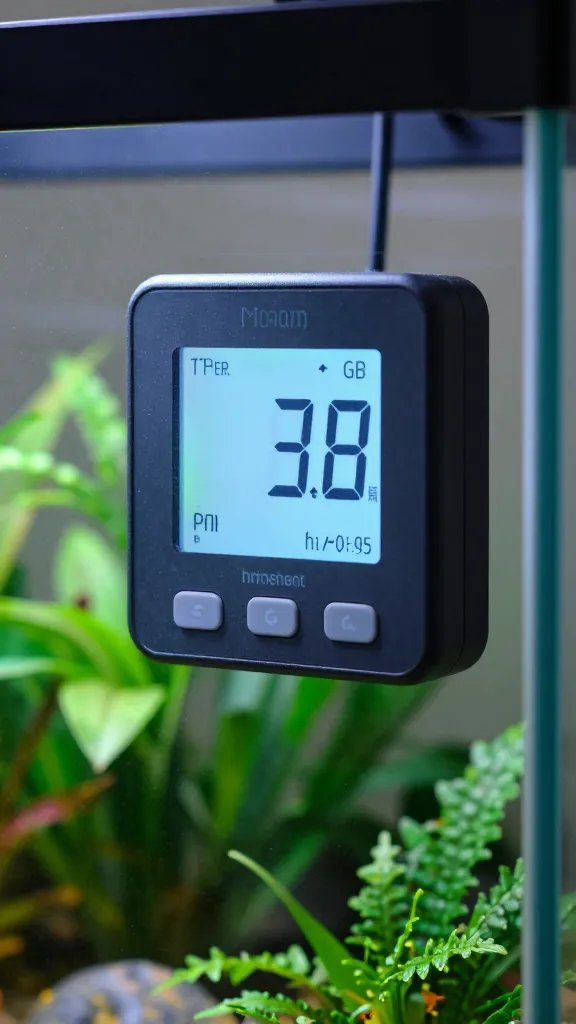
Not all terrarium plants like wet feet, and not all aquarium life tolerates shallow, gentle flow. Pick forgiving species that stay compact and look full at room temperature.
Reliable Plant List
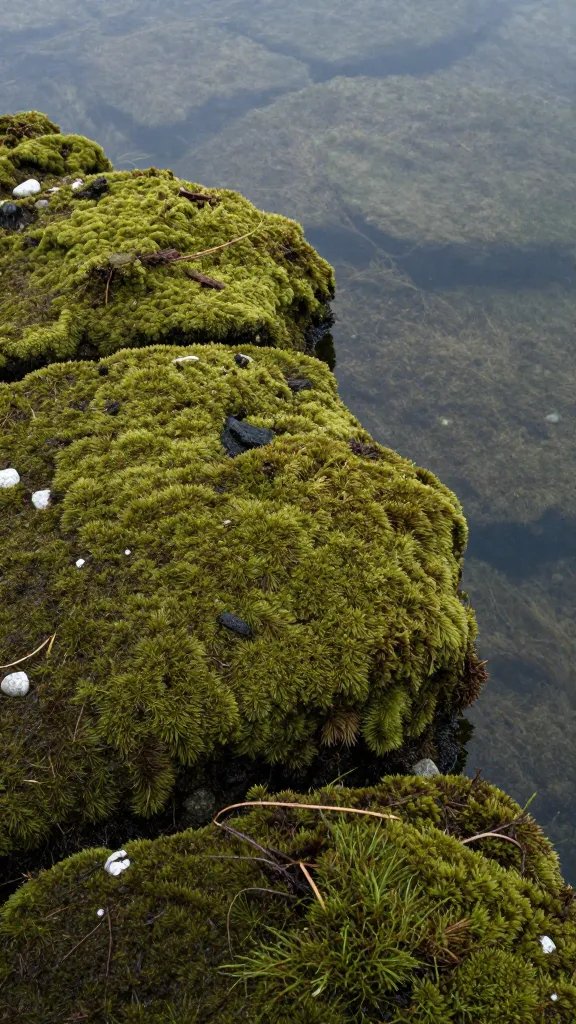
- Land (above water): Ferns like Nephrolepis cordifolia ‘Duffii’, Pilea involucrata, Peperomia caperata, Fittonia, and Moss sheets from the garden centre terrarium section.
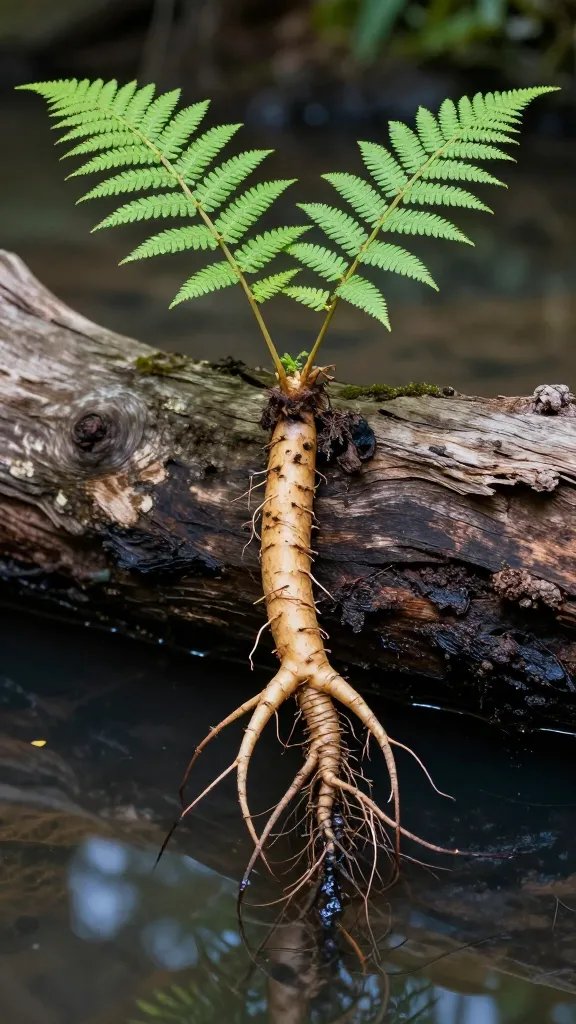
- Marginal (edges and wet roots): Anubias barteri, Bucephalandra, and Java Fern attached to wood with zip ties — keep rhizomes above the substrate, just splashed.
- Fully aquatic (submerged): Java Moss, Cryptocoryne wendtii, and Dwarf Sagittaria for simple planting.
Starter Livestock
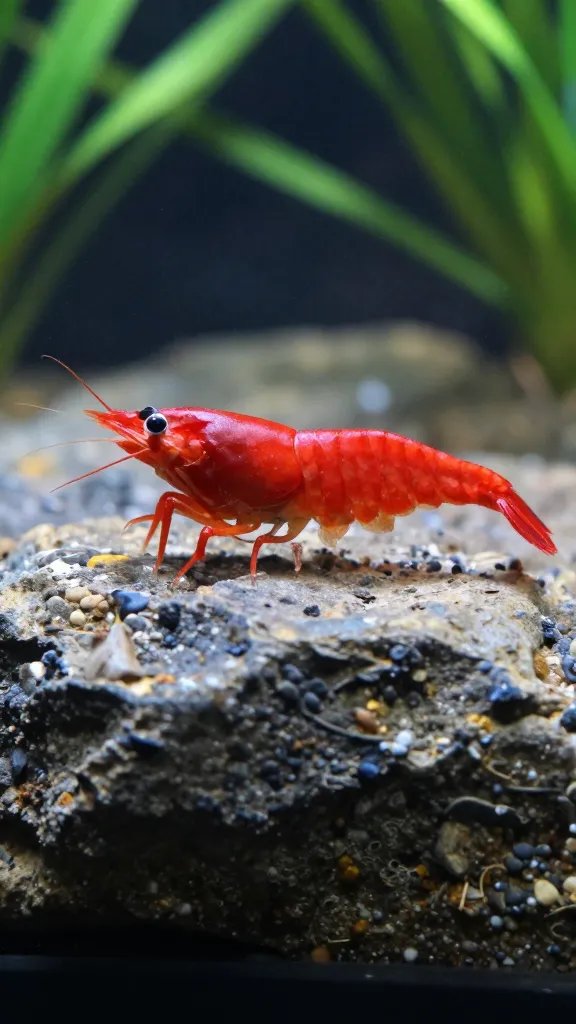
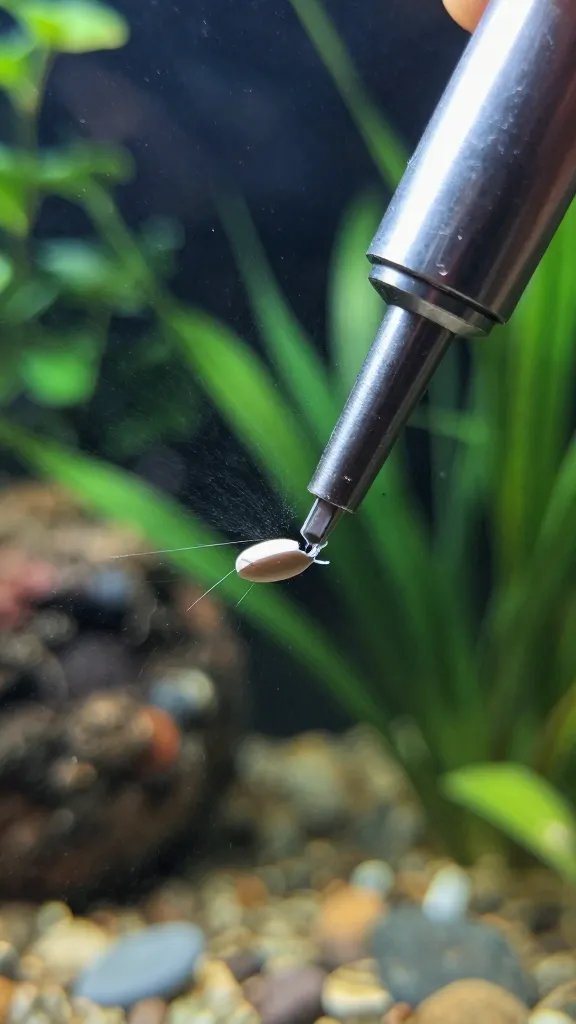
- Invertebrates: Cherry shrimp and small snails (nerite) for algae cleanup.
- Fish: If the water area is at least shoebox-sized with consistent filtration, a tiny group of endlers or chili rasboras. Skip fish entirely if the water depth is under 12 cm.
Warning: Keep fertilizer in the land section minimal and soil fully separated. Runoff will fuel algae blooms.
Action today: Pick three plants: one land, one marginal, one aquatic. Buy small portions — they grow fast in the humidity.
Water Quality, Misting, and Everyday Care Without Fancy Tools
Use tap water that smells and tastes clean. If your tap water leaves white crust on kettles, mix half tap and half bottled spring water to reduce hardness for shrimp and plants.
Dechlorinate every top-up with standard aquarium conditioner. Keep the filter sponge rinsed in tank water every 2–3 weeks so flow doesn’t slow and raise the water line.
For humidity, mist the land area lightly once a day at first. If the glass drips constantly or moss yellows, you’re overdoing it. Aim for a light sheen that dries within an hour.
Action today: Set a plug-in timer for your light at 9 hours and schedule a 2-week reminder to rinse the filter sponge.
Troubleshooting the Water Line: Leaks, Wicking, and Rot
When something goes wrong, it’s almost always the water line creeping into the land via capillary wicking or a clogged filter raising the level.
Warning Signs
- Soggy soil edge or a musty smell near the border.
- Filter return trickling instead of pouring — water level rising to meet it.
- Algae ring on glass above your tape mark.
Step-by-Step Fix
- Lower the level with a cup or siphon to 1 cm below the tape.
- Rinse the filter sponge in removed tank water to restore full flow.
- Add a capillary break: Tuck a strip of plastic sheet or additional mesh along the land edge so soil can’t wick water up.
- Replant edges with rhizome plants on wood/rock instead of rooted stems to avoid rot-prone soil there.
Action today: Run your finger along the land edge — if it feels cold and saturated, install a plastic capillary break before re-topping the water.
Frequently Asked Questions
How deep should the water be in a small paludarium?
For a first build, keep 8–15 cm of water depth. That’s enough for a small filter intake to stay submerged and for shrimp and snails to thrive. Mark the water line at that depth and treat it as a hard limit. If you want fish, aim for at least 12–15 cm with a clear swimming area.
Do I need a heater for the water?
If your room stays between 20–24°C, skip the heater for shrimp, snails, and hardy plants. In cooler homes, use a small preset aquarium heater and set it so the water feels slightly cool to the touch, not cold. Place it where flow passes by to avoid hot spots. Always keep it fully submerged below your water line.
What do I use to dechlorinate the water without special gear?
Buy a basic aquarium water conditioner bottle from the pet aisle. Add the capful dose to your bucket before pouring water into the tank. If you only top off a litre or two, use a few drops measured with a teaspoon. Do this every single top-up to protect shrimp and filter bacteria.
How do I stop soil from washing into the water section?
Cap the soil with a thin layer of gravel, and edge the shoreline with small rocks or a wood lip. When you mist, aim the spray upward so droplets fall gently rather than blasting the substrate. If erosion already started, tuck in a strip of mesh under the cap layer along the border. Replant the edge with rhizome plants tied to hardscape instead of rooted stems.
Why is my glass fogging up all day?
Constant fog means too much moisture or poor airflow. Reduce misting to once daily, shorten light hours to 8–9, and open the lid for 30 minutes at midday for a week. Check that the filter outflow creates gentle surface movement — this helps humidity cycle. If it persists, remove a small handful of water to increase the land-to-water air gap.
Can I build one without silicone or drilling?
Yes. Use an egg-crate platform with PVC risers and mesh to create the land, all friction-fit. Secure wood with zip ties instead of glue. Rely on a taped fill line and careful top-ups rather than an overflow. It’s fully reversible and perfect for rentals.
Conclusion
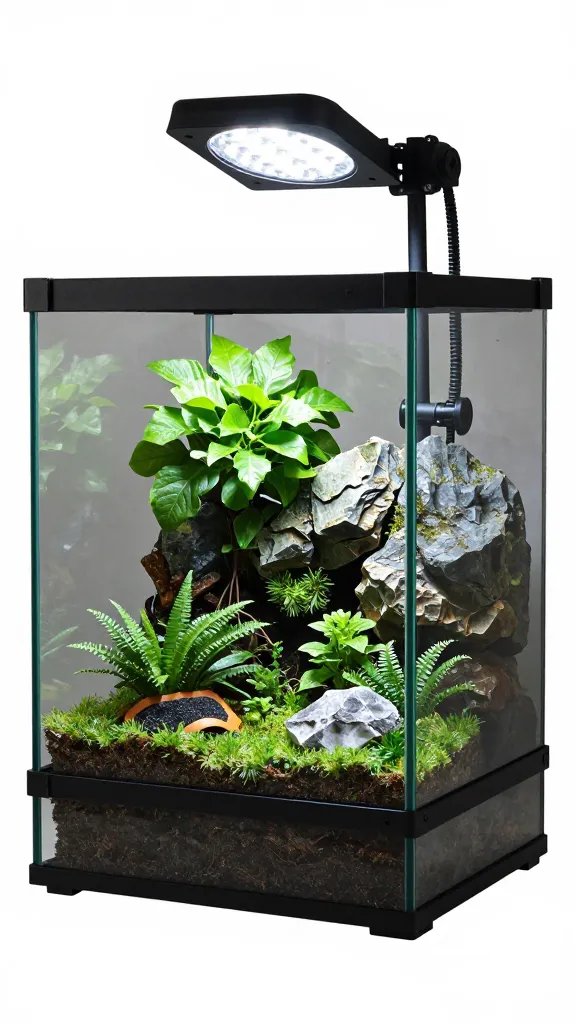
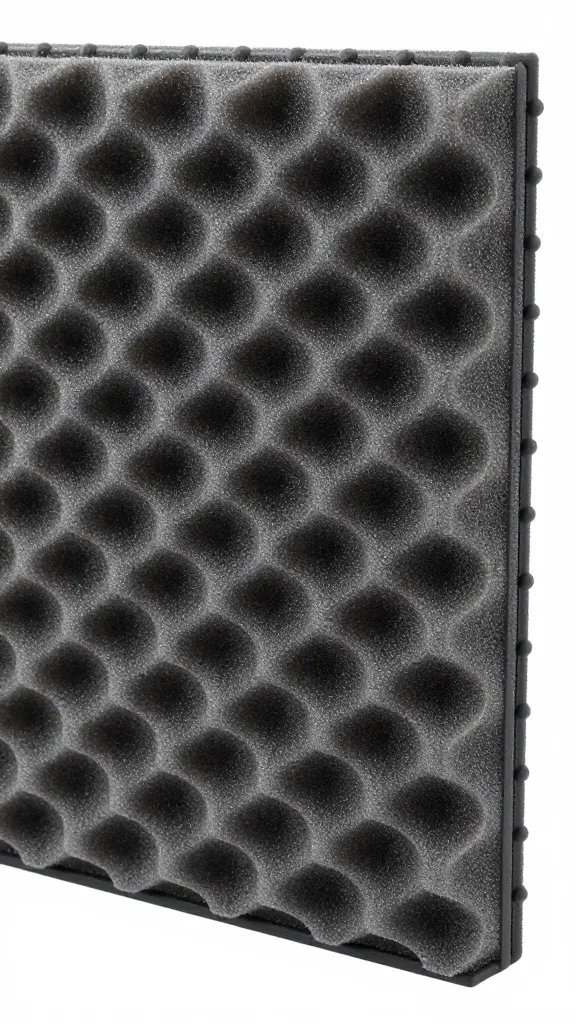
You now know the one rule that keeps paludariums thriving: set the water line and defend it. Start with a simple tank, raise the land on an egg-crate platform, and use a taped mark or overflow to lock the level in place. Today, gather your tank, mesh, and a small filter, and dry-fit the land with your water-line tape — once that boundary is solid, everything else becomes easy and enjoyable.