The Secret: 6 Glass Container Shapes and the Terrarium Type Each One Is Actually Suited for
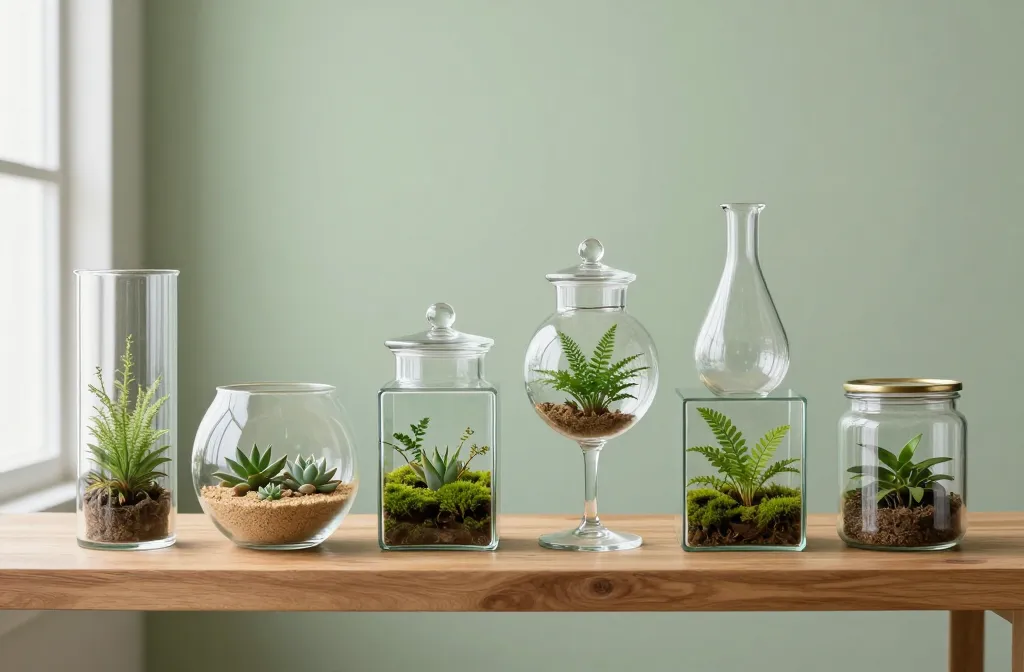
I’ve built terrariums in everything from charity-shop jars to oversized cookie canisters. The shape that looked cutest on my shelf often sabotaged the plants inside — fogged glass, leggy stems, or a swampy mess. In this guide, you’ll learn which common glass shapes pair with specific terrarium types, the plant groups that fit, and how to set each one up using only garden-centre supplies. Choose the right shape and you solve ventilation, humidity, and light problems before they start.
1. Tall Cylinder: Best for Humid, Closed Forest Terrariums
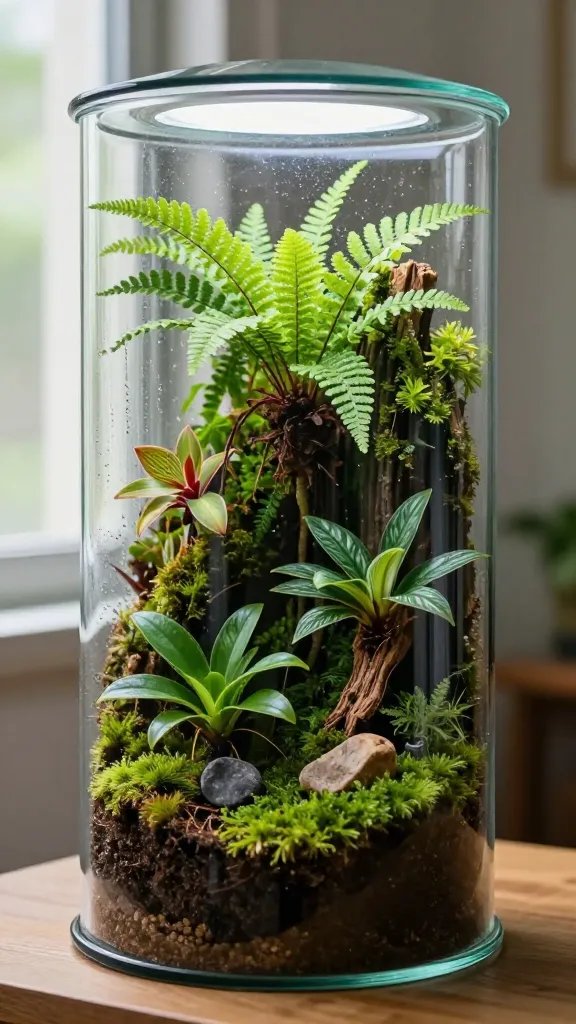
A tall cylinder traps moisture efficiently and concentrates humidity around foliage. Get it wrong and you’ll end up with drips, rot, and plants pressed against the glass where they scorch and mold.
Why It Works
- The vertical wall reduces air exchange, keeping humidity stable for closed builds.
- Height allows a visible canopy and layered planting without leaves touching the lid.
- Condensation runs straight down, not pooling on sloped walls.
Planting Style
- Closed terrarium with a tight-fitting lid.
- Moist-loving, compact species: Fittonia (nerve plant), Pilea (dwarf varieties), Pepperomia (small-leaved), Ferns (button, lemon button), Moss.
Setup Details
- Layering: 2–3 cm washed pebbles; a thin layer of activated charcoal (from aquarium aisle); 8–10 cm quality houseplant potting mix lightened with a handful of perlite.
- Hardscape: One vertical driftwood piece to create height without smothering air space.
- Moisture: Water once at setup until the soil is evenly damp (no puddles). After that, only when midday condensation drops below one-third of the glass.
- Light: Bright indirect light near a window; never in direct midday sun (risk of cooking leaves against glass).
Action today: If your closed cylinder is foggy top-to-bottom at midday, crack the lid for 1–2 hours to reset humidity before rot sets in.
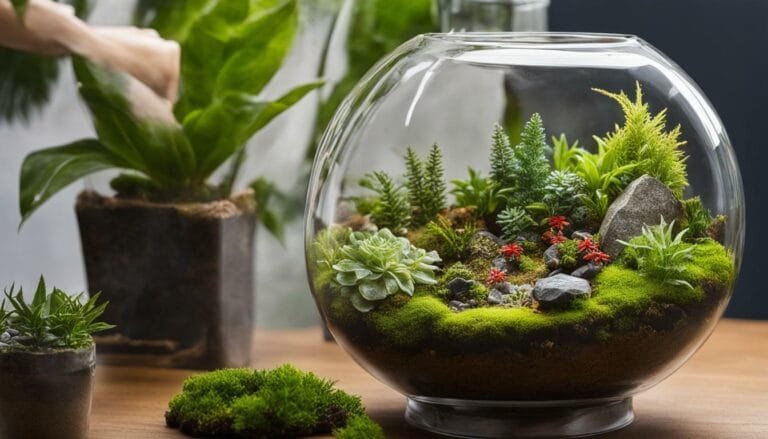
2. Wide Fishbowl (Globe): Best for Open, Dry or Mixed Terrariums
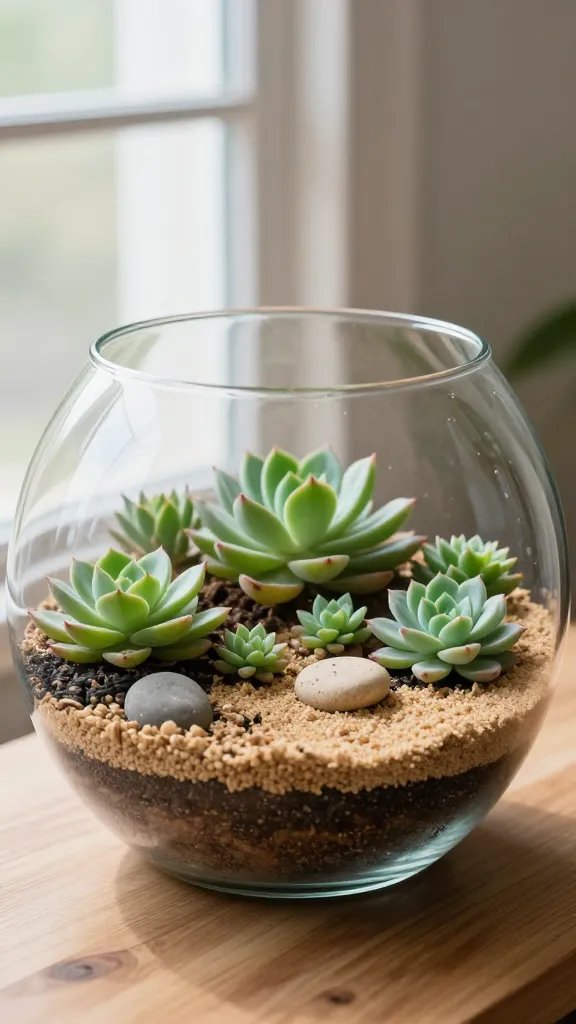
Fishbowls look generous, but their open top dumps humidity and funnels heat onto the soil. If you seal it, sloped walls shed condensation onto leaves, inviting spot rot and fungus gnats.
Why It Works
- The wide mouth vents moisture, perfect for open terrariums that prefer drier air.
- The shallow depth prevents boggy soil and makes maintenance easy.
- Great for showy, low-growing rosettes with room to spread.
Planting Style
- Open terrarium (no lid) for plants that like good airflow.
- Succulent mix: Haworthia, Gasteria, small Aloe, Echeveria (if you have strong light), or a dry-tolerant houseplant mix with Pilea glauca and trailing Peperomia.
Setup Details
- Layering for succulents: 2–3 cm gravel; optional thin charcoal; 6–8 cm cactus/succulent potting mix from the garden centre.
- Watering: For succulents, 2–3 tablespoons of water around the roots every 3–4 weeks. For non-succulent mixes, small drinks every 2–3 weeks, letting the top 2 cm dry first.
- Light: Brightest spot you have, like a south or west window with sheer curtain to soften midday rays.
Takeaway: Keep fishbowl terrariums open — if you want humidity, choose a different shape rather than forcing a lid.
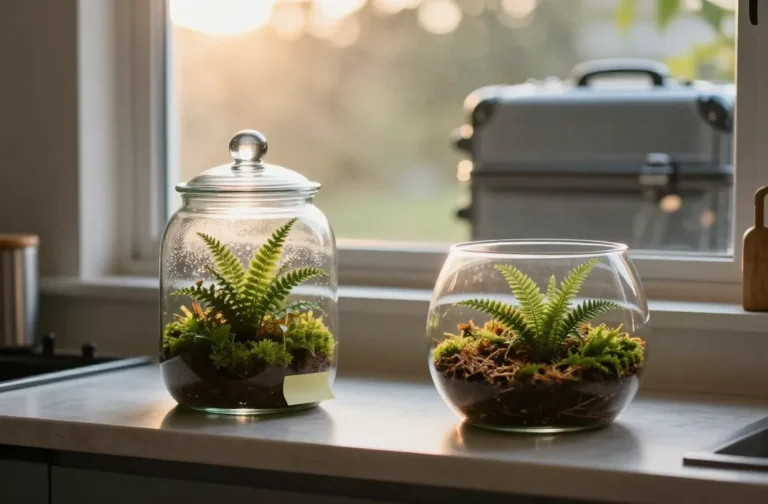
3. Apothecary Jar With Lid: Best for Classic Closed Moss and Mini-Fern Terrariums
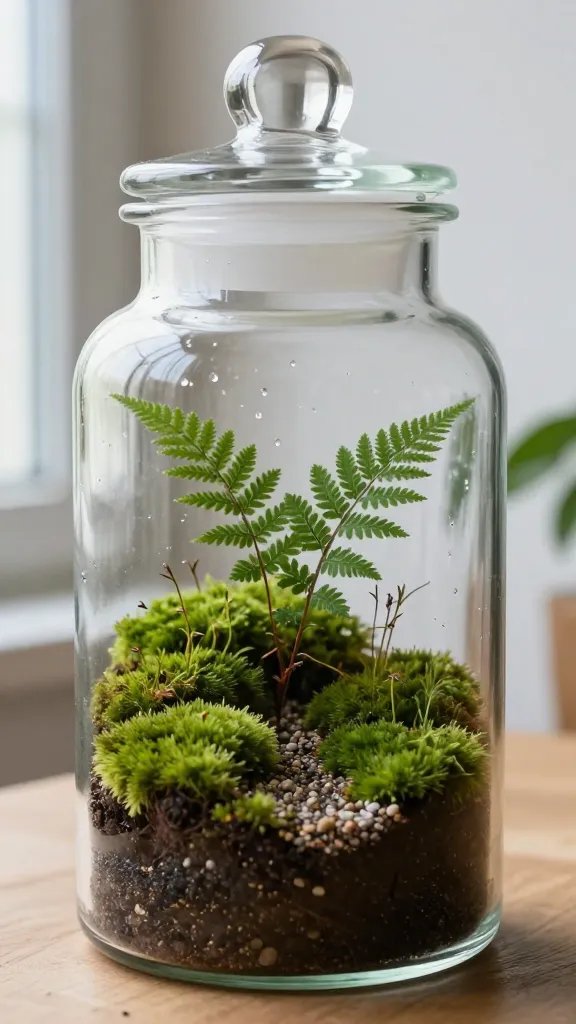
These pretty jars often fail because the tight lid turns them into steam rooms. If you crowd tall plants, leaves touch glass, lead to scorch and fungal spots, and pruning becomes a chore.
Why It Works
- The neck-and-lid design holds moisture with just enough leakage to prevent stagnant air when opened weekly.
- The shoulder of the jar creates a natural visual horizon for a layered landscape.
Planting Style
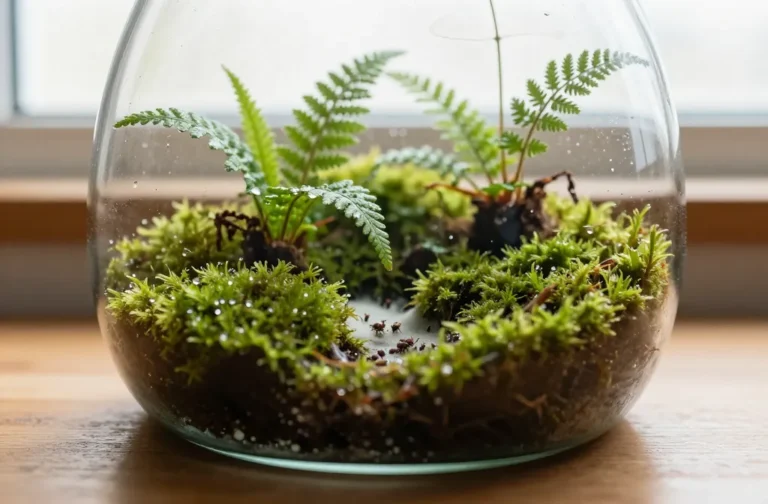
- Closed terrarium with high humidity needs.
- Moss-first builds: Sheet moss, cushion moss, plus tiny companions like Selaginella, Anthurium clarinervium seedlings (if small), Ficus pumila ‘Quercifolia’, and miniature Begonia.
Setup Details
- Layering: 2 cm small pebbles; thin charcoal; 6–8 cm moisture-retentive houseplant mix with a handful of orchid bark for texture.
- Plant height: Keep mature height under the shoulder line so nothing presses on the lid.
- Maintenance: Wipe inside glass monthly with a clean, soft cloth on tongs to keep light levels up.
- Light: Bright, indirect light; morning sun is fine if glass stays cool to the touch.
Action today: If your apothecary jar smells sour when opened, air it for 1 hour, then remove any yellowing leaves and cut back watering to a light mist only.
4. Rectangular or Cubic Vase: Best for Layered Landscapes and Paludarium Edges (Open or Semi-Closed)
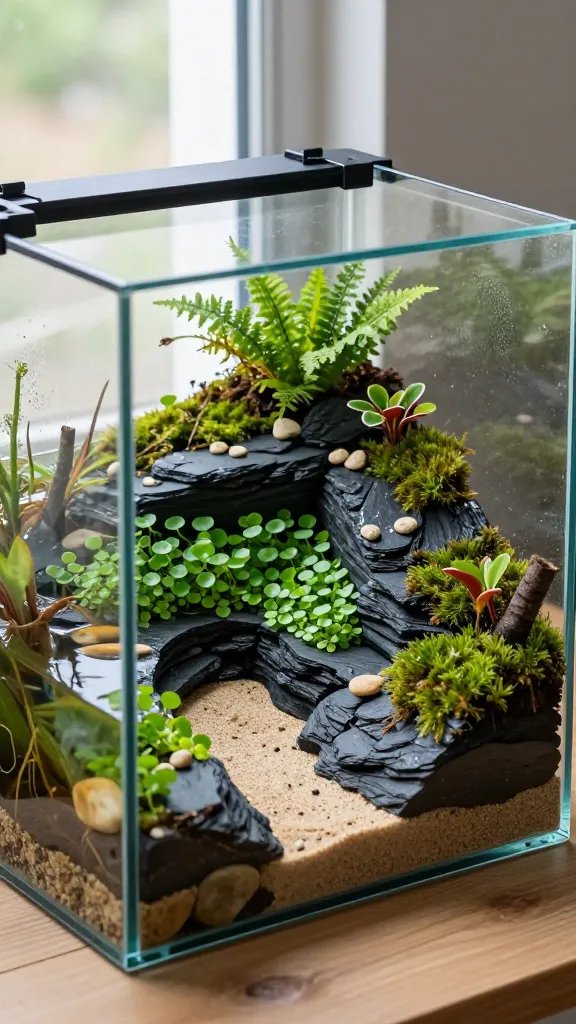
Flat sides exaggerate condensation streaks and can shade corners, so tall, moisture-heavy builds struggle. But the geometry lets you create stable terraces and dramatic foreground–background scenes that vanish in round vessels.
Why It Works
- Right angles hold hardscape securely — great for slope and path designs.
- Easy access for pruning along a straight top edge.
- Works as semi-closed by covering 50–70% of the opening with glass or plastic wrap clipped in place.
Planting Style
- Open or semi-closed terrarium for moderate humidity plants.
- Good for creeping fig (Ficus pumila), pilea depressa, small ferns along the back, and a mossy front.
Setup Details
- Layering: 2–3 cm drainage pebbles; charcoal; 8–10 cm potting mix with added perlite for aeration.
- Hardscape: Build a back terrace with flat stones; secure with moistened soil and firm pressure.
- Humidity control: For semi-closed, leave a 2–4 cm gap for airflow; remove cover overnight once a week.
- Light: Bright indirect; rotate the vase a quarter-turn weekly to prevent leaning toward the window.
Takeaway: Use a rectangular vase when you want layered levels and easy pruning — cover part of the top only if plants need more humidity.
5. Narrow-Neck Bottle (Carboy, Demijohn): Best for Long-Term, Self-Regulating Closed Ecosystems
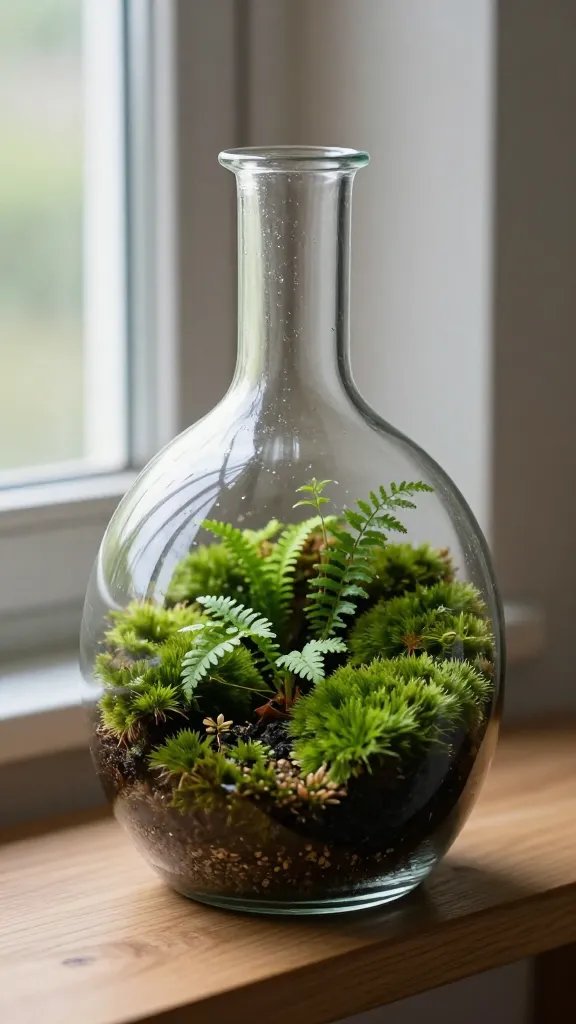
These bottles are notorious for planting frustration because the opening is tiny. People cram in big plants and then can’t correct problems; the result is trapped debris, algae-streaked glass, and declining growth.
Why It Works
- The narrow neck limits air exchange, creating a stable, low-maintenance microclimate.
- Once balanced, watering drops to near zero for months.
Planting Style
- Closed terrarium with tiny, slow growers only.
- Best choices: Mosses, Selaginella kraussiana, micro-ferns, and very small cuttings of Pilea or Peperomia that stay under 10–12 cm.
Setup Details
- Tools: Long chopsticks or wooden skewers, a kitchen funnel made from a cut plastic bottle, and twine for lowering plants.
- Layering: 1–2 cm fine aquarium gravel; charcoal; 5–7 cm fine-textured potting mix. Pre-moisten the mix until it clumps but doesn’t drip.
- Planting: Wrap roots with a small moss plug, tie loosely with cotton thread, and lower through the neck using twine. Nudge into place with chopsticks.
- Light: Bright indirect only — glass magnifies heat, and there’s no quick way to vent.
Action today: If you see steady heavy condensation for more than three days, wick out moisture by inserting a rolled paper towel through the neck for 30 minutes.
6. Low Rectangular Dish or Shallow Tray With Glass Cloche: Best for Seasonal Displays and Easy-Access Care
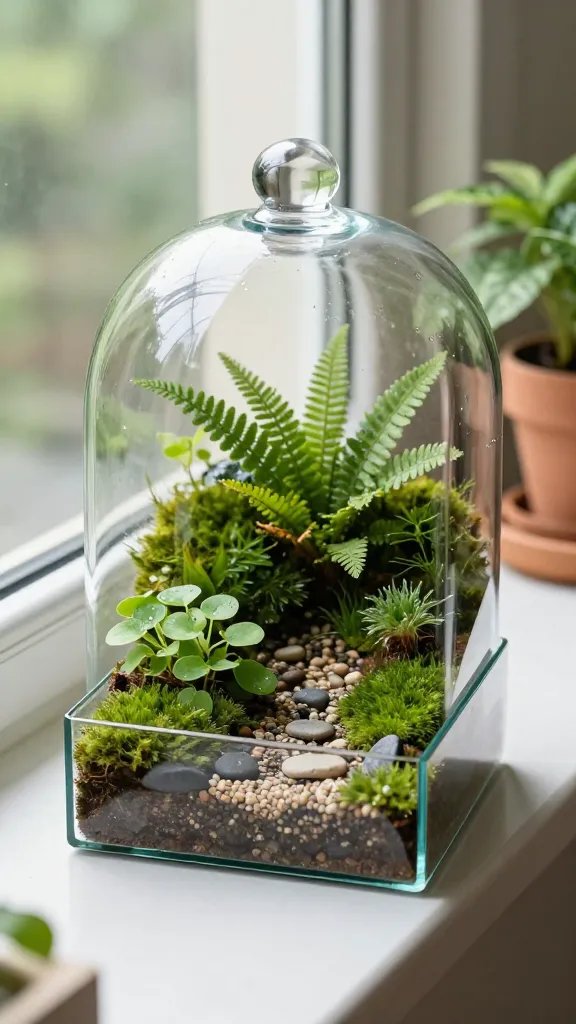
A shallow base alone dries too fast; add a cloche and you get adjustable humidity with instant access. Skip the cloche and plants crisp; seal it fully and you’ll cook tender leaves on sunny days.
Why It Works
- The removable cloche lets you fine-tune humidity day by day.
- Low sides showcase groundcovers, rocks, and miniature paths without hiding them behind curved glass.
- Perfect for learners who want to edit, rotate plants, or refresh seasonally.
Planting Style
- Semi-closed terrarium — cloche on at night or on dry days, off for airflow when needed.
- Great picks: Moss carpets, Fittonia minis, Baby’s tears (Soleirolia), tiny Hypoestes, and small ferns grouped by height.
Setup Details
- Layering: 1–2 cm pea gravel; charcoal; 4–6 cm rich houseplant mix. Mound slightly in the middle for runoff.
- Watering: Lightly each week — stop when water reaches the gravel line. Vent by lifting the cloche for 30–60 minutes if glass fogs.
- Light: Bright, indirect; move 30–60 cm back from the window on hot days if the cloche warms to the touch.
Takeaway: Use a cloche for adjustable humidity: on at night to hold moisture, off during the day if you see heavy fogging.
Frequently Asked Questions
How do I know if my container should be open or closed?
Match humidity to plant choice. If your plants are mosses, small ferns, and Fittonia, go closed or semi-closed to keep consistent moisture. If you’re growing succulents or plants that like airflow, use an open design. When unsure, start semi-closed by leaving a gap or removing the lid a few hours daily.
What size gravel and how much soil should I use?
Use pea gravel or small aquarium stones about the size of a fingernail for the base layer, 1–3 cm deep depending on container height. Add a thin sprinkle of activated charcoal to reduce odour. Use 5–10 cm of good-quality houseplant or cactus mix depending on plant roots: shallow-rooted mossy builds need less, rosette succulents need more.
Where should I place my terrarium for the right light?
Most closed and semi-closed builds prefer bright indirect light near a window, not direct midday sun. A north or east window is safe; a south or west window needs a sheer curtain or a spot a step back on the shelf. For open succulent bowls, move to the brightest location you have, and rotate weekly to keep growth even.
How do I stop condensation from blocking the view?
Condensation is normal in closed systems but shouldn’t cover more than half the glass at midday. Reduce it by airing the container for 30–60 minutes, trimming leaves that touch glass, and watering less. Wipe inside glass with a soft cloth on tongs monthly to keep light penetration high.
What if I only have tap water?
Use tap water that tastes clean and not salty. Let it sit uncovered overnight to let chlorine dissipate if your area adds it heavily. For stubborn water marks on glass, wipe with a cloth dampened in distilled water, then dry to prevent mineral spots.
Can I mix succulents and ferns in the same container?
Don’t mix desert and rainforest plants in one microclimate. Succulents need an open, drier bowl and strong light; ferns need a closed or semi-closed setup with steady humidity and softer light. If you love both, build two separate terrariums suited to each group so neither struggles.
Conclusion
Pick the glass for the climate you want, not just the look you love. Start with one shape that matches your plant list, dial in humidity using the lid or cloche, and you’ll spend your time enjoying growth instead of firefighting mold or wilt. When you’re ready, build a second terrarium for a different plant group — you already know which container to grab.