The No-Nonsense Guide to How to Restart a Failed Terrarium — When to Fix It and When to Discard and Begin Again
I’ve rebuilt more terrariums than I care to admit. The first time one collapsed into slime and gnats, I stared at the glass for a week before doing anything. I learned that knowing when to rescue and when to reset saves time, money, and your sanity. In this guide I show you exactly how to diagnose failure, perform a clean restart, and decide when it’s better to discard and begin again.
Know What “Failed” Really Means
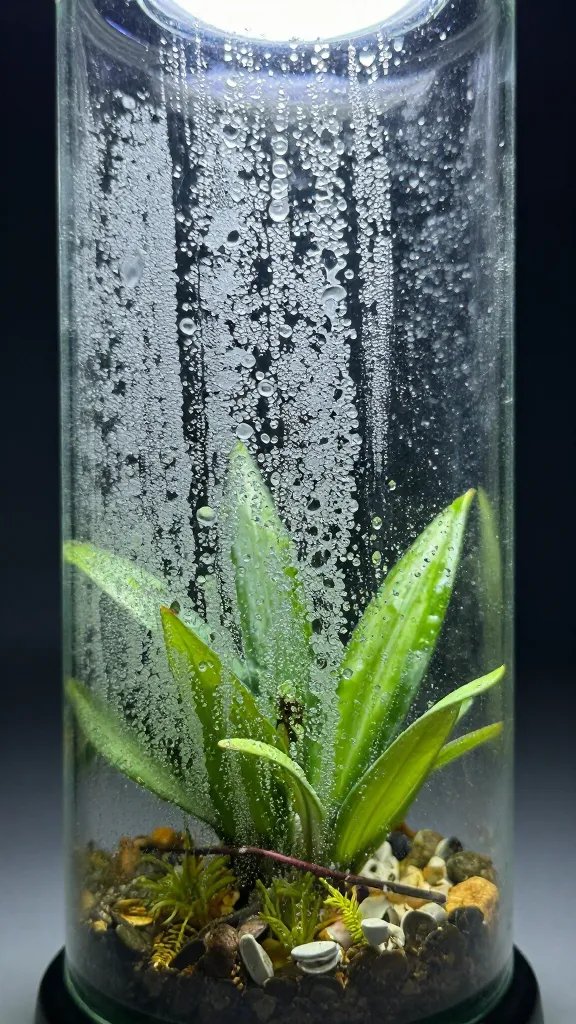
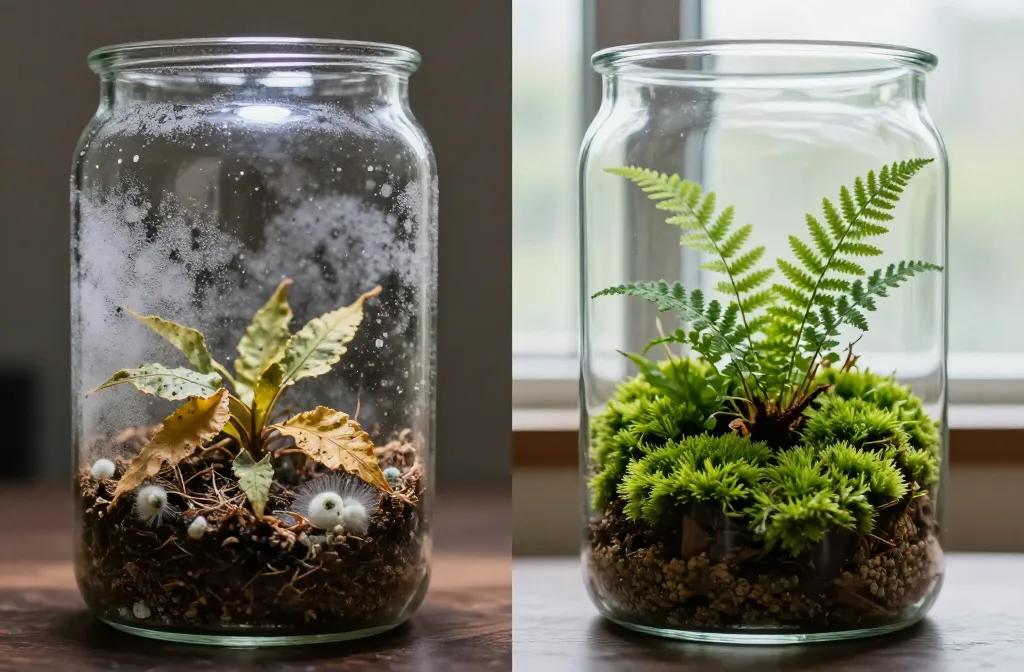
A terrarium isn’t failing because it looks different — it’s failing when the system no longer balances water, airflow, and decay. I look for non-negotiables: persistent fogging all day, rotten smell, collapsing stems, and white fuzz on multiple surfaces. One issue is a tweak; three or more means structural failure.
Warning Signs That Demand Action
- Constant condensation from morning to night: trapped excess water and poor air exchange.
- Rot smell (sour, swampy): anaerobic substrate and decaying roots.
- White/gray mold webbing across leaves and hardscape: spores thriving on stagnant air and wet litter.
- Mushy stems or yellow, translucent leaves: ongoing root suffocation.
- Fungus gnats inside glass: chronically wet medium rich in decaying organics.
Takeaway: If you see two or fewer signs, plan a rescue; three or more means it’s faster and safer to restart.
Decide: Fix in Place or Disassemble
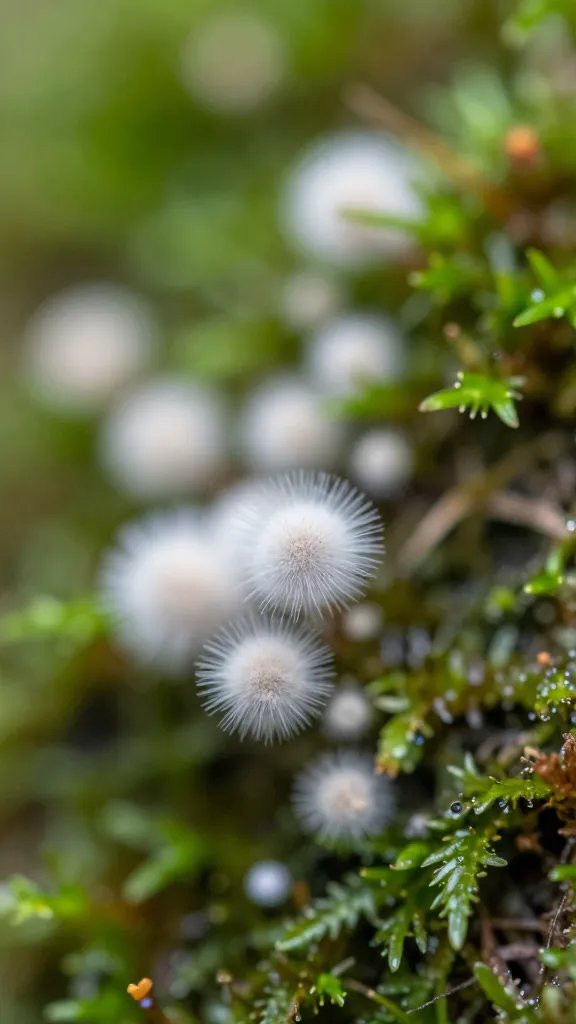
I use a simple rule. If the hardscape and most plants are healthy but conditions are off, I fix in place. If the smell is foul, rot is spreading, or soil turns to sludge, I disassemble and rebuild with fresh materials.
Quick Decision Matrix
- Fix In Place: Light mold on surface, light gnat presence, fog clears by afternoon, plants firm.
- Restart: Sour smell, standing water at the bottom, stems mushy, mold on multiple leaves, glass streaked with algae.
Action: Take one minute to sniff the terrarium and press a leaf and stem — clean smell and firm tissue = fix; foul smell or mush = restart.
How to Fix a Recoverable Terrarium
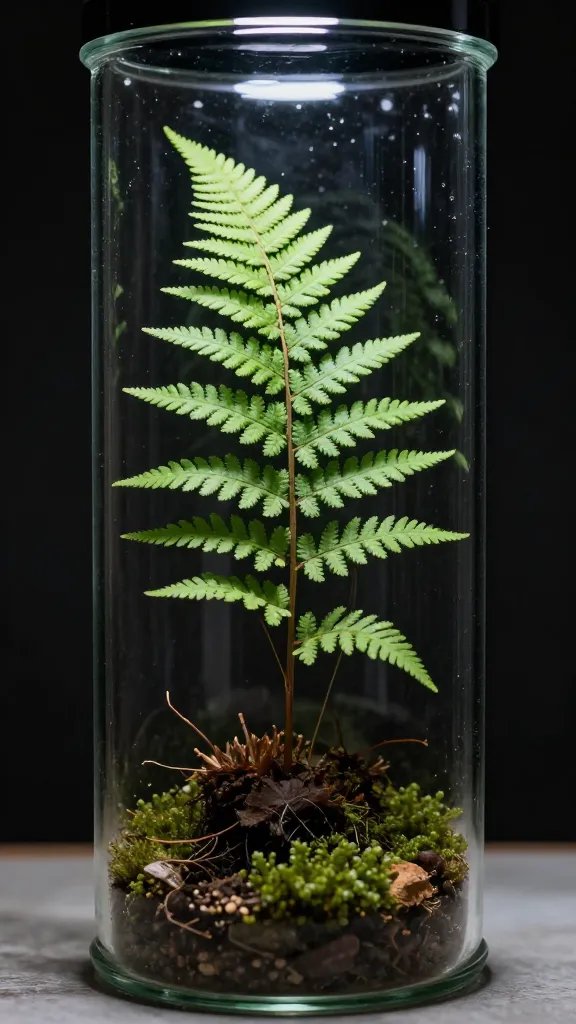
I treat this like triage. You’re restoring balance without tearing everything apart.
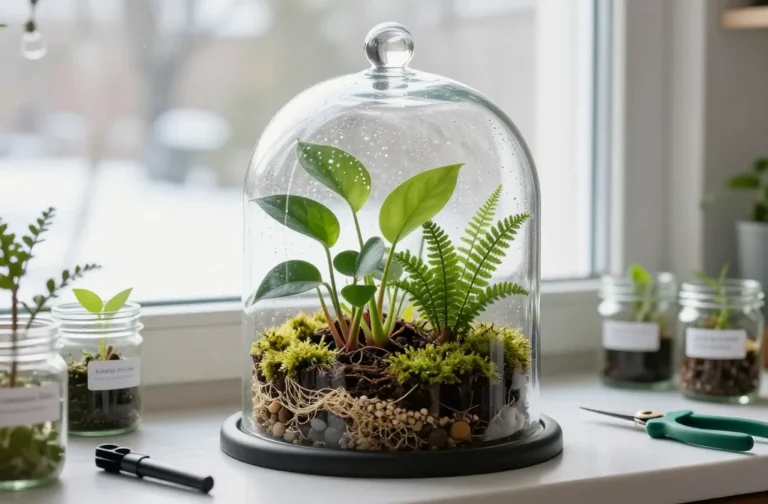
Step-by-Step Fix
- Ventilate: Open the lid for 2–4 hours daily for three days. Wipe heavy condensation with a clean paper towel.
- Remove decay: Snip all yellow, mushy, or mold-dusted leaves. Bag and bin them — don’t compost indoors.
- Dry the substrate: Tilt the container and wick moisture with paper towels pressed to the soil surface for 30–60 seconds, repeating until the surface feels damp, not wet.
- Increase light, not heat: Move to bright indirect light near an east or north window. No direct midday sun for closed setups.
- Top-dress: Add a thin layer (3–5 mm) of fresh orchid bark or rinsed aquarium gravel to keep leaves off damp soil and reduce spore splash.
- Spot-treat mold: Lightly mist affected hardscape with 3% hydrogen peroxide once, then let it air out. Avoid leaves.
- Break the gnat cycle: Place a yellow sticky trap near the glass and keep the lid slightly ajar for 48 hours to dry the surface.
Action: Open the lid right now and wick surface moisture — it’s the fastest way to stop rot.
When Restarting Is the Only Smart Move
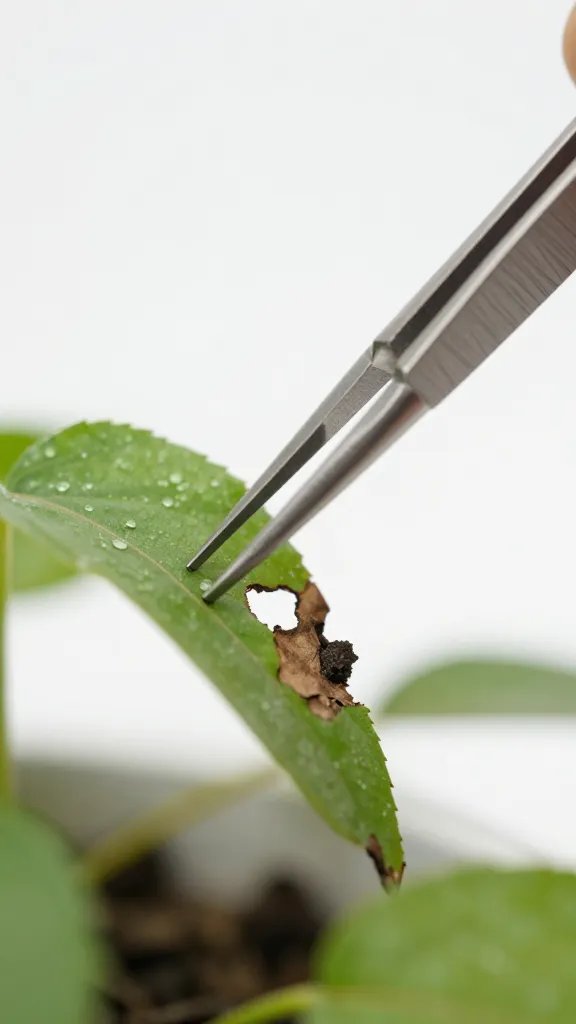
When the base is rotten, repairing only delays failure. Restarting looks drastic, but it gives you a clean slate and a system that runs itself again.
Materials You’ll Actually Use
- Glass container with lid that can sit loosely.
- Drainage layer: rinsed aquarium gravel or LECA (1.5–2.5 cm layer).
- Barrier: coffee filter or fine mesh to keep soil out of drainage.
- Substrate: good quality potting mix blended 2:1 with orchid bark or perlite.
- Charcoal: a thin sprinkle of horticultural charcoal to reduce odors.
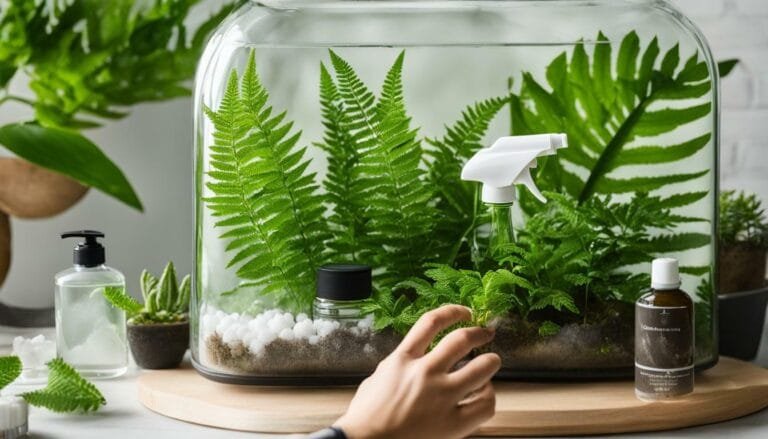
- Plants that tolerate humidity: Fittonia, Pilea depressa, Pepperomia (small-leaf types), Ferns like Nephrolepis (mini), Moss from the garden centre.
- Tools: long spoon, chopsticks, spray bottle, paper towels.
Clean Restart: Exact Steps
- Disassemble: Remove plants and hardscape. Bin any mushy roots or slimy wood.
- Sanitize glass: Wash with hot soapy water, rinse, then wipe with 3% hydrogen peroxide. Air dry.
- Rebuild layers: Gravel/LECA, barrier, substrate. Aim for 5–8 cm of substrate total.
- Pre-moisten: Mist and mix until the soil clumps when squeezed but doesn’t drip — like a wrung-out sponge.
- Plant properly: Keep foliage off the soil. Trim long roots by a third to encourage new growth.
- Initial venting: Close the lid, then crack it open with a coin for the first 48 hours.
- Set the baseline: By midday, you want light condensation on 25–50% of the glass, clearing by afternoon. Adjust by venting or misting a few sprays.
Action: If your terrarium smells sour, stop tinkering and schedule a 60-minute clean restart this weekend.
The Hidden Causes: Too Wet, Too Dark, Too Packed
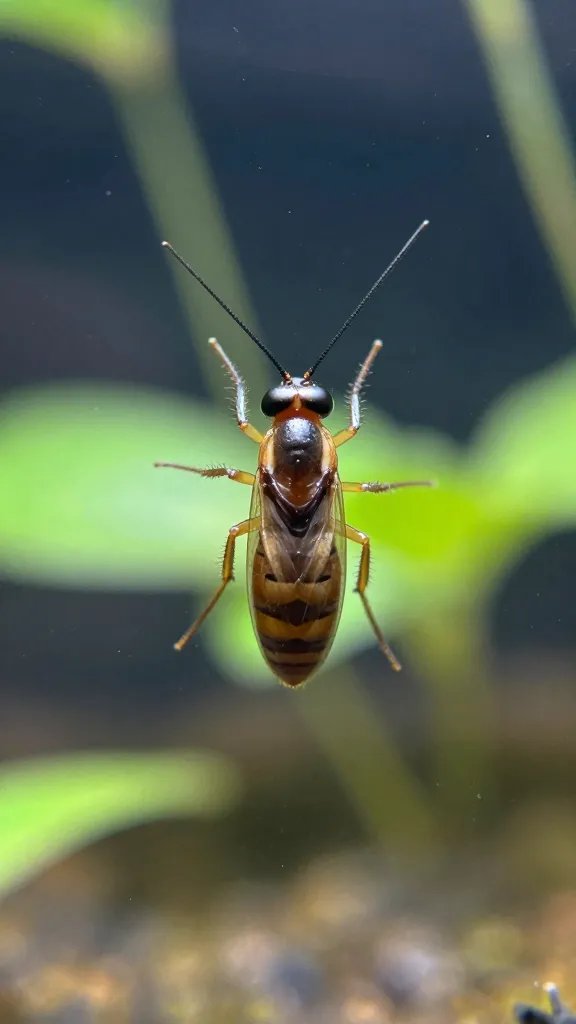
Most failures come from three habits. Overwatering, parking the terrarium in dim corners, and cramming plants until air can’t move.
Mistakes You’re Likely Making
- Adding water “just in case”: Closed setups recycle moisture; extra water creates rot.
- Shelf life: Back-of-room bookshelves are decoration zones, not growth zones — plants starve for light.
- Leaf-on-soil contact: Wet leaves on wet substrate invite fungus every time.
Action: Move the terrarium within 1–2 meters of a bright window and stop watering unless condensation stays below one-third of the glass for two days.
Set and Keep the Right Moisture Level
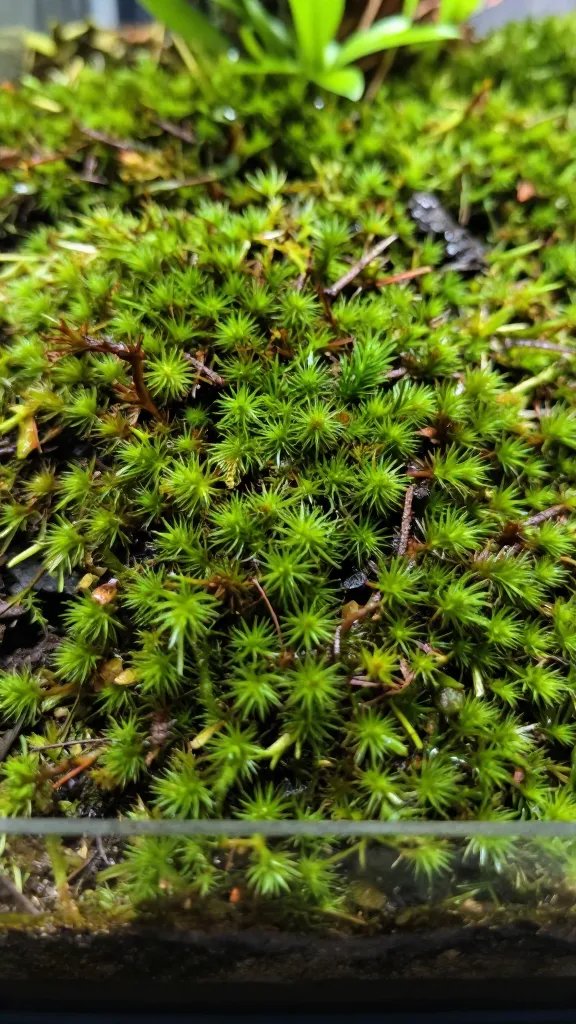
I ignore apps and watch the glass. The glass tells you everything about water balance.
Simple Moisture Rules
- Morning: A light misting of the glass is good.
- Midday: Half or less of the glass should show condensation.
- Evening: Film returns lightly as temperature drops.
If the glass is dry for 48 hours, add 1–2 tablespoons of water with a spray bottle. If it’s fogged solid all day, vent for 2–4 hours and wick the surface.
Action: Check at midday tomorrow and adjust using the tablespoon rule instead of pouring.
Choose Plants That Forgive You
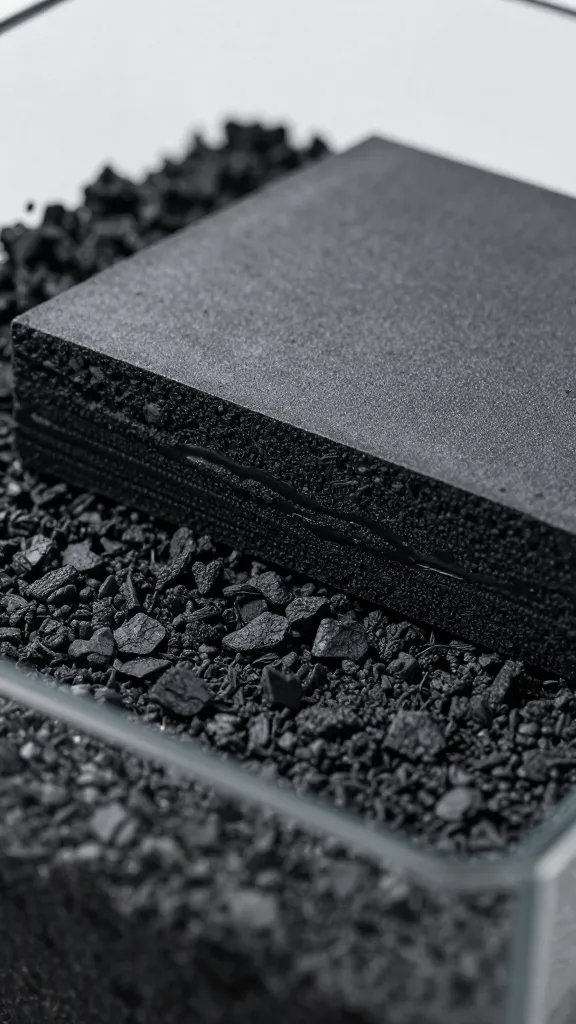
Some species fight you in closed glass. I use sturdy, slow growers that like humidity and don’t demand bright sun.
Reliable Choices and Red Flags
- Reliable: Fittonia, Peperomia pixie/raindrop (small types), Pilea depressa, small ferns, moss, Selaginella.
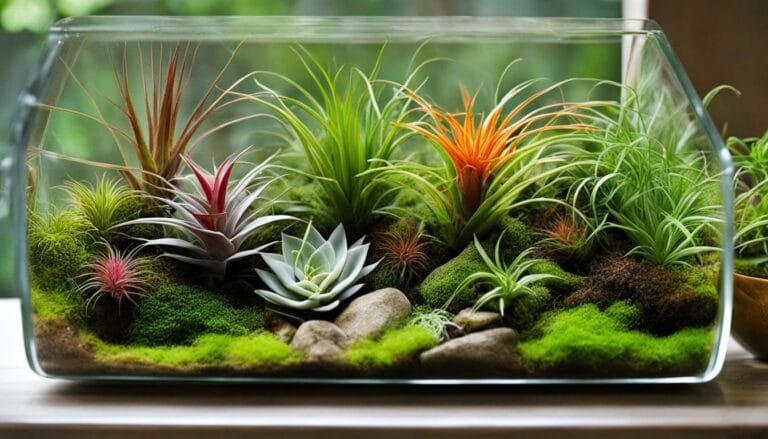
- Avoid in closed setups: Succulents, cacti, most herbs, large calatheas — they rot or outgrow the space.
- Wood and stone: Use hardwood pieces and rinsed stones. Avoid soft, punky wood that turns to slime.
Action: Replace any succulent in a closed terrarium with a Fittonia or moss this week.
Frequently Asked Questions
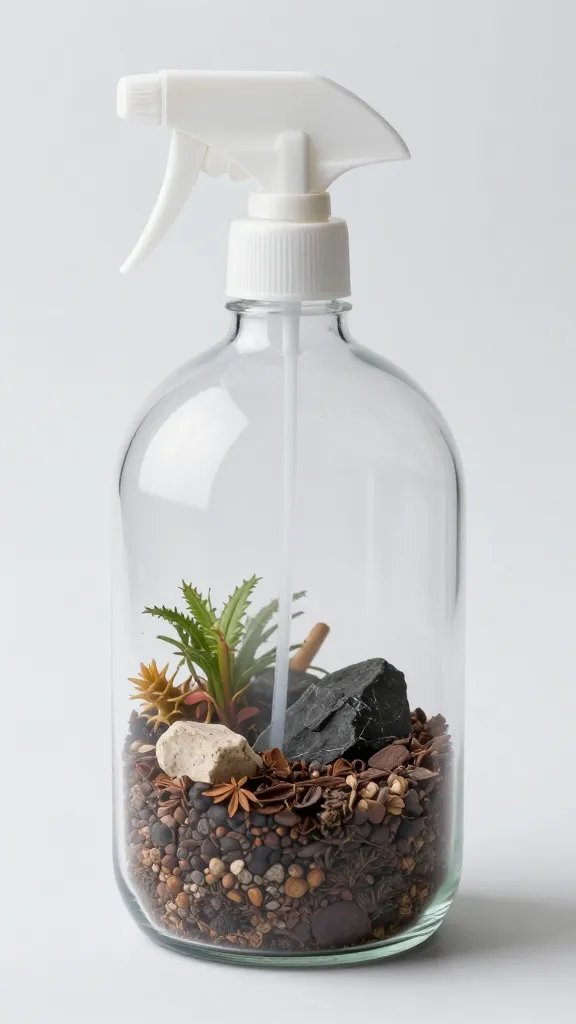
How do I know if I added too much water at the start?
Constant fog, gnat activity, and a cool, clammy feel on the glass mean you overdid it. Open the lid for 2–4 hours and wick the surface with paper towels. Repeat daily for three days. If the smell turns sour or plants soften, plan a restart.
Can I reuse old substrate when restarting?
I don’t. Old mix contains spores, gnat eggs, and decaying roots. Start fresh with a good potting mix blended 2:1 with orchid bark or perlite. You can rinse hardscape with hot water and a peroxide wipe before reusing.
What if mold keeps returning after I clean it?
Recurring mold means the environment still favors it: too wet, stale air, or leaf litter left in place. Increase venting for 48 hours, remove all fallen leaves, and top-dress with bark or gravel. Check light and move closer to a bright window.
Do I need charcoal in the layers?
Charcoal isn’t magic, but a light sprinkle helps reduce odors and keep the substrate fresher longer. Use horticultural charcoal from the garden centre, not BBQ briquettes. It supplements, not replaces, good moisture control and venting.
How often should I open a closed terrarium?
In a stable setup, once every 1–2 weeks for 15–30 minutes is enough. Open more often during the first month while you dial in moisture. If midday condensation covers more than half the glass, open the lid the same day.
Where should I place the terrarium for best results?
Set it within 1–2 meters of a bright window with indirect light, like east-facing. Avoid direct midday sun that cooks the glass and corners that stay dim all day. Stable room temperatures between 18–24°C keep growth steady.
Conclusion
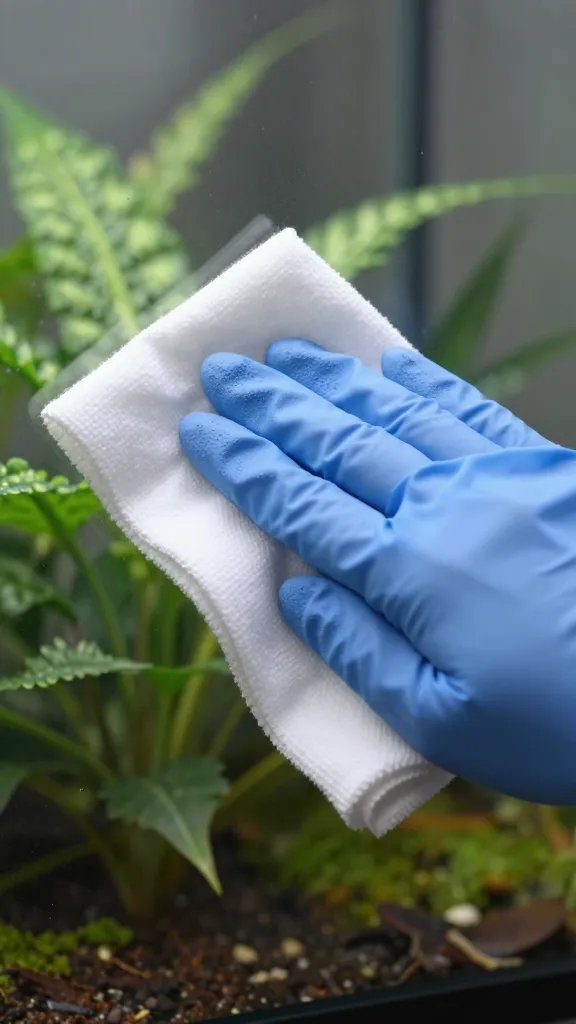
You now know how to read the glass, smell the substrate, and decide decisively: quick rescue or clean restart. Take ten minutes today to check midday condensation and remove any decaying leaves. When you’re ready to rebuild, gather fresh mix, a proper drainage layer, and forgiving plants — then enjoy a terrarium that runs itself instead of running you.