The Nitrogen Cycle in a Closed Terrarium — What Microbial Activity Is Actually Doing in Your Substrate Unlocked
When I built my first closed terrarium, I packed in pretty moss, a fern, and a “nice looking” potting mix — then wondered why the leaves yellowed while the glass fogged nonstop. Once I learned what the microbes in the substrate were actually doing, my terrariums stopped yo-yoing between rot and starvation. In this guide, I’ll show you how the nitrogen cycle really runs inside a sealed jar and how to set up your substrate so microbes work for you, not against you. You’ll leave knowing how to avoid yellow leaves, mold surges, and that swampy smell.
What “Nitrogen Cycle” Means Inside a Sealed Jar
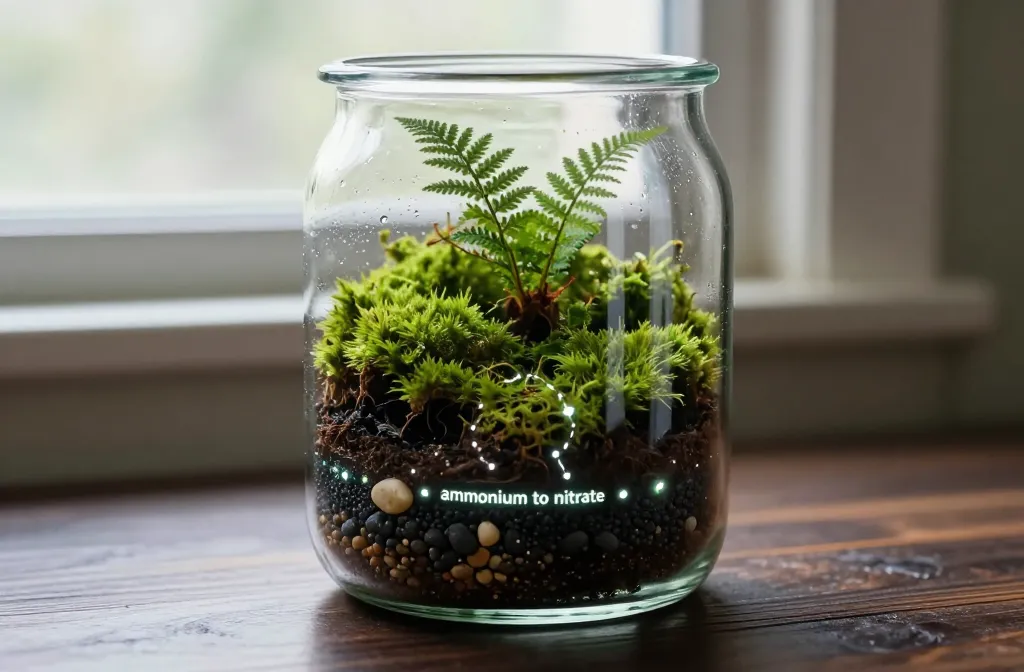
In a closed terrarium, nitrogen doesn’t enter from rain or fertilizer runoff. It circulates inside the substrate through mineralization (microbes turning dead plant bits into ammonium), nitrification (bacteria converting ammonium to nitrate), and assimilation (plants and mosses taking that nitrate back up). That loop only works if the substrate stays breathable and modestly moist.
Unlike a garden bed, a sealed jar has no escape route for waste gases and no fresh mineral inputs. The design of your substrate decides whether the microbial crew makes plant food or creates toxins like excess ammonia.
Action today: Press a finger gently into the terrarium substrate — it should feel springy and lightly damp, never muddy. If it smears like brownie batter, airflow is failing and you’re choking your nitrogen cycle.
The Microbial Cast: Who Does What Under the Moss

Decomposers (bacteria, fungi, and your clean-up crew like springtails and isopods) break down shed leaves and roots. They release ammonium (NH4+) and carbon dioxide. That ammonium is step one of plant-usable nitrogen.
Nitrifiers (primarily Nitrosomonas and Nitrospira/Nitrobacter bacteria) need oxygen. They convert ammonium to nitrite (NO2-) and then to nitrate (NO3-), which plants prefer and which is far less toxic than ammonia/ammonium.
Denitrifiers show up in oxygen-poor pockets. They convert nitrate to nitrogen gas. In a small terrarium, too much denitrification quietly strips plant food out of circulation.
Takeaway: Keep some air spaces in the substrate so nitrifiers can breathe — that keeps nitrogen in the plant-usable nitrate form.
Substrate Architecture That Actually Supports the Cycle
I build closed terrarium substrates like a lasagna with structure first, then moisture-holding layers. This keeps oxygen moving so nitrifiers can work and prevents the anaerobic zones that rot roots.
- Drainage base (2–3 cm): Rinsed aquarium gravel or LECA from the garden centre. It buffers excess water away from roots.
- Barrier: A square of breathable mesh or a thin layer of garden-centre sphagnum to stop fine particles falling into the base.
- Main layer (4–6 cm): Good quality indoor potting mix blended by hand with a couple of handfuls of orchid bark or perlite per litre. This keeps air pockets open.
- Biological boost: A light sprinkle of leaf litter from pesticide-free outdoor areas or a small starter culture of springtails. That seeds a balanced decomposer community.
- Cap (0.5–1 cm): Fine aquarium sand or sifted mix to discourage fungus gnat breeding and create a clean planting surface.
Step-by-step setup:
- Rinse gravel/LECA until water runs clear. Add to jar.
- Lay mesh or a thin sphagnum layer.
- Mix potting soil with bark or perlite in a bowl (about 3 parts soil to 1 part amendment).
- Moisten until it clumps when squeezed but doesn’t drip.
- Add to jar, plant, then top with a thin cap layer.
Action today: If your terrarium currently uses straight potting soil, top-dress with a thin layer of orchid bark and gently fork the top 1 cm to introduce air without uprooting plants.
Moisture, Light, and Temperature: The Levers That Steer Microbes
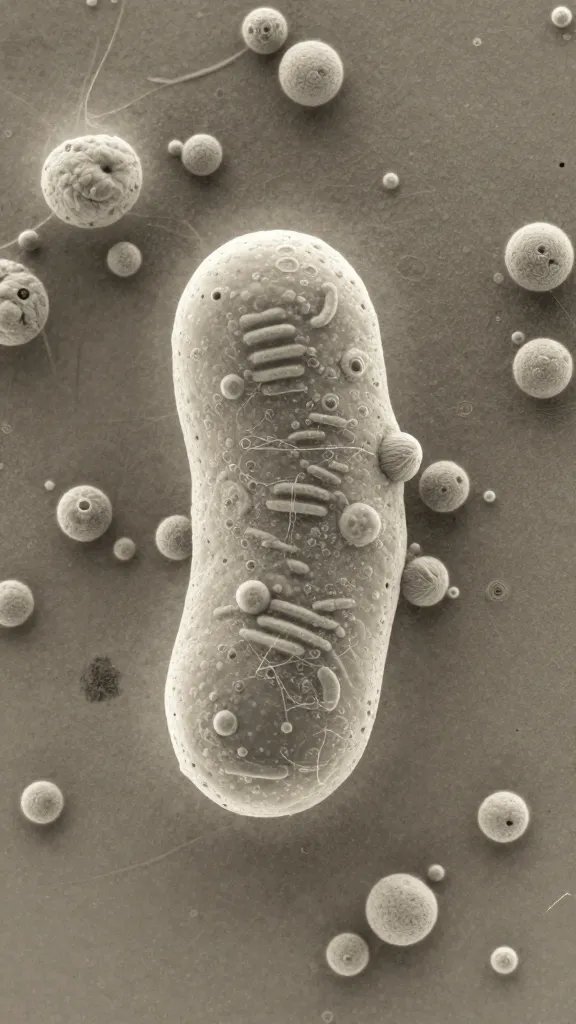
Moisture: Constant wetness pushes microbes into oxygen debt. That slows nitrification and lets ammonium build up, which yellows leaves and burns roots. Aim for “wrung-out sponge,” not soggy pudding.
Light: Place in bright, indirect light near a window. Enough light fuels plant growth to use the nitrate that microbes provide. Too little light means nitrate isn’t used, organic matter piles up, and decomposition outruns assimilation.
Temperature: Keep between 18–24°C (65–75°F). Warmer jars race through oxygen; cooler jars crawl and stall the cycle.
Warning Signs You’re Off-Track
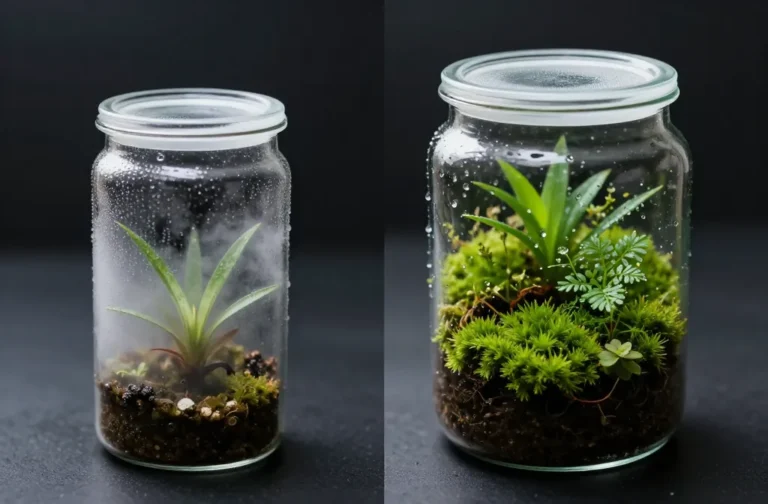
- Persistent heavy condensation all day: Too wet and too warm. Nitrifiers are suffocating.
- Eggy or swampy smell: Anaerobic zones producing sulfides. Roots at risk.
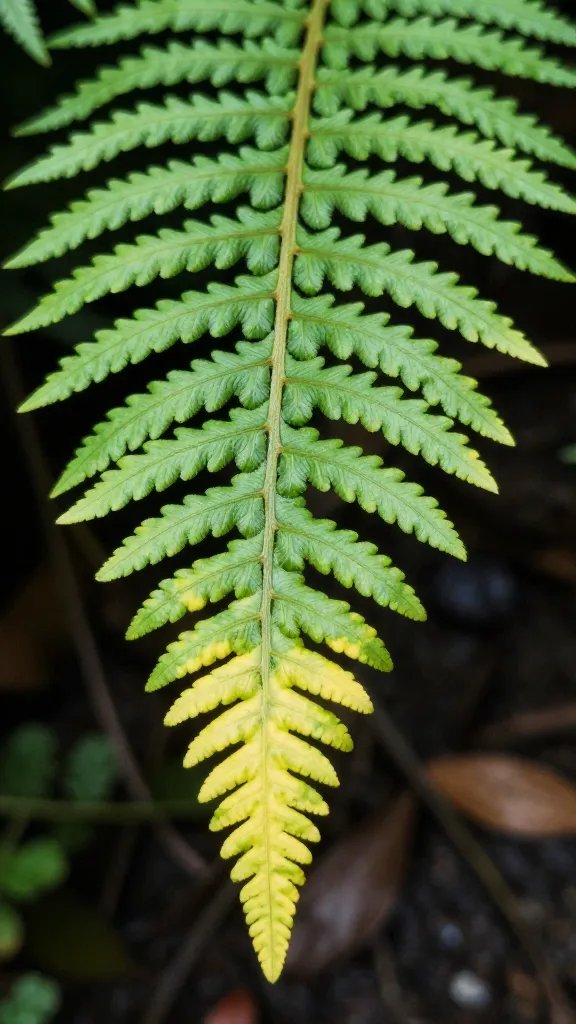
- New growth pales then yellows: Nitrogen tied up in decay or stuck as ammonium.
Action today: If condensation covers more than half the glass at midday, prop the lid open 1–2 hours and blot any standing water from the drainage layer with a paper towel wrapped around chopsticks.
How Nutrients Actually Enter and Leave in a Closed System
Inputs come from plant pruning leftovers, root turnover, and a thin dusting of outside spores and dust when you build it. That’s enough if you keep plants modest and growth steady.
Losses happen through denitrification in airless pockets and through plant harvest when you remove clippings. Excess cleaning or frequent leaf stripping can starve the cycle of raw material.
I trim sparingly and return soft green clippings in tiny pieces to the surface so decomposers can mineralize them gradually. Big dumps of dead matter overwhelm oxygen and stall nitrification.
Action today: When you prune, chop leaves to confetti and scatter a teaspoon’s worth per 10 cm of jar diameter — then skip additions for two weeks.
When and How to Supplement Without Breaking the Balance
Most closed terrariums with slow-growing mosses and small ferns need no fertilizer for 6–12 months. If growth slows and leaves pale despite good light and structure, consider a very dilute feed.
Use a regular houseplant fertilizer from a garden centre at 1/10 the label dose. Pre-dilute in a cup of water and apply with a spray bottle to the substrate, not the leaves — 2–3 light sprays across the surface. Do this no more than every 8–12 weeks.
Warning: Over-fertilizing in a closed jar spikes salts, encourages algae, and can crash microbial balance.
Action today: If you plan to fertilize, schedule it for the morning after you’ve aired the jar and confirmed only light, morning condensation remains.
Rescuing a Stalled or Smelly Nitrogen Cycle
If your jar smells off, plants yellow, or algae coats the glass, assume oxygen is low and nitrogen is stuck as ammonium. You can reset the balance without tearing everything out.
Step-by-Step Fix
- Vent: Open the lid for 24 hours in bright, indirect light. Let the glass clear.
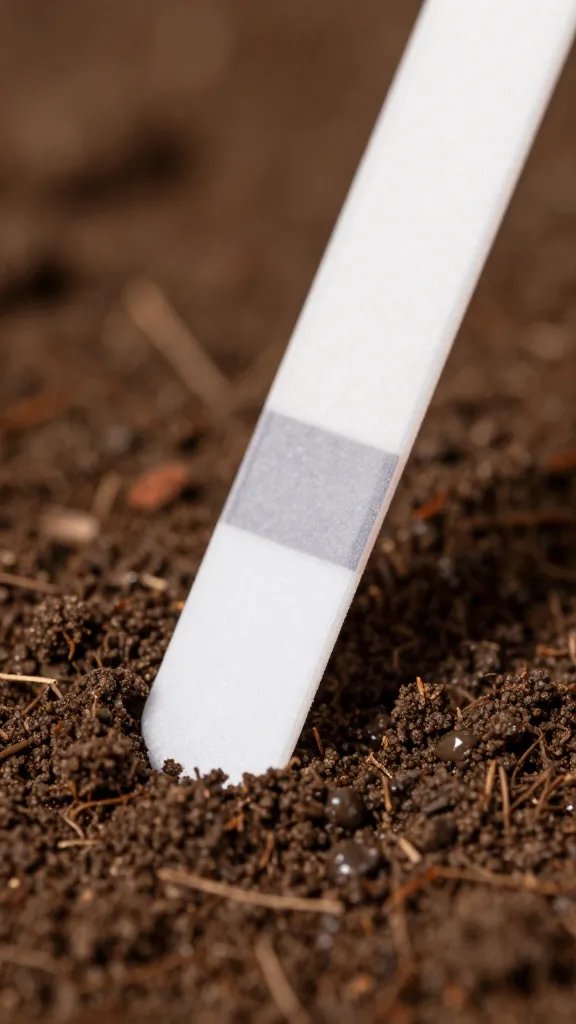
- Wick: Insert a strip of paper towel down one side to the drainage layer for 2–4 hours to pull excess water.
- Thin biomass: Remove mushy debris. Keep a teaspoon of healthy leaf litter to reseed decomposers.
- Aerate the top: Gently fork the top 1–2 cm with a chopstick to reopen pores. Add a handful of bark/perlite if it compacts right back.
- Light adjust: Move 50–100 cm closer to a bright window (still indirect). Leave the lid cracked for the next daylight period, then reseal.
Action today: Do the paper towel wick test — if it comes up saturated in under 10 minutes, you’re overwatered and should vent and wick before resealing.
Frequently Asked Questions
Why are my mosses yellowing even though the terrarium looks humid?
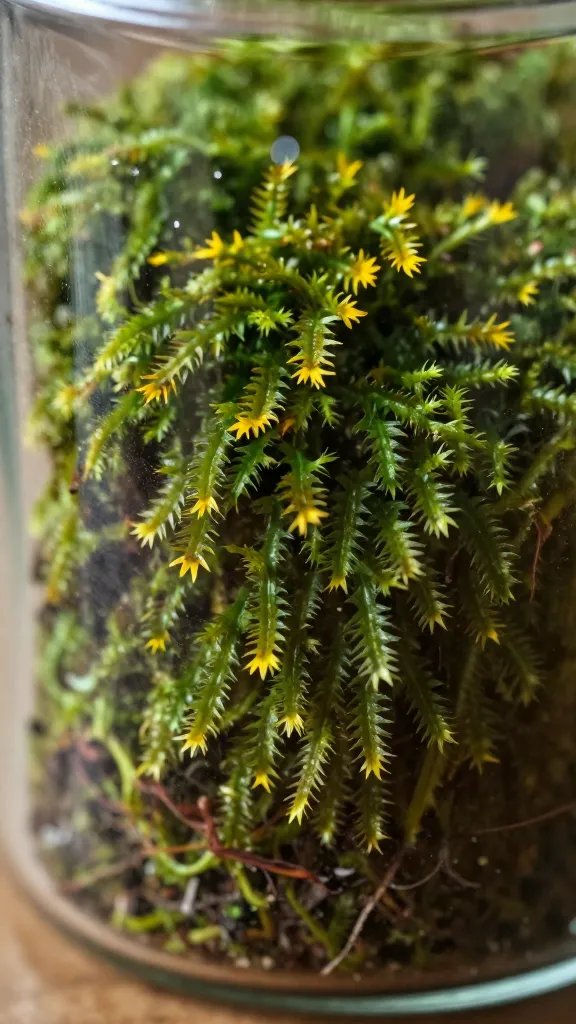
Yellow moss in a sealed jar usually means poor nitrification and low usable nitrogen, not a lack of moisture. Open the jar for 2–4 hours at midday, then aerate the top 1 cm of substrate. Move the terrarium to brighter indirect light so plants can use nitrate once it forms. If needed, apply a 1/10-strength fertilizer mist to the substrate after the system clears.
Do I need activated charcoal in the substrate for the nitrogen cycle?
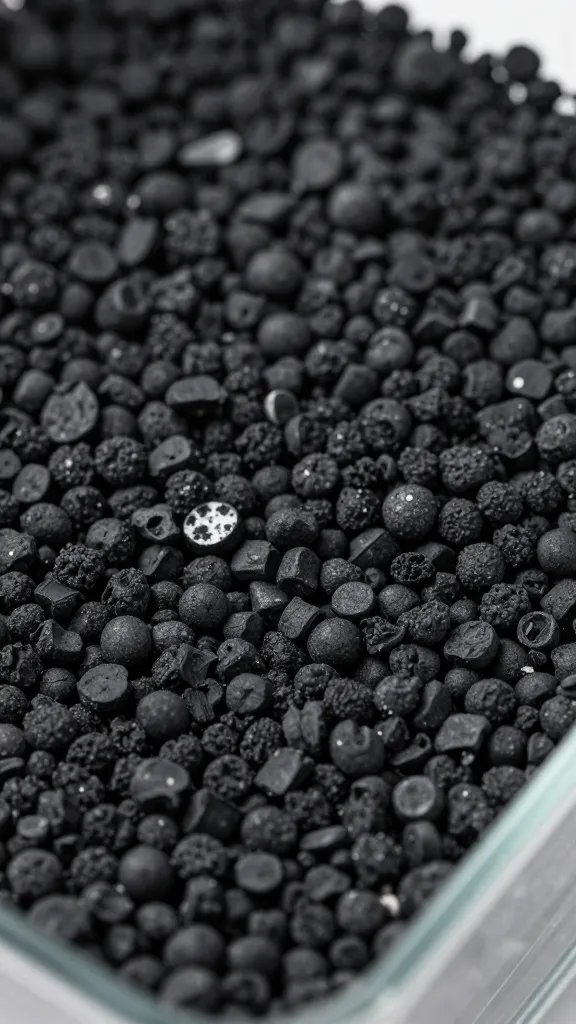
Activated charcoal helps control odors and can adsorb some organics, but it doesn’t run the nitrogen cycle. The cycle depends on oxygen flow and a balanced microbe community. If you like, add a thin layer mixed into the main substrate, but prioritize structure with bark or perlite. Good airflow in the soil outperforms charcoal alone.
How wet should the substrate feel when I first seal the terrarium?
Aim for “wrung-out sponge.” When you squeeze a handful, it should hold together and release no drips. If water beads or drips, mix in more dry potting mix and bark before sealing. Start slightly on the drier side; you can always mist lightly later.
Is a cleanup crew necessary, or will soil microbes be enough?
Soil microbes can run the cycle, but a small cleanup crew like springtails keeps surface mold in check and speeds tidy mineralization. Add a starter culture once and they’ll manage themselves. Avoid isopods in very tiny jars; they can over-disturb roots. If you see mold blooms after setup, springtails are the safest correction.
Can I add coffee grounds or kitchen scraps to feed microbes?
No. Kitchen scraps and coffee grounds overwhelm a closed jar, cause anaerobic zones, and create odor. Feed the system with its own prunings, chopped finely and added in teaspoon amounts. If you need a boost, use a 1/10-strength liquid fertilizer sparingly instead.
How do I know if I’ve got too much denitrification happening?
If plants stall despite decent light and your substrate stays consistently wet and compacted, nitrate may be vanishing in airless pockets. You may also notice pale growth with no response to very light feeding. Aerate the top layer, add structural amendment, and vent the jar periodically over a week to restore oxygen. Watch for new, deeper green growth within 10–14 days.
Conclusion
You don’t need lab gear to run a healthy nitrogen cycle in a closed terrarium — you need a breathable substrate, steady light, and measured moisture. Set the structure once, prune lightly, and let microbes do the daily work of turning scraps into plant food. If anything drifts, you now have a clear checklist to nudge the system back on track. Today, adjust your substrate’s top layer for air and place the jar in bright indirect light — that single move kickstarts the cycle and keeps your plants thriving.