The Difference Between Preserved Moss and Live Moss in a Terrarium — Humidity, Longevity and Failure Modes Explained
I’ve built more terrariums than I can count, and I’ve also watched a few turn into foggy, moldy messes on friends’ coffee tables. The common thread: confusion between preserved moss and live moss. Once you know how each behaves with humidity, how long it lasts, and how it fails, you’ll stop guessing and start getting consistent results. In this guide I’ll show you exactly when to use each type and how to avoid the predictable pitfalls.
What “Preserved” vs “Live” Moss Actually Means
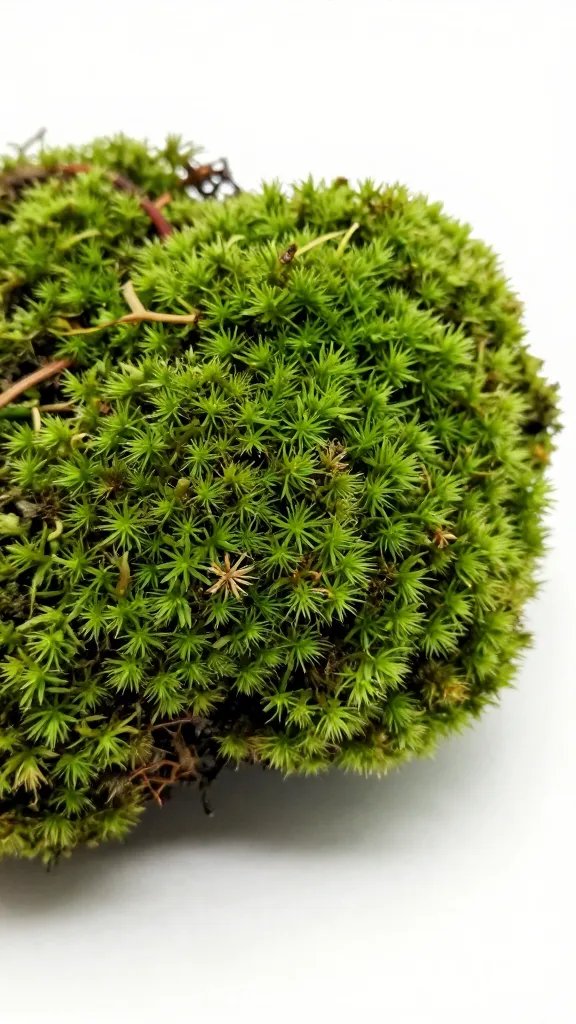
Preserved moss (often labeled reindeer, sheet, or pole moss) is real moss soaked in glycerin and dye to lock in a soft, pliable look. It is not alive. It does not grow, drink, or recover once damaged.
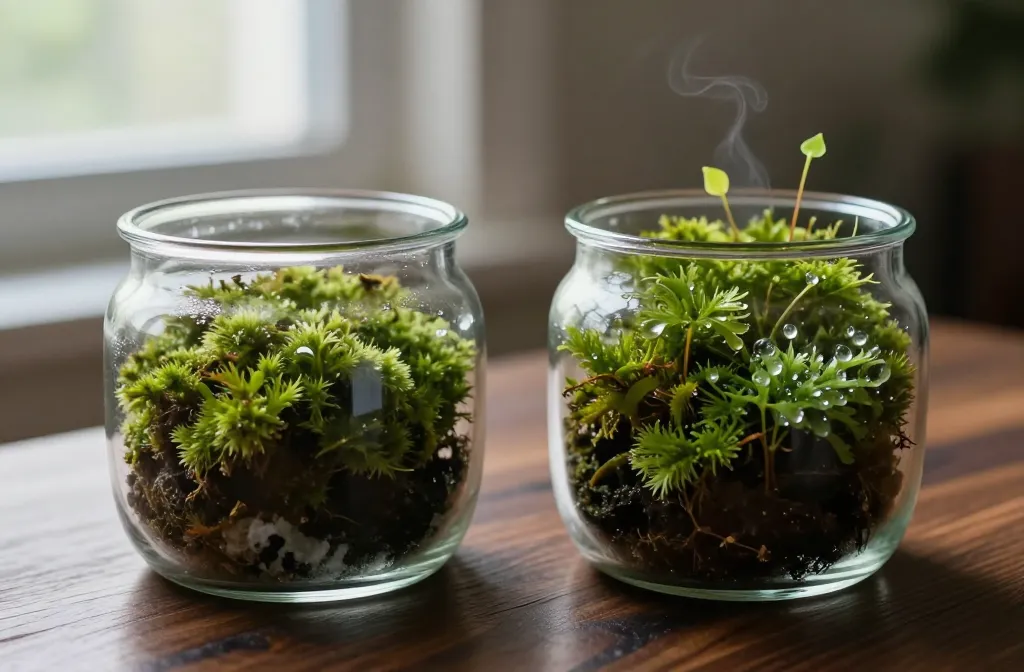
Live moss (like Leucobryum pillow moss, Hypnum sheet moss, or Taxiphyllum Java moss for aquariums) is actively growing plant tissue. It needs moisture, air exchange, and light to photosynthesize and persist.
Takeaway: Decide first if you want growth and self-repair (live moss) or a fixed, decorative surface that never changes (preserved moss).
Humidity Behavior: Why Preserved Moss Hates Closed Lids
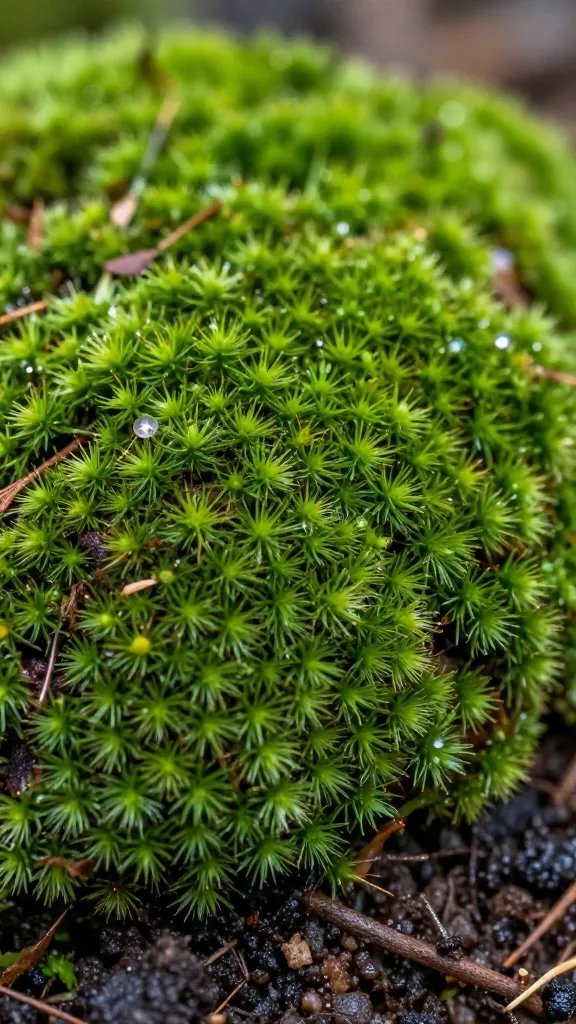
Preserved moss contains glycerin. In a closed terrarium, constant high humidity and warm temperatures leach that glycerin into the substrate. The result is a slightly sticky, nutrient-rich film that feeds mold and algae.
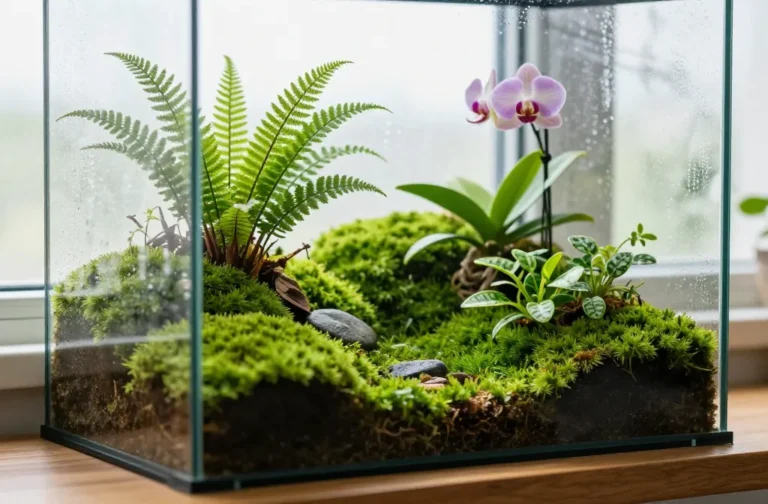
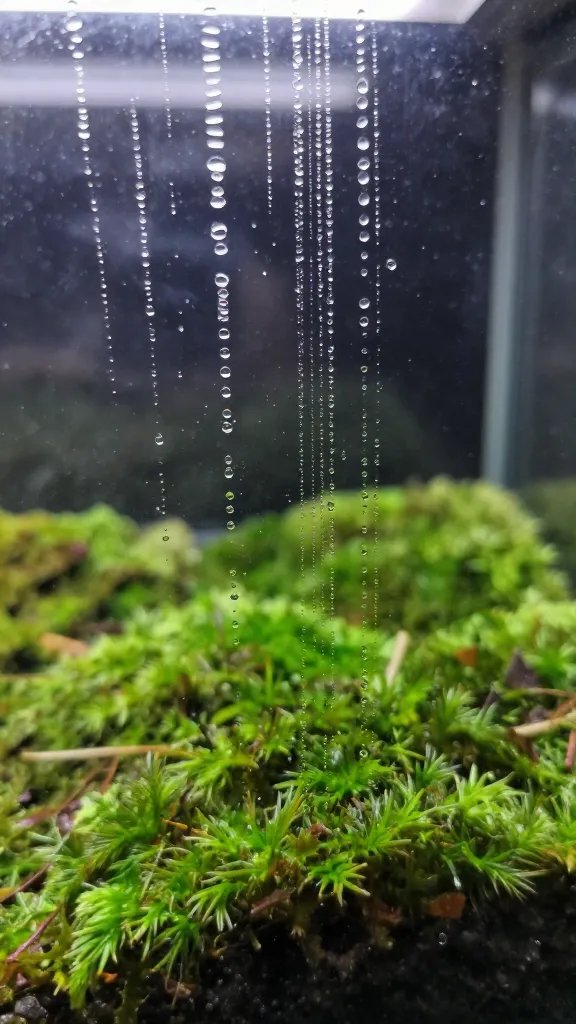
Live moss thrives with steady humidity. In a closed vessel with bright indirect light, it maintains turgor, greens up after misting, and uses the terrarium’s mini water cycle to stay hydrated. Too-wet conditions, however, still drown it by suffocating the rhizoids.
Warning Signs
- Preserved moss: Sour smell, slimy patches, neon-green algae sheen on glass within 2–3 weeks in a sealed jar.
- Live moss: Persistent dripping on glass and soggy substrate, followed by browning from the center — a lack of air, not a lack of water.
Action today: If you have preserved moss in a closed container, crack the lid permanently or move it to an open bowl display.
Longevity: How Long Each Option Actually Looks Good
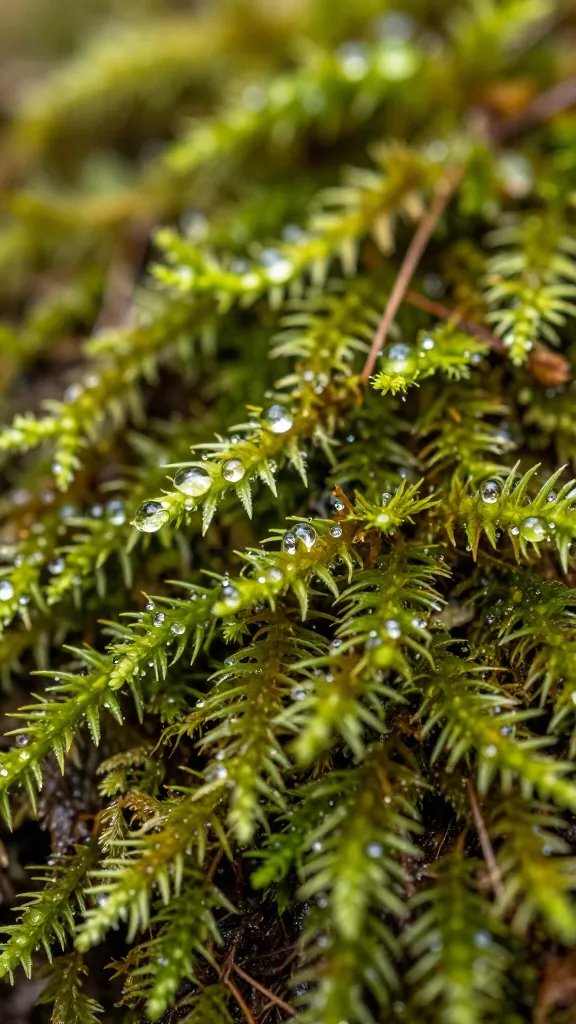
Preserved moss holds its color and texture for 12–24 months in a dry, open arrangement out of direct sun. In high humidity or with frequent misting, color fades and clumping appears within a few months.
Live moss stays attractive for years in a closed terrarium if you give it bright, indirect light and avoid waterlogging. It repairs small damages and spreads slowly over wood and rocks. In an open dish, it usually dries and declines unless you mist daily and keep it shaded.
Takeaway: Use preserved moss for long-lasting, low-care decor in open air; use live moss for long-term, self-sustaining growth in closed or very humid displays.
Failure Modes: The Predictable Ways Each One Goes Wrong
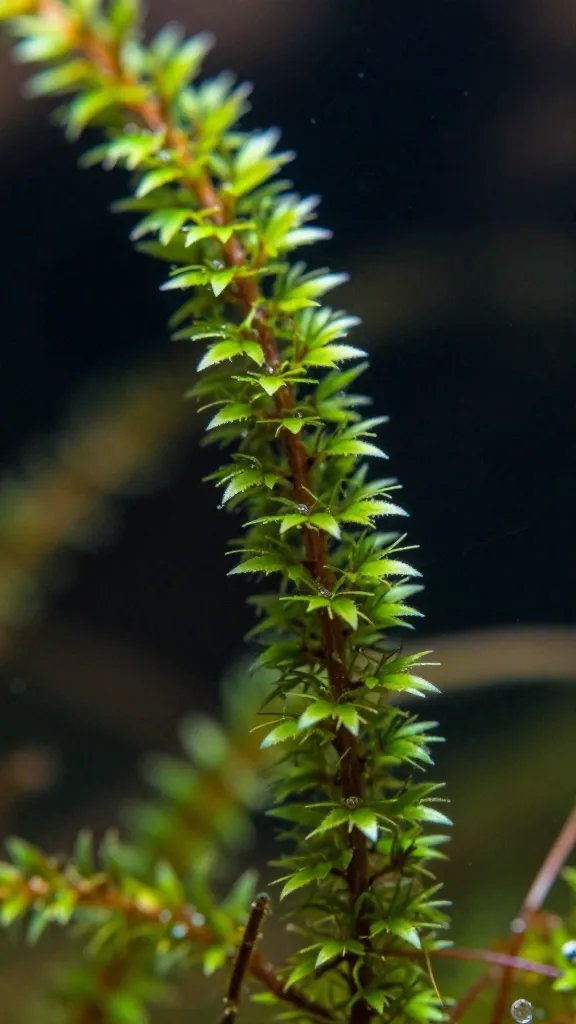
Preserved moss failures in closed jars look like gray fuzz, white threads, or orange slime across the surface within 2–6 weeks. The culprit is glycerin plus stagnant moisture. Cleaning doesn’t fix the source, so the bloom returns.
Live moss failures usually come from one of three errors: too little light (it thins and yellows), compacted or flooded substrate (it browns and peels away), or tap water with heavy chlorine/chloramine (it crisps and stalls). All three are fixable if you catch them early.
Step-by-Step Fix: Live Moss Turning Brown
- Open the lid for 24 hours to vent excess moisture.
- Tilt the vessel and wick out water with a paper towel until the substrate feels like a wrung-out sponge.
- Move it near a bright window with no hot midday sun — think bright shade.
- Mist with filtered or left-out overnight tap water 1–2 times weekly until you see fresh green tips.
Action today: Identify your current failure mode and take one targeted step — vent, wick, brighten, or switch water source.
Light and Placement: Simple Rules That Prevent 80% of Issues
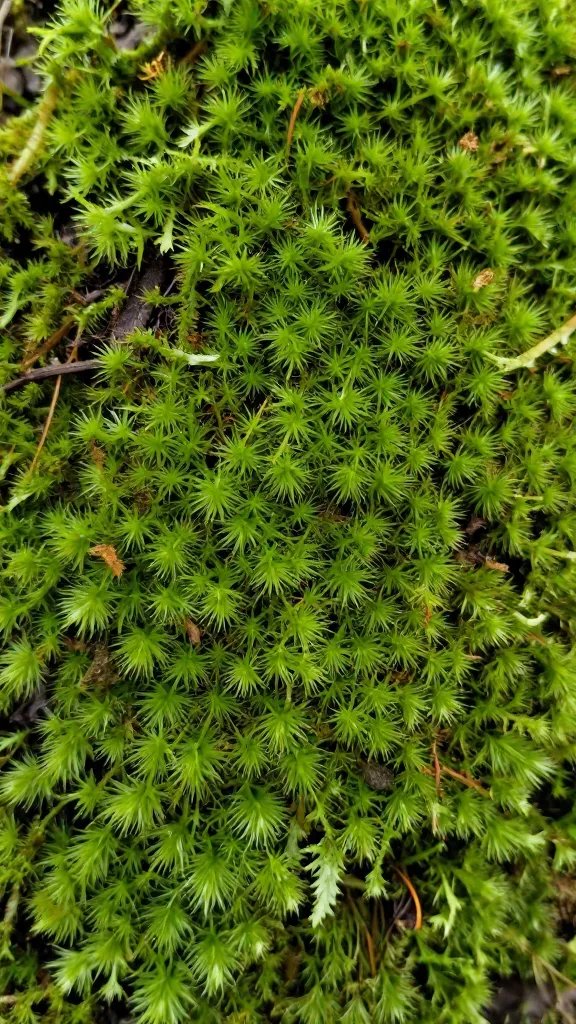
Preserved moss dislikes baking sun because dye fades and the material becomes brittle. Keep it indoors, away from heaters, and dust it gently with a soft brush.
Live moss needs bright indirect light. I place closed terrariums one step back from an east or north window, or 3–5 feet from a bright south window where direct rays don’t hit the glass. Too dark, and you’ll grow mold rather than moss.
Action today: Stand where your terrarium sits at midday — if you can comfortably read a book without turning on a lamp, the light is right for live moss.
Watering and Substrate: Keep It Simple and Breathable
Do not water preserved moss. If dust builds up, use a dry paintbrush. Adding water invites odors and fungal growth.
For live moss in a closed build, I use a bottom layer of rinsed pebbles, a thin mesh or coffee filter, then a 3–5 cm layer of a good-quality potting mix cut with fine orchid bark or perlite for air pockets. I aim for starting moisture like a wrung-out sponge — no free water pooling.
Material Recommendations
- Preserved moss displays: Open glass bowl, dry hardscape (clean driftwood, rocks), no soil, no misting.
- Live moss terrariums: Closed jar with lid, pebble/drainage layer, mesh, airy potting mix, a small spray bottle for controlled misting.
Action today: Squeeze your substrate — if water drips, remove some with a paper towel before adding live moss.
When to Mix Them — And When Not To
You can combine preserved moss with live plants only if you keep the arrangement open and on the dry side. Think of preserved moss as decorative mulch around a potted houseplant in a bowl, not in a sealed environment.
Never mix preserved moss with live moss in a closed terrarium. The preserved material compromises humidity balance and becomes a mold magnet that eventually spreads to the live portion.
Takeaway: Use preserved moss in dry, open decor; keep it out of any sealed or constantly damp setup.
Frequently Asked Questions
Can I revive preserved moss by soaking it?
No. Preserved moss has had its internal water replaced with glycerin and dye. Soaking only makes it soggy and accelerates mold if you put it in a container. If it feels stiff, gently fluff it by hand and keep it dry in an open display.
How often should I mist live moss in a closed terrarium?
In a properly sealed terrarium, you usually don’t mist for weeks at a time. Check midday condensation: you want a light film on 10–30% of the glass. If it’s bone dry for several days, mist 3–5 sprays, then wait 24 hours and reassess rather than pouring water.
My live moss turned brown after I put it near a sunny window. Is it dead?
Not necessarily. Direct sun overheats the glass and cooks the moss. Move it to bright shade, vent for a day, and resume with gentle misting using filtered or rested tap water. Look for new green tips within 2–3 weeks before making changes.
Is aquarium “Java moss” suitable for closed terrariums?
Java moss is an aquatic species that prefers constant submersion. It survives poorly in sealed air and tends to rot or mold. Choose terrestrial species like pillow or sheet moss from reputable terrarium suppliers for long-term success.
Why does my preserved moss smell musty after a month?
Moisture is trapped somewhere — often from misting, a humid room, or a semi-closed container. Spread the moss out on newspaper to dry for 24 hours, clean the vessel, and rebuild as an open, dry arrangement. Keep it away from bathrooms and kitchen steam.
Conclusion
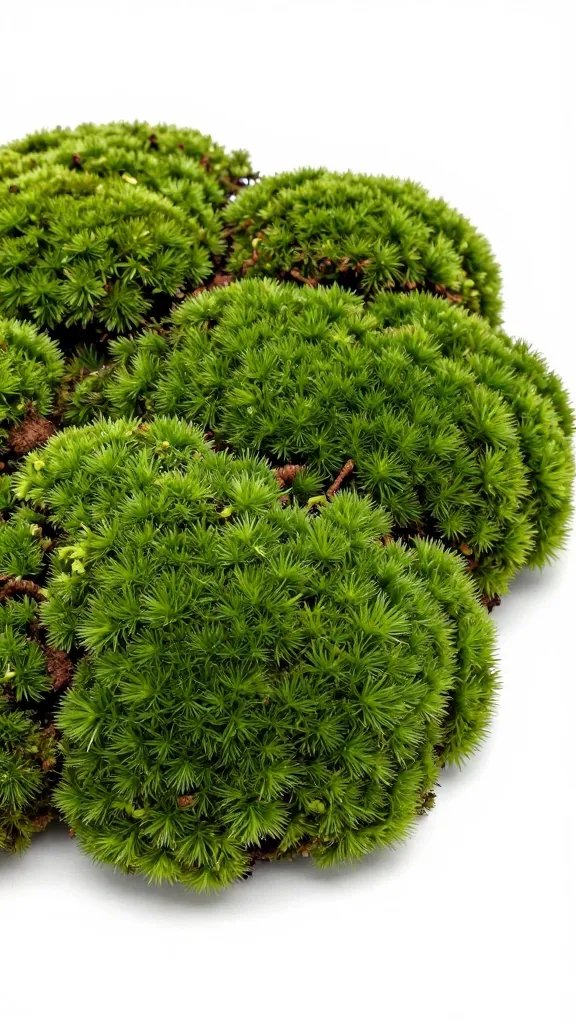
You now know the practical dividing line: preserved moss is décor for dry, open air; live moss is a living carpet for humid, mostly closed worlds. Pick the right tool for the job, place it in the right light, and set moisture once instead of chasing problems later. If you’re ready to build, start with a small closed jar and live sheet moss — it will teach you more about humidity balance in a week than any instruction manual.