Thai Basil: Why This “Sun King” Outlasts Italian Genovese Every Time.
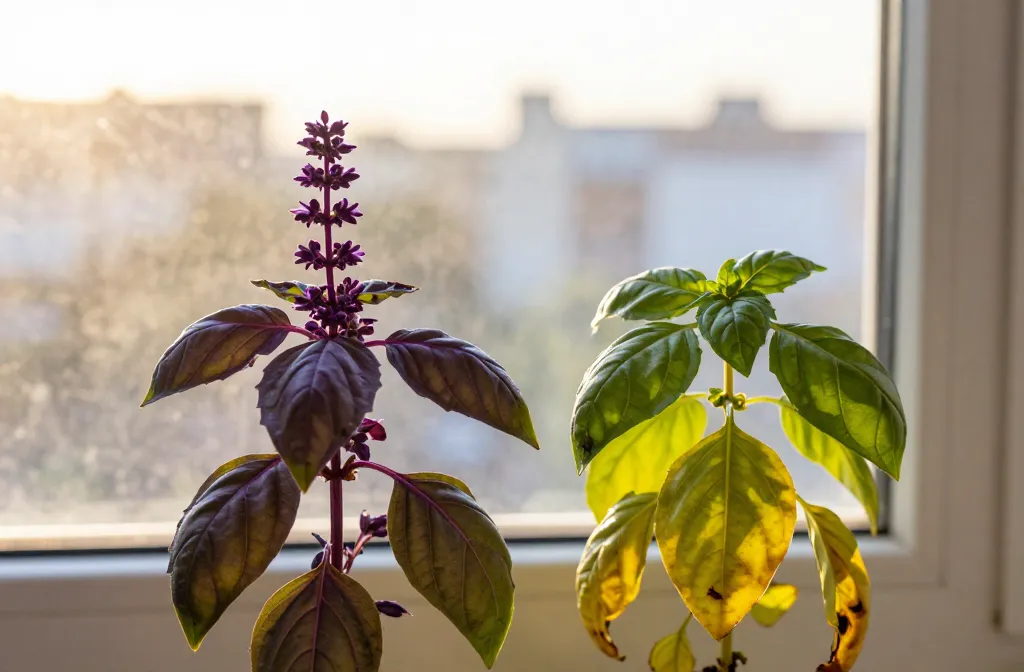
I’ve grown both basils on the same sunny windowsill, in the same pots, with the same tap water. The Thai basil kept pumping out glossy leaves through hot spells and neglect, while my Italian Genovese sulked, yellowed, and bolted. If you’ve lost basil mid-summer or after a weekend away, this guide shows you why Thai basil survives and how to set it up for effortless harvests. By the end, you’ll know exactly how to grow Thai basil that tastes bright and anise-sweet for months longer than Genovese.
Heat, Sun, And Stress: Why Thai Basil Keeps Its Cool
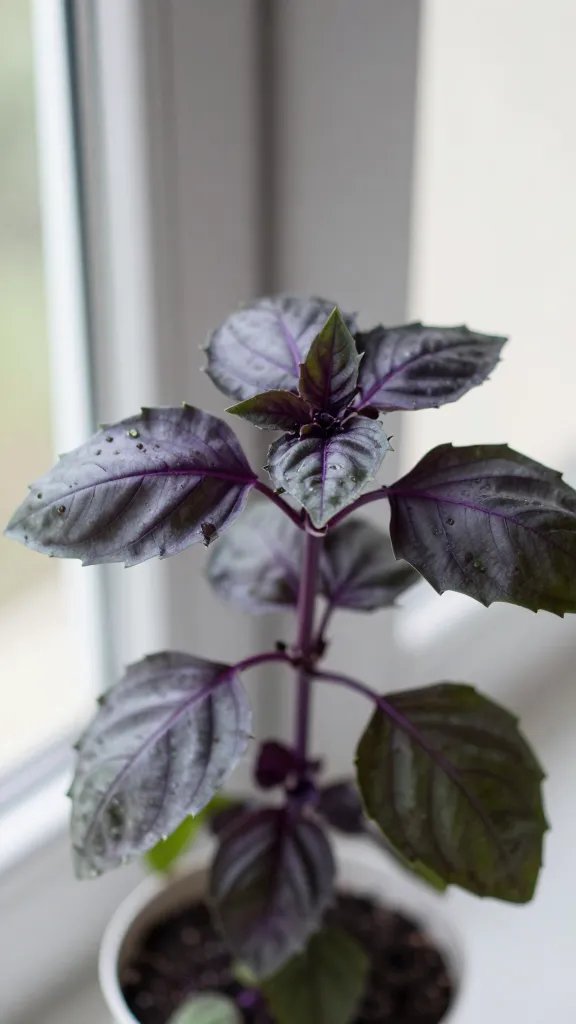
Thai basil evolved for heat and strong sun. It keeps sturdy, purple-tinged stems and narrower, firmer leaves that don’t wilt at the first hot breeze. Genovese’s wide, tender leaves over-transpire and droop when a window turns into a solar oven.
Thai basil also tolerates brief underwatering. Its leaves stay turgid longer, and recovery after a dry spell takes hours, not days. Genovese collapses and develops brown edges that never heal cleanly.
Action today: Move your Thai basil to the brightest window you have — ideally a south or west exposure — and give it a quarter turn every two days so stems grow sturdy and upright.
Bolting Behavior: Why Flower Spikes Don’t End The Harvest
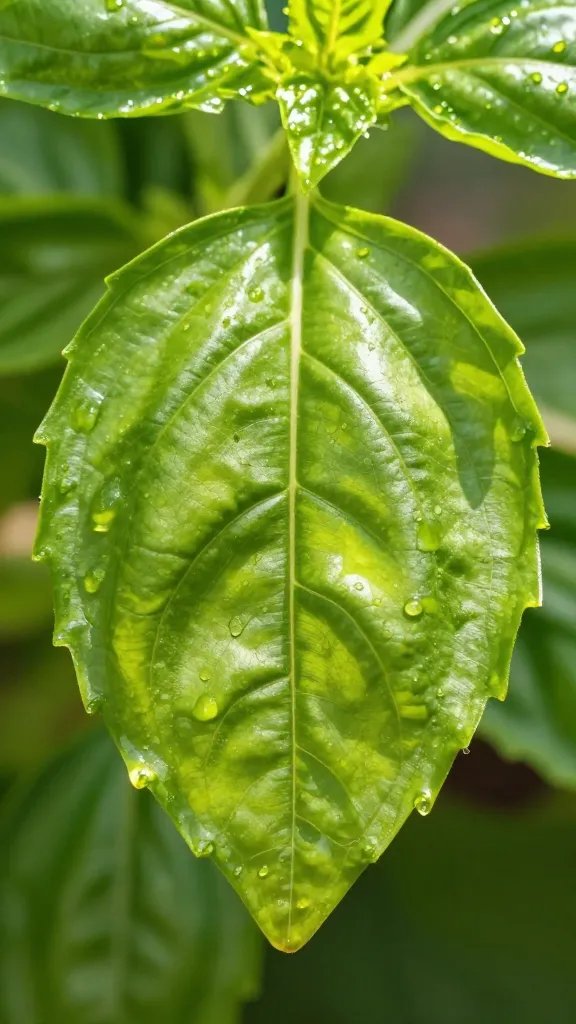
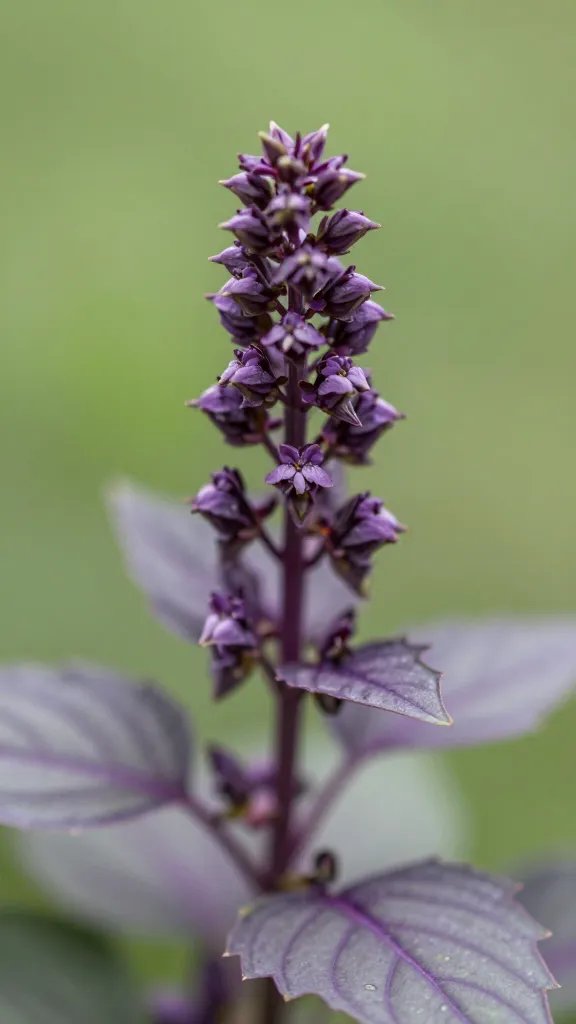
Genovese shifts from leaves to flowers quickly under heat or long days, and once it bolts, leaf flavor dives to bitter. Thai basil forms compact flower spikes but keeps leaf production and usable flavor far longer, even after budding.
Pinching Thai basil is forgiving. You can nip off the top two sets of leaves the moment you see a bud, and the plant rebounds with dense side shoots. Do the same on Genovese and it often sulks or races to re-bolt.
Step-By-Step Pinch Routine
- Once a week, scan for any flower spikes or tight clusters at the tips.
- Pinch the top 8–10 cm, just above a pair of leaves, using clean fingers or scissors.
- Harvest side shoots when they reach 10–12 cm to keep light reaching inner leaves.
Takeaway: Start a weekly pinch — set a phone reminder for the same day each week to prevent flavor loss.
Watering That Matches The Plant, Not The Calendar
Thai basil wants consistent moisture but forgives gaps. Water deeply, then let the top 2–3 cm of soil dry. Genovese demands tighter timing; a missed day in heat often means droop and leaf drop.
Skip meters. Use your finger. If soil feels cool and slightly moist below the knuckle, wait. If it’s dry and crumbly, water until a little drains from the bottom. Empty saucers within 10 minutes to avoid root rot.
Warning Signs And Fixes
- Dull, slightly droopy leaves by evening, perked by morning: Normal heat response. Water next morning if top 2–3 cm feel dry.
- Crisp edges and pale leaves: You’re under-watering. Give a thorough soak and mulch the soil surface with 0.5–1 cm of fine bark or coco chips.
- Yellow lower leaves with wet soil: Over-watering. Let it dry to the second knuckle before watering again.
Action today: Press a finger into the potting mix to the first knuckle — decide to water based on feel, not the date.
Pot, Mix, And Light: The Simple Setup That Lasts A Season
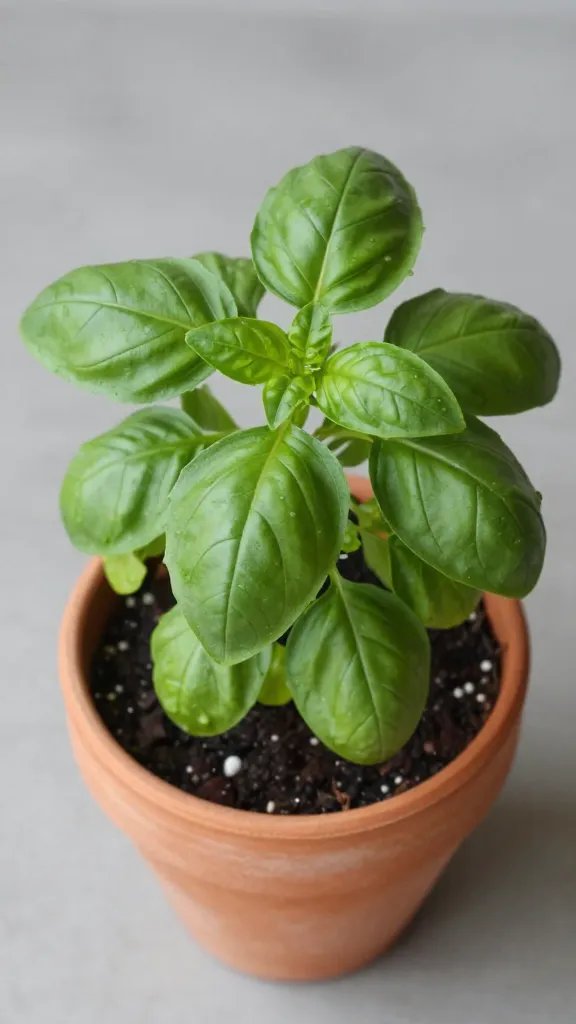
Use a 15–20 cm wide pot with at least one drainage hole. A pot this size supports a single strong Thai basil for steady harvests without drying out every afternoon.
Fill with a good quality potting mix from the garden centre. Blend in a couple of handfuls of compost if you have it. Avoid garden soil — it compacts and suffocates roots in containers.
Place in bright indirect light near a window or direct sun for 4–6 hours. Thai basil handles more direct sun than Genovese without leaf scorch, especially behind glass.
Takeaway: Repot store-bought Thai basil into a 15–20 cm pot with fresh potting mix and put it in your sunniest window today.
Feeding For Flavor Without Fuzz
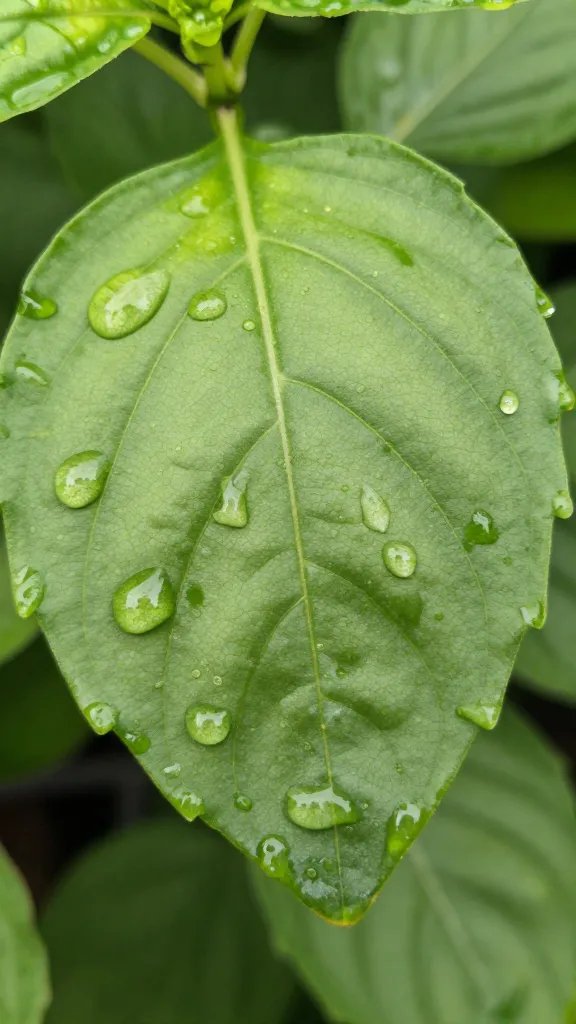
Thai basil needs steady, gentle nutrition. I use a balanced liquid fertilizer labeled for herbs or vegetables at half strength every 10–14 days during active growth. Genovese often grows soft and floppy with the same feeding; Thai basil holds structure.
Skip high-nitrogen lawn foods. They push fast, bland growth and invite aphids. If leaves lighten between veins, feed once, then again a week later to restore color.
Action today: Mix a half-strength liquid feed in your watering can and label the bottle “basil — half rate” so you don’t overdo it next time.
Pest Resistance And Easy Prevention
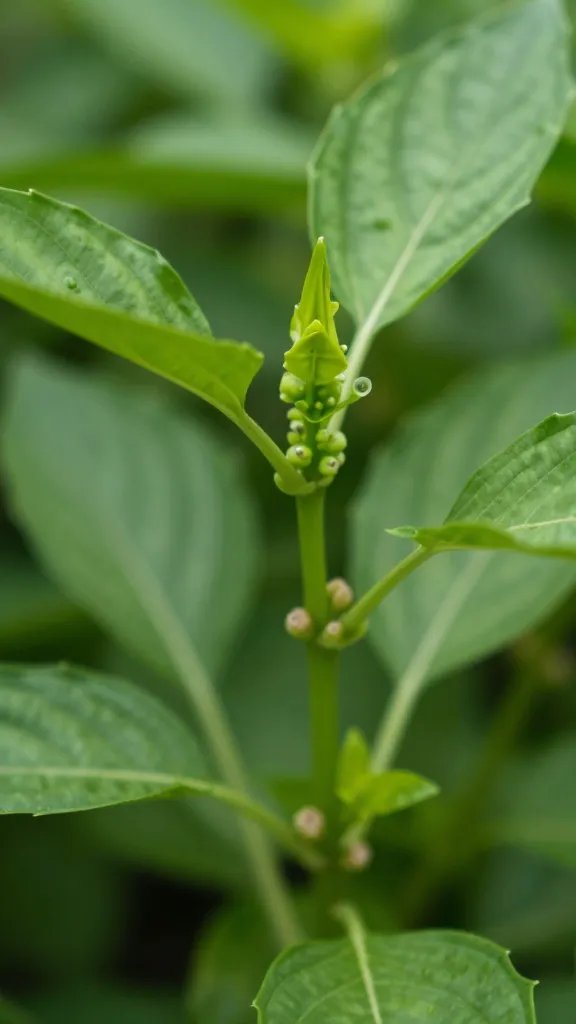
Thai basil’s firmer leaves and aromatic oils deter pests better than Genovese. When aphids or spider mites arrive, Thai basil shows fewer colonies and bounces back faster after a rinse.
Prevention beats spraying. Give leaves a lukewarm shower in the sink every two weeks. If pests appear, use a ready-to-use insecticidal soap from the garden centre, coating leaf undersides, and repeat in 5–7 days.
Takeaway: Put a recurring note to rinse foliage in the sink every second Sunday — it keeps pests from settling.
Harvest Habits That Keep It Productive For Months
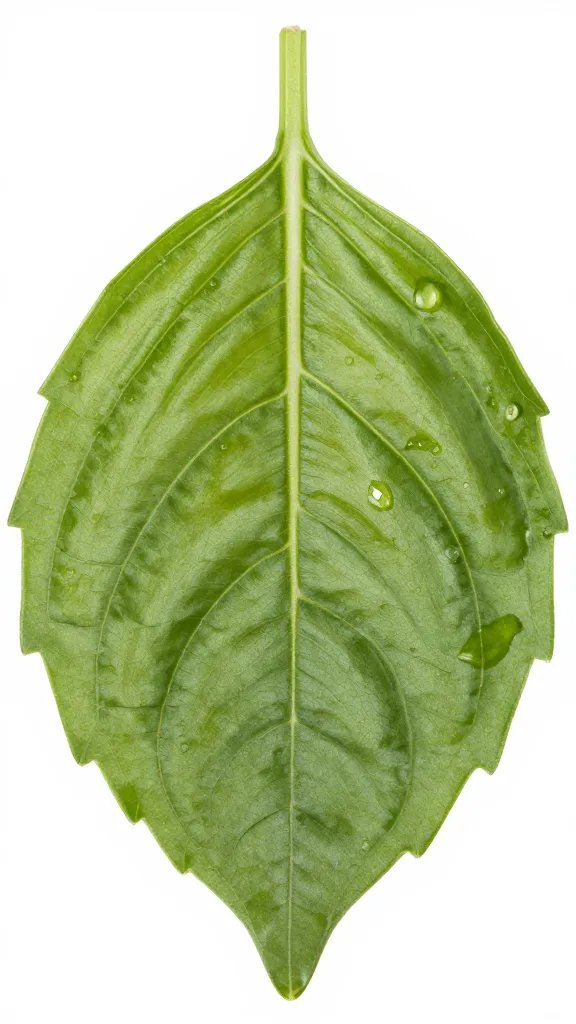
Thai basil thrives on frequent picking. I take 1–2 small handfuls per plant per week, always from the tips, never stripping a single stem bare. Leaving at least two pairs of leaves below each cut keeps energy flowing.
If a stem turns woody near the base, cut it back to just above a leafy node to restart tender growth. Genovese resents this; Thai basil responds with fresh shoots.
Action today: Harvest your next handful by taking the top 8–10 cm of 3–5 stems rather than plucking single leaves.
Frequently Asked Questions
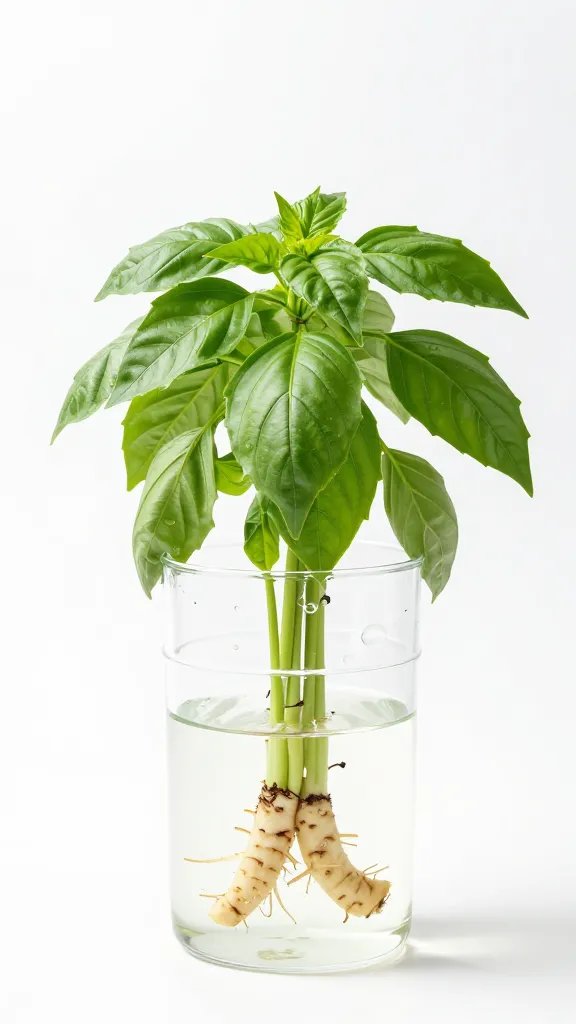
Can I grow Thai basil from a supermarket bunch?
Yes, if the stems are fresh and still green at the base. Strip lower leaves, place the bottom 5–7 cm in a glass of clean water, and change the water every other day. Roots appear in 7–12 days on healthy stems. Pot them up once roots reach 2–3 cm and keep evenly moist for the first week.
How many Thai basil plants do I need for weekly cooking?
For a household that cooks with basil twice a week, I grow two plants in separate 15–20 cm pots. That spacing lets me rotate harvests so each plant has a week to rebound. If you cook large batches of curry or pho, add a third plant to avoid stripping any one down.
Why are my Thai basil leaves smaller than Genovese?
Thai basil naturally has narrower, firmer leaves. In strong light and regular feeding, leaves still reach a comfortable size for garnishes and sautés. If leaves stay tiny and pale, increase sun exposure by moving closer to the window and feed at half strength every 10–14 days.
What temperature is too cold for Thai basil indoors?
Anything below 12°C (54°F) stalls growth, and repeated chills cause leaf drop. Keep it away from winter drafts and night-chilled windows; a simple fix is to move the pot 20–30 cm back from cold glass at night. If your window sweats with condensation, use a saucer or small trivet to keep the pot off the cold sill.
How long will a Thai basil plant last?
Expect 4–6 months of good harvests indoors from a spring start. You can extend that by taking tip cuttings in mid-season and rooting fresh plants in water, then swapping them into the main pot. Genovese fades fast after bolting; Thai basil stays on-duty much longer with regular pinching.
Can I grow Thai and Genovese in the same pot?
You can, but Thai basil will usually outcompete Genovese for light as it stays stockier and bushier. If you try, use a 25–30 cm pot and plant them on opposite sides. Harvest Genovese more often to keep it from shading out, and rotate the pot every two days for even light.
Conclusion
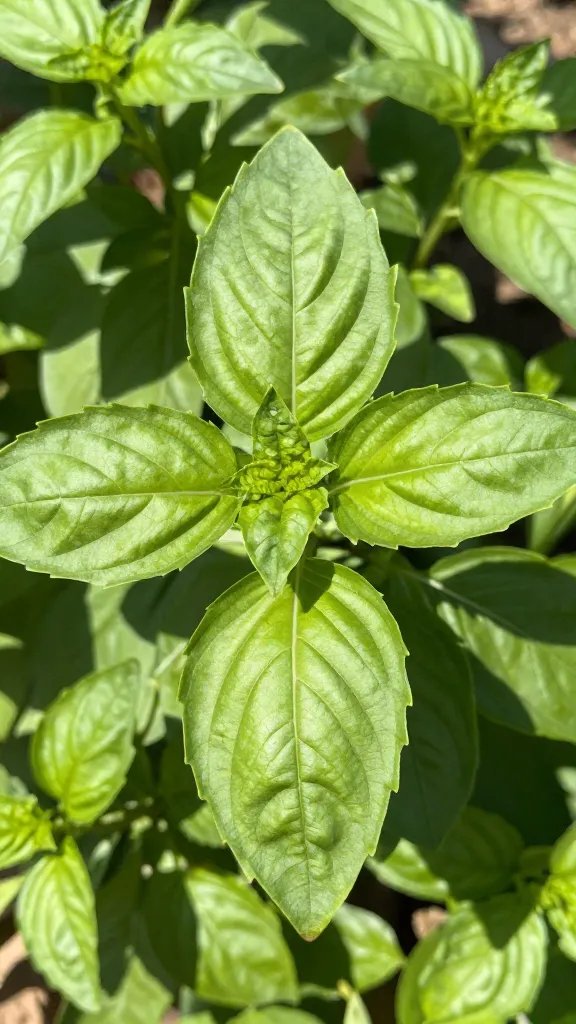
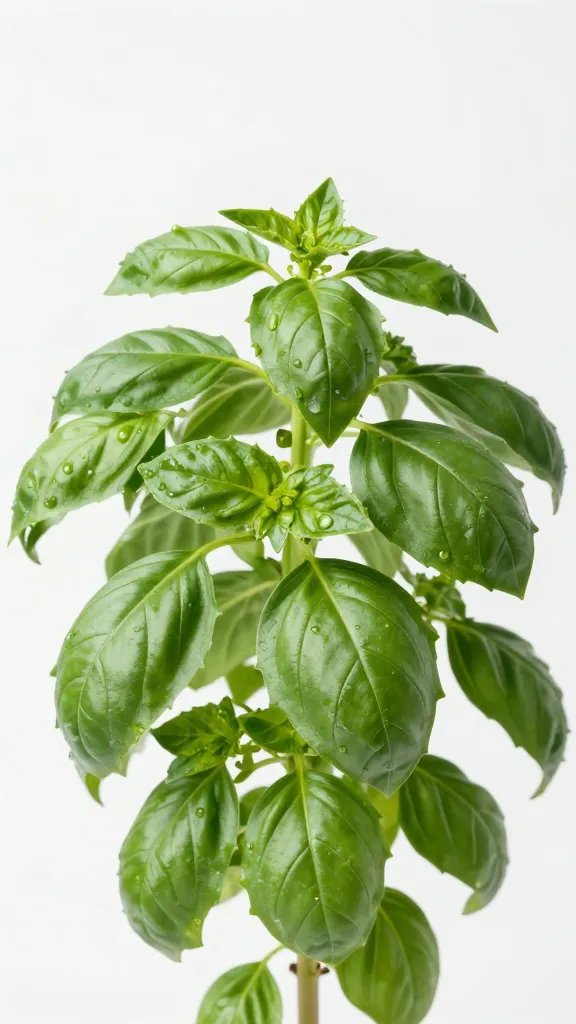
Thai basil earns the “Sun King” nickname because it handles heat, stress, and frequent harvests without the drama Genovese brings. Set up one plant in a 15–20 cm pot by a sunny window, pinch weekly, and water by feel — that’s your reliable, months-long supply. If you’re ready to level up, root two backup cuttings this week so you can keep a fresh plant rolling in every few months.