Yardlong Beans: Using 2-Meter Beans to Create a “Living Curtain” for Shade. Fast Shade Hack
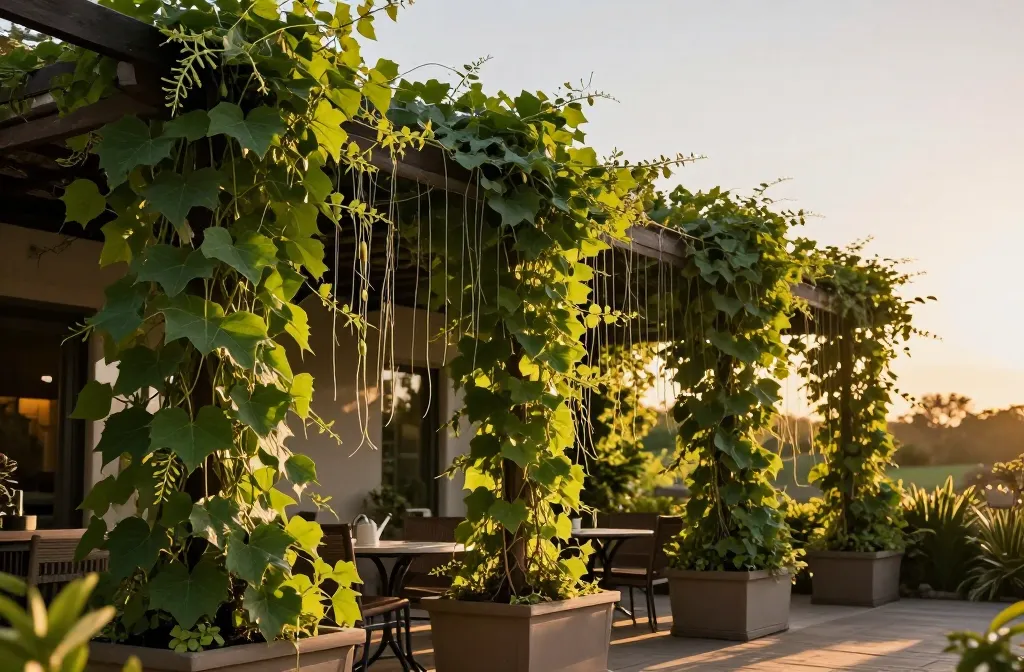
I strung my first “bean curtain” across a blazing west-facing patio because fabric shades kept snapping in summer winds. By mid-July, the vines had climbed past my second-story window and dropped the room temperature several degrees by late afternoon. If you want fast shade and fresh vegetables from the same square meter, yardlong beans deliver. I’ll show you exactly how to plan, build, and keep a reliable living curtain using common tools and garden-centre supplies.
Why Yardlong Beans Make Better Shade Than Fabric On Hot Afternoons
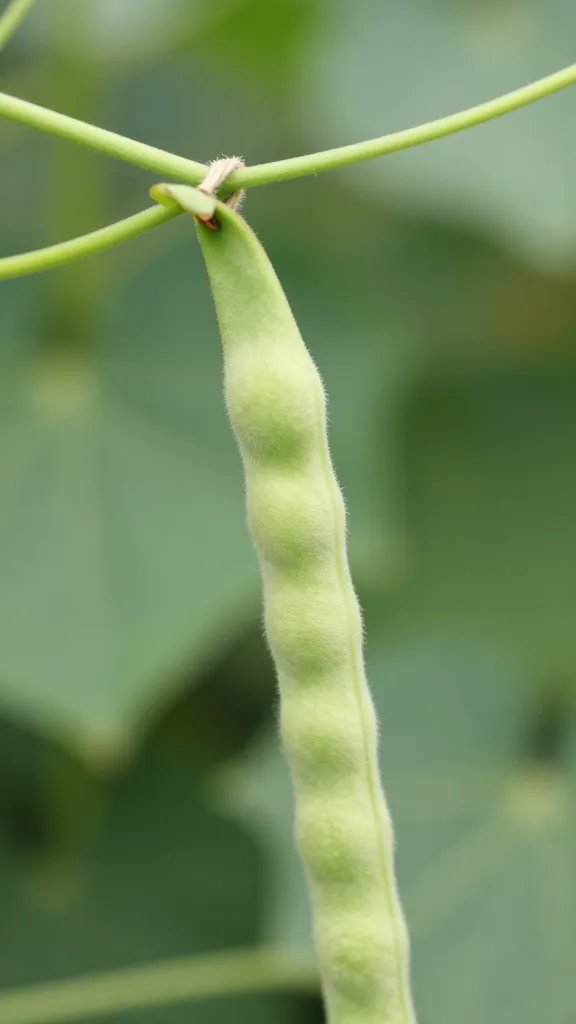
Yardlong beans (Vigna unguiculata subsp. sesquipedalis) grow 2–3 meters in a single season, gripping twine and wire with slender tendrils. They self-cool through transpiration, so air passing through the foliage feels less harsh than through a tarp.
Unlike heavy annual climbers like squash, yardlong beans are light, so cheap trellis lines don’t sag. They also stay productive through heat that wilts peas and runner beans.
Takeaway: If your space bakes from midday to evening, choose yardlong beans for fast, light, heat-tolerant shade that also feeds you.
Site, Sun, And Wind: The Three Checks Before You Plant
Pick a spot that gets at least 6–8 hours of sun, ideally blasting afternoon light you want to block. Aim the curtain on the west or northwest side for the strongest payoff.
Stand where you’ll sit and look up: you need a top anchor 2–2.5 m high — a pergola beam, balcony rail, gutter board, or a taut wire between two fence posts. If wind snarls through your corridor, leave 10–20 cm gaps between vine lanes so air can pass without turning the curtain into a sail.
Action today: At the hour your space feels hottest, note where the sun hits and mark a 2–3 m line for your future top anchor with chalk or masking tape.
Build A Reliable Trellis With Hardware-Store Parts
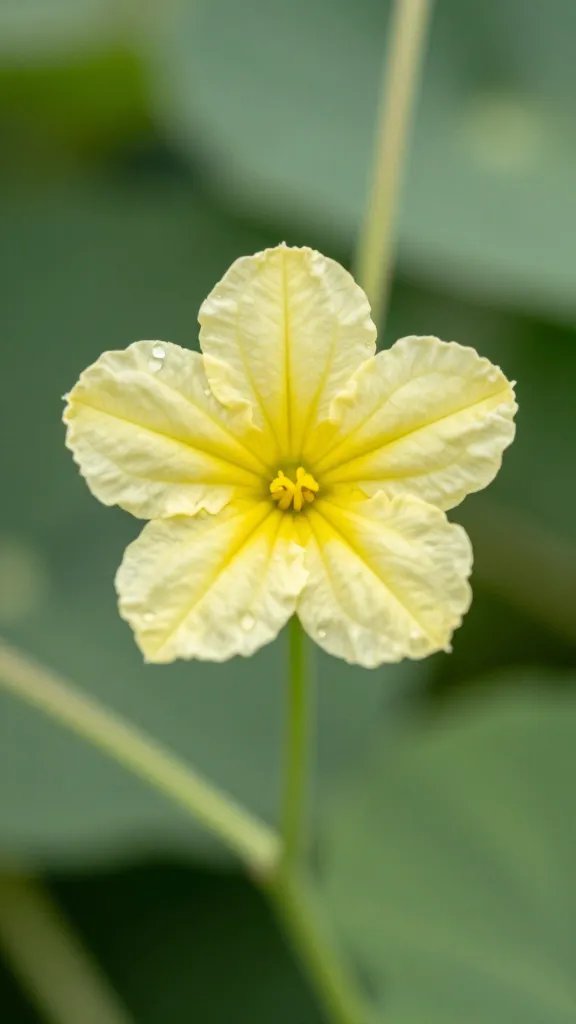
You don’t need fancy kits. Use what holds tension safely and won’t rust out in one season.
- Top anchor: Screw two cup hooks or eye screws into wood every 40–50 cm, or stretch a galvanized clothesline wire between two posts.
- Vertical lines: Hang biodegradable jute twine or weatherproof poly garden twine down to pots or a ground bed. Space lines 15–20 cm apart for a dense but breathable curtain.
- Bottom anchors: Tie twine to landscape staples in soil, or to bricks placed in pots. Keep each line taut enough that it doesn’t flap.
- Safety: Keep lines at least a palm’s width away from windows and gutters to avoid scraping in wind.
Takeaway: String 5–10 vertical twines at 15–20 cm spacing today — that layout determines how quickly your shade fills in.
Containers, Soil, And Spacing That Push Vertical Growth

Beans climb best when roots have steady moisture and nutrients without waterlogging. Use a good quality potting mix from the garden centre, not garden soil.
For containers, use 20–30 L planters at least 30 cm deep. Plant 2 vines per pot, or 1 vine every 15–20 cm in a soil bed. Mix in a few handfuls of compost or slow-release organic fertilizer labeled for vegetables at planting.
Water until liquid runs from the drainage holes, then water again when the top 2–3 cm of mix feels dry. In heat waves, expect daily watering; otherwise every 2–4 days works.
Action today: Fill your chosen pot with potting mix, water thoroughly, and set it directly under a twine to mark planting spots.
Seed Varieties And Planting For Fast Coverage
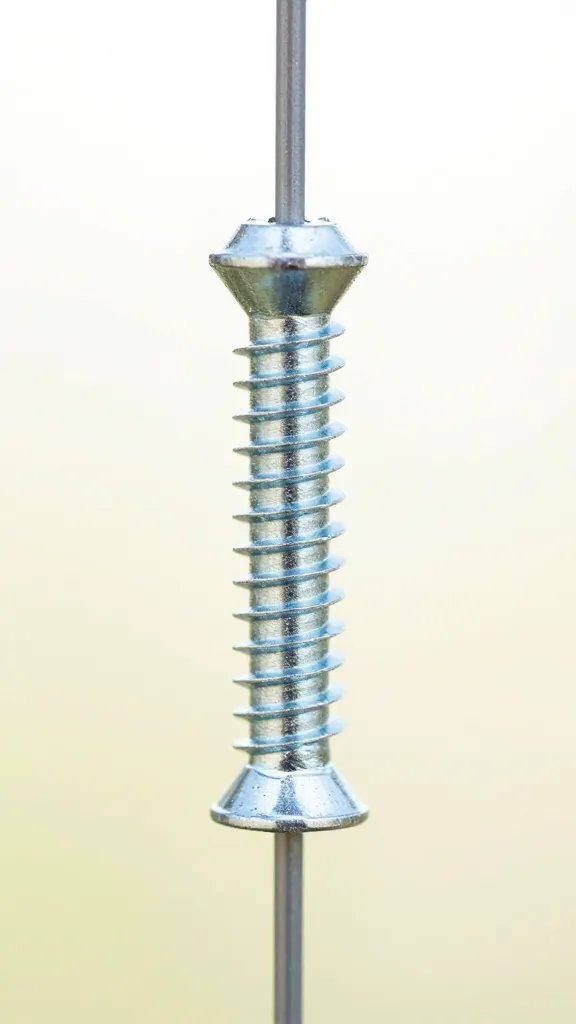
Choose heat-ready, vigorous types like ‘Red Noodle’, ‘Orient Wonder’, or ‘Chinese Long’. These pump out 40–60 cm pods and climb fast.
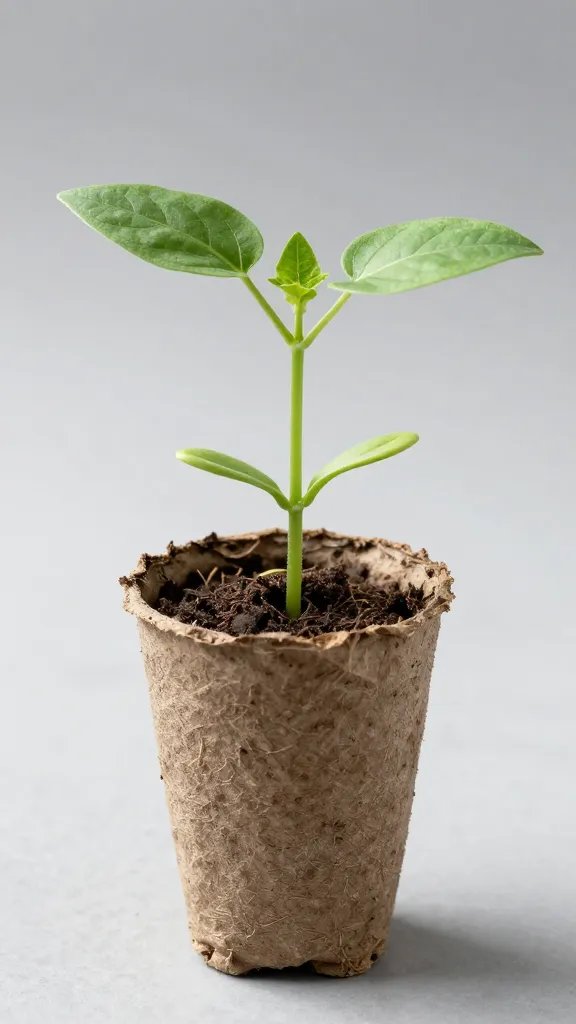
Sow seeds 2–3 cm deep once nights stay above 15°C. If your season is short, start seeds indoors in 9 cm nursery pots two weeks before your last frost, then transplant gently without breaking the root ball.
As vines reach 20–30 cm, train immediately: wrap the tip one turn around the twine. Repeat every few days until tendrils grip on their own.
Action today: Soak seeds in clean water for 4–6 hours, then sow two seeds per station; thin to the strongest seedling after two true leaves appear.
Watering, Feeding, And Pruning For A Dense, Breathable Curtain
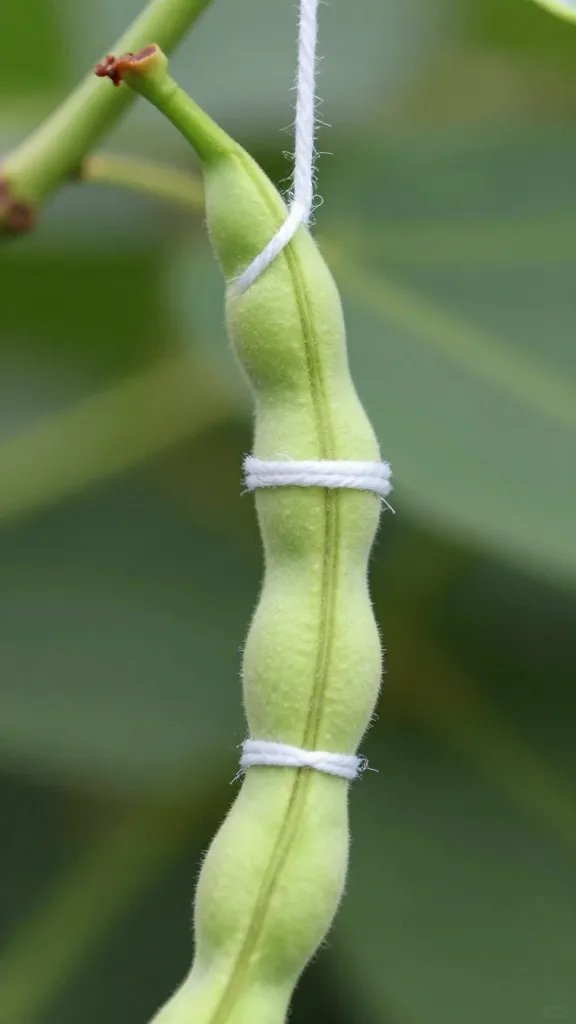
Beans hate swings from bone-dry to swampy. Keep moisture steady: water when the top knuckle of soil feels dry and leaves look matte rather than glossy.
Feed lightly. Too much nitrogen gives leaves with little shade thickness and fewer pods. Use a balanced liquid fertilizer at half-strength every 2–3 weeks once flowering starts.
For density, pinch the vine tip once it reaches your top line to encourage side shoots. If your curtain gets too thick and airless, remove every third side shoot to keep airflow and prevent mildew.
Warning Signs And Quick Fixes
- Yellow lower leaves: Consistent underwatering. Add a mulch layer 2–3 cm thick to pots to slow evaporation.
- Lush leaves, few flowers: Too much nitrogen. Switch to a bloom formula or plain water for two weeks.
- Powdery white film: Poor airflow. Thin the interior shoots and water early in the morning only.
Takeaway: Pinch the main tip the day it reaches the top wire — that single move thickens your shade fast.
Harvesting Without Ruining The Shade
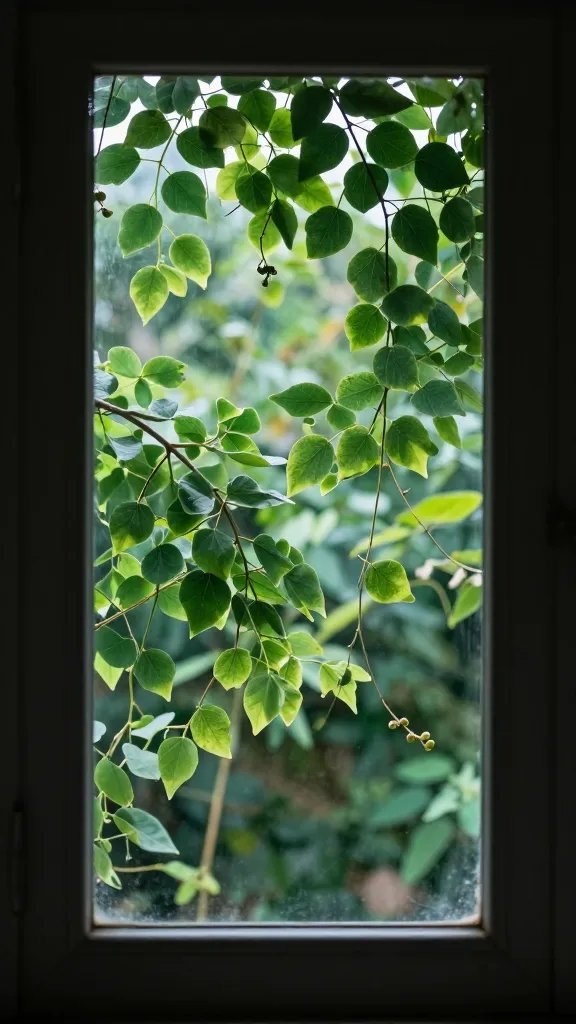
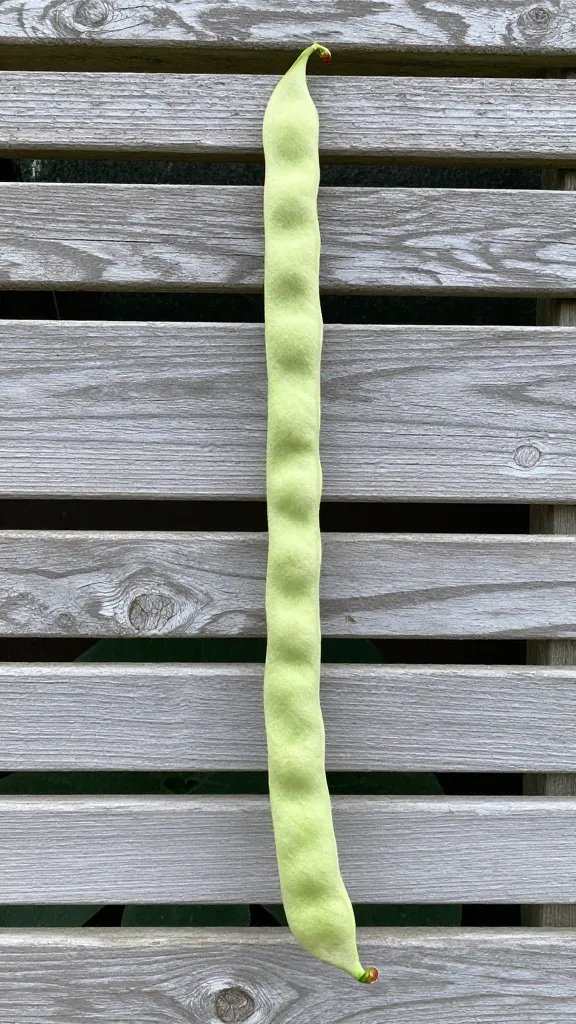
Pick pods when they’re long, slender, and still flexible — usually 30–45 cm, before seeds bulge. Frequent picking tells the plant to keep flowering and leafing, which maintains the curtain.
Use scissors or pruners rather than yanking, which can tear vines off the twine. Harvest every 2–3 days once production starts.
Action today: Keep a pair of clean pruners by the door; a quick daily snip preserves both yield and the curtain’s structure.
Season Extension And End-Of-Season Cleanup
When nights dip below 12°C, growth slows. You can buy 2–3 extra weeks by clipping clear plastic to the top line on cold nights, leaving the bottom open for airflow.
At frost or when vines tire, cut them at the base and compost the tops. Leave roots in the soil to enrich it; they host nitrogen-fixing bacteria that benefit the next crop.
Action today: Add two spring clamps to your shopping list — they make quick work of fastening a temporary cold shield.
Frequently Asked Questions
Can I grow a living curtain in partial shade?
Yes, but expect slower growth and sparser cover. Yardlong beans need at least 6 hours of direct sun for a full, leafy screen. In 4–5 hours, plant more vines at 10–15 cm spacing and prioritize reflective, light-colored walls or paving behind them to improve brightness. Water less frequently in lower light to prevent soggy soil.
Will yardlong beans damage walls, gutters, or railings?
No, the vines are light and cling to the lines you provide, not to surfaces. Keep twine 5–10 cm away from paint and gutters so it doesn’t rub. Use screw-in eye hooks or removable adhesive hooks rated for outdoor use where drilling isn’t an option. Check tension monthly and retie any slack lines.
How many plants do I need for a 2-meter-wide curtain?
Plant 8–12 vines spaced 15–20 cm apart for full coverage in full sun. In containers, that’s 4–6 large pots with two vines each. If your space is very windy, use the lower end of spacing to reduce sail effect and tie an extra cross string halfway up for stability. Start training as soon as vines reach the twines.
What pests should I watch for, and how do I handle them?
Aphids and spider mites show up in hot, dry spells. Blast leaves with a firm water spray in the morning, then apply insecticidal soap to the undersides every 5–7 days until clear. Keep plants evenly watered and avoid over-fertilizing, which attracts sap-suckers. Remove heavily infested shoots and re-train new growth.
Do I need to hand-pollinate for good yields?
No. Yardlong beans self-pollinate easily, and bees help when around. If flowers drop in heat, water early mornings and keep foliage thinned for airflow. You can tap the trellis lightly at midday during bloom to shake pollen onto stigmas as a simple backup.
Can I mix other climbers with yardlong beans for color?
Yes, but choose light companions like scarlet runner bean or black-eyed Susan vine. Avoid heavy cucurbits that strain lines. Plant companions at wider spacing and train them to alternate twines so they don’t strangle the beans. Keep pruning scissors handy to redirect any aggressive shoots.
Conclusion
You can turn a scorching wall or balcony into a cooler, calmer spot with a few hooks, twine, and a packet of yardlong bean seeds. Set your anchor points this week, string the lines, and sow — you’ll see usable shade forming in 4–6 weeks and dinner hanging from it soon after. If you’re ready to refine the setup, your next step is to map afternoon sun angles on a sunny day and place the top wire exactly where that light punches through — then enjoy the difference all summer.