Stop Sabotaging: 5 Balcony Garden Mistakes That Waste Space Before You Plant Anything
I’ve set up more balcony gardens than I can count, and my earliest ones were cramped, awkward, and underperforming. I bought plants first, then tried to cram them into a layout that didn’t respect sun, wind, or my railing. The result was empty corners, fried herbs, and a path you had to tiptoe through. Here’s what I learned the hard way: you can save half your space and most of your plants by fixing five planning mistakes before you buy a single pot.
1. Ignoring Sun And Shade Patterns: Planting Blind Wastes Your Prime Real Estate
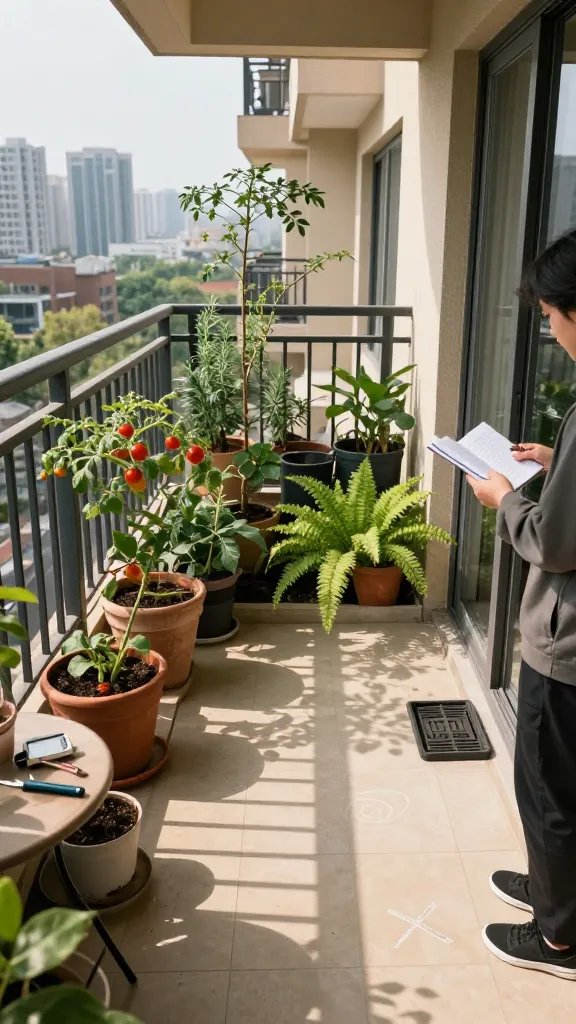
If you don’t map light before you plant, you’ll stick sun-lovers in dim corners and waste your brightest spots on pothos. That sets you up for leggy growth, tiny harvests, and sad planters that never fill out.
How To Read Your Balcony’s Light Without Gadgets
- Do a simple “light walk” three times in one day: 9 a.m., 1 p.m., and 5 p.m.
- At each time, stand where a pot might go and look for hard-edged shadows. Sharp shadows = full sun. Soft or no shadow = partial shade or shade.
- Note reflections from pale walls or glass next door — they add useful bright indirect light.
- Mark the hot zone where the floor heats up — tiles that feel too hot to hold a hand on for 5 seconds will stress tender greens.
Match Plants To Spots You Actually Have
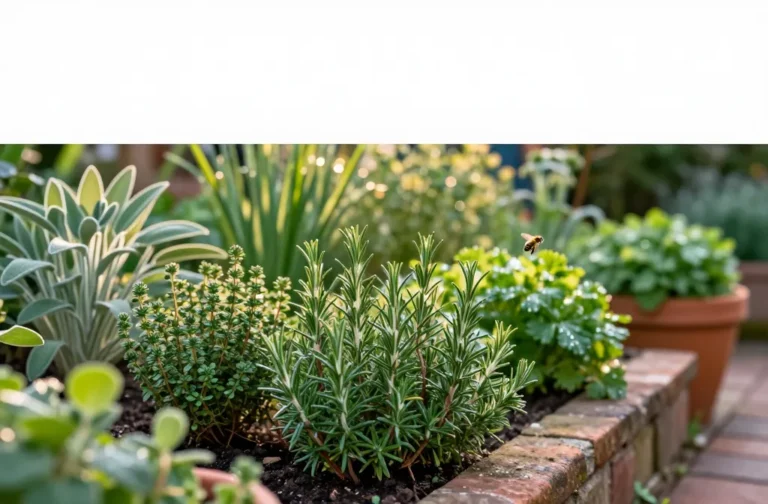
- Full sun (5–7 hours): Tomatoes, peppers, rosemary, thyme, lavender.
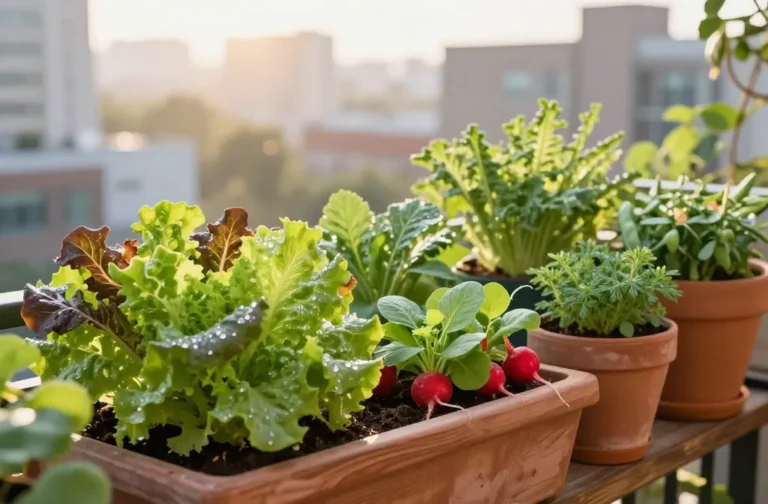
- Bright indirect/light shade: Lettuces, mint (in a pot), parsley, ferns.
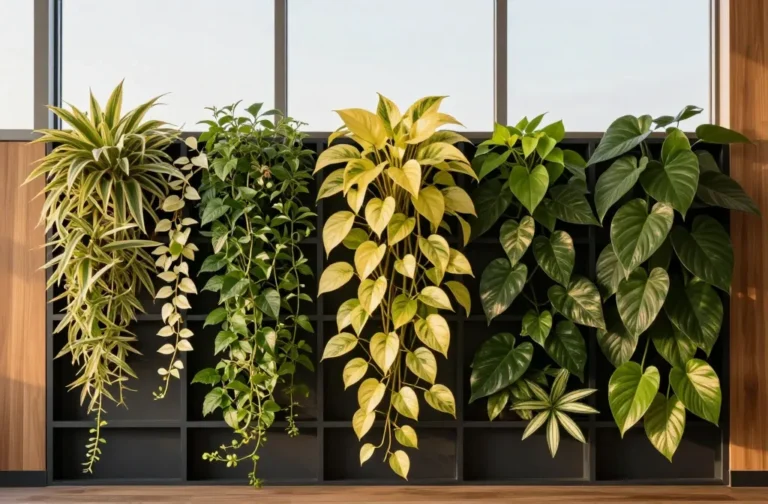
- Shaded corners: Snake plant, pothos, philodendron for green without fruit expectations.
Action today: Print or sketch your balcony and label every usable surface with “Sun,” “Bright,” or “Shade” based on three checks in one day. That single map decides where your best yield goes.
2. Choosing Bulky Pots And Benches: Oversized Hardware Eats Your Walking Space
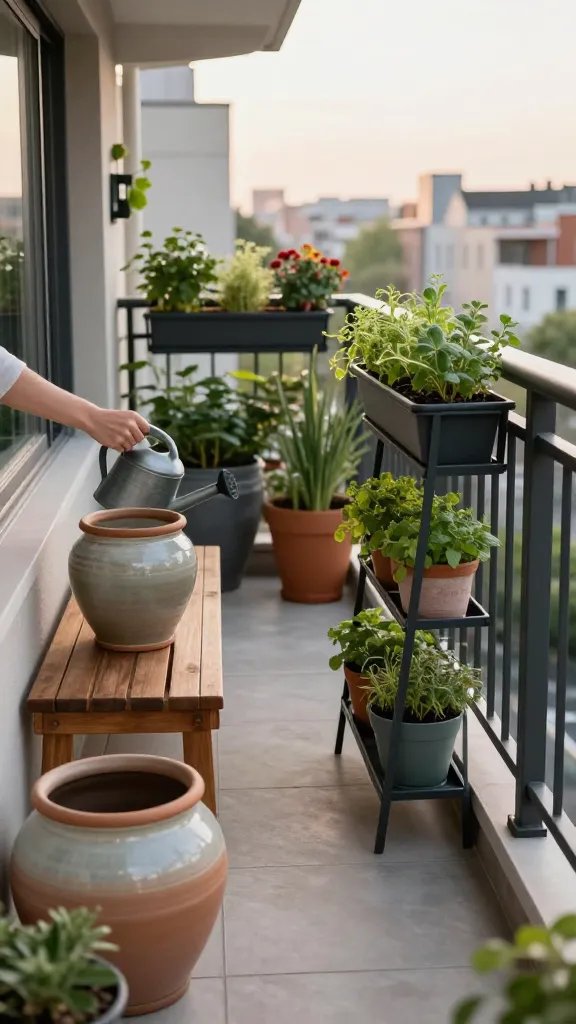
Big ceramic pots and deep benches look premium, but they hog floor area and trap dead zones behind and beneath them. You lose circulation space and end up with a tight lane you can’t water or harvest from comfortably.
What To Use Instead
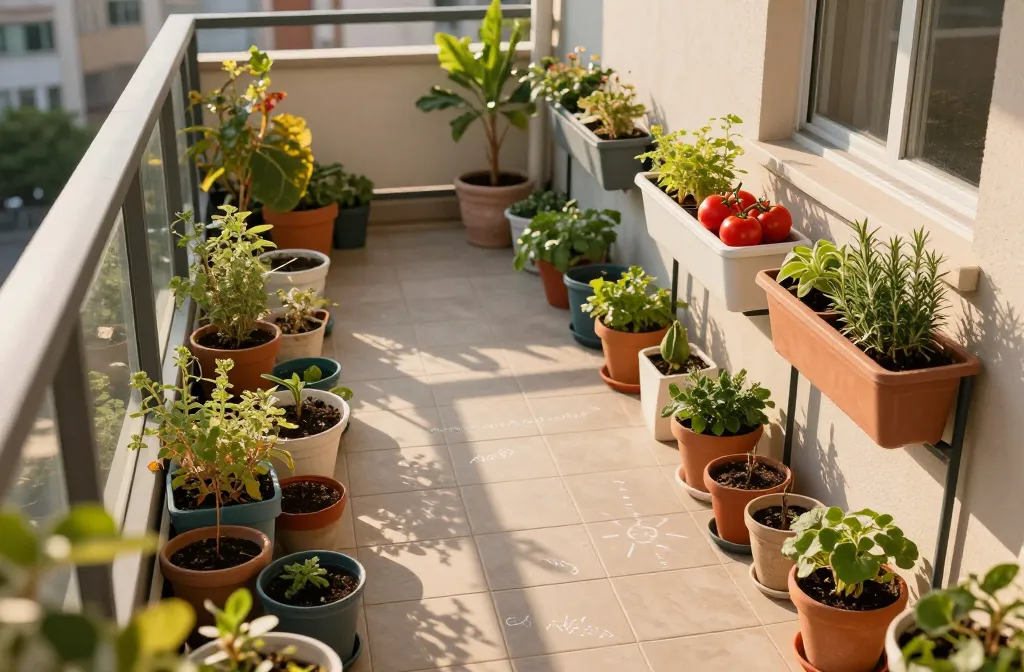
- Go vertical with railing planters, wall-mounted shelves rated for outdoor use, and a simple metal ladder rack. They store plants at eye level and free the floor.
- Choose tall, narrow containers (around 25–30 cm wide, 30–40 cm tall) over squat bowls. They hold roots without blocking paths.
- Modular plastic planters weigh less than glazed ceramic and can stack or clip to rails.
- Skip deep benches. A folding wall table 30–40 cm deep gives potting space, then flips down.
Plants That Love Slim Footprints
- Herbs like thyme, oregano, and chives in 20–25 cm pots.
- Cherry tomatoes and cucumbers in tall planters with a slim trellis behind them.
- Strawberries in tiered or pocket planters hanging on a wall.
Takeaway: Before buying anything heavy, measure your walking lane. Keep one clear path at least 45 cm wide; if a pot narrows it, replace it with a railing or wall-mounted option.
3. Skipping Wind And Heat Protection: Your Balcony Is A Microclimate, Not A Mini Yard
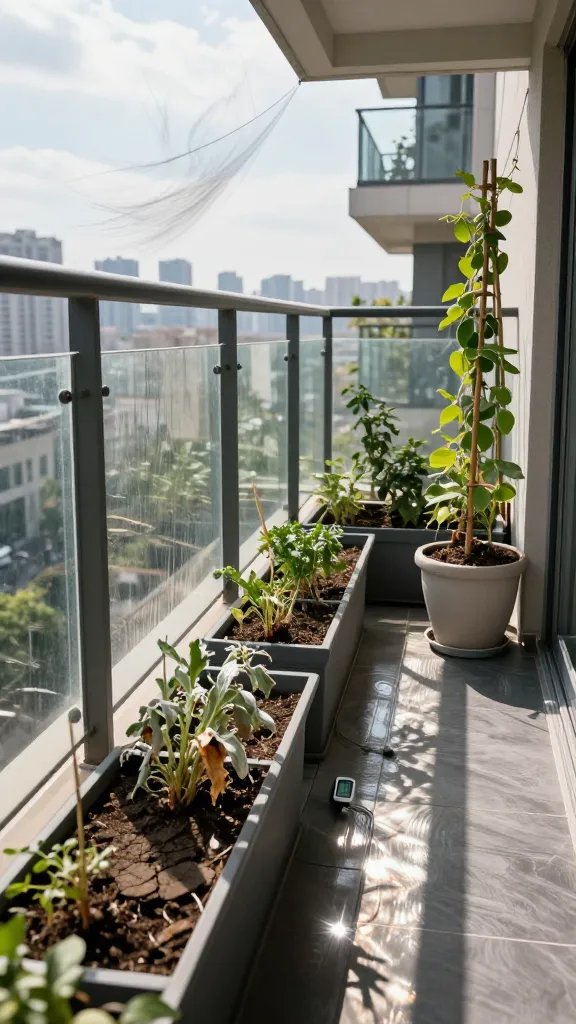
High balconies funnel wind that rips leaves, dries soil in a day, and snaps stems. Dark floors and glass panels bounce heat that cooks shallow planters by mid-afternoon. If you ignore this, you’ll waste money on plants that never settle in.
Signs You Have A Wind/Heat Problem
- Soil dries in under 24 hours even in spring.
- Leaves show crispy edges, silvering, or tear lines.
- Plants lean in one direction and can’t stay upright without ties.
- Pots feel hot to the touch at 2 p.m.
Simple Fixes With Hardware-Store Items
- Create a wind baffle with reed or bamboo screening zip-tied to the inside of the railing. Leave small gaps so air moves but gusts soften.
- Use light-colored saucers and pot sleeves to reflect heat. Slip plastic pots into white or light stone-effect covers.
- Group pots. Tight clusters reduce wind on outer edges and share humidity.
- Mulch with 2–3 cm of bark chips or small pebbles to slow evaporation.
- Pick sturdy varieties for exposed spots: rosemary, thyme, chard, kale, nasturtium, marigold.
Action today: At the windiest rail, zip-tie a 1–2 m length of reed screen to shoulder height. That single barrier can double your watering interval and stop tip-overs.
4. No Access Plan: You Can’t Harvest What You Can’t Reach
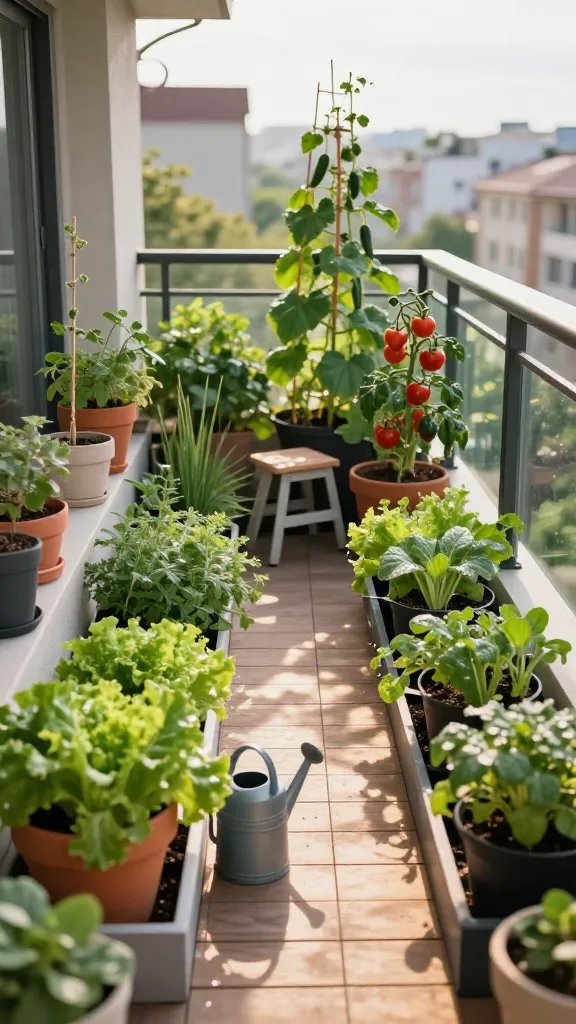
Beginners line every edge with pots and forget how they’ll water or prune the back row. You waste space on plants that become unreachable, so you stop using that area altogether.
Design A “Reach Ring” Around Every Pot
- Keep at least a 20–25 cm hand-width gap around containers you need to water from the top.
- Never place a tall plant in front of a short crop you harvest often. Tall goes behind, short in front.
- Set a folding stool or crate where you stand to prune vining plants. If there’s nowhere to put your feet, the layout fails.
Use Watering Methods That Reduce Traffic
- Self-watering planters (sub-irrigated) with a visible fill tube reduce daily watering trips.
- Capillary mats on a shelf let smaller pots wick from a shared tray.
- A basic drip kit from your garden centre with a mechanical timer handles the back row. You run a single hose along the wall and clip emitters to each pot.
Takeaway: Stand on your balcony and pretend to water, prune, and harvest. If any plant would require stepping over another pot, change the layout now — not after planting.
5. Plant-First Shopping: Buying Before A Plan Leads To Orphans And Mismatches
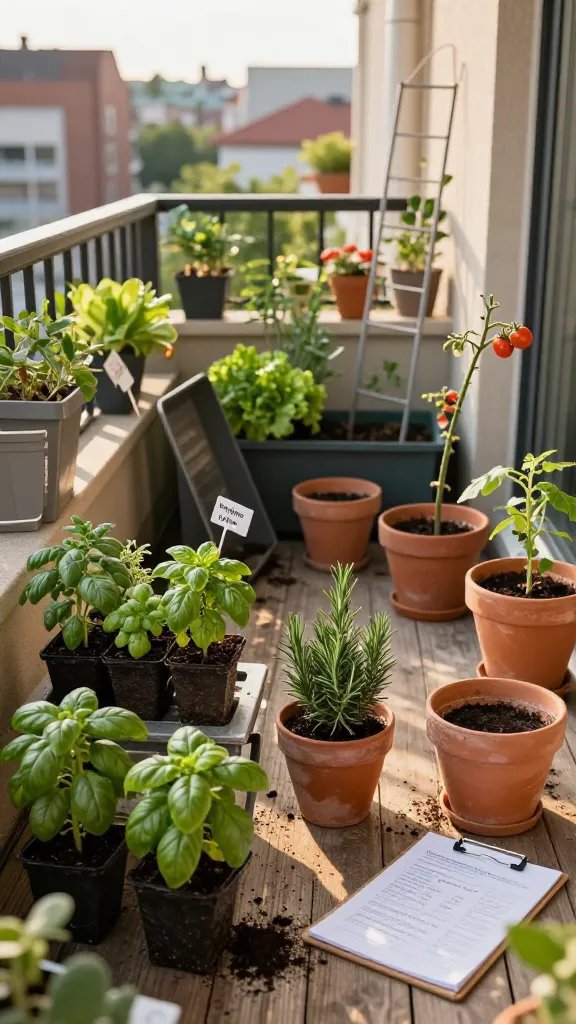
Grabbing whatever looks healthy at the garden centre creates a jumble of growth habits, root depths, and light needs. You end up with duplicates, orphans without a home, and wasted corners that a trellis or rail box could have filled efficiently.
Use A Simple 3-List Plan Before You Buy
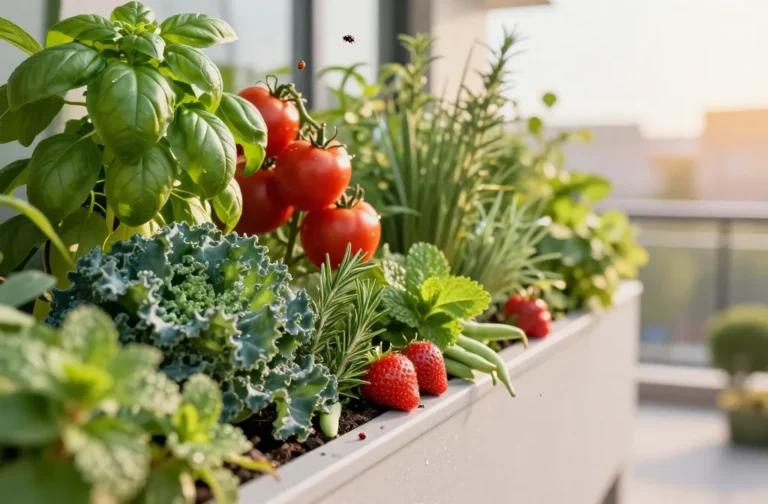
- List A: Must-Grow Staples (3–5) — the plants you cook with weekly. Example: basil, chives, rosemary, cherry tomato, lettuce.
- List B: Structure Plants (2–3) — vertical or trailing options that shape space. Example: cucumber on trellis, strawberries in a railing planter, trailing thyme.
- List C: Fillers/Pollinator Friends (2–4) — low, colorful, or beneficial. Example: calendula, marigold, nasturtium, alyssum.
Match Each Plant To A Container Type You Already Own Or Will Buy
- Trellis pot (tall, narrow): cherry tomato or cucumber.
- Railing trough: lettuce and strawberries (front edge for spillover).
- Medium round pot (25 cm): basil + marigold companion.
- Wall shelf (shaded/bright): mint in its own pot to contain spread.
Buy For The Layout, Not The Cart
- Measure and note exact container count and sizes.
- Write plant names next to each pot on your sketch.
- Go to the shop with that list and stick to it. If a plant isn’t available, substitute from the same light and size category.
Action today: Make a one-page shopping list that pairs each container you’ll use with a specific plant. Bring a tape measure to the store and skip anything that doesn’t fit your plan.
Frequently Asked Questions
How do I tell if my balcony gets enough sun for tomatoes?
Stand where the tomato pot will go at 1 p.m. and check the shadow of your hand. If the edges look sharp and high-contrast for at least 5 hours across midday, you have enough sun. If the shadow blurs or disappears by noon, pick cherry tomatoes only, add a light-colored reflective backdrop, or choose peppers and herbs instead.
What size pots should I buy for herbs and salad greens?
Most herbs do well in 20–25 cm wide pots that are 20–30 cm deep. Salad greens like a wider surface: use railing troughs 60–80 cm long and 15–20 cm deep. Ensure every container has drainage holes and pair each with a saucer to protect the floor.
How do I deal with neighbors’ cigarette smoke or dust on a balcony?
Place edibles at least head height using shelves or railing boxes to reduce ground-level drift. Rinse leaves with a gentle spray before harvest and mulch soil so ash or grit doesn’t crust the surface. Adding a living “filter” line of rosemary, lavender, and marigold on the windward edge also helps trap particulates and adds scent.
Can I grow vines like cucumbers without a heavy trellis?
Yes. Use a lightweight, powder-coated grid or two bamboo poles tied into an A-frame and anchored in the pot. Secure stems with soft plant ties every 20–25 cm. Keep the trellis no taller than 150–170 cm to avoid wind leverage on high balconies.
How do I stop pots from staining or flooding the balcony floor?
Use saucers under every pot and choose ones 2–3 cm larger than the pot base to catch overflow. Elevate pots on small rubber feet or tile spacers so water can drain freely and the saucer dries between waterings. Water slowly until a little collects in the saucer, then empty excess after 30 minutes.
What soil should I use without mixing my own?
Buy a good quality potting mix from the garden centre labeled for containers. For edibles, choose a blend marked for vegetables or herbs. Avoid garden soil or topsoil; they compact in pots and starve roots of air. Refresh the top 3–5 cm with new mix and slow-release fertilizer each season.
Conclusion
You don’t need more space — you need a smarter map of the space you already have. Measure light, plan access, tame wind, and match containers to plants before you spend a dollar. Do those steps this week, and your first planting day becomes a quick, confident setup instead of a season-long rearrange.