Sphagnum Moss Vs Peat Moss for Carnivorous Plant Terrariums — pH, Water Retention and Root Health Revealed
When I built my first carnivorous plant terrarium, I grabbed a bag of peat and called it a day. Two months later my Venus flytrap sulked, algae bloomed, and the roots smelled sour. I fixed it once I understood how living sphagnum moss behaves differently from bagged peat moss. In this guide I’ll show you exactly which to use, when to mix them, and how to keep pH, moisture, and roots in the safe zone without special meters.
What Sphagnum and Peat Actually Are — And Why That Matters
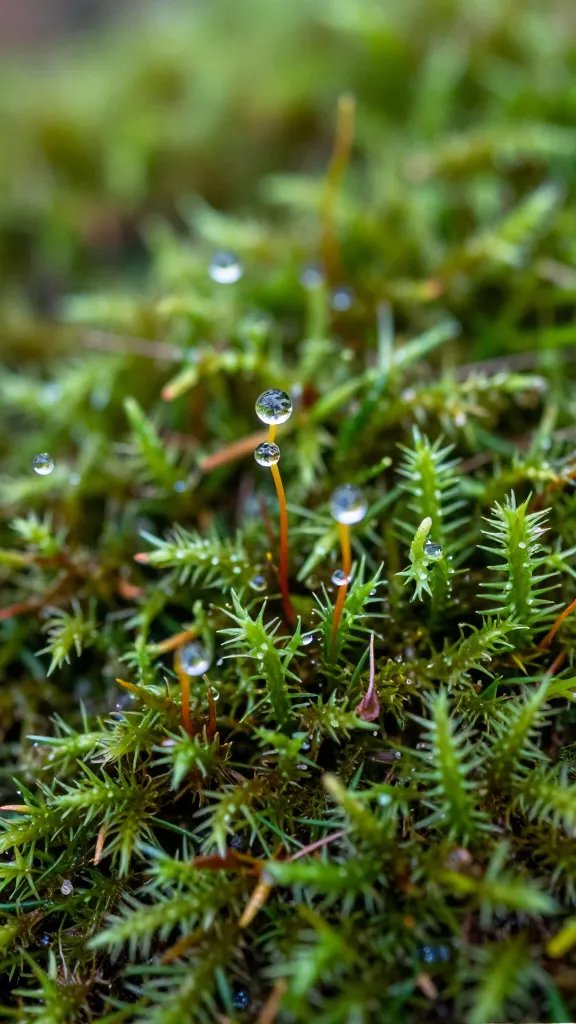
Sphagnum moss (sold long-fiber, sometimes alive) is springy, airy, and naturally antimicrobial. It wicks water evenly and holds a lot without turning to sludge.
Peat moss is dead, finely decomposed sphagnum harvested from bogs. It packs tightly, holds water like a sponge, but compacts and goes anaerobic if you don’t cut it with airier material.
The difference drives everything: airflow around roots, how fast the mix sours, and how easily you avoid mineral buildup in a closed terrarium.
Takeaway: Treat sphagnum as a breathable, clean scaffold; treat peat as a water-holding base that needs structure to stay healthy.
pH Realities Without a Meter: Safe Ranges and How to Keep Them
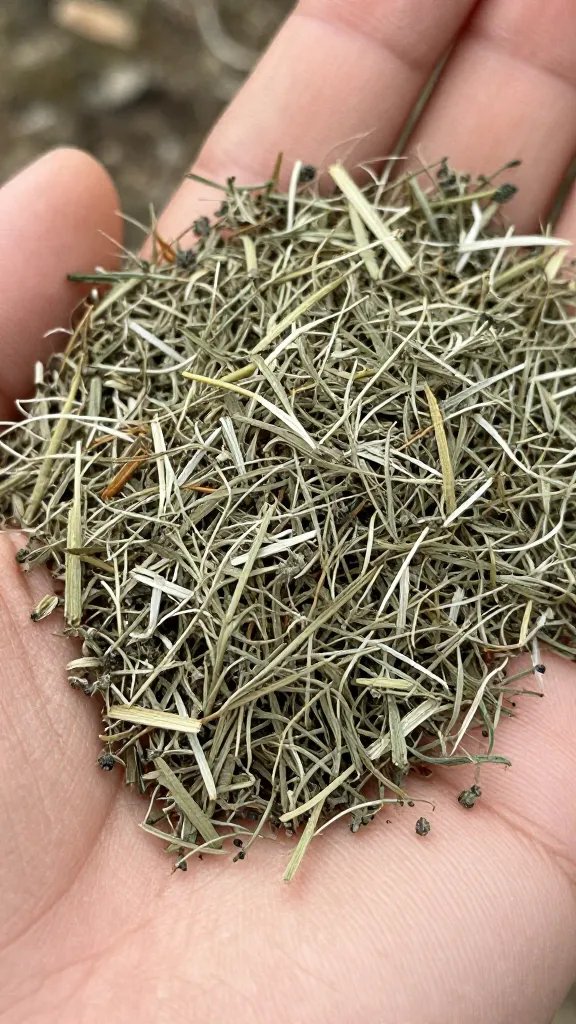
Most carnivorous plants prefer acidic media. Peat moss sits around pH ~3.5–4.5; long-fiber sphagnum often lands near pH ~4.5–5.5. Both are safely acidic out of the bag.
What wrecks pH is not the material; it’s minerals in your water and fertilizers you never needed. Hard tap water swings pH and salts the substrate, especially peat that dries and re-wets irregularly.
Use rainwater, distilled, or deionized water. If you only have tap, let it stand overnight and taste it — if it tastes mineral-heavy or salty, don’t use it. Acidic media plus low-mineral water keeps pH stable for 12–18 months in a terrarium.
Action: Fill two clean jugs today: one with rain/distilled for plants, one for everything else. Label the plant jug and stick to it.
Water Retention vs Air: Avoiding Root Rot and Anaerobic Pockets
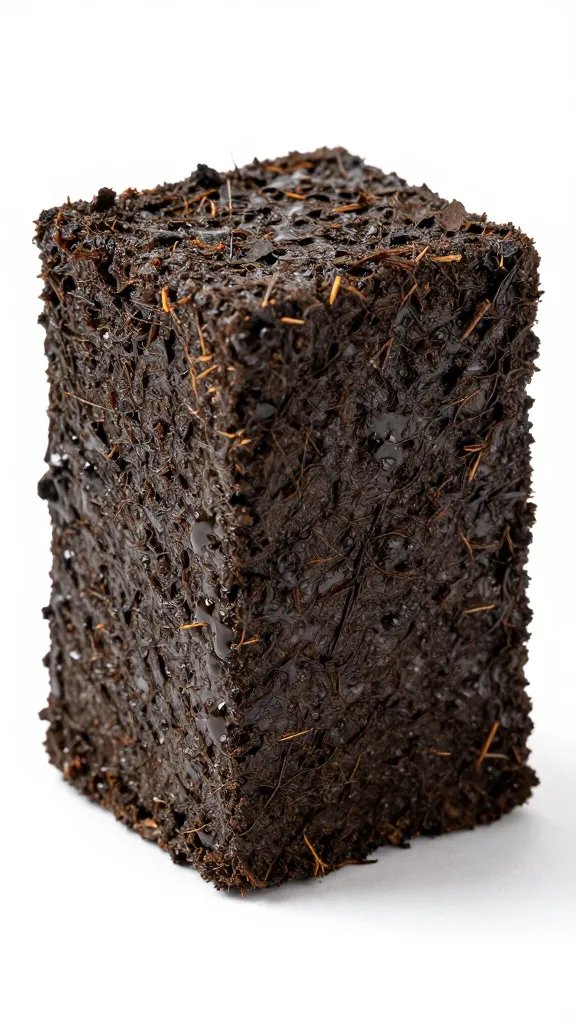
Peat holds enormous water but compacts. In a sealed terrarium with no drainage hole, compacted peat turns swampy and excludes oxygen. That’s when you smell “bog funk” and see blackened roots.
Sphagnum holds similar water but keeps air spaces between fibers. It wicks from the bottom and dries from the top in a predictable way, perfect for roots of Drosera, Pinguicula (temperate), and young Nepenthes.
For peat-based mixes, add chunkiness: 30–50% rinsed perlite by volume prevents collapse. For pure long-fiber sphagnum, gently fluff it; don’t cram it tight under the glass.
Action: Squeeze a handful of your current medium. If it forms a tight brick, remix with perlite (peat) or re-fluff (sphagnum) before replanting.
Root Health in Closed Glass: Matching Plants to the Right Base
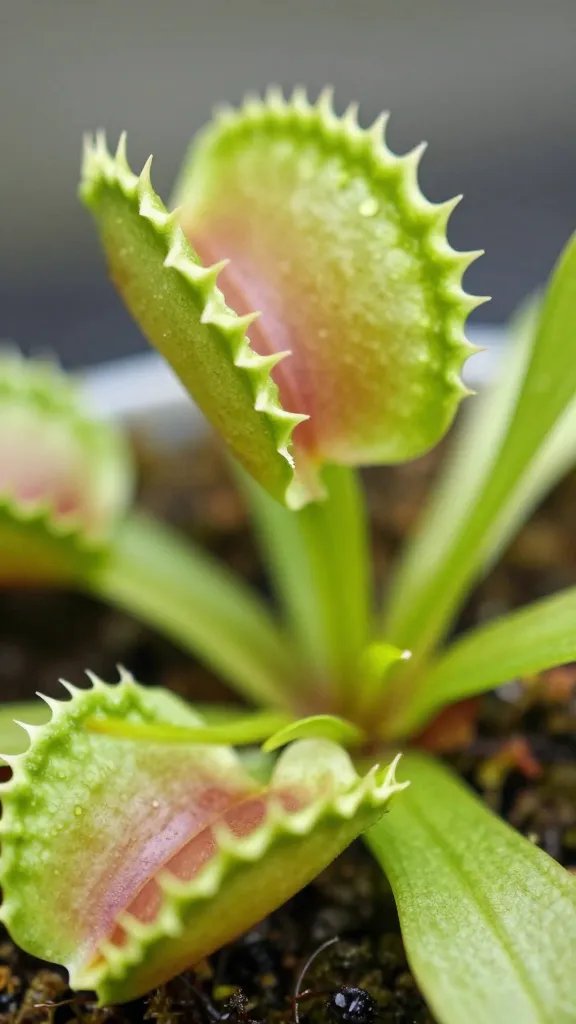
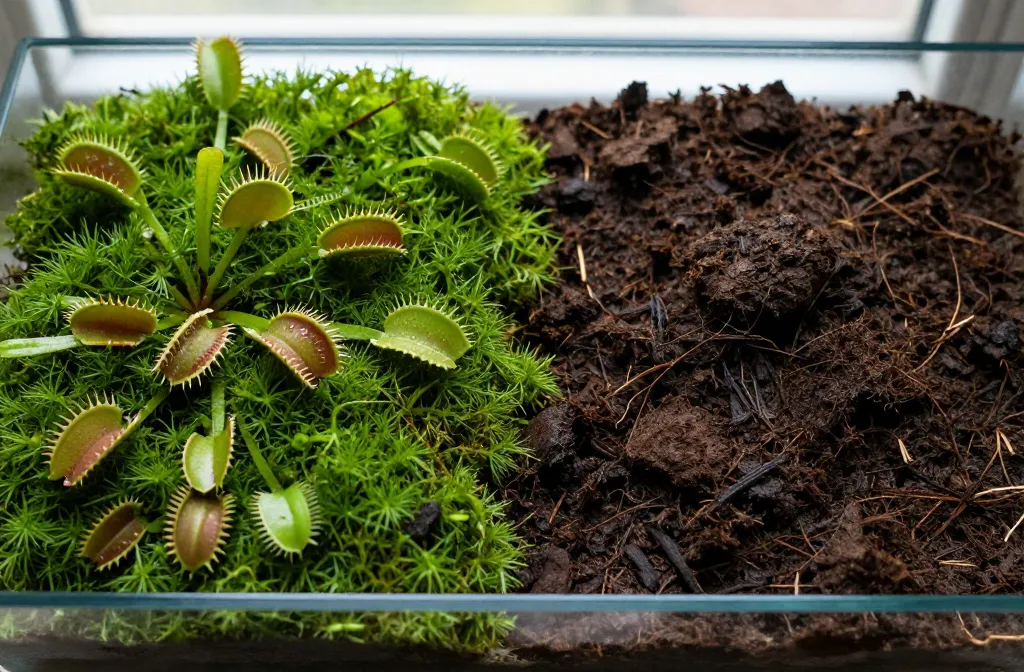
Venus flytrap (Dionaea) and Sarracenia thrive in a peat-forward mix because their roots like consistent, cool moisture with some air. I use 1:1 peat:perlite, rinsed well, topped with a thin layer of long-fiber sphagnum to limit algae.
Sundews (Drosera capensis, D. spatulata) handle both. I favor fluffed long-fiber sphagnum for faster growth and cleaner crowns in glass since it resists compaction.
Nepenthes (highland/lowland juveniles) prefer long-fiber sphagnum with 20–30% chunky orchid bark mixed in for extra air. Peat mixes stay too dense for them in a terrarium.
Action: Identify your plant and match one of the three base recipes above before your next repot.
How to Prepare and Rinse Media With Standard Tools
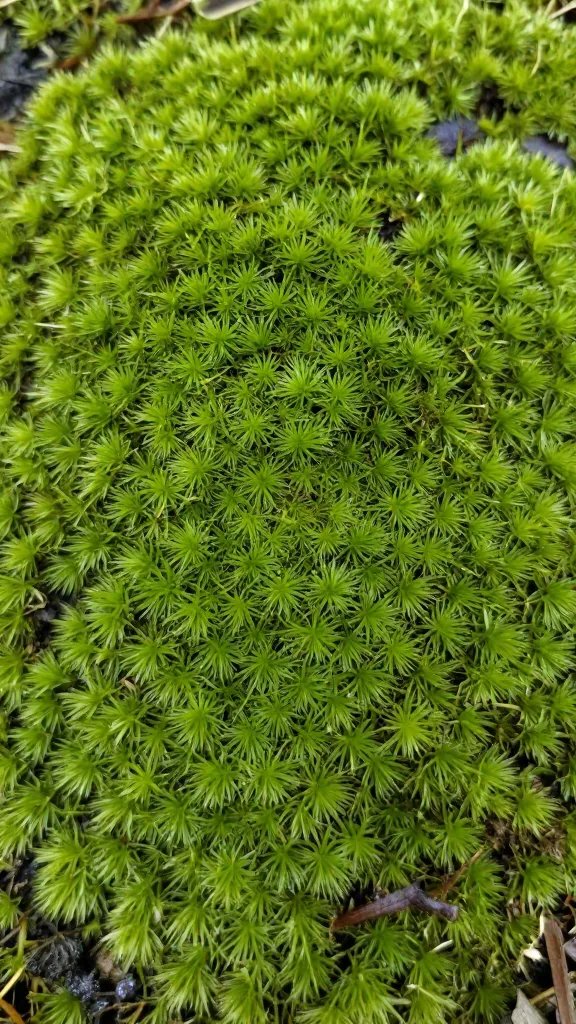
Salt and dust cause many terrarium failures. Rinse everything well. You don’t need fancy gear; a colander and a bucket work.
Step-by-Step: Rinsing and Hydrating
- Pour peat or perlite into a colander. Rinse under the tap for 30–60 seconds to flush dust. Then give a final rinse with distilled/rain water to finish clean.
- Soak long-fiber sphagnum in distilled/rain water for 10 minutes. Squeeze once so it’s damp like a wrung-out sponge — no dripping.
- Mix peat and perlite in a bucket with your hands until evenly speckled. For Nepenthes, fold in bark with the sphagnum.
- Pack lightly into the terrarium. Never tamp hard; aim for springy give when you press a finger in.
Action: Rinse perlite until the water runs clear today; dusty perlite floats and leaves voids that collapse later.
Moisture Control You Can See: Simple Checks Without Meters
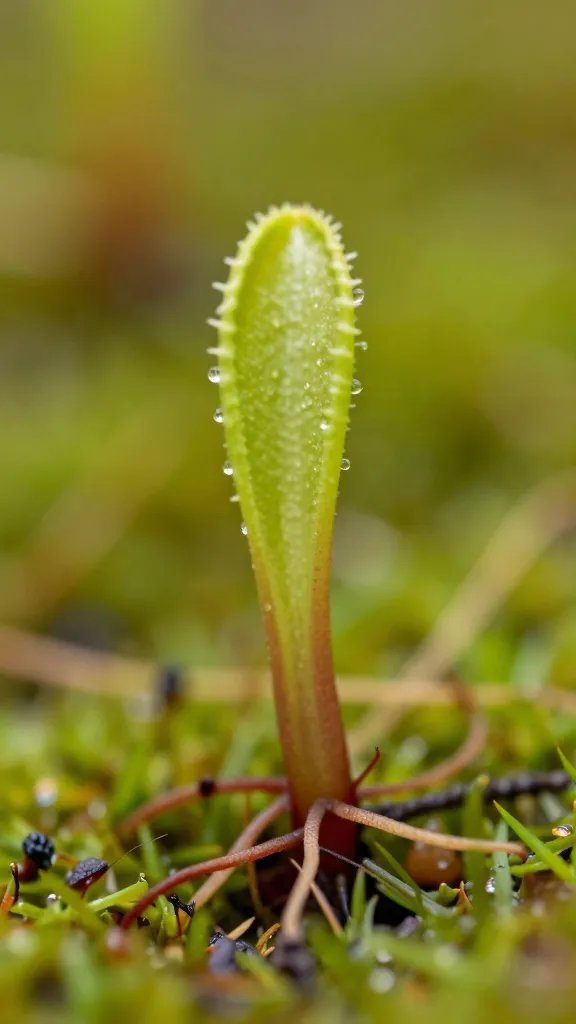
In closed glass, watch condensation, not calendars. By midday, aim for light fogging on the upper third of the glass, clear on the bottom. Full-wall dripping means too wet; bone-dry glass means too dry.
For peat mixes, over-wet equals sludge. For sphagnum, over-wet equals slimy strands and stalled growth. Remove the lid for 1–3 hours to vent, or add 1–2 tablespoons of clean water along the wall to correct.
Recheck weekly. Small corrections beat big swings.
Action: At noon, inspect your glass. If more than half is fogged, crack the lid until it clears to the top third.
Cleanliness and Longevity: Preventing Algae, Mold, and Sour Mix
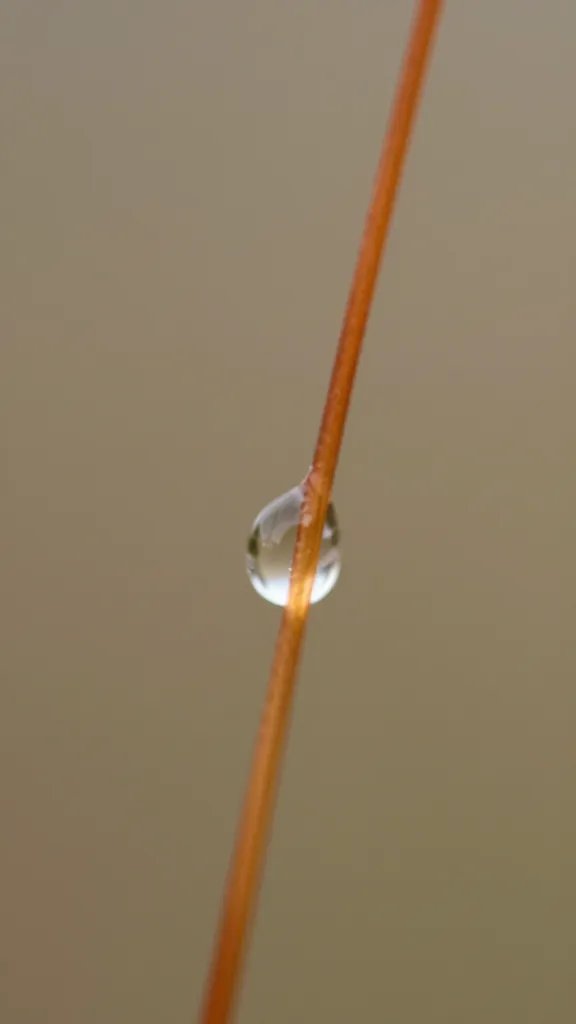
Algae loves bright, wet glass and nutrient crumbs. Keep food out of the substrate; feed traps directly and sparingly. Topdress peat mixes with a thin layer of long-fiber sphagnum to shade the surface and slow algae.
Every 12–18 months, refresh. For peat mixes, replace the top 2–3 cm and gently lift, fluff, and reset the root zone. For long-fiber sphagnum, remove browned strands and tuck in fresh, fluffed fibers.
Always rinse tools and containers with hot water before you start. Clean media plus clean water keeps pH stable and roots white.
Action: Add a calendar reminder to refresh your medium at 12 months; this single habit prevents most slow declines.
Frequently Asked Questions
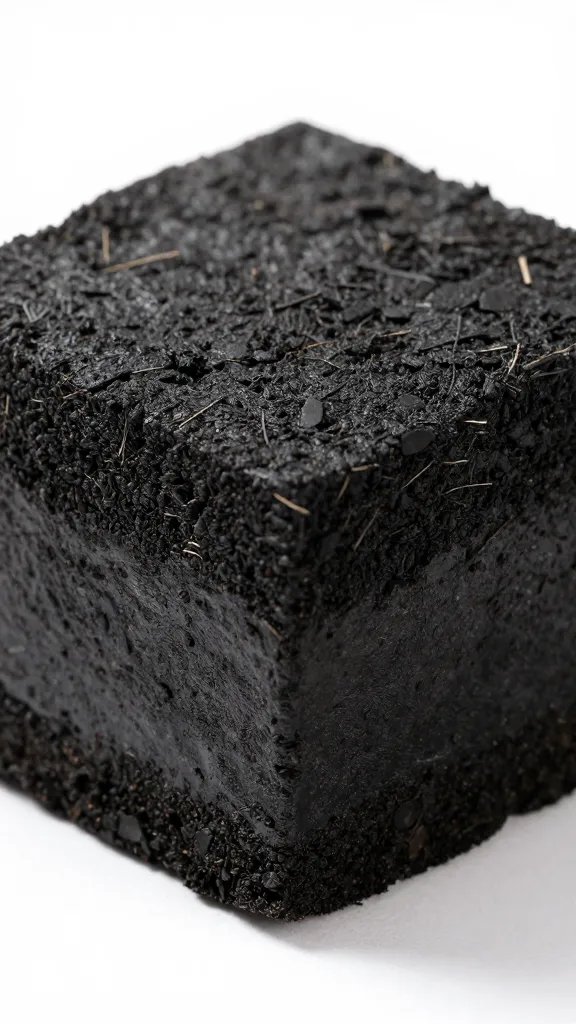
Can I use potting soil mixed with peat for carnivorous plants?
No. Standard potting soil contains compost, fertilizers, or wetting agents that burn carnivorous roots and raise pH. Use plain peat plus rinsed perlite, or pure long-fiber sphagnum. Check the bag for additives — if you see compost, manure, or slow-release pellets, skip it.
Is “compressed brick sphagnum” okay, or do I need live moss?
Compressed long-fiber sphagnum bricks work well once fully rehydrated and rinsed. Live sphagnum looks great and resists algae, but you don’t need it for healthy plants. If you buy a brick, soak for 10–15 minutes in distilled water and pull apart clumps so the fibers spring back.
What if my tap water is all I have?
Test it with your senses. If it leaves white crust on your kettle or tastes mineral-heavy, don’t use it. If it seems soft and clean, let it sit overnight, then use sparingly and flush the terrarium with distilled water once a month by adding a small amount and venting for a few hours.
Why are my Venus flytrap roots black in peat?
That signals anaerobic, compacted peat. Replant into a 1:1 peat:perlite mix, both well rinsed, and avoid packing tightly. Vent the terrarium until midday condensation sits at the upper third of the glass, then keep the surface just damp, not glistening.
Can I mix sphagnum and peat together?
Yes, for certain setups. A 2:1 sphagnum:peat blend creates a moisture-holding but airy base that works for many Drosera and young Nepenthes. Fluff thoroughly and avoid compressing; you get the cleanliness of sphagnum with the steady hydration of peat.
How deep should the substrate be in a terrarium?
Aim for 5–8 cm for small Drosera and Pinguicula, and 8–12 cm for Venus flytraps and young Sarracenia. Deeper layers stabilize moisture and temperature but increase the risk of anaerobic pockets if you pack peat too hard. Keep depth modest and structure airy.
Conclusion
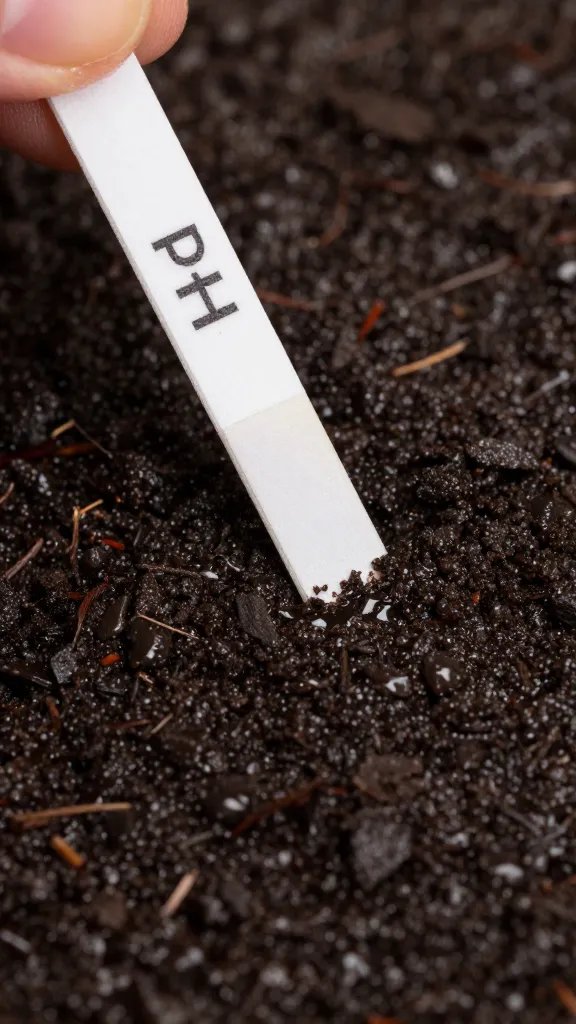
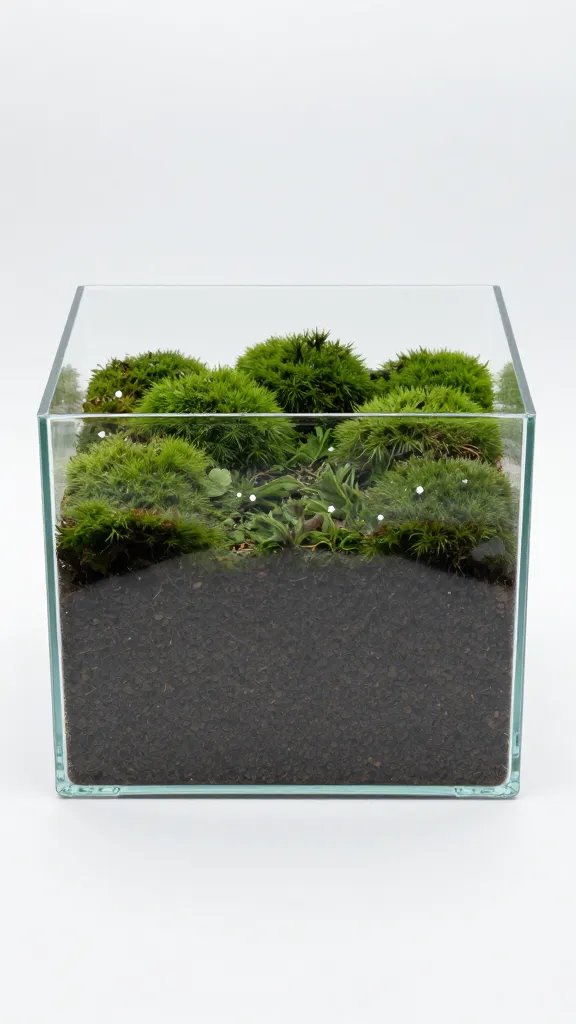
You don’t need meters or lab gear to get this right — just the right base and a few simple habits. Choose long-fiber sphagnum when you want airy, clean, and forgiving; choose peat (cut with perlite) when you need steady moisture for bog lovers. Today, match your plant to its recipe, rinse your materials, and set your condensation target — then enjoy healthy roots and steady growth behind glass.