Pro Secrets: How to Plant-Sit Using Terrarium Principles — Covering Potted Plants for Low-Maintenance Care Fast
I learned to plant-sit the hard way: juggling keys, instructions, and thirsty pots scattered in bad light. Then I started treating regular houseplants like mini terrariums, and my “vacation setups” stopped failing. In this guide I’ll show you how to create a simple, covered microclimate for common potted plants so they stay hydrated and stable while you’re away. You’ll finish with a repeatable method that uses household materials and garden-centre basics, not specialist gear.
Why Terrarium Principles Work for Regular Potted Plants
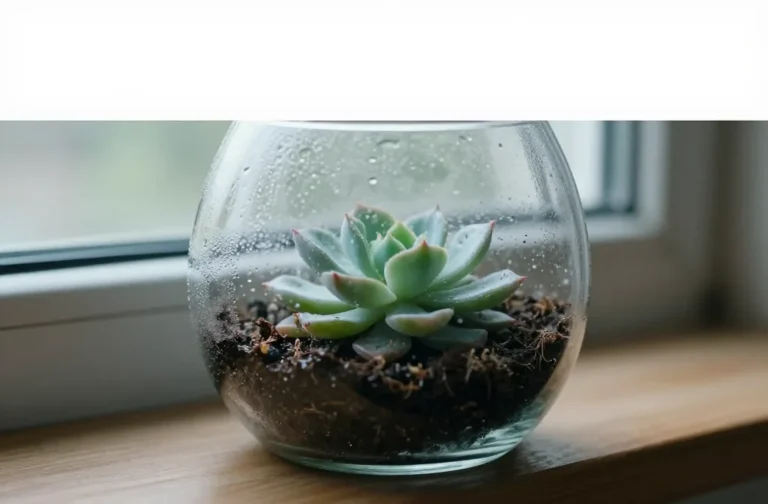
Terrariums thrive because they recycle water and stabilize humidity and temperature. You can mimic that by covering potted plants to slow evaporation and reduce daily swings.
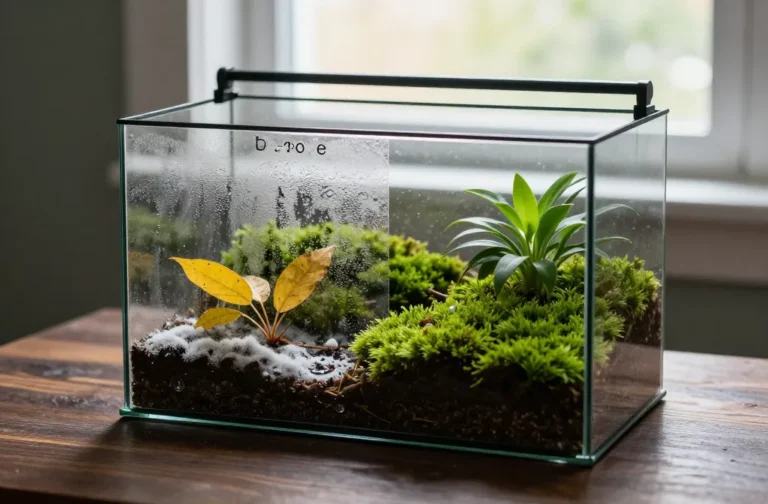
When you trap moisture above a well-watered, well-drained pot, water evaporates, condenses on the cover, and drips back. The plant uses far less water, and the soil stays evenly moist instead of cycling between soaked and bone-dry.
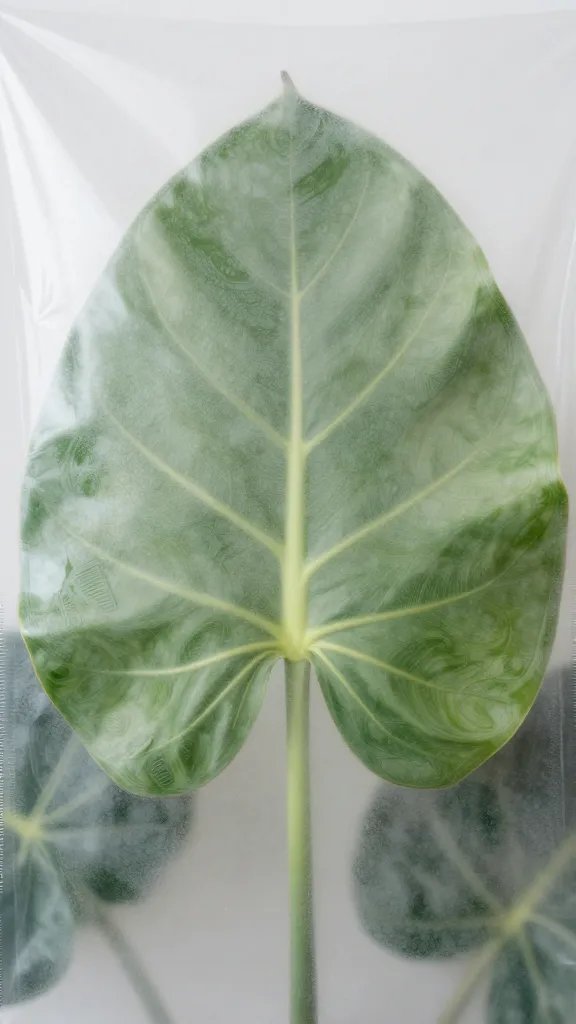
Action today: Pick one healthy plant and lightly tent it with a clear plastic bag for 24 hours to see how condensation forms — that’s the effect you’ll scale for plant-sitting.
Select Plants That Tolerate a Covered Setup
I group plants by how they handle humidity and airflow. Some love a cover, some tolerate it briefly, and some resent it.
Plants that do well covered (1–3 weeks)
- Ferns (Boston, maidenhair), pilea, fittonia (nerve plant)
- Philodendron, monstera adansonii, peperomia
- Calathea/Goeppertia, maranta (prayer plant)
Okay with careful cover (up to 2 weeks)
- Spider plant, pothos, monstera deliciosa, ZZ plant
- African violet (avoid leaf wetting; use a taller tent)
Do not cover tightly
- Cacti and succulents (aloe, haworthia, echeveria)
- Lavender, rosemary, and other woody Mediterranean herbs
Takeaway: Make a do-cover and don’t-cover list from your collection before you start; skip covers for succulents entirely.
Prepare the Soil and Pot So You Don’t Create Swamp Conditions
Terrarium logic fails if the pot turns waterlogged. I set the soil to “wrung-out sponge” and give moisture an escape route.
Step-by-step moisture set
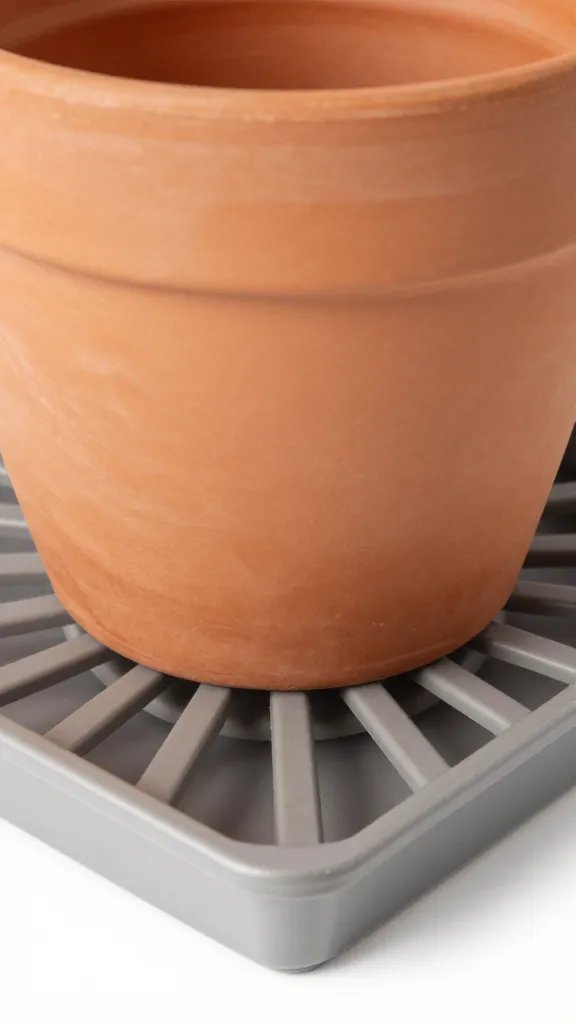
- Check drainage: Confirm at least one unobstructed hole per pot. Add a saucer and empty it after watering.
- Water fully: Water until 10–20% runs out the bottom. Wait 10 minutes, then drain the saucer.
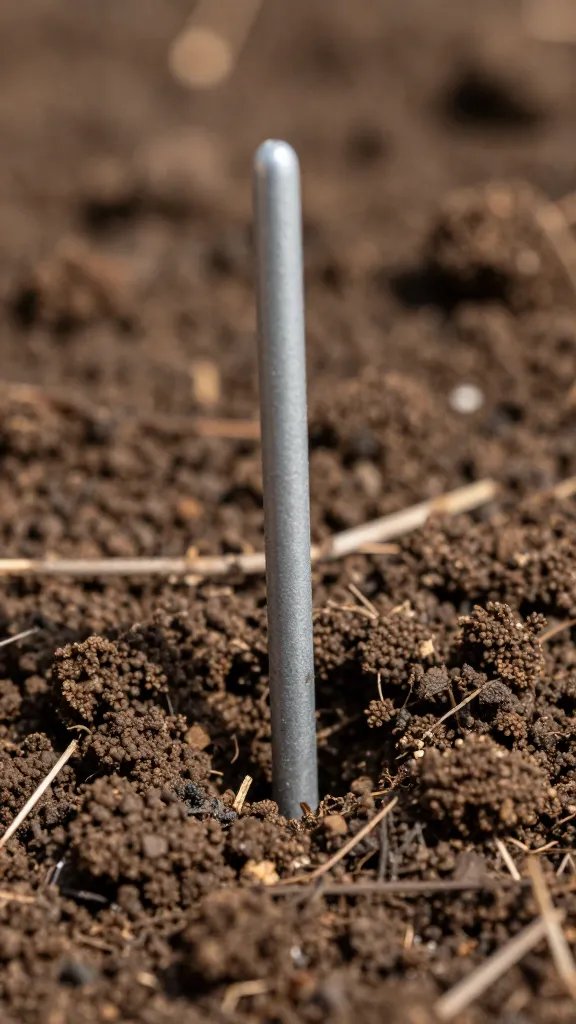
- Test moisture: Pinch soil 2–3 cm down. It should clump but not ooze. If it smears, air it 2–4 hours before covering.
- Top dressing (optional): Add 0.5–1 cm of horticultural grit or clean aquarium gravel to reduce surface algae under cover.
Warning: If the pot feels heavy like a soaked towel, do not cover yet. Let it breathe until merely evenly moist.
Action today: Do the pinch test on one pot and aim for “clumps, no smear” before you think about a cover.
Build a Simple Cover That Breaths Just Enough
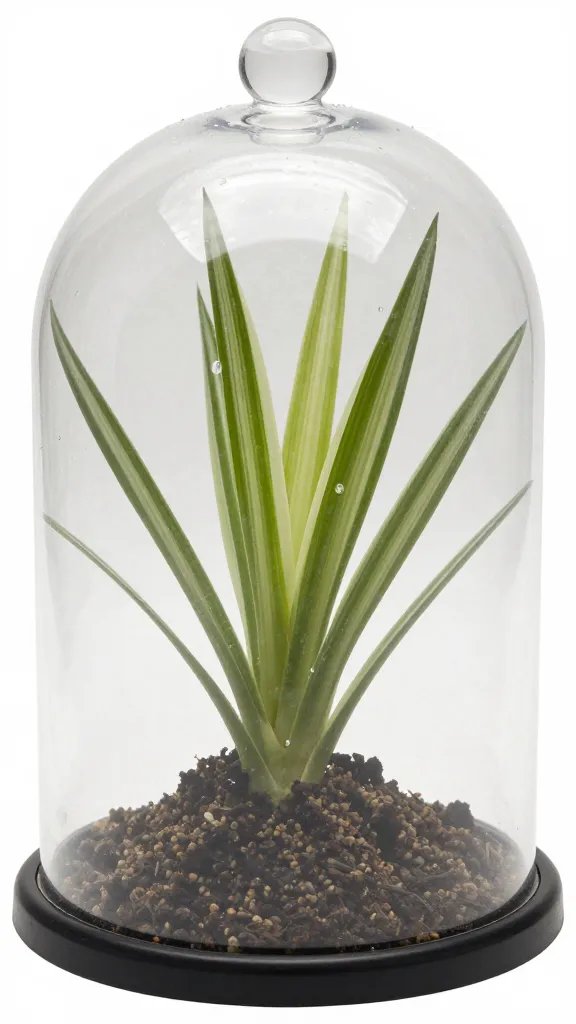
You don’t need a dome. I use clear plastic bags, a spare clear storage bin, or cling film with vents. Clarity matters so light still reaches the plant.
Three easy cover options
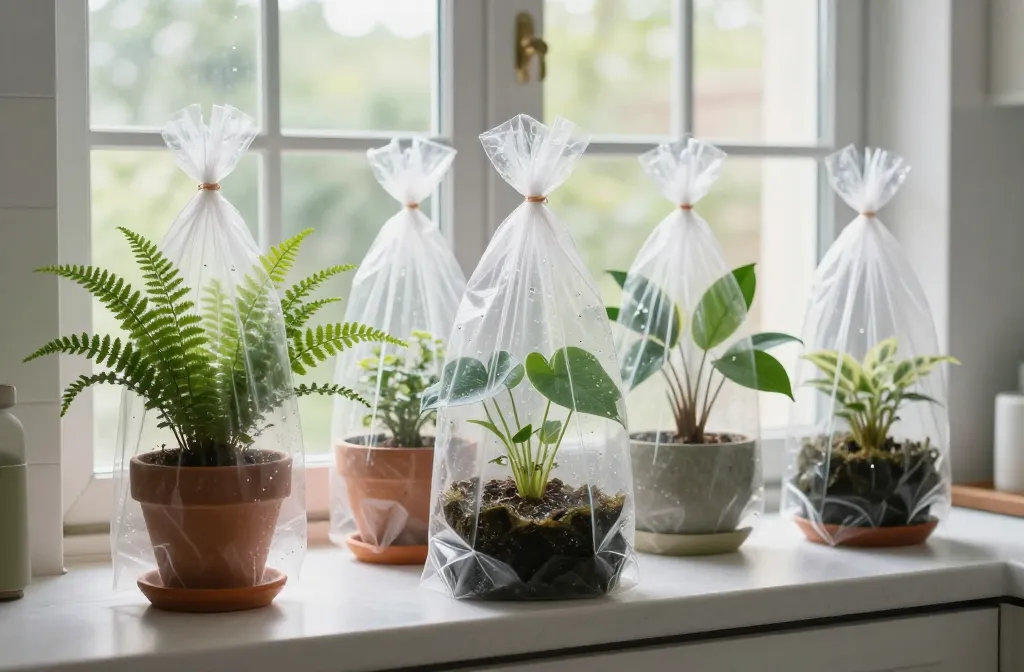
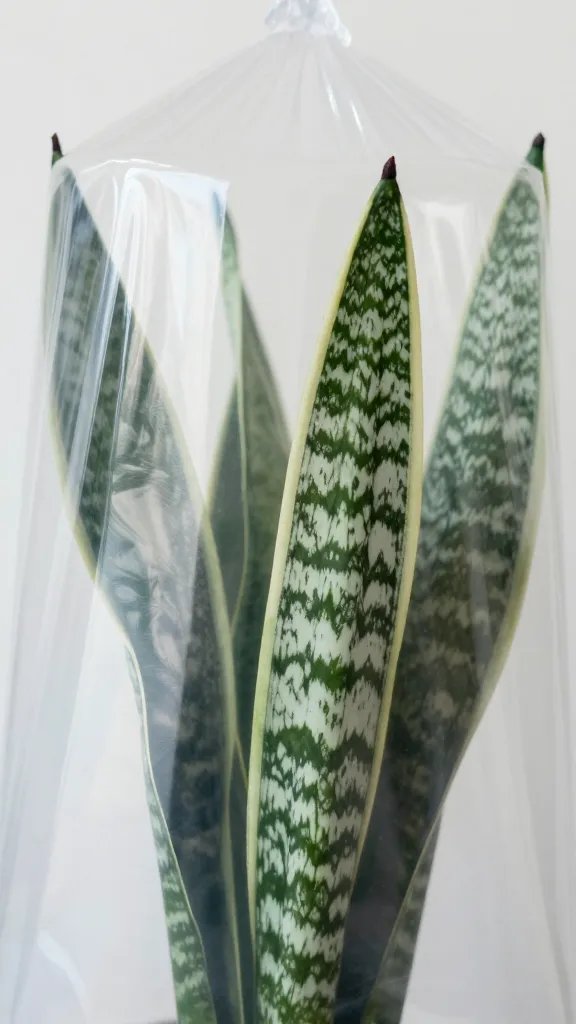
- Bag tent: Slip a clear recycling bag over a pot. Use bamboo skewers or chopsticks as corner posts so plastic never touches leaves. Seal loosely around the pot rim with a soft tie, leaving a pinky-finger gap for airflow.
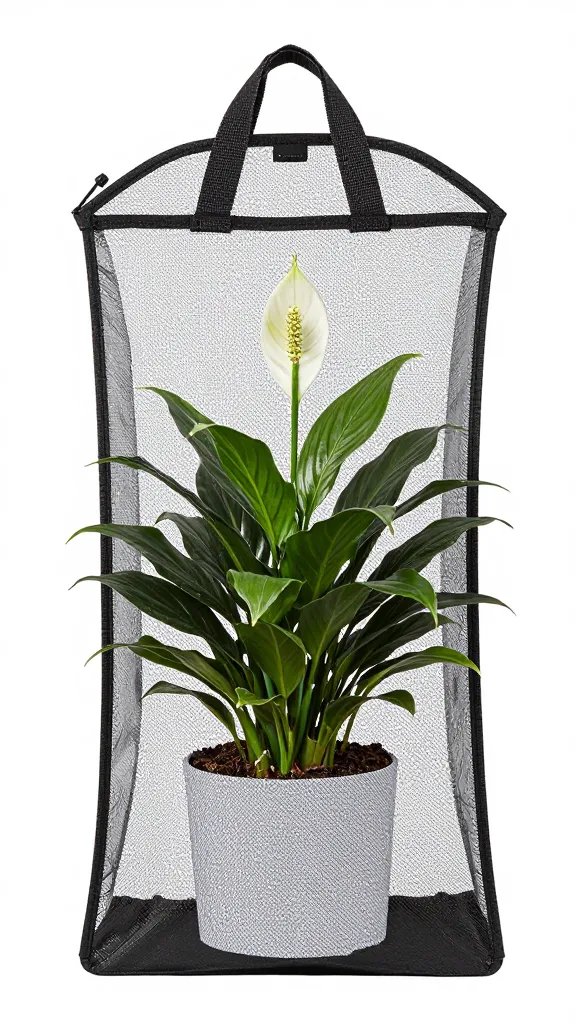
- Clear bin cloche: Invert a translucent storage bin over a group of pots on a tray. Prop one corner 0.5–1 cm with a bottle cap for a small vent.
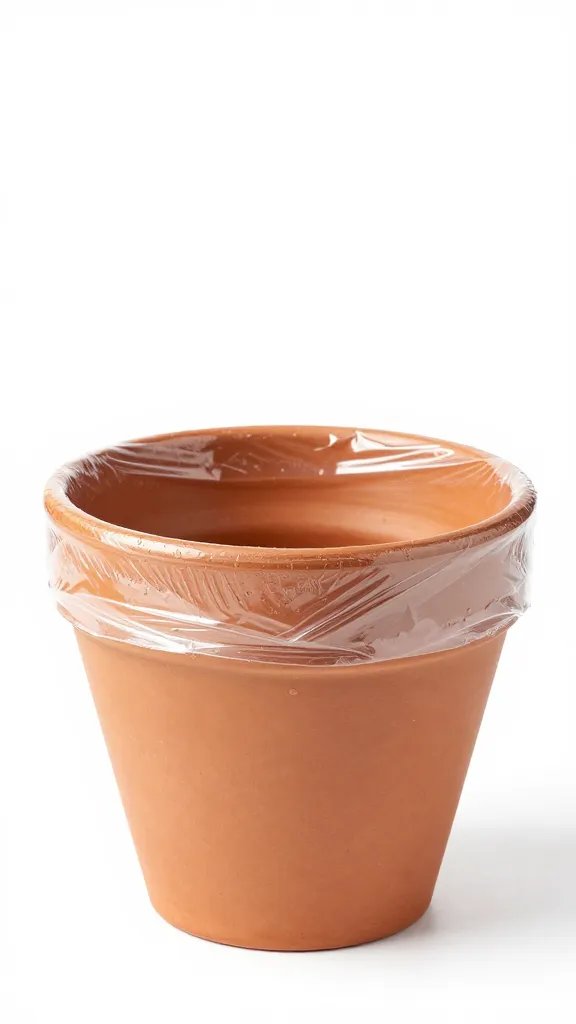
- Cling-film ring: Wrap only the pot’s rim with cling film, leaving the plant exposed. This slows soil evaporation while keeping leaves in room air — good for pothos and spider plants.
Vent sizing and condensation check
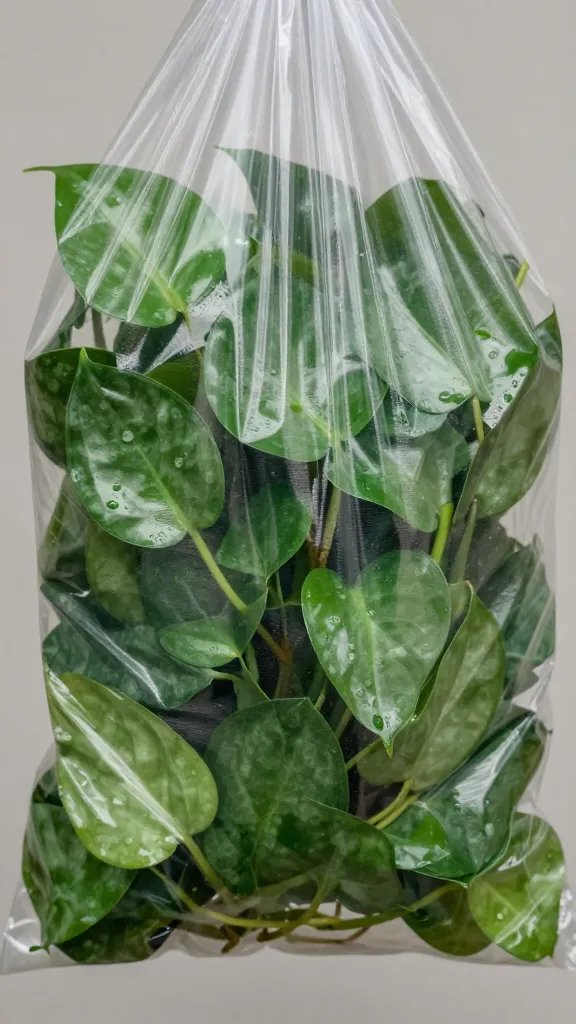
- Aim for light misting on the cover by late morning, not heavy drips at sunrise.
- If heavy beads run down all day, widen the vent slightly. If it’s bone-dry by afternoon, narrow the vent.
Action today: Set one bag tent with chopstick posts and a pinky-width vent; check condensation at lunch and adjust.
Place Covered Plants in the Right Light and Temperature
Covers raise humidity and temperature slightly. I move plants one step back from the window to avoid heat buildup and leaf scorch.
- Light: Bright indirect light near a window, not direct midday sun. East windows or a spot 1–2 meters back from a south/west window work well.
- Temperature: Aim for 18–24°C. Keep away from radiators, oven heat, and cold drafts from AC or leaky windows.
- Grouping: Group covered plants together on a waterproof tray to stabilize humidity and simplify checks.
Action today: Do the hand test: hold your hand where the cover will sit at noon; if it feels hot or sunlit, move the plant one meter back.
Set-and-Forget Checks While You’re Away
I plan minimal, predictable checks. If no one can visit, I build redundancy into the setup.
If someone can stop by once
- Instruction: “If you see no condensation by lunchtime, pour 1–2 tablespoons of water onto the soil, then re-cover.”
- Photo check: Ask for one photo per group. You’ll spot sagging covers, wilting tips, or pooling water.
If no one can visit
- Pre-water 48 hours before leaving, then set covers the next day after drainage stabilizes.
- Add a water reserve: Place a damp (not dripping) microfiber cloth coiled on the soil surface edge under the cover for large pots. It slows surface drying without soaking roots.
Action today: Write a one-sentence check for your plant-sitter and tape it to the tray: “Mist visible by noon = OK; no mist = add 2 tbsp water.”
Red Flags and Fast Fixes Before You Leave
I run a 48-hour dress rehearsal. Most issues reveal themselves quickly under cover.
Warning signs
- Dripping walls all day: Vent too small or soil too wet. Loosen the tie or prop the lid higher.
- Leaf yellowing at edges in 24–48 hours: Heat stress. Move farther from sun, increase vent.
- Mushroomy or sour smell: Anaerobic soil. Uncover, let breathe 12–24 hours, then rewater lightly and re-cover with a bigger vent.
- White fuzz on soil: Saprophytic fungi. Remove fuzz with a spoon, top-dress with fresh potting mix or grit, increase vent.
Action today: Do a 48-hour trial on one plant and adjust vent size until you see a light midday mist, not heavy drip.
What to Do the Day You Return
I remove covers gradually so leaves don’t crash from a humidity drop. I also reset watering to normal rhythm.
- Open vents wide for 2–3 hours while covers stay on.
- Remove covers entirely and check soil 2–3 cm down. Water if it feels dry and crumbly; otherwise wait 1–3 days.
- Trim any yellowed leaves and wipe off any minor mold on soil with a paper towel.
Action today: Set a calendar reminder to vent covers for a few hours before full removal on your return day.
Frequently Asked Questions
Can I cover plants with plastic wrap directly over the pot?
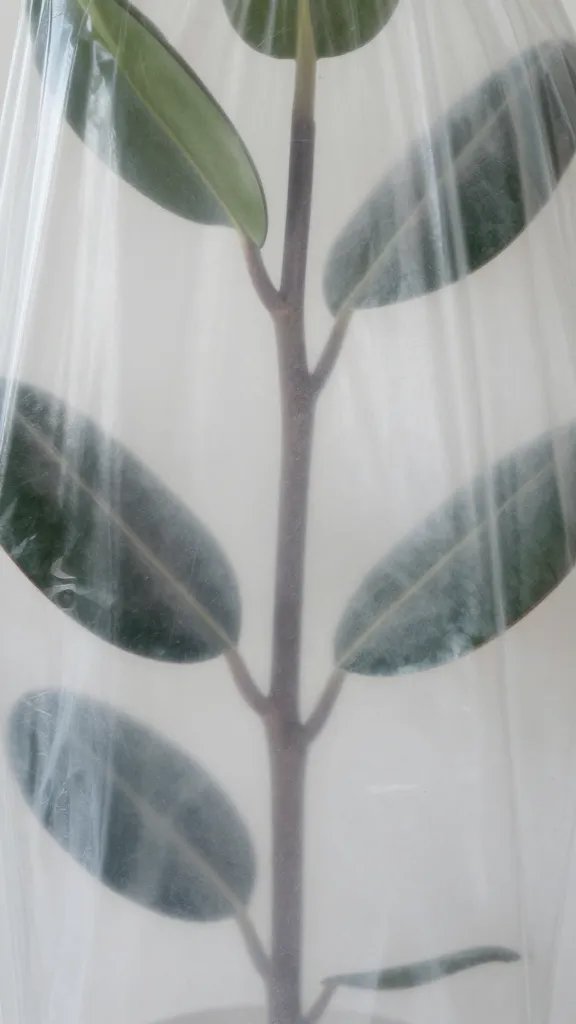
Yes, but raise it off the foliage with skewers so leaves don’t touch wet plastic. Puncture 4–6 small holes around the rim for airflow. This method works best for compact plants like peperomia. For taller plants, use a clear bag tent instead.
How long can I safely leave plants covered?
Most tropical houseplants handle 1–3 weeks under a vented cover if soil starts evenly moist. I keep succulents uncovered and watered once before leaving. For trips over three weeks, switch to a clear bin cloche with a slightly larger vent and ask for a single mid-trip check. Always run a 48-hour trial before the trip.
What if I only have opaque bags?
Use them as a nighttime humidity jacket and remove during daylight, or cut windows and tape in clear kitchen wrap. Plants still need bright indirect light to photosynthesize. If you can’t provide clear covers, move plants to brighter spots and rely on deep pre-watering and grouping instead. Avoid any cover that blocks light all day.
Will covering cause pests like fungus gnats?
Gnats explode in constantly wet soil. Start with well-drained pots, water once to runoff, and let excess drain before covering. Add a 0.5–1 cm grit top layer to discourage egg laying. If gnats appear, increase vent size and let the top 2 cm dry before re-covering.
Can I combine this with self-watering stakes or wicks?
Yes, but go light. A single ceramic stake or cotton shoelace wick into a jar set lower than the pot can steady moisture without oversaturating. Under a cover, reduce reservoir size by half because evaporation is already low. Test this setup for 3–4 days before leaving.
Conclusion
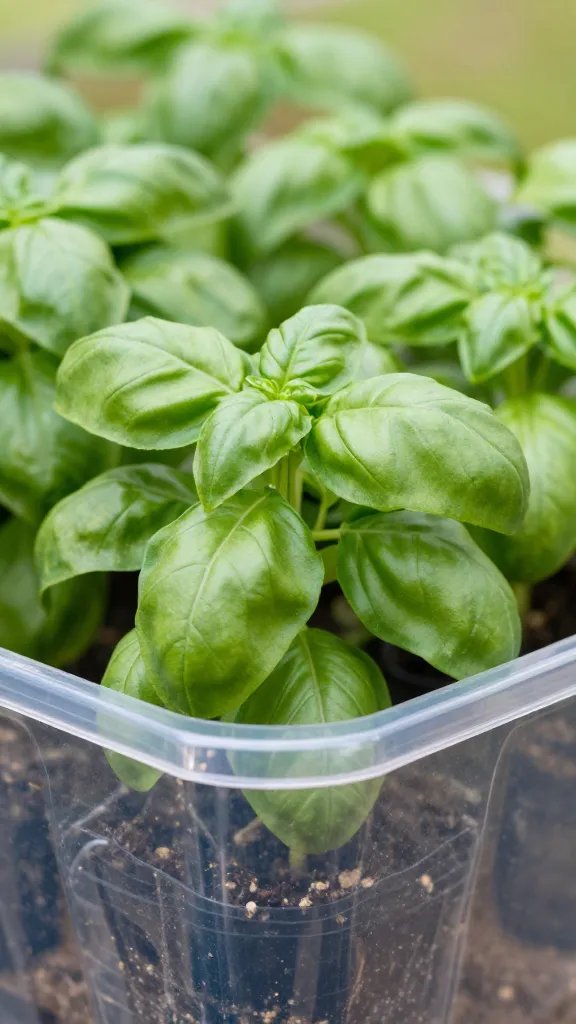
You don’t need a sitter on speed dial to keep plants happy while you travel. Use terrarium principles: set moisture correctly, add a simple vented cover, place in bright indirect light, and run a 48-hour trial. Start with two plants this weekend and dial in your vent size — once you see that gentle midday mist, you’ll trust the setup for your next trip.