Master How to Grow Ferns in a Terrarium — Humidity Range, Light Class and Substrate Requirements
I killed my first terrarium fern by treating it like a windowsill pothos — sunny spot, potting mix, splash of water. It crisped in a week. The second time I tuned three things: humidity, light, and substrate. That’s when ferns finally settled, unfurled, and stayed lush. In this guide I’ll show you exactly how to set those three dials using household tools so your terrarium doesn’t become a mold farm or a fern graveyard.
Pick Ferns That Actually Tolerate Terrariums
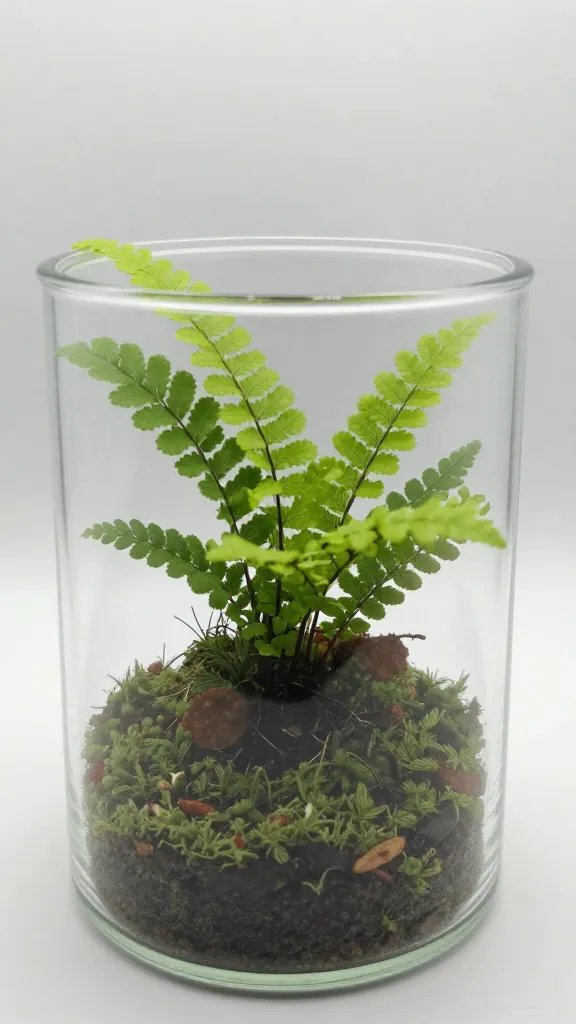
Not every fern enjoys glass walls. I choose compact species with fine fronds that stay small and love constant humidity. Large or airy ferns like Boston Fern (Nephrolepis) outgrow small tanks and sulk in stagnant air.
Reliable Terrarium Ferns
- Miniature Maidenhair (Adiantum raddianum ‘Fragrans’ or small forms) — delicate, loves steady moisture.
- Lemon Button Fern (Nephrolepis cordifolia ‘Duffii’) — small, forgiving, pleasant scent when rubbed.
- Button Fern (Pellaea rotundifolia) — tolerates slightly drier pockets; great near ventilation gaps.
- Heart Fern (Hemionitis arifolia) — glossy hearts, compact clumps.
- Asian Saber/Crested Ferns (Microsorum/Polypodium small forms) — texture without rapid spread.
- Selaginella (clubmoss, not a true fern) — a humidity anchor and groundcover companion.
Action today: Choose one primary fern and one slower companion — this prevents overcrowding and stabilizes humidity.
Humidity Range: Set It Once, Then Maintain Gently
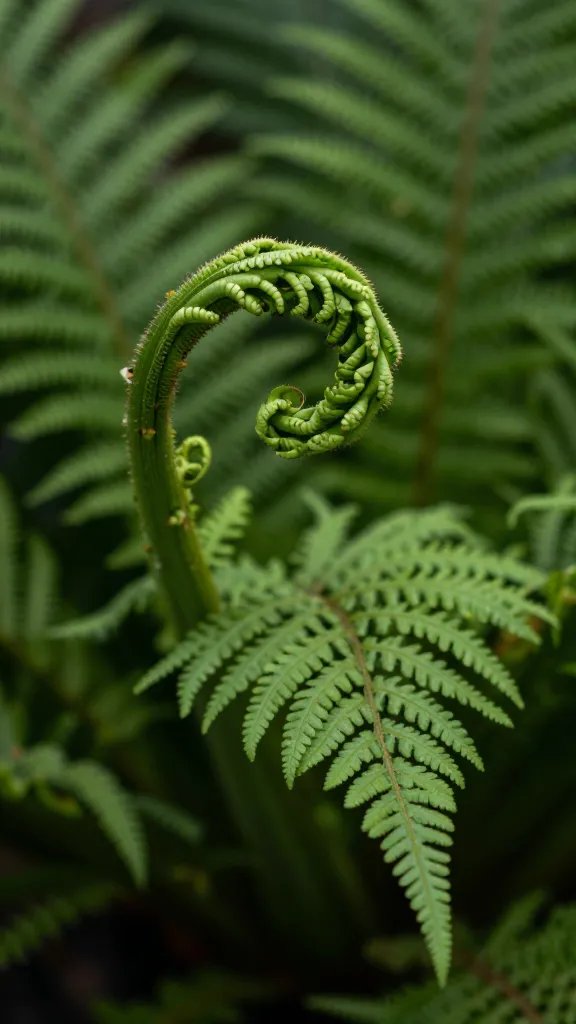
Ferns in terrariums want consistently high humidity without soggy roots. I aim for a glass that shows a light mist in the morning and mostly clears by afternoon. That pattern tells me the internal water cycle is balanced.
Target Humidity and Easy Ways to Judge It
- Closed terrariums: Aim for roughly “bathroom after a shower” humidity. Morning condensation should cover up to one-third to one-half of the walls, then recede.
- Ventilated/ajar terrariums: Keep a faint daily mist; if the glass stays bone-dry all day, humidity is dropping too low.
How to Adjust
- If there’s heavy dripping all day: Open the lid 1–2 hours midday for two consecutive days. Wick excess water with a paper towel tip at the substrate edge.
- If there’s no morning mist: Mist the substrate (not the fronds) with 5–10 sprays of clean water. Cover fully for 24–48 hours, then resume normal ventilation.
- If fronds crisp at the edges: Top up humidity by adding 1–2 tablespoons of water into the drainage layer, not onto the leaves.
Action today: Check your terrarium at midday — if more than half the glass is wet, air it for one hour.
Light Class: Bright Indirect, Never Direct Sun
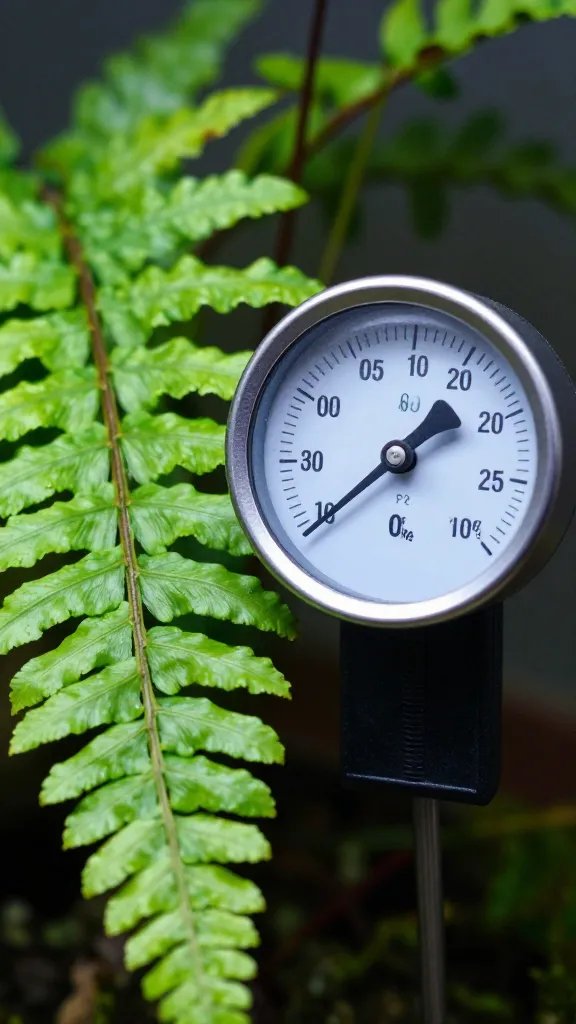
Ferns scorch under direct sun through glass. I place terrariums where I can read a book comfortably without squinting — bright room light but no sunbeam hits the glass. East windows work if the container sits a step back; north windows suit most climates; south/west needs a sheer curtain or placement 3–6 feet away.
Simple Placement Rules
- Bright indirect: One to two steps back from an east or bright north window.
- Filtered sun: Behind a sheer curtain if you only have a south/west window.
- Artificial light: A basic LED desk lamp 12–18 inches above for 10–12 hours; choose a neutral “daylight” bulb.
Warning Signs
- Too much light: Pale or yellowed fronds, crispy tips, green algae racing up the glass.
- Too little light: Leggy, stretched fronds, slow new growth, persistent soggy soil and mold.
Action today: Move the terrarium so you cannot see any direct sun patch touch the glass at any time of day.
Substrate Requirements: Layered, Airy, and Slightly Acid-Leaning
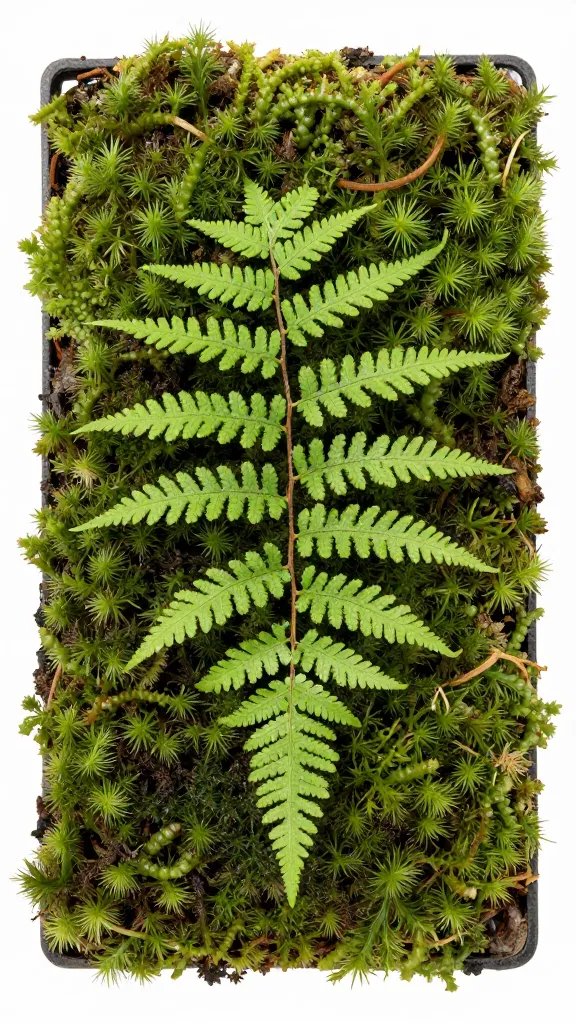
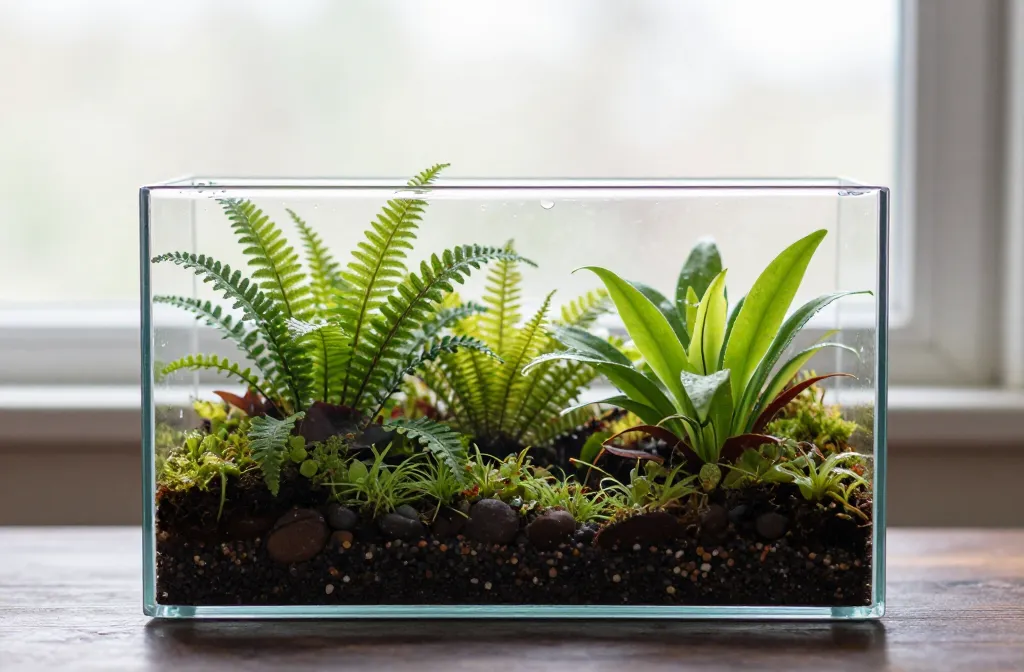
I never use straight houseplant potting mix in a terrarium. It compacts, turns swampy, and suffocates fern roots. A layered setup solves this: drainage, barrier, airy substrate, and a thin decorative top.
Layer-by-Layer Build (from bottom up)
- Drainage layer: 1–2 inches of rinsed aquarium gravel or horticultural charcoal. This catches excess water.
- Barrier: A circle of mesh from a window screen or a piece of landscape fabric to keep fines out of drainage.
- Fern substrate (2–3 inches): Mix equal parts by volume of:
- Good quality potting mix (peat- or coir-based, not moisture-control gels).
- Fine orchid bark or small pine bark chips for structure.
- Perlite for air pockets.
Optionally add a small handful of horticultural charcoal to reduce odors.
- Top dressing: Thin layer of rinsed decorative gravel or sheet moss to reduce splash and evaporation swings.
Moisture Setup
- Pre-moisten the substrate until it clumps when squeezed but does not drip. If it drips, it’s too wet — add dry mix.
- After planting, add water down the glass edge until you see moisture just reach the drainage layer. Stop.
Action today: Squeeze-test your substrate — aim for a firm clump with no drips before planting.
Planting and Spacing: Give Crowns Air, Not Burials
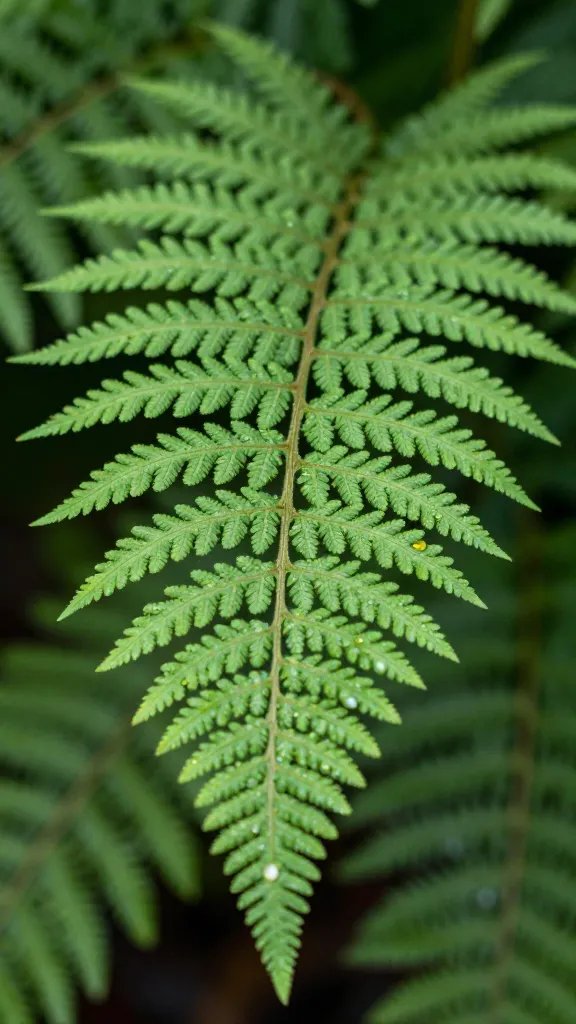
I set each fern so the crown (where fronds emerge) sits slightly above the soil line. Burying the crown invites rot. I leave at least two finger-widths between plants for air movement and future fronds.
Step-by-Step Planting
- Remove excess nursery soil gently and trim dead roots.
- Create a shallow mound; seat the crown on top so roots spread down the sides.
- Backfill lightly; don’t pack hard. Tap the glass to settle instead of pressing.
- Rinse stray soil off fronds with a gentle spray and blot with a paper towel tip.
Action today: Expose any buried crowns by brushing substrate away until you can see the base of fronds.
Watering and Ventilation: Small, Predictable Adjustments
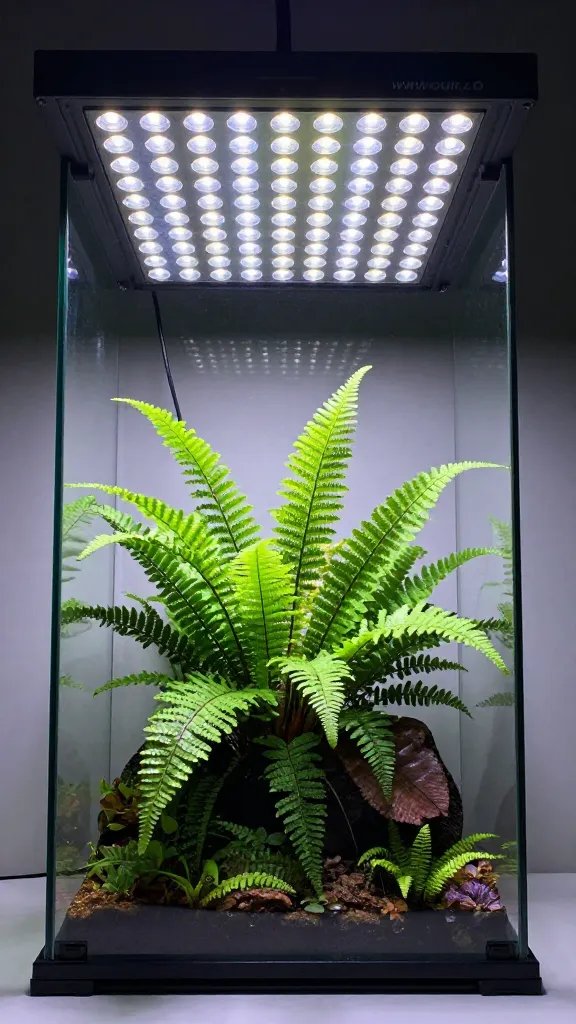
In glass, a little water goes a long way. I use a spray bottle or a teaspoon, never a cup. Overwatering shows up as foggy glass all day and blackened frond bases.
Routine
- Closed terrarium: After initial setup, leave sealed for 1–2 weeks. Open briefly if condensation covers more than half the glass at midday.
- Ventilated terrarium: Mist the substrate edges every 7–10 days, 5–10 sprays total. Keep leaves mostly dry.
- Seasonal check: In winter heat, crack the lid for 30–60 minutes every few days to refresh air without drying the substrate.
Action today: Switch from pouring to a spray bottle or teaspoon to prevent waterlogging.
Common Problems and Fast Fixes
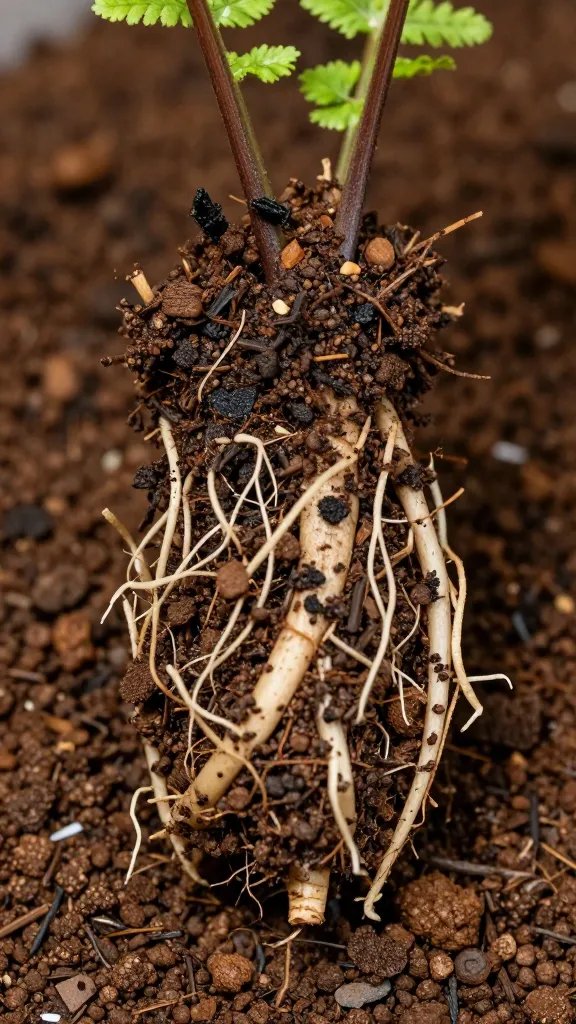
Most fern failures trace back to three culprits: stale wet substrate, harsh light, or trapped spores/mold. I correct these the same day I see them.
Warning Signs and Fixes
- Mold on soil: Scoop the top 0.5 inch, replace with fresh mix, and improve light by moving slightly closer to a window. Air for 1 hour every other day for a week.
- Brown, crispy tips: Reduce light intensity, add 1–2 tablespoons of water to drainage layer, and keep fronds dry when misting.
- Yellowing, limp fronds: Too wet. Air daily for an hour, wick excess water with a paper towel, and add extra perlite next time you replant.
- Algae on glass: Wipe with a soft cloth. Reduce light slightly and avoid leaf-wetting.
Action today: Do a 60-second inspection and pick one fix — air the terrarium for an hour if you’re unsure.
Frequently Asked Questions
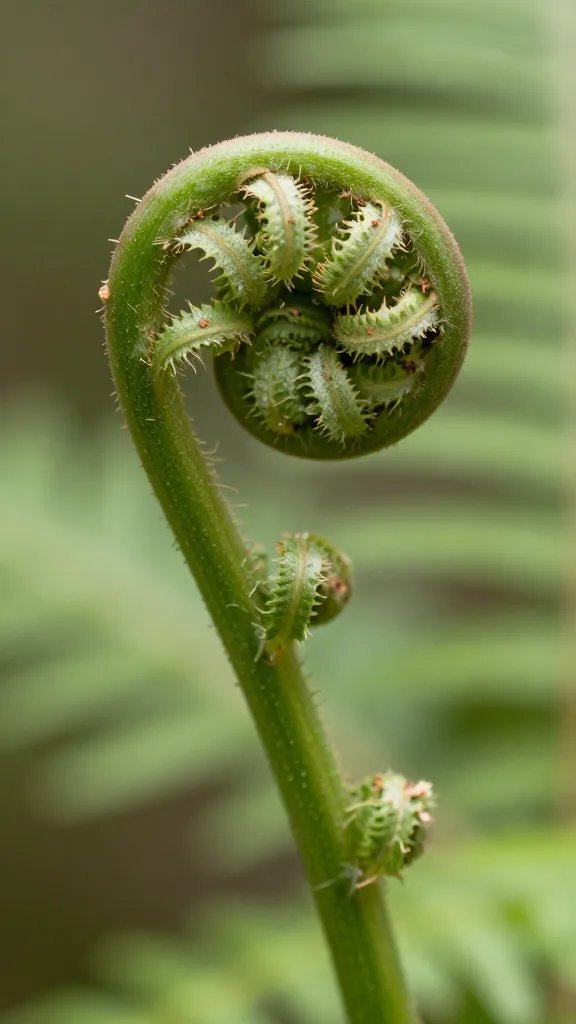
How do I know if my room is humid enough for a terrarium fern?
You don’t need a meter. Watch the glass: a light morning mist that clears by afternoon means you’re good. If the glass stays bone-dry all day and fronds feel papery, add a tablespoon of water to the drainage layer and close the lid fully for 24–48 hours.
Can I keep a terrarium on my desk under office lights?
Yes, if the light is bright enough to read comfortably without eye strain. If it feels dim, add a small LED desk lamp 12–18 inches above the terrarium for 10–12 hours daily. Avoid warm, weak bulbs; choose a neutral “daylight” labeled bulb.
Do I need fertilizer for terrarium ferns?
Very little. Feed once every 8–12 weeks during spring and summer with a quarter-strength all-purpose liquid fertilizer applied to the substrate, not the leaves. Skip feeding in winter and stop entirely if you see algae blooms or rapid moss growth.
Why are my maidenhair fronds collapsing after planting?
Transplant shock plus low humidity causes sudden wilt. Trim the worst fronds, seal the terrarium for 48 hours to stabilize moisture, and keep bright indirect light. New fronds usually emerge within 2–4 weeks once roots re-anchor.
How often should I fully replant the terrarium?
Refresh or repot every 12–18 months. Over time, mixes compact and roots fill the space, which traps water and starves roots of air. When you replant, replace at least half the substrate and trim the fern to fit the space again.
Is activated charcoal necessary?
It’s helpful but not mandatory. I add a small handful mixed into the substrate to curb odors and keep water clearer in the drainage layer. If you skip it, prioritize proper ventilation and avoid overwatering even more strictly.
Conclusion
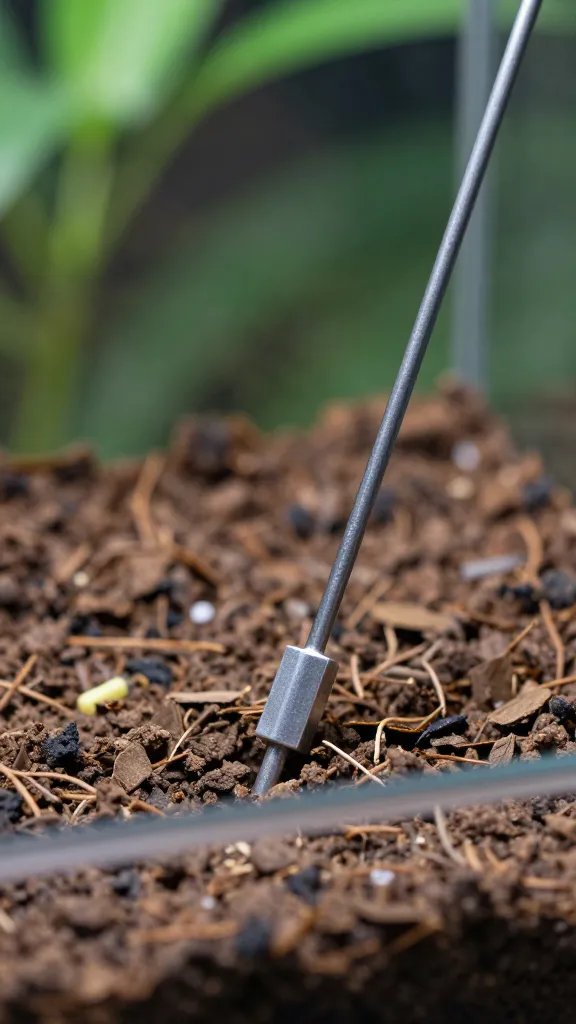
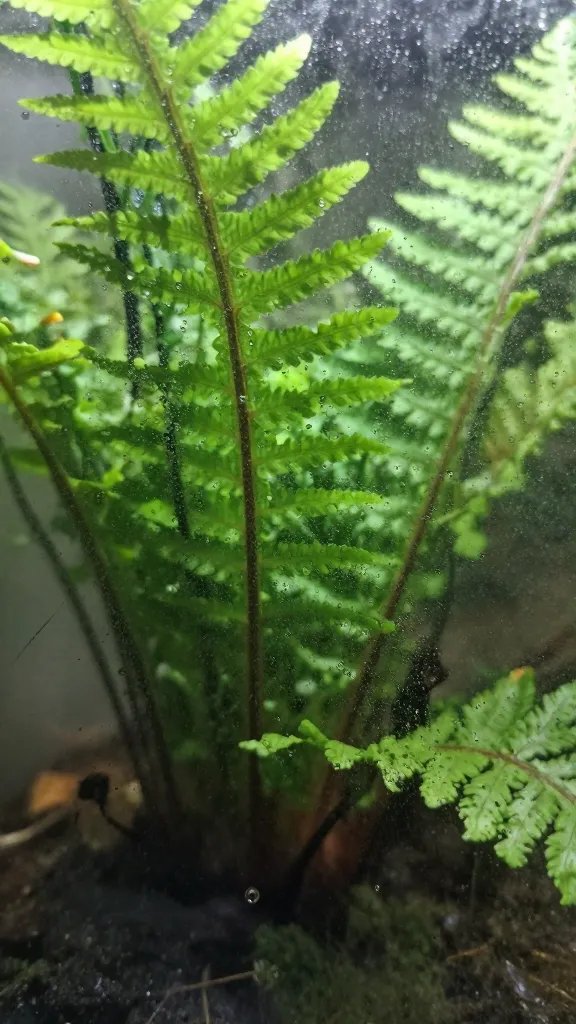
Ferns thrive in terrariums when you set three dials and stop fighting them: steady humidity, bright indirect light, and an airy, barky substrate. Start with one compact fern, place it out of direct sun, and use a teaspoon or spray bottle for water. If you want a next step, build your layered substrate this weekend — once that foundation is right, the rest becomes easy maintenance instead of constant rescue work.