
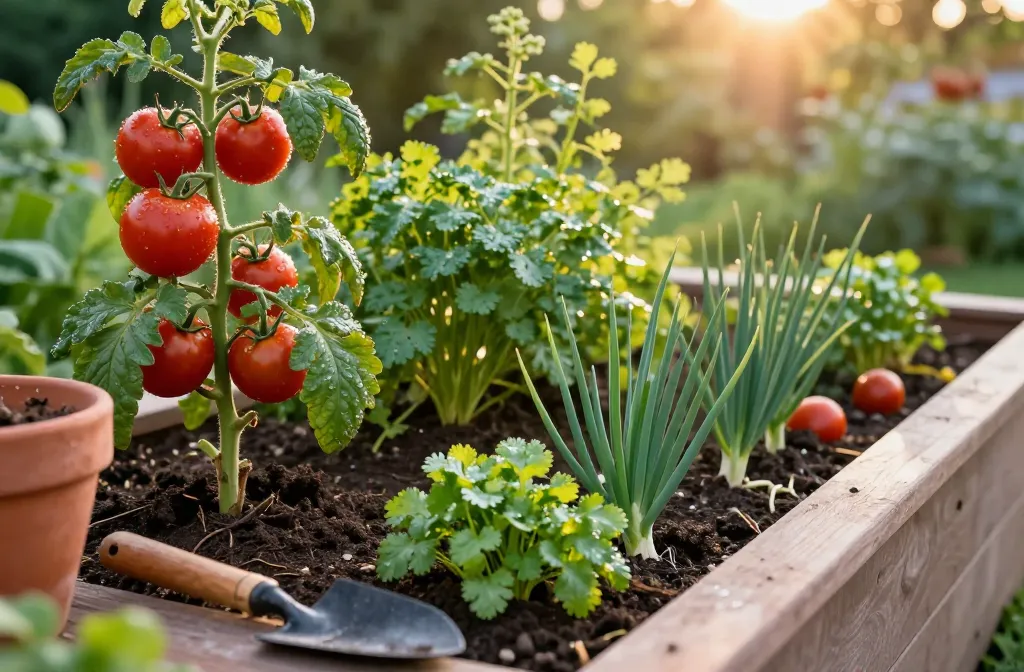
Craving a garden that feeds your kitchen and your soul? These companion plant combos pull flavors straight from Latin American cuisines and pack them into your beds and containers. Think fewer pests, happier soil, and harvests that basically season themselves. Ready to grow a salsa bar and a taco night in your backyard?
1. Salsa Garden Power Trio: Tomatoes + Cilantro + Green Onions
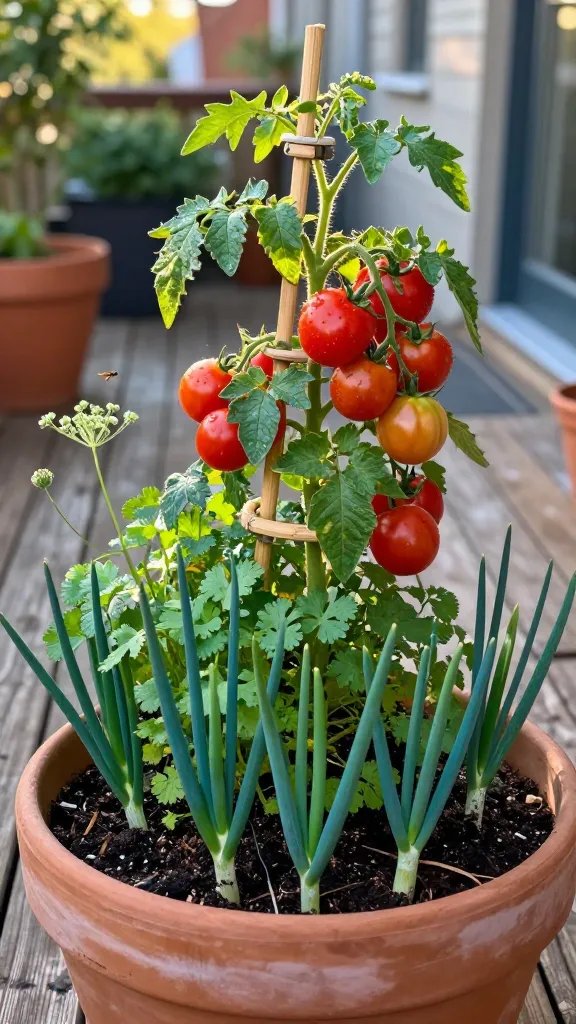
This classic trio tastes like a party and grows like one too. Tomatoes love the shade from cilantro’s lacy foliage, and green onions sneak in as pest-deterring understories. You’ll pick ingredients for pico de gallo without leaving your patio.
Why It Works
- Tomatoes enjoy partial shade on hot afternoons when cilantro bolts fast.
- Cilantro attracts hoverflies that prey on aphids—free bodyguards.
- Green onions confuse tomato hornworms with their sulfur-rich scent.
Space tomatoes 24–30 inches apart, then tuck cilantro on the east side for morning sun and cooler afternoons. Slip green onion clumps between tomatoes at 8–10 inches.
Tips
- Succession sow cilantro every 2–3 weeks; it bolts when heat spikes.
- Mulch to cool roots and slow bolting.
- Stake or cage tomatoes early; don’t wrestle vines mid-season.
Use this trio when you want a steady stream of salsa ingredients from late spring to fall. You’ll harvest herbs and alliums while tomatoes ripen—staggered flavor, zero waste.
2. Milpa Magic: Corn + Beans + Squash (The Three Sisters, Latin Style)
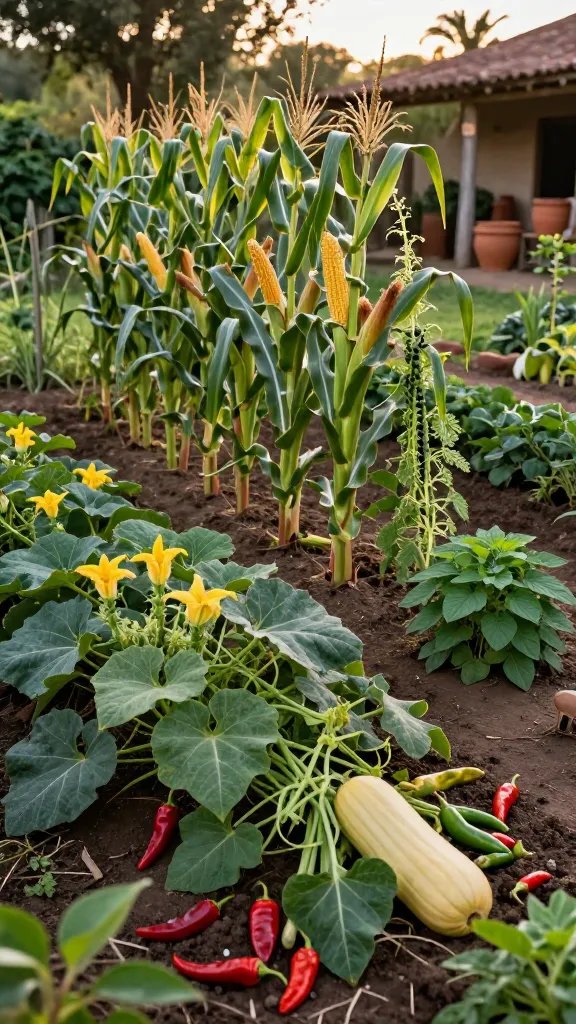
You’ve heard of the Three Sisters, but give them a Latin American spin with chiles and epazote nearby. Corn provides the trellis, beans fix nitrogen, and squash smothers weeds with living mulch. It’s a biodiverse buffet that feeds your soil and your table.
Key Pairings
- Maíz (Corn) as the structural backbone.
- Frijoles (Pole Beans) for protein and nitrogen.
- Calabaza (Winter Squash or Calabacita) for shade and moisture retention.
Plant corn in tight blocks (not single rows) for pollination. When corn hits 6–8 inches, sow pole beans at each stalk base. A week later, plant squash on the mounds’ edges so vines spill outward.
Add-Ons
- Chiles on the perimeter to deter rabbits and offer heat for stews.
- Epazote between mounds—aromatic, resilient, and made for beans.
The payoff? A stable mini-ecosystem that shrugs off drought and gives you tamale fillings, hearty stews, and roasted squash all season. Seriously, it’s the definition of efficient abundance.
3. Ceviche Patch: Limes in Pots + Ají Dulce + Culantro
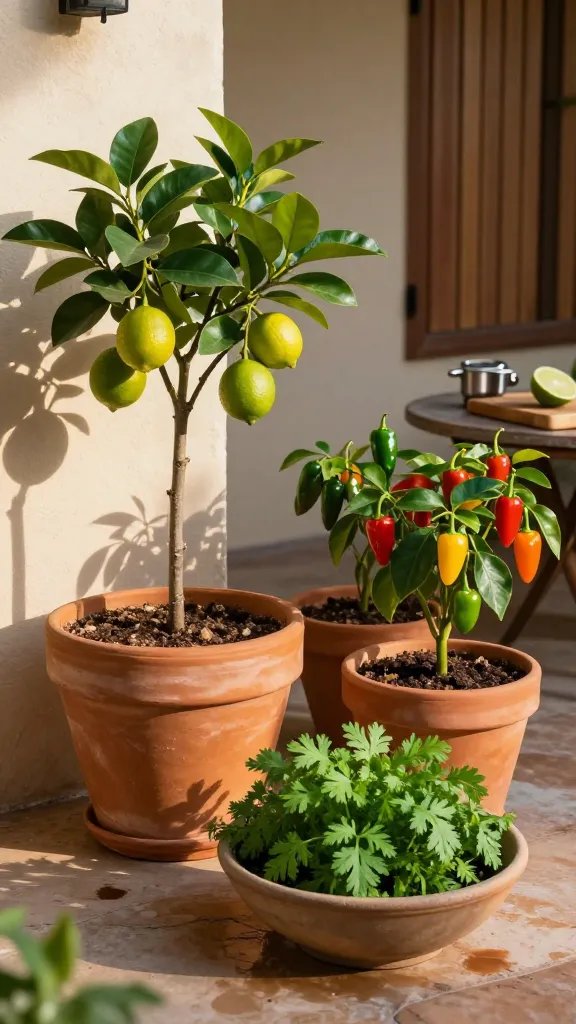
If you love bright, citrusy flavors, build a corner dedicated to ceviche vibes. Container-grown limes (or lemons if frost says nope), sweet ají peppers, and culantro deliver punchy aromatics with zero fuss. You’ll snip, squeeze, and slice your way through patio dinners.
Container Setup
- Dwarf lime in a 15–20 gallon pot with gritty, well-draining mix.
- Ají dulce in 5–10 gallon pots; they love heat and consistent moisture.
- Culantro in a wide, shallow container—partial shade keeps leaves tender.
Cluster containers so the lime creates dappled shade for culantro. Ají dulce thrives on the sunniest edge, and its flowers lure pollinators that help citrus set fruit.
Care Notes
- Feed citrus monthly with a balanced, micronutrient-rich fertilizer.
- Bottom-water peppers to avoid blossom end rot and leaf scorch.
- Harvest culantro often to prevent flowering and bitterness.
Use this trio when you want Caribbean and coastal Latin flavors at your fingertips—think marinades, mojo, and quick ceviche. FYI, the fragrance alone makes this setup worth it.
4. Taco Night Bed: Tomatillos + Chiles + Mexican Oregano
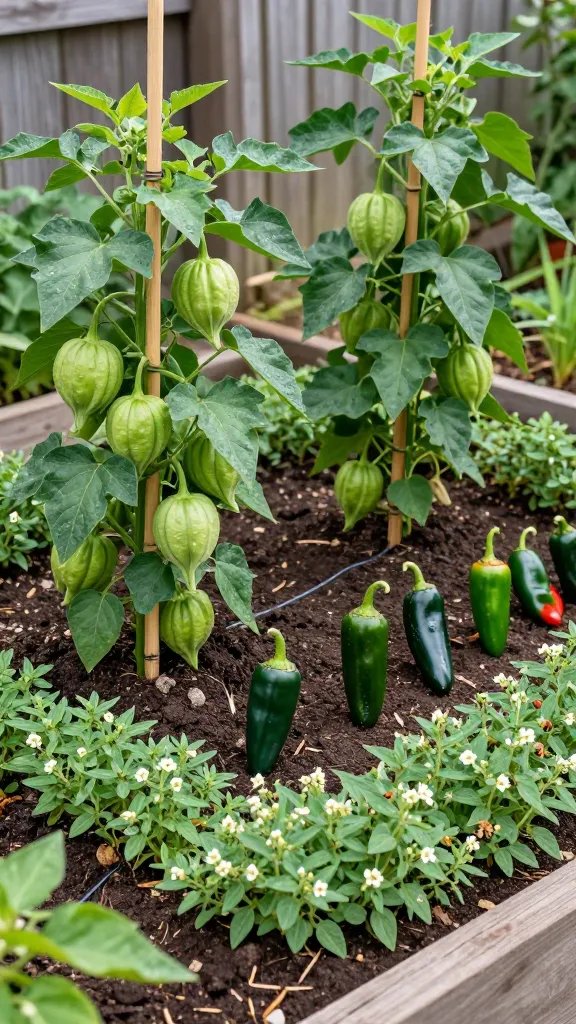
Green, tangy, and slightly wild—that’s tomatillo season. Pair them with your favorite chiles and the floral, citrusy snap of Mexican oregano. They grow fast, attract bees, and reward you with salsa verde on demand.
Planting Layout
- Tomatillos need at least two plants for pollination—don’t solo them.
- Chiles (jalapeño, serrano, chile de árbol) slot in between to maximize airflow.
- Mexican oregano along the border to repel pests and offer culinary magic.
Stake tomatillos early—their sprawl can get extra. Keep chiles 14–18 inches apart, and trim lower foliage to improve airflow. Oregano prefers slightly lean soil, so don’t over-fertilize that edge.
Pest Hacks
- Layer basil or marigolds nearby to distract whiteflies and aphids.
- Mulch with straw to stop soil splash and early blight.
When to use this? Anytime you want roasted tomatillo salsa, rajas, and herby meat rubs without grocery runs. IMO, it’s the highest joy-to-effort bed you can plant.
5. Caribbean Bean Pot: Black Beans + Rice-Adjacents + Alliums + Herbs
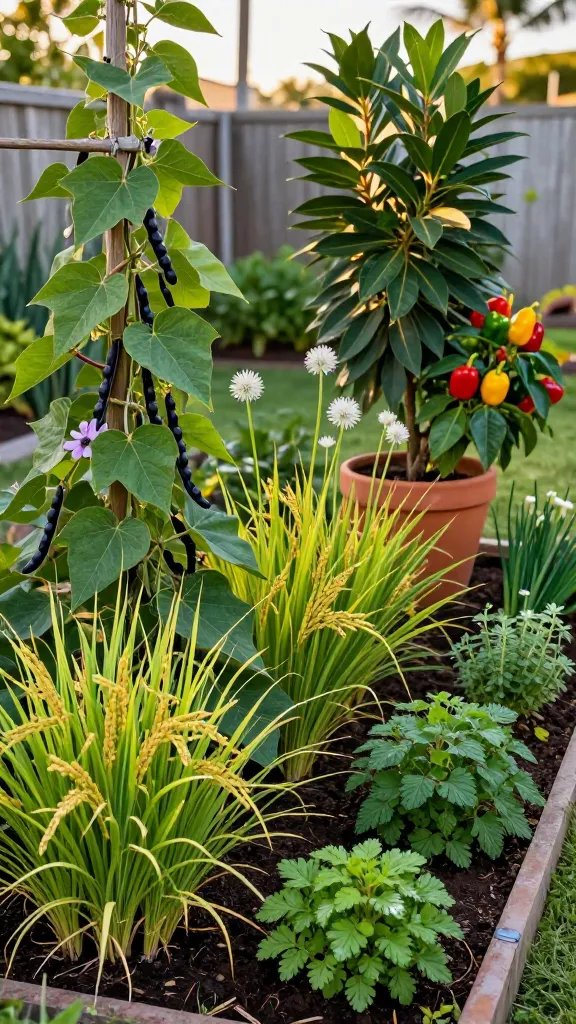
Rice and beans are a love story, so mimic it in your garden. Grow black beans with heat-loving companions and herbs that make pots of moro, congrí, or feijoada sing. You’ll get nitrogen-fixing action and a pile of flavor boosters.
Core Cast
- Black beans (bush or pole) as the protein and nitrogen source.
- Scallions or garlic chives to repel pests and punch up flavor.
- Bay laurel in a container nearby for aromatic leaves.
- Sweet peppers for color and sweetness in sofritos.
- Culinary stand-ins for rice: grow amaranth or millet if you want a grain-like partner in small spaces.
Plant beans in blocks for easy harvest and cooperative pest control. Ring the bed with scallions at 6-inch spacing. Keep bay laurel in a pot so you control size and soil—prune lightly, and you’ll have leaves year-round.
Flavor-First Additions
- Ají cachucha for Cuban-style sofrito without blow-your-face-off heat.
- Culantro or cilantro for finishing bowls and stews.
- Oregano brujo if you can source it—it’s hardy and intensely aromatic.
Use this setup when you cook big pots for friends, meal prep, or cozy Sundays. Trust me, once you make beans with your own herbs, you’ll never go back.
Bonus Mini-Pairings To Hit 15 Bold Combos
- Avocado + Nasturtiums: Nasturtiums trap aphids and decorate salads. Win-win.
- Chayote + Sunflower Trellis: Chayote climbs; sunflowers feed pollinators and give dappled shade.
- Papalo + Tomatoes: Papalo thrives in heat and stands in for cilantro in midsummer.
- Yuca (Cassava) + Peppers: Peppers love the open sun between cassava rows.
- Plantain + Sweet Potato: Sweet potato vines cover soil and reduce erosion around plantains.
- Habanero + Basil: Basil confuses pests and boosts yield-friendly biodiversity.
- Maguey (Agave) + Herbs: Low-water border that shelters lizards, which eat pests—nature’s bouncers.
- Oregano + Lemon Verbena: Herb duet for marinades and teas, buzzing with pollinators.
- Pepino Melon + Marigold: Marigolds deter nematodes; pepinos stay happier and sweeter.
- Banana + Taro (Malanga): Taro loves the moist shade under bananas—lush and productive.
- Epazote + Black Beans: Classic culinary match also works in the bed for pest balance.
- Cactus (Nopal) + Garlic Chives: Chives help deter pests; both shrug off heat.
- Tomato + Huacatay: Peruvian black mint brings big flavor and beneficial insects.
- Pepper + Chamomile: Chamomile attracts hoverflies while giving you calming tea.
- Sorrel + Cilantro: Cool-season friends that give punchy greens and garnishes.
Mix two or three of these around your main beds to dial in biodiversity. You’ll see fewer pests, more pollinators, and tastier harvests—seriously.
Ready to plant a garden that cooks for you? Start with one section, then add the bonus pairs as you go. Keep it playful, harvest often, and don’t overthink—your taste buds will tell you what to grow next.