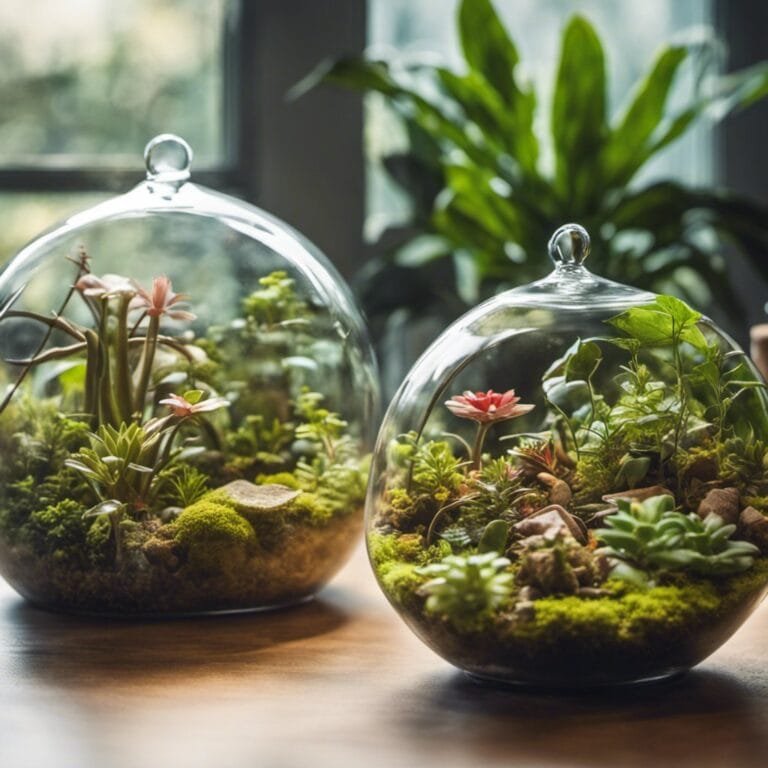
How to Group Terrariums Together — Odd Numbers, Height Variation and Why Even Numbers Look Wrong
I used to line my terrariums in a neat row and wonder why they looked like a shop shelf instead of a display. The fix wasn’t buying more plants — it was learning how our eyes read groups, heights, and spacing. In this guide I’ll show you how to use odd numbers, vary heights, and avoid the flat “even pair” look that throws a display off. You’ll walk away with a simple, repeatable setup you can build today with what you already own.
Why Odd Numbers Feel Natural And Even Numbers Look Staged
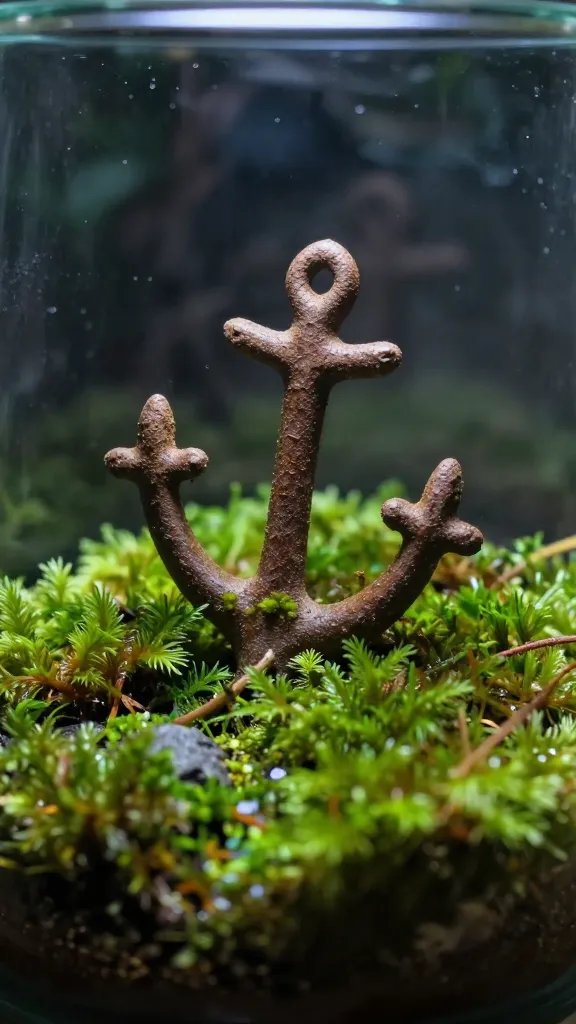
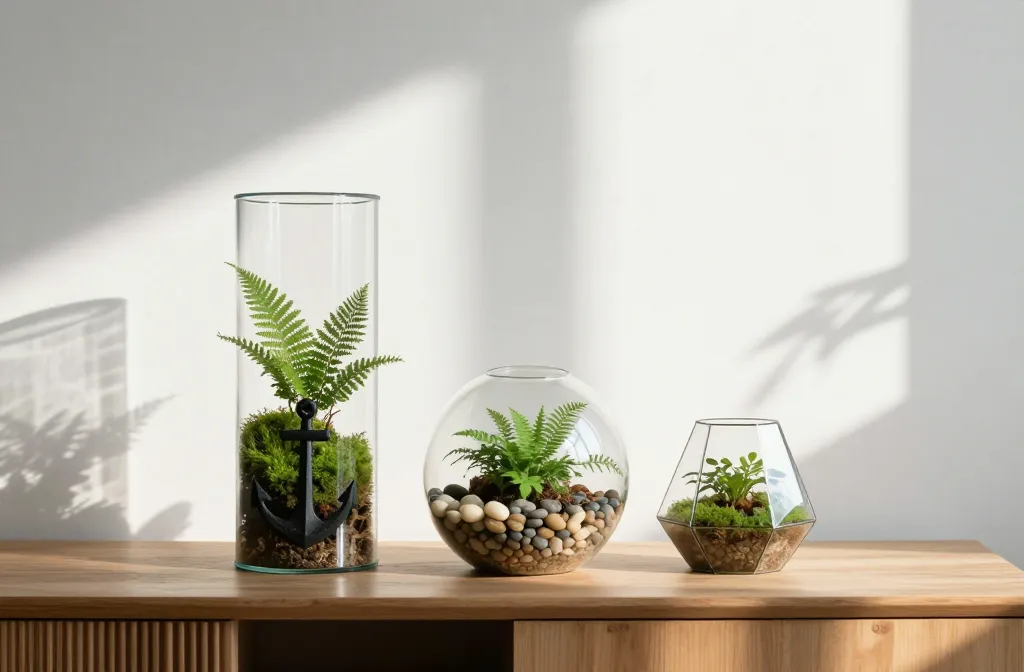
Our eyes scan for a central focal point. In a group of three or five, one piece naturally becomes the “anchor” and the others support it, so your gaze flows without stopping. Pairs create symmetry with no anchor, so your eyes bounce back and forth and the grouping feels stiff.
Use 3 for small spaces, 5 for shelves or sideboards, and 7 only for wide consoles. Reserve pairs for bookends or when the rest of the room already has a strong asymmetry to offset them.
Action today: Pull one terrarium from any pair and add a third from elsewhere — stand back and notice how the group settles visually.
Height Variation Creates Depth — Flat Lines Kill It
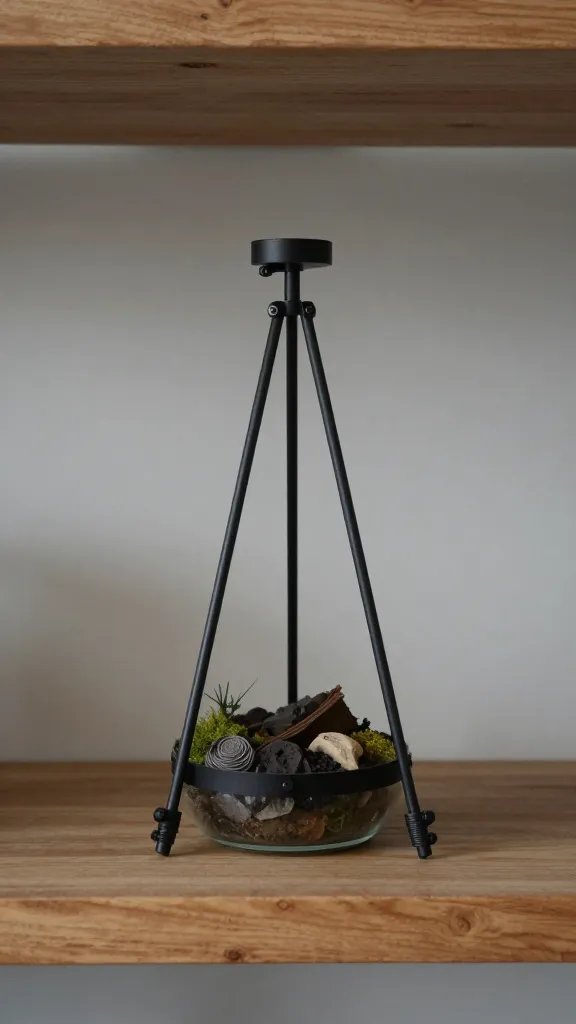
Height changes turn a line of glass into a landscape. Aim for a clear tall-medium-short silhouette with the tallest terrarium about 1.25–1.5 times the height of the shortest. If all your vessels are similar height, create height with simple risers.
Use books, wooden blocks, upside-down saucers, or a sturdy candle holder from a home store. Keep the back row higher than the front, and avoid aligning all lids at the same level, which reads like a fence.
Simple Height Toolkit
- Risers: Hardback books, small cutting boards, stacked cork trivets.
- Levelers: Felt pads to stop wobbles and protect furniture.
- Spacing gauge: Your hand — aim for about four fingers (6–8 cm) between vessels.
Action today: Lift one terrarium by 3–8 cm using two hardcover books and re-check the silhouette from 2–3 meters away.
The Rule Of One Anchor: Pick A Star And Support It
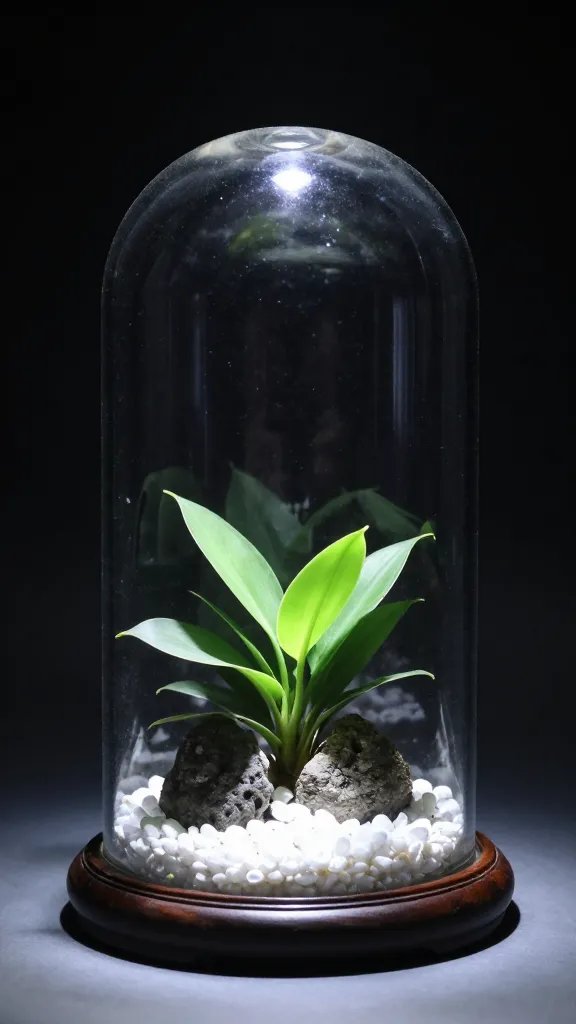
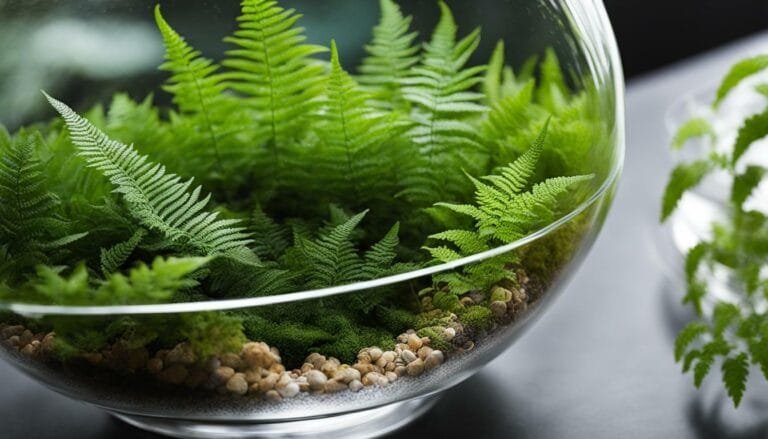
Every grouping needs one anchor terrarium that sets the tone. Choose the most visually complex or tallest vessel — maybe a closed moss jar with a branch, or a large bell jar with a miniature fernscape. Everything else should echo it, not compete.
Echo through repetition of shape or color: if the anchor has curved shoulders and a dark base, repeat curves or dark accents in at least one smaller piece. Avoid introducing a second statement piece the same size; that creates a duel, not a display.
Action today: Identify your anchor and shift it to the front-left or back-center depending on sightlines — then angle other pieces 5–10 degrees toward it.
Spacing And Triangles: How To Place Without Guesswork
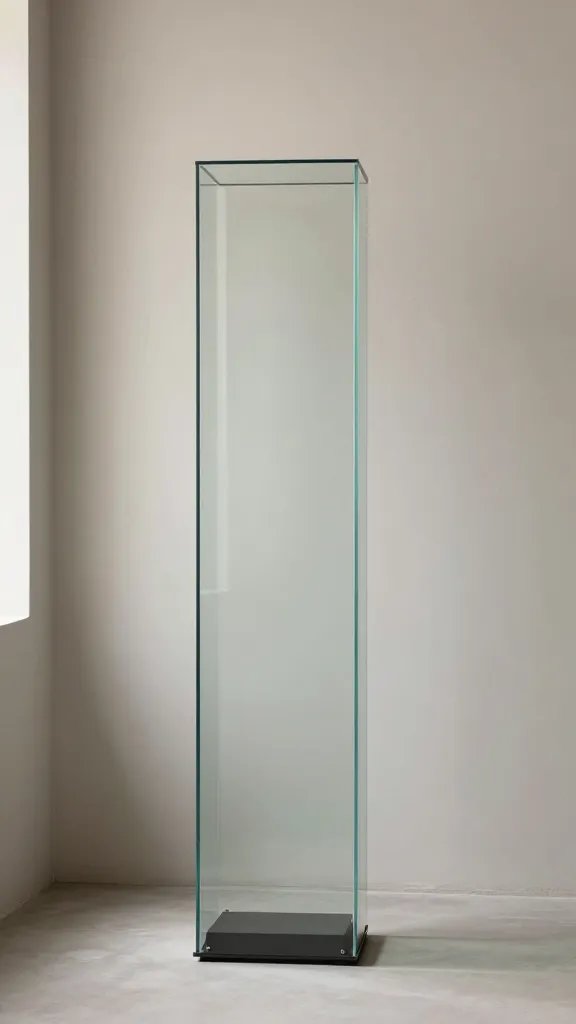
Think in triangles, not rows. Place the tallest at one point, the medium at another, and the smallest forming the third point. This creates instant balance and prevents the eye from getting stuck.
Keep consistent air around each piece. A tight cluster looks messy; a loose scatter falls apart. Use 6–8 cm gaps for small jars, 10–15 cm for large vessels. Angle labels and corks away from the viewer to reduce visual noise.
Step-By-Step Placement
- Set your anchor first.
- Place the medium piece 6–10 cm away and slightly lower.
- Add the smallest piece to complete a scalene triangle (no equal sides).
- Check from the main seating position; nudge by 1–2 cm to refine gaps.
Action today: Redo one shelf as a triangle with staggered heights and 6–8 cm consistent spacing.
Mixing Shapes And Textures Without Visual Clutter
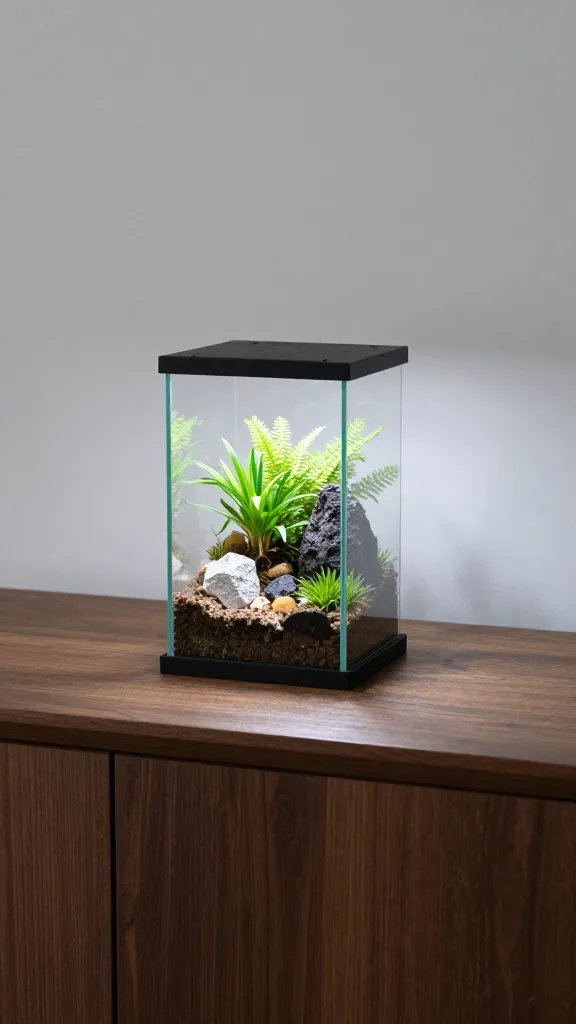
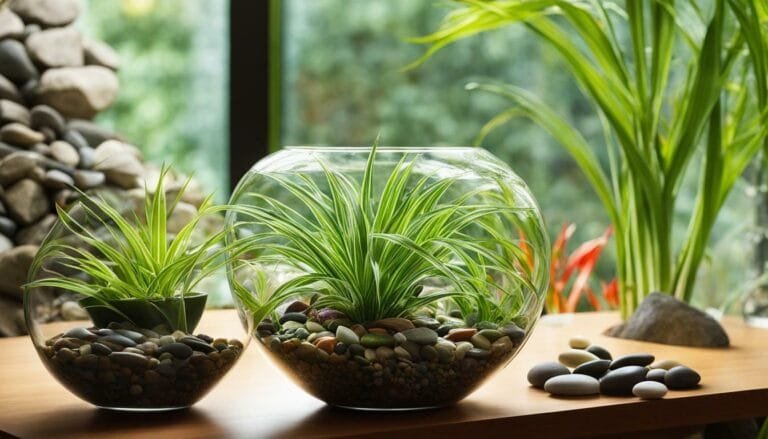
Limit your group to one dominant shape family plus one accent. For example, mostly rounded jars with a single faceted vessel, or mostly cylinders with one globe. Three different shapes in three sizes reads chaotic.
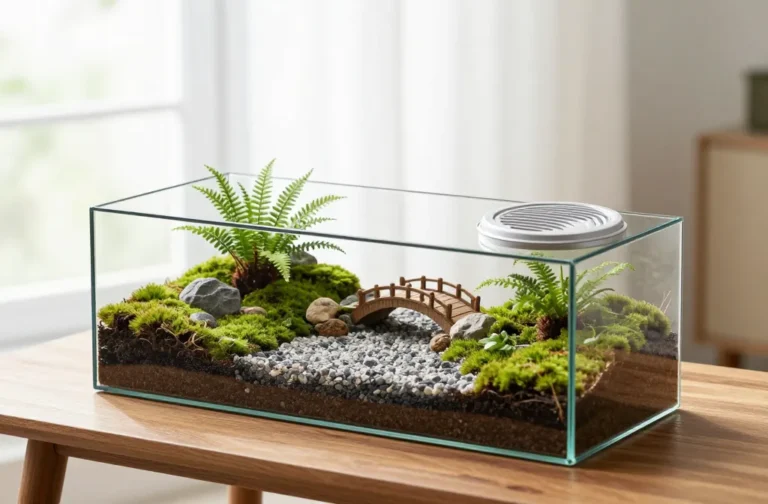
Balance glass finishes and contents. If the anchor is busy inside (branches, rocks, moss), use simpler planting in the supporting pieces: a clean carpet of moss, a single fittonia, or a compact pilea. Keep substrate lines tidy at matching angles to avoid a messy horizon.
Action today: Swap out the busiest non-anchor terrarium for a simpler one to restore calm.
Light, Reflections, And Safe Spots On Real Furniture
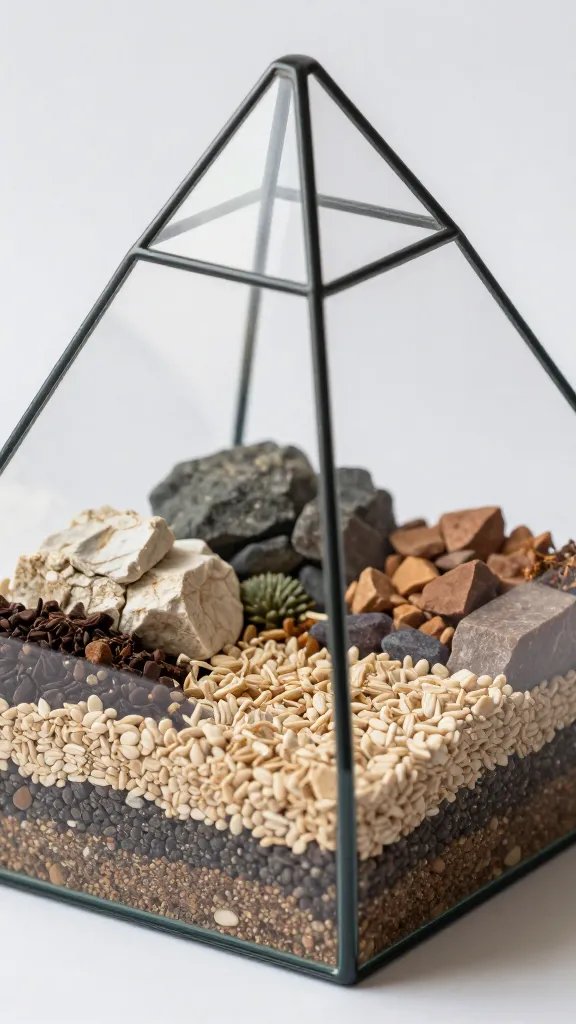
Grouped glass catches light differently than single pieces. Avoid direct sun that can overheat a closed terrarium and scorch foliage. Aim for bright indirect light near a window or on a shelf across the room. If you see harsh glare on the glass at midday, move the group 30–60 cm back.
Protect your surfaces. Use a tray, slate board, or cork mat to unify the group and catch condensation drips. Keep at least 5 cm away from heat vents and 10 cm from wall edges to reduce heat buildup and mildew risk.
Warning Signs To Fix Fast
- Fogged glass all day: Too much heat or moisture; crack lids for 1–2 hours.
- Algae on glass: Group sits in a hot, bright beam; shift to softer light.
- Leaning stems pressed to glass: Crowding; increase gaps by 2–3 cm.
Action today: Slide the entire group onto a single tray and pull it 30 cm back from the window to even out light.
Scaling Up: From Trio To Five Without Making A Mess
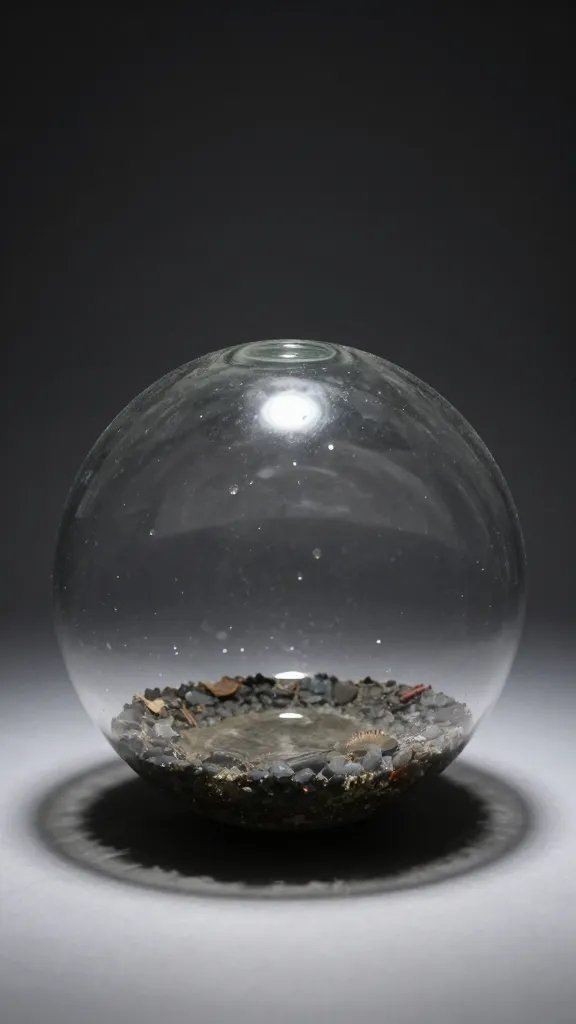
When you expand, build clusters instead of a single long chain. Make a primary triangle of three, then add a secondary micro-pair that reads as one “node” tucked close to the medium piece. This keeps the odd-count logic and avoids a line of soldiers.
Repeat at least one element across the new pieces: same pebble color, same moss type, or matching lids. Two repeats are enough to tie five together without feeling uniform.
Action today: Add two small, similar jars beside your medium piece so they read as one supporting node to your original trio.
Frequently Asked Questions
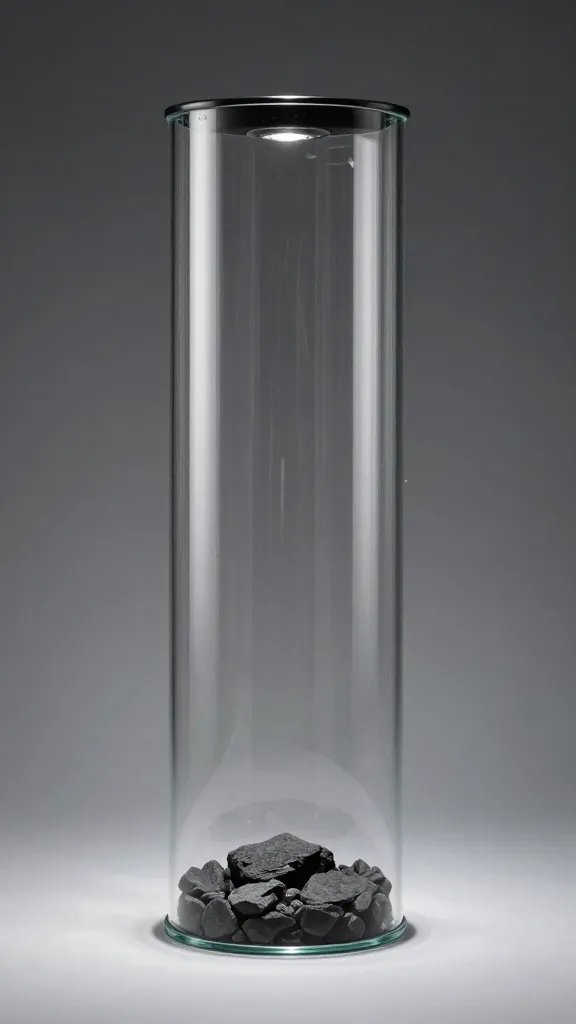
Can I ever group terrariums in pairs without it looking wrong?
Yes, but treat the pair as bookends around a third element like a lamp, stack of books, or a plant in a non-glass pot. That third element becomes the anchor so your eyes stop bouncing. Keep the terrariums different heights and angle them slightly inward toward the center object.
How do I vary height if all my jars are the same size?
Use risers you already have: two hardcover books, a small cutting board, or stacked cork trivets. Raise only one or two pieces by 3–8 cm so you get a tall-medium-short profile. Hide improvised risers with a tray or by aligning them under the vessel’s footprint.
What plants look best in a mixed terrarium group?
Use one detailed showpiece and simpler companions. For anchors, choose fern micro-woods, moss with branches, or a miniature peperomia scene. For supporting jars, stick to clean carpets of moss or a single fittonia or pilea glauca to avoid visual clutter.
How much space should I leave between terrariums?
For small jars, leave 6–8 cm; for larger bell jars, 10–15 cm. This prevents the glass from visually merging and makes cleaning easier. Keep gaps consistent across the group so the eye reads rhythm instead of randomness.
Where should the tallest terrarium go on a shelf or console?
Place it slightly off-center, either back-center or front-left, depending on your room’s main viewing angle. That off-center anchor creates movement while keeping balance. Avoid putting the tallest piece at the extreme edge, which can make the whole display feel lopsided.
How do I stop condensation from ruining the look of the group?
Set moisture correctly and manage light. If you see heavy fog past midday, crack the lid for 1–2 hours or wick a teaspoon of moisture with a paper towel on tweezers. Move the group out of direct sun and onto bright, indirect light to reduce daily temperature swings that drive fog.
Conclusion
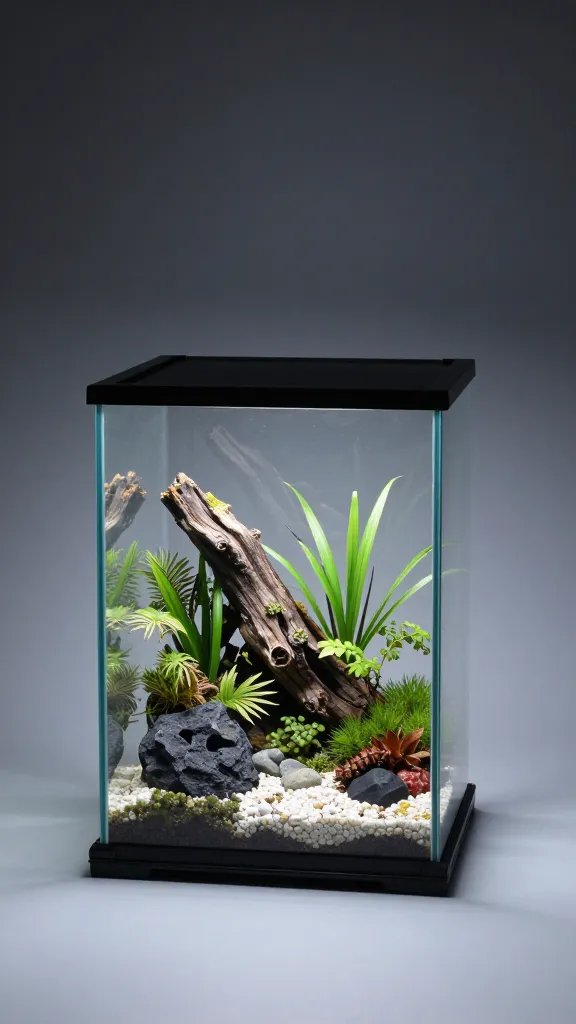
You don’t need new glass to make your display look intentional — you need a plan. Start with an odd number, pick one anchor, build a tall-medium-short triangle, and keep consistent 6–8 cm gaps. Do that on one shelf today, live with it for a week, then expand to five using a secondary node. Once you see how your eye settles, you’ll never go back to even pairs and flat lines.