How Tillandsia Blooms — the Growth Cycle, What Follows Flowering and How to Handle a Dying Spike Unlocked
My first air plant bloom was thrilling for exactly two weeks, then the spike browned and I panicked. Friends messaged me the same photos I had taken: a crisping inflorescence and pups peeking from the base. I learned that this “oh no” moment is normal if you understand the bloom cycle and what to do next. In this guide, I’ll show you how Tillandsia actually blooms, how to get pups to thrive, and what to do with a dying spike without setting the plant back.
The Tillandsia Bloom Cycle: From Color Shift To Pups
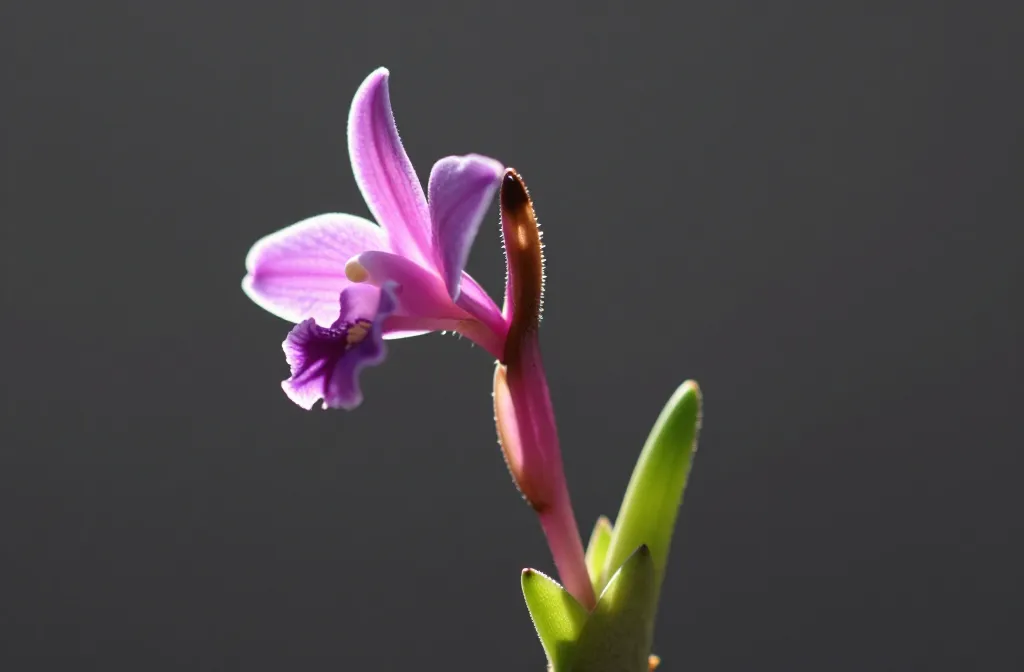
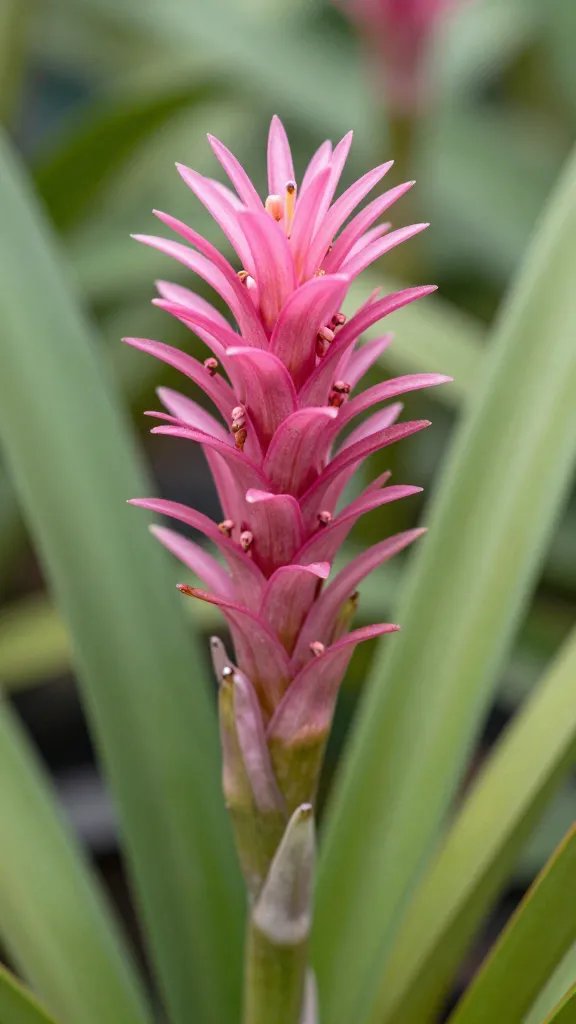
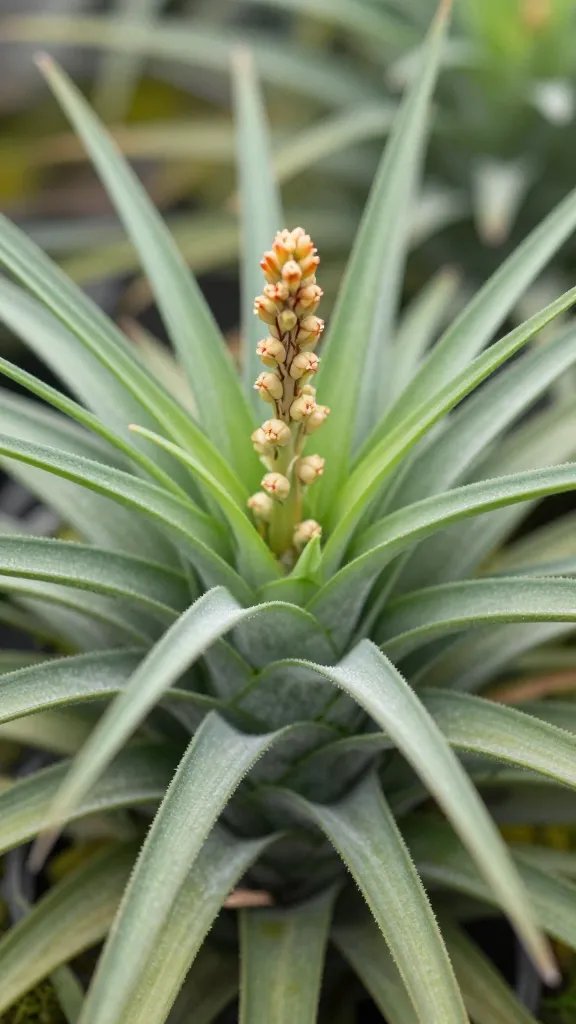
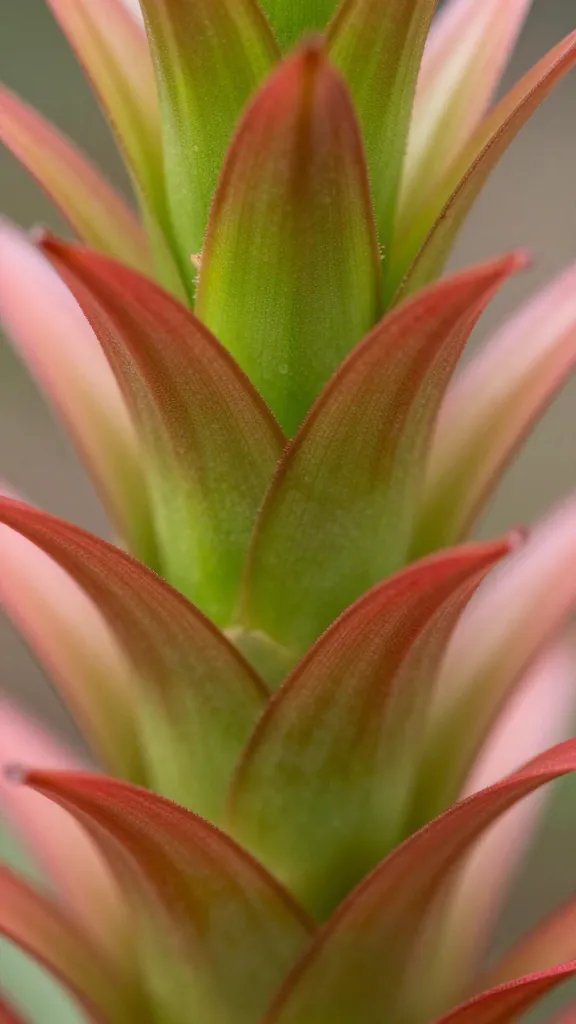
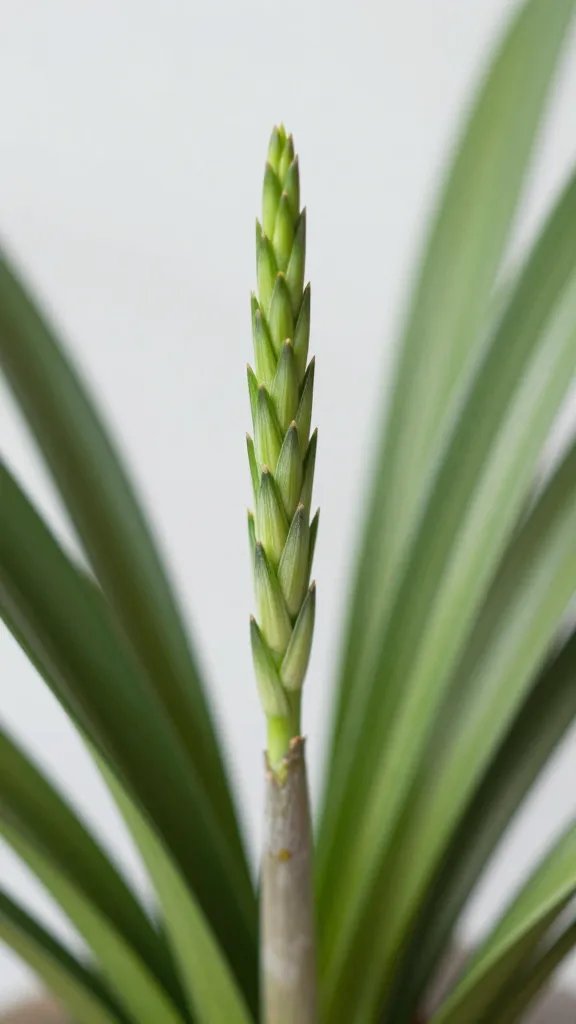
Air plants don’t bloom at random. A mature rosette gathers energy, the leaves blush or the central spike forms, flowers open over days or weeks, then the mother plant slowly declines while producing pups (offsets). This is called monocarpic behavior — the rosette flowers once, then hands off its energy to new growth.
Expect the visible sequence: color change or bract formation, 1–6 weeks of flowers (many open one or two at a time), then 2–6 months of gradual fading as pups grow to grape-to-plum size at the base or along the stem (in species like T. ionantha, T. caput-medusae, T. stricta, and T. xerographica).
Action today: Take a close photo of your plant and note the date. Track when the first bloom opens and when you first see pups — this timeline tells you when to reduce stress and when to feed lightly.
Light, Water, And Airflow That Keep Blooms Going
Blooms burn out early when light is poor or heat is high. Place plants in bright, indirect light near an east or bright north window, or set them one step back from a sunny south window so the leaves don’t heat up. If indoor light is weak, use a basic clip-on LED grow light placed 12–18 inches above for 10–12 hours daily.
Water by soaking the whole plant for 10–15 minutes once or twice a week in room-temperature water that tastes clean, not salty. Shake it upside down two or three times, then dry it in bright, breezy air within 4 hours. Avoid water pooling in tight leaf bases overnight; that rots a blooming center fast.
Takeaway: Move your blooming Tillandsia to a bright spot with steady airflow and commit to one proper soak plus thorough drying each week.
Feeding For Color And Pups Without Burn
During the bloom and pup push, the plant uses stored energy fast. Use a bromeliad or orchid fertilizer at one-quarter strength once every 3–4 weeks. Mix it into your soak water. Skip any fertilizer that lists urea as the nitrogen source — it burns air plants.
Avoid feeding when temperatures exceed 85°F indoors or when the plant can’t dry quickly. Fertilizer on a wet, stagnant plant leads to brown leaf tips and a faster decline of the mother rosette.
Action today: Label a small watering jug “Tillandsia 1/4 strength” so you don’t guess. Feed on the first weekend of each month during active growth.
What To Do With A Dying Bloom Spike
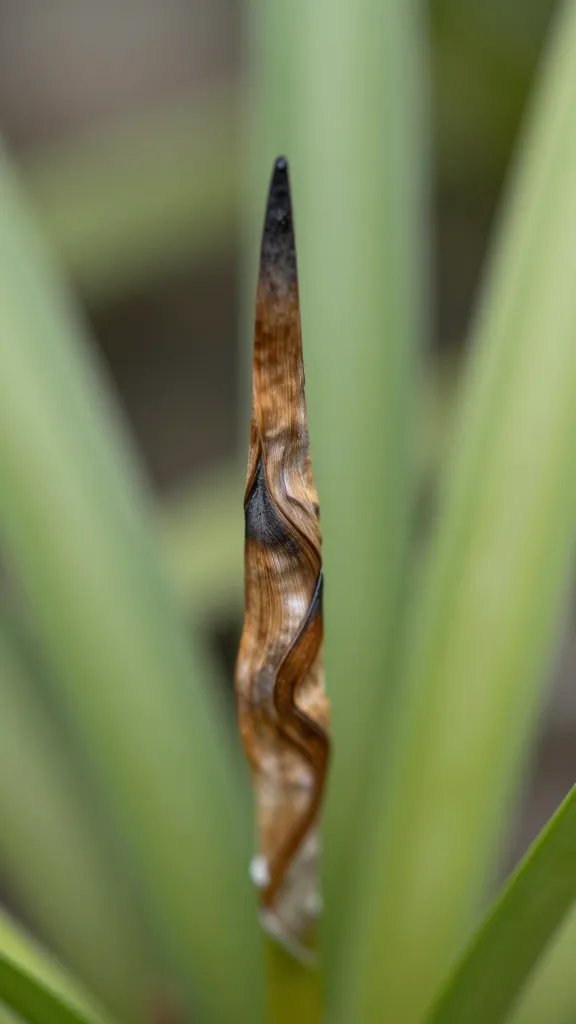
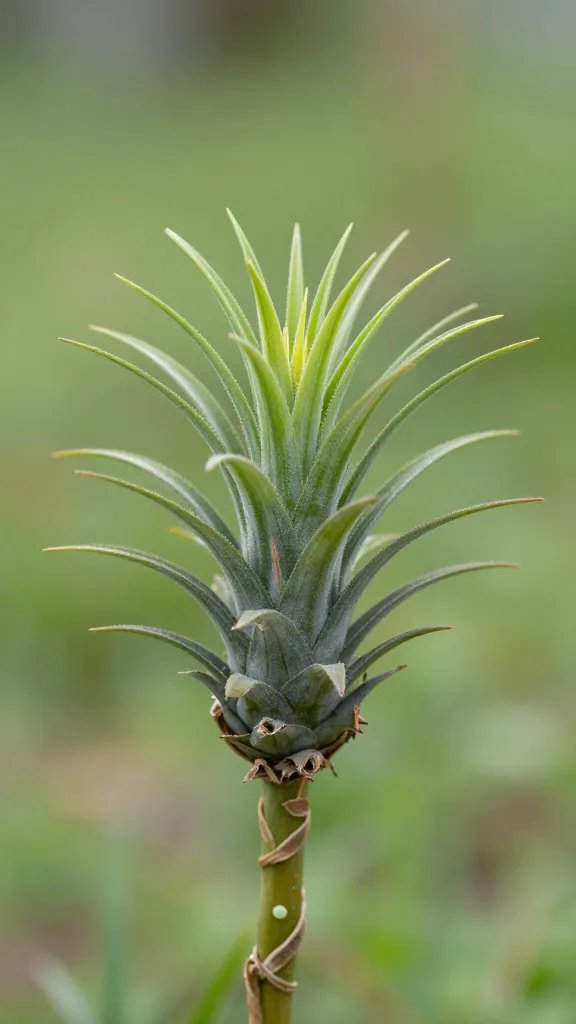
After flowering, the inflorescence turns dull and then brown. That’s normal. If you remove it too early, you risk damaging tiny emerging pups; if you leave it too long, it can trap moisture and mold.
Step-by-Step: Safe Spike Removal
- Wait until the spike is at least 50–70% brown and no new flowers open for a full week.
- Hold the plant base in one hand. With clean scissors, cut the spike where it meets the leaves without cutting green tissue.
- After cutting, soak the plant for 10 minutes, shake out water, and dry it face-down on a towel for an hour.
- For species with tight tanks (e.g., T. xerographica), tilt the plant after each watering until no water remains in the center.
Takeaway: Clip the spike only after it’s mostly brown, and keep the center dry for the next few waterings to prevent rot.
Mother Plant Decline And How To Support Pups
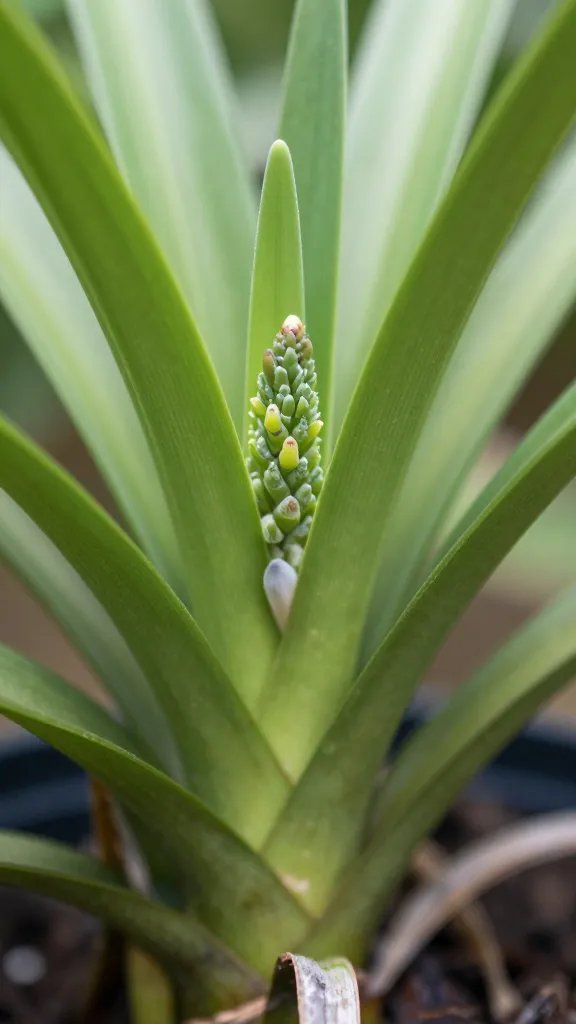
Once the bloom ends, the mother rosette won’t rebound. Your goal is to keep her stable while pups size up. Keep the same light, but ease watering to short soaks or thorough misting twice weekly so the base dries faster. The mother should look tired, not mushy.
When pups reach around one-third to one-half the size of the mother and have their own defined rosettes, you can separate them. If you enjoy clumps, leave them together; the mother will slowly fade away as a scaffolding for new growth.
Action today: Check for pups with a fingertip — feel for a firm, separate rosette at the base. If present, reduce soak time and ensure quick drying to protect that junction.
Separating Pups Without Setback
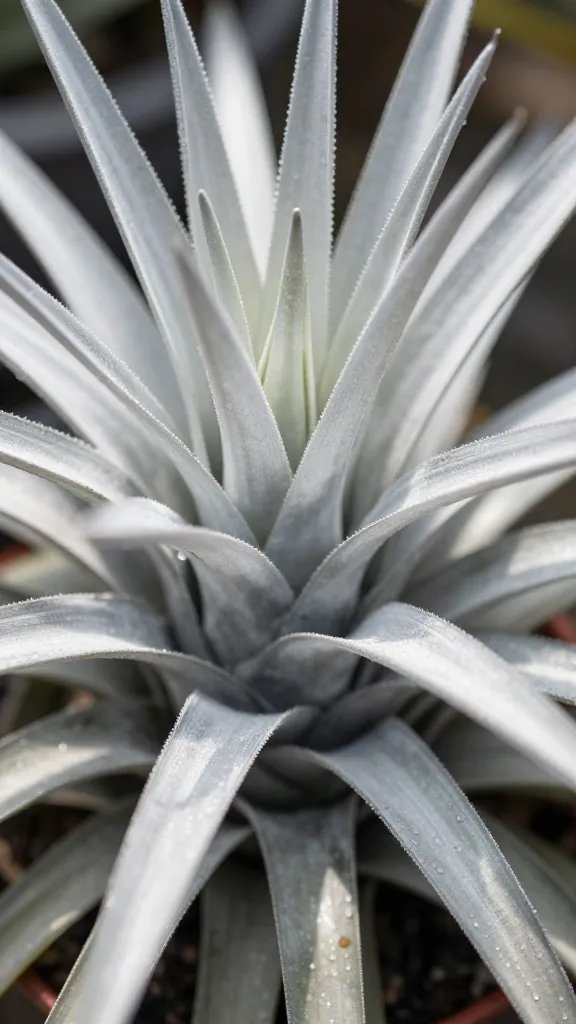
Separating pups too early stalls them. I wait until each pup has at least 6–8 mature leaves and feels solid when I nudge it. Early mornings after a soak work best because leaves are pliable.
Step-by-Step: Pup Separation
- Soak the clump for 10 minutes, then shake dry.
- Grip the mother in one hand and the pup at its base with the other.
- Gently twist the pup sideways; don’t yank. If it resists, stop and wait 4–6 more weeks.
- If needed, slide a clean paring knife into the joint and slice where tissue naturally narrows.
- Let both plants air-dry for 24 hours before the next soak to seal any tiny wounds.
Takeaway: Separate only when pups are at least one-third the mother’s size and detach with a gentle twist, not a pull.
Common Mistakes That Cut Bloom Time Short
Overwatering without drying: Daily misting plus poor airflow keeps the core wet and causes rot. Always dry within 4 hours after any watering.
Direct, hot sun on glass shelves: Afternoon sun through glass overheats plants and bleaches bracts. Move them one step back or add a sheer curtain.
Skipping fertilizer completely: Plants still flower, but pups stay small for months. A light monthly feed speeds pup sizing noticeably.
Using hard or salty tap water: White crust on leaves and brown tips follow. Use filtered, rain, or tap water that tastes clean and not mineral-heavy.
Action today: Do the “four-hour dry test” after your next soak. If the base stays damp past four hours, increase airflow or shorten soaks.
Frequently Asked Questions
How long do Tillandsia blooms usually last?
Most blooms last 1–6 weeks depending on species and light. Individual flowers often open for a day or two, then another follows from the spike. Keep light bright and temperatures between 60–80°F to stretch the display. Avoid heat blasts from radiators or direct afternoon sun on hot days.
Do I need to mist every day during blooming?
No. Soak once or twice a week and let the plant dry within 4 hours. Daily misting without strong airflow leaves moisture trapped in the core and causes rot, especially during bloom. If your room is very dry, add one light mist in the morning only and use a fan on low nearby.
When should I cut off the bloom spike?
Wait until it’s mostly brown and no flowers open for at least a week. Cutting too early risks damaging tiny pups forming near the base. Use clean scissors and remove the spike at the leaf junction. Keep the center dry for the next two waterings after the cut.
How big should pups be before I separate them?
Separate when each pup is one-third to one-half the size of the mother and has 6–8 firm leaves. Test by gently wiggling the pup; if it feels anchored and resists twisting, wait 4–6 weeks. After separation, place pups in bright indirect light and resume the standard soak-and-dry routine.
Why did my air plant turn brown after blooming?
The mother rosette naturally declines after flowering. Brown outer leaves are expected as energy moves to pups. Keep watering light and ensure quick drying so the plant doesn’t rot before pups mature. Trim only fully brown, crispy leaves to keep air moving through the clump.
Can I get my air plant to bloom again?
The original mother will not bloom again, but her pups will when they mature. Give pups bright indirect light, consistent weekly soaks, and a quarter-strength fertilizer monthly. Most common species bloom again in 12–24 months under steady care. Keep temperatures stable and avoid drastic light changes.
Conclusion
You don’t need special gear to handle a Tillandsia bloom — just good light, proper soaking with fast drying, and patience as the mother hands off to pups. Today, set your plant in bright indirect light, plan a weekly 10–15 minute soak, and mark your calendar for a quarter-strength feed in three weeks. When that spike browns, clip it cleanly and focus on pup growth — that’s your next bloom already in progress.