How Tillandsia Blooms — the Growth Cycle, What Follows Flowering and How to Handle a Dying Spike Secrets
When my first air plant finally blushed pink and threw a flower spike, I fussed over it like a new pet — and then panicked when the spike browned and the plant stopped growing. If you’ve watched a Tillandsia bloom and wondered what comes next, you’re not alone. In this guide I’ll show you the bloom timeline, what the plant is doing under the leaves, and exactly how to manage pups and a fading spike. You’ll finish with a simple, repeatable routine that keeps your air plants thriving after the show.
What “Bloom” Means In Tillandsia: Color, Spike, And Spent Flowers
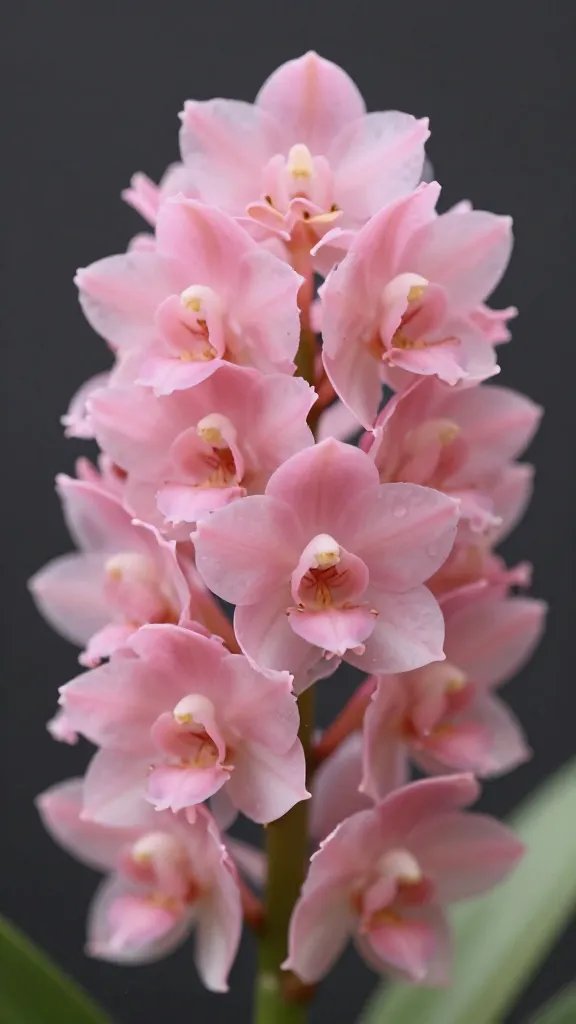
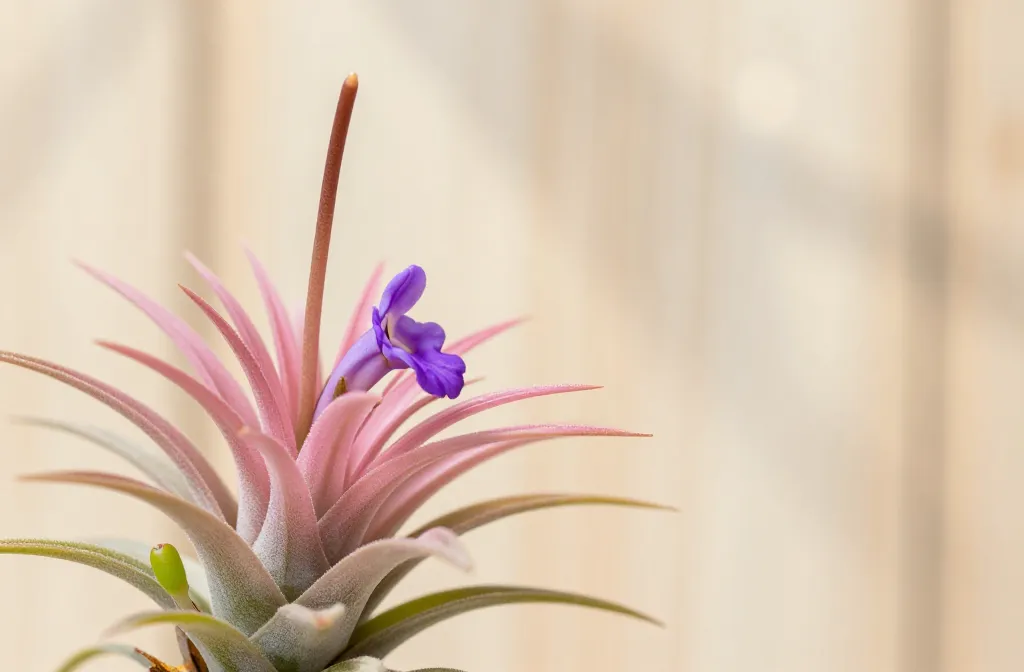
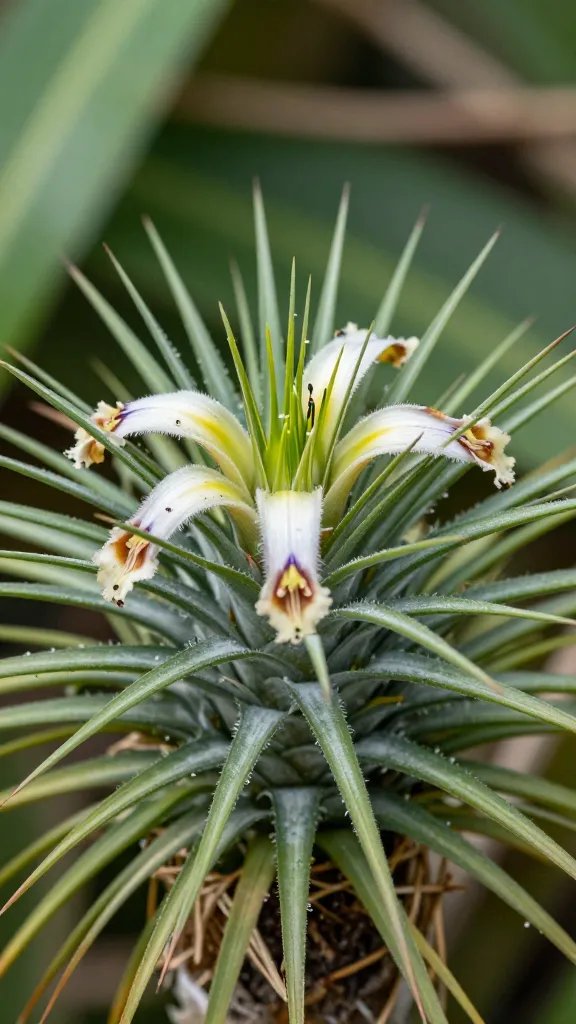
Most Tillandsia show bloom in two parts: a color change (called blush) and a flower spike that produces small tubular flowers over days or weeks. The blush can last 4–12 weeks depending on species and light. Individual flowers open for a day or two, then collapse.
After the last flower, the spike gradually dries from tip to base. That isn’t failure — it’s the signal that the plant is redirecting energy to offspring. Don’t yank the spike early; it’s still feeding the pups.
Action today: After the final flower wilts, leave the spike in place and note the date on a plant tag so you can track pup timing.
The Real Growth Cycle: From Seedling To Bloom To Pups
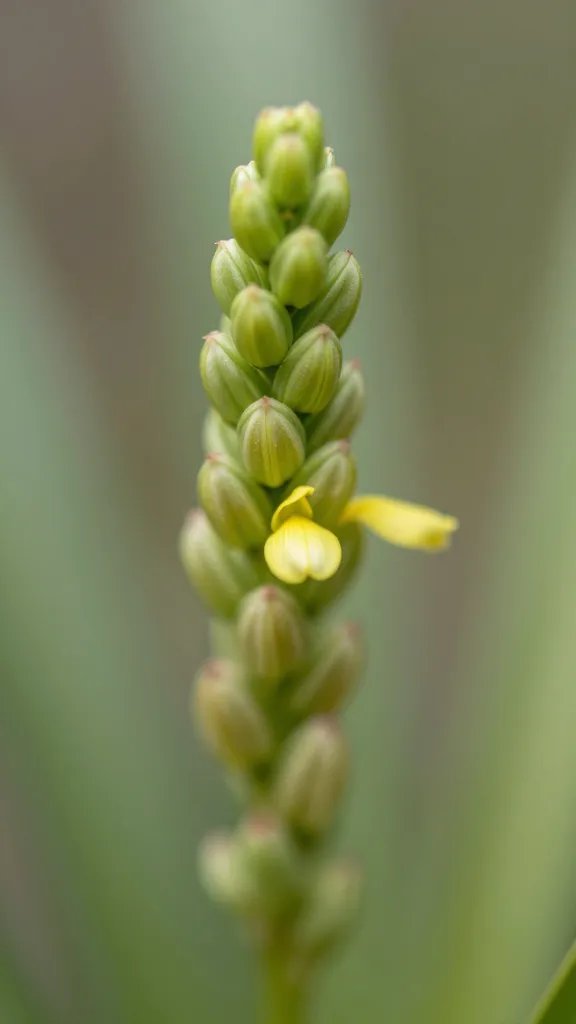
An air plant grows leaves from a central meristem for years, then switches to reproduction. Once it blooms, the mother plant will not make new leaves from that center again. Instead, she invests in pups at her base or tucked between leaves.
Expect 1–3 pups on small species like T. ionantha, and up to 5 or more on larger species like T. caput-medusae or T. stricta. Pups usually appear 4–12 weeks after the last flower, then fatten for 6–12 months before they’re large enough to stand alone.
Takeaway: Treat bloom as the midpoint, not the finish line — start watching for pups within a month of the last flower.
Light, Water, And Air During And After Flowering
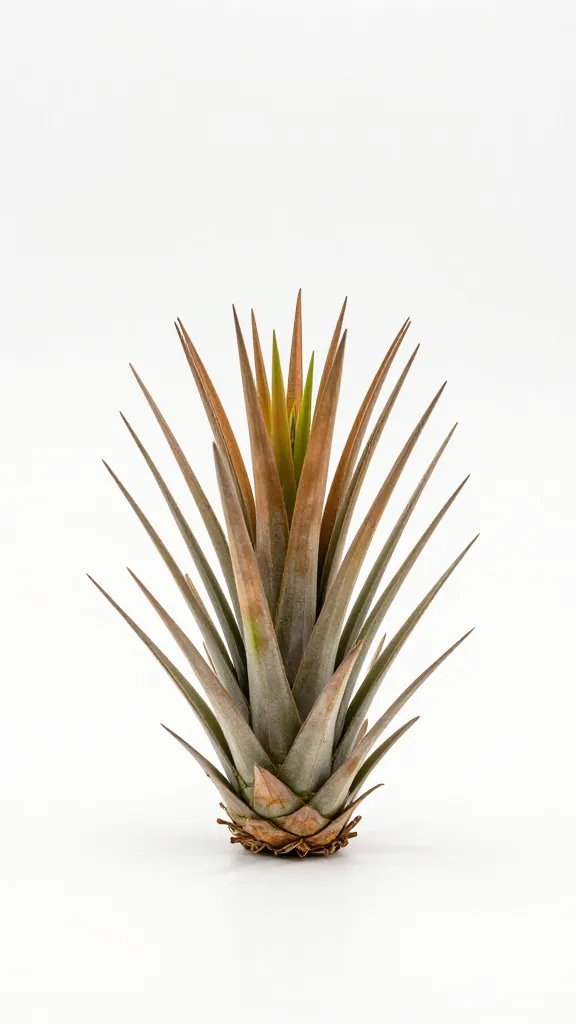
Light: Keep the plant in bright, indirect light near a window. East windows are ideal; south or west windows need a thin curtain to avoid leaf scorch. Bloom color holds longer with strong light, but not direct midday sun behind glass.
Water: Continue your routine: a thorough soak for 15–20 minutes once a week, then shake off water and let it dry within 4 hours. In dry homes or heated rooms, add a midweek dunk for 5–10 minutes. Never leave water trapped in the leaf base overnight.
Air: Place the plant where you feel a slight draft when you hold a hand up — a fan on low across the room works. Good airflow prevents rot as the spent spike decays.
Fertilizer: Once a month, add a pinch (about 1/8 teaspoon per quart of water) of a bromeliad or orchid fertilizer to your soak. This speeds pup growth.
Action today: Move your blooming Tillandsia to an east-facing bright spot and schedule one deep weekly soak on the same day each week.
What To Do With A Dying Spike: Timing And Technique
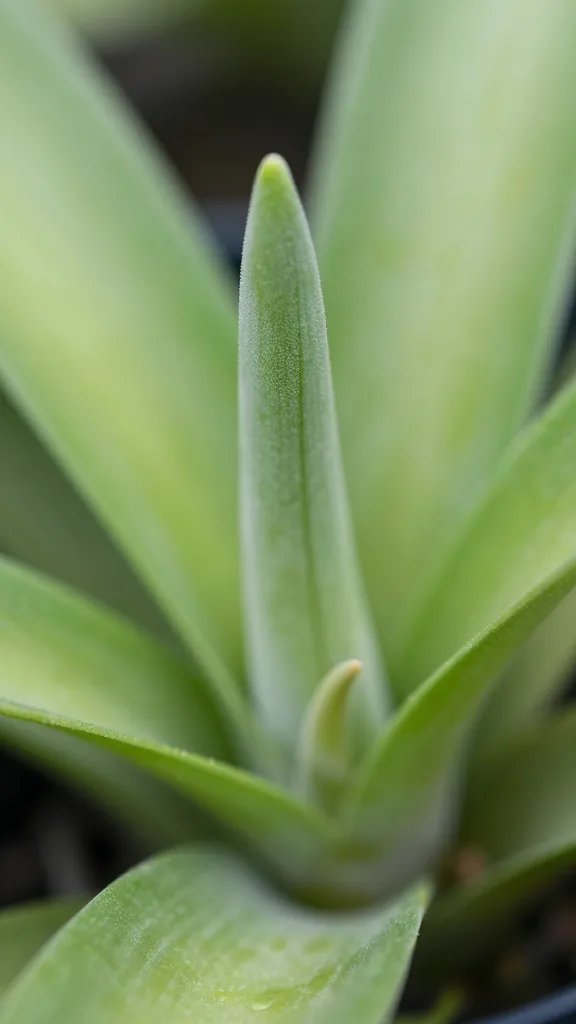
Let the spike dry to at least halfway brown and brittle before you cut it. If you remove it green, you steal stored nutrients that would feed the pups. Once it’s mostly brown, cut as low as you can without nicking healthy leaves.
Step-By-Step: Removing A Spent Flower Spike
- Wait until the spike is mostly brown and dry (usually 4–8 weeks after final bloom).
- Hold the plant upside down and gently shake to make sure no water sits in the center.
- Use clean, sharp scissors from your kitchen drawer. Wipe the blades with rubbing alcohol.
- Cut the spike flush with surrounding leaves. Do not tear.
- Dust the cut area lightly with ground cinnamon if your home is very humid — it’s a mild antifungal.
- Return the plant to bright, airy conditions and resume normal watering.
Warning signs: If the center turns mushy, smells sour, or the plant collapses at the base, you have crown rot. Remove the spike immediately, trim away mushy tissue, and increase airflow and drying time between soaks.
Action today: If your spike is 50% brown or more, sterilize scissors and remove it in one clean cut.
Pup Care: When To Split And How To Keep A Clump
Pups grow attached to the mother until they reach about one-third to one-half of the mother’s size. At that point they have enough leaves to handle watering swings and enough roots (or leaf mass) to anchor themselves in displays.
Step-By-Step: Separating Pups
- Wait until the pup is at least one-third the size of the mother — for small species, about the size of a ping-pong ball of leaves.
- Hold the mother in one hand and the pup at its base in the other.
- Gently twist the pup sideways, not straight out. It should pop free with a small “give.”
- If it resists, stop and wait 2–4 more weeks.
- Mount pups with a dab of waterproof, non-toxic glue or nest them in a wire, cork, or shell so the base stays dry after watering.
If you prefer a fuller display, leave pups attached. A clump blooms more impressively in later years, though the mother will slowly fade as pups take over the mass.
Action today: Choose: mark a calendar date 8 weeks out to check pup size, or decide to keep a clump and plan a wider mount to fit future growth.
Common Post-Bloom Problems And Simple Fixes
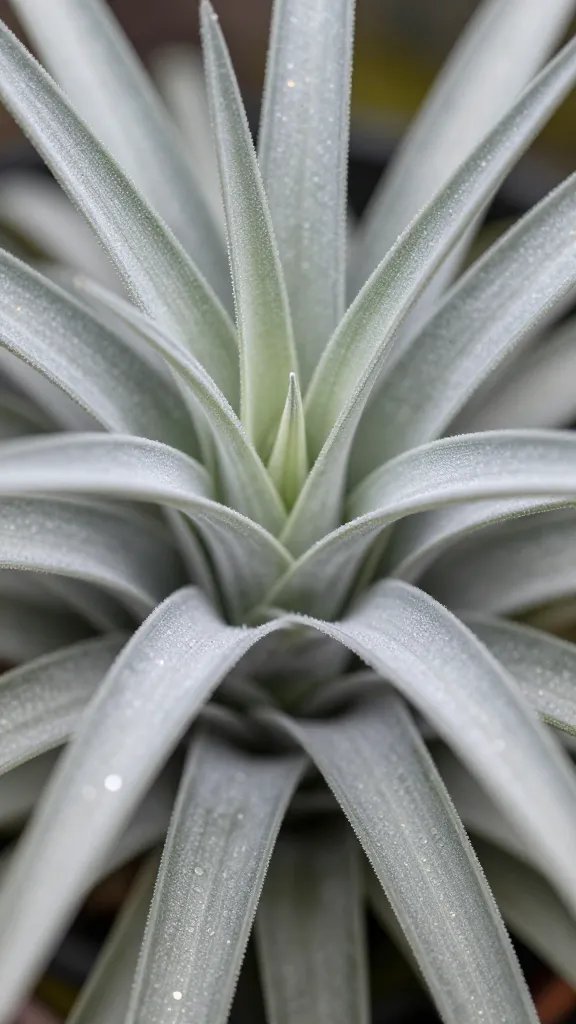
Fading Color Too Fast: The blush disappears quickly in low light. Move the plant closer to the window (still out of harsh midday sun). Expect color to soften over 2–6 weeks regardless.
Leaf Tips Browning: That’s usually underwatering or very dry indoor air. Increase soak time to 20 minutes weekly and add a midweek mist in the morning so it dries by noon.
Center Rot After A Soak: Water sat in the leaf base overnight. Always shake the plant upside down after soaking and let it dry on its side in a breezy spot.
Spike Mold: A dying spike in stagnant air molds fast. Cut it off once brown, improve airflow, and avoid evening soaks.
Action today: After your next soak, hold the plant upside down and give three firm shakes to clear trapped water from the center.
Species Notes: Expectations By Type
T. ionantha group: Blushes bright red or pink, small purple flowers, pups appear quickly. Likes stronger light and dries fast due to tight rosettes.
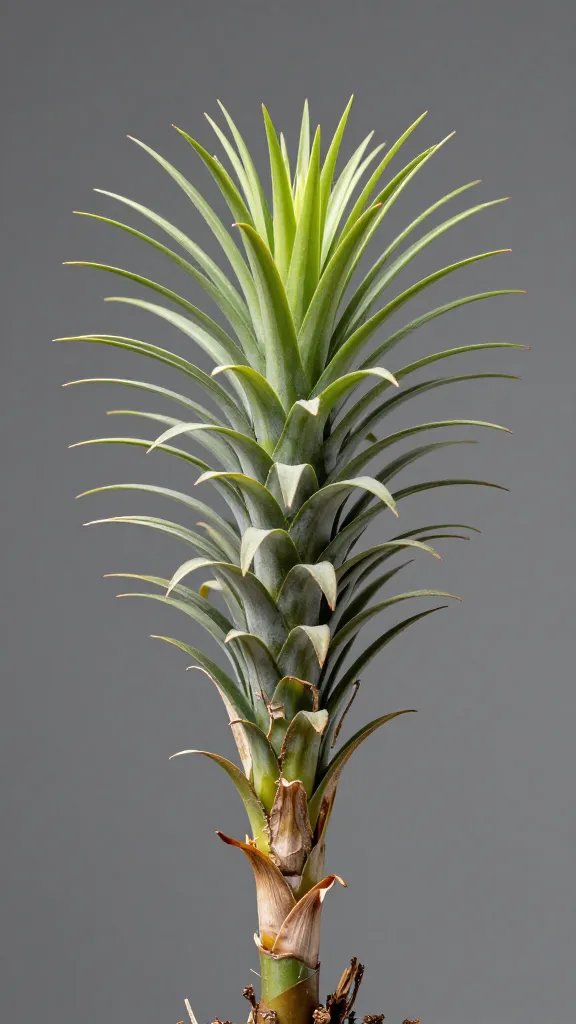
T. stricta / T. melanocrater: Noticeable spikes with bracts; pups 1–3 over a season. Keep bright light and monthly fertilizer for vigorous clumps.
T. xerographica / T. fasciculata: Large plants with grand bracts; pups take longer but are worth the wait. Ensure excellent airflow and longer drying times.
Action today: Look up your species name from the plant tag and note its typical pup count and light needs on a sticky note you keep with the plant.
Frequently Asked Questions
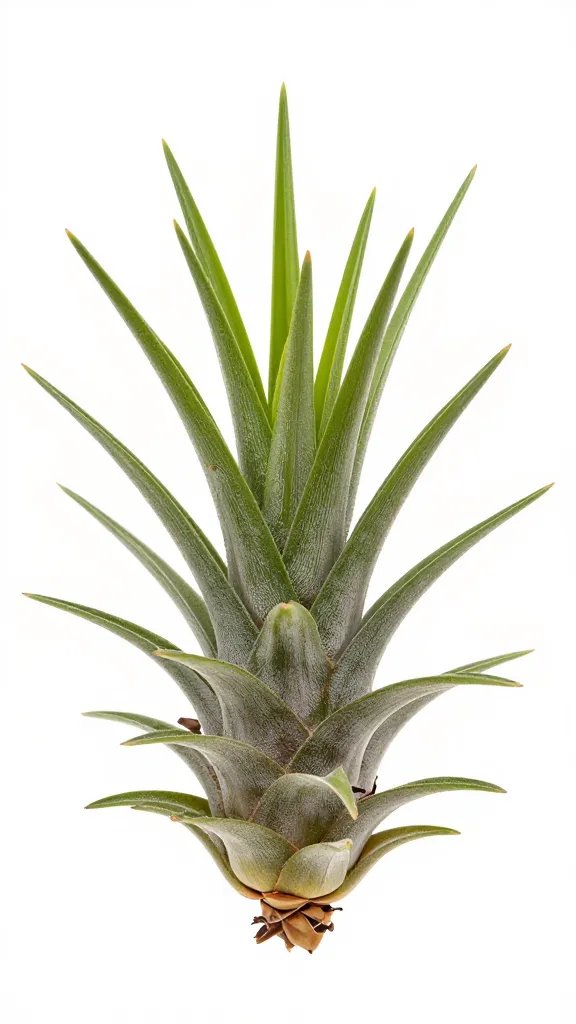
How long does a Tillandsia bloom last?
The blush can hold for 4–12 weeks, while individual flowers open for a day or two each. Larger species with bracts may look “in bloom” for a couple of months even as flowers cycle. Keep bright, indirect light to extend color. Avoid moving the plant away from the window during bloom.
Will my air plant die after it flowers?
The mother plant finishes her growth after flowering, but she doesn’t drop dead overnight. She slowly declines over months to years while feeding pups. Focus on raising the pups to one-third to one-half size before separating, or keep them attached as a clump. Maintain steady watering and airflow during this transition.
Should I fertilize a blooming air plant?
Yes, but lightly. Use a bromeliad or orchid fertilizer at one-quarter strength (about 1/8 teaspoon per quart of water) in a monthly soak. Fertilizing helps pup development more than prolonging bloom. Rinse with plain water on the next weekly soak to prevent residue buildup.
How do I mount a Tillandsia without trapping moisture?
Use materials that dry fast: cork, wire frames, or shells with drainage. Glue or tie the base so that water runs off and the plant can be shaken dry. Avoid deep cups or tight pockets that hold water around the center. Place mounts where you feel a gentle draft.
Why is my flower spike turning brown from the tip down?
That’s normal aging after the final flowers. The spike dries as the plant shifts energy to pups. Wait until it’s mostly brown, then cut it off cleanly with sterilized scissors. Improve airflow so the cut area dries quickly.
How often should I water after flowering?
Keep your pre-bloom schedule: a 15–20 minute soak once a week, with an extra 5–10 minute dunk midweek if your home is dry. Always dry within 4 hours and never leave water in the center overnight. As pups grow, the increased leaf mass may need an extra minute or two of soaking to rehydrate fully.
Conclusion
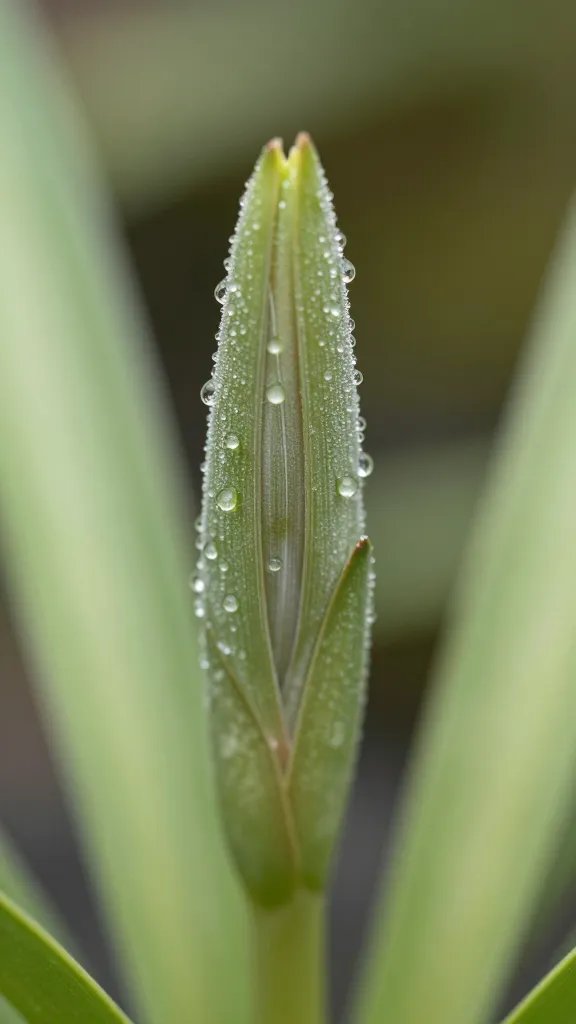
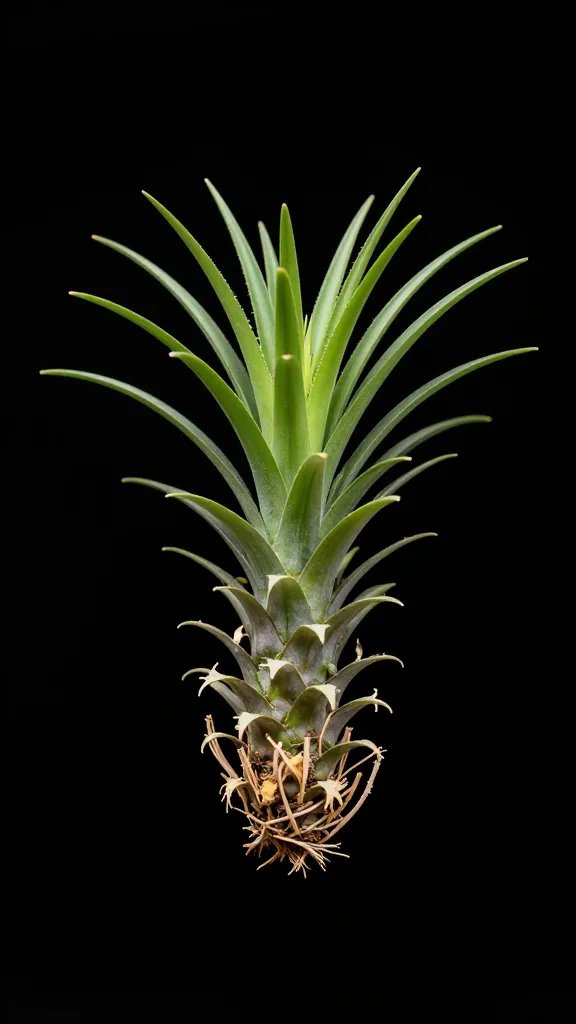
You now know the rhythm: color and flowers, a drying spike, then pups that carry the plant forward. Set the light right, keep water moving through soaks and airflow, and time your spike removal and pup separation with confidence. Pick one plant today, tag the bloom date, and commit to a weekly soak — in a year you’ll have a healthy clump or a new generation of standalone air plants ready to bloom again.