How Terracotta Vs Glazed Ceramic Affects Succulent Watering Frequency — Porosity and Evaporation Rates Secrets
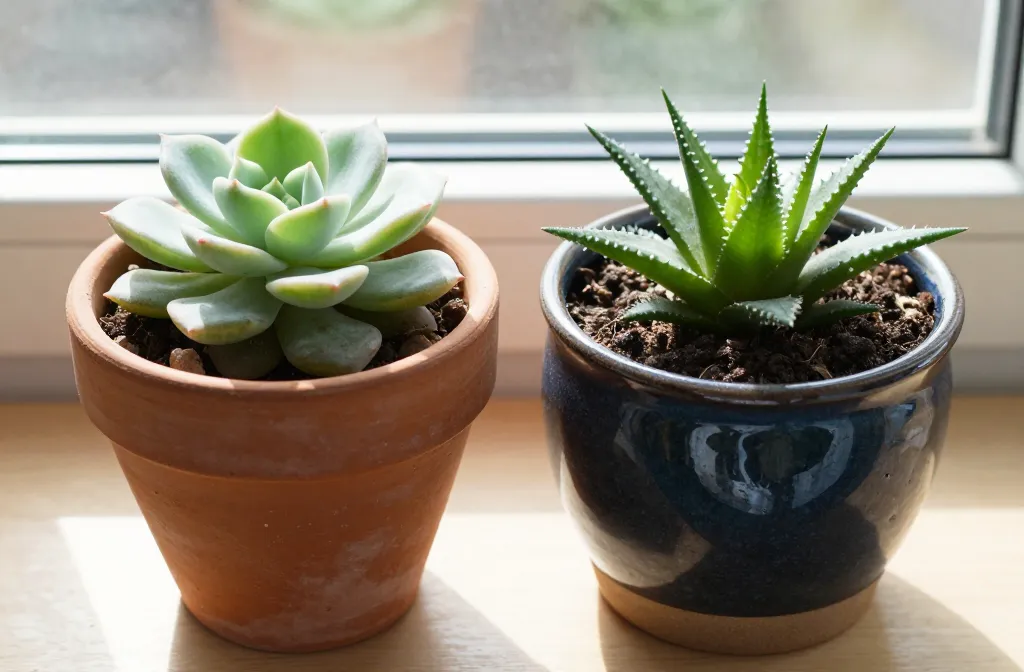
I learned the hard way when my jade in a glazed pot stayed wet for two weeks while the haworthia in terracotta dried out in four days. Same window, same soil, totally different watering schedules. Once I understood how pot materials change evaporation and root oxygen, my succulents stopped sulking and started growing. In this guide I’ll show you exactly how terracotta and glazed ceramic change watering frequency — and how to set an easy, reliable routine for both.
What Pot Material Actually Does: Porosity, Breathability, and Heat
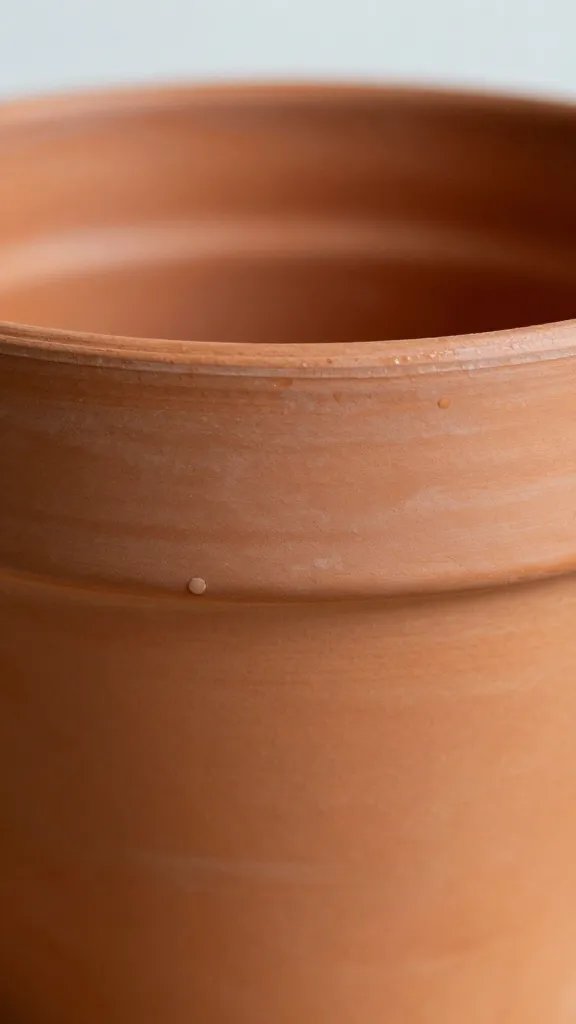
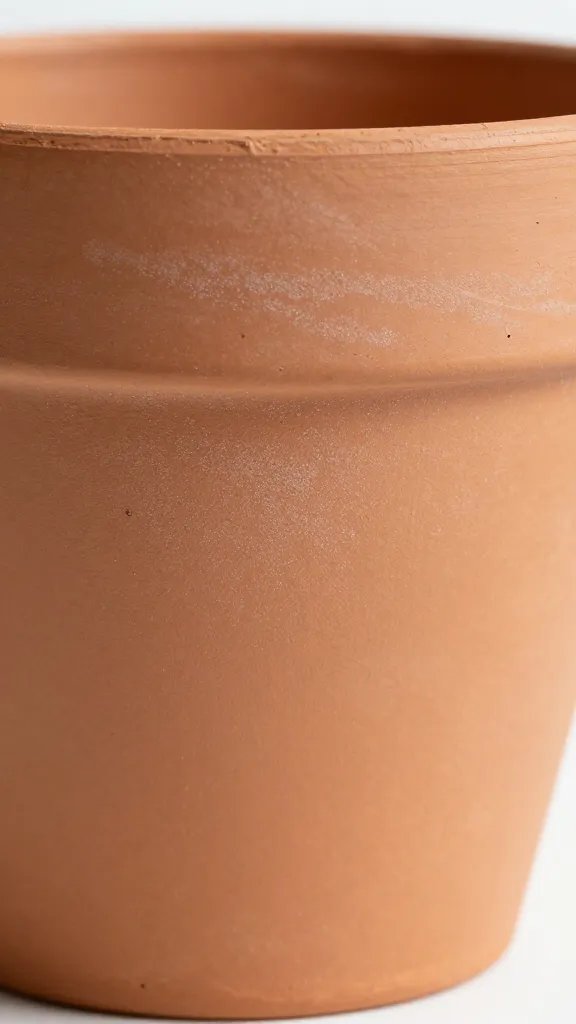
Terracotta is unglazed, porous clay. Water wicks through the walls and evaporates from the pot surface. That speeds drying and pulls in oxygen for the roots.
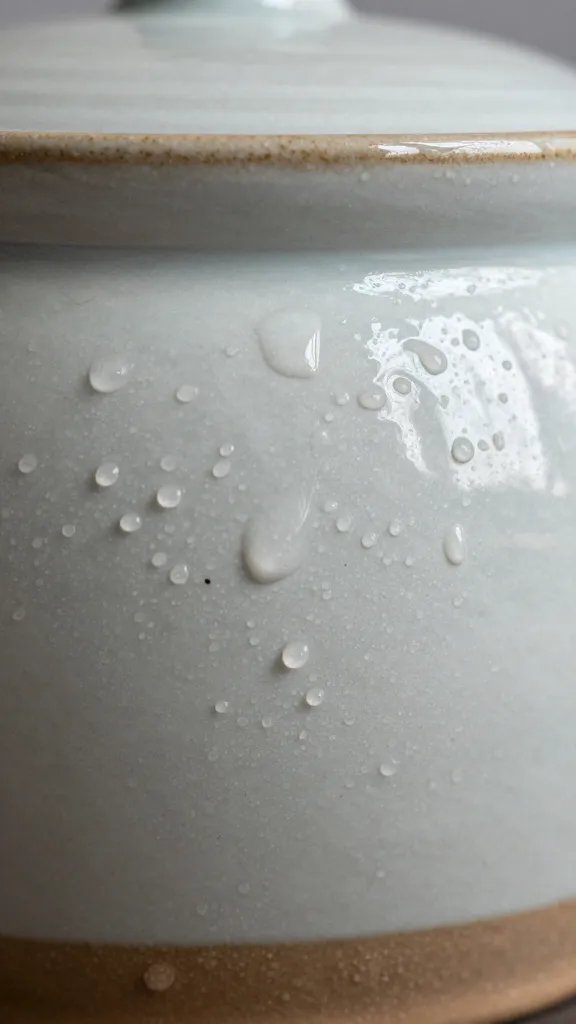
Glazed ceramic has a glass-like coating that blocks that wicking. Water leaves only through the top of the soil and the drain hole, so the root zone stays moist longer.
Terracotta warms up in sun and dry air and sheds moisture faster. Glazed pots buffer temperature swings and trap moisture, which helps in hot, dry rooms but risks rot in cool, dim spots.
Takeaway: If you want faster drying and fewer rot risks, choose terracotta; if your space is hot and very dry, glazed can extend the time between waterings.
How Pot Size and Shape Change Evaporation Rates
Shallow, wide terracotta trays dry fast because more surface area meets air on both the rim and the walls. Deep, narrow glazed cylinders dry slowest because air reaches less soil and the walls don’t breathe.
For the same plant and soil, a 10 cm (4 in) terracotta pot often needs water 2–3 times as often as a 10 cm glazed pot. Upsizing a pot slows drying further because there’s more soil volume holding moisture than roots can use quickly.
Action: If you switch a succulent from terracotta to glazed, drop one pot size (for example, 12 cm to 10 cm) to keep the drying time similar.
Set Your Baseline: Simple Watering Intervals That Actually Work
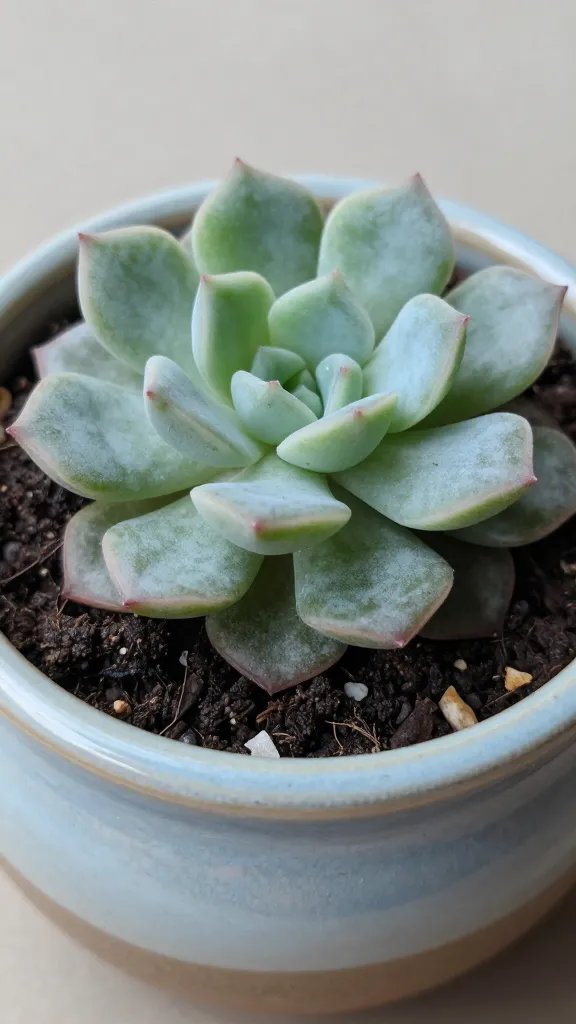
Use these starting points for healthy, rooted succulents in a bright spot near a window and a standard cactus/succulent mix from the garden centre.
- Terracotta, small (8–10 cm/3–4 in): Water every 4–7 days in summer; every 10–14 days in winter.
- Terracotta, medium (12–15 cm/5–6 in): Water every 7–10 days in summer; every 14–21 days in winter.
- Glazed ceramic, small: Water every 10–14 days in summer; every 3–4 weeks in winter.
- Glazed ceramic, medium: Water every 2–3 weeks in summer; every 4–6 weeks in winter.
These are baselines, not rules. Your room’s light, temperature, and airflow will shift them. You’ll lock in your exact schedule by checking dryness properly.
Action: Pick the baseline that matches your pot today and set a reminder on your phone; adjust after your first dryness check.
How to Check Dryness Without Gadgets
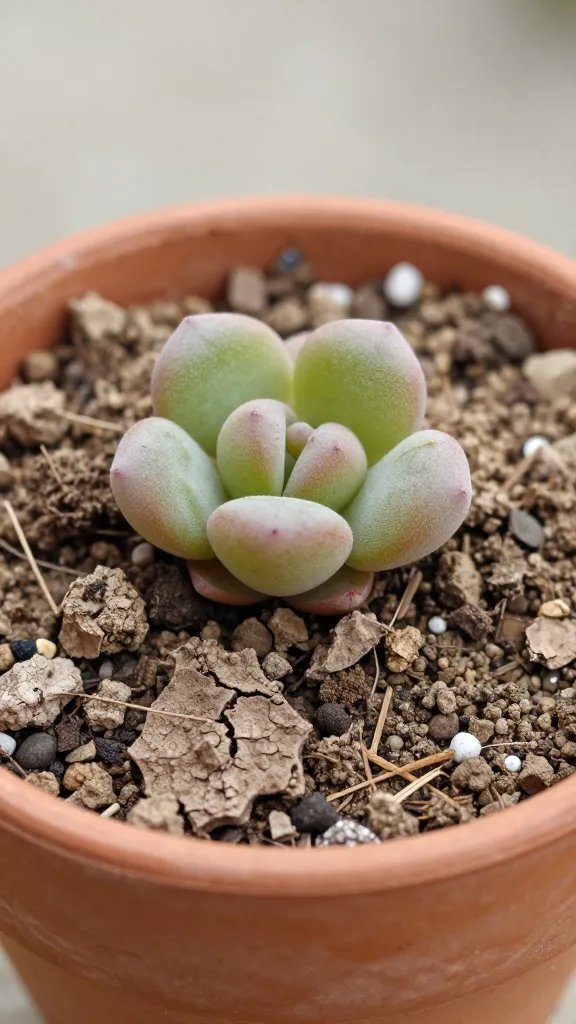
I don’t use moisture meters for succulents. I use my finger, a wooden skewer, and pot weight.
- Finger test: Press 3–4 cm (1–1.5 in) into the mix. If it feels cool or clings, it’s still moist. Succulents want it fully dry at that depth before rewatering.
- Skewer test: Push a wooden skewer or chopstick to the bottom. If it comes out dark or with crumbs sticking, wait; if it’s dry and clean, water.
- Weight test: Lift the pot right after watering to learn the “full” feel. Lift daily for a week. When it feels noticeably lighter and the skewer is dry, that’s your cue.
Action: Insert a skewer today and leave it in the pot as a built-in dipstick; check it before every watering.
Match Species to Material: Who Loves Fast Drying, Who Tolerates Slow
Some succulents demand fast-drying pots; others handle the slower pace of glazed ceramic if light is strong and the container drains well.
Best In Terracotta (Fast Drying)
- Echeveria and Graptoveria — tight rosettes, rot-prone cores.
- Haworthia and Haworthiopsis — firm leaves, resent soggy crowns.
- Cacti (Mammillaria, Rebutia, Gymnocalycium) — demand high oxygen at roots.
Okay In Glazed (Slower Drying)
- Jade (Crassula ovata) — thick stems and leaves store water well.
- Aloe — tolerates a bit more moisture if light is strong.
- Sansevieria (Snake Plant) — technically a succulent, fine with long dry spells but doesn’t mind slow drying in bright rooms.
Action: If you struggle with rot on rosettes, move them to terracotta before changing anything else.
Soil and Drainage: The Lever You Control Most
Pot material sets the pace, but soil texture decides the outcome. I use a bagged cactus and succulent mix from the garden centre and lighten it further for glazed pots.
Glazed Pots: Open the Mix
- Blend 2 parts cactus mix with 1 part bagged pumice or perlite.
- Add a thin 1–2 cm (0.5 in) layer of coarse gravel over the drain hole to prevent clogging — not as a false drainage layer, just to stop mix loss.
Terracotta Pots: Keep It Simple
- Straight cactus mix works well because the pot already breathes.
- If your room is very dry and warm, add 1 part regular potting mix to 3 parts cactus mix to slow the dry-down slightly.
Warning: Always use a pot with a real drainage hole. Closed-bottom planters trap water and rot roots, regardless of material.
Action: For any glazed pot you already own, stir in an extra handful of perlite per small pot today to increase airflow and match terracotta-like drying.
Dial-In Routine: Watering Technique For Each Pot Type
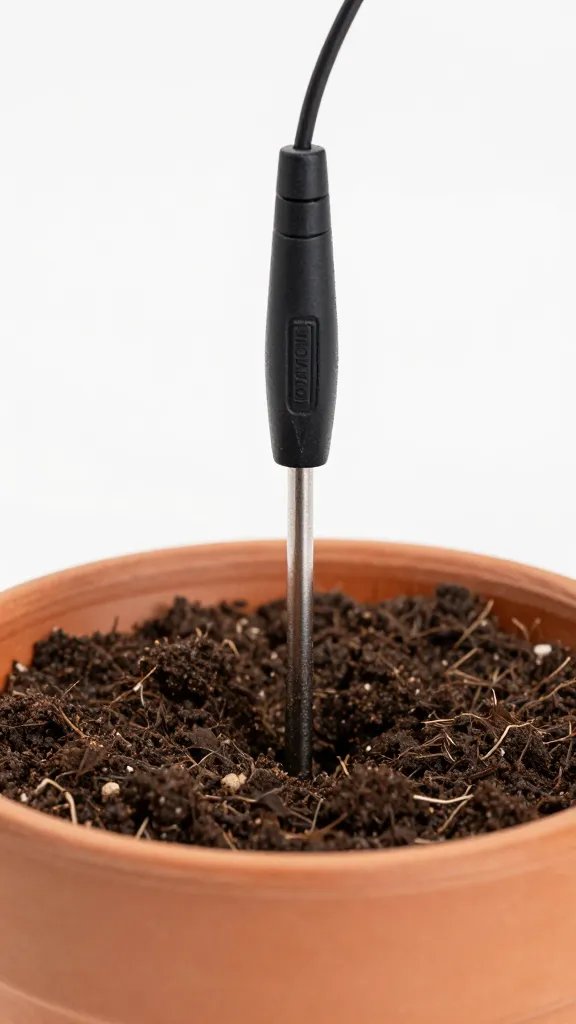
For both materials, water deeply, then let the mix dry fully before repeating. Shallow sips keep roots near the surface and encourage rot.
Terracotta Technique
- Water until you see a steady stream from the drain hole.
- Set the pot on a saucer for 10 minutes, then discard runoff.
- Expect quicker dry-down; start checking on day 3–4 for small pots.
Glazed Ceramic Technique
- Water the same way, but plan for a longer wait before the next session.
- Boost airflow with a small desk fan on low for 30 minutes after watering, or crack a nearby window.
- If a cool snap hits, skip your next planned watering and recheck dryness instead.
Action: After your next watering, set a 10-minute timer to empty the saucer — that single habit prevents most root issues.
Troubleshooting: Reading the Signals Fast
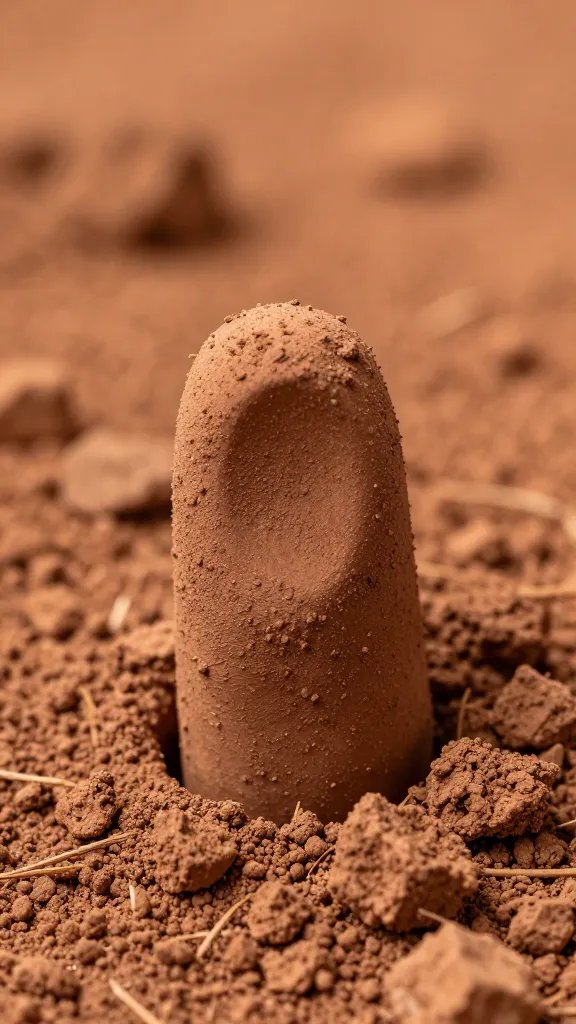
Warning Signs You’re Overwatering (Common In Glazed)
- Mushy, translucent leaves; leaves detach with a gentle touch.
- Soil smells sour; algae or fungus gnats appear on the surface.
- Pot still feels heavy a week after watering.
Warning Signs You’re Underwatering (Common In Terracotta)
- Wrinkled leaves that don’t plump up a day after watering.
- Soil pulling from pot edges; mix turns very light in color.
- Leaf tips dry or crisp, especially in hot windows.
Step-By-Step Fix For Overwatering
- Slide the plant from the pot and trim any black, mushy roots with clean scissors.
- Repot into fresh dry mix with extra perlite, ideally in terracotta.
- Wait 5–7 days before the first light watering to let cuts callus.
Step-By-Step Fix For Underwatering
- Bottom-water: set the pot in a bowl with 2–3 cm (1 in) of water for 10–15 minutes.
- Let excess drain fully; resume normal deep watering next cycle.
- Add a thin top-dress of gravel to reduce surface evaporation in very dry rooms.
Action: Check one plant you suspect is unhappy and do the skewer test now; act based on what you find rather than the calendar.
Frequently Asked Questions
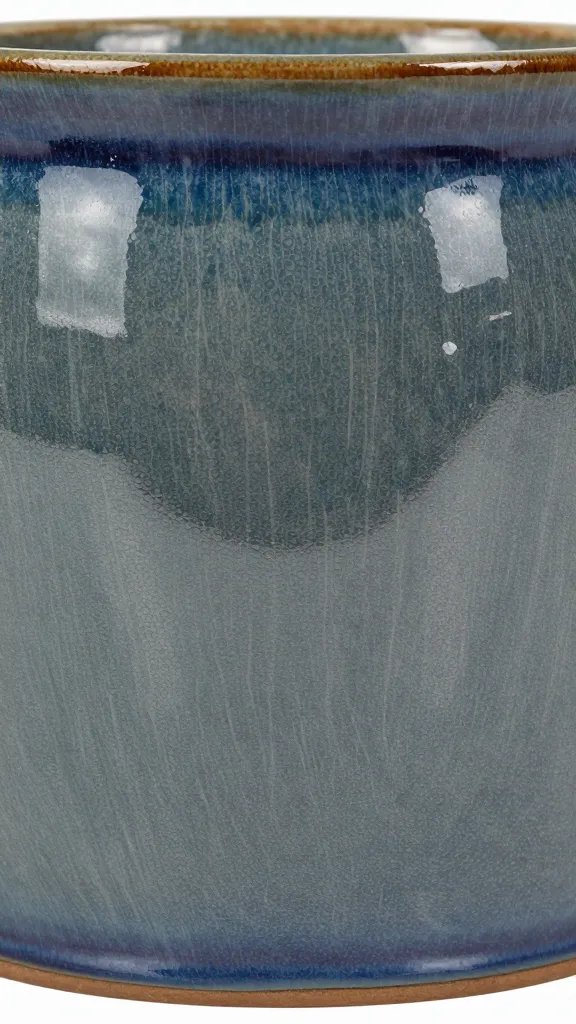
Do succulents always do better in terracotta?
No. Terracotta is more forgiving because it dries faster and increases root oxygen, but in very hot, dry rooms a glazed pot can reduce how often you need to water. Match material to your environment and species. If you overwater often, terracotta helps; if you forget to water for weeks, glazed buys you time.
How do I water a succulent in a pot without drainage?
Don’t. Use only containers with a real hole. If you love a decorative cachepot, keep the plant in a plastic nursery pot with drainage and drop it inside the cover pot. After watering at the sink, let it drain 10 minutes, then return it.
My glazed pot stays wet for two weeks. Is that normal?
Yes in cool rooms or low light. Increase airflow, move the plant to a brighter window, and add extra perlite to the mix. If it still stays wet past two weeks, repot into terracotta or downsize the pot by 2 cm (about 1 in) diameter.
What if the top looks dry but the bottom is wet?
That’s common in glazed pots and larger sizes. Use the skewer test to read the bottom. If the tip comes out dark, wait. Lightly rake the top 1 cm (0.5 in) with a fork to prevent crusting and improve evaporation.
Can I standardize watering across a mixed arrangement?
Only if the arrangement is in one material and one depth. Mixed species in glazed bowls often force compromises. Group thirstier succulents (jade, aloe) together and keep rot-prone rosettes in their own terracotta pots so each group can follow its ideal schedule.
Conclusion

You don’t need gadgets to master succulent watering — just the right pot, a simple mix, and a reliable dryness check. Choose terracotta when you want safety and fast recovery, and glazed when you need longer intervals in bright, dry rooms. Today, decide which plant will move to terracotta and put a skewer in every glazed pot — by next week, your watering rhythm will finally make sense.