How Glass Thickness Affects Light Transmission in a Terrarium — Par Loss and Uv Filtering Secrets
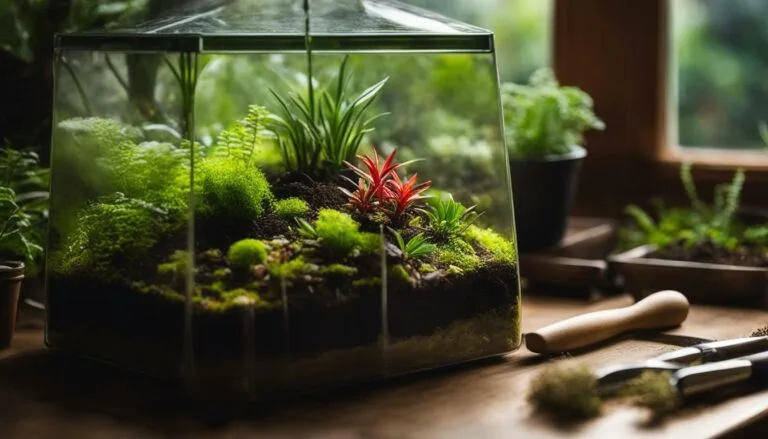
I learned the hard way that a terrarium can sit inches from a sunny window and still grow leggy moss and pale ferns. The culprit wasn’t the window or the plants — it was the glass itself. Once I matched glass thickness and type to the light needs of my plants, growth tightened up and colors returned. In this guide, I’ll show you how glass changes the light your plants use, and how to choose or adapt your setup so your terrarium thrives.
What “PAR” Really Means for Your Terrarium
Plants don’t care how bright light looks to us; they use PAR (Photosynthetically Active Radiation) — the slice of light plants use to grow. Household bulbs and daylight both deliver PAR, but every layer between the source and your plants trims it down.
Glass, distance, and dust each shave off usable light. If you’ve ever noticed your moss growing sideways toward a seam or your fittonia fading, that’s a PAR problem more than a “brightness” problem.
Action today: Move your terrarium 12–18 inches closer to its window or lamp and note growth changes over two weeks. That simple distance fix often beats buying a new light.
How Glass Thickness Reduces Light Transmission
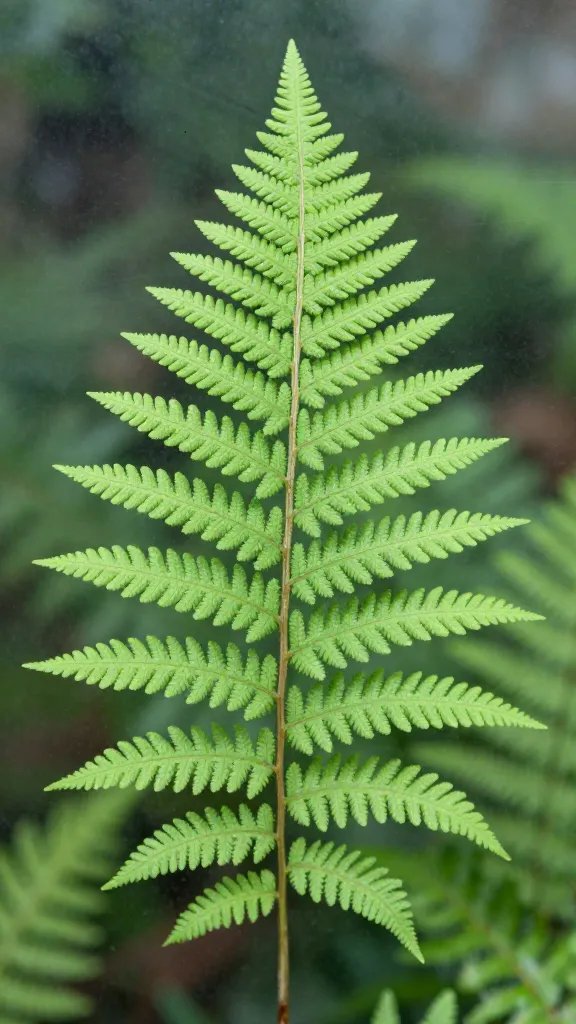
Clear glass looks “transparent,” but it isn’t perfect. Every extra millimeter adds small losses from reflection and absorption, which add up fast.
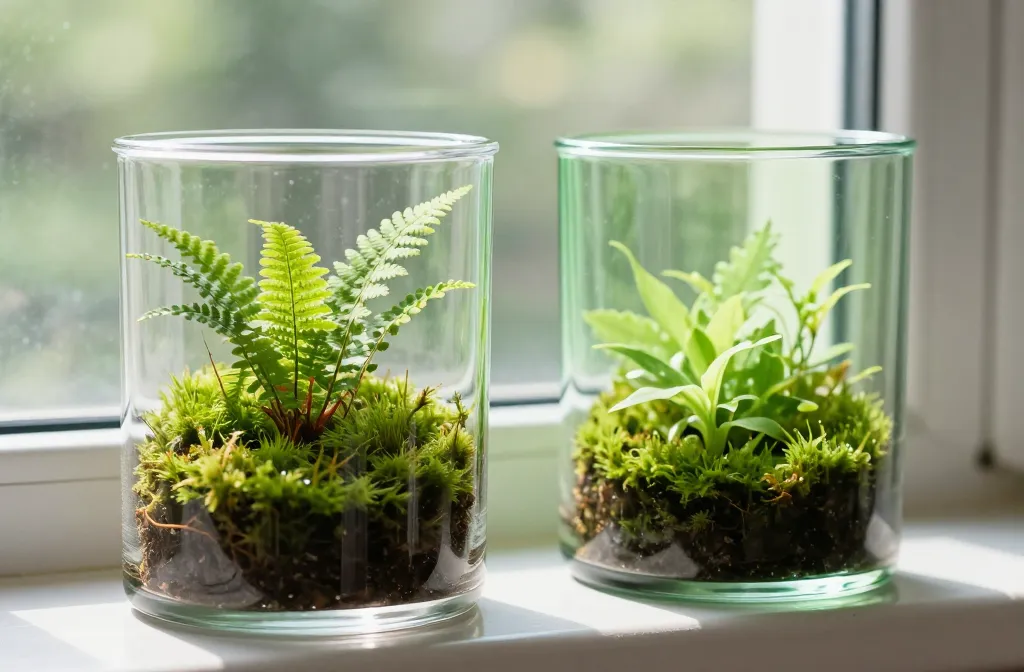
- 2–3 mm glass (thin jars, photo frames): High transmission; plants get the most PAR.
- 4–6 mm glass (aquarium panels, cylinder vases): Noticeable drop; fine for shade plants, marginal for sun-lovers.
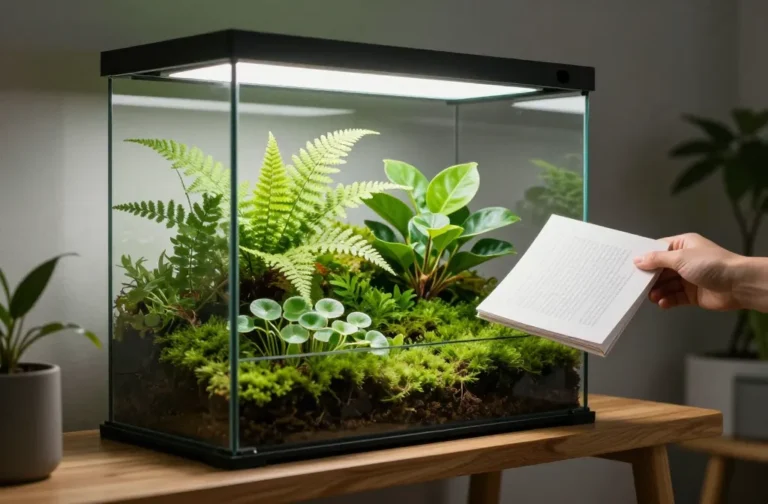
- 8–10+ mm glass (thick aquariums, display cases): Significant PAR loss; expect slower, leggier growth unless you increase light intensity or move closer to the source.
Two panes double the losses. A terrarium behind a window already lost a chunk of PAR before it even hits your vessel.
Action today: If you use thick aquarium glass, rotate the terrarium so the plants face the opening or thinnest panel to boost direct PAR.
Green, Low‑Iron, Tempered, or Acrylic: Which Passes the Most Light?
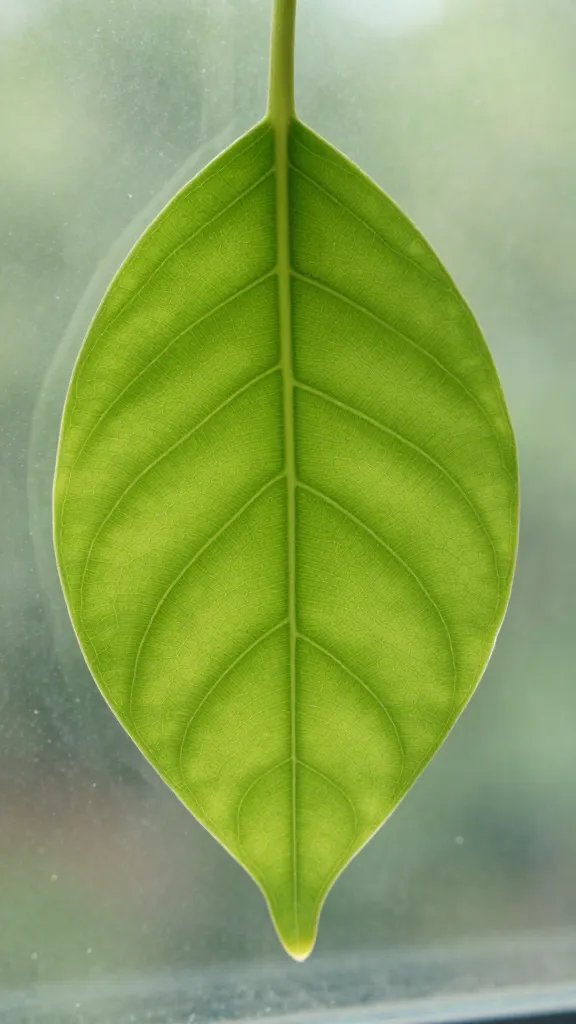
Not all “clear” is equal. The tint and chemistry change what plants receive.
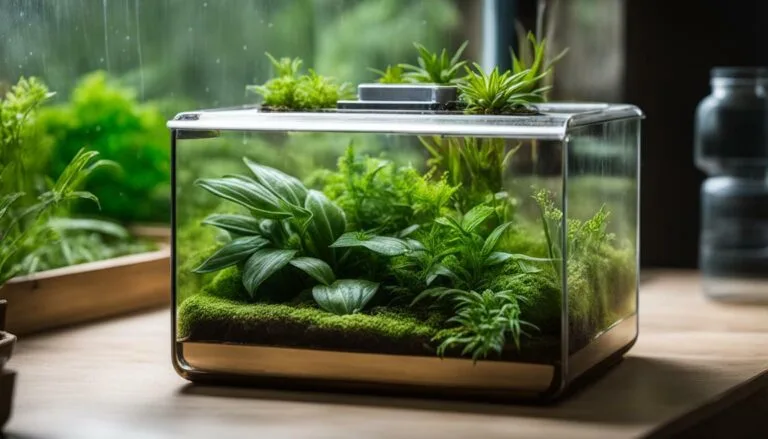
- Standard soda‑lime glass (slight green tint): Common jars and aquariums. Good PAR, a little less blue; fine for most shade and medium-light plants.
- Low‑iron glass (ultra‑clear): Best visible and PAR transmission. Great if you keep higher‑light species or want truer colors.
- Tempered glass: Strong but optically similar to standard; thickness still rules PAR loss.
- Acrylic (PMMA): Very clear and often passes more visible light than thick glass. It usually blocks most UV‑B and some UV‑A, which protects skin and plastics but changes plant signals.
If your terrarium glass looks green from the edge, expect a small dip in blue light. Blue loss encourages stretch in some plants; low‑iron or acrylic keeps growth tighter.
Action today: If you’re buying new, choose a thin, low‑iron cylinder or a clear acrylic dome for the brightest, truest transmission without special gear.
UV Filtering: What Plants Lose (and What You Gain)
Most household and window glass blocks UV‑B and trims a lot of UV‑A. That protects you and reduces algae blooms, but it changes plant pigments and growth cues.
- Less UV often means softer colors and less leaf reddening in species that blush in sun.
- Algae on glass and substrate tends to be lower with UV filtering — a win for clarity.
- Moss and ferns don’t need UV exposure; they prefer filtered light anyway.
If you grow sun‑loving succulents in a closed vessel, heavy UV filtering plus thickness slows coloring and compact growth. Better to keep those plants in an open dish near a bright window.
Action today: For color in sun‑loving species, skip lids or use a mesh cover instead of glass to reduce UV and PAR loss.
Real‑World Losses You’ll Actually Notice
Here’s how common setups behave without meters, just by observation and straightforward swaps:
- Thin jar on a bright windowsill: Mosses carpet, nerve plants stay compact. Minimal glass loss; window still blocks most UV‑B.
- Thick aquarium on a shelf with a lamp above: Good for shade plants if the lamp sits close. Raise the lamp too high and you’ll see stretch.
- Closed lid + distance: Two barriers plus air gap cut PAR dramatically. Expect legginess unless you bring the light within a hand’s span.
Dust, fingerprints, and condensation each act like an extra filter. A hazy film can reduce usable light more than another millimeter of glass.
Action today: Clean all glass surfaces inside and out with a vinegar‑water mix and a microfiber cloth. Clear glass equals freer light.
Simple Fixes When Plants Look Pale or Leggy
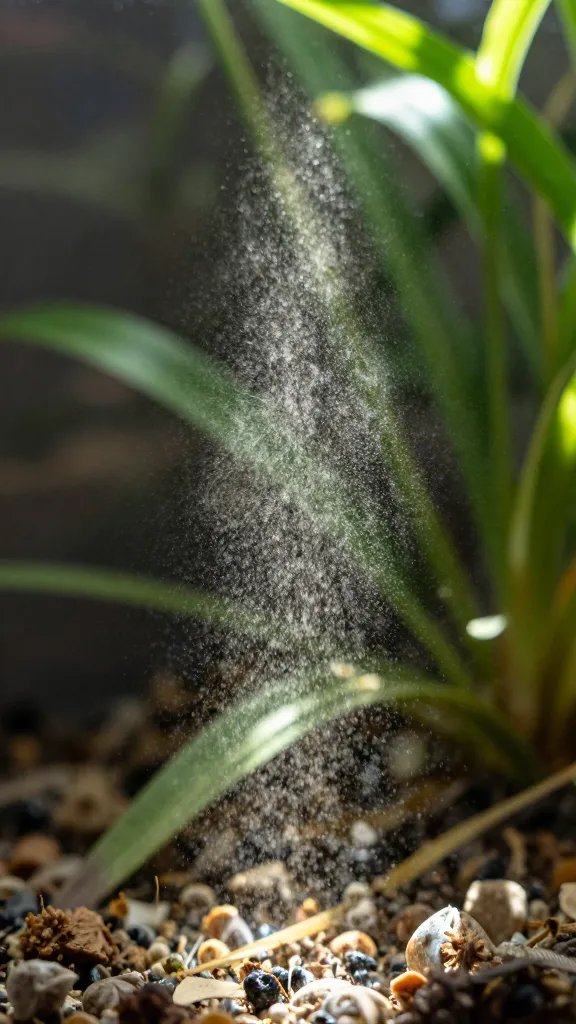
You don’t need meters or special bulbs to correct for thick or tinted glass. Small, cheap adjustments restore growth.
Step‑By‑Step Fix
- Shorten the distance: Place the terrarium within 6–12 inches of a bright window or bring your lamp within a hand’s span of the lid or side panel.
- Use the opening: Turn plants toward any open face or lid gap for a clear light path.
- Swap the vessel: Move struggling plants into a thinner‑walled jar, or remove the lid for part of the day to cut one barrier.
- Choose the right plants: Keep mosses, ferns, fittonia, pilea, peperomia in thicker glass; place succulents and sundews in thinner, open containers.
- Add a basic grow bulb: Pick a 4000–6500 K LED “grow” bulb from the garden centre and hang it close. Aim for bright, white light rather than warm, yellow light.
Action today: Rotate the terrarium 90 degrees so the fullest plant faces the clearest glass, then lower your lamp to just above the lid.
Choosing the Right Container for Your Plant List
Match glass to plant needs and placement. This saves you from buying stronger lights later.
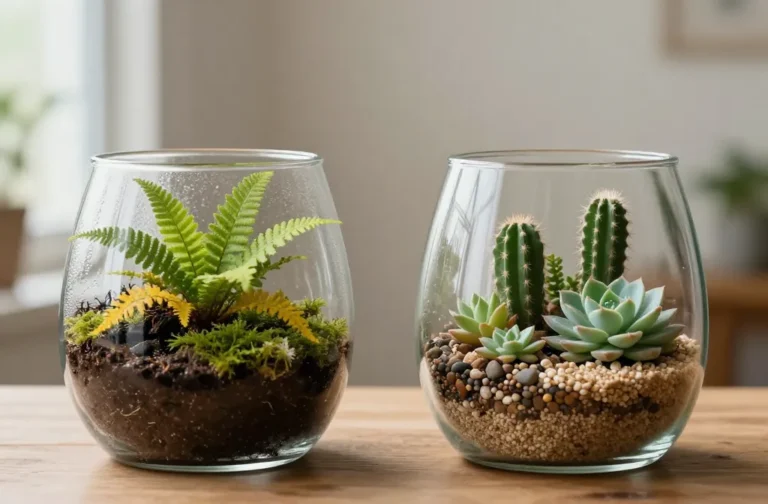
- Low light plants (mosses, ferns, fittonia): Fine in 4–6 mm glass or standard jars. Keep near a bright window but out of direct scorch.
- Medium light tropicals (begonia, peperomia, pilea): Prefer thinner, clearer glass or acrylic if the terrarium sits far from a window. Add a basic grow bulb if leaves stretch.
- High light or color‑seeking plants (succulents, carnivores): Use open containers or ultra‑clear thin glass. Place very near a sunny window; avoid heavy lids that filter UV and PAR.
Action today: List your plants and circle the highest‑light one. If it needs sun, move it to the thinnest, most open container you own.
Frequently Asked Questions
How do I tell if my terrarium glass is too thick for my plants?
Watch for long spaces between leaves, pale new growth, and plants leaning toward seams. If this shows up within 2–4 weeks despite a bright spot, glass plus distance is trimming PAR. Move the terrarium closer to a window or lamp and point the opening toward the light. If growth tightens in two weeks, thickness was part of the problem.
Do I need a special grow light if I have thick glass?
Often no — you can fix it by reducing distance and pointing plants toward an opening. If you still see stretch, add a simple white LED “grow” bulb from the garden centre and keep it within a hand’s span of the lid. Choose a bulb that looks daylight‑white (4000–6500 K) and run it 10–12 hours daily. A cheap plug‑in timer removes the guesswork.
Will low‑iron glass make a big difference?
Low‑iron helps when you already push for compact growth or true leaf color. It passes a bit more blue and overall light than standard green‑tinted glass, which helps keep growth tighter. If your terrarium sits far from a window or uses a lid, low‑iron pairs well with a closer lamp to recover lost PAR. For shade plants right on a bright sill, standard glass is fine.
Is acrylic better than glass for light transmission?
Acrylic often transmits visible light very well, especially when thin, and it’s lighter and safer to handle. It usually blocks most UV‑B and some UV‑A, which reduces algae and protects colors from bleaching but limits sun‑blush in high‑light species. It scratches easier, so clean with a soft cloth only. For tropical terrariums under a lamp, acrylic is an excellent choice.
Why are my mosses thriving but my fittonia looks stretched?
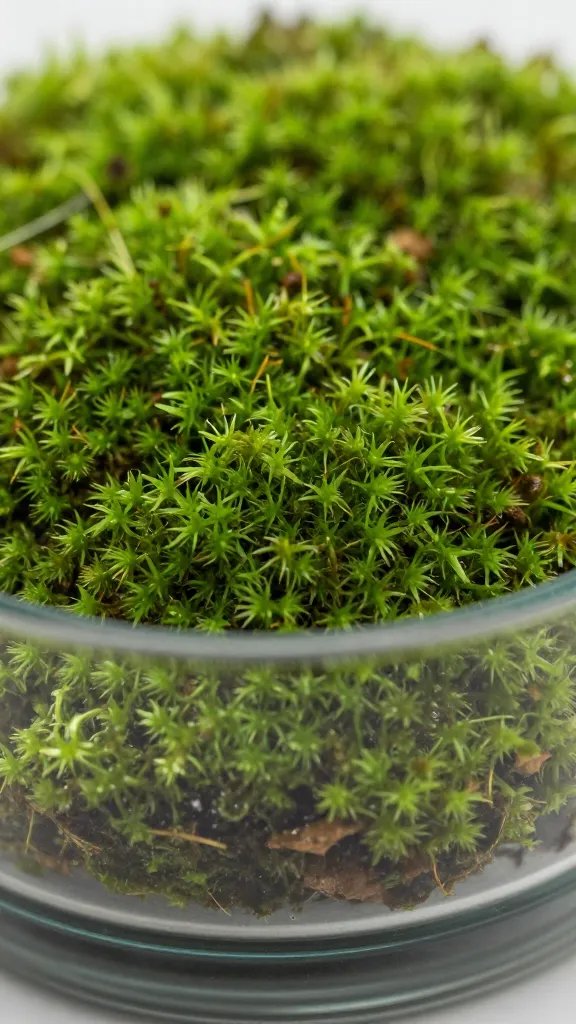
Mosses use low light well and sit closer to the glass, so they still get enough PAR through thick walls. Fittonia wants more consistent brightness, and the extra barriers reduce what it receives, especially if the terrarium sits back from the window. Turn the opening toward the light and move the vessel 12 inches closer. If needed, add a small white grow bulb directly above.
Do lids always reduce plant health?
Not at all. Lids stabilize humidity, which many tropicals love. They do add one more light barrier and can fog up, which cuts PAR until the condensation clears. If leaves stretch, crack the lid during the brightest hours or switch to a mesh to balance humidity with light.
Conclusion
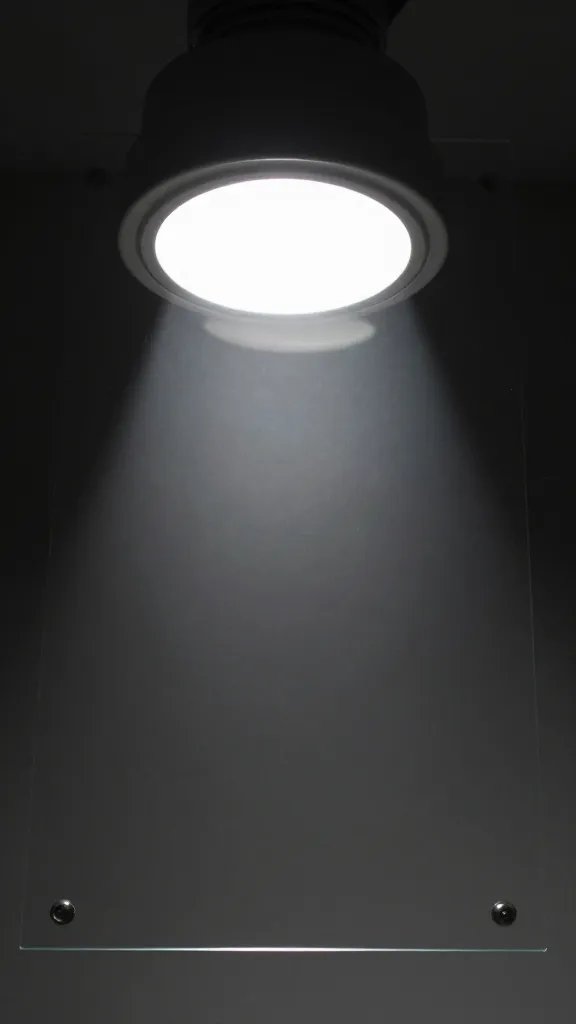
You don’t need meters to win against glass losses — you need thin, clear pathways and smart placement. Choose thinner or clearer containers for light‑hungry plants, keep the light source close, and aim growth through openings rather than walls. If you’re ready for next steps, plan your plant list first, then pick the vessel to match; that single decision keeps your terrarium thriving from week one.